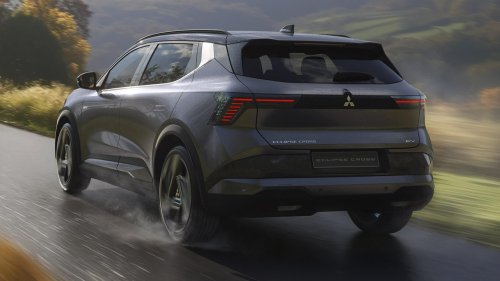
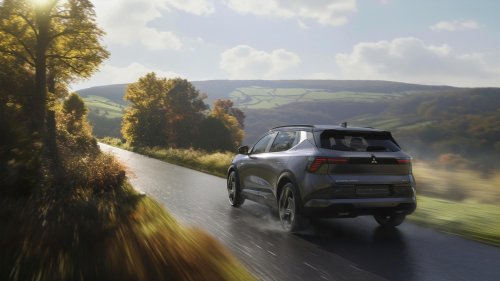
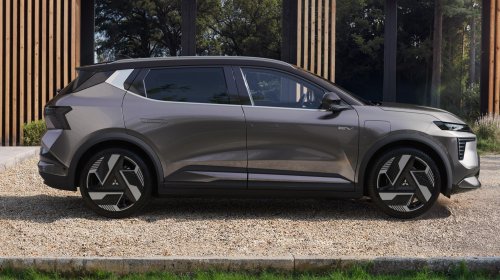
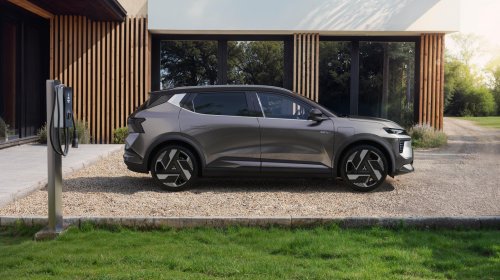
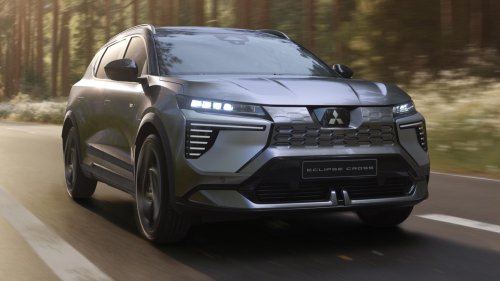
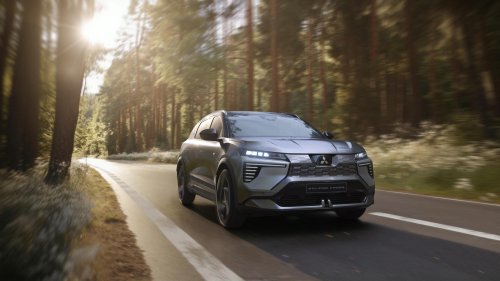
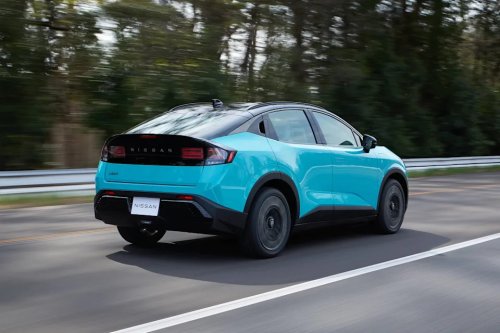
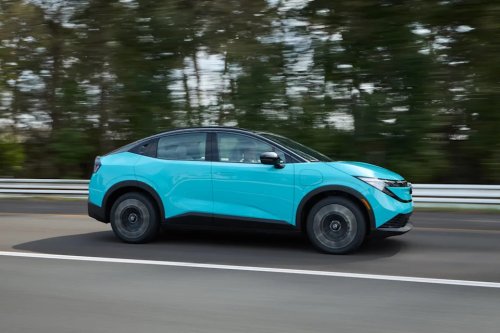
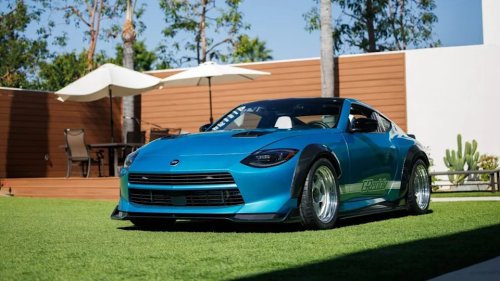
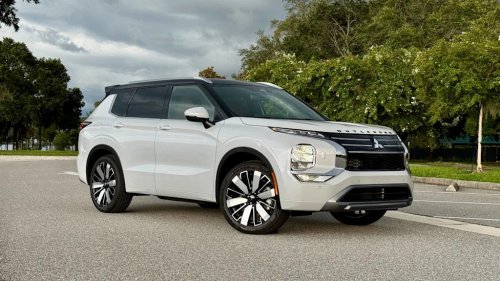
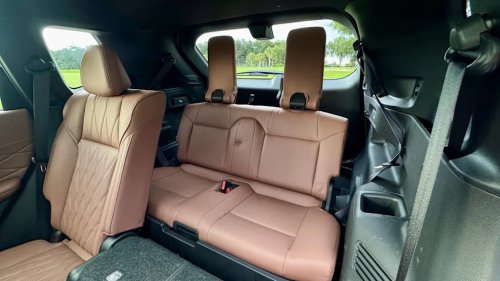
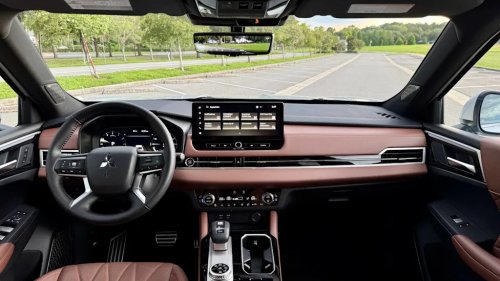
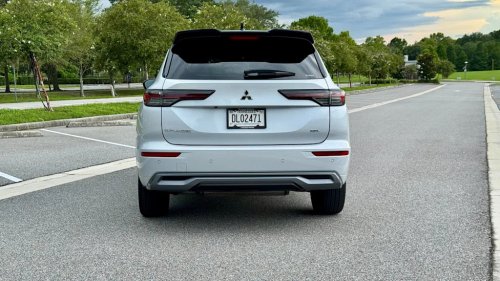
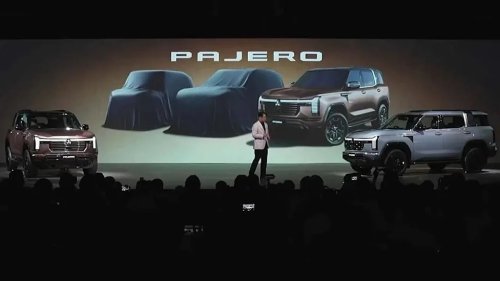
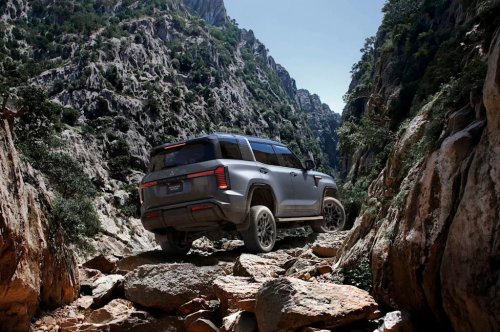
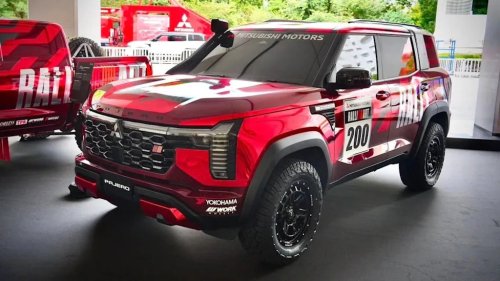
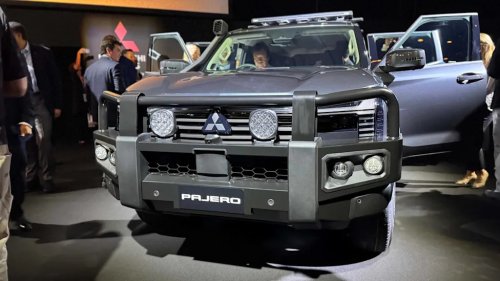
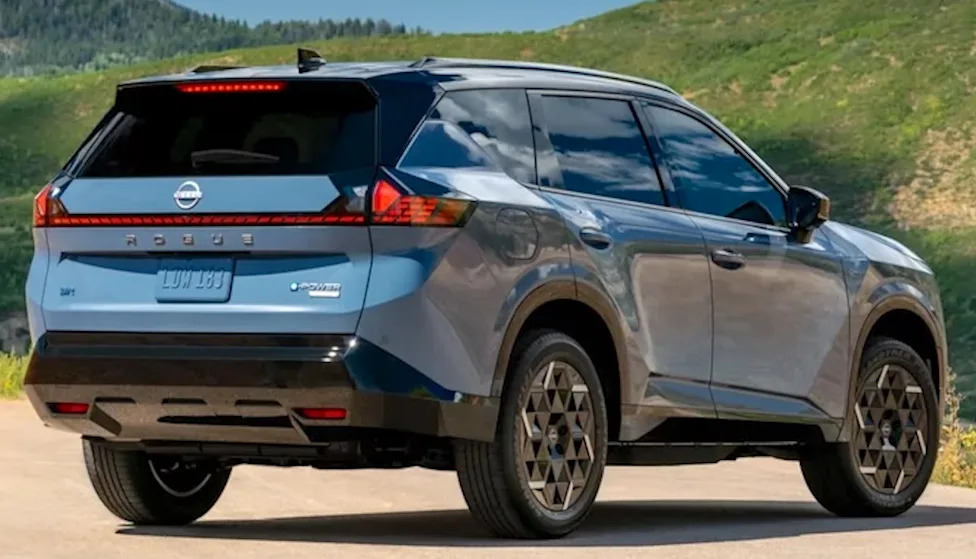
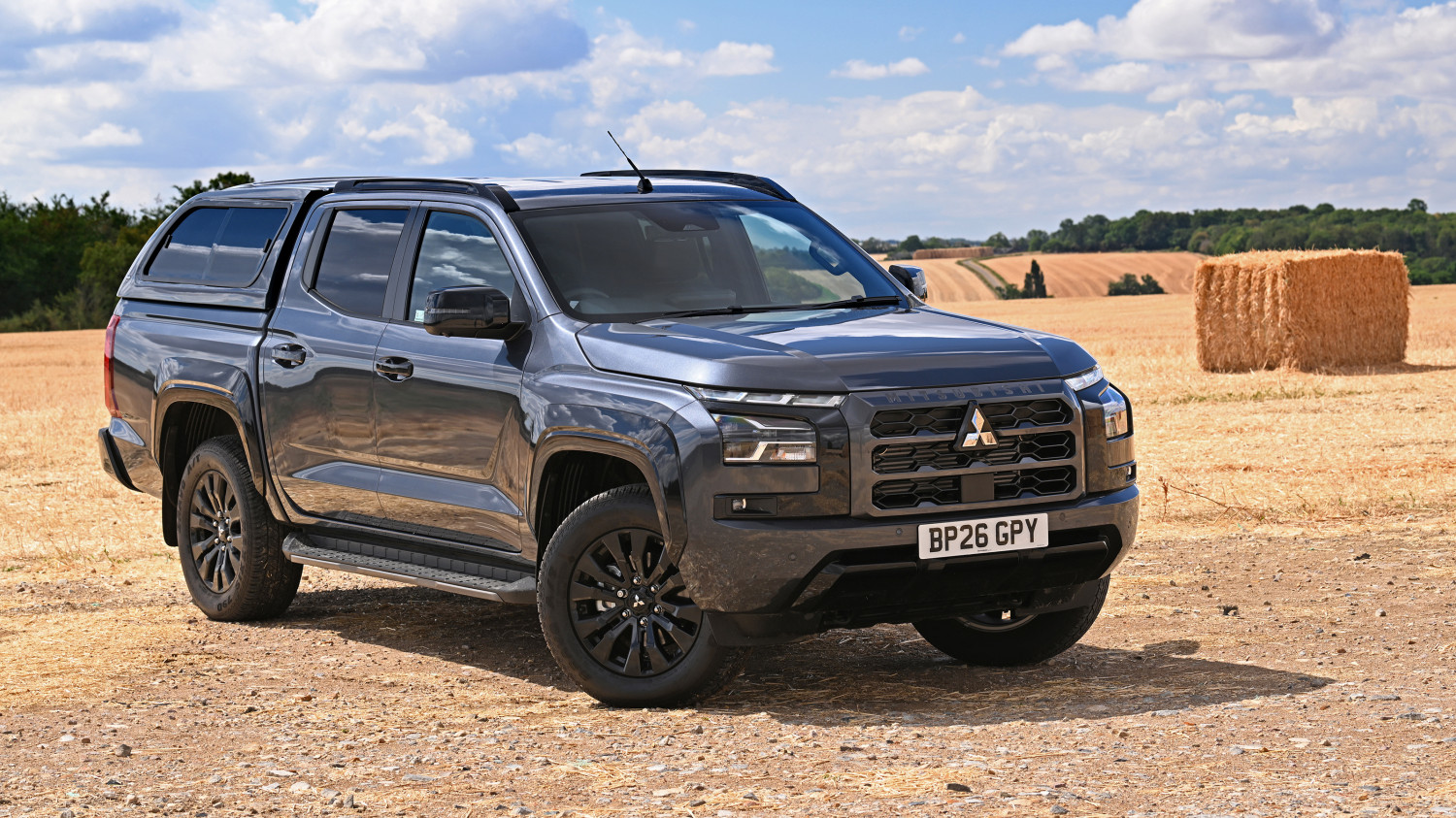
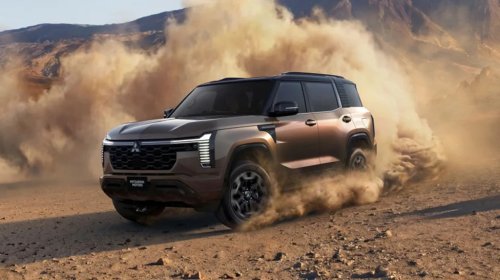
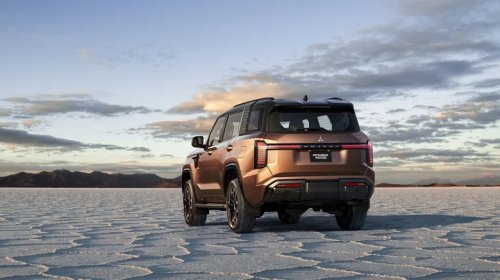
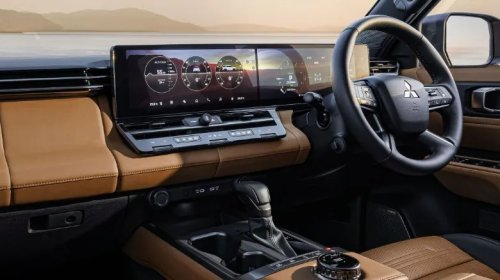
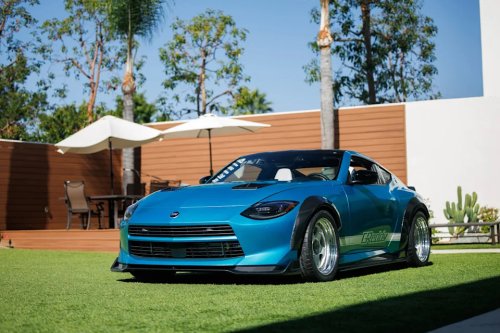
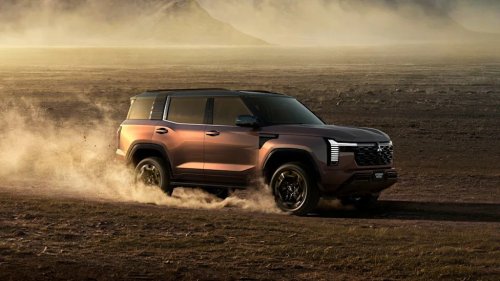
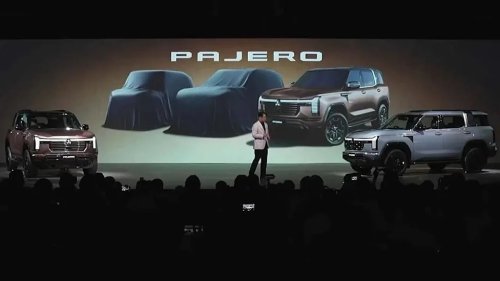
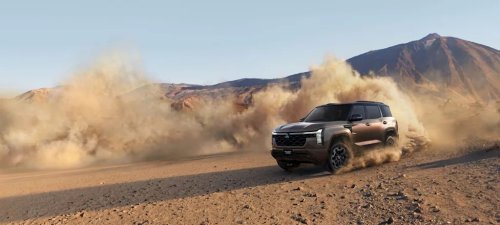
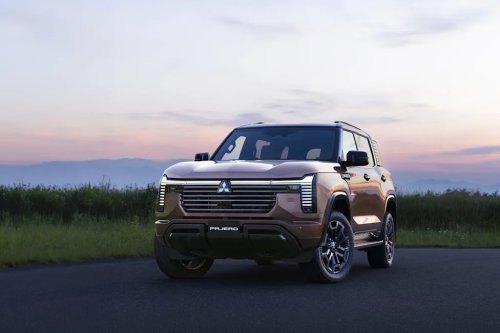
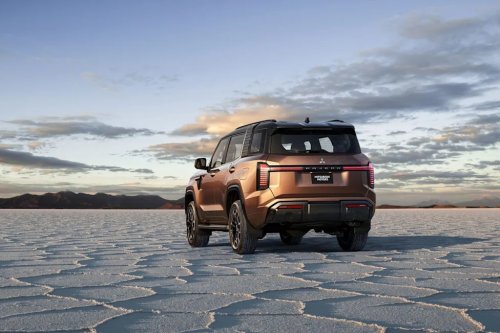
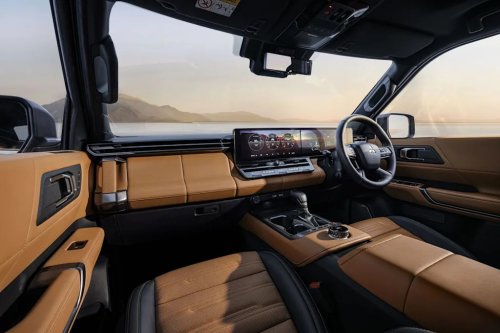
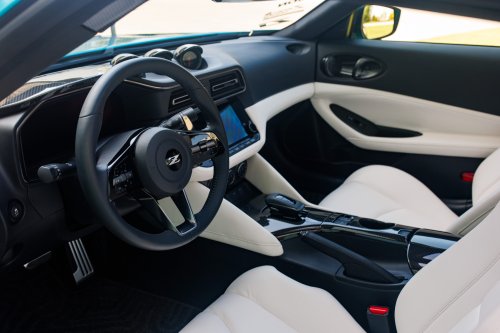
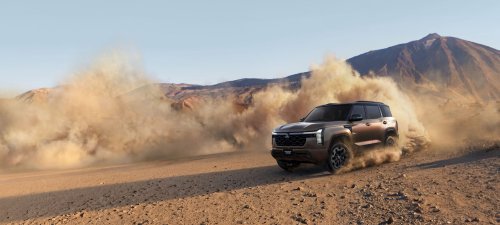
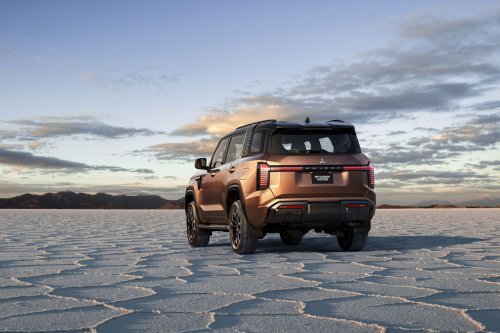
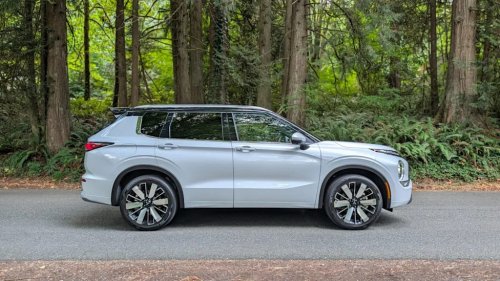
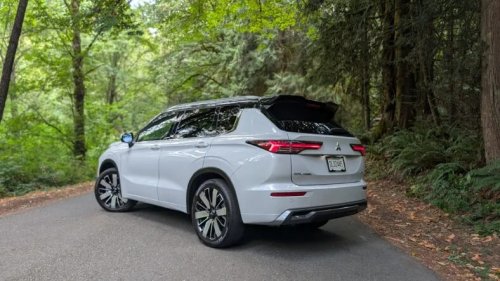
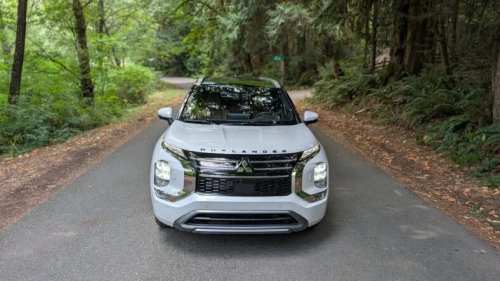
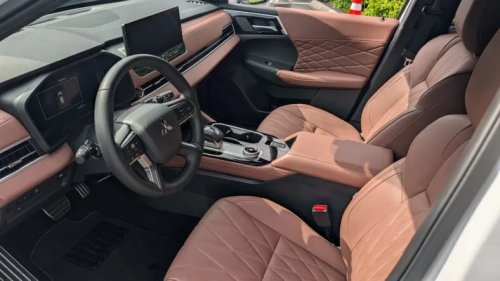
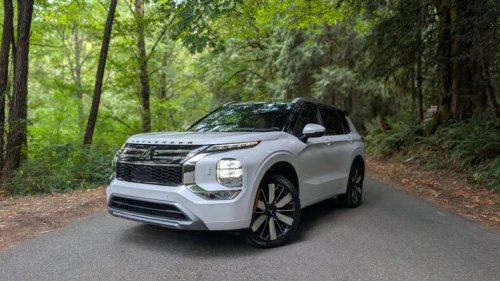
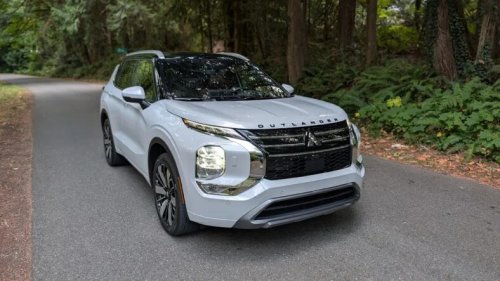
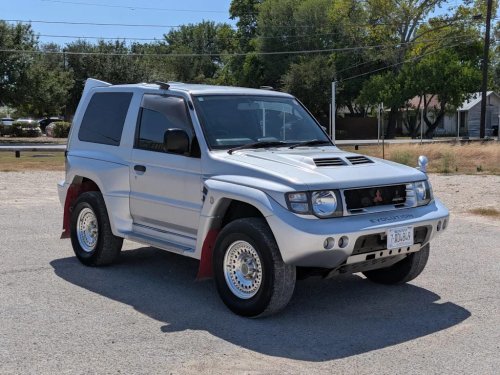
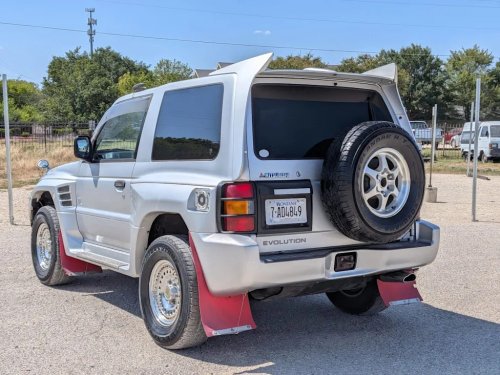
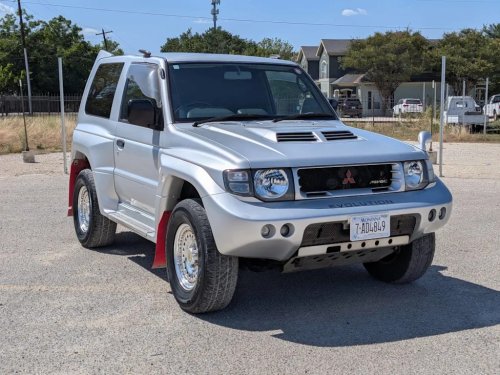
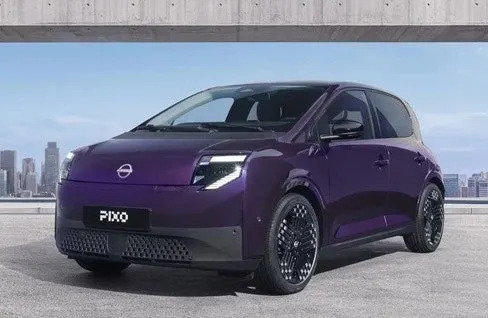
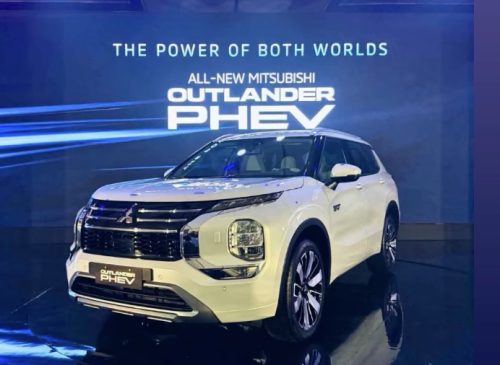
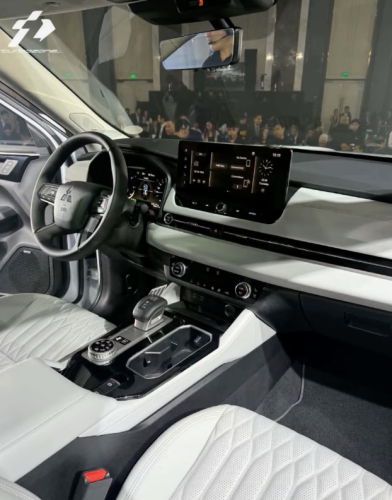
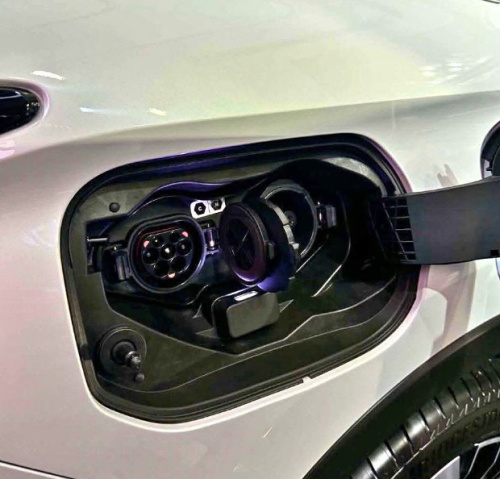
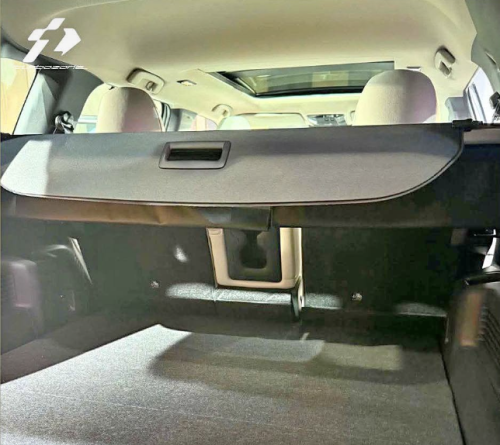
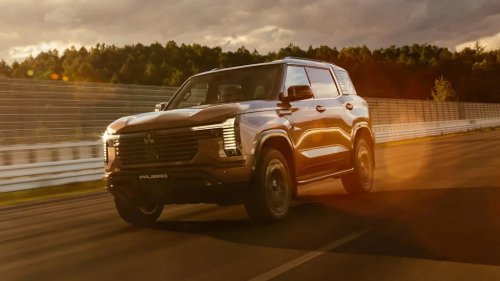
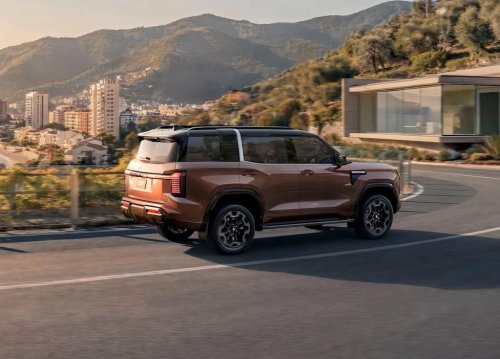
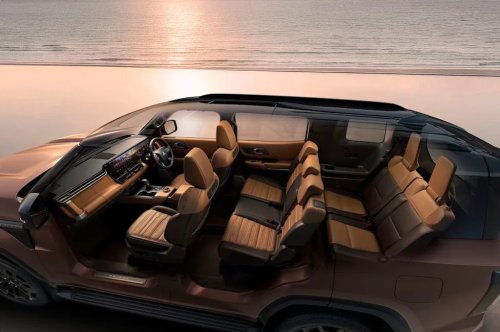
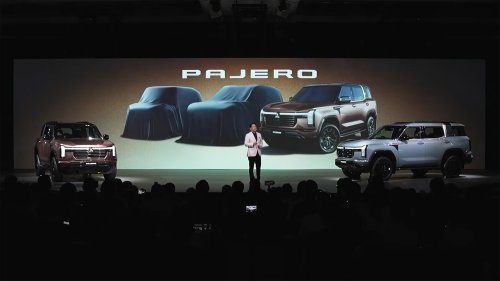
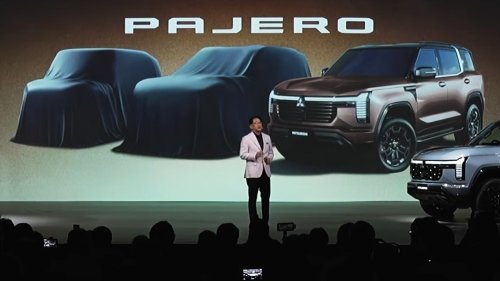
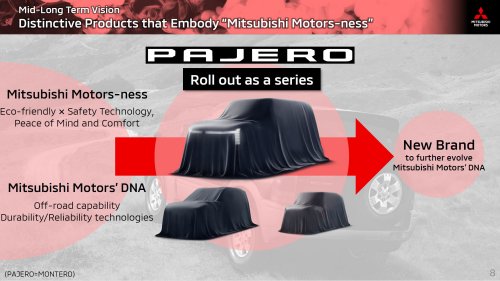
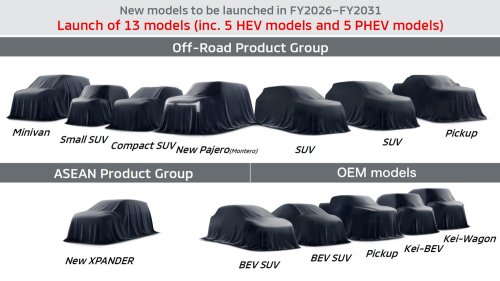
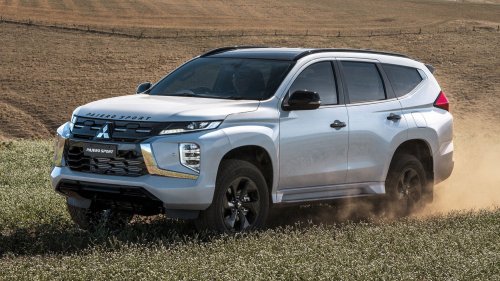
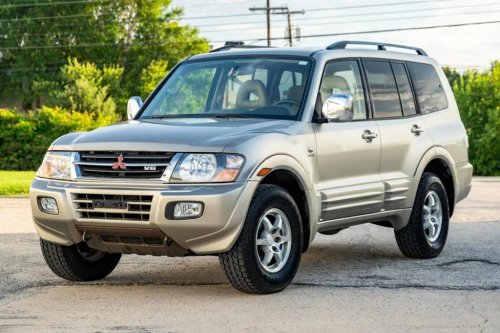
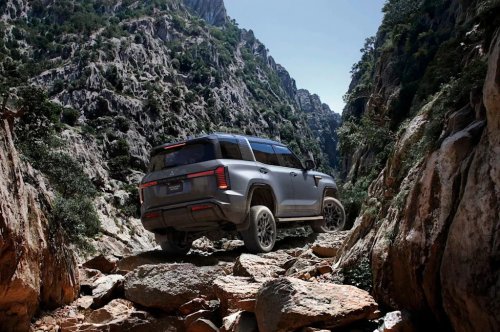
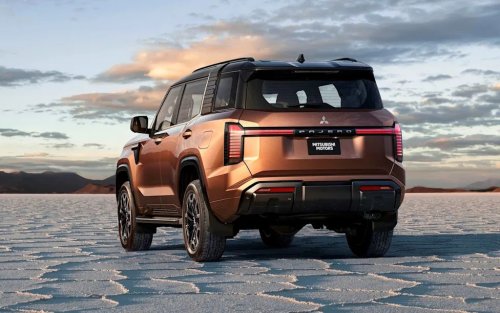
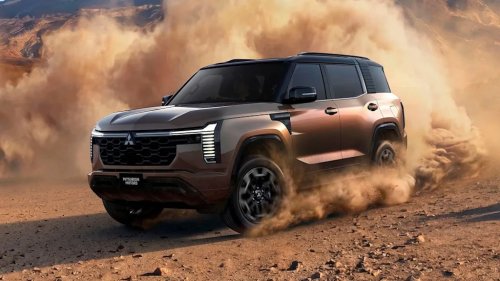
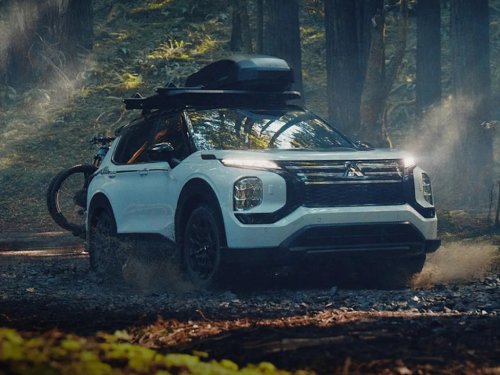
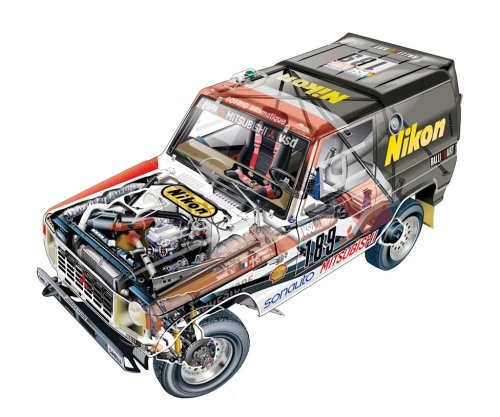
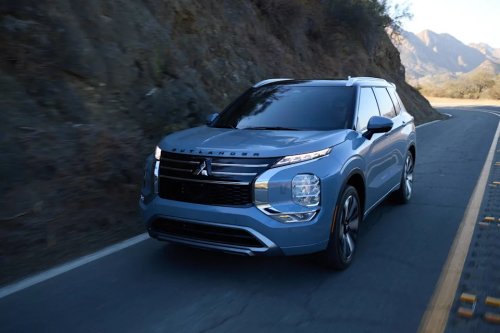
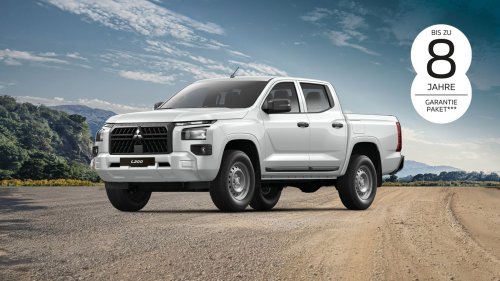
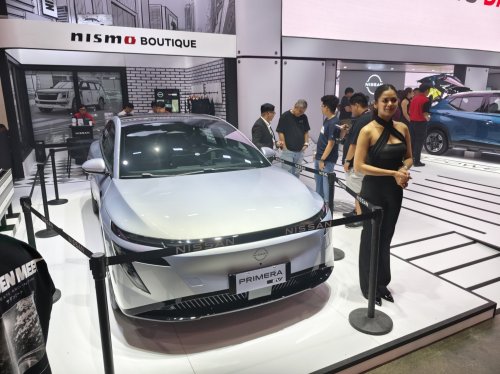
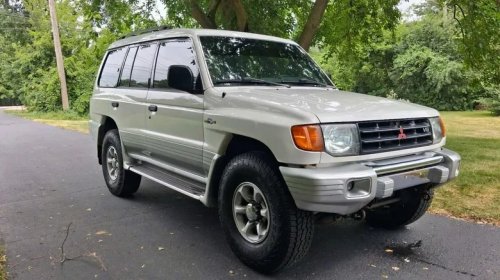
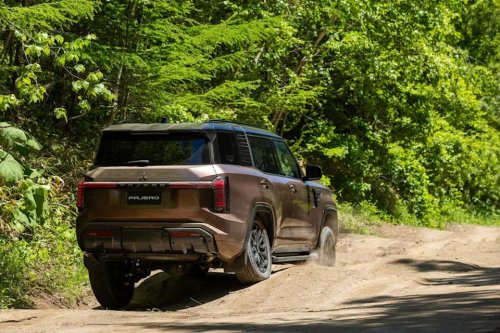
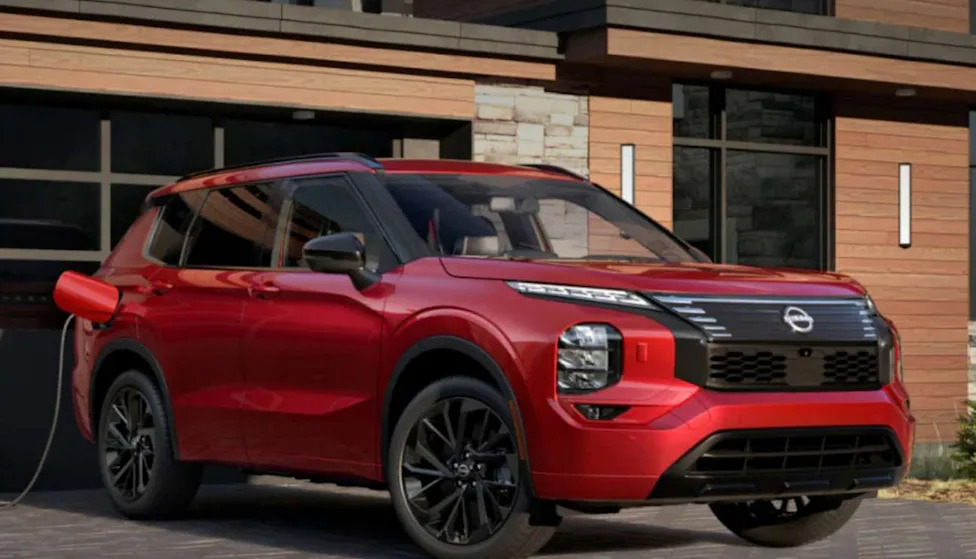
Photo Credit: NissanNissan's global sales slowdown is colliding with a very different narrative at partner company Mitsubishi, at least according to one closely watched automotive breakdown on YouTube.In a new post, automotive news creator Kirk Kreifels cast the two brands in sharply different terms, saying Nissan is losing steam in several major markets while Mitsubishi appears to be heading toward a significant brand reset.What happened?According to Kreifels, the "only bright spot for Nissan seemingly around the world is right here in the United States of America," with U.S. gains standing out against declines he cited in Japan, Canada, Mexico, and Europe.AdvertisementAdvertisementHis outlook for Mitsubishi was far more upbeat. As he put it, "They're going to be unrecognizable in many ways by the end of this decade."Kreifels described Mitsubishi as lining up 13 models over a six-year period, including five hybrids and five plug-in hybrids, with the Mitsubishi Outlander plug-in hybrid already among the best-reviewed three-row electrified cars on the market despite its smallish third row, given that it boasts a commuter-friendly 38 miles of EV-only range and vehicle-to-load abilities.Speaking of the Outlander, Nissan recently started making a plug-in hybrid Rogue that is actually just a re-badged Outlander, through the companies' partnership to share some tech and manufacturing resources. The electrified 2027 Rogue is slated to be a distinct Rogue, though, and actually might be one of the most interesting hybrids ever produced — its e-POWER setup means it will take gasoline for a generator that will recharge the battery, without using an actual gasoline engine, as only the electric motor will drive the wheels. So it will essentially be a full EV first and hybrid second, rather than the typical hybrid approach of a full gas car that also has a battery. If that approach takes off, it could be a big way for Nissan to flip this script. AdvertisementAdvertisementKreifels also pointed to the reported return of the Pajero — called the Montero in the U.S. — which he said would debut overseas as a diesel before eventually reaching the American market as a plug-in hybrid.Why does it matter?If Mitsubishi moves further into hybrids and plug-in hybrids while Nissan continues struggling to regain its footing globally, buyers could see more competition in some of the most important segments: family SUVs, lower fuel costs, and practical electrified options.Electrified vehicles can save drivers money in multiple ways. Hybrids and plug-in hybrids reduce gasoline use, while fully electric vehicles can cut fuel costs even further and often require less routine maintenance because they do not need oil changes and have fewer moving parts.A stronger Mitsubishi could mean more competition and more innovation at a time when legacy automakers are still trying to balance consumer demand, manufacturing costs, and the shift away from gas-powered vehicles.What are people saying?One commenter wrote, "Both Nissan and Mitsubishi were hot and great vehicles in the 1980s. I loved every car that they built. I strongly endorse both of them returning to designing cars people love."AdvertisementAdvertisementAnother added, "I have serious doubts but will always root for a comeback."A third viewer focused on one rumored model in particular, writing: "The io: a Kicks-like compact with a hybrid powertrain! It's about time!"Get TCD's free newsletters for easy tips, smart advice, and a chance to earn $5,000 toward home upgrades. To see more stories like this one, change your Google preferences here.



















 +56 others