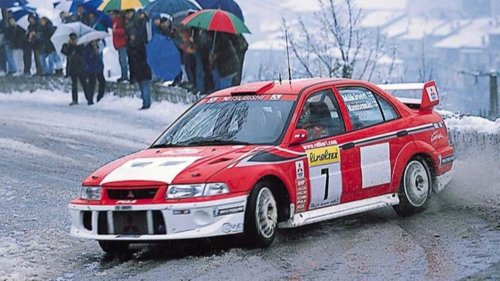
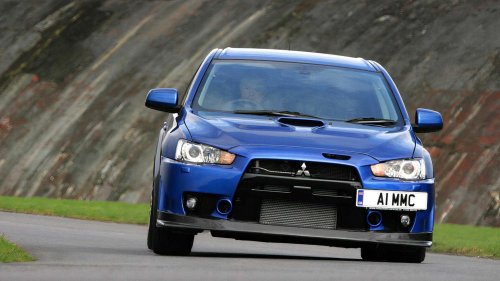
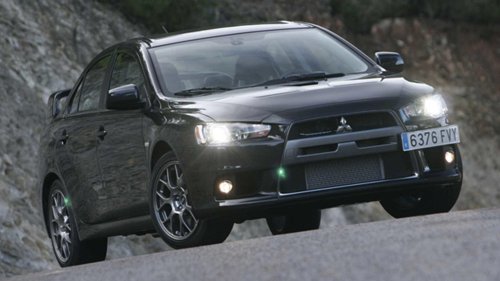
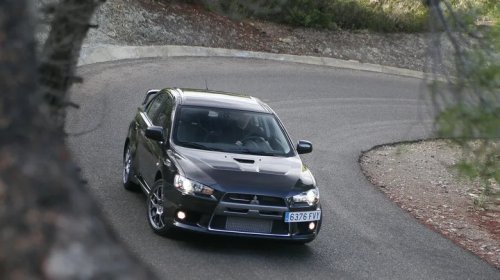
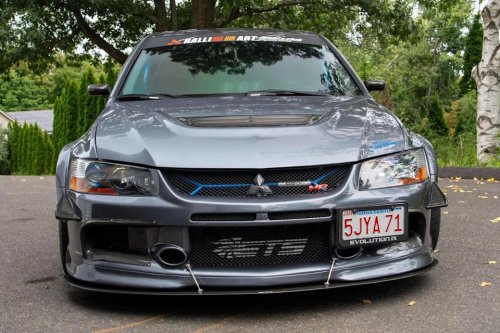
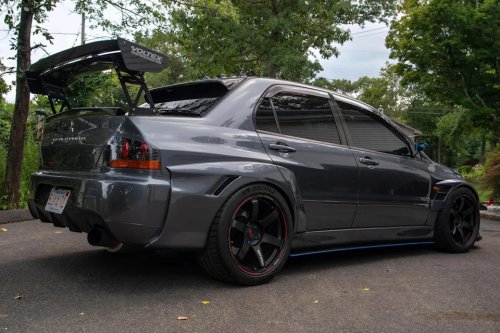
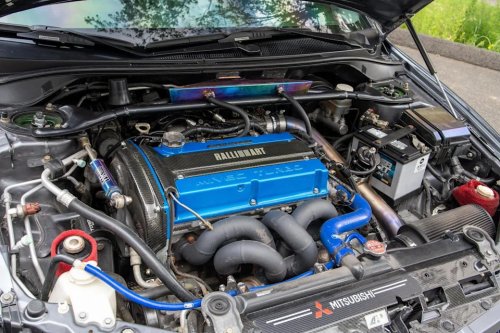
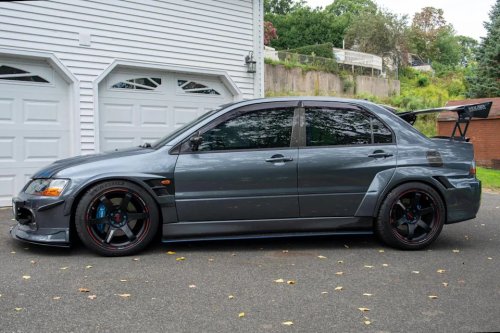
Jump LinksEarlier Models Boast Even More ValueThey Are RapidThe Evo X Is Fairly PracticalIt Is Generally ReliableYou'll Spend Many A Time Filling It UpMaintenance Costs Tend To Mount UpThe bloody battle between Mitsubishi and Subaru to offer up the best advanced Japanese sports sedan entranced many gearheads during the 1990s and 2000s, the two marques not giving an inch as they tried to come out on top. A tussle that started in the World Rally Championship, it eventually spilled over to the road courtesy of the Lancer Evolution and Subaru's Impreza WRX.The battle was ultimately concluded when Mitsubishi retired the model in 2016, ending the two-decade-long war on the spot. While this was a tragic turn of events, the important final Evo now represents a tempting bargain on the used market. CarBuzz decided to look at why you should pick one up for yourself, and also why you shouldn't.This piece explores why the Mitsubishi Lancer Evolution X is such a good used deal in 2026, a little over ten years after it had been discontinued. The Lancer Evolution was never replaced. The Lancer Evolution Was Born From The World Of Rallying 1999-2001 Mitsubishi Lancer Evo VI Red Rally Car Snow DriftingIn the early 1990s, Mitsubishi had begun utilizing the close and demanding competition in the WRC, which is working on a return to the US, to display its forward-thinking technology. It had originally pinned its hopes on its mid-size Galant sedan, though the brand wanted to move away to a smaller model for the future. It elected to take the racing-prepared 2.0-liter turbocharged inline-four engine and all-wheel-drive system from the Galant and slot them into its smaller Lancer model.Mitsubishi was thrilled with the result, and thus the Lancer Evolution had arrived. It made its debut in 1993, though a road-going version went into production in late 1992. It was only produced for the Japanese market though, as were the following five generations of the model until things changed in 1998, when the Evo began being offered through Mitsubishi's performance sub-brand Ralliart's dealers in European markets.US audiences had to wait until 2003 to finally get a taste of the Evo, when the marque decided to follow bitter rival Subaru's decision to begin offering its Impreza for the lucrative market. The Evo VIII was the first model to be natively offered in the US, with the Evo IX and Evo X following in 2005 and 2007 respectively. Mitsubishi pretty much ended development of the model after the Evo X launched, and only brought out different trims following its debut until the end came due to declining sales. The Evo X Offers A Fair Bargain In 2026 2014 Mitsubishi Lancer Evolution X FQ-400 Blue Front CorneringThe eventual end of the Lancer Evo line makes the Evo X particularly special, being the last and most advanced breed of the species. For those looking to secure the most mature versions of the model, which had most annoying issues ironed out, good-condition examples of the 2015 base-level GSR versions can be had for around $28,000 these days, according to the used car market. Considering they cost the equivalent of $46,000 when they were new, this is a pretty solid saving.Upper-level MR versions, which come with a dual-clutch six-speed flappy-paddle transmission rather than a five-speed manual and a more sophisticated suspension setup than the GSR, are on the market for around $33,000. Earlier Models Boast Even More Value Should this seem a little steep, then perhaps older models will be more up your street. Mitsubishi made few major developments to the model over the years, with most being tweaks such as introducing different trims and making slight interior and exterior tweaks. An improved timing chain was introduced for 2012 MY cars. Early 2008 MY cars are the most affordable Evo Xs around, though they are more likely to come with higher mileages. A well-maintained Evo X GSR should cost a little over $15,000 on average, while the MR models have struggled to hold their value at just $14,400. Before you rush out to find one for yourself, there are some key elements you need to consider. Positives Of Buying A Used Evo X The most obvious benefit of the Evo X is the on-road performance it offers. Its turbocharged 2.0-liter I4 offers up 291 hp and 300 lb-ft of torque in standard US versions, Final Edition models come with 307 hp, though its prowess in the bends really allows it to stand out.2008-2015 Mitsubishi Lancer Evolution Gray Front Angle They Are Rapid Alongside a powerful Brembo braking setup, the Evo X came with the latest road-holding tech developed by the brand's Ralliart engineers. Active Yaw Control controls the power bias between the rear wheels, which helps to enhance high-speed traction and stability. There is also an Active Center Differential that can shift power around between the front and rear axle, while Electronic Brakeforce Distribution can shift the braking power per wheel to improve stability and braking effectiveness. Twinned with a finely tuned independent suspension setup, the Evo X can give performance cars worth much more a run for their money. The Evo X Is Fairly Practical Given the Evo X takes the shape of a regular four-door sedan, it can also be used as a practical daily driver. It comes with a 14.1 cu-ft trunk, while there is a generous amount of space in the rear cabin, making it comfortable for adults and children alike. The rear seats don't fold down though, which will complicate things should you want to transport larger objects. It Is Generally Reliable When maintained properly, the Evo X doesn't have many weak spots. The chassis and body panels didn't have the best rustproofing in the world, so drivers living in colder areas may want to have some rustproofing carried out to ensure pesky corrosion doesn't take hold. The engine is also pretty demanding from a maintenance aspect, so if regular servicing hasn't been carried out, you could find yourself in a world of problems.While the five-speed manual gearbox was pretty tough, the six-speed dual-clutch unit was known to cause problems when abused. The clutches could wear prematurely, which means a transmission replacement to sort the issue. Make sure to find a well-maintained example though, and it will reward you. Negatives Of Buying A Used Evo X 2008 Mitsubishi Lancer Evo X Black Front Angle You'll Spend Many A Time Filling It Up There's no easy way to say this; the Evo X can only muster a combined fuel economy of 19 mpg. Given its 14.5-gallon tank, this means you should only expect around 275 miles per tank of gas. When combined with the current average US gas cost of $3.110 and the average annual driving average of 13,476 miles, expect to pay around $2,200 in fuel per year to keep the Evo moving. Maintenance Costs Tend To Mount Up This can cost $200-$300 on its own, while a full service can cost around $500-$600, depending on the shop you take it to. If you can, doing your own maintenance will bring costs down significantly. If you're looking for an affordable and easy-to-maintain family cruiser, this isn't it. If you want a bona fide performance weapon that can give most other cars on the road a run for their money, and can stomach the maintenance costs, the Evo X represents a whole lot of car for a reasonable cost.Sources: Mitsubishi, Kelley Blue Book, CarBuzz Marketplace.