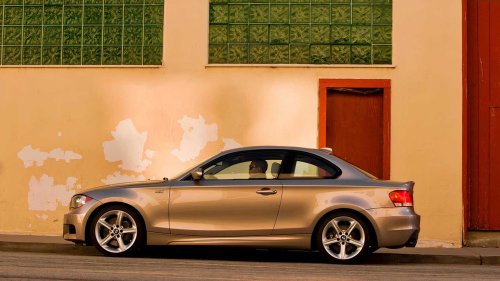
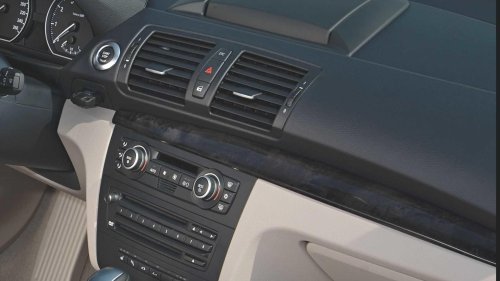
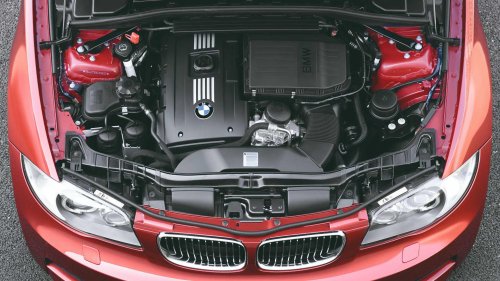
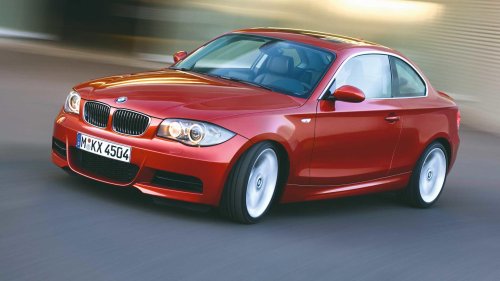
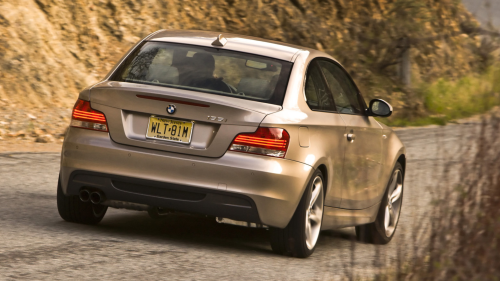
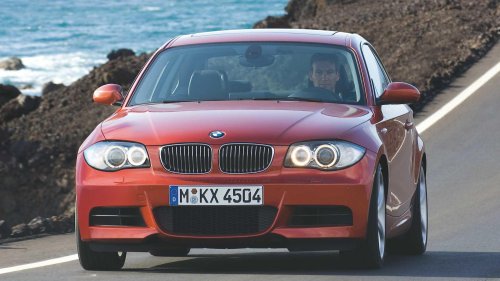
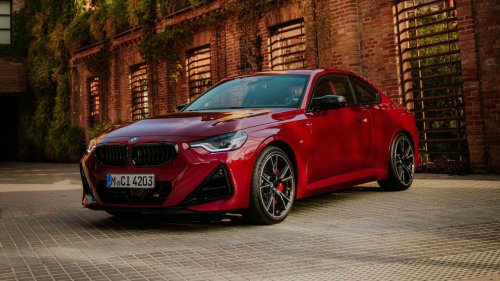
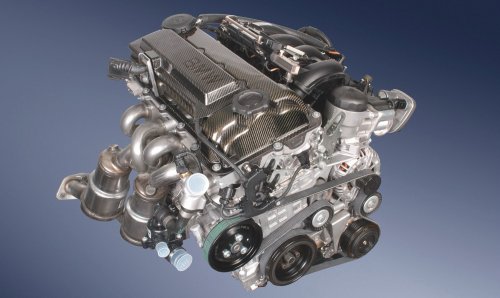
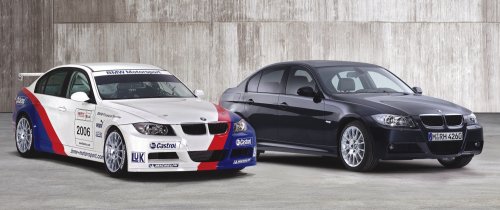
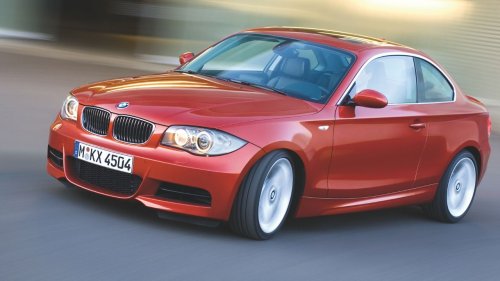
For buyers who need a daily driver, having a bit of luxury in their life is rarely unwelcome. The extra comfort can help turn a normally stressful journey into a relaxing cruise, and just afford you that extra slice of warmth that shows life doesn't always have to be worrying about what's around the next bend. The trouble is, many such cars that afford the finer things in life can cost a fair chunk of cash, either to buy in the first place or maintain.BMW elected to tackle this problem head-on in the early 2000s by introducing an affordable compact premium car called the 1 Series. These days, it can now be picked up as a used bargain, allowing you the chance of having a bit of sporty luxury in your life for humble commuter money. The 1 Series Came Along To Tap Into A New Part Of The Market BMW The 1 Series first arrived in 2004, and was BMW's attempt at getting into the smaller compact car market. The brand tended to focus more on the higher-end sedan and SUV sector, as well as the performance arena with its range of M Division-tuned cars. More affordable vehicles that were more at home in the city became more popular in the late 1990s and early 2000s though, and BMW wanted a slice of the market for itself. Besides, German rivals Audi and Mercedes-Benz entered the fray with their A2 and A-Class models, so it was about time BMW joined them.Not wanting to forego its DNA, the 1 Series hatchback was offered with a range of pokey inline-four and -six engines, which sent their power to the rear wheels. It also drove well, with BMW's talented engineers developing a balanced and responsive chassis to give the car a proper BMW driving experience, but at a fraction of the price of a larger 3 Series sedan. While the US never got the hatch variant, the 1 Series arrived stateside in 2008 as the newly released two-door coupe version. Its halfway-house styling meant it competed against sleeker coupes like the Audi TT, as well as hot hatches such as the Volkswagen Golf R32. The 1 Series Offered The Kind Of Premium Feel Expected Of A BMW BMW Despite costing just $28,600 in its most affordable 128i guise, the 1 Series didn't skimp on quality. The interior was crafted from high-end materials that made it feel more expensive than it was, as well as promising the kind of longevity that cheaper-built vehicles couldn't match. Even the base version was equipped with comfy leatherette seats and equipment like automatic climate control and cruise control, as well as a chunky leather steering wheel.The more expensive 135i, which was about six grand more, got a more powerful turbocharged engine and a more upmarket interior that boasted wood trim, rather than the gloss black finish of the 128i's cabin. Other than that, the standard features remained pretty much the same, with equipment like heated leather seats, satellite navigation and xenon headlights all being reserved as added-cost options. Add an extra few thousand to the equation, and you could have both in convertible forms.Still, the standard build was enough to translate a proper BMW feel to buyers with tighter budgets, opening up the brand to a whole new audience. BMW's Compact Premium Coupe Went Like Stink BMW Nailing the premium feel of a BMW was one thing, but the brand also wanted the 1 Series Coupe to drive like the ultimate driving machines that it prided itself on building. Both the 128i and 135i came with 3.0-liter inline-six powerplants lurking beneath their hoods, but the former was a naturally aspirated N52 unit, while the latter was a turbocharged N54 engine. The difference in pace was drastic as a result, with the 128i getting 230 hp and 200 lb-ft of torque to play with, while the 135i got 300 hp and 300 lb-ft of torque.The extra grunt of the 135i meant it could hit 60 mph in 5.1 seconds, a full second quicker than its NA sibling. Both got the same transmission options, a six-speed manual or a six-speed automatic. Drivers didn't have to worry too much about controlling the power with their right foot either, as the 1 Series came with an advanced electronic differential. In addition to these models, you could also get a limited 2013 model year version called the 135is. Alongside a more powerful 320 hp engine and even more focused suspension, it also came with the option of a rapid-fire seven-speed DCT gearbox and more aggressive styling. The 1 Series Also Drove Like A Traditional BMW BMW Alongside its emotive engines, the 1 Series could also be turned into a proper focused coupe. The 135i got a sport-tuned suspension setup, which was not only stiffer but also 0.6 inches lower than the standard configuration found on the base 128i, which meant it was a daily that also felt like a Sunday morning warrior.The 128i could be had with the suspension setup too, though you had to pay a little extra to get it. The more powerful car also got bigger brakes all round, to help slow it down more efficiently for the upcoming apex. All iterations had a near-perfect 50/50 weight distribution too, which helped to provide the balanced handling BMWs are notorious for. Used 1 Series' Are A Bargain Not To Be Missed BMW Like many cars from the 2000s, depreciation has worked its magic on the 1 Series to make it a bit of a modern bargain. According to CarBuzz's Marketplace, even the latest 2013 128i comes with an average used value of just $9,203, with the more powerful 135i clocking in at $13,434. Knock a couple of grand off across the board if you go for older examples. An illustration of the kind of bargain you can get is a silver 2013 128i currently offered as of March '26, which is presented in excellent condition and with just under 69,000 miles on the odometer. The asking price for this late-year luxury coupe? Just $8,500. The 128i Is The Better Option For Those Looking For A Dependable Daily BMW While the extra grunt of the 135i can prove tempting, we reckon you'd be better off opting for the NA 128i if you want to make use of your 1 Series every day. For one, the 128i boasts a crisper throttle response due to the lack of a turbo, plus it's also lighter and better balanced. That heavier turbo unit out front adds over 100 pounds to the weight of the 135i, and also moves its weight bias forward by a full 1.5%. This means the nose will push on a little more readily than the 128i, though the sports suspension will help mitigate this compared to a 128i, which doesn't come equipped with the option. As an aside, you'll also get a few extra MPG on average out of the less powerful model.Crucially though, the NA 1 Series is considerably more reliable than its turbocharged sibling. While the N52 suffers from little in the way of common issues, the N54 is notorious for suffering from problems concerning its high-pressure fuel pump. They frequently fail, and cause a lack of power, a rough idle, and extra-long cranking times. The engine is also susceptible to oil leaks from various components, while it generally needs to be carbon cleaned from 40,000 to 60,000 miles, as carbon deposits tend to build up in the combustion chamber. Not only will it cause a lack of power, but the issue also badly compromises fuel consumption and sometimes causes misfires. The 135i's engine is amazing when it works, but be prepared for some hefty maintenance bills if you take the plunge. The 1 Series Enjoyed A Brief Stint In The US BMW While the 1 Series is still a popular model in Europe and other foreign markets, it lasted just five years in the US before being discontinued following the 2013 model year. The reason for this was BMW deciding to introduce its 2 Series coupe, which essentially took over from the 1 Series coupe as the brand's compact premium coupe offering. The second-gen 1 Series, which had arrived in 2011, was only ever available as a hatchback. Hatches have never sold well in the US, so BMW kept the old 1 Series coupe in production for a couple of extra years until the 2 Series was ready.From the 2014 model year, the 2 Series replaced the 1 Series, which was stood down from its American duties. It's currently on its fourth generation, which was designated the F70 and made its debut in 2024. The 2 Series can be had with either a turbocharged 2.0-liter inline-four in 230i form, or a turbo 3.0-liter I6 in M240i spec. With a base MSRP of $41,700 for the entry-level model though, the OG 1 Series Coupe represents a hell of a deal in comparison, should you be after a premium coupe that is much cheaper than its robust cabin suggests.Sources: BMW.



















 +13 others



![BMW's new iX4 leaks days ahead of its debut [Images]](https://cdn.topcarnews.net/thumb/id/aHR0cHM6Ly9pMC53cC5jb20vZWxlY3Ry-ZWsuY28vd3AtY29udGVudC91cGxvYWRz-L3NpdGVzLzMvMjAyNi8wNy9CTVctaVg0-LUdULVNVVi0yLmpwZWc_dz0xNTAwJmFt-cDtxdWFsaXR5PTgyJmFtcDtzdHJpcD1h-bGwmYW1wO3NzbD0x/44847916d4631457013dfd46d3f7570e.jpeg?t=20261007&post_id=68433)