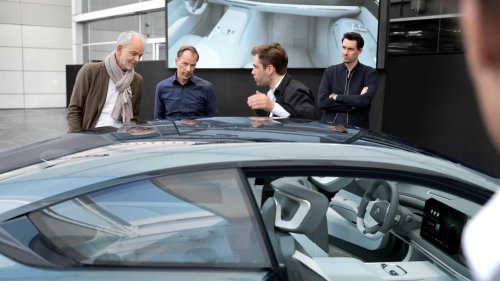
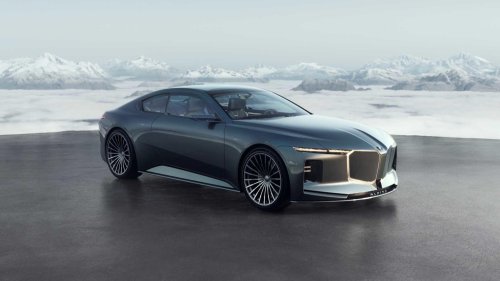
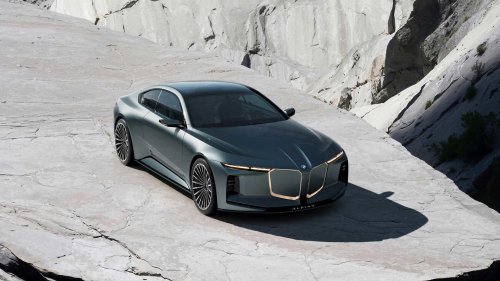
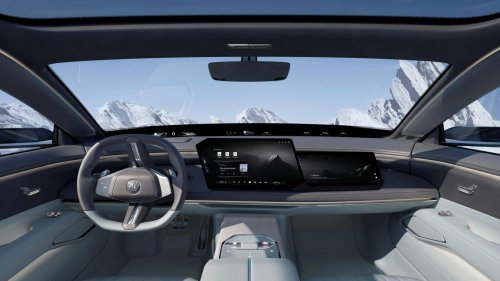
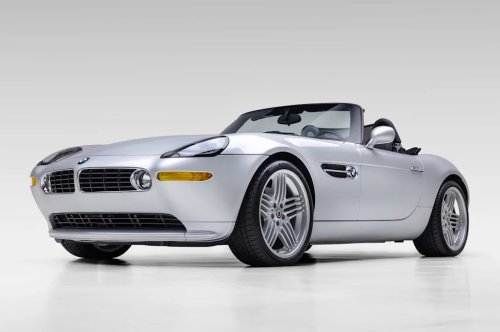
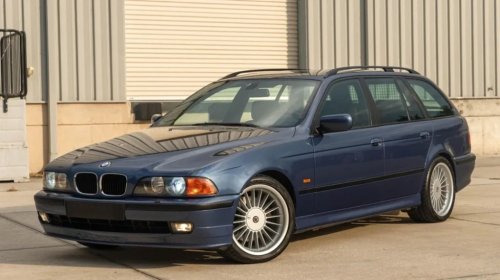
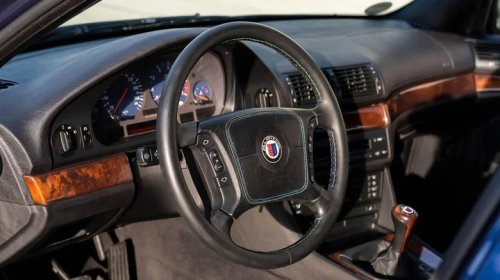
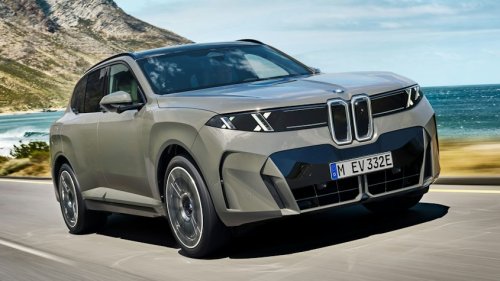
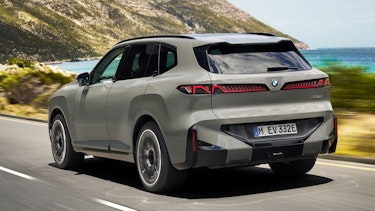
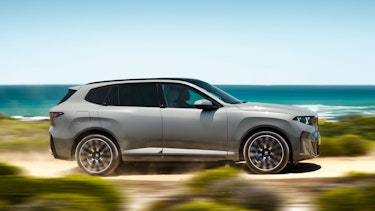
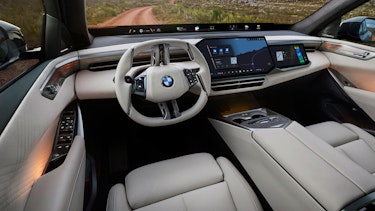
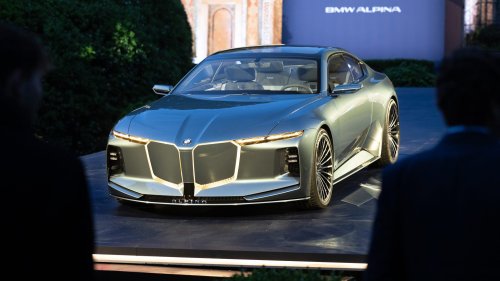
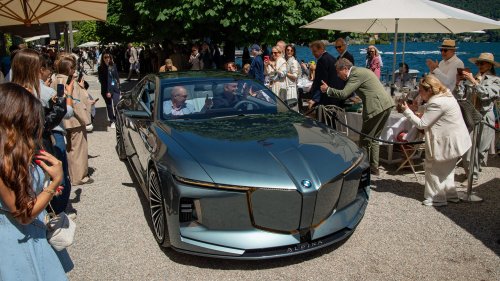
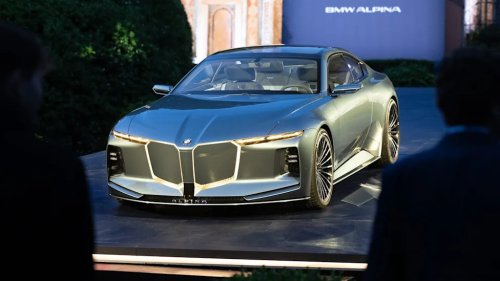
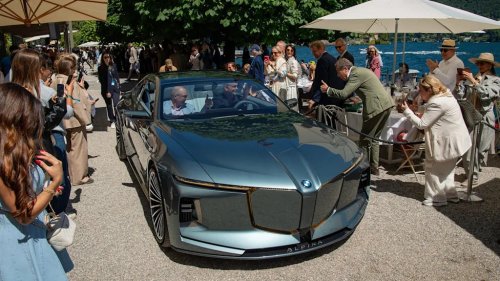
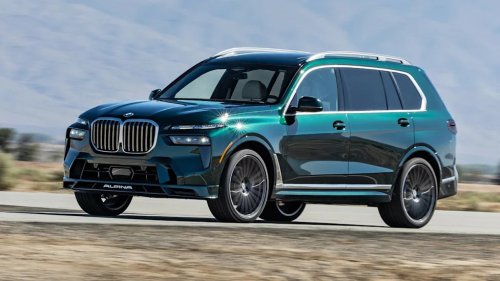
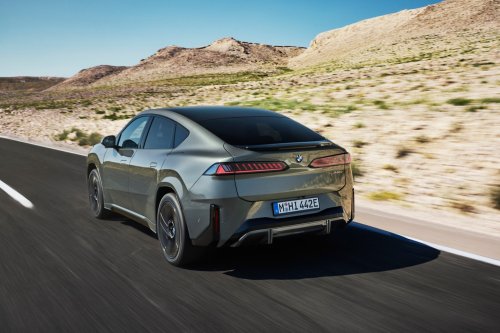
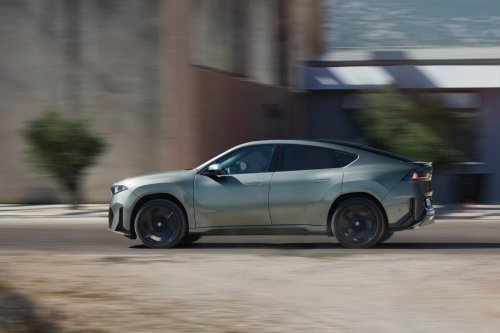
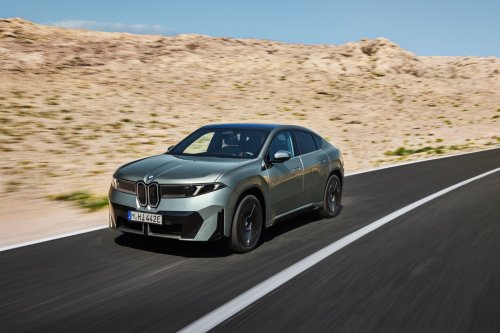
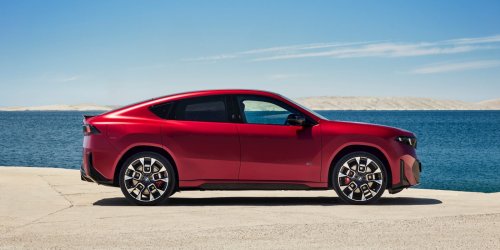
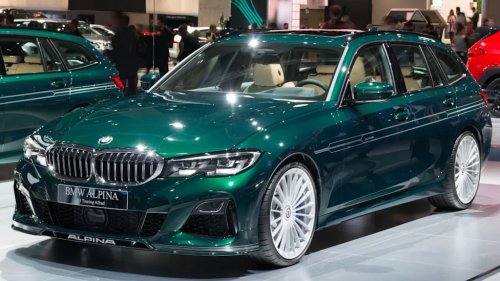
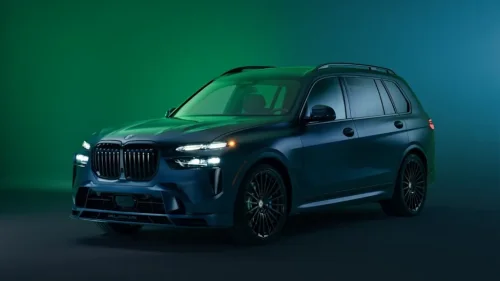
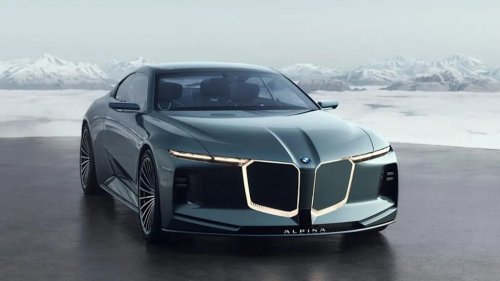
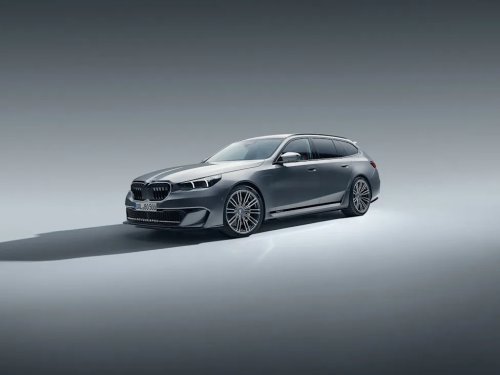
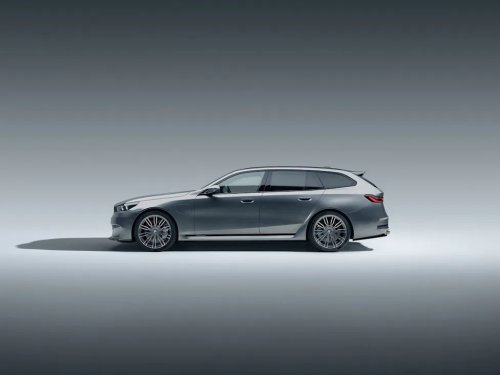
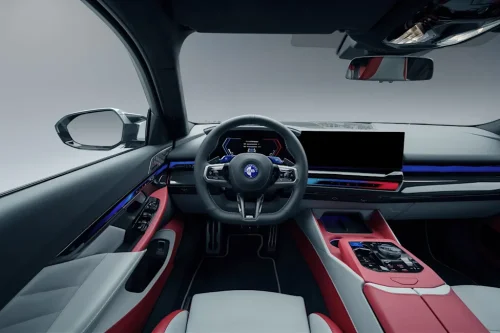
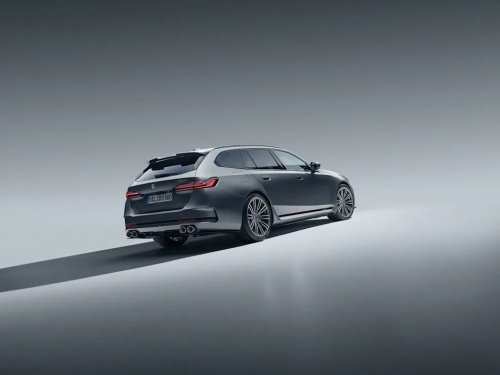
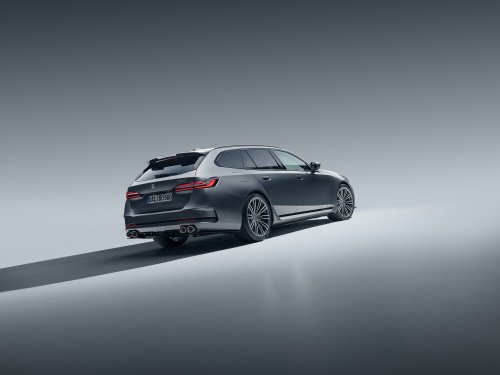
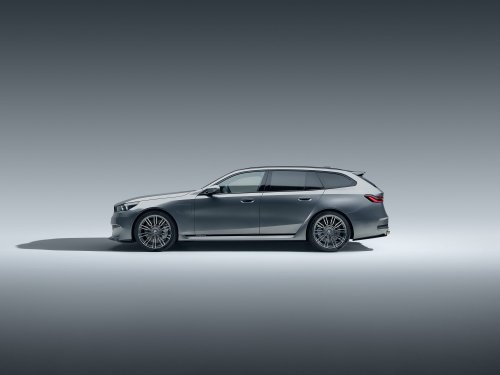
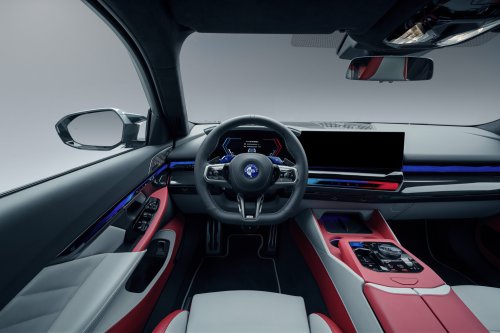
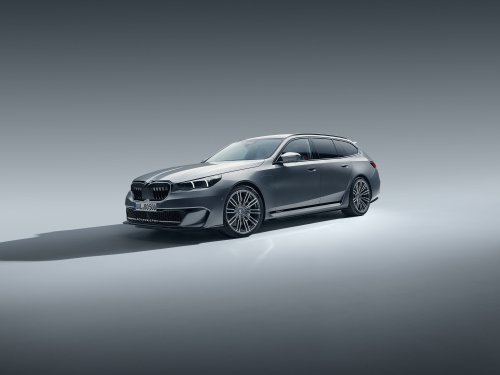
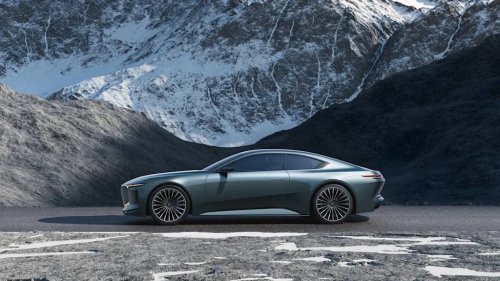
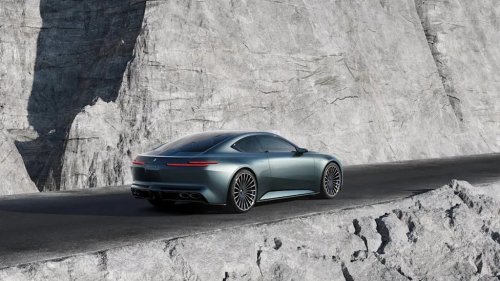
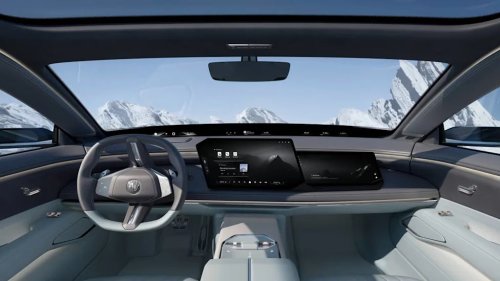
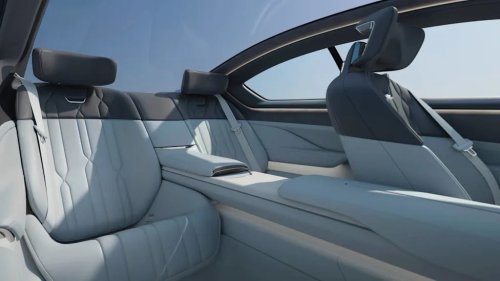
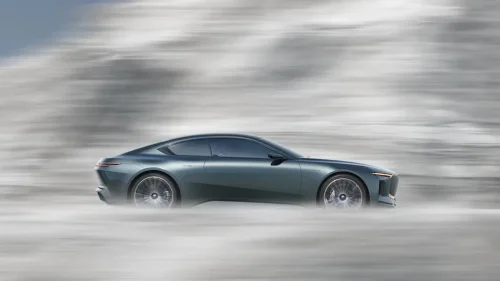
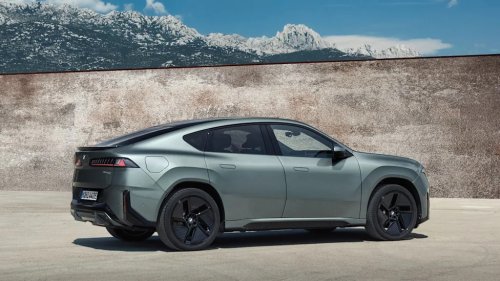
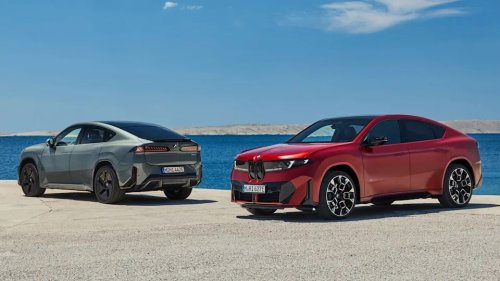
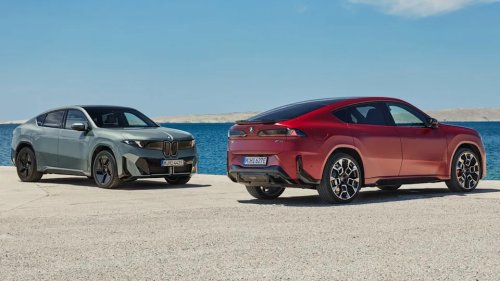
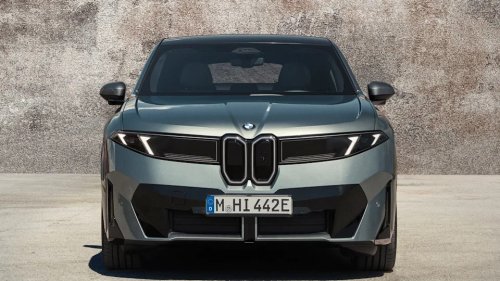
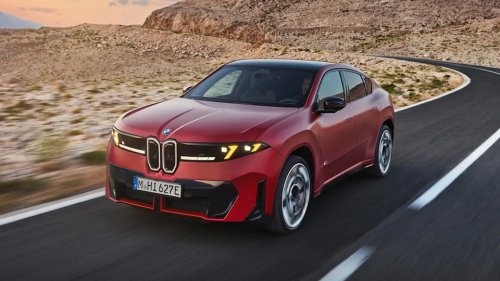
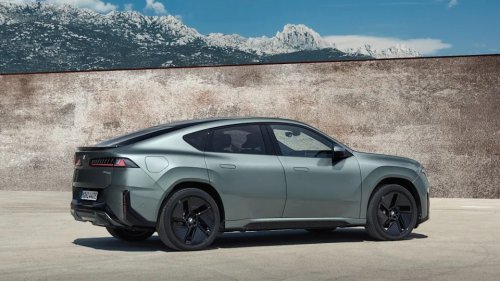
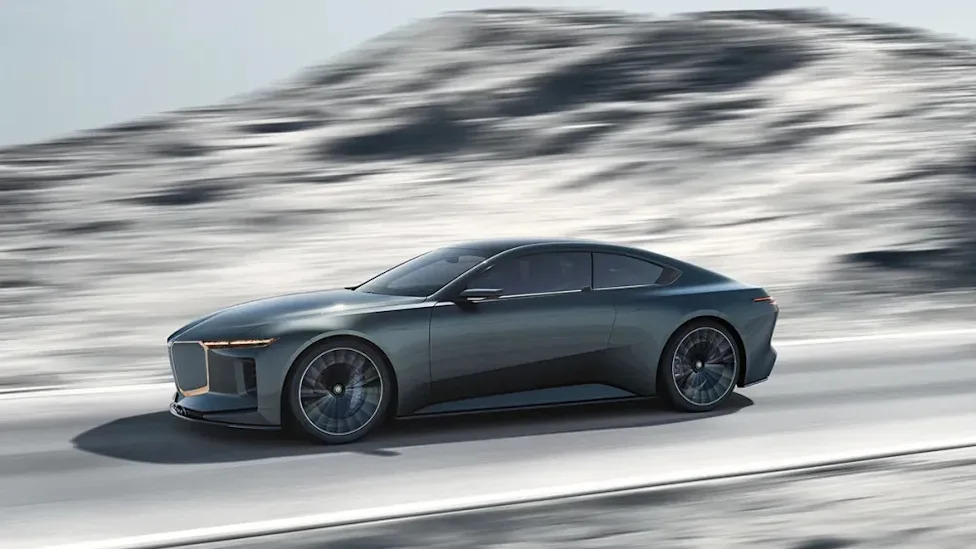
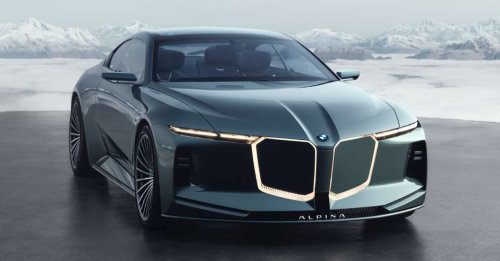
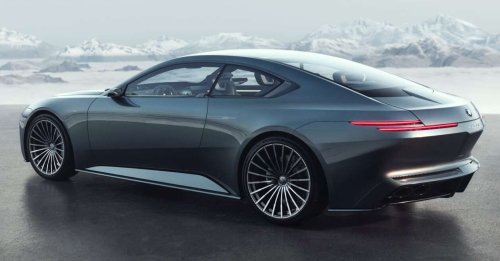
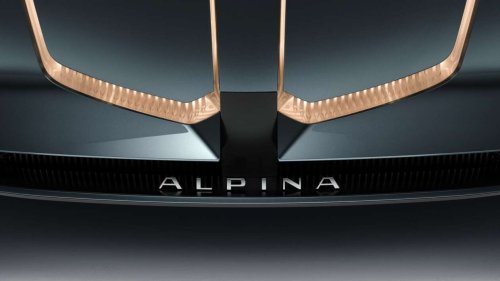
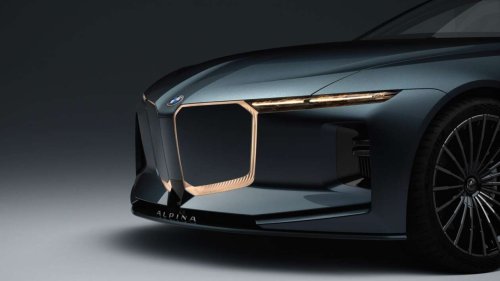
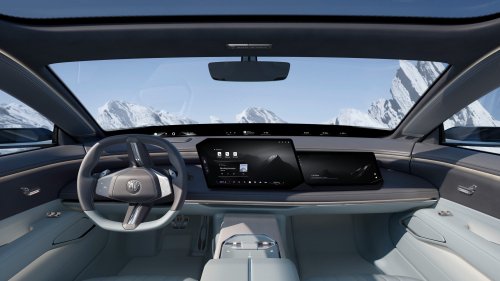
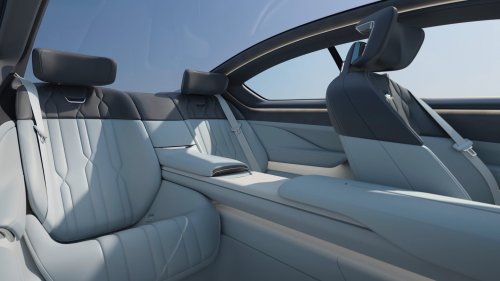
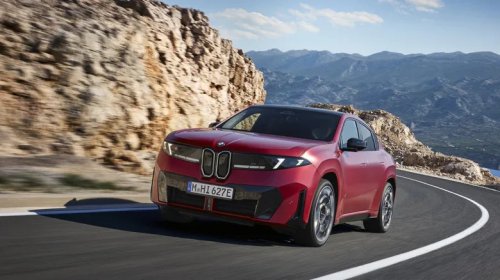
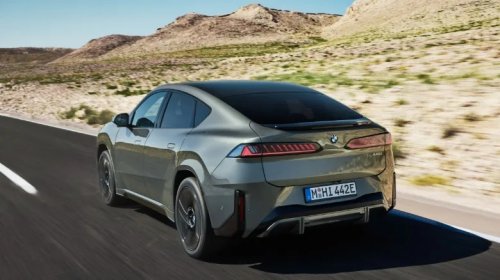
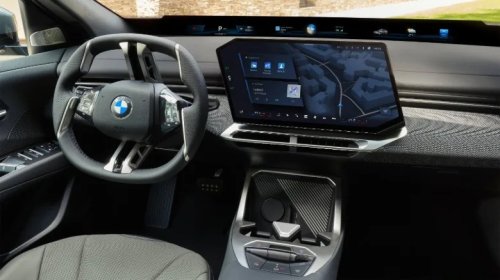
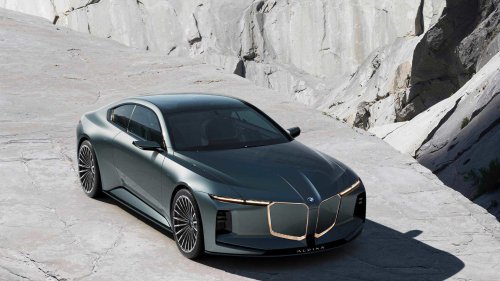
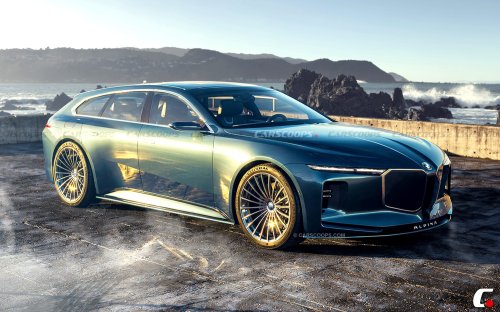
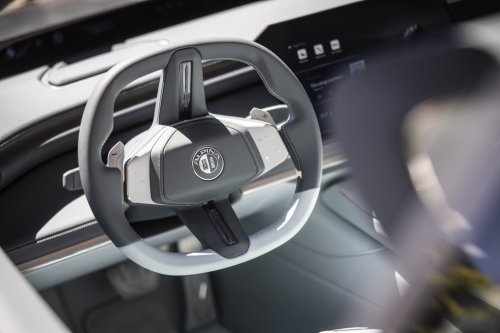
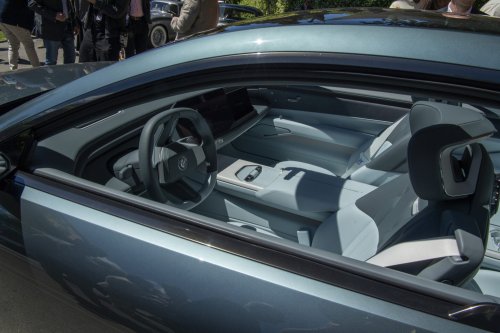
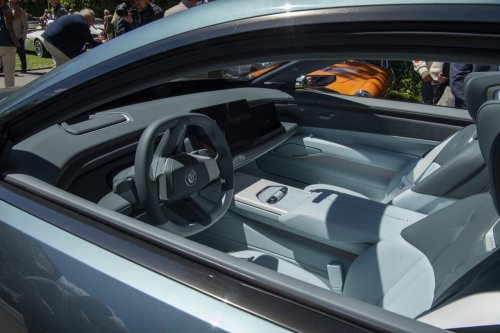
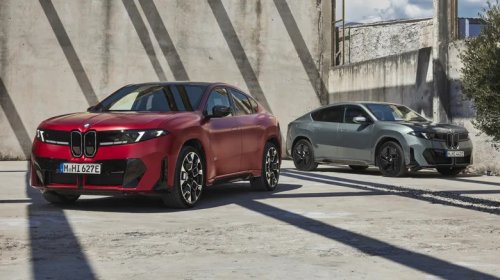
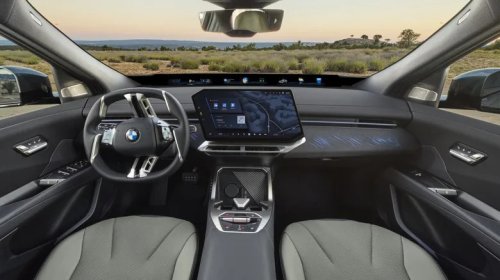
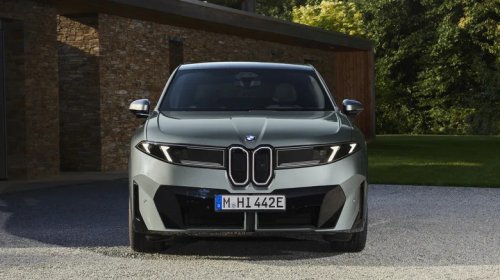
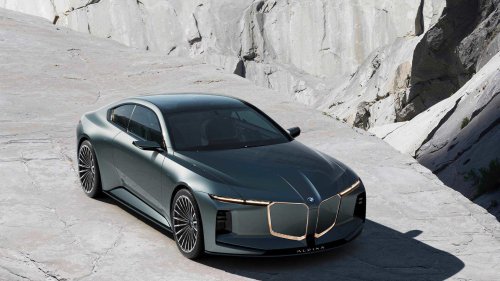
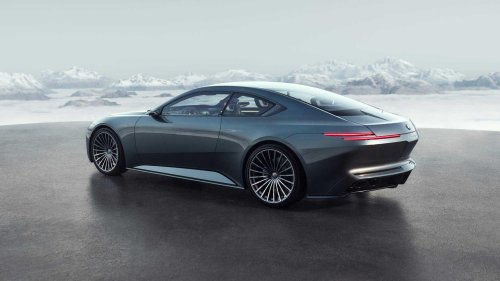
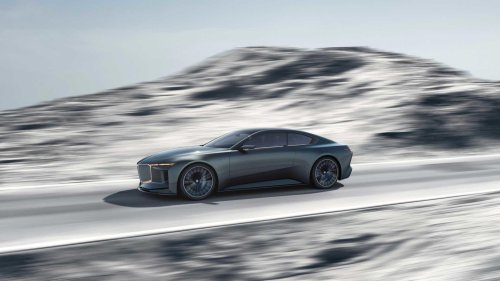
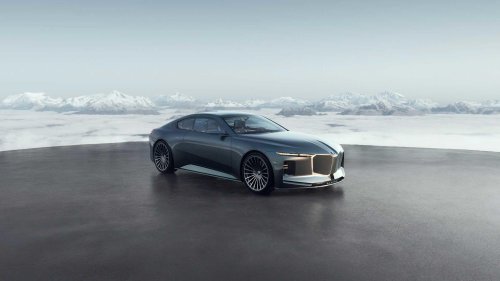
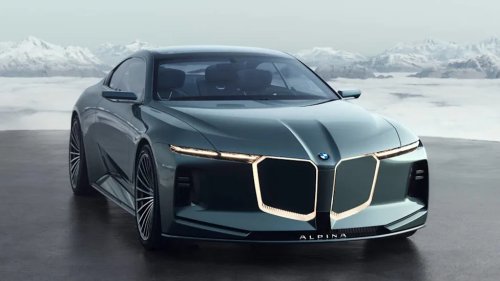
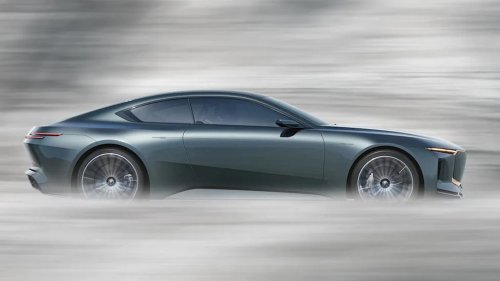
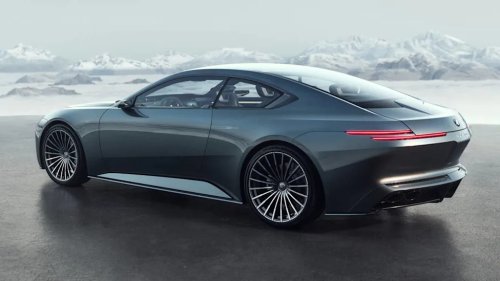
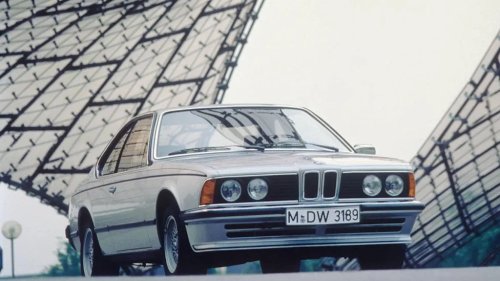
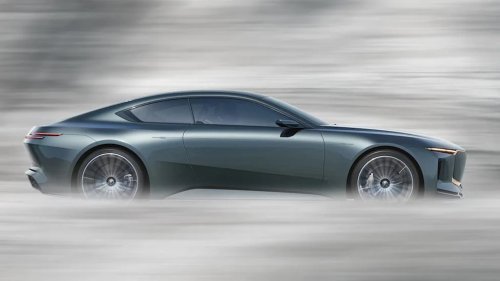
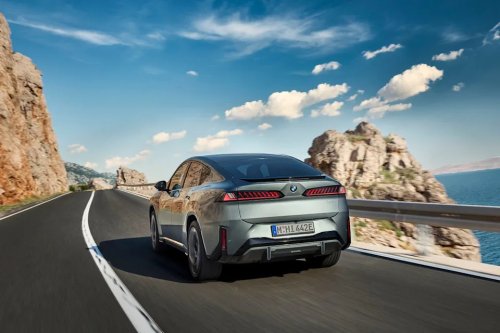
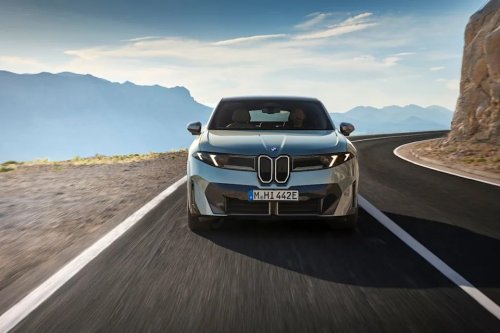
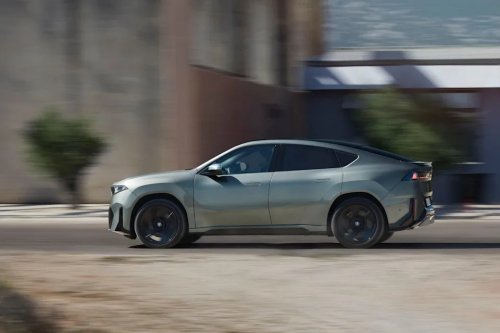
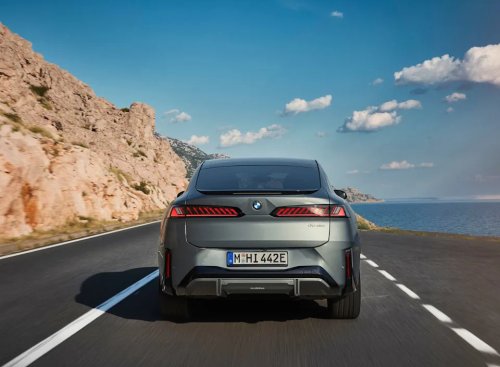
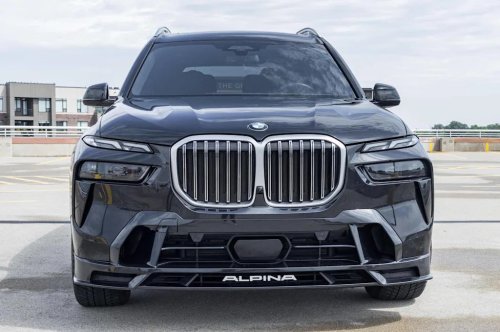
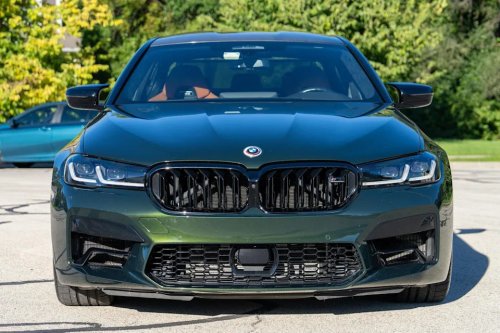
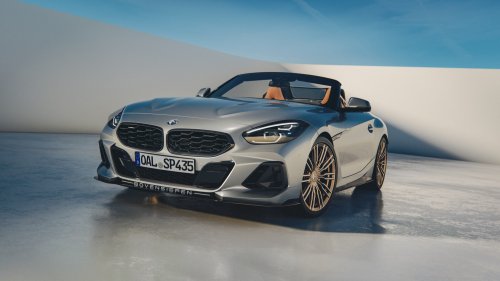
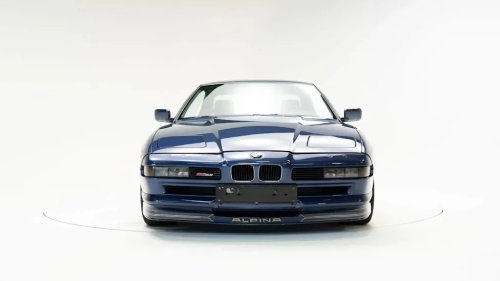
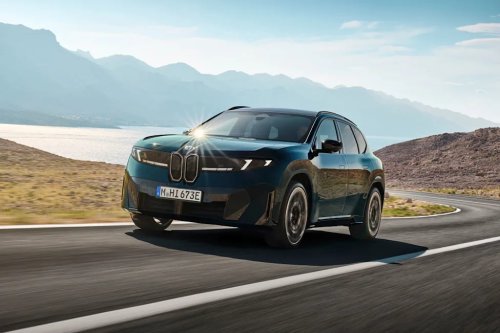
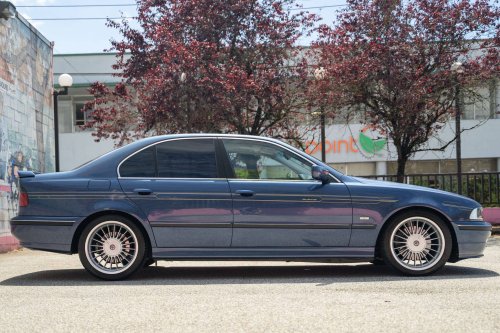
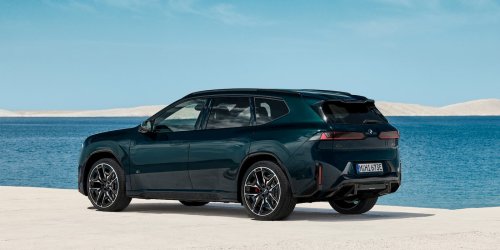
Alpina has spent more than 50 years occupying one of the most interesting gray zones in the car world — more exclusive than M, quieter about it than AMG, and always, always built on a BMW. Every B3, every B5, every hand-assembled B7 that rolled out of Buchloe started life as a Munich product and was transformed into something more refined, more powerful, and considerably more rare. That relationship defined Alpina. It also haunted the brand's identity for decades.This week, Alpina debuted the Vision BMW Alpina concept—and for the first time in the company's history, the starting point wasn't a BMW production platform. A ground-up design, conceived independently, the Vision Concept signals that Alpina is no longer content to answer the question of what it is by pointing at a 5 Series and saying "that, but better." Whether that represents the brand's natural evolution or the end of something irreplaceable depends entirely on who you ask. What A Clean-Sheet Design Actually Means For Alpina BMWThe phrase "clean-sheet design" gets used loosely in the automotive world, but in Alpina's context it carries specific weight. Every engineering decision the brand has ever made—suspension tuning, engine mapping, body modifications—has been constrained by BMW's underlying architecture. Wheelbase, firewall position, suspension pickup points, electrical architecture: all of it was inherited. Alpina's engineers worked within those constraints brilliantly, but they were constraints nonetheless.BMWA ground-up concept removes that ceiling. It means Alpina's designers can determine proportions, not just refine them. It means the suspension geometry can be optimized for Alpina's specific performance targets rather than adapted from a platform that also serves a 330i. It means the interior architecture can be conceived around Alpina's vision of grand touring rather than modified from BMW's existing cockpit. Whether the Vision Concept translates directly into a production model or serves as a design-language statement, the act of building it represents a fundamental capability shift. Alpina is demonstrating that it can think in terms of complete vehicles, not transformations. Design Language: What The Vision Concept Appears To Signal BMWSpecific details about the Vision Concept's design and performance specifications were not available at the time of writing—the reveal is hours old and full technical documentation has not yet been published. What the concept's existence communicates, independent of its specs, is a visual and philosophical direction: Alpina intends to develop an aesthetic identity that doesn't begin with BMW's design team's decisions.BMWAlpina's historical design language has always been subtle—the pinstripe, the distinctive alloy wheel designs, the Alpina Blue paint that became a signature color. Those elements worked because they were applied to recognizable BMW forms. A clean-sheet design asks a harder question: what does an Alpina look like when there's no BMW silhouette underneath? The Vision Concept is Alpina's first public answer to that question, and the enthusiast community's reaction to that answer will shape how the brand's next chapter is received. Evolution Or Departure? What This Means For Collectors And Enthusiasts BMWFor Alpina completists and collectors, the Vision Concept lands differently than it might for a casual observer. The cars that command serious money at auction—a well-preserved B7 E65, a B12 5.7 from the E38 era, an early B3 from the E30 generation—are valuable precisely because of their hybrid nature: BMW's engineering pedigree combined with Alpina's artisanal transformation. That formula produced cars that were simultaneously accessible (you could take one to a BMW dealer for routine service) and exclusive (production numbers rarely exceeded a few hundred units per model year).A ground-up Alpina changes that equation. It may produce a more technically pure expression of what Alpina believes a car should be. It may also produce something that feels less like the brand that spent 50 years perfecting the art of making a great car even better. Both things can be true simultaneously. The collector market tends to reward authenticity and continuity — and for a significant portion of Alpina's audience, the brand's authenticity was inseparable from its relationship with BMW. Whether the Vision Concept represents the beginning of a richer identity or the dilution of a singular one is a question that only production reality will answer. For now, it's enough to recognize that Alpina has made a choice—the most consequential one in its history.Fifty years of tuning BMWs produced some of the most quietly accomplished performance cars ever built. The Vision Concept suggests Alpina is ready to find out what it can accomplish when it starts with a blank page. That's either thrilling or unsettling, depending on which Alpinas you love most.