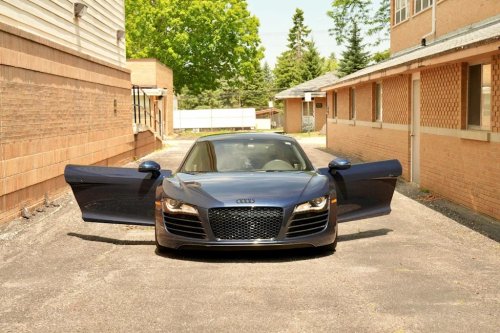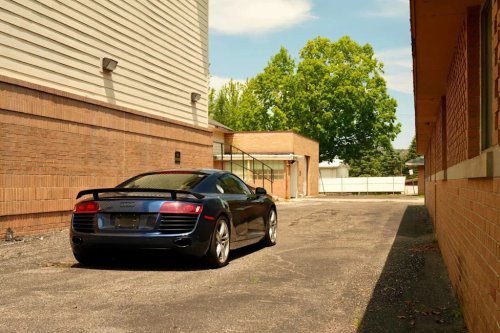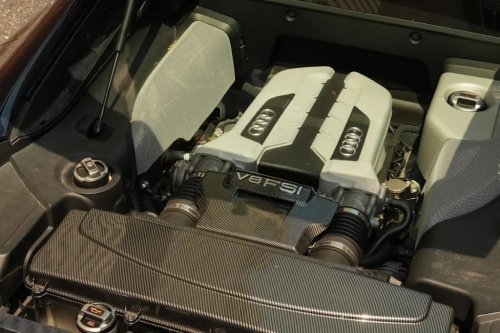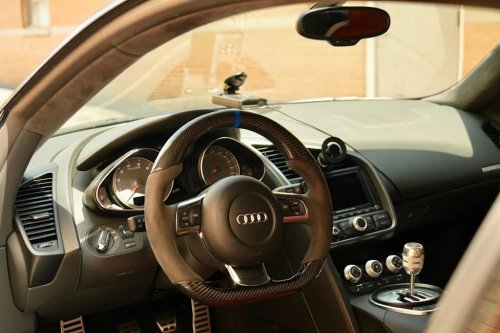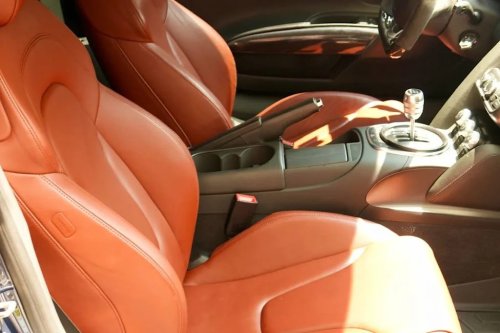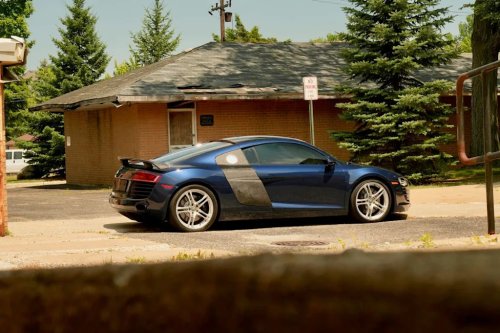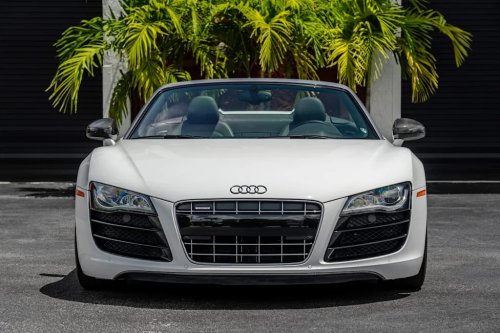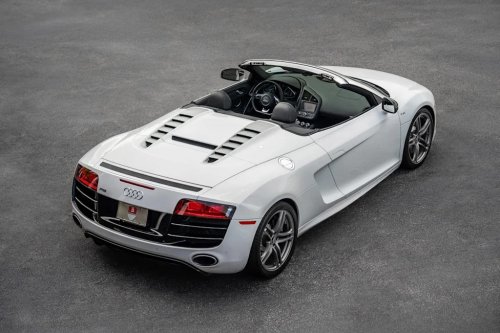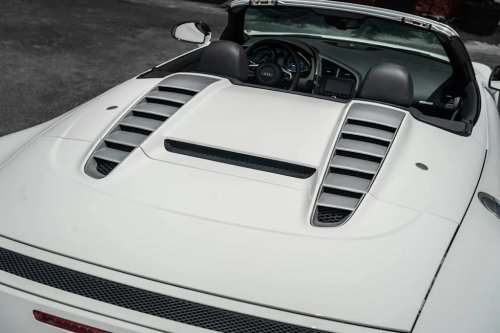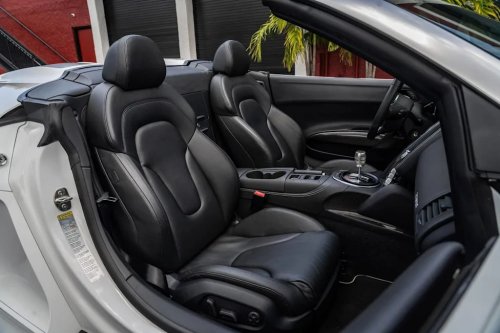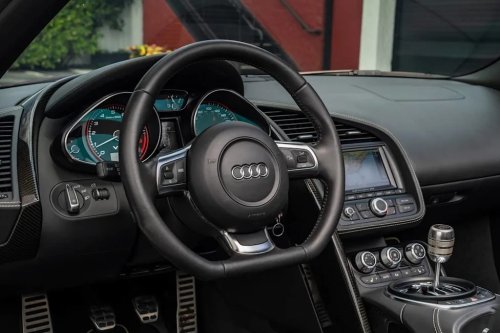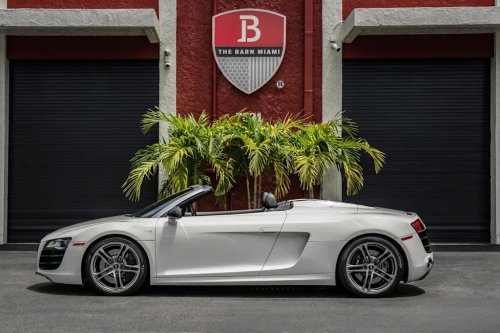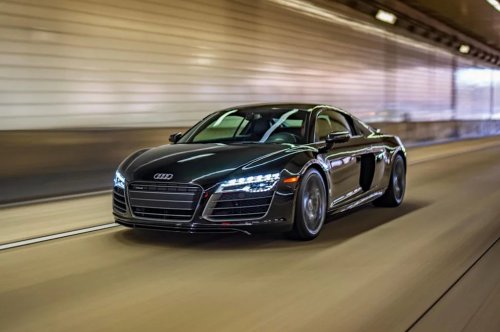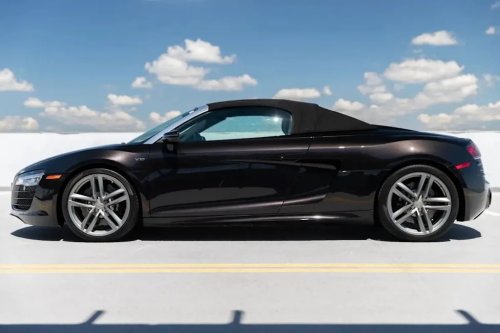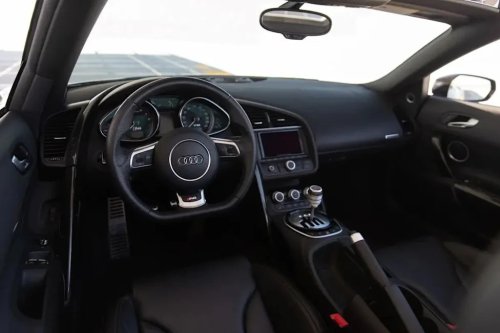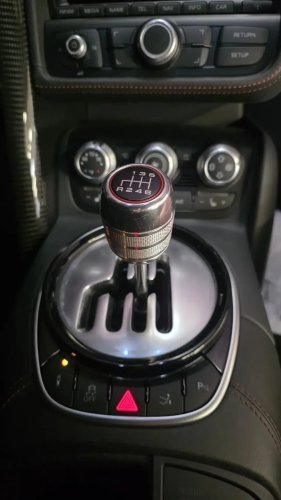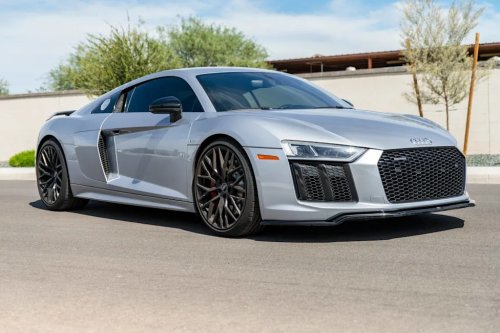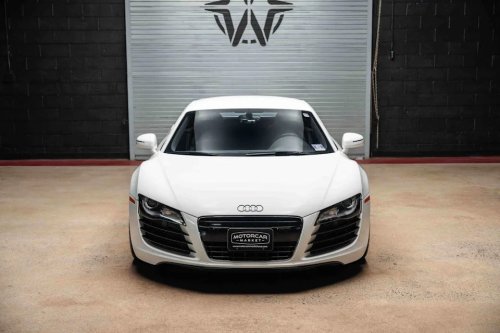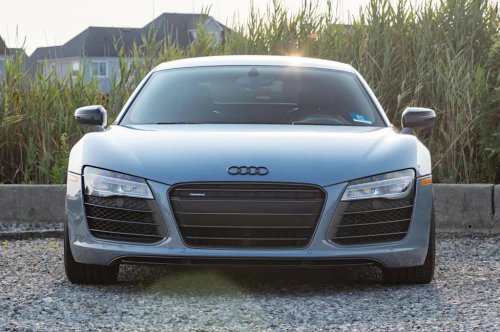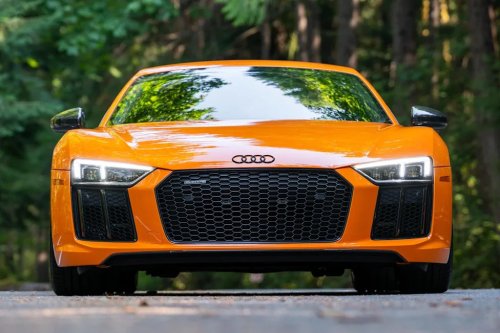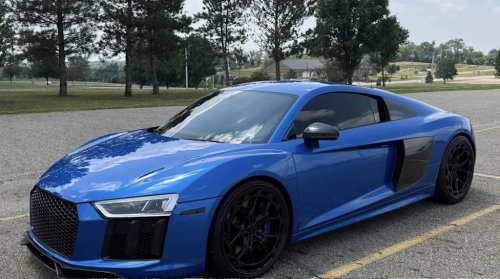



















He Traded a $130,000 Audi R8 for Pokémon Cards, and Car Enthusiasts Can’t Stop Arguing About ItFor most car enthusiasts, letting go of an Audi R8 is a difficult decision. Trading one away for stacks of Pokémon cards sounds almost unbelievable. But that’s exactly what happened when tech executive and collector Geoff Pritchett handed over his six-figure supercar in exchange for an enormous collection of rare Pokémon cards and sealed product.More Stories Like ThisThe $2 Million Tractor That’s Causing a Stir: Inside Lamborghini’s Most Controversial Centenario CreationThe Real Story Behind Greg Biffle Crash Lawsuits: $25 Million Fight Erupts as Troubling Flight Failures SurfaceAdria (Force) Hight, Daughter of NHRA Legend John Force, Dies at 56 After Lifelong Role in Building Racing DynastyThe trade has exploded online because it hits two markets that people are already obsessed with: exotic cars and collectible cards. Both worlds are driven by speculation, rarity, status, and emotion. And when somebody swaps a high-performance V10-powered Audi for cardboard collectibles, people are going to have opinions.Pritchett finalized the trade in early May after spending roughly five months trying to find the right deal. His Audi R8 had around 36,000 miles on it at the time of the exchange. Instead of taking cash, he walked away with a 437-card collection and sealed Pokémon boxes that were valued in a signed agreement at $130,000.AdvertisementAdvertisementThat’s where things change.This was never about unloading an aging supercar quickly or escaping a bad financial situation. Pritchett already owns multiple cars and has been deep into Pokémon collecting for years. He wasn’t trying to cash out. He was trying to consolidate value into something he believed had stronger long-term upside.And yes, that instantly triggered backlash online.When Pritchett first floated the idea publicly back in December 2025, plenty of people thought he was joking. Others assumed he had completely lost touch with reality. Some commenters mocked the idea of trading a real-world performance machine for collectibles tied to a children’s franchise.AdvertisementAdvertisementStill, he kept pushing forward until he found somebody willing to make the deal happen.The interesting part is that Pritchett originally wasn’t even looking for a broad collection. He reportedly wanted a single grail card, specifically a 1999 Charizard holo that can reach values near $149,000. Instead, the final trade became much bigger and more complicated, involving rare singles, sealed boxes, and specialty error cards that could potentially carry even more value if professionally graded.That detail matters.Related IncidentsFerrari Feud Turns Criminal as ‘Below Deck’ Jeweler Accused of Pulling Gun in Miami Garage Standoff$22 Million Koenigsegg One:1 Disappears After Threats, Interpol Launches Global HuntIn the collectible card world, grading changes everything. A card’s condition can dramatically impact value, especially for ultra-rare or unusual prints. According to the agreement shared with Polygon, the collection Pritchett received had not yet been graded, meaning its true market value remains uncertain.AdvertisementAdvertisementPritchett believes the cards are actually worth more than the agreed $130,000 figure.Part of that confidence comes from several high-profile cards included in the trade, particularly error variants connected to the Evolving Skies set. Among them are Rayquaza VMAX #218 and Umbreon VMAX #215, cards already known for carrying strong values in top condition. But Pritchett says some of the cards are unique because of miscuts that display portions of entirely different cards.In the modern collectibles market, manufacturing errors can become wildly desirable. What looks like a defect to one person becomes a one-of-one trophy to another. Pritchett believes one particular Umbreon VMAX error card could command roughly $22,000 on its own if the right buyer emerges.And that’s where the entire argument surrounding this trade gets complicated.AdvertisementAdvertisementTo traditional car enthusiasts, an Audi R8 is tangible. It’s a naturally aspirated supercar with real-world performance, emotional appeal, and established prestige. It makes noise. It turns heads. It delivers an experience few vehicles can replicate. Even used examples continue attracting strong interest because Audi no longer offers anything quite like it.Pokémon cards, on the other hand, exist almost entirely inside collector psychology. Their value depends on rarity, grading, hype cycles, and buyer demand. One market downturn or cooling trend can wipe out huge portions of speculative pricing overnight.But collectible cars aren’t immune to speculation either.That’s the uncomfortable truth sitting underneath this story. Enthusiast vehicles have increasingly become investment assets themselves. Limited-production cars routinely disappear into climate-controlled garages instead of being driven. Auction prices explode based on internet hype and scarcity. Owners obsess over mileage because value matters more than seat time.AdvertisementAdvertisementSo while people online mocked Pritchett for turning a supercar into cardboard, both markets are operating on similar emotional economics.Scarcity drives attention. Attention drives prices. Prices create status.Pritchett clearly understands that game.You Should Read This NextTexas Chop Shop Busted After Traffic Stop Unravels Network of Stolen VehiclesPickup Truck Climbs Over $250K Lamborghini in Florida Gym Parking LotBeyond this latest deal, he’s already known inside collector circles for owning what he claims is the most complete Mewtwo card collection in existence. One centerpiece of that collection is a PBL Mewtwo card reportedly printed only 36 times. According to Pritchett, many collectors skip trying to obtain it entirely because of how difficult it is to find.AdvertisementAdvertisementThis wasn’t a random impulse move from somebody unfamiliar with collectibles. This came from somebody deeply embedded in the market for years.And honestly, the Audi itself may have played a role in the decision beyond simple dollar value. Pritchett admitted he barely drove the R8. For some enthusiasts, that sounds tragic. For others, it changes the equation entirely. A car sitting unused still requires insurance, maintenance, storage, and upkeep. Meanwhile, certain collectibles can sit in a vault while appreciating.Whether that appreciation actually continues is another question.The Pokémon market has already experienced massive volatility over the past several years. Prices surged aggressively during the pandemic-era collectibles boom before cooling in several areas. Some cards maintained strong values. Others collapsed once hype faded. There’s still fierce debate about whether modern Pokémon prices can hold long-term.AdvertisementAdvertisementPritchett doesn’t sound overly concerned about it.He reportedly said he doesn’t view the market as a bubble, though he also admitted he is not pretending to be a serious market speculator. That’s probably the most honest part of the entire story. People love pretending every collectible purchase is some perfectly calculated investment strategy. In reality, passion drives most of these decisions.And that may be why this trade hit such a nerve online.Car enthusiasts understand emotional purchases better than almost anyone. Nobody truly needs an Audi R8. People buy them because they love the experience. Pokémon collectors operate the exact same way. The only difference is whether your obsession lives in the garage or inside a protective plastic case.AdvertisementAdvertisementStill, swapping a six-figure supercar for Pokémon cards remains one of the wildest enthusiast trades in recent memory. It also says a lot about where collector culture is heading. Physical assets tied to nostalgia, rarity, and internet-driven demand are now colliding with traditional luxury markets in ways that would have sounded absurd a decade ago.And if collectors are now comfortable treating exotic cars and trading cards like interchangeable assets, enthusiasts may need to start asking where the line between passion and speculation actually disappeared.SourceContinue Reading: $5,000 Time Capsule: Massive Hot Rod Magazine Collection Surfaces After 25-Year Hunt