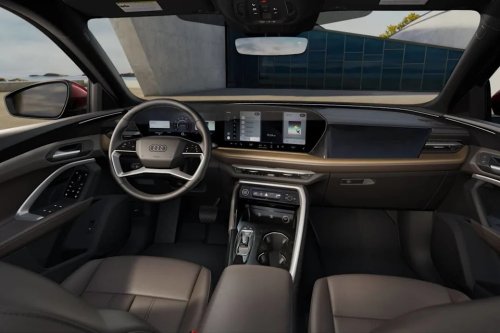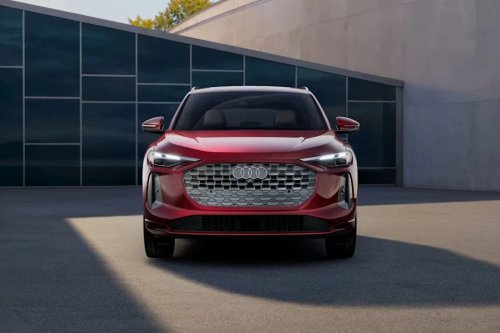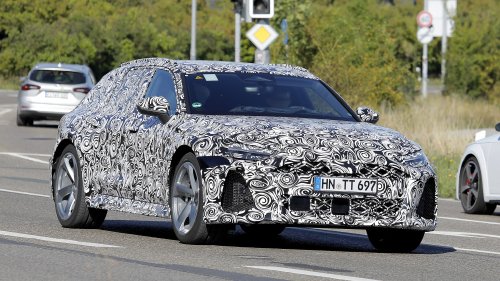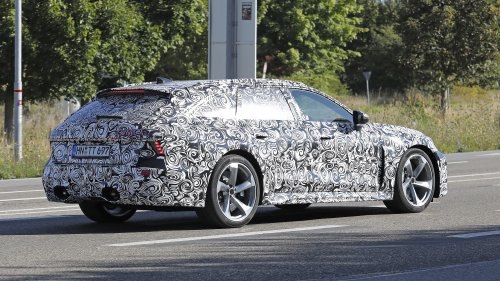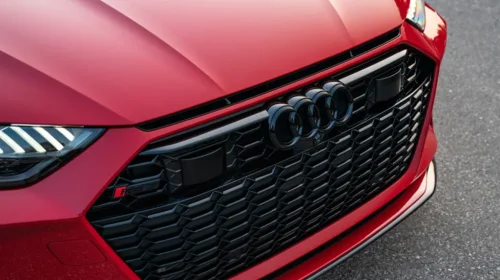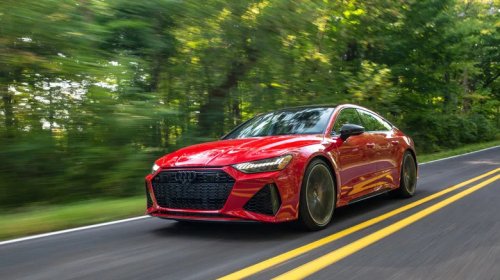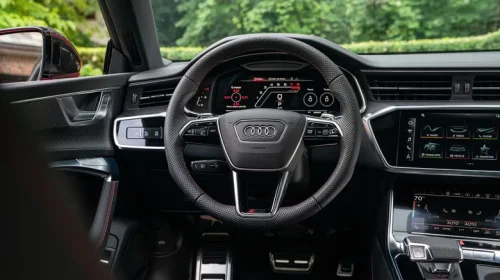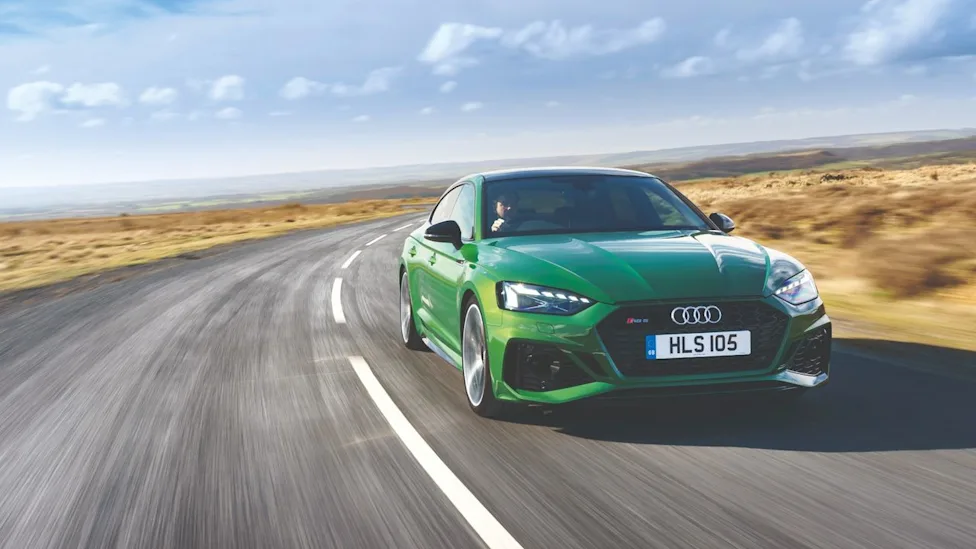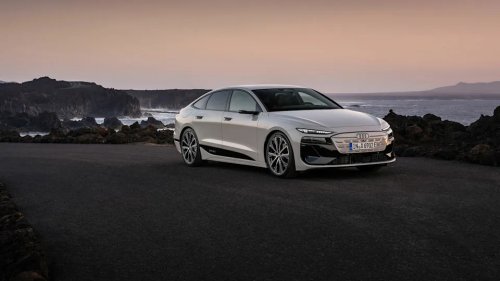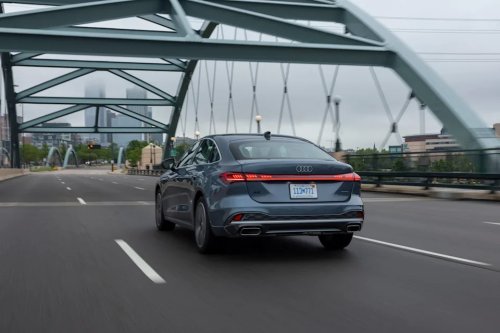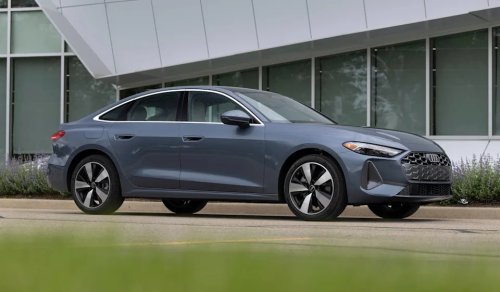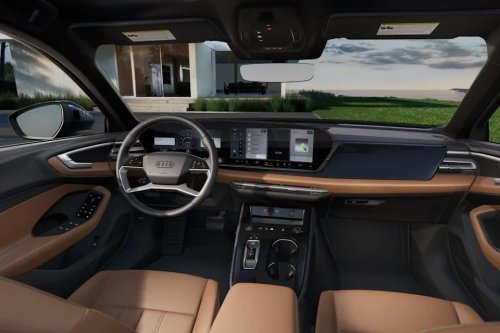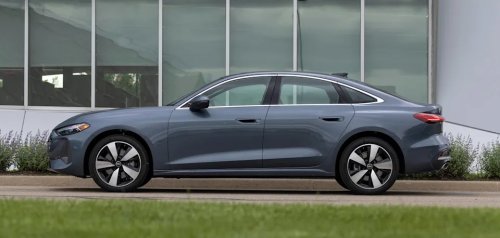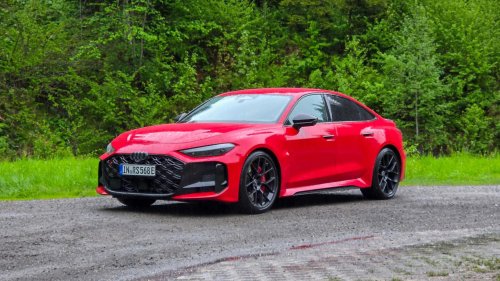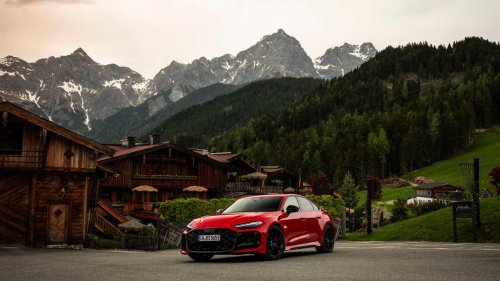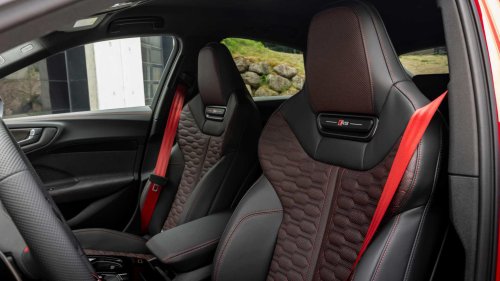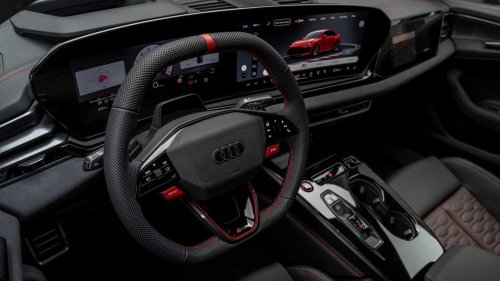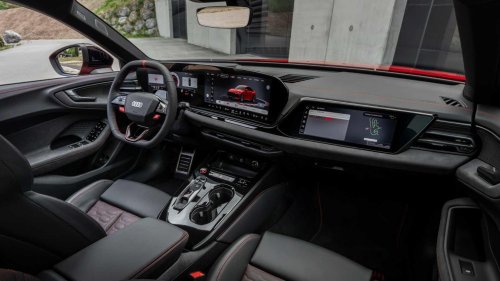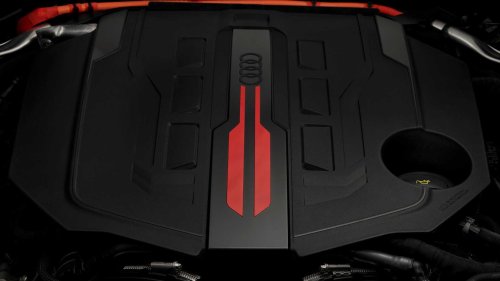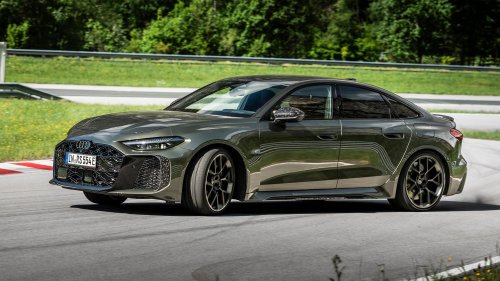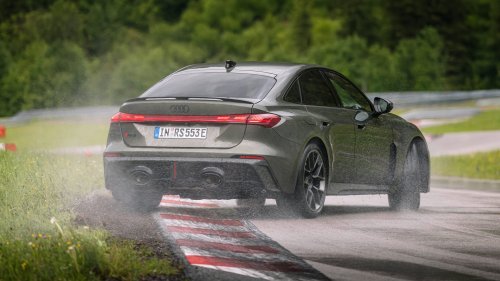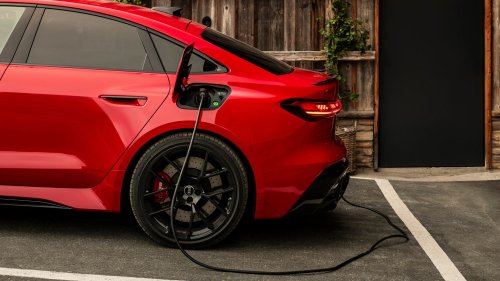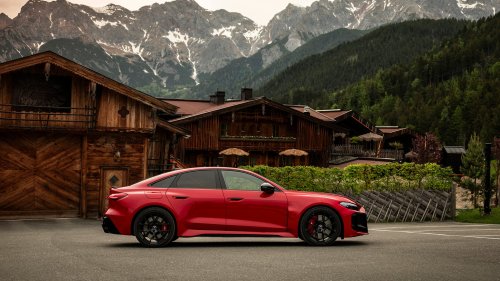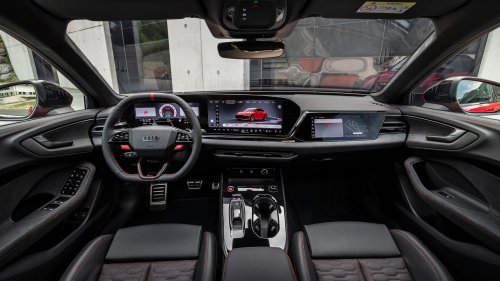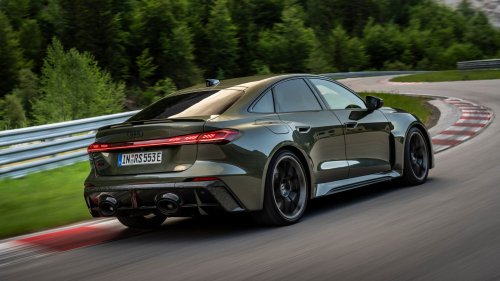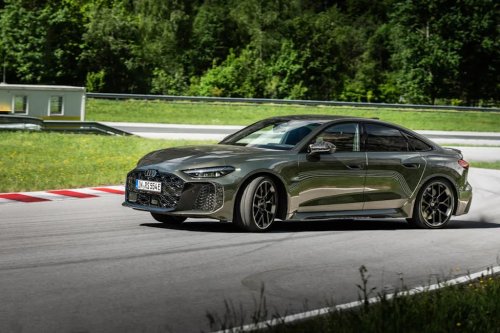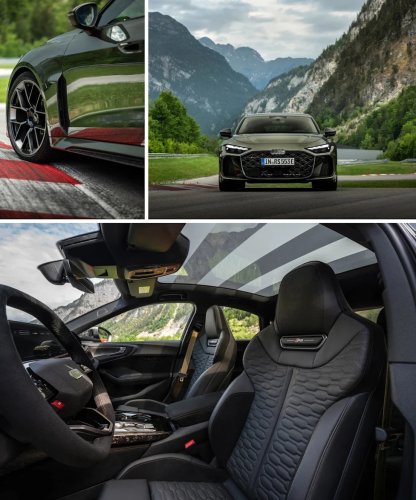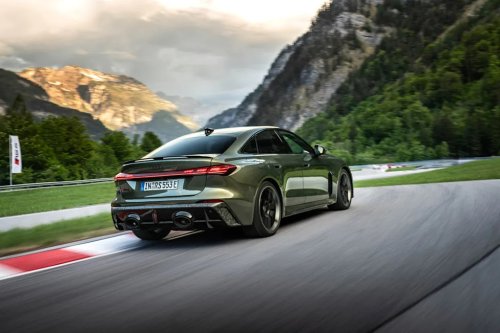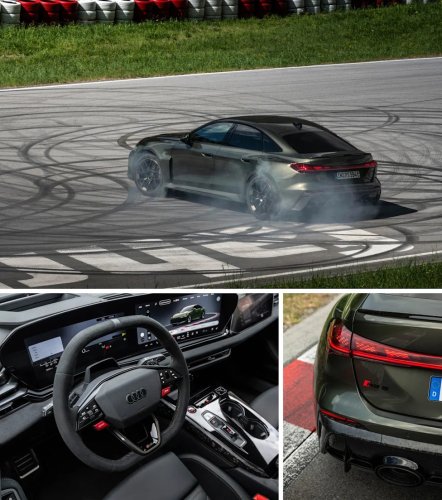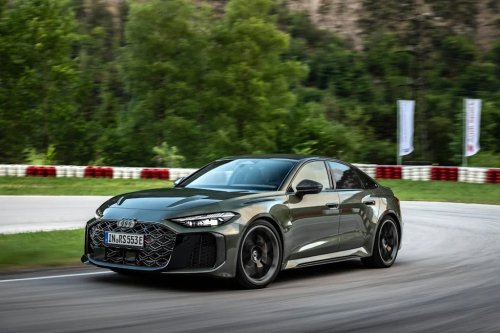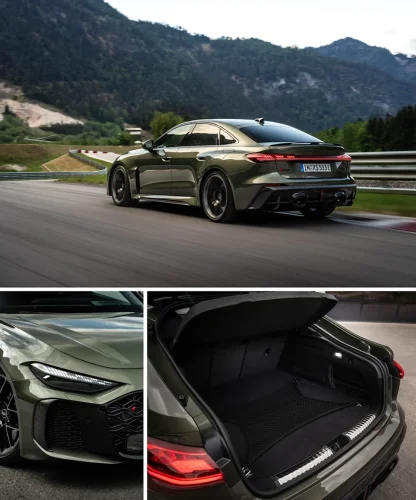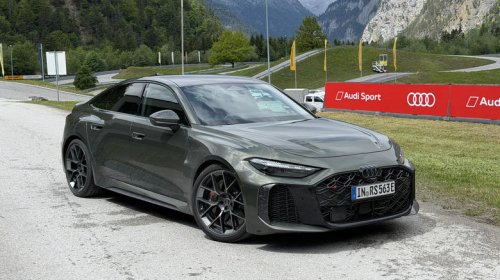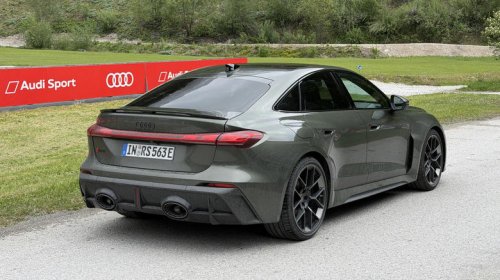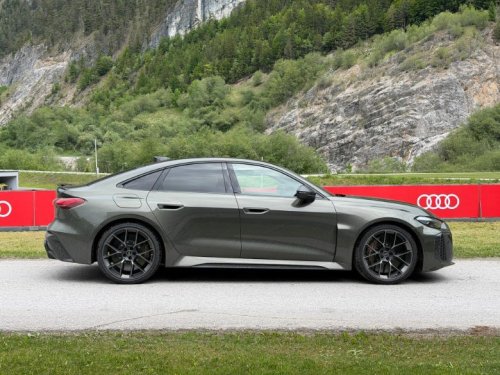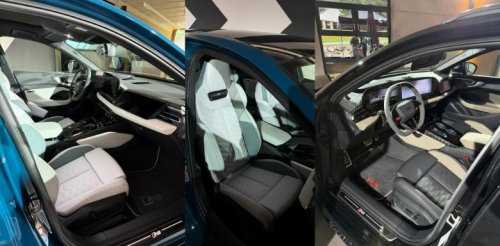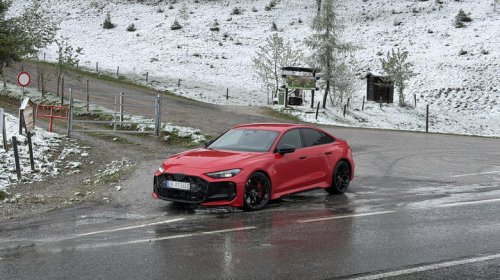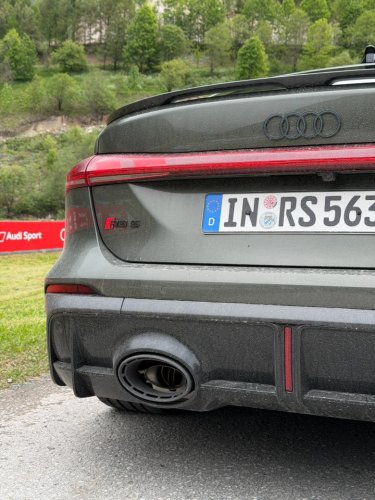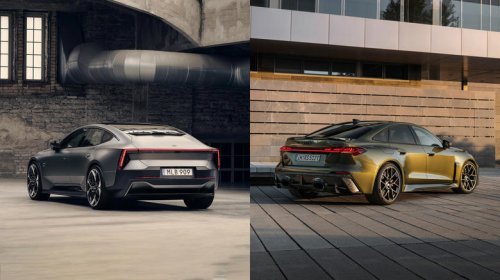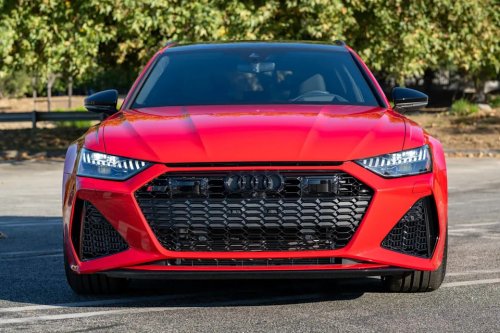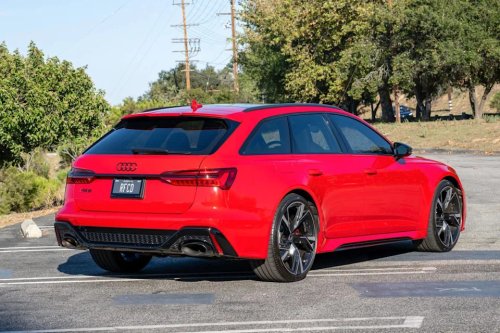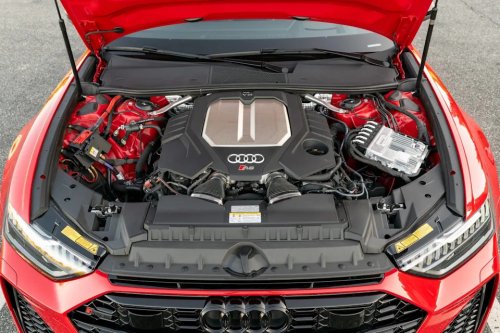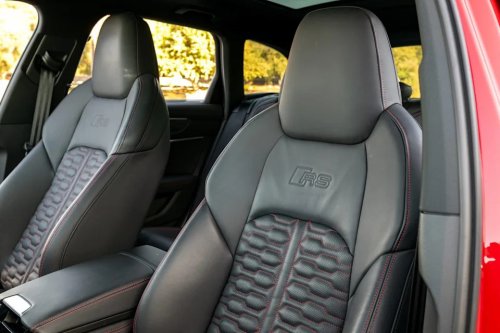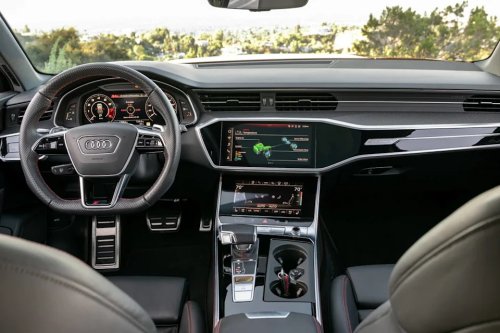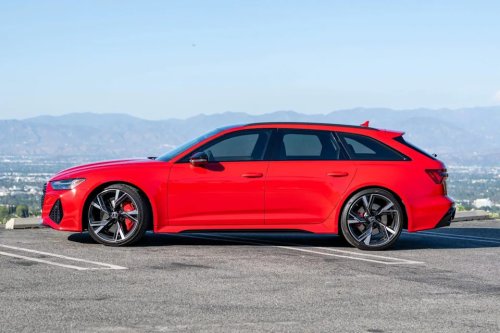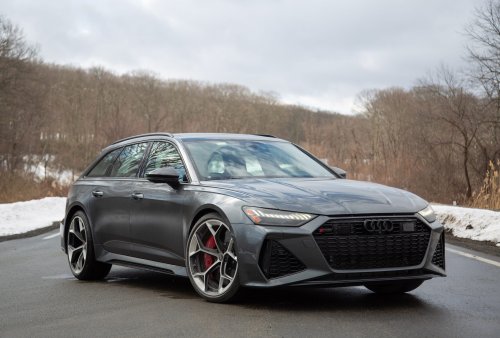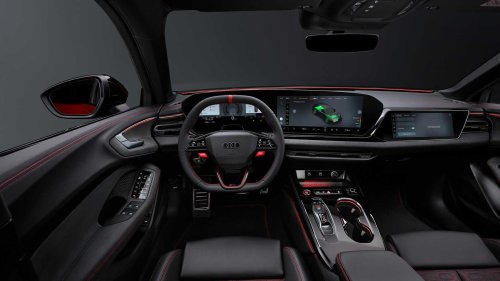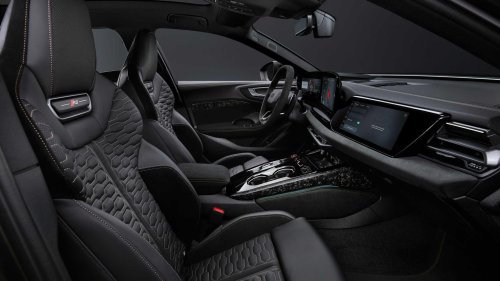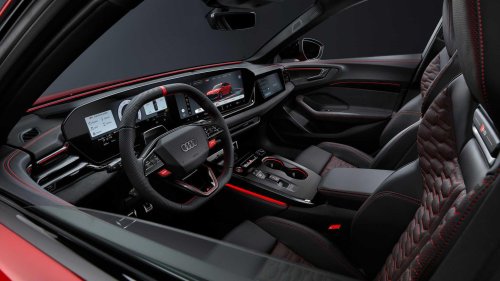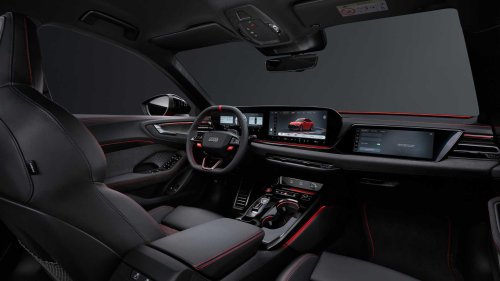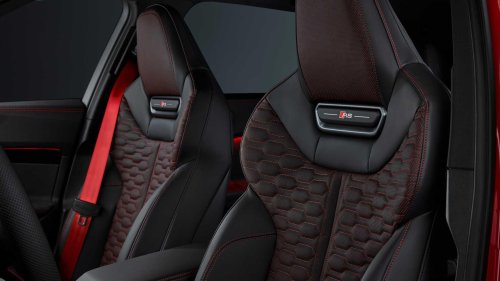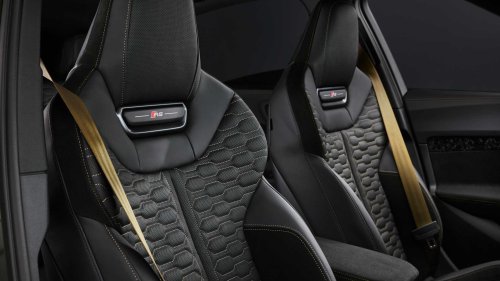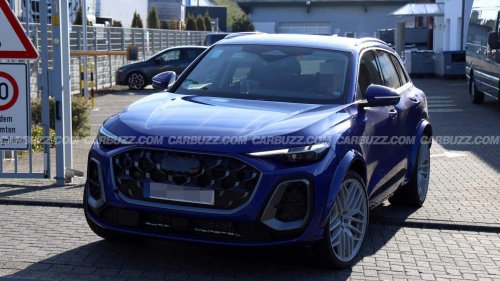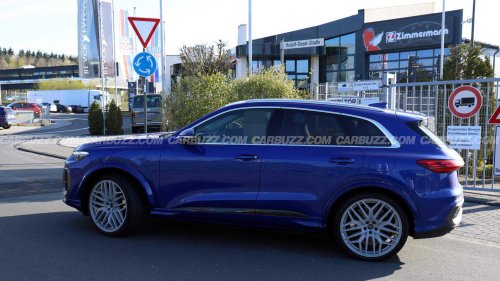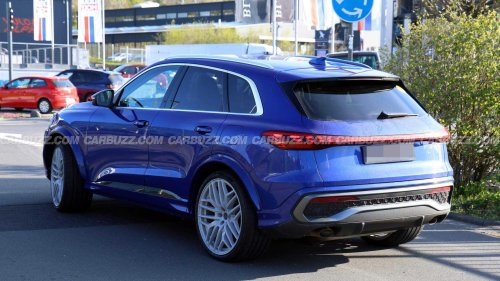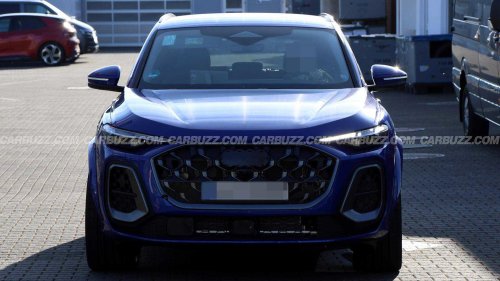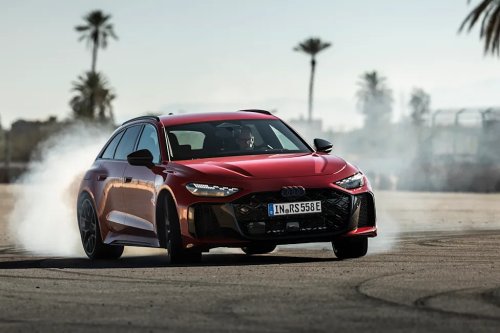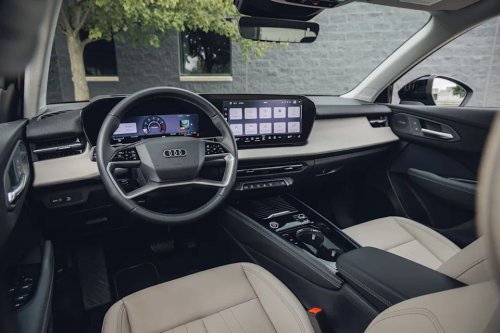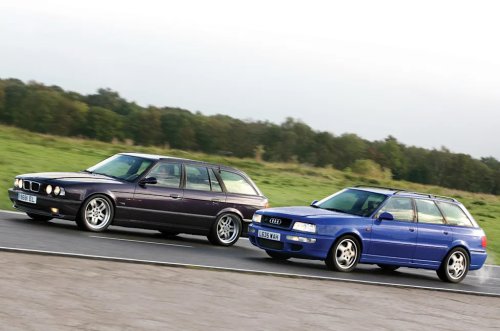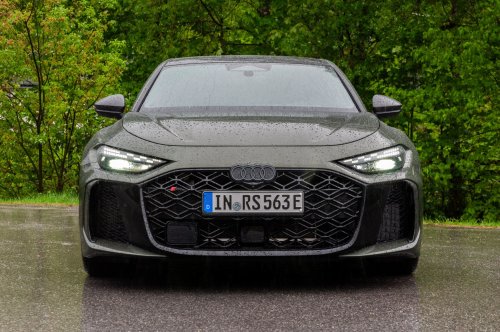
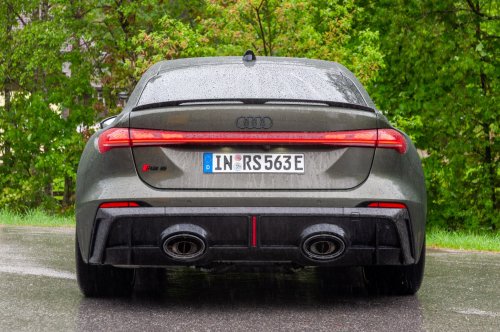
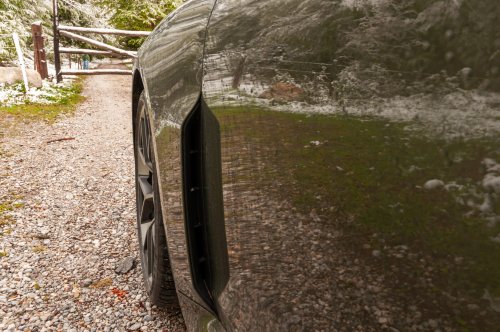
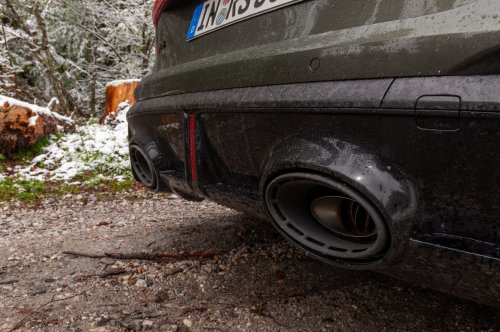
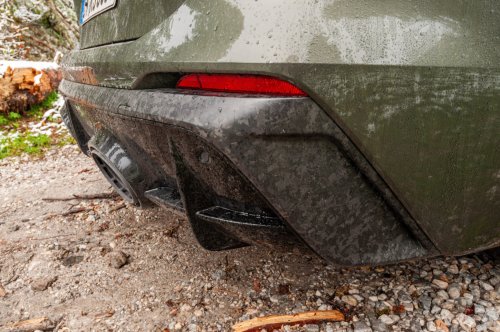
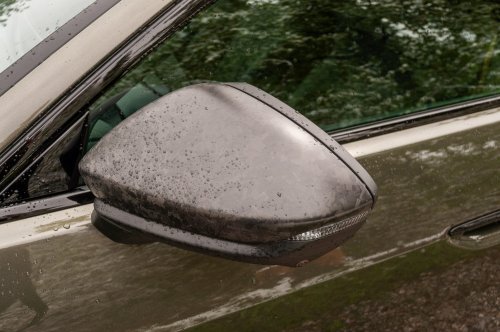
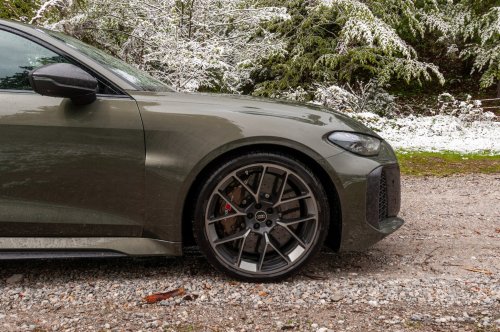
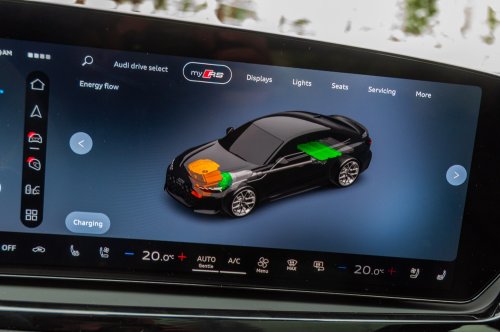
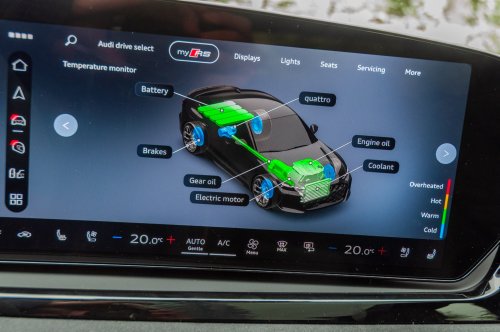
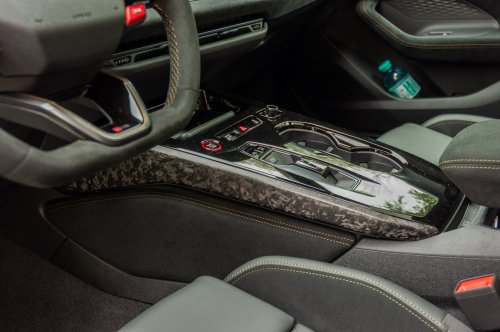
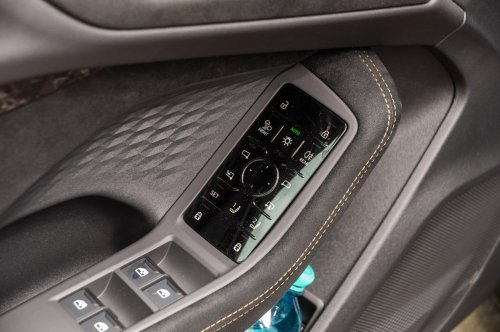
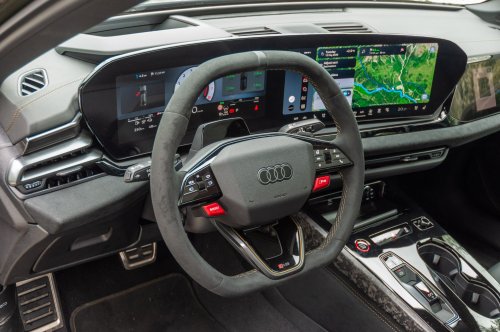
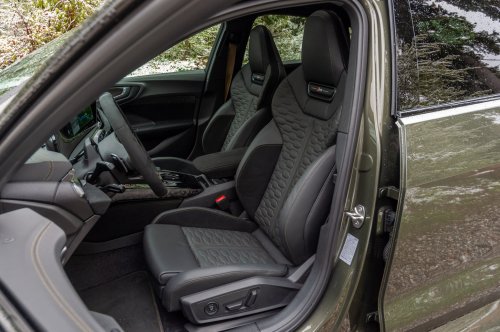
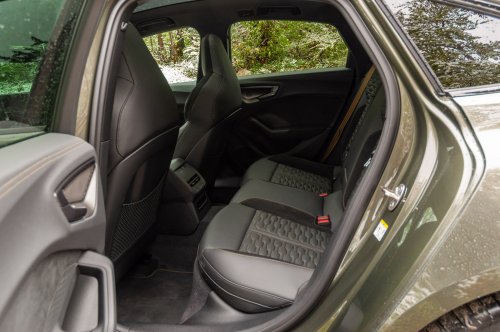
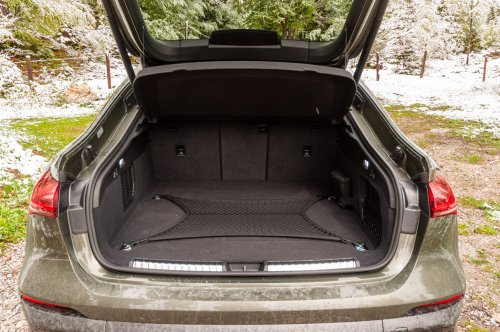
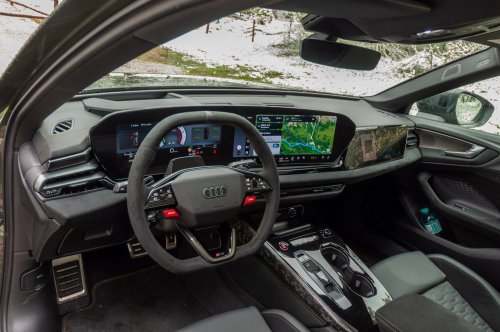
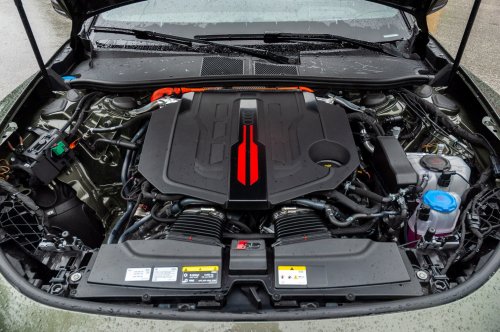
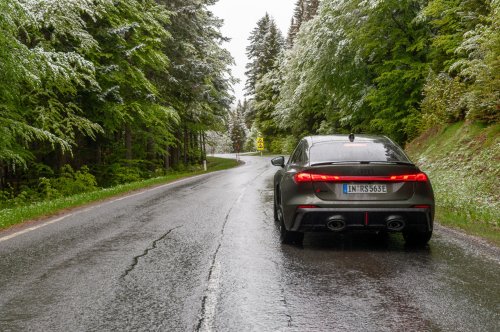
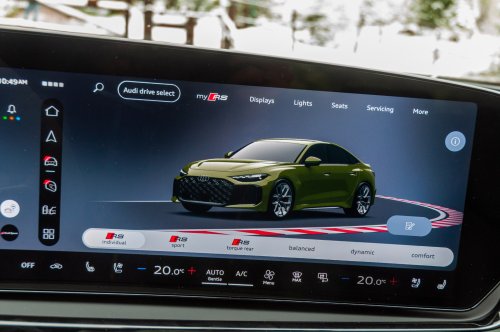
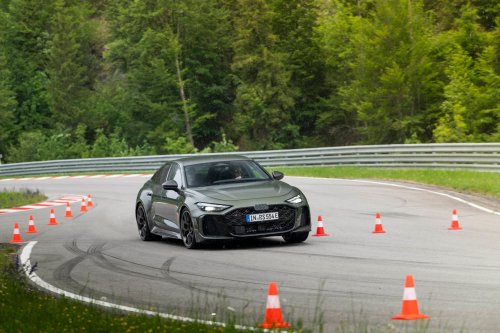
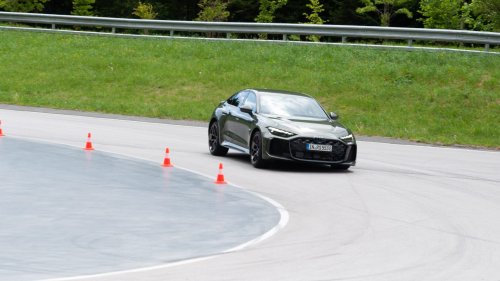
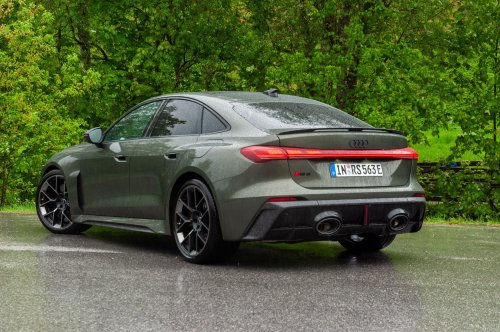
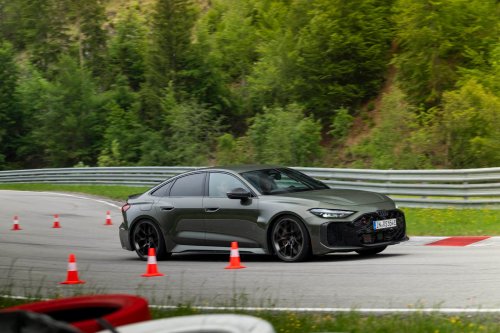
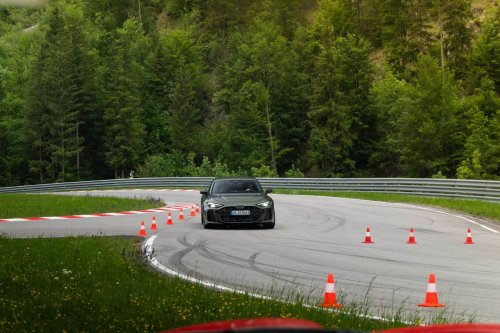
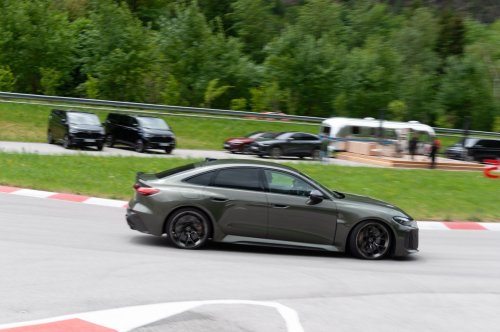
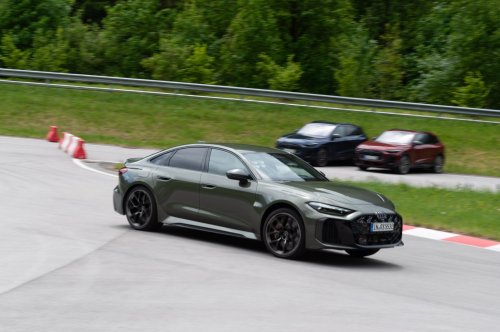
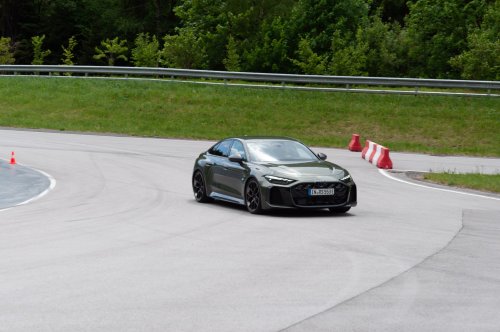
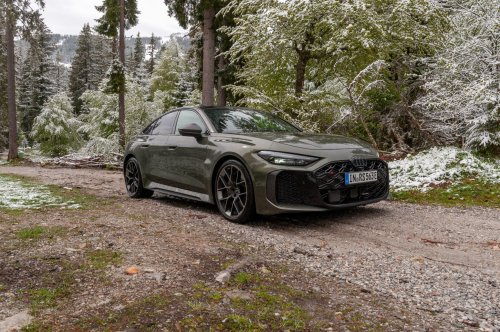
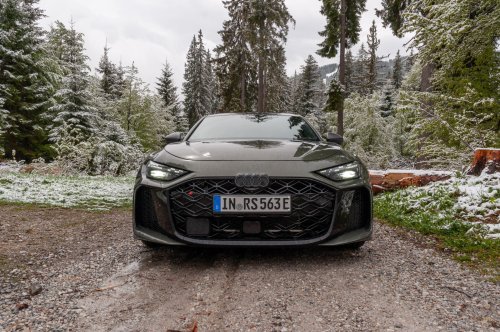
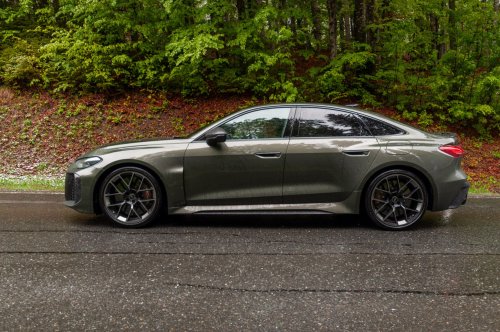
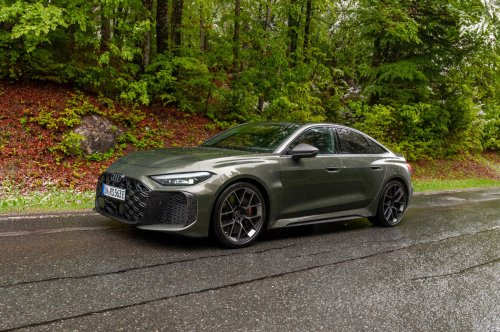
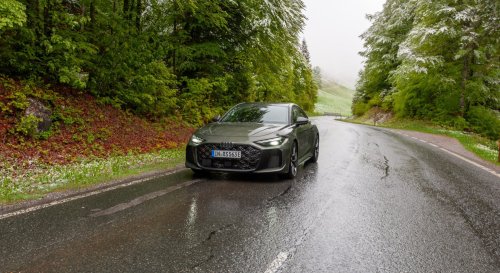
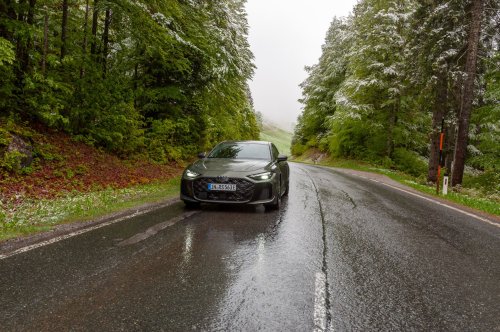
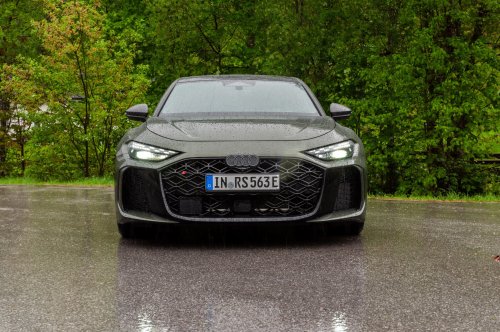
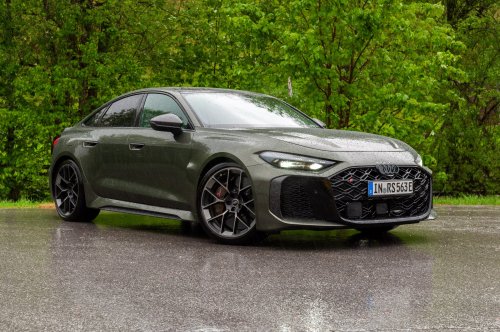
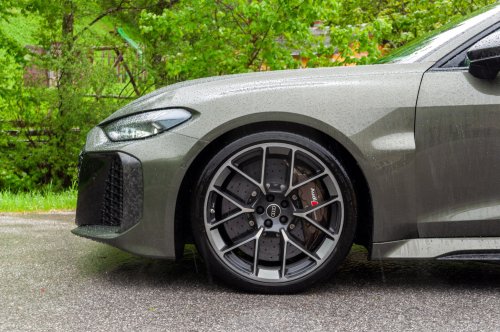
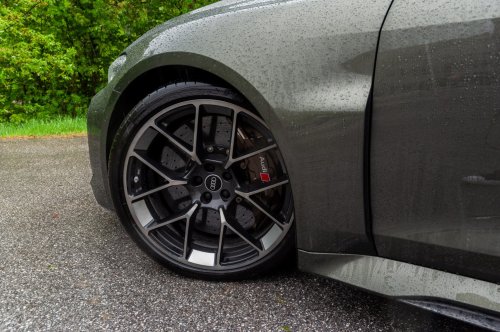
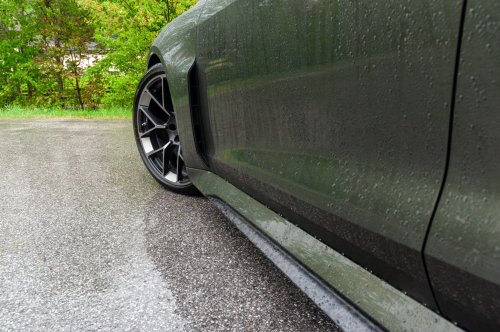
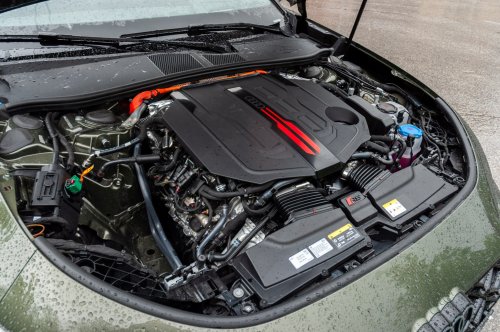
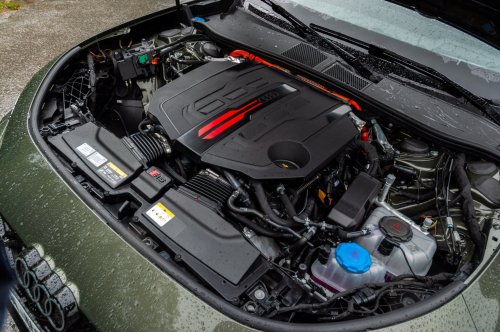
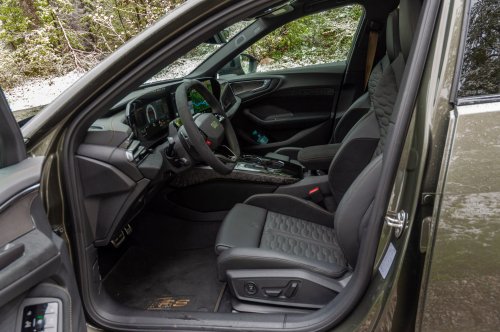
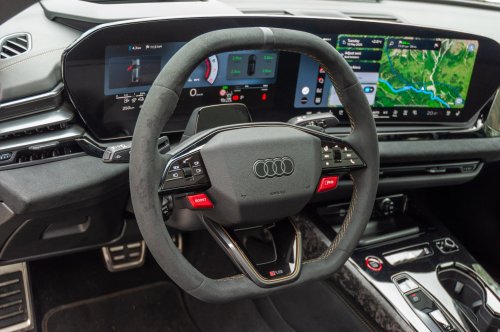
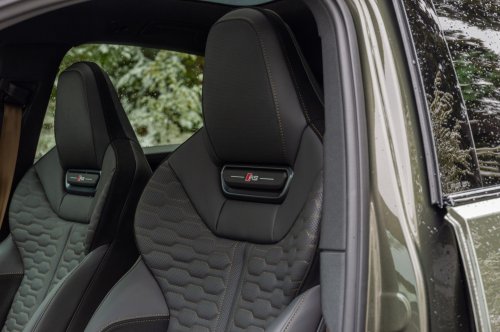
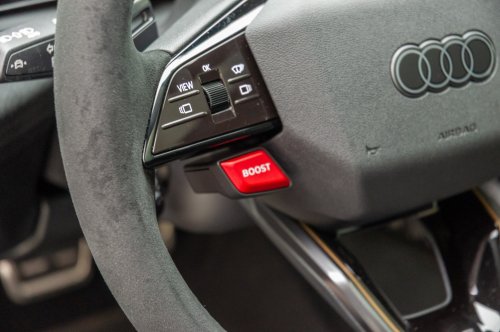
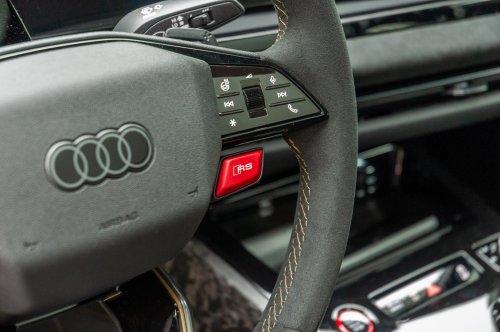
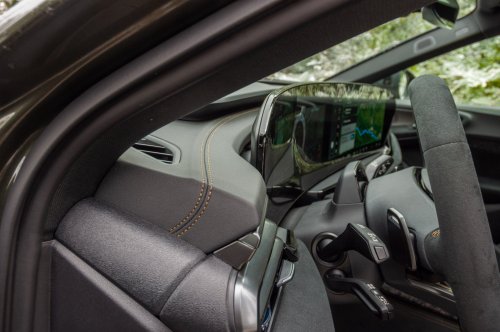
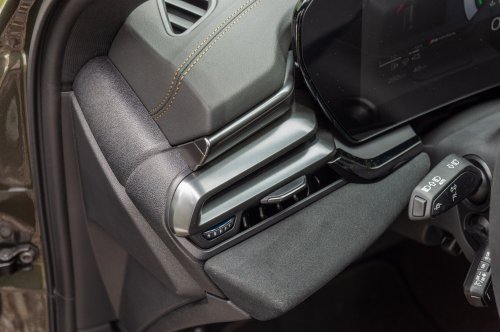
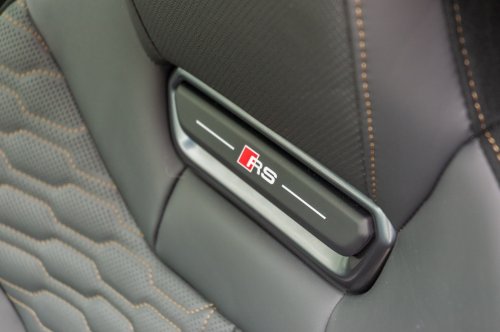
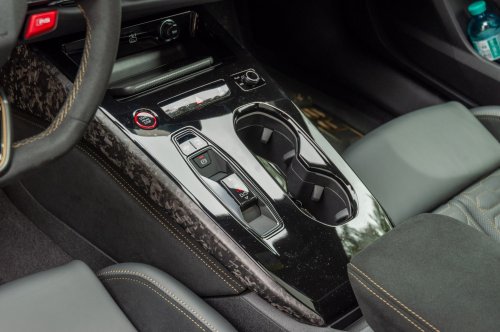
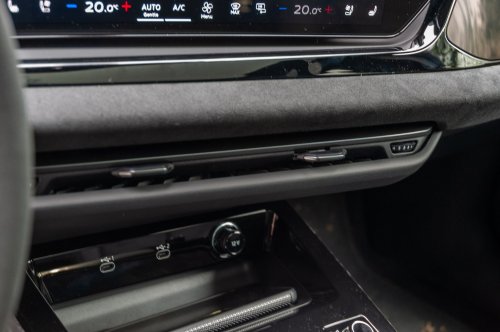
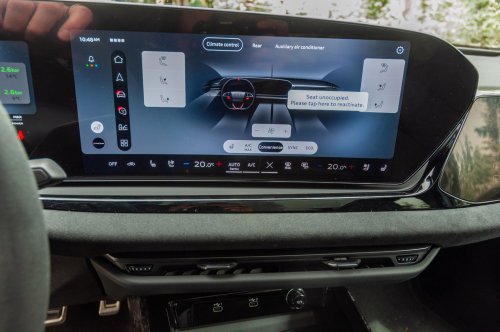
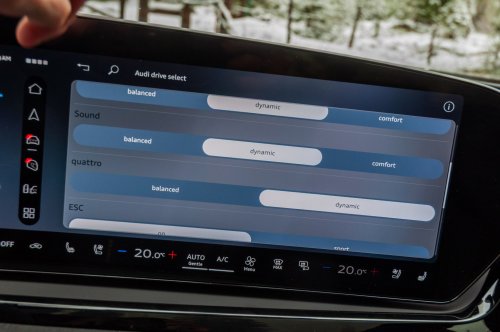
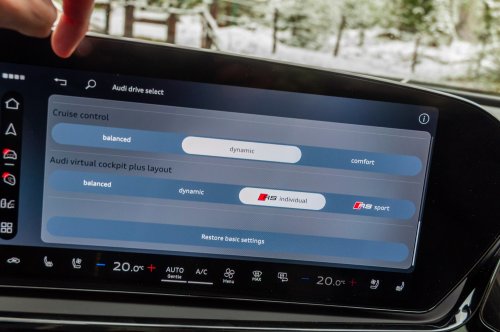
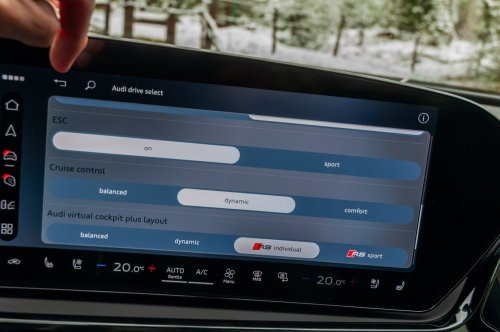
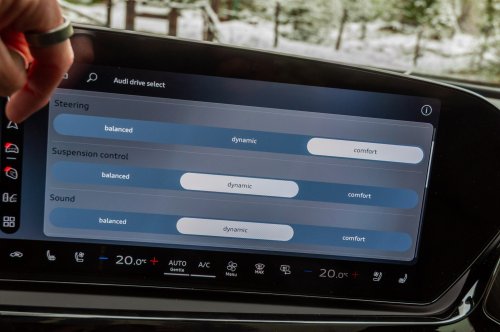
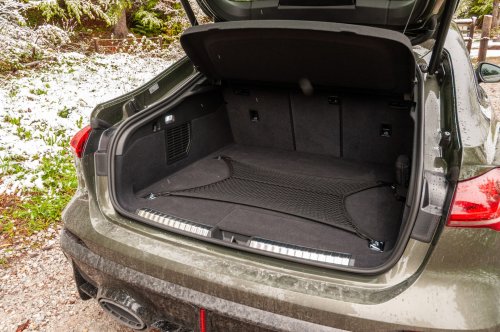
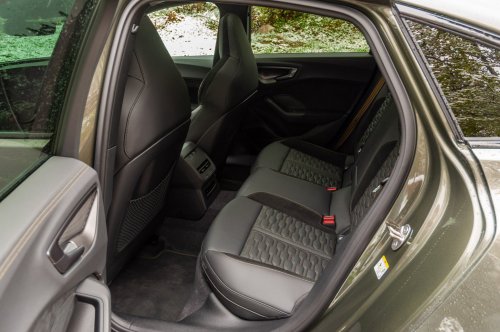
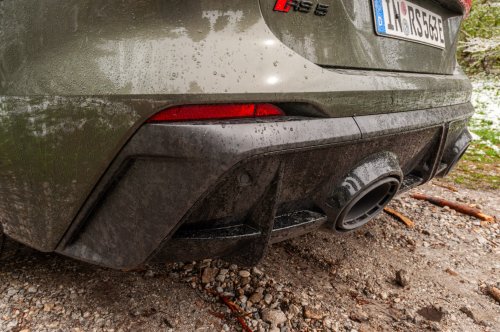



















Key Takeaways Over-engineered fun. The 2027 Audi RS5 combines a twin-turbocharged plug-in hybrid powertrain with an advanced all-wheel-drive system for an exhilarating drive. Heavy, yet impressive. Despite its hefty 5,192-pound weight, the RS5 delivers a thrilling experience, though some transmission funkiness persist. Advanced driving dynamics. The new quattro system enhances agility and control, offering a sharp driving experience in various conditions. Luxury meets performance. Features like heated, cooled, and massaging seats, alongside a high-tech dashboard, emphasize comfort, modern tech, and functionality. Bottom line: The 2027 Audi RS5 redefines driving fun with its over-engineered tech and thrilling performance, despite some imperfections. ✦ AI assisted, editor reviewed Growing up, I had the B5 RS4 and C5 RS6 plastered on my walls. Now, the 2027 Audi RS5 aims not only to stand on the shoulders of such icons but also to make true believers of skeptics (raises hand) with a turbocharged plug-in hybrid powertrain and a wild all-wheel-drive system—all wrapped in a flared widebody that weighs 5,192 pounds. In an era when quickest lap times and horsepower figures are the de facto bragging rights for automakers, Audi seems to be aiming for a different target: fast, over-engineered fun. I’m here for it. When the car launched, everything I just said had me squinting at the specs—especially that weight. Then I drove the car on city streets, Austrian Alps mountain roads, and on the race track. It’s eye-opening, magical, shockingly fun, and also flawed. Joel Feder The Basics The new RS5 is the hotter, more powerful iteration of the A5 and S5 that launched in 2024. It’s been tinkered with by the engineers inside the Audi Sport team, kicking off an entirely new era of cars and technology for the division, which, for now, until the RS6 Avant and other potential RS models arrive, will sit atop the U.S. sports car lineup when it arrives sometime in 2027. Enthusiasts will know what they are looking at with those widened fenders, 1.57 inches wider than a standard A5. The center-mounted oval exhaust finishers, split by a racing-inspired low-mounted vertical center reflector, are dead RS giveaways. But the average person probably isn’t going to realize that it’s as expensive or as powerful as it is. I dig the A5’s proportions with the longer front and shorter, stubby rear. The wide stance of the RS model and the small, raised-lip spoiler with a flow-through, motorsport-derived design are understated and attractive. The three-dimensional mesh grille slathered in shiny piano black plastic feels a bit much for my taste, and I’m really not into the available “crushed carbon” mirror caps or rear diffuser finish. That all feels too Lambo Bro, for me, personally. The available 21-inch six-double-spoke diamond-cut wheels are nice, but don’t match the presence of the forged, milled, and diamond-cut wheels that were available on the now out-of-production RS6 Avant Performance. Joel Feder The triple-screen dashboard setup, void of buttons aside from a volume knob, ports over from the A5. The center console is slathered in shiny piano-black plastic or the optional crushed carbon I mentioned above. The single panel on the driver’s door that contains mirror controls, headlight controls, door locks, and seat memory functions, all on a single piece of plastic, lives here as it does in the A6 E-Tron. It’s bad. That said, the RS-specific squircle steering wheel is very good. I preferred the feel of the suede-wrapped wheel over the dimpled leather, but it was also a new car without someone’s gross hand oils all over it. The RS-specific digital screens range from a G-force meter, tire temps, and powertrain temperatures, with drive modes buried in menus one or two clicks away. For the first time ever, I found the front passenger display useful for messing with the navigation system independently of the main screen. The highback sport bucket front seats are heated, cooled, and feature a massage function, which is noticeably something the $160,390 2026 RS6 Avant Performance I recently tested lacked. The rear seats are sport buckets and comfortable enough for a 6-foot-5 person to sit behind my 5-foot-10 frame for a short trip. Joel Feder Driving Experience The RS5’s powertrain is like teenage love: complicated. There’s a turbocharged 2.9-liter V6 with an electric motor mounted at the rear, which then feeds into a ZF-sourced eight-speed automatic transmission. That electric motor is fed by a 22-kWh lithium-ion battery pack mounted beneath the cargo floor, and it runs on a 400-volt electrical architecture. On a 240-volt Level 2 charger, Audi said it would take 2.5 hours to recharge from 0-80%. No other charging stats were provided, but Audi highlighted that on the more lenient European WLTP cycle, the car is said to have about 52 to 54 miles of electric driving range. I did not test this. The combined system output clocks in at a healthy 630 horsepower and 609 lb-ft of torque. In electric-only mode, it drops down to 175 hp and 339 lb-ft of torque. Power goes to all four wheels through what can only be described as the most complicated and over-engineered quattro all-wheel-drive system ever. Audi designed and engineered the patented system and then sourced BorgWarner to produce it. There’s a Torsen center differential that splits power front-to-rear, but here the split is mostly 40:60 front-to-rear, with the ability to shift it up to 15:85 or 70:30 at its limits. Audi’s tuned the system to have a fixed rear bias unless there’s wheel slip, and it ditched the previous RS mechanical clutch-based system for an electro-mechanical design to vector the power side-to-side. Why? Because the old system couldn’t shift power quickly enough, according to Audi Sport RS5 Development Vehicle Dynamics engineer Andreas Sticht. The new system taps the plug-in hybrid’s 400-volt electrical architecture to power an electric motor on the rear axle that shifts power from side to side using two planetary gearsets, a fixed sun gear, a ring gear, and another sun gear. The system can shift twice as much power to each side as the old mechanical design. The simple version of all this headache-inducing stuff: By moving to an electronic solution for controlling the power side-to-side in the rear, the system can react quicker, vector more power to each side, and be more precise with fewer parts that can wear out—or so I was told. It can shift torque in any situation, even off-throttle, unlike a mechanical clutch pack. I did mention 5,192 pounds, right? Joel Feder I should highlight that these Euro-spec RS5s were on Bridgestone summer tires (2845/30R21, square setup), and it was 37 degrees, with rain turning to snow for most of the day. With that context out of the way, pulling out of the parking lot onto a wet street and mashing the throttle in Balanced driving mode instantly gave me some B5 RS4 vibes. Or at least what I imagine that car was like, since we never got it in the U.S. Shockingly, the power didn’t just wallop me in the RS5; rather, it built progressively and with a somewhat gritty growl as the electronic sport exhaust dumps opened and the entire thing wailed. The Comfort steering weight setting is instantly my favorite, as anything else just feels fake. I don’t need to drive a car for an arm workout. The RS5 does 0-60 mph in 3.6 seconds, and that feels about right. It’s not dramatic like the RS6 Avant with its thundering V8, but it’s nearly as quick as the larger outgoing V8-powered wagon. Sticht said the car defaults to operate in electric-only mode until the battery’s depleted unless in Dynamic, RS, or Individual drive modes. Sure didn’t seem like it. The gas engine ran most of the time unless I manually put the car into EV Mode. Then the power output dropped noticeably. Patience would be needed to accelerate onto a highway, but the car was still pulling forward and increasing speed even at 70 mph. I didn’t have patience for such nonsense, and the car immediately kicked out of EV Mode when I pushed the accelerator pedal past the three-quarter mark. Joel Feder Dynamic mode is programmed to overload the outside wheel for fun, while RS Sport mode is supposed to split the power to the rear for speed. On a brief stint on a dry alpine road, I pushed the RS5 into a quick right-hander, expecting the front end to push. Instead, it dug in, dove right, and the rear end progressively slid out, resulting in immediate oversteer. “That was unexpected,” I told my co-driver with a huge smile on my face as I finished countersteering. Then I did it again before deciding narrow alpine roads weren’t the time or place. But it left me wanting more. The first of three short laps on a track took place on cold tarmac with the rain in sight but not falling yet. Flipping the drive mode into Dynamic, I turned in late into the first corner and flicked the rear out in a completely controlled manner. After sliding through the corner, I dialed in the steering, and the car shot off toward the next turn. Lovely. This magic took place for the rest of the lap. Maximilian Thum, MA Maximilian Thum On the second lap, the rain rolled in, and I switched to RS Sport mode. The rear end resisted kicking out as quickly or as far as before, as the system shuffled power between the rear and front to make the car go forward as quickly as possible. It was more in the name of lap time than fun, and, inherently, that felt less fun but quicker. By lap three, the rain had turned to snow, which you can’t even make this stuff up, and I switched back to dynamic mode. If we are going to have fun, we are going to have all the fun. [Ed. note: Joel is the funnest person on staff.] The car easily, and in the most controlled manner, slid its way through the track as if it were performing a ballet. Joel Feder Pros and Cons Whereas the BMW M5 wagon feels every bit its 5,530-pound curb weight at every single moment, the Audi RS5 somehow never ever feels its weight. The two-valve fully adjustable dampers must’ve been tuned by the best Ingolstadt wizards, because this car somehow hides the extra 1,376 pounds it has on the former RS5. You have every right to roll your eyes. I wouldn’t believe it if I hadn’t experienced it myself. The same can’t be said for the ZF-sourced eight-speed automatic torque converter transmission. In automatic mode and left to its own devices, it’s mostly an ideal dance partner. But put the car into manual mode, run to redline, which Audi has set the car up to never auto shift even at redline in manual mode, pull the upshift paddle, and nothing happens. It’s roughly a full two-second delay between the time you pull the upshift paddle and the actual shift, which comes with a massive thunk that can be both felt and heard. This happened in all three RS5s I tested. When asked, Sticht told me this is a known tuning shortcoming because the system is fully under load when the shift is called, and noted this could theoretically be fixed with more time spent tuning the system. An Audi USA spokesperson noted the RS5 won’t arrive in the U.S. until sometime in 2027, so it’s unclear whether the car will still have this “shortcoming” by then. The RS5 is now on sale in Europe in the tested specification. Features, Options, Charging, and Competition The RS5 is still at least a year away from arriving in the U.S., so pricing and other details are yet to be finalized. In Europe, the Audi Sport Package swaps in the bumper you see above, six-spoke black metallic alloy wheels, an RS Sport exhaust system, and an upgraded interior with an Alcantara-wrapped steering wheel, along with an electronically controlled top speed of 177 mph. In Europe, the RS5 sedan costs €106,200, or $123,183. That’s a lot of coin and still more than a fully kitted BMW M3. A base BMW M3 costs about $80,000, but it has a lot less power and is rear-wheel drive. The last RS5 was closer in price to the M3, costing roughly $80,000 before options. The current plug-in-hybrid Mercedes-Benz C63, which has not sold well due to its turbo-four powertrain, costs about $90,000 before options. Joel Feder Early Verdict One day with an extremely complicated car is far from enough time to declare this a winner or say where it ranks among its predecessors and rivals. What Audi’s done here is unbelievable, and I had to experience it to believe it. Audi went for fun driving while BMW simply chased specs, and fun is what puts a smile on your face. The new RS5 might be the new definition of Audi’s infamous tagline, Vorsprung dutch Technik: progress through technology. The haters are going to hate, but that’s ok. I was one of them. Audi provided The Drive with travel and accommodations, along with the use of a vehicle for the purpose of writing this review. 2027 Audi RS5 Specs Base Price$TBDPowertrain2.9-liter twin-turbo V6 | eight-speed automatic | all-wheel driveHorsepower630Torque609 lb-ftSeating Capacity5Curb Weight5,192 poundsCargo Volume11.7 cubic feet behind second row | 41.3cubic feet behind first row0-60 mph3.6 secondsTop Speed155 mphEPA Fuel EconomyTBDScore8.5/10