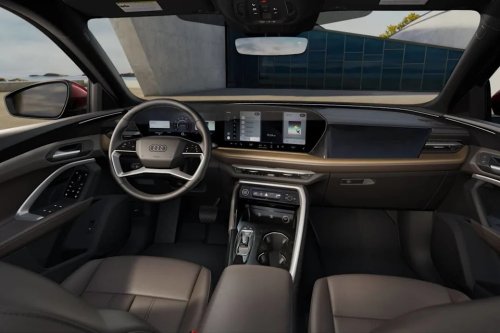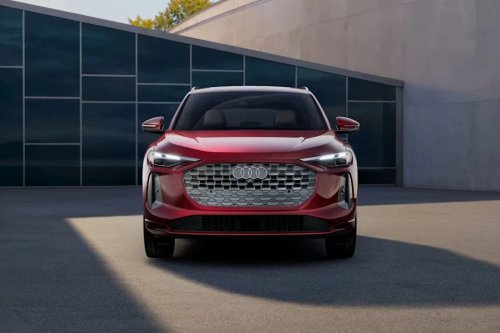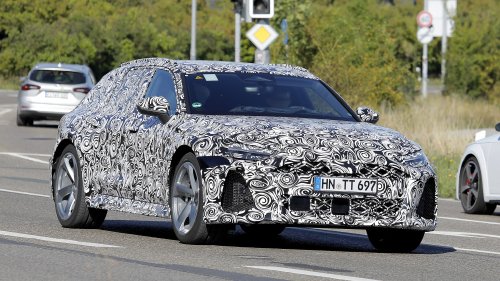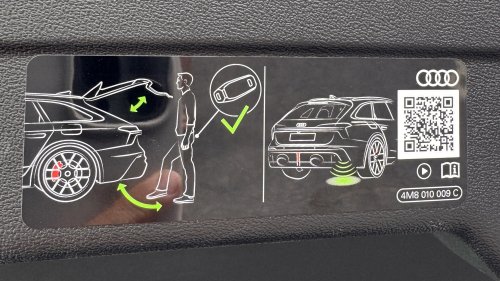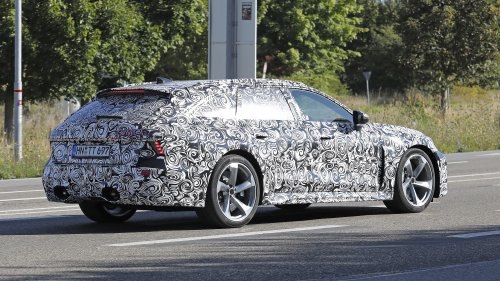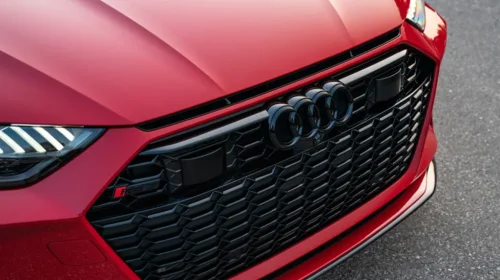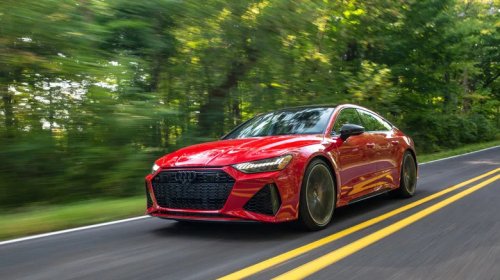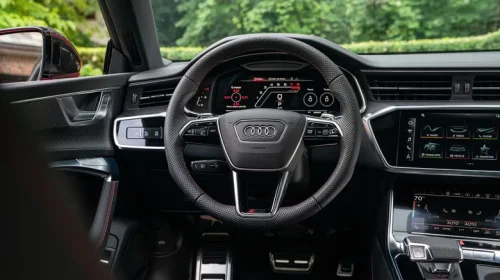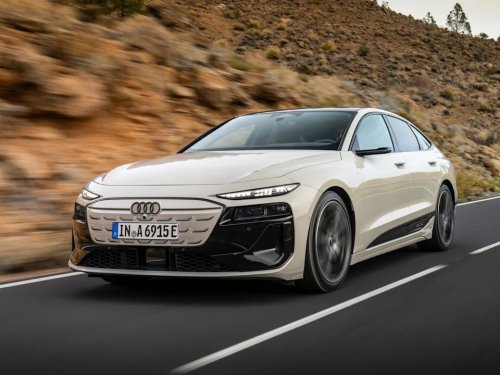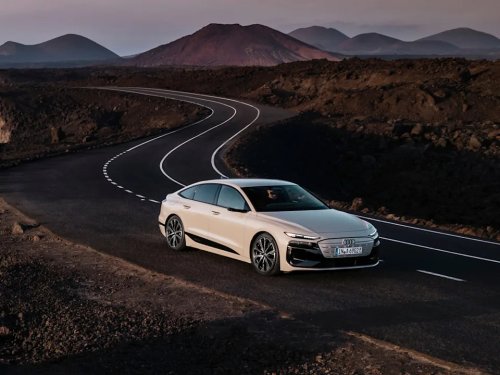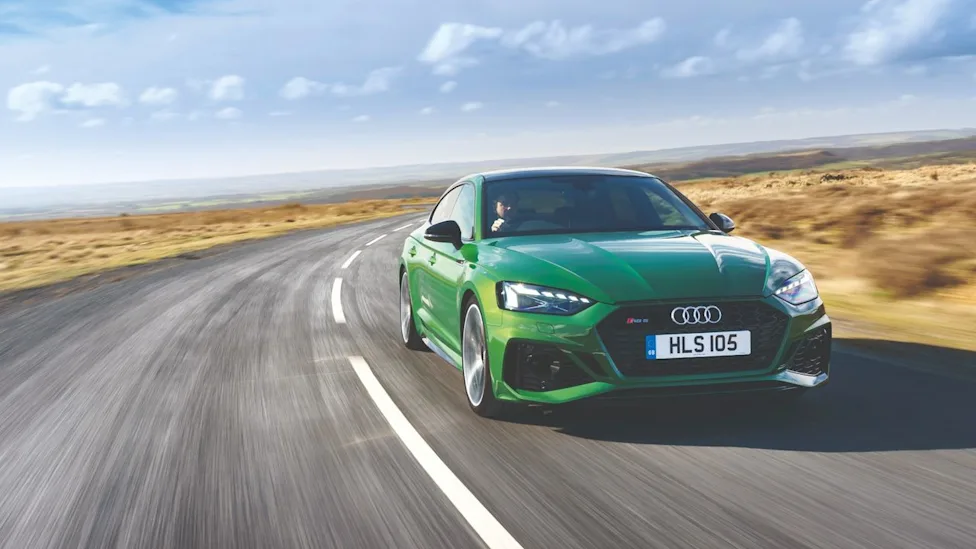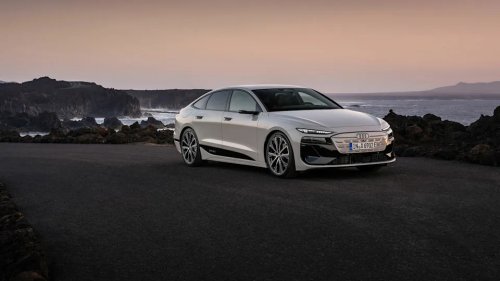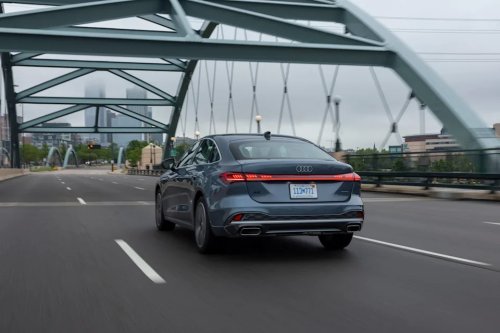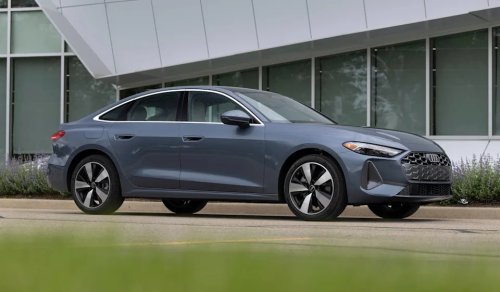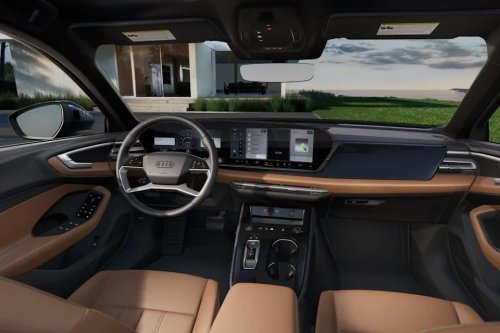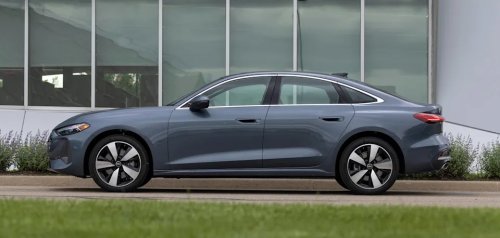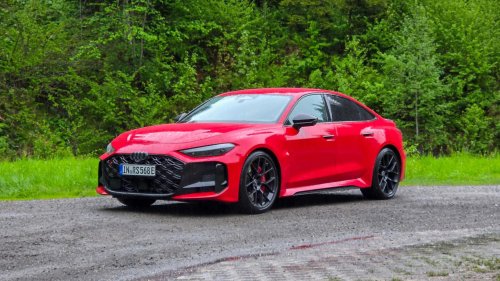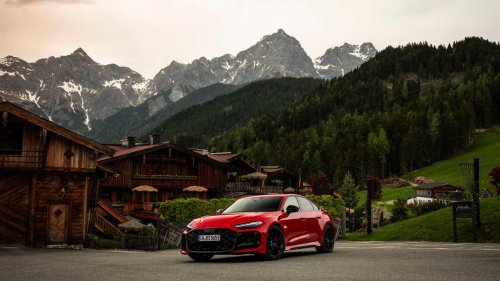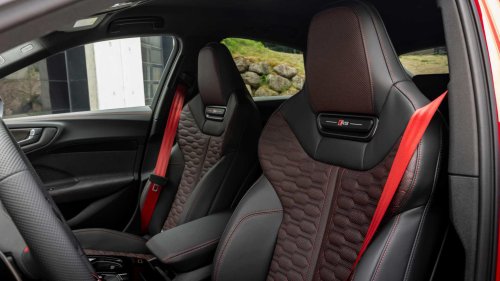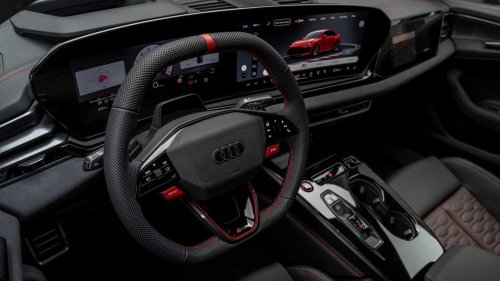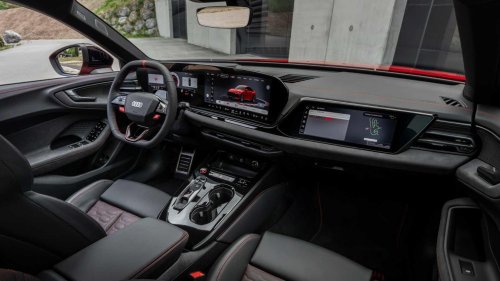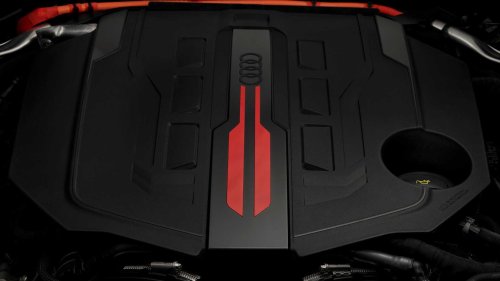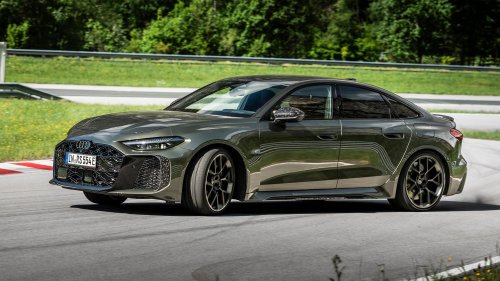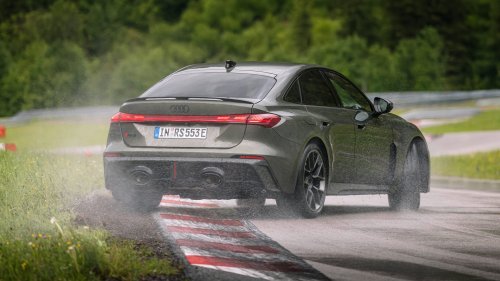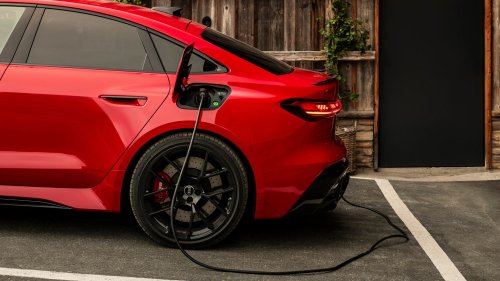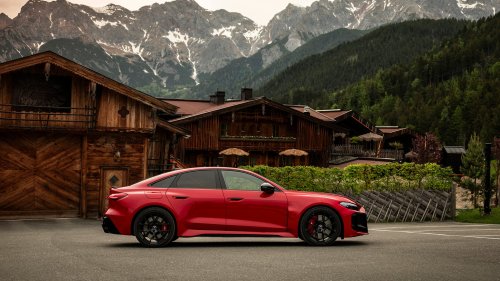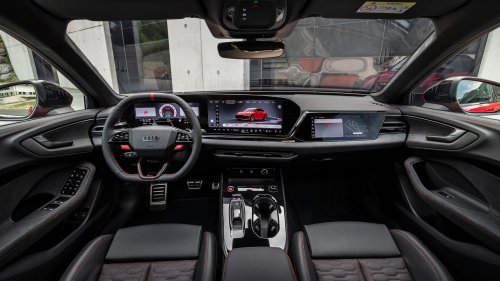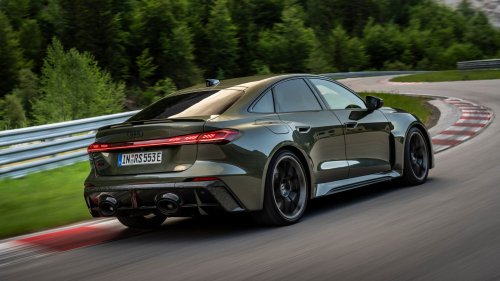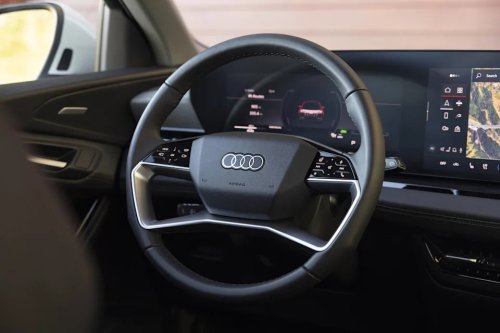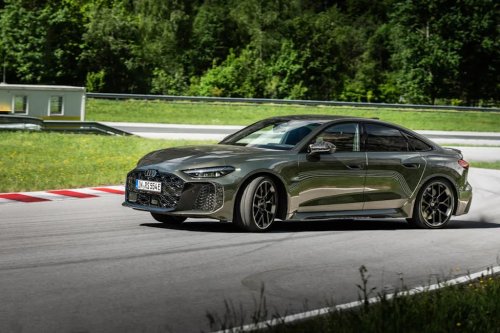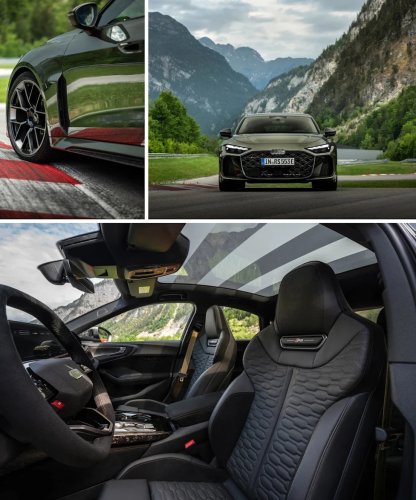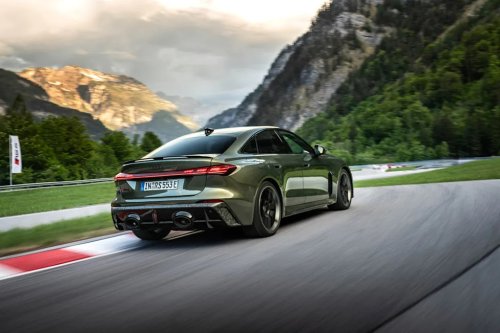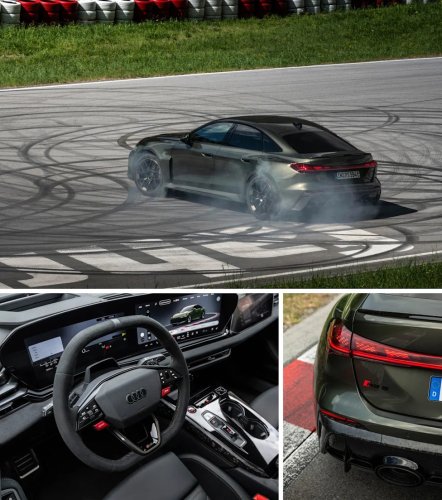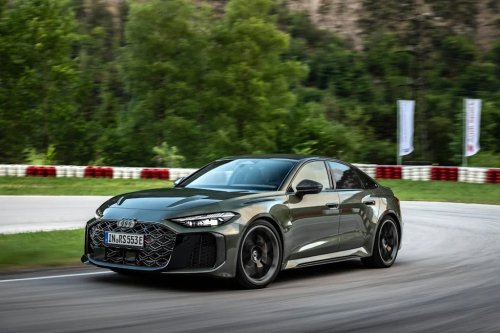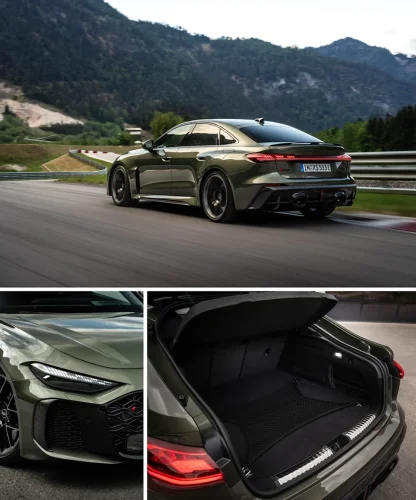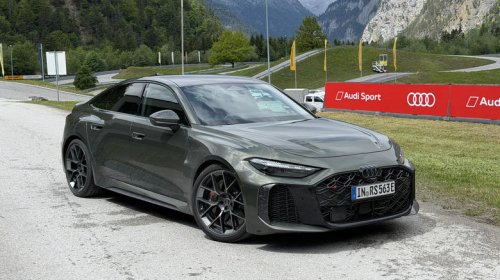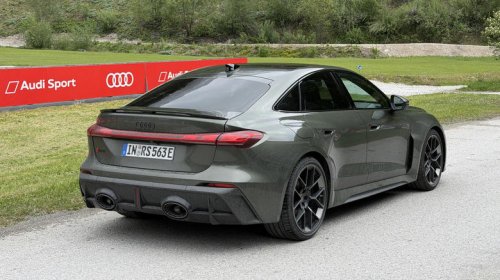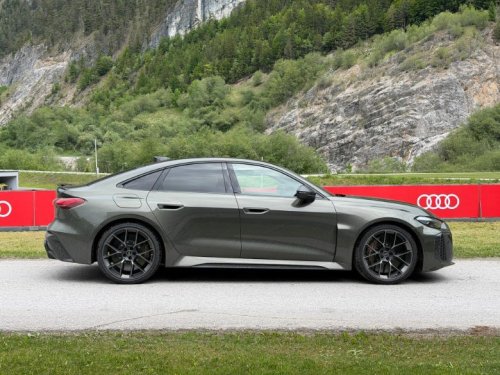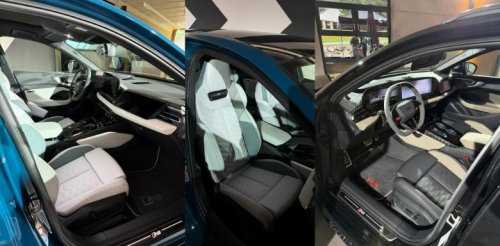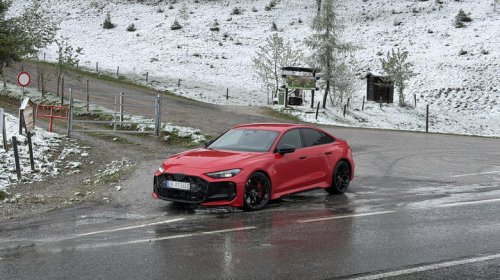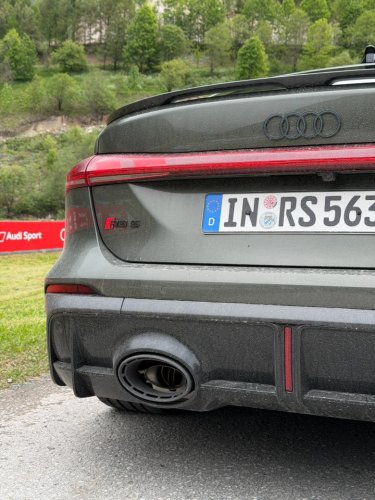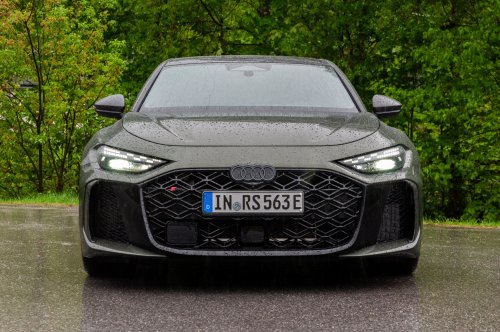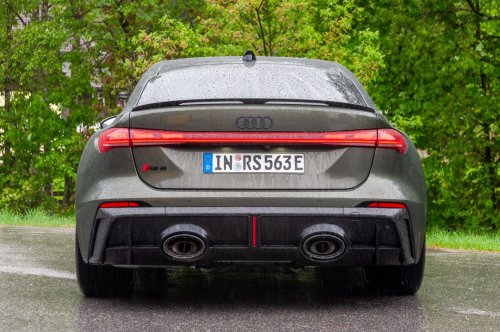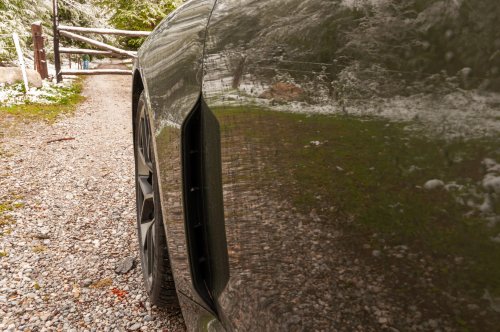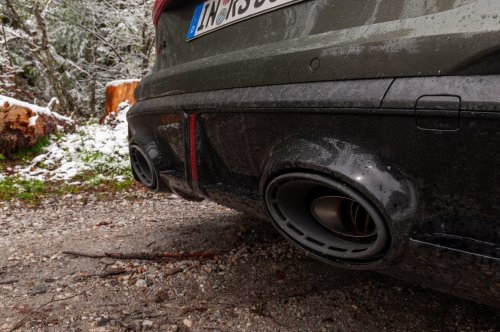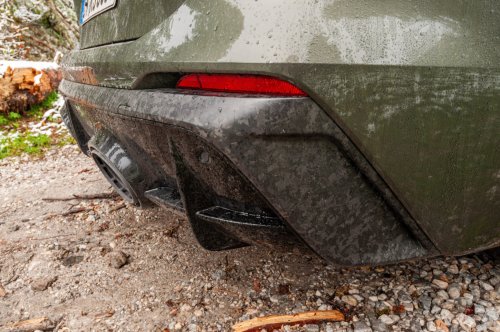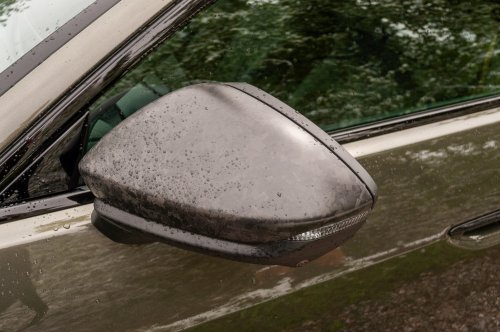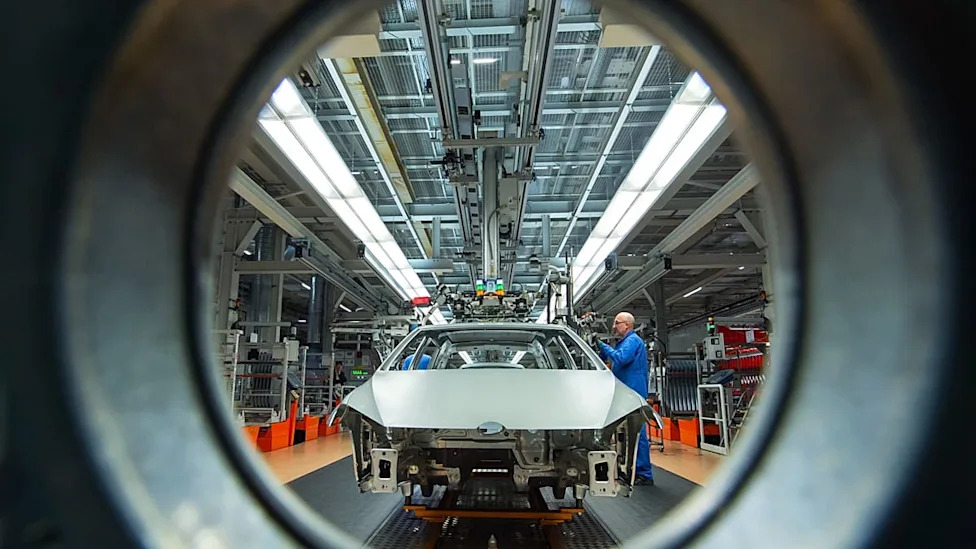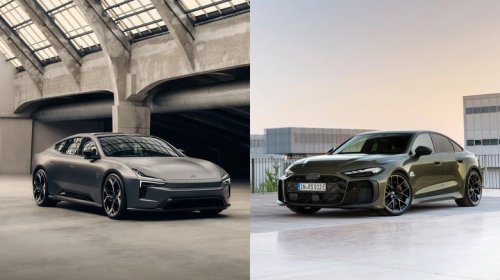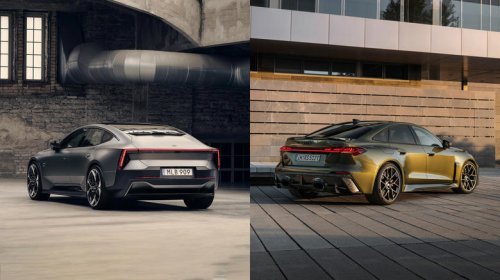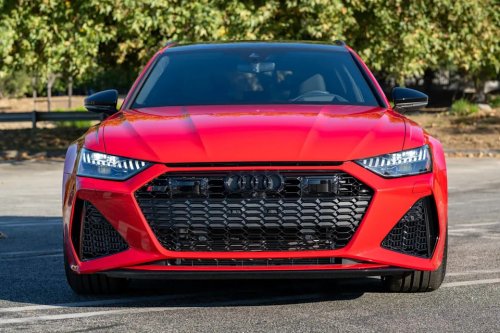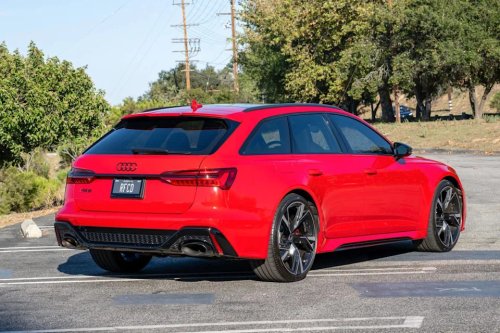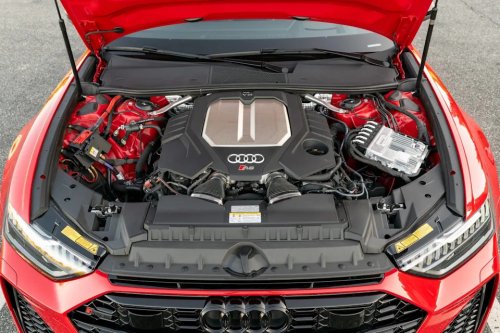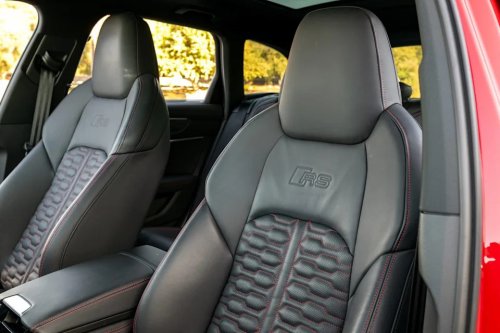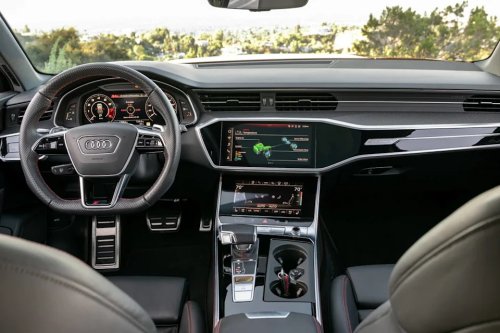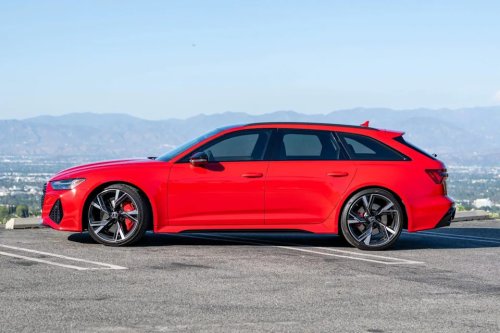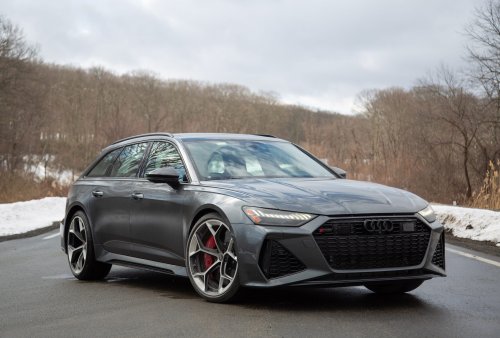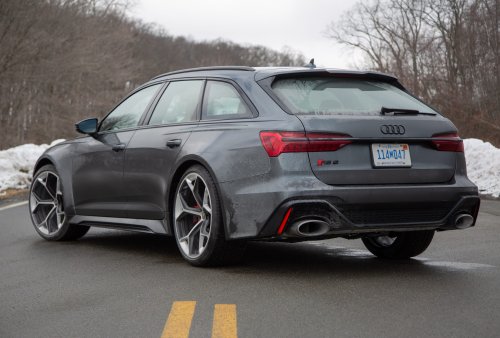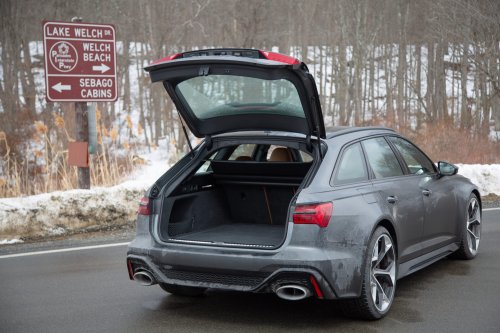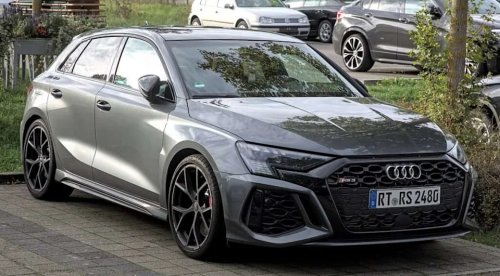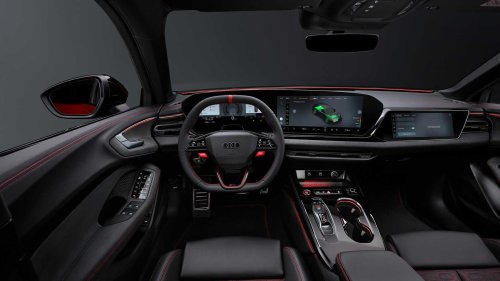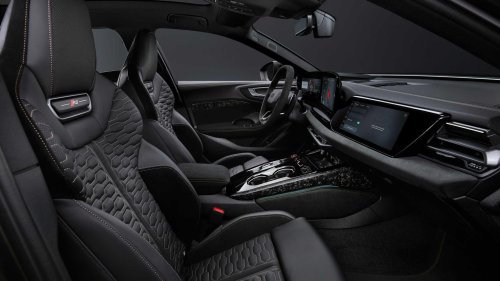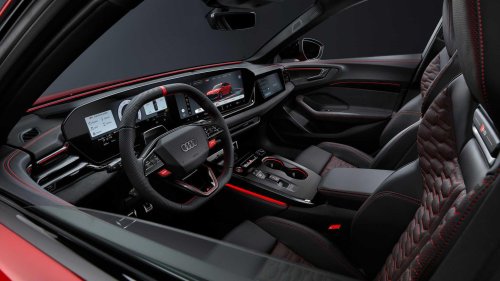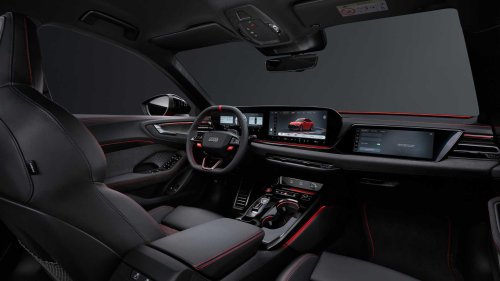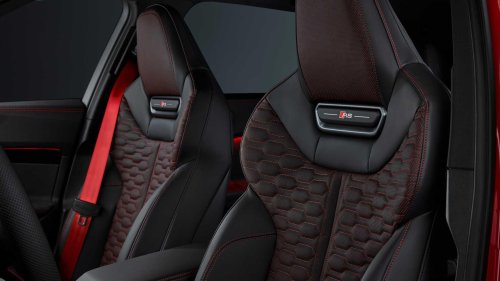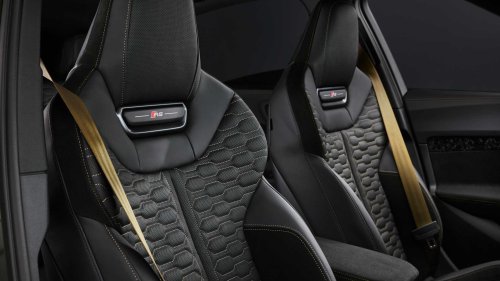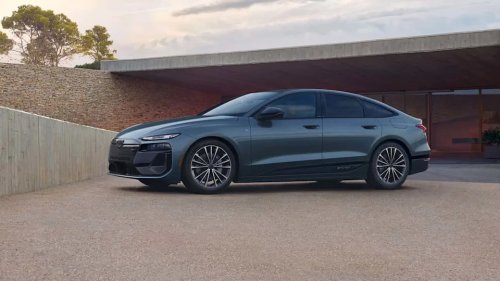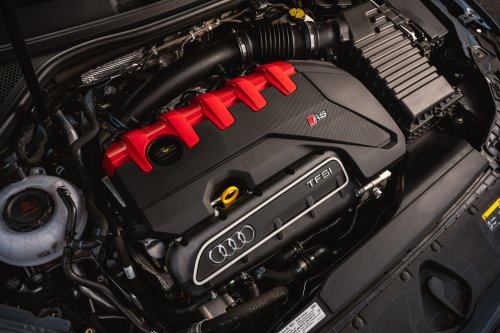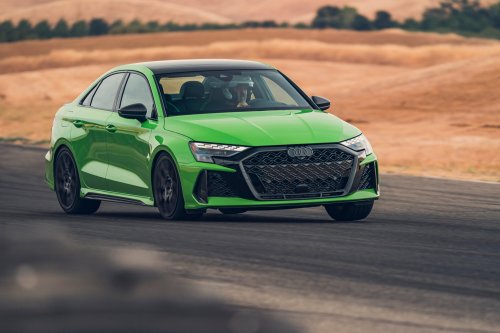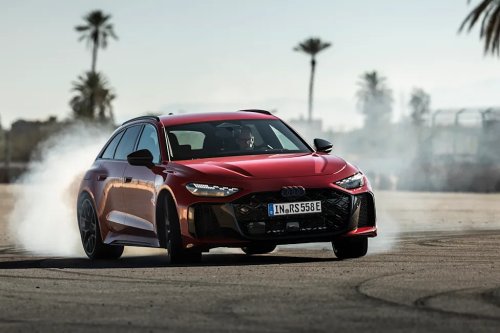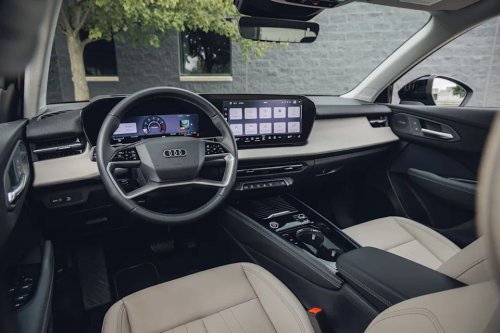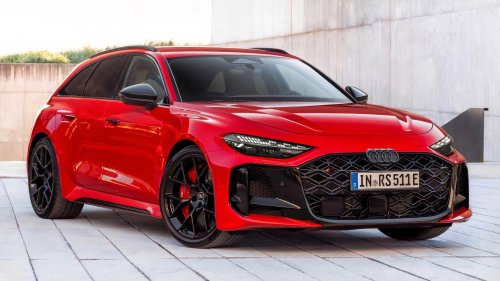
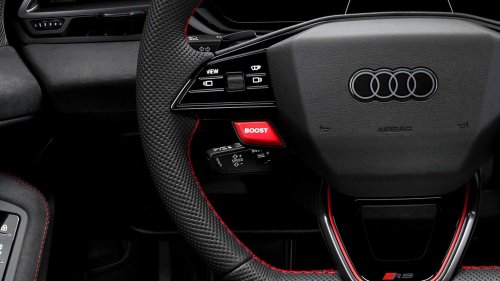
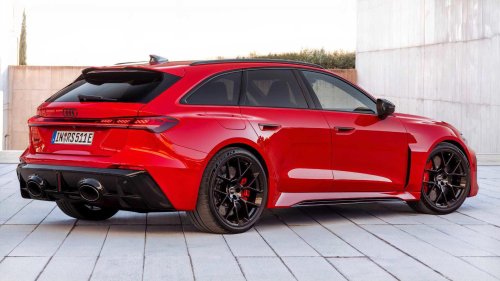
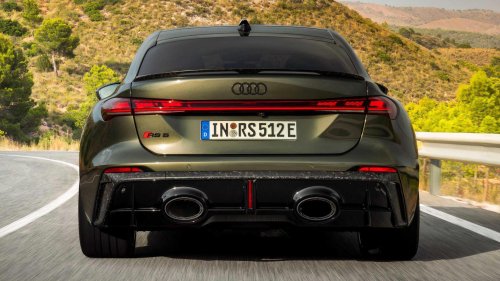
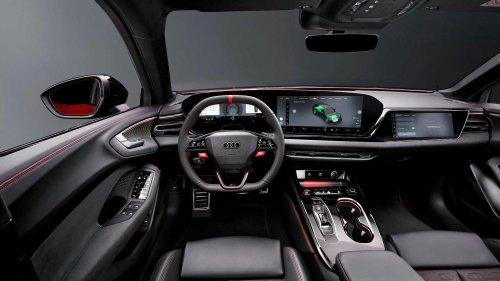
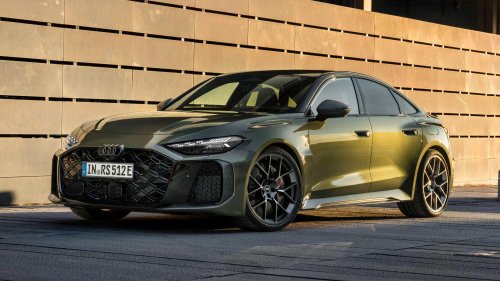
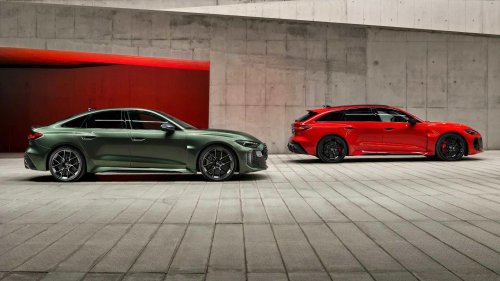

















Audi just gave the RS5 the biggest power jump in its history, and it did it by electrifying it. The next generation RS5 now makes 630 hp, which officially moves it out of the compact sport sedans and into territory normally reserved for much larger and more expensive performance cars. This is the first hybrid RS model, and Audi is clearly trying to prove it can add electric power without softening the edge. All New Audi RS5 Hybrid 2027 Audi RS5 Hybrid 1 - wagonThe foundation of the RS5 is still the 2.9 liter twin turbo V6, but with a few updates. Output climbs to 503 hp from the combustion engine alone, since Audi was able to revise the turbo setup, increase injection pressure, optimize intake routing, and add water to air intercooling to improve lower intake temperatures and throttle response.An electric motor integrated into the eight speed automatic adds another 174 hp and 460 Nm of torque, providing an even better throttle response and acceleration off the line. The combined system output lands at 630 hp and 825 Nm with Audi claiming a 0 to 62 mph in 3.6 seconds, so expect a similar mid 3 second 0 to 60 mph time once U.S. testing begins. Another fun fact is that the electric motor also starts the engine, meaning a 12-volt starter motor is now no longer needed. Performance Specs The battery pack is 25.9 kWh, and under European testing the car can travel up to 52 miles on electric power alone. EPA numbers will most likely be lower, but the real story is about a car with daily usability. You can drive it quietly during the week and still have full output ready the moment you press the boost button.Audi mediaAnd yes, there is a boost button, Press it and the car deploys maximum system power for 10 seconds. The transmission drops to the right gear, the exhaust opens, and the electric motor fills in instantly with max power. A countdown in the driver information display then shows how much of the ten seconds of boost remains. Afterwards, the system then returns to the previously selected driving mode. A New Quattro System That Finally Feels Rear Biased Audi mediaBut the real engineering story is the new and improved quattro system. Audi introduces Dynamic Torque Control with an electro mechanical torque vectoring unit in the rear transaxle. Torque distribution between the rear wheels is recalculated every 5 milliseconds and adjusted in about 15 milliseconds.Our newly developed quattro drivetrain with Dynamic Torque Control is the world’s first electro mechanical torque vectoring system in a production car. - Audi CEO Gernot DöllnerAudi says the system can apply up to 2,000 Nm difference between the rear wheels. There is also a new center differential with preload, meaning the front and rear axles stay partially locked even when you lift off the throttle. That improves turn in and reduces the traditional understeer Audi has battled for years. There is even an RS Torque Rear mode for controlled oversteer on closed courses. Wider Body And Bigger Brakes Audi MediaThe new RS5 is wider than the standard A5 by roughly 9 cm front and rear. It looks more planted, with flared fenders that reference classic quattro models. The grille sticks with that classic honeycomb, the exhaust tips are matte oval, and the stance is noticeably more muscular. The chassis stiffness is also increased by 10 percent by using a five link suspension front and rear with new twin valve dampers that control compression and rebound independently. This allows the car to ride comfortably in daily driving while tightening significantly in dynamic and RS modes.Standard steel brakes measure 420 mm in the front and 400 mm in the rear. Optional carbon ceramic brakes grow to 440 mm front and 410 mm rear and cut roughly 66 pounds of weight. Standard wheels are 20 Inch, with forged 21 Inch wheels available. Curb weight rises from 4,079 to about 5,190 pounds for the Sedan, which is expected from adding a plug in hybrid system. Audi’s argument is that the torque vectoring and chassis tuning offset that added mass. Interior Tech and Performance Displays Audi mediaInside, the RS5 keeps the current high tech Audi-themed layout. An 11.9 Inch digital cluster pairs with a 14.5 Inch central display and a 10.9 Inch passenger screen. The performance pages display lap times, sector splits, G forces, drivetrain data, and even drift angle when RS Torque Rear mode is active. Seats feature honeycomb stitching and wide bolstering, with available massage for longer drives. It is still a luxury Audi, just one that now happens to produce around 630 hp. Even More Packages 2027 Audi RS5 Hybrid 13 - sedanThe optional Audi Sport package takes the RS5 even further by adding larger front air intakes, a more pronounced rear diffuser, and the RS sport exhaust with matte black exhaust tips. If that isn’t enough, then how about a top speed increase to 177 mph. Exclusive 21 Inch black and diamond cut wheels come standard with the package, and carbon ceramic brakes can be paired with bronze calipers. Bedford green metallic is also reserved, but only for this trim.Inside, the package leans into contrast with Deep black Dinamica dominating the cabin, accented by brass details and Serpentine green stitching across the seats, belts, and steering wheel. Buyers can also add the Carbon Camouflage package, which layers forged carbon elements across the exterior and interior. It is the spec for buyers who want their 630 hp Audi to look as serious as it drives. Expected U.S. Pricing Audi mediaAudi has not confirmed U.S. pricing, but based on European numbers and the outgoing RS5, expect a starting price somewhere around $95,000 to $105,000. That puts the RS5 in a very different bracket than before, but with 639 hp and a rear biased torque system, it now overlaps with cars that used to sit a class above it in performance.The question for North America is simple. Does 630 hp and real torque vectoring make the RS5 better than the old car, even with the added weight? Because if the answer is no, then Audi just built the most overqualified grocery getter in the $100,000 bracket.