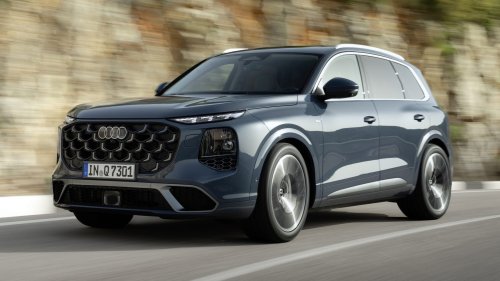
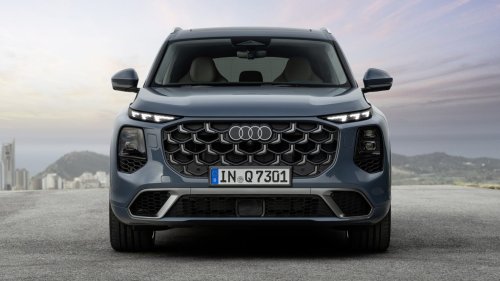
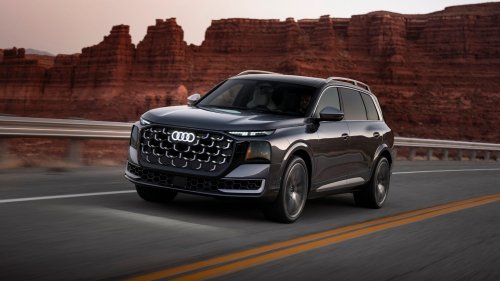
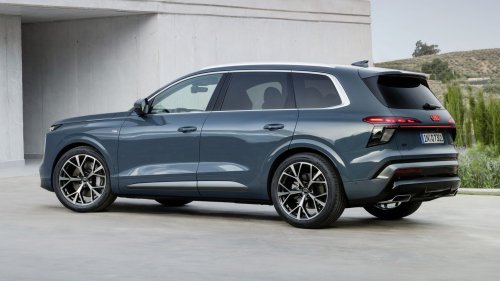
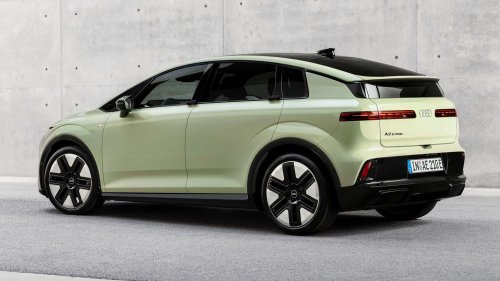
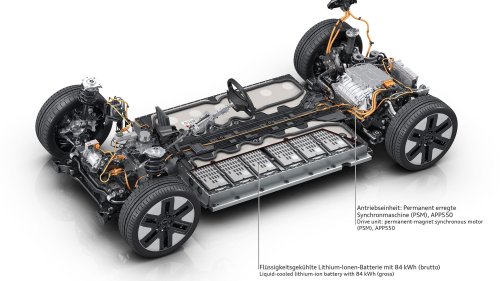
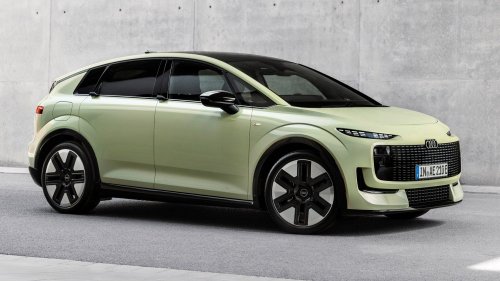
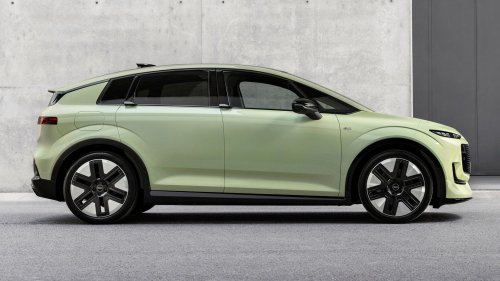
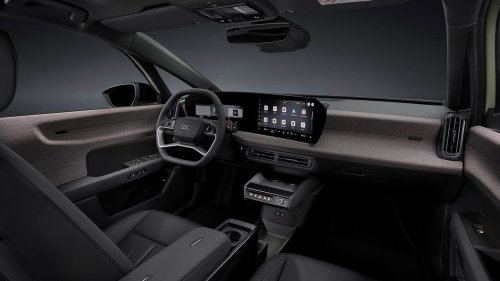
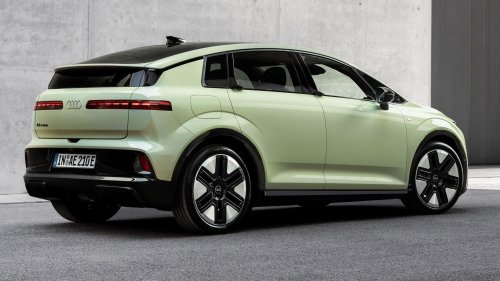
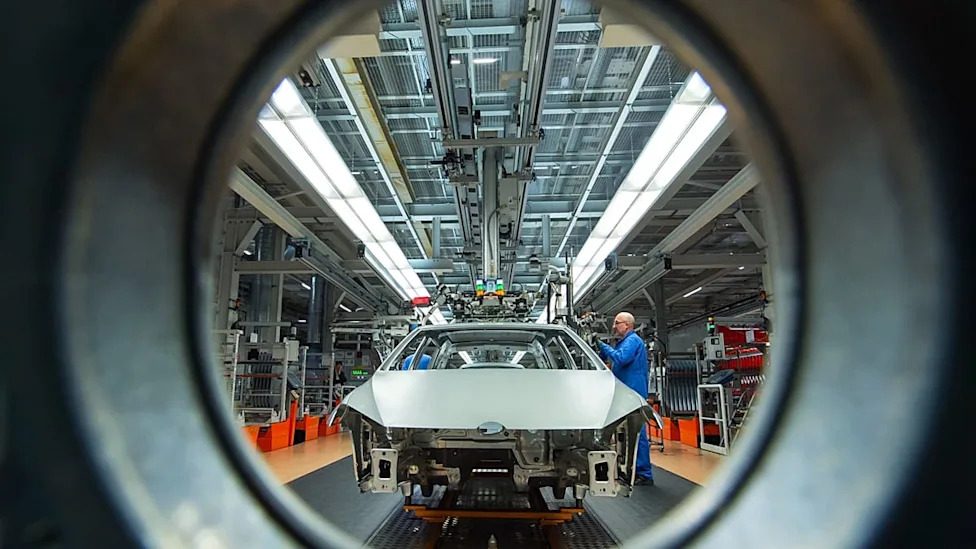
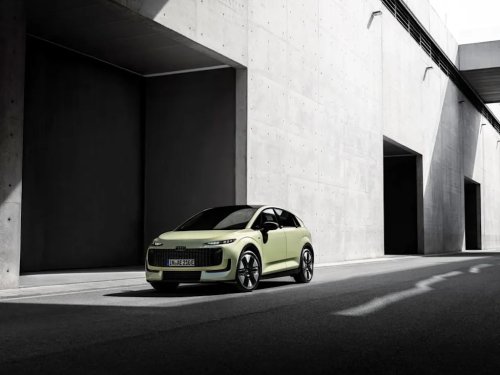
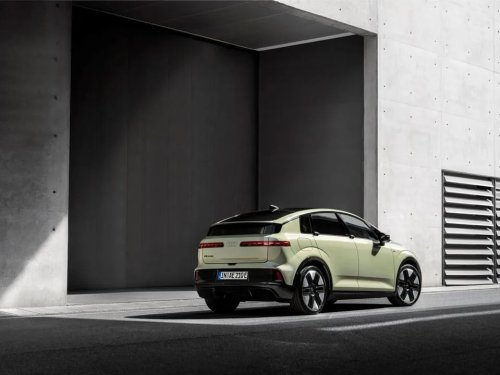
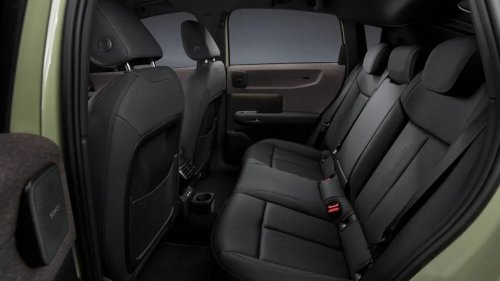
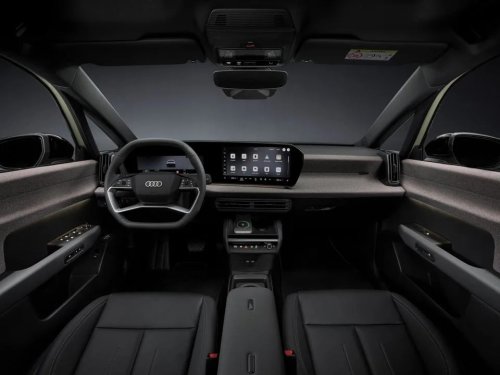
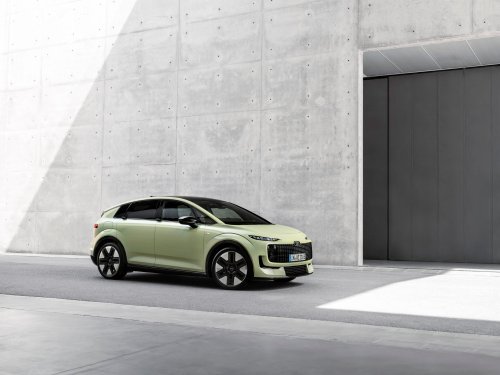
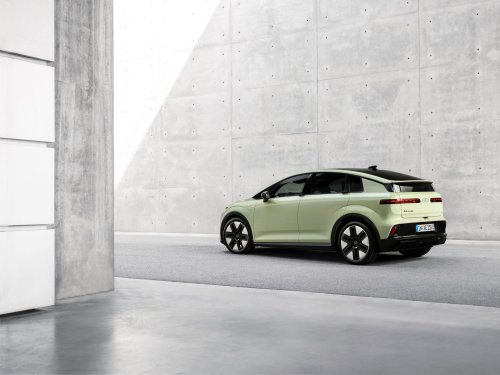
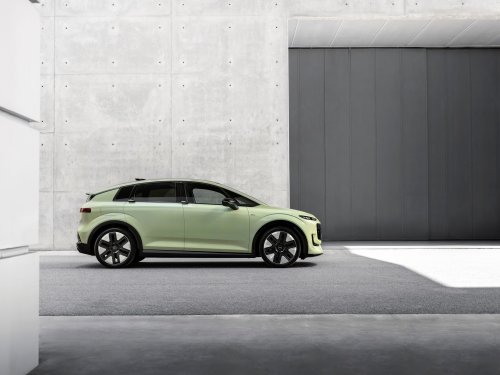
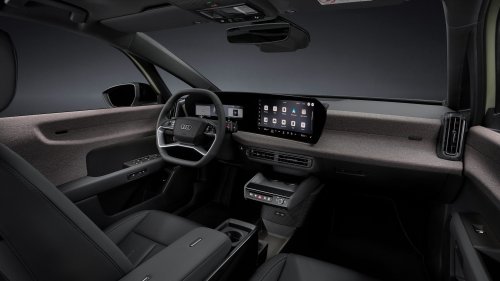
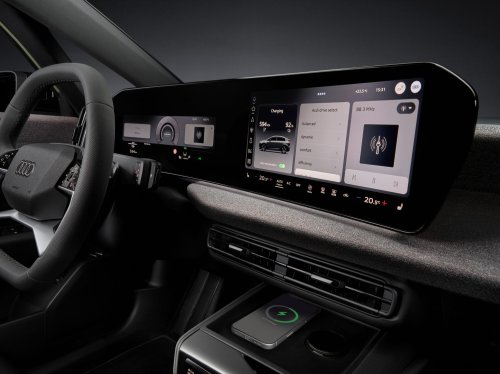
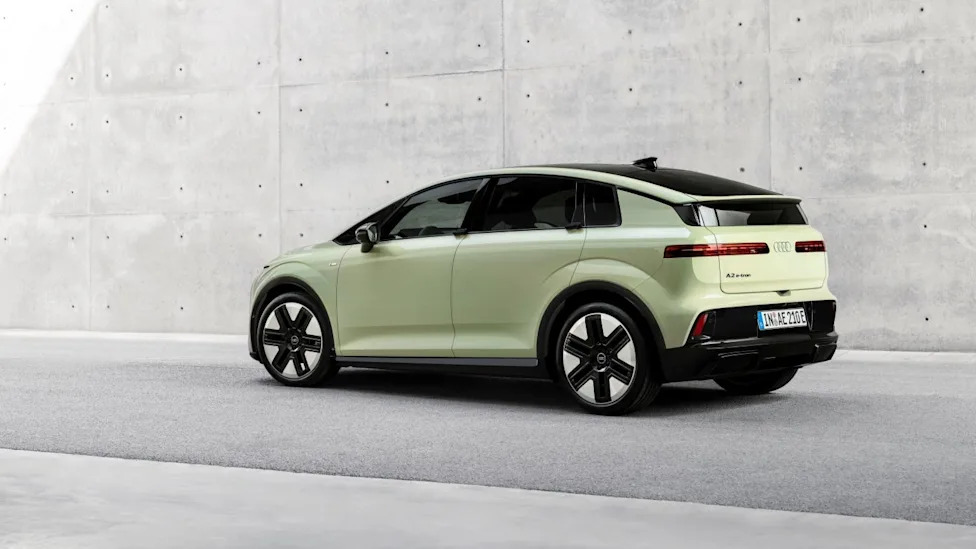
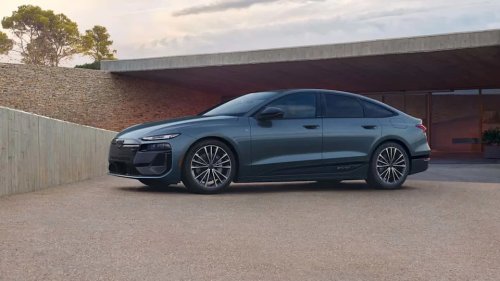
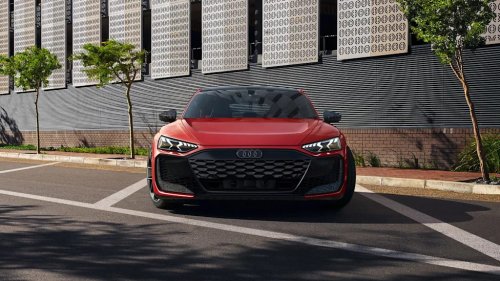
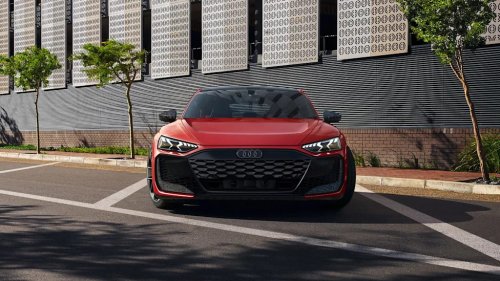
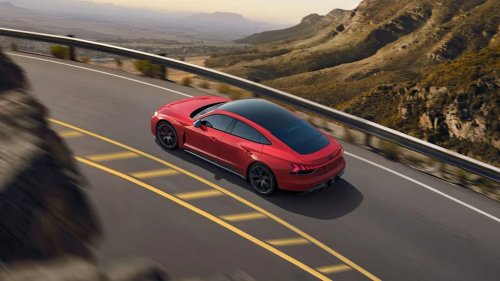
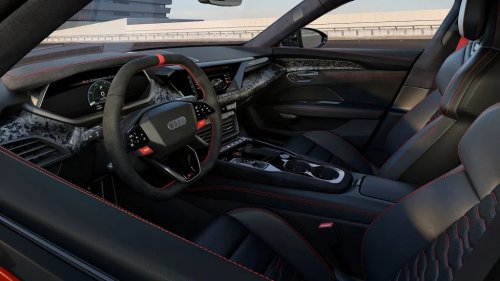
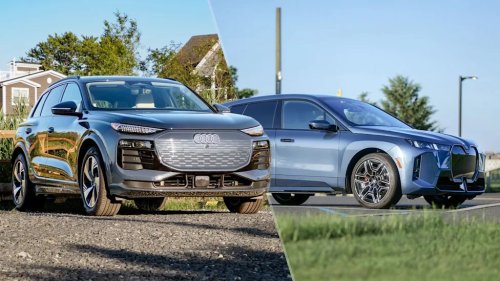
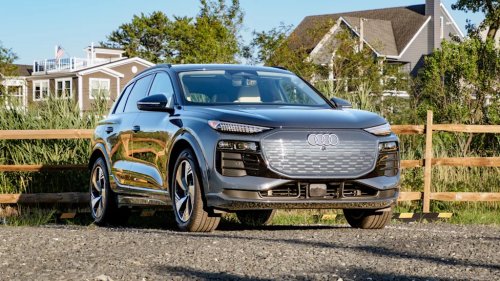
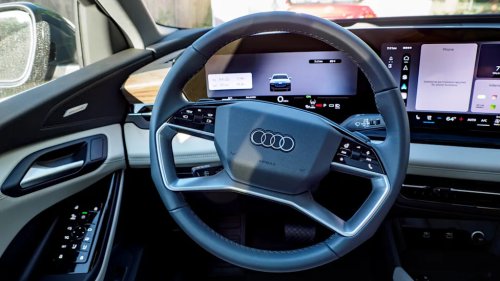
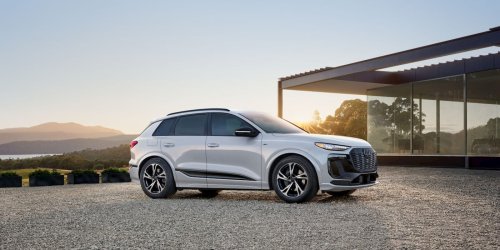
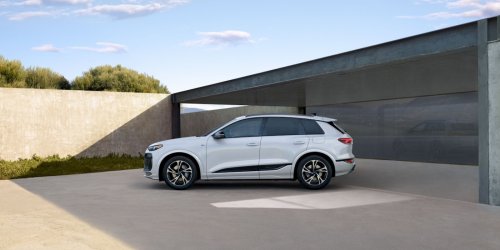
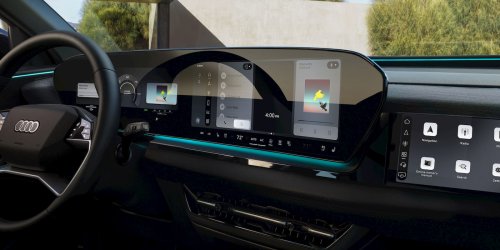
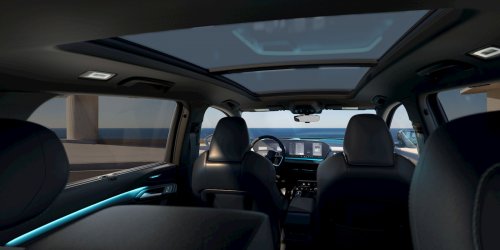
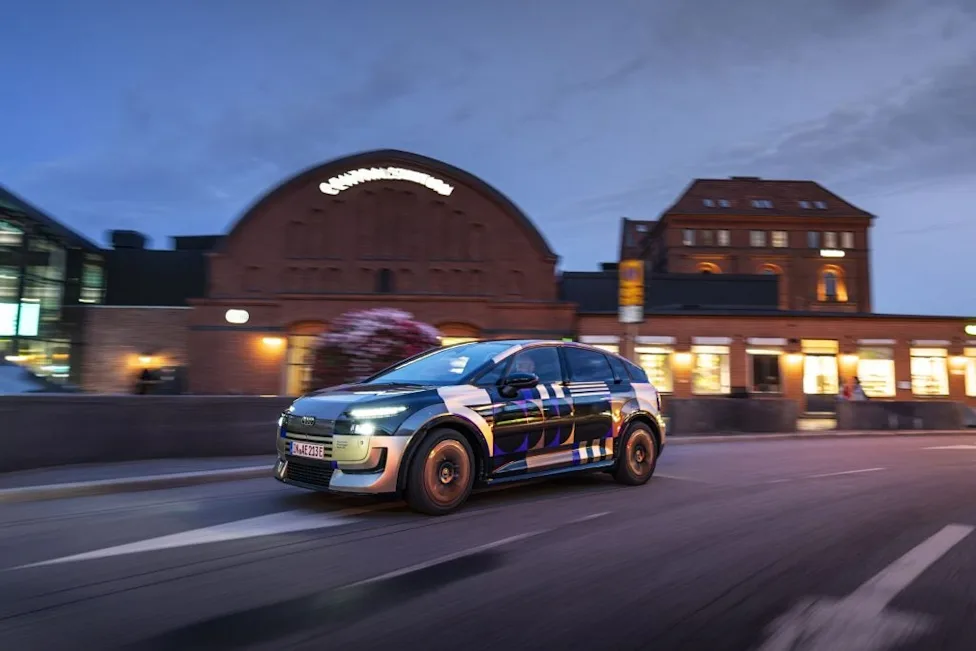
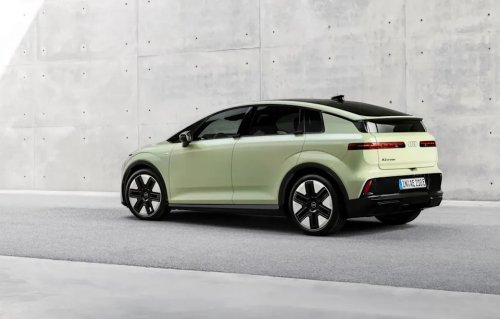
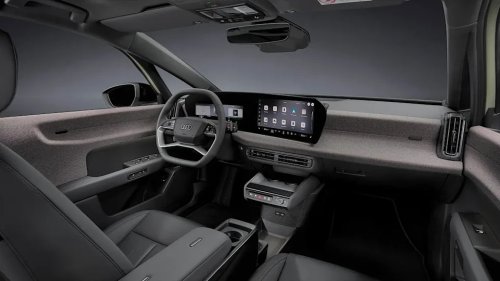
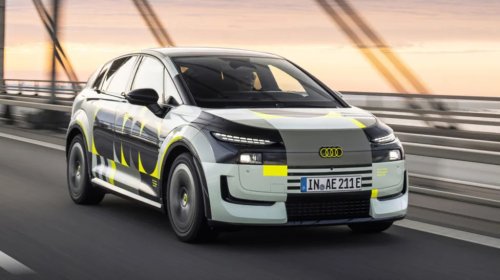
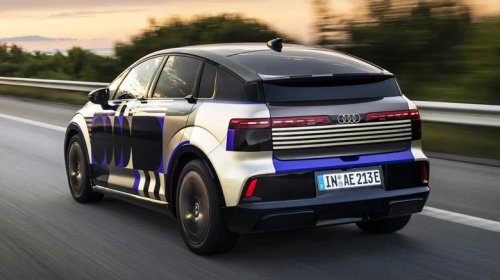
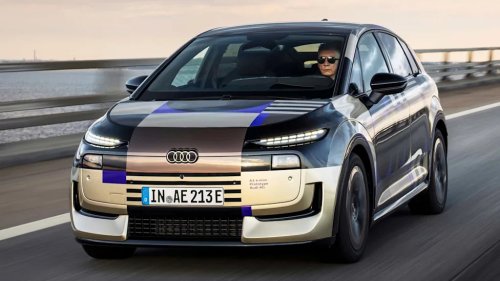
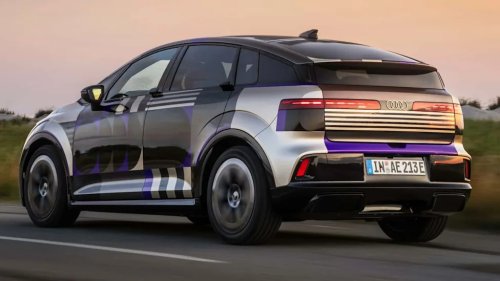
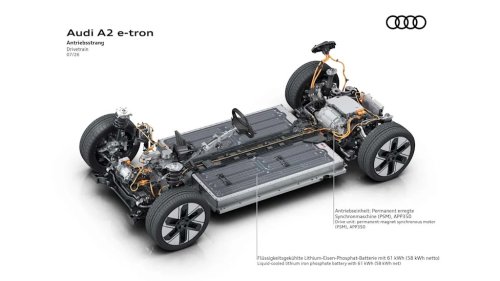
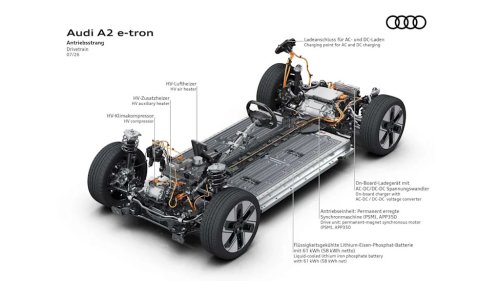
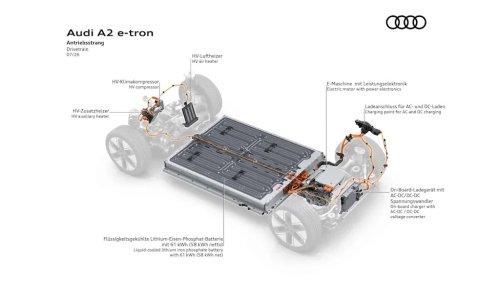
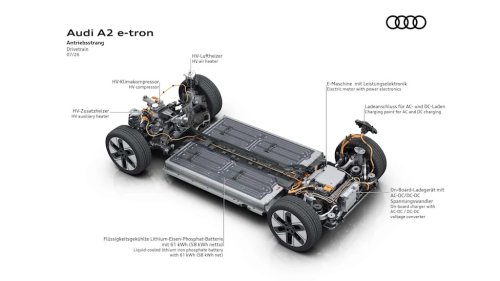
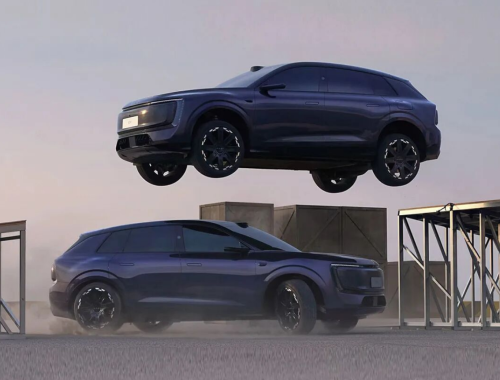
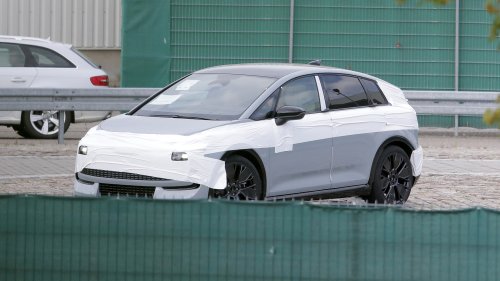
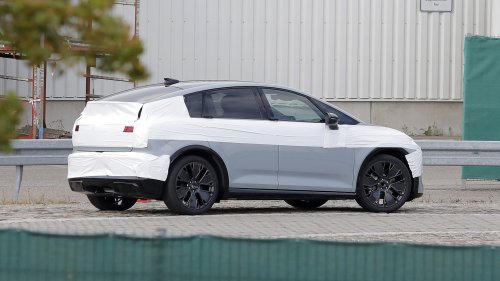
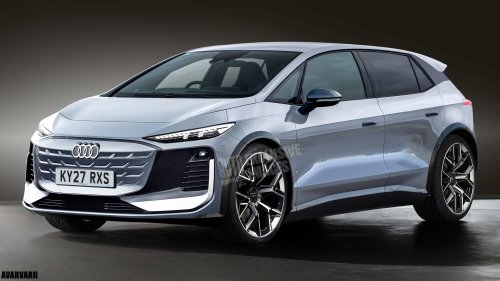
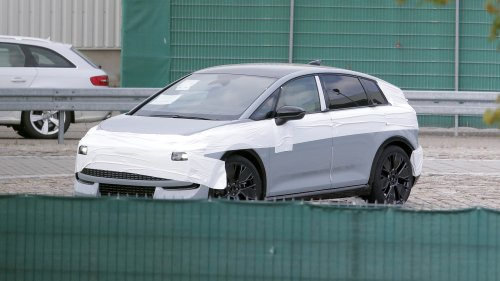
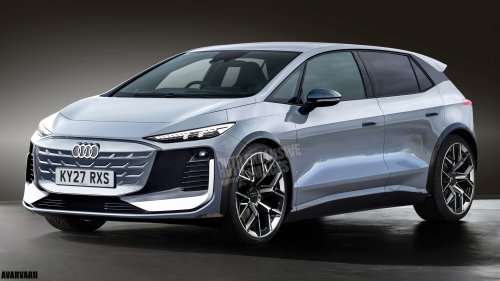
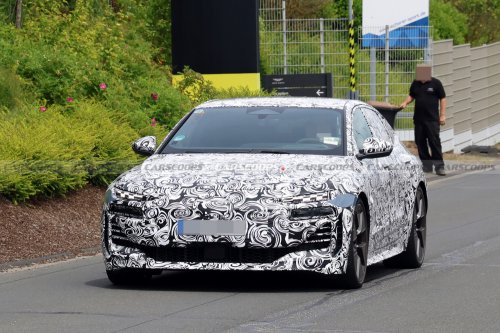
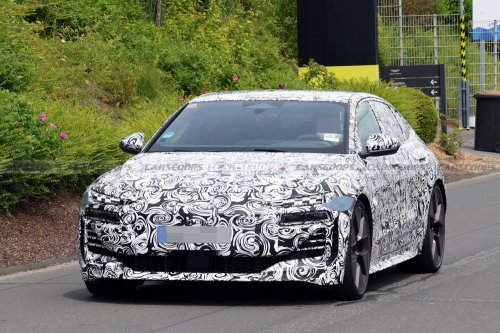
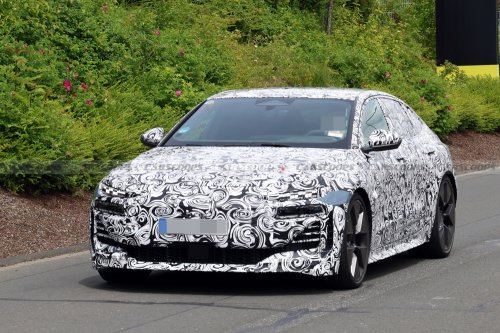
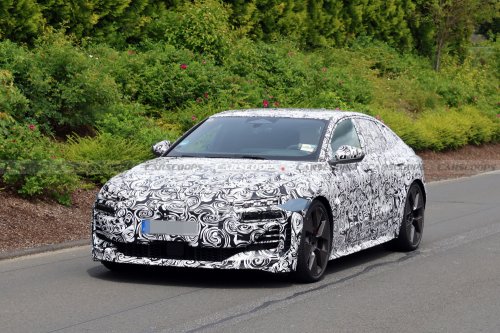
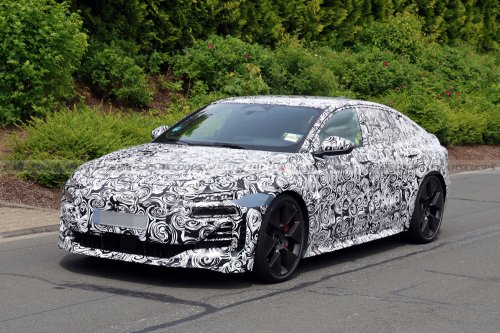
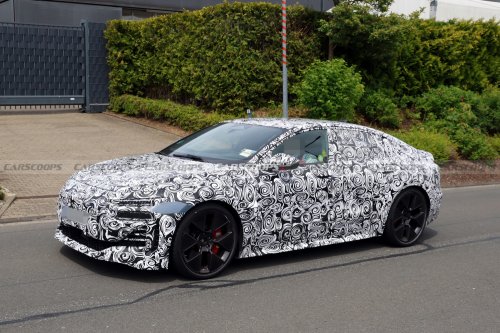
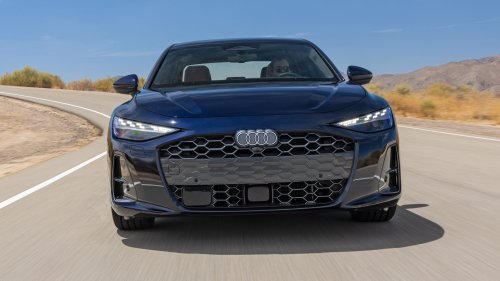
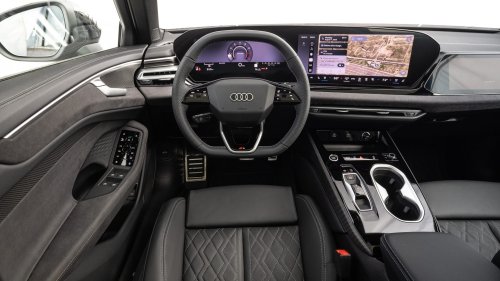
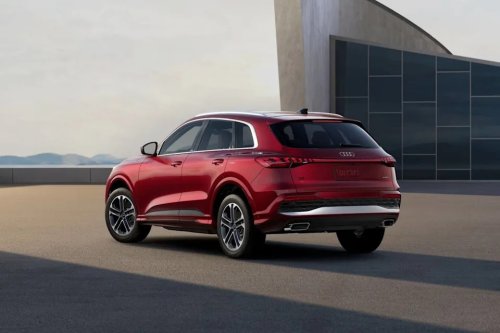
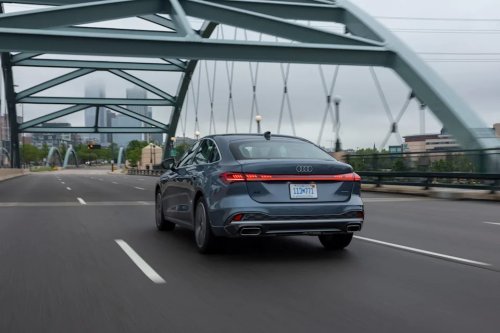
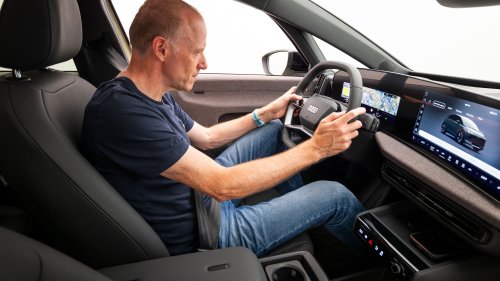
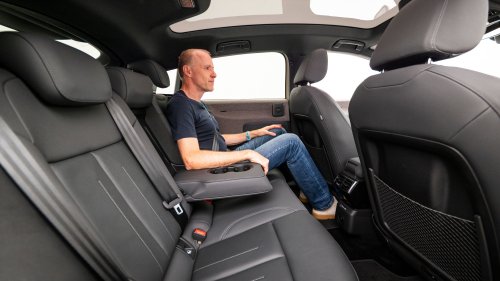
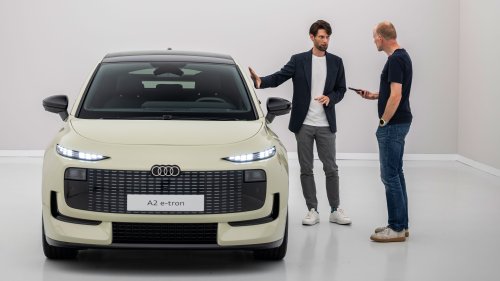
26The Audi A2 is reborn – after a 21-year hiatus – as a streamlined electric hatchback claimed to be the most economical car in the brand’s history. Cue Gen Z shrugging and asking: what was an A2, grandad? A tiny 3.8m-long city car, extravagantly made of aluminium, with a humpbacked silhouette and weedy engines. As concepts go, it was about as close to Audi’s sporty, premium positioning as a bus pass, and with a costly price tag to pay for all that innovation, it flopped. But now the A2 is back – and it certainly won’t be making the same error on price. Audi’s entry-level EV will cost from £32,200 when UK order books open in October, and that’s before any Electric Car Grant slices between £1,500 and £3,750 off the price. That’ll make it barely more expensive than the A3 Sportback, its combustion equivalent in the line-up. Audi is wary of linking the electric car to the original: while success has many parents, failure is an orphan. But the resemblance screams out in the hatchback’s blanked-off grille, swoopy silhouette and ‘Kammback’ rear end. It’s a bodystyle popularised by the Toyota Prius and other teardrop shapes designed to slip through the air. But the proportions are far less polarising. While the 1999 city car measured just 3.8 metres long, this A2 stretches to 4.3m. They’re almost identical in height – something that’s easier to carry off over a half-metre longer footprint – and the new A2 is far less narrow. 26Under the skin, the A2 rides on Volkswagen Group’s MEB electric architecture, which also underpins the new ID.3 Neo. The stubby-nosed, high-bonnet A2 shares the VW’s front-end structure, windscreen and front doors – smart, cost-cutting engineering – but diverges from the B-pillars backwards. “Exterior-wise, there’s no single piece or detail that is a carry-over piece from any other MEB car,” exterior designer Jakob Hirzel told Auto Express at a preview event in Munich, Germany. “The curvature of the roof is completely different, and it needs to feel different because it’s an Audi.” It doesn’t look like a conventional sporty hatch, like its Mercedes A-Class and BMW 1 Series rivals. “We deliberately decided against the typical hatchback architecture because that would just be a me-too product,” explained Hirzel. The arcing roofline, split-rear screen and ultra-clean bodysides – with a typically Audi ratio that’s one-third glasshouse, two-thirds bodysides – ensure the A2 looks different and progressive. “It’s a really friendly car with a non-aggressive look,” the designer continued. Up front there are high-set, slitty daytime running lamps – sharing the A6 e-tron’s family look – with a choice of four pixel arrangements, including an animated one. This pattern is mirrored on the large black panel which houses the driver assistance sensors: Audi puts great stock in forward emergency braking, cross-traffic intersection support and swerve assist to help drive around hazards at up to 93mph all being standard equipment. Aerodynamic measures include an active cooling grille that opens and closes as required, multi-slot alloys that look suspiciously like wheel trims but aren’t, and air scoops and wheelarch extensions that manage air flow around the wheel then along the side as smoothly as possible. The most obvious expression of the aerodynamic obsession is the way the roofline dips down into a two-part glass screen, divided by a pronounced lip spoiler. This, along with the rear shoulder and bluff rump, helps trip off the air. Audi quotes a drag co-efficient of 0.24: good for an upright hatchback but still some way off the A6 e-tron Sportback’s 0.21. Owners will access the cabin via those protruding black stalks that resemble the plastic tabs on filing cabinet dividers. Simply put a finger into the recess and a capacitive switch releases the door. Each one has a back-up power reserve in case the 12v battery fails, and the handles have a tiny hole to drain melting snow. 26Inside the car feels distinctively un-Audi, with its swept-back, upholstered dashboard. “We wanted to underline the interior roominess, and achieve a cozy product with an atmosphere of well-being,” said interior designer Vladimir Macoun. The extensive ‘soft wrap’ covering, made partly from recycled materials, is key to this feeling. However ‘Audi connected work’ might undermine that feeling of wellbeing: an in-app purchase can unlock access to Microsoft Teams calls and emails on the move – not one for those wanting to tune out on their office commutes. A curved touchscreen combining the driver’s dials and infotainment sweeps from driver to passenger, while the steering wheel combines capacitive switches with Audi’s tactile ‘click wheel’ controller. Plastic paddles operate the four regenerative braking levels and gears are selected by a column stalk. There are no physical air-con controls, with the temperature touchscreen toggled; a door release button is logically placed for thumb operation on the door pull. 26It’s a practical and airy-feeling cabin, with central stowage for a bag and an overhanging shelf with wireless charging for two smartphones, locked in place with magnetic Magsafe. The rear seats are spacious considering the EV’s compact size. Audi has also collaborated with Fidlock, which makes attachables for mountain bikes, to pepper accessory connection points around the A2. A cupholder can lock into three different spots (including the rear console), while attachment points in the boot couple with a tension strap and a bag to hold the charging cable. Think of it as Audi’s take on Dacia’s YouClip system. The boot stows 396 litres, or 1,336 with the seats folded. A luggage pack adds a twin-level floor, the Fidlock points and a power outlet for V2L charging of electronics. The A2 is also capable of bi-directional charging back to the grid. 26Owners can pick from three batteries, with 50, 58 and 79kWh of usable energy. The two entry-level batteries have cheaper lithium iron phosphate (LFP) cell chemistry which stands up well to repeat charging, while the biggest pack is nickel manganese cobalt (NMC) to unlock higher power, longer range and quicker public charging. With a 183kW DC charging peak, the NMC battery can refuel from 10-80 per cent in 24 minutes, whereas LFP’s circa 105kW maximum extends this to 29 minutes. The smallest battery gets a 168bhp motor driving the rear wheels, and has a 260-mile range on the WLTP test cycle. The 58kWh version extends this to 310 miles, propelled by a motor with 187bhp and 350Nm of torque. It’s this drivetrain that powers the most efficient A2 – with its S line bodykit, sports suspension and 19-inch aero wheels with low-rolling resistance tyres, this model returns 4.85 miles per kWh. That equates to more than 200mpg – way superior to the 94mpg original A2 TDI – making it the most frugal Audi ever. And the efficiency’s no unicorn myth: Auto Express drove a prototype A2 e-tron and averaged almost 5.0 miles per kWh in normal driving – any EV achieving more than four miles per kWh is impressively economical. The biggest 79kWh battery is capable of 397 miles of range. It comes with a 228bhp rear motor, good for accelerating from standstill to 62mph in seven seconds flat. Upgrade to the punchiest rear motor – with 545Nm and 322bhp – for 0-62mph in 5.7 seconds and a 386-mile range. The new Audi A2 will be in UK dealers in November, with customer deliveries around the turn of the year. “The first A2 was an ingenious car,” concluded Hirzel. “It found the answers for its time and this one finds the answers for today, and if some of those answers are overlapping that’s fine. We are aware of our history but have created a new car catering to a different need.”
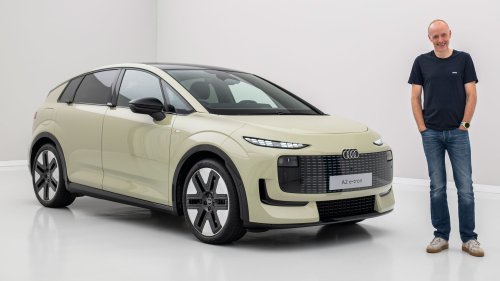
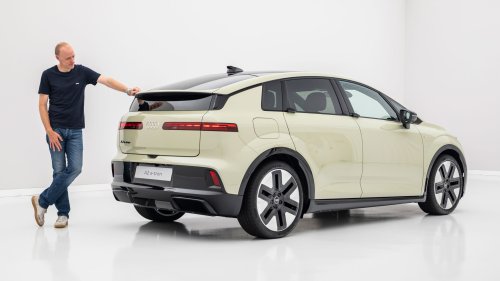



















 +41 others