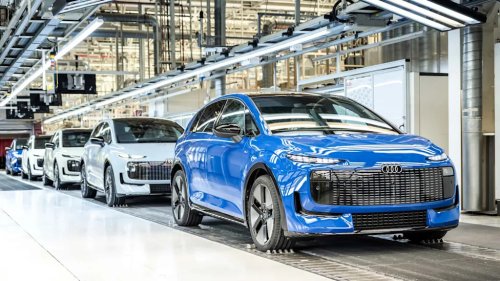
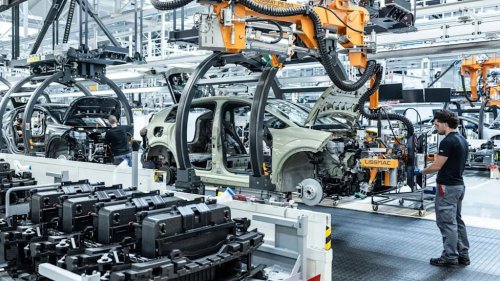
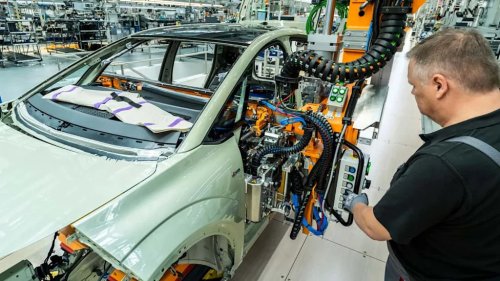
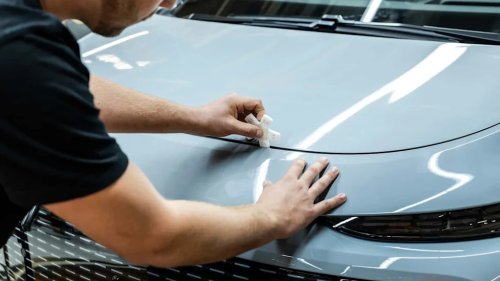
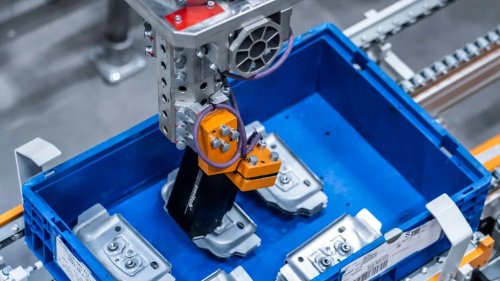
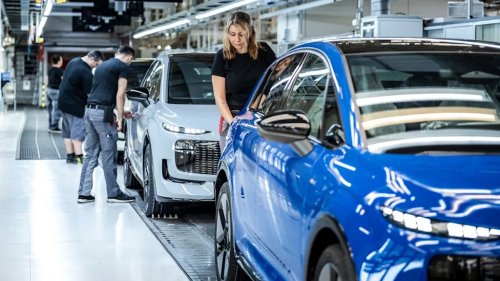
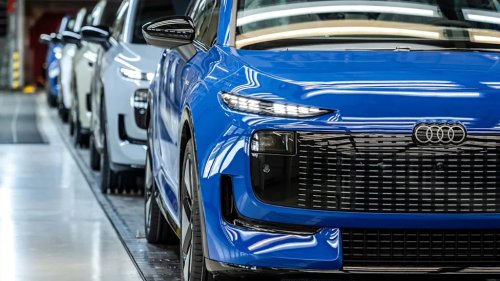
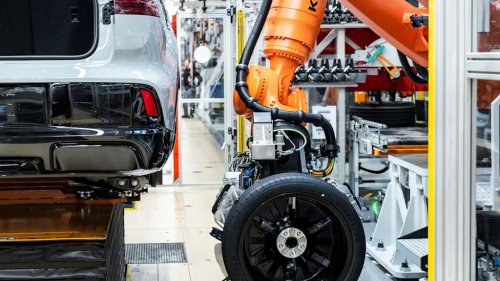
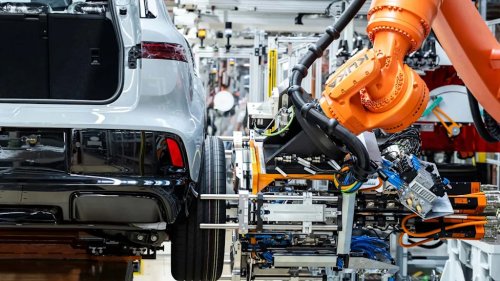
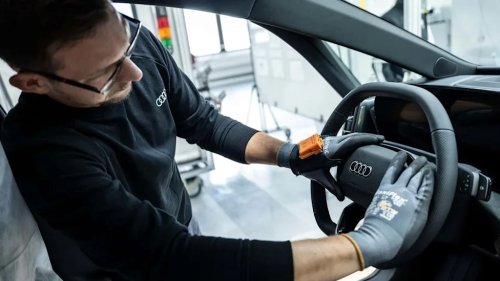
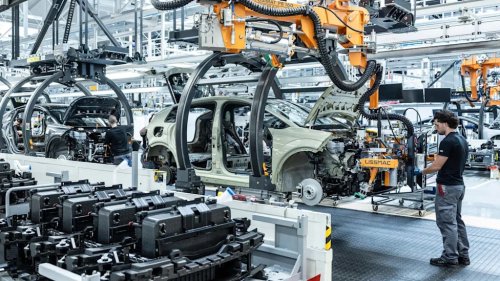
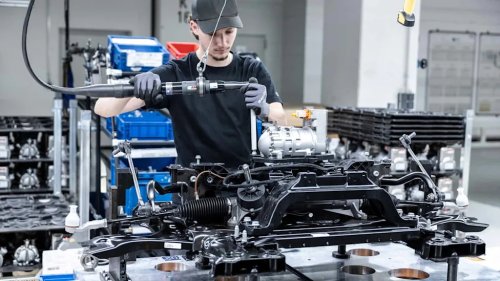
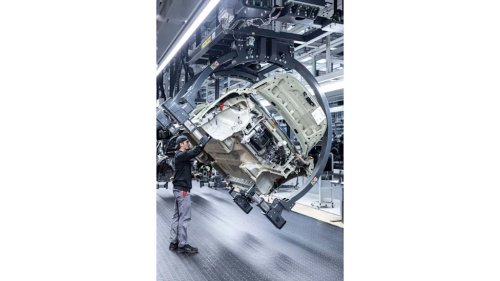
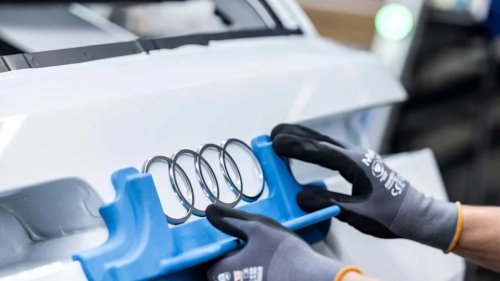
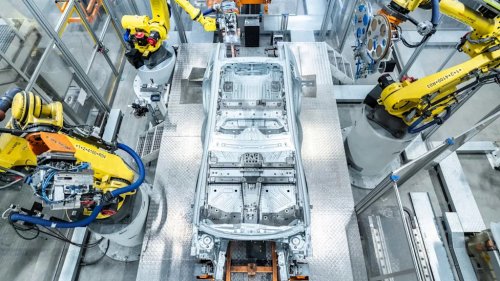
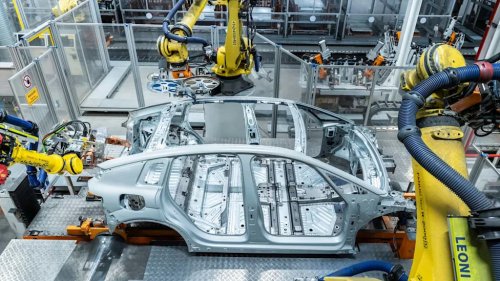
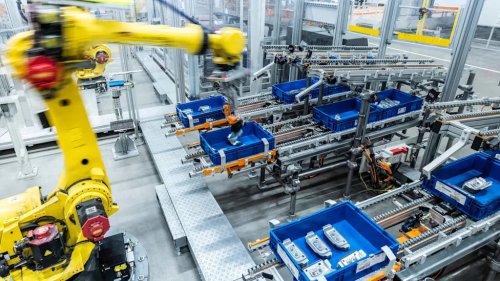
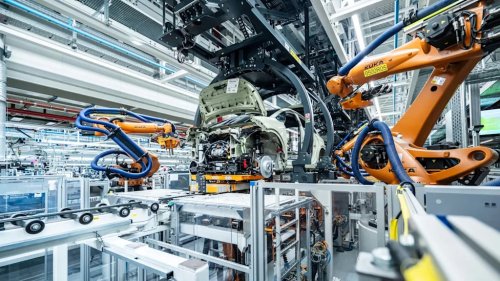
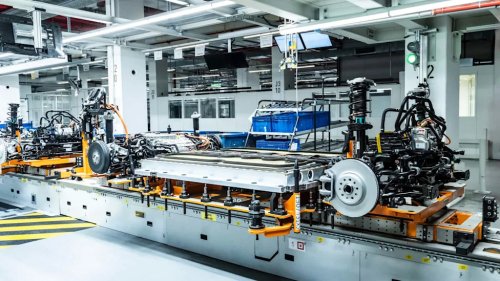
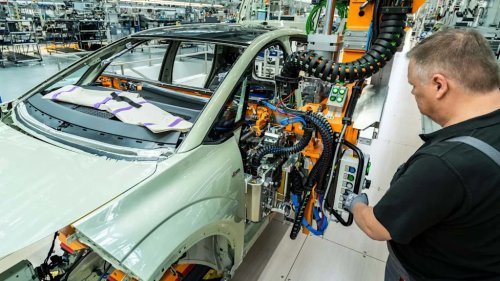
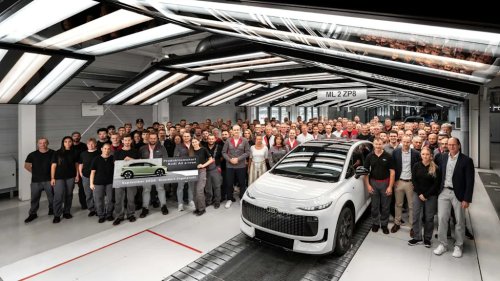
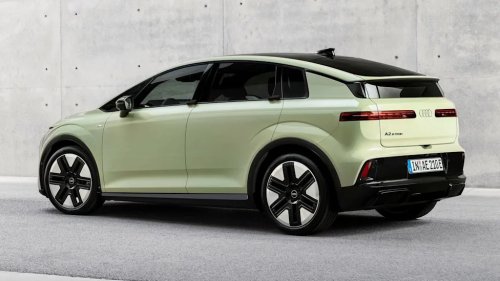
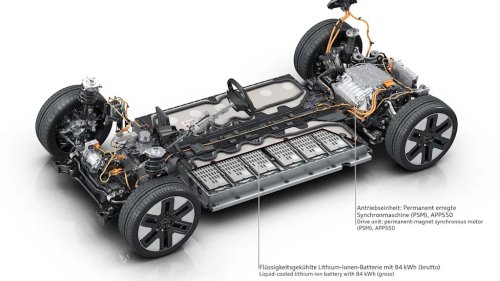
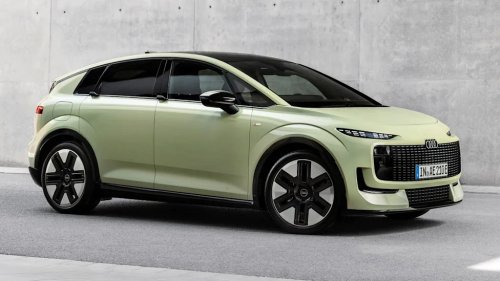
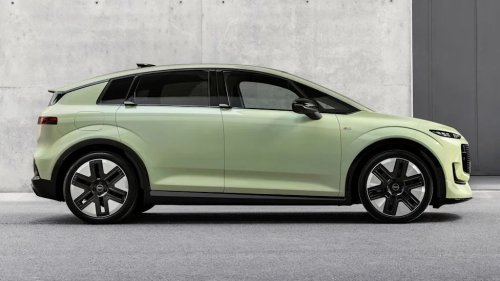
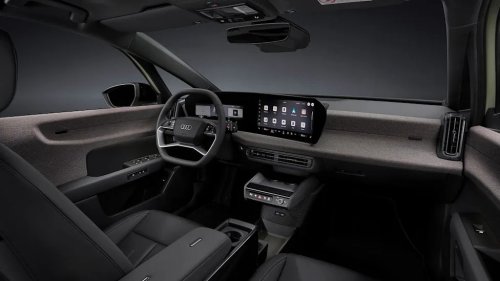
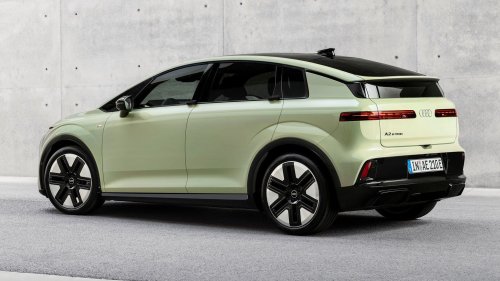
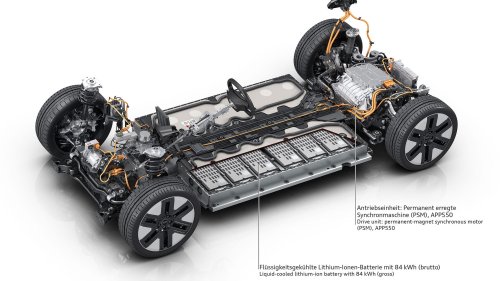
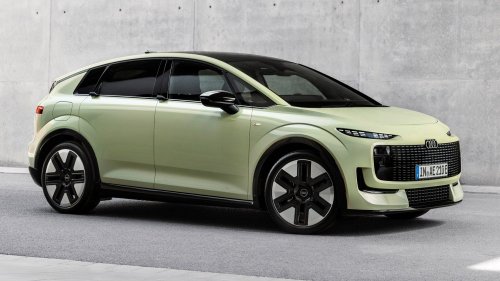
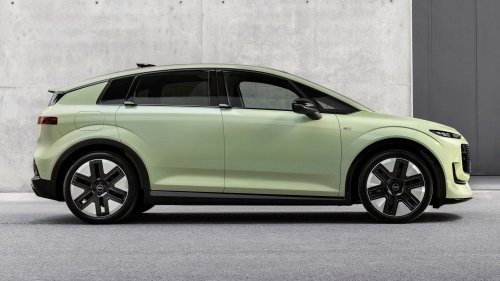
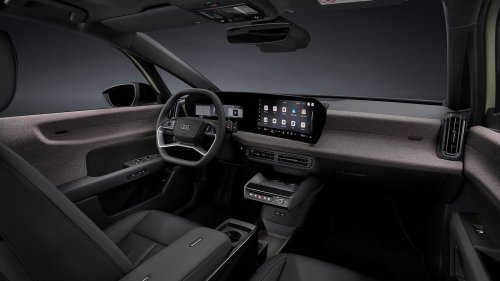
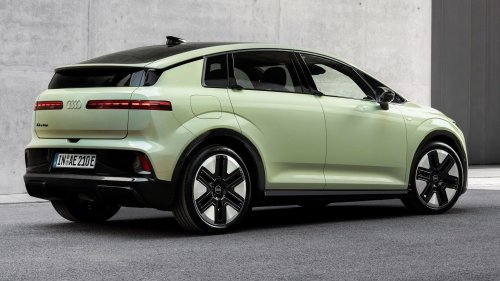
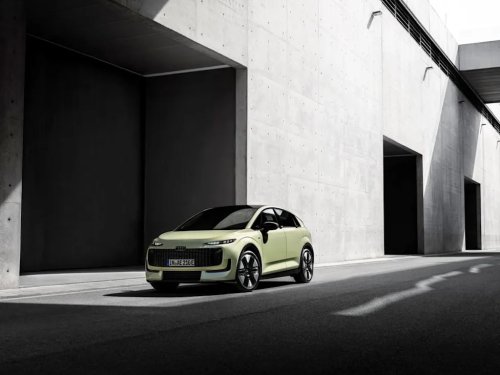
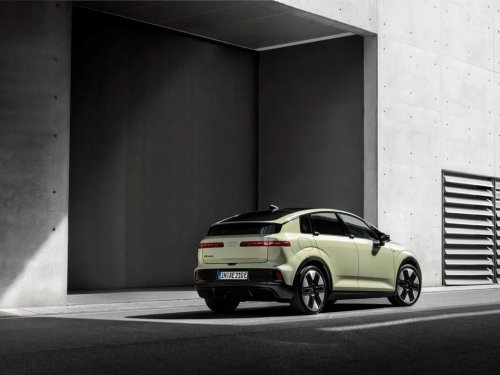
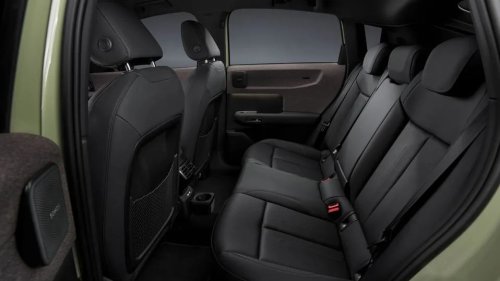
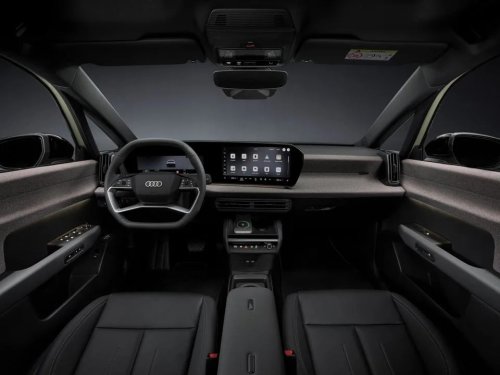
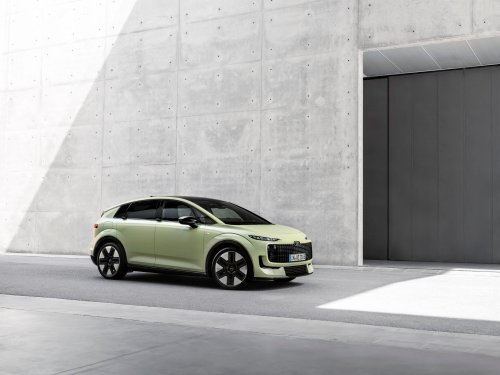
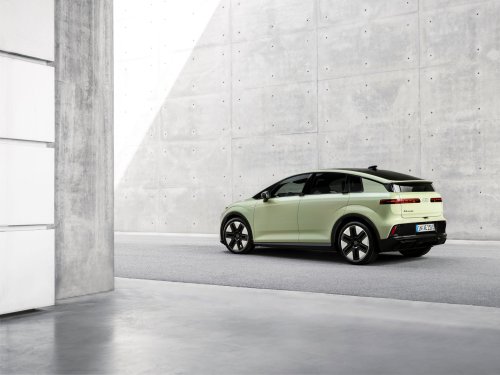
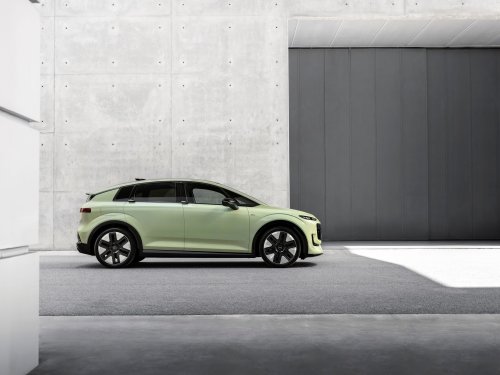
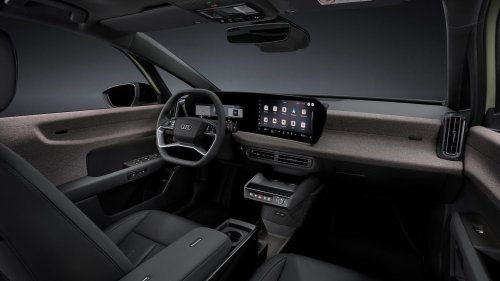
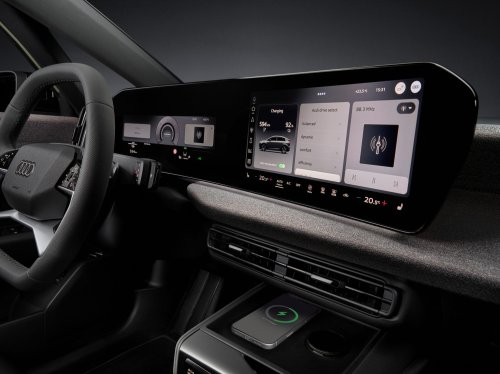
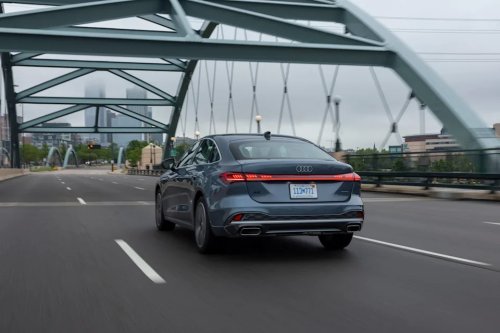
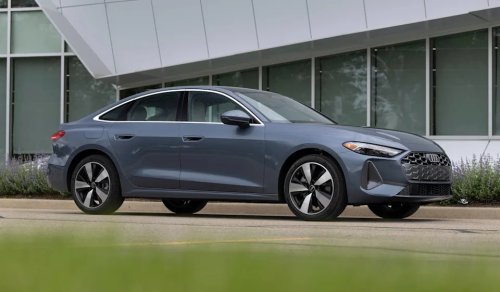
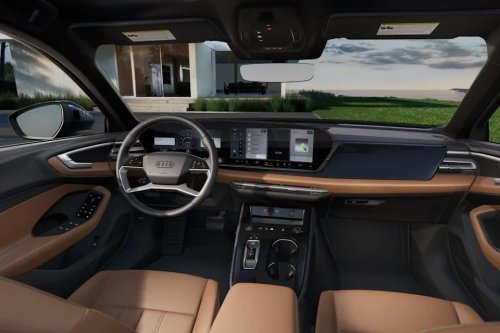
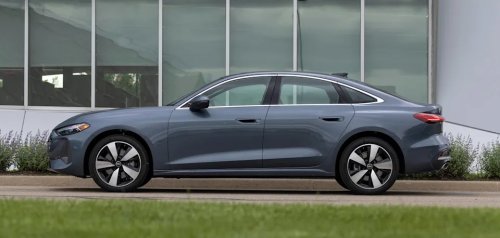
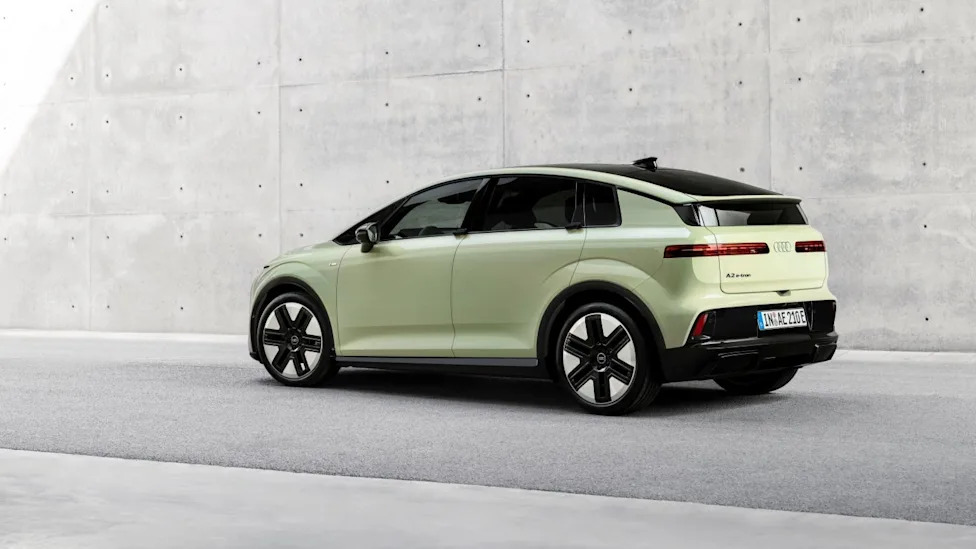
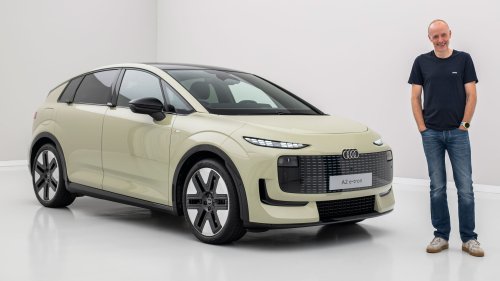
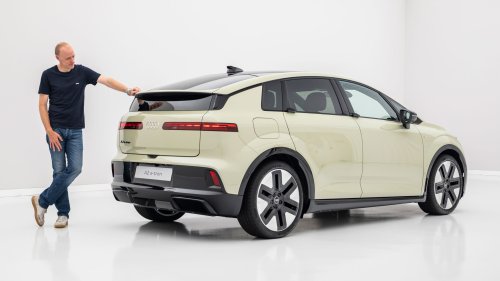
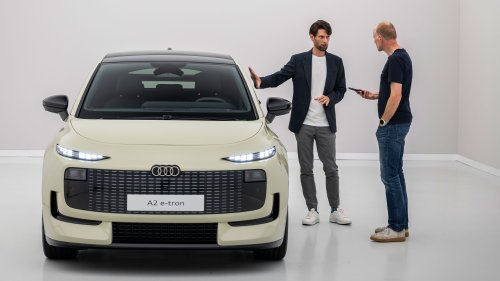
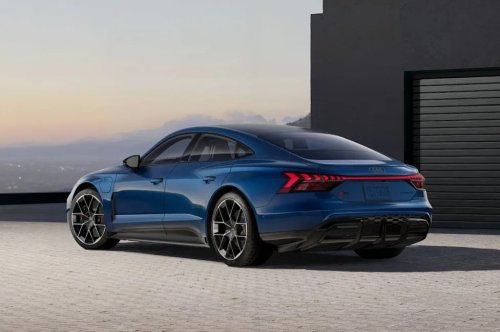
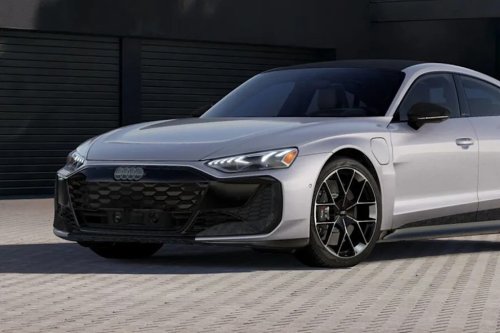
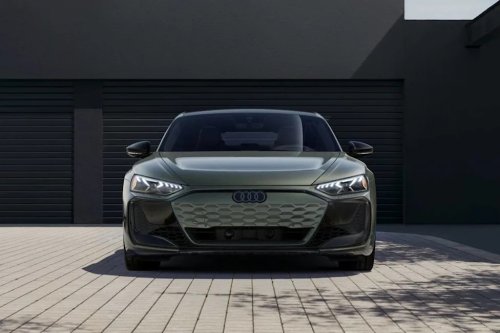
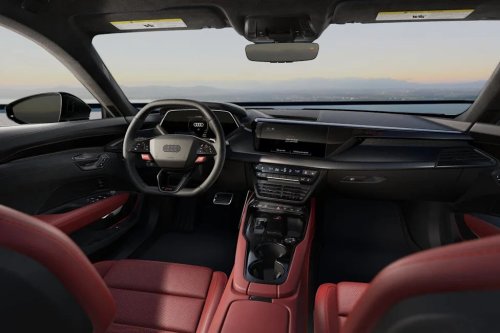
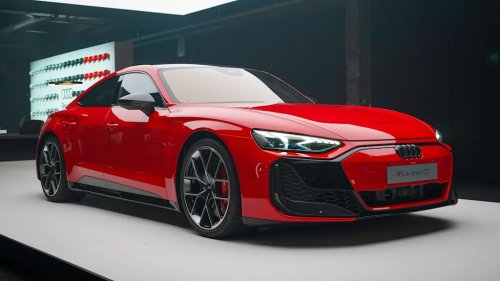
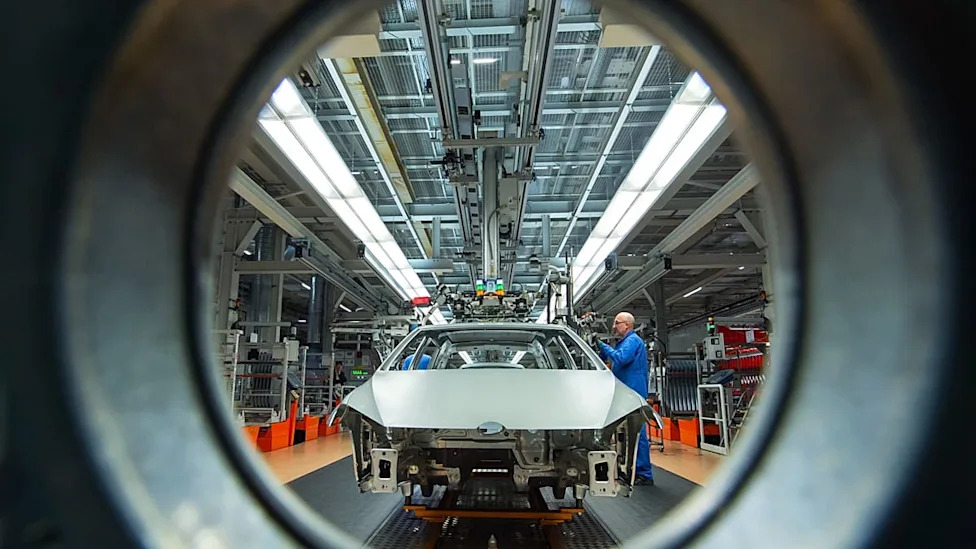
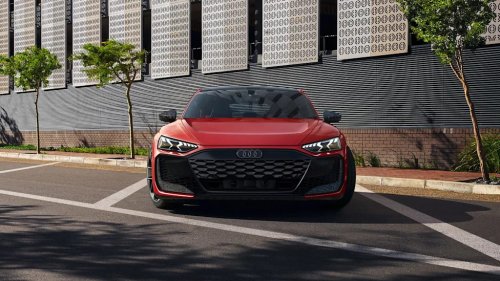
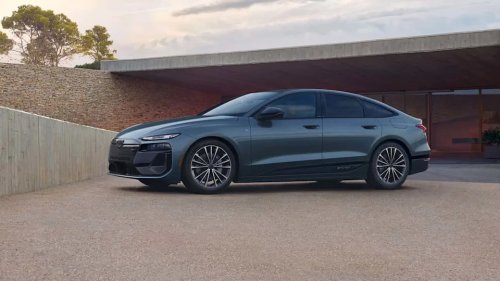
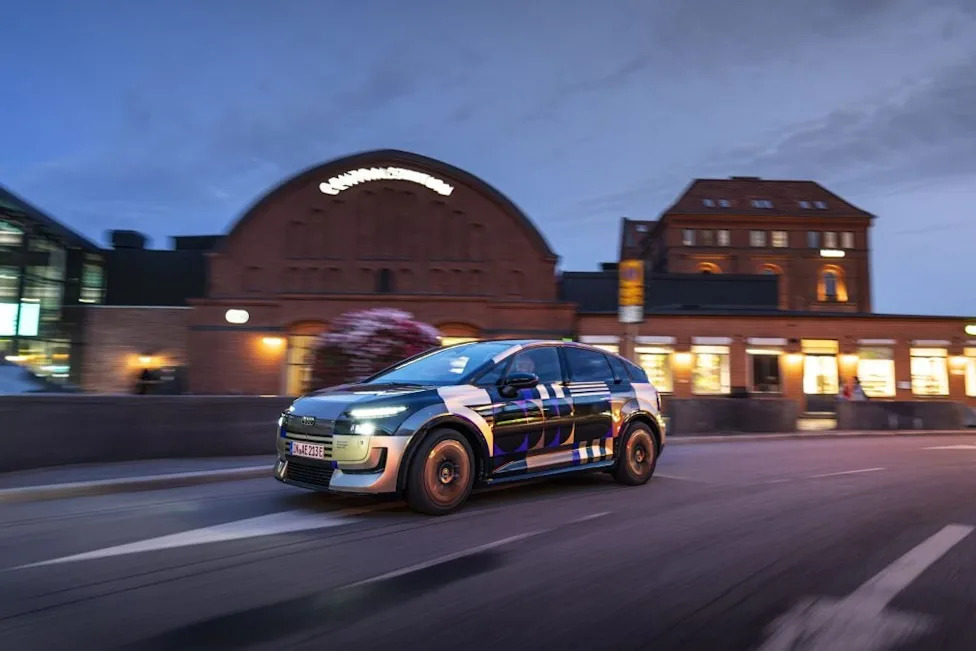
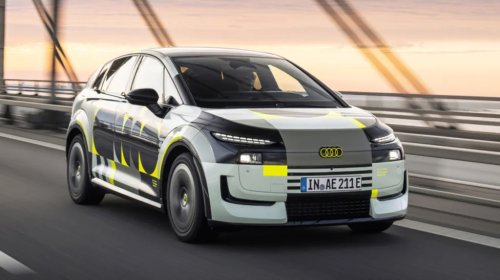
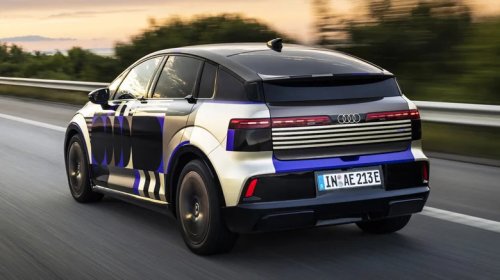
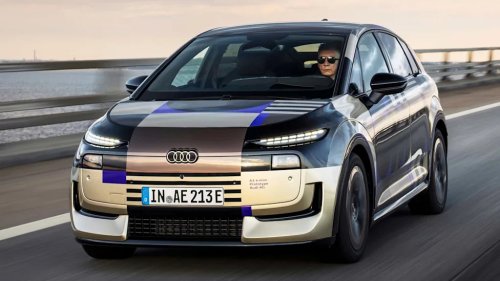
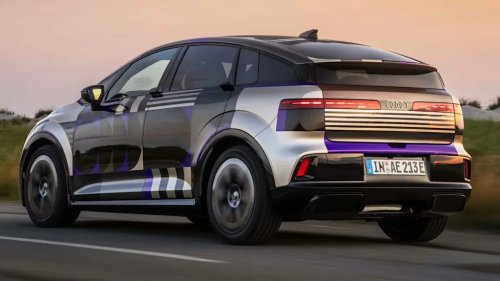
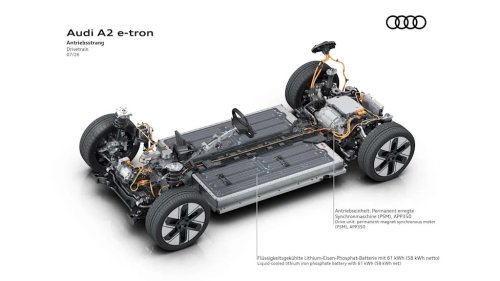
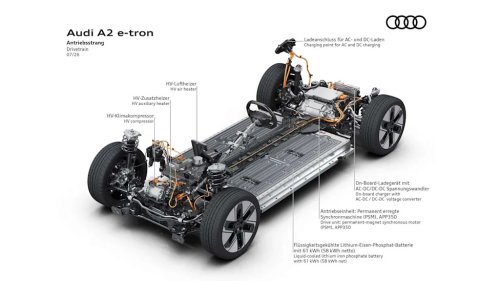
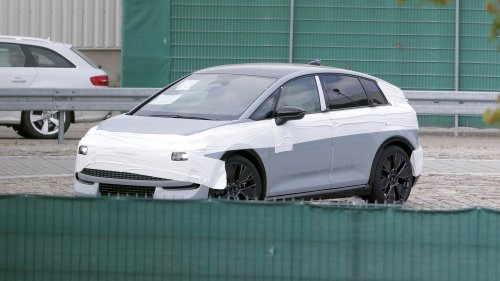
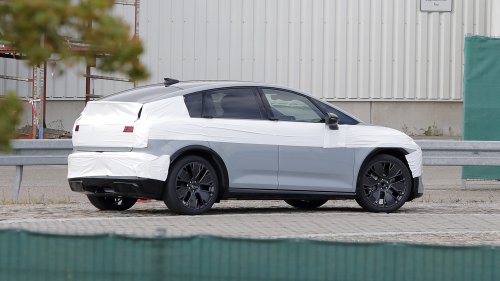
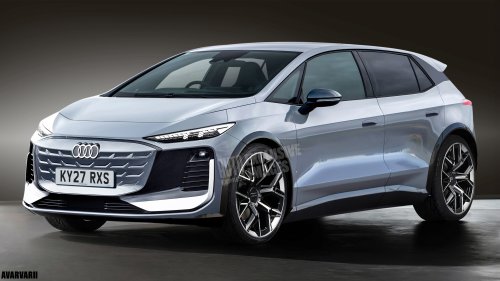
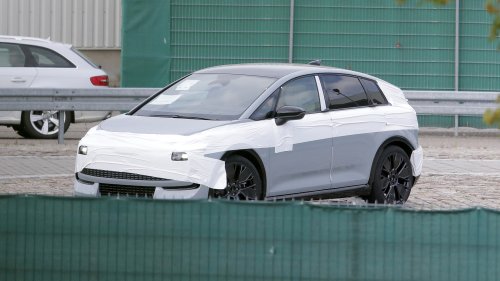
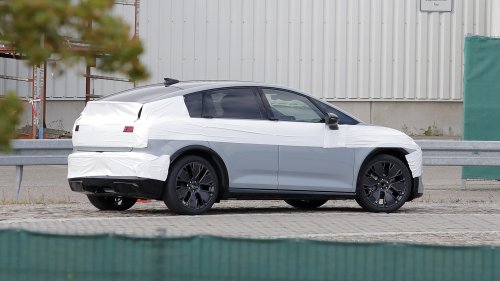
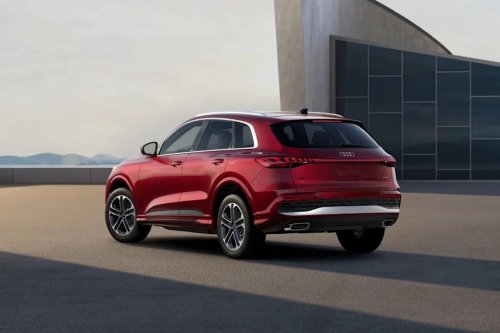
Audi Developed The A2 E-Tron 21 Months Faster Than Usual. The Secret Wasn’t More EngineersInsideEVscontact@insideevs.com (Iulian Dnistran)Fri, September 11, 2026 at 1:48 PM UTCAdd us on GoogleAudi A2 e-tron productionThe brand's most efficient car to date is already rolling off the assembly line in Ingolstadt.Audi said it slashed the development time for the new A2 e-tron by nearly two years compared to previous projects.The German company's entry-level electric car is now rolling off the assembly line in Ingolstadt.Billed as the most efficient Audi ever made, the A2 e-tron uses fewer parts and makes use of existing production equipment.For decades, legacy automakers have ruled the world's car markets, but that's changing fast. With Chinese automakers now rolling out new models faster than you can say lithium-iron-phosphate, traditional car companies need to step up their development and manufacturing game to keep up.One of those companies is Audi, which recently debuted the new A2 e-tron, a modern and all-electric reinterpretation of the iconic A2 from the early 2000s. The automaker said the time needed to make the new entry-level EV production-ready was 21 months shorter than for previous vehicle projects. Traditionally, legacy car companies have needed anywhere between five and seven years to design, engineer, and bring a new car to market.Audi A2 e-tron productionThe A2, which is already in production at the marque's home factory in Ingolstadt, Germany, benefits from some of the learnings brought by Tesla and other forward-thinking car manufacturers. And no, the answer to developing the car faster was not to use more engineers.AdvertisementAdvertisement"The start of production of the Audi A2 e-tron is the result of extensive teamwork at the Ingolstadt plant," said Siegfried Schmidtner, Plant Manager at Audi Ingolstadt."Drawing on their wealth of experience from numerous product launches, the team has laid the groundwork for a successful ramp-up of the model and further optimized our processes. Production of the new model strengthens core capabilities at our headquarters."Fewer parts, fewer vehicle versions, and extending the use of existing production equipment helped Audi supercharge the production readiness of the A2 e-tron. The company said that experience from earlier vehicle projects also helped, enabling the new EV to reach maturity earlier during pre-series production.Audi A2 e-tron productionAs a reminder, the low-volume Audi Nuvolari supercar program needed 30 months from sign-off to showrooms, with 13 months needed to reach the prototype stage. Last year, when the Concept C, which previewed the Nuvolari, debuted, the company said that "China speed at Ingolstadt comes with that car."AdvertisementAdvertisementFor the A2 e-tron, the company significantly reduced the production-relevant part numbers, which helps keep the production line speed higher, but also significantly reduces the need for logistics space. What's more, the so-called string-of-pearls principle is being used in Ingolstadt for the first time, after being introduced at the Neckarsulm plant.Under this system, customer orders are processed in order six days before assembly starts across all production areas. The fixed sequence allowed suppliers to produce and ship the parts in the same order as the cars that need to be assembled, which streamlines the whole process.Audi A2 e-tron productionAudi A2 e-tron productionAudi A2 e-tron productionAudi A2 e-tron productionAdvertisementAdvertisementAudi A2 e-tron productionAudi A2 e-tron productionAudi A2 e-tron productionAudi A2 e-tron productionAdvertisementAdvertisementAudi A2 e-tron productionAudi A2 e-tron productionAudi A2 e-tron productionAudi A2 e-tron productionAdvertisementAdvertisementAudi A2 e-tron productionAudi A2 e-tron productionAudi A2 e-tron productionAudi A2 e-tron productionAdvertisementAdvertisementAudi A2 e-tron productionAudi A2 e-tron productionAudi A2 e-tron productionAnother area where time and money were saved is the body production area. Audi makes the bodies for the A2 e-tron in the same facility as the A3 hatchback, where more than 1,200 production components, including robot welding guns and around 250 robots, are being reused or given more work. What's more, the A2 e-tron makes use of a fully automated wheel installation process, which replaces the previous semi-automated bolting stations in the chassis preassembly area for the front and rear axles.Smarter robots, AI assistants, and an extensive use of automation tools have also helped Audi make the A2 e-tron faster and cheaper.More Stuff Like ThisHow Rivian Made The R2's Suspension Cheaper And Lighter Than The R1's But Just As GoodGM's Secret Trick To Make The Chevy Bolt EV Cheaper: Build Them 30 At A TimeHyundai's New Motor Is Smaller, Cheaper, And Ready To Go Into Any EVGeneral Motors' Strategy For Building Cheaper EV Batteries: Go Hyper Local