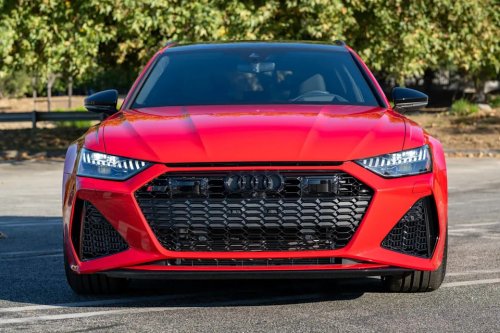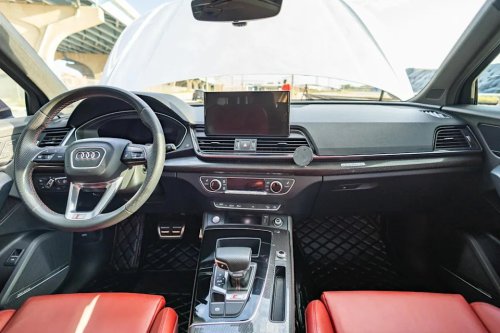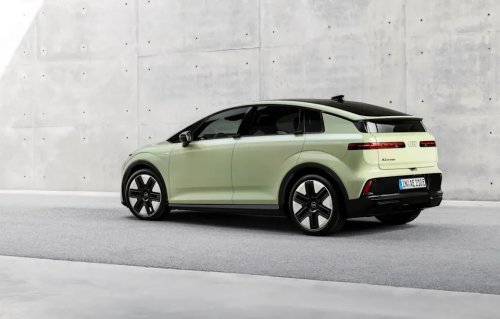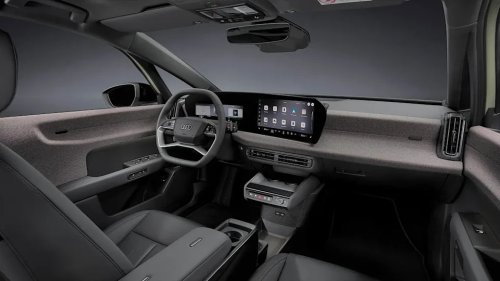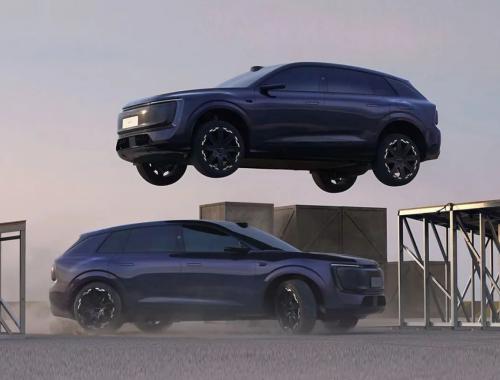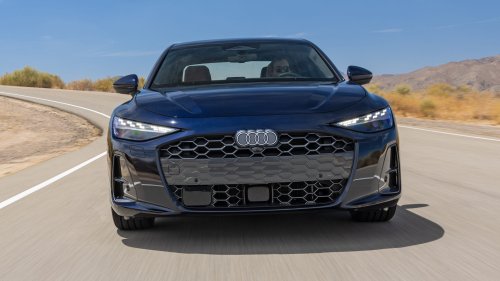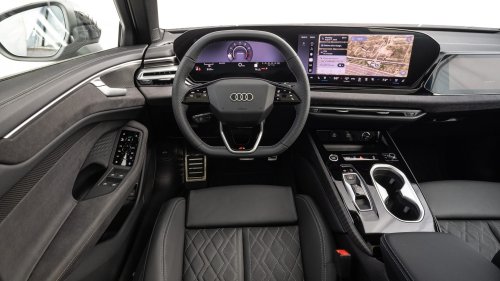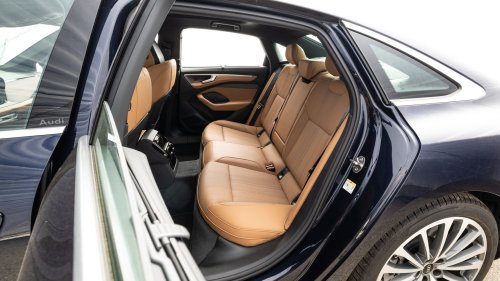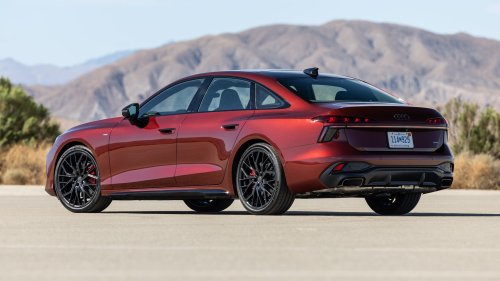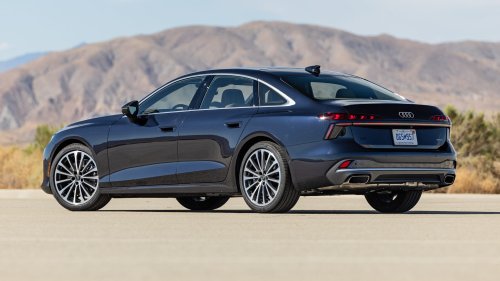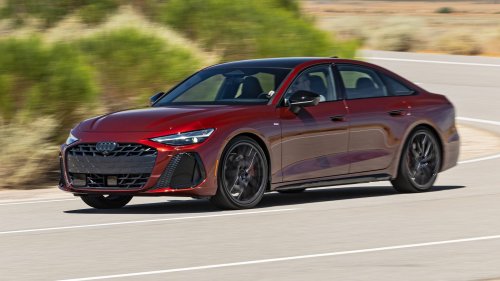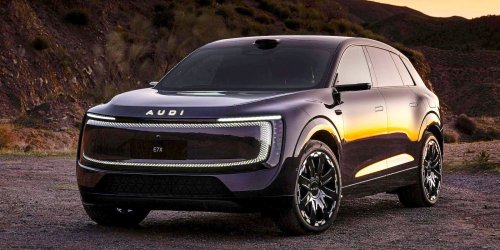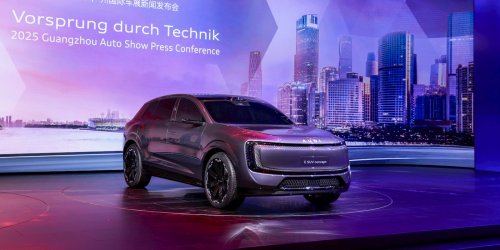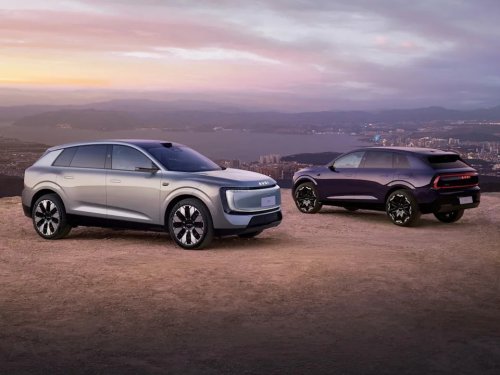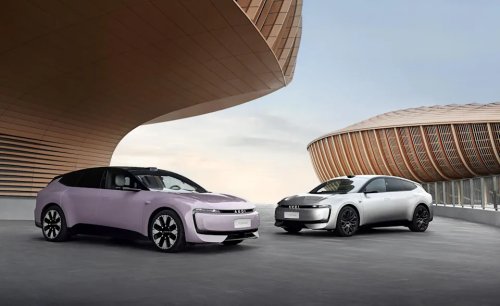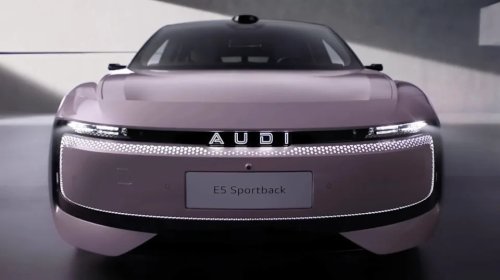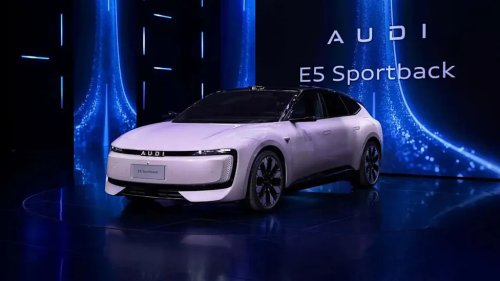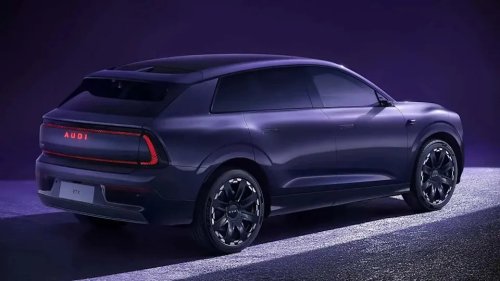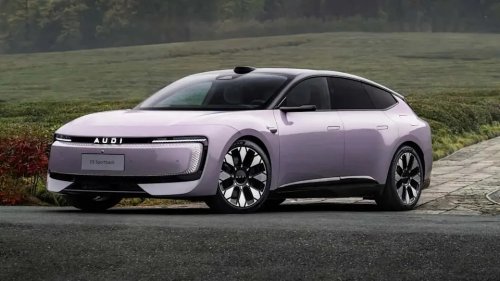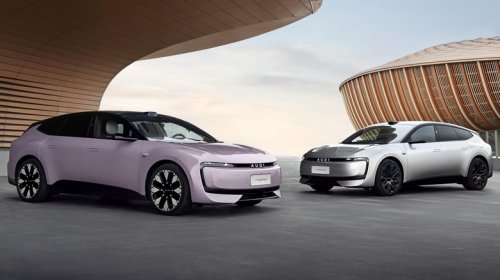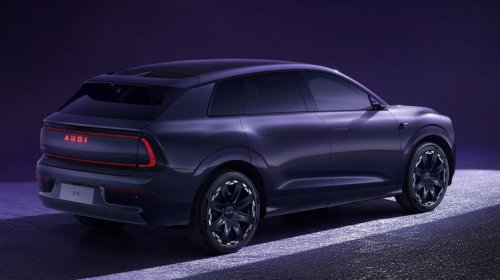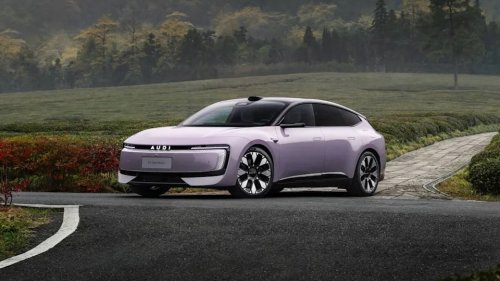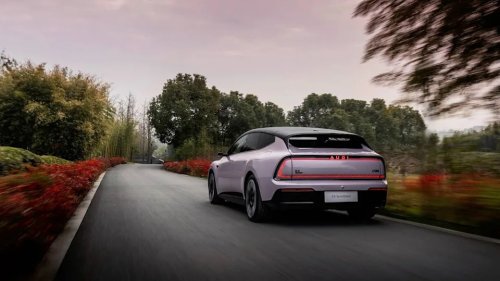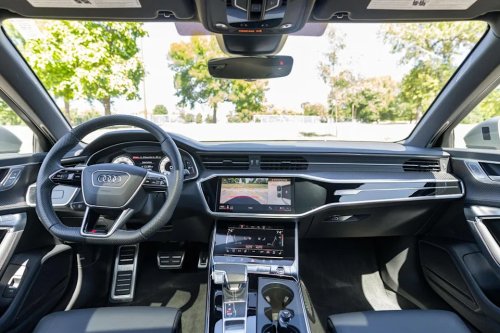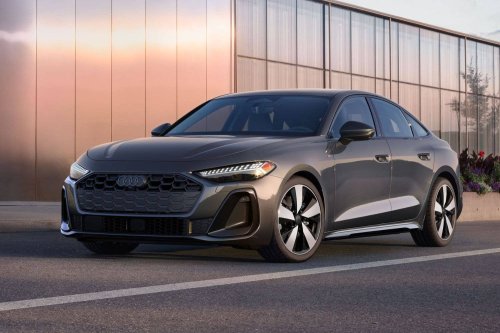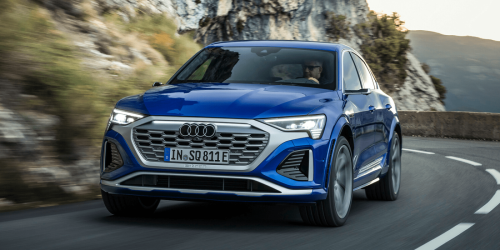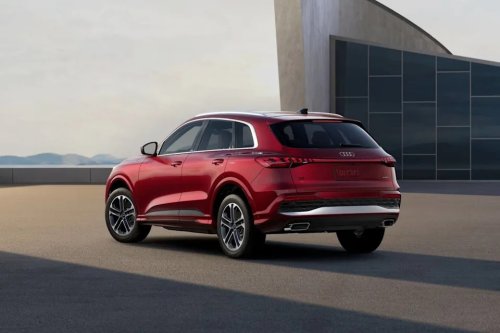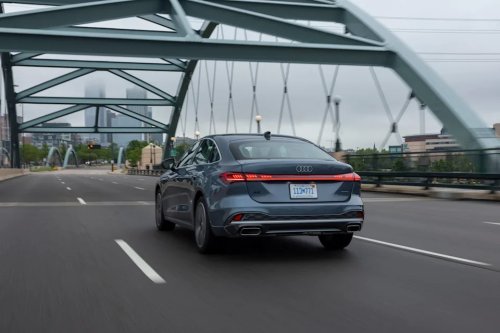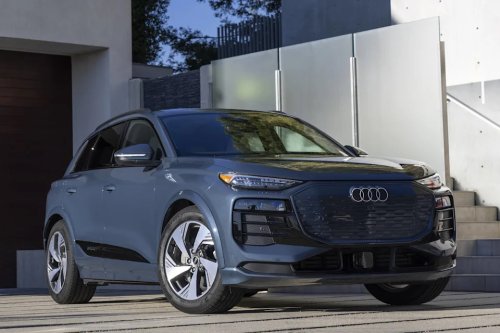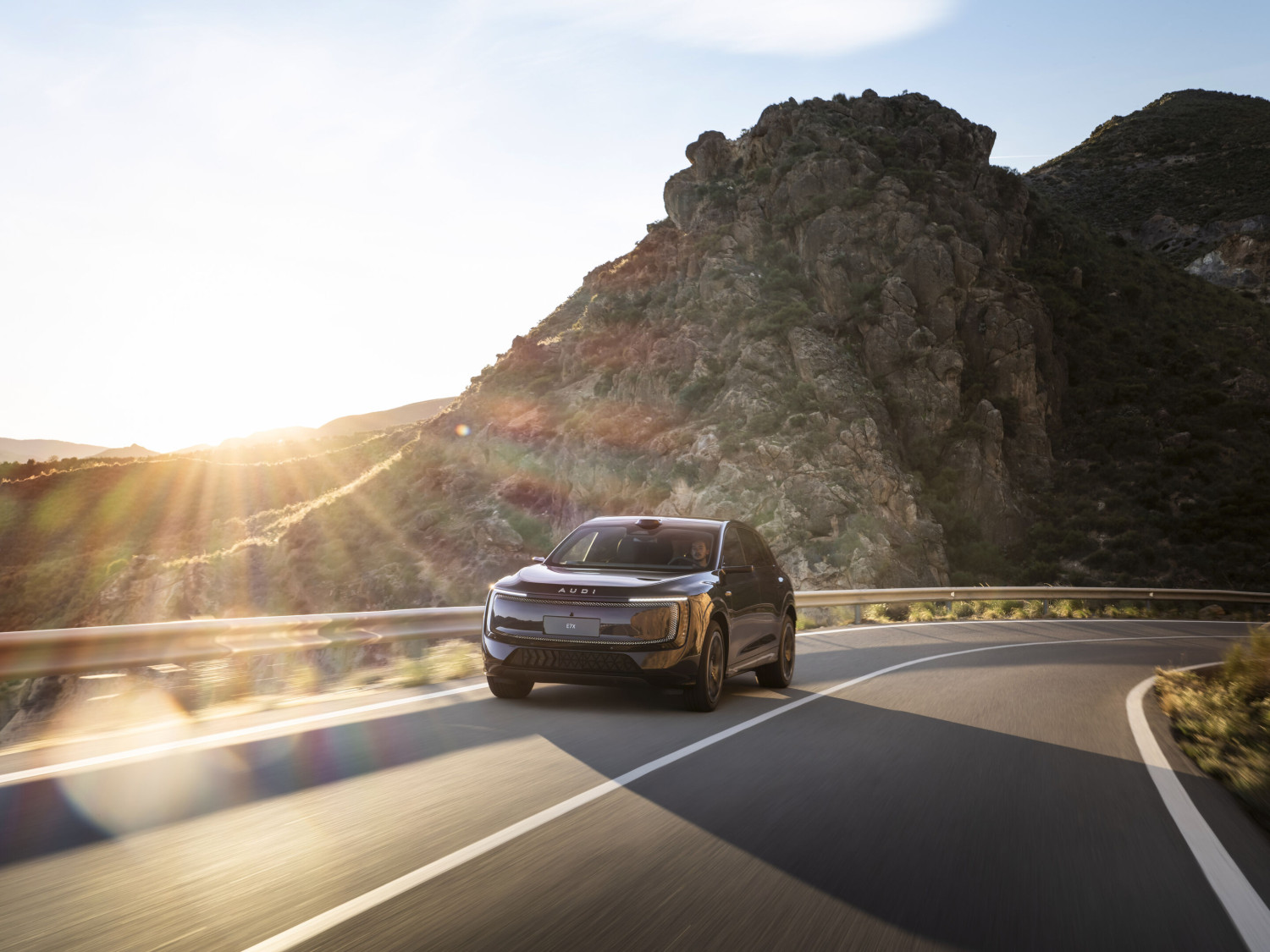
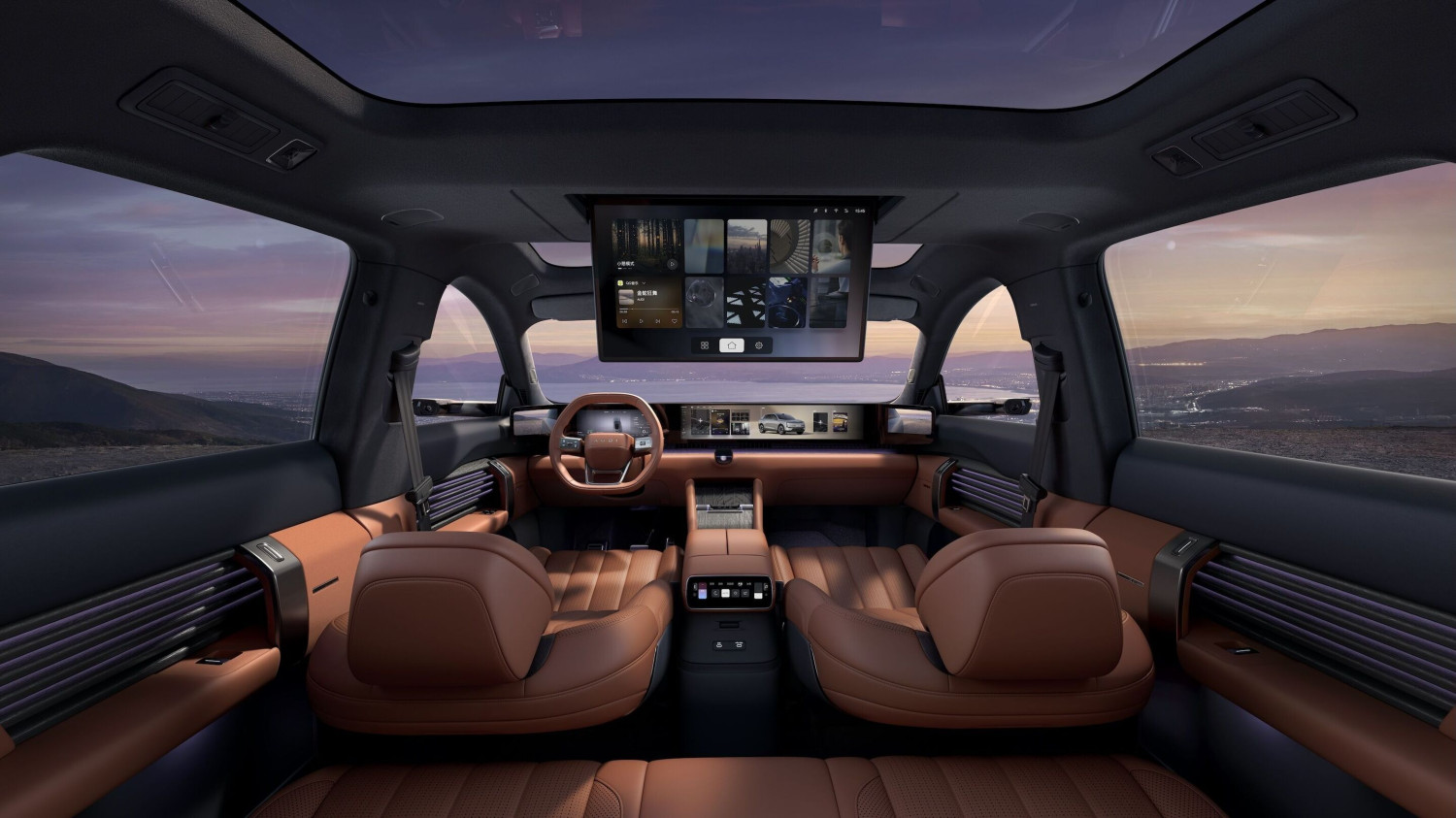



















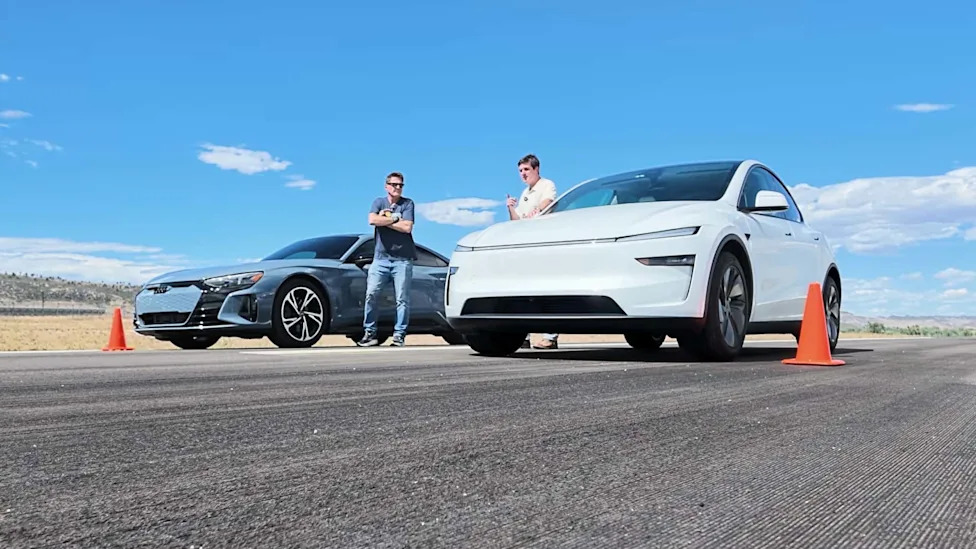


Audi said its E7X electric SUV has reached cumulative sales of 10,434 units as of the end of August, roughly 100 days after the SUV went on sale. Deliveries of the E7X are continuing to ramp up across the country, Audi said. AUDI E7X on a mountain test-drive route (Audi) To keep the momentum going, SAIC Audi is offering a limited-time purchase incentive worth up to 26,666 yuan ($3,970) for orders placed by September 30. The package combines a 20,000-yuan ($2,980) lifetime powertrain warranty for the vehicle's first owner with as much as 6,666 yuan ($990) in additional time-limited perks, tailored to different types of buyers. The E7X went on sale on May 29, 2026, as the second model from AUDI, the China-only electric marque that Audi AG operates jointly with SAIC Motor, following the earlier E5 Sportback. Five trims are priced from 269,800 yuan ($40,200) to 359,800 yuan ($53,600), a roughly 6.9 percent cut from pre-sale quotes that set the SUV up to compete directly against the Tesla Model Y in China's crowded electric SUV segment. The SUV runs on a 900-volt architecture paired with CATL battery packs, delivering up to 751 kilometers (467 miles) of range on China's CLTC test cycle, with a 10-minute fast charge adding roughly 429 km (267 miles) of range. Dual-motor all-wheel-drive versions accelerate from 0 to 100 km/h (62 mph) in 3.9 seconds, and the cabin pairs a 27-inch curved display with an AI voice assistant and driver-assistance software built on Momenta's reinforcement-learning model. Cabin of the AUDI E7X, featuring its 27-inch curved display (Audi) The E7X's price band puts it in direct contention with Tesla's China-built Model Y and Xiaomi's YU7, both of which start in a similar range and have become the SUV's closest rivals for buyers shopping mid-300,000-yuan electric SUVs. The sales milestone comes just days after Audi and SAIC opened a dedicated research and development center in Shanghai built specifically for the AUDI brand, underscoring how central the China-only marque has become to Audi's electrification strategy. The Audi Innovation Technology Center, or AITC, formally began operating on September 3 as a new joint venture combining Audi's vehicle-engineering expertise with SAIC's local supply chain and software capabilities. SAIC holds 49 percent of the new venture, Audi 41 percent, and Volkswagen Group China the remaining 10 percent. AITC will be staffed by roughly 300 engineers and technical staff based in Shanghai, focused on vehicle dynamics, AI-driven smart cockpits, and next-generation driver-assistance systems tailored to Chinese luxury buyers. Fred Schulze, CEO of the Audi-SAIC strategic partnership and chairman of AITC's board, called the launch "a historic milestone" for the AUDI brand's development, adding that the center "will be the innovation driver for our next generation of products" as engineering work on the Advanced Digitized Platform 2.0 continues. Audi China president Dr. Johannes Roscheck said AITC reflects "Audi's long-term commitment to the Chinese market," combining the rigor of Audi's German engineering with local innovation to build customer-focused mobility solutions. Matthias Pfister has been named general manager of AITC, with SAIC appointing Shan Yunwei as deputy general manager; Pfister previously led Volkswagen's pre-production center in Shanghai. The ADP 2.0 platform will underpin four new AUDI-badged models jointly developed by Audi and SAIC, expanding the brand's China lineup beyond the E5 Sportback and E7X. The first of the four is scheduled to arrive in 2028, giving the new Shanghai center roughly two years to move from setup to its first production vehicle. Taken together, the sales milestone and the new R&D center point to a brand still finding its footing against local rivals but leaning harder into China-specific engineering to do it. AUDI's next moves, both on showroom floors and inside AITC's Shanghai offices, will show whether that bet pays off in a market where Tesla, Xiaomi, and a wave of domestic luxury EV brands are all fighting for the same buyers. Conversion rate: 1 USD = 6.71 CNY as of September 7, 2026.