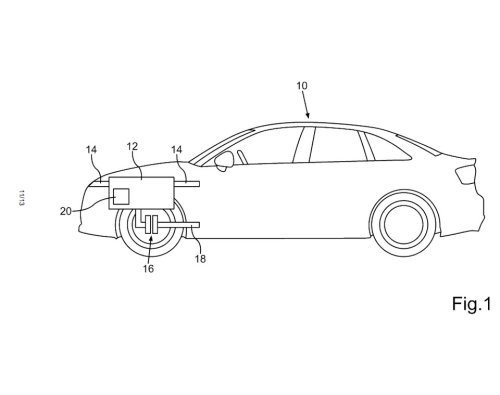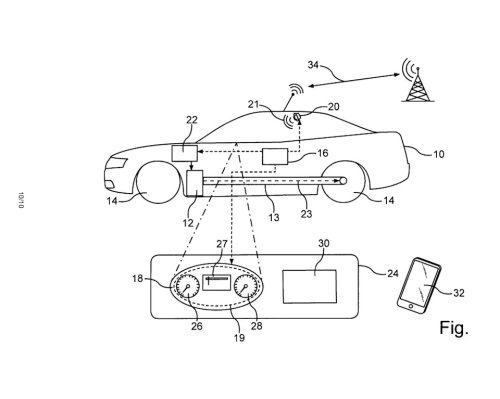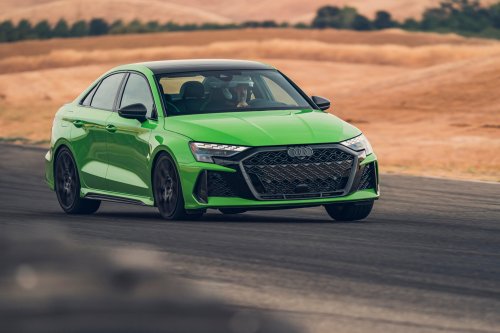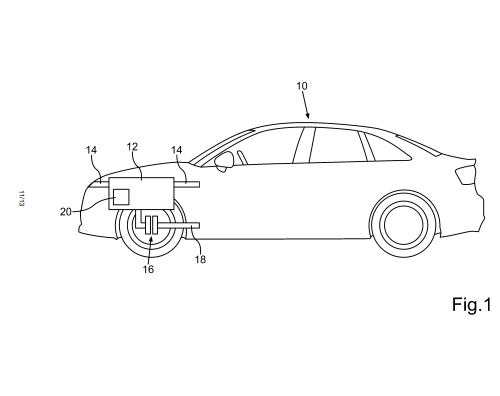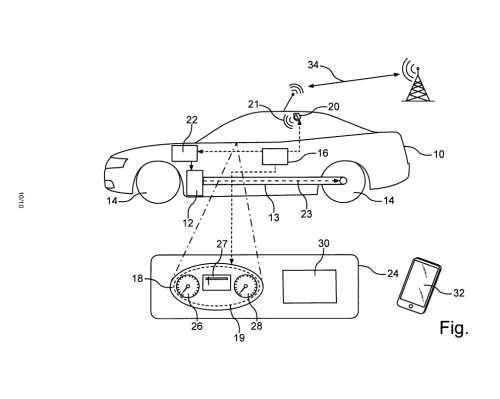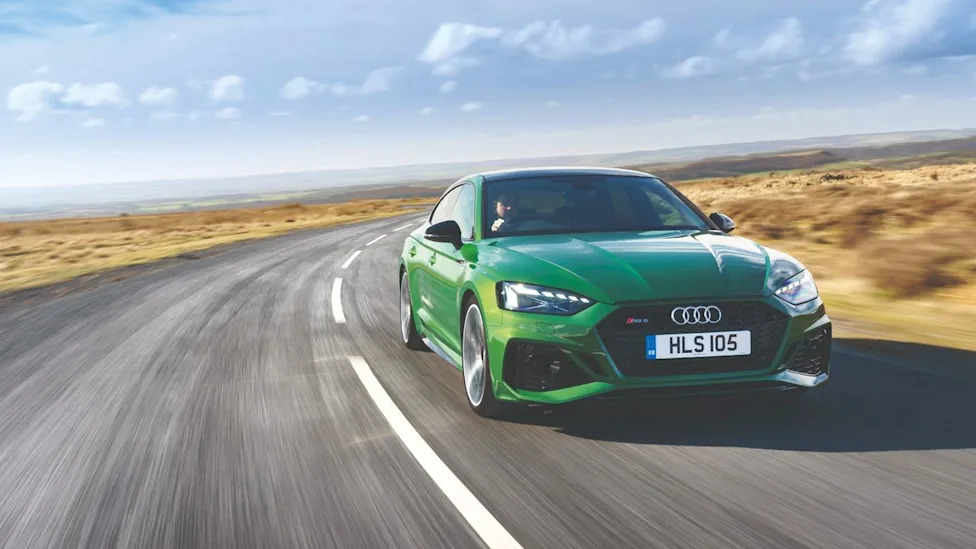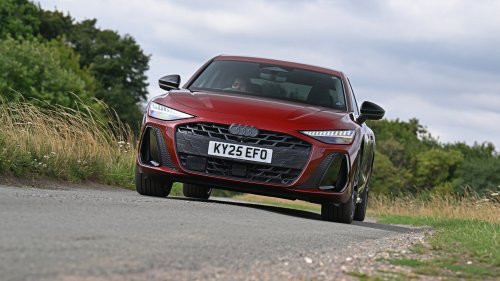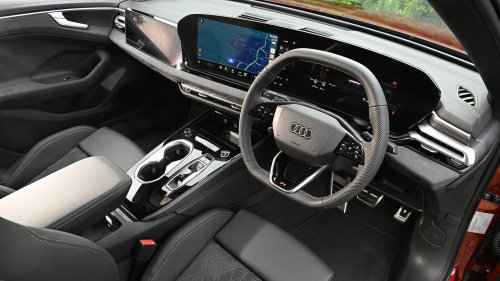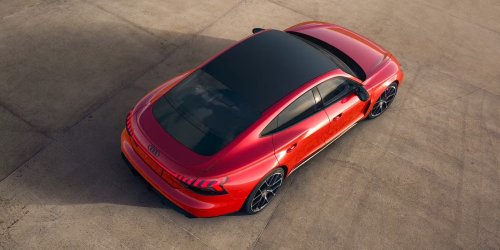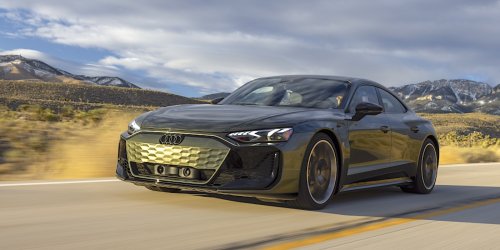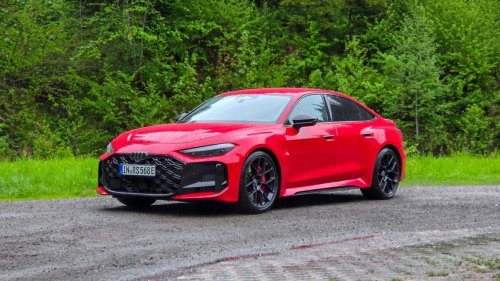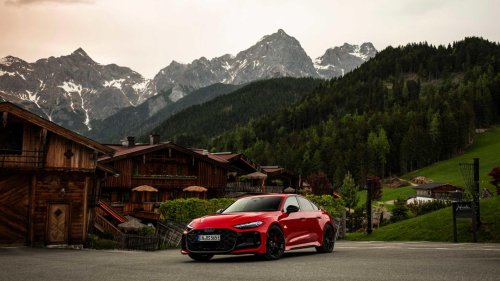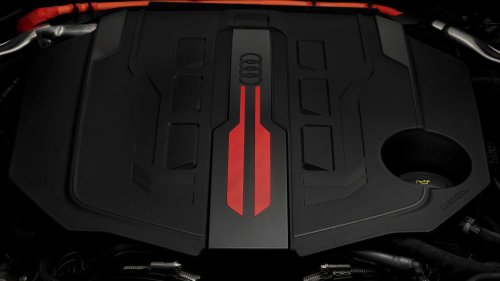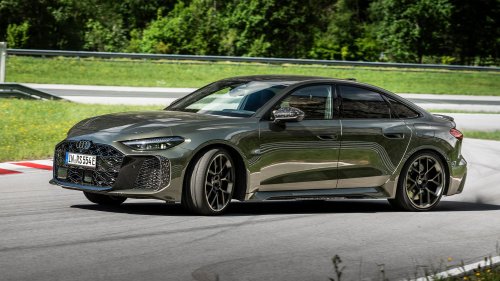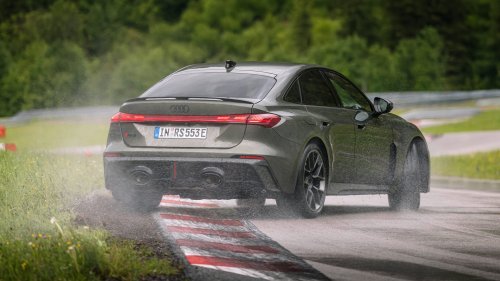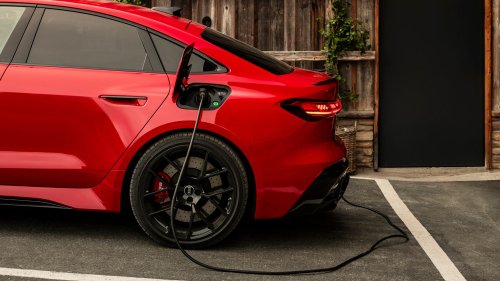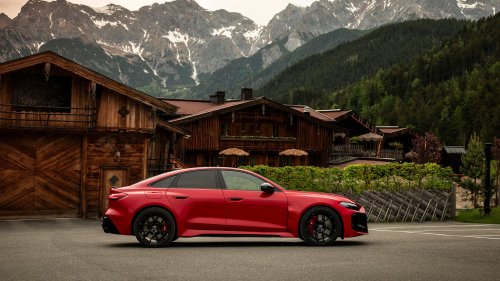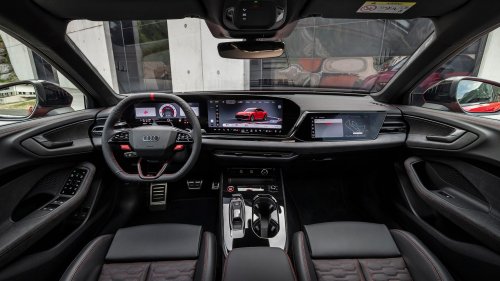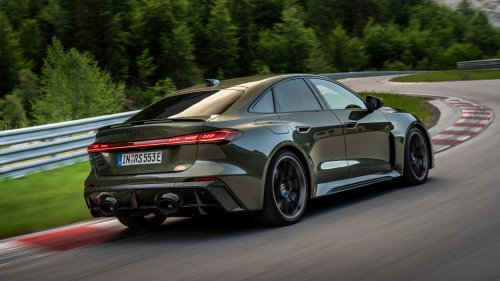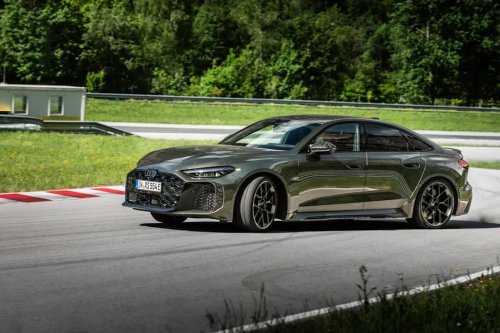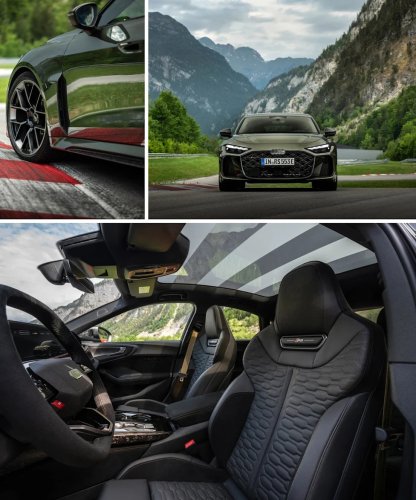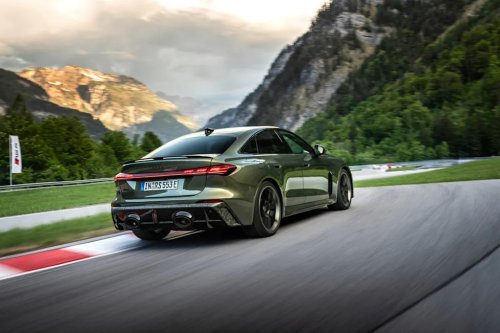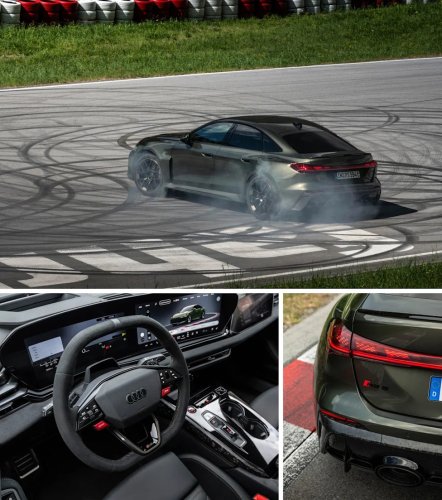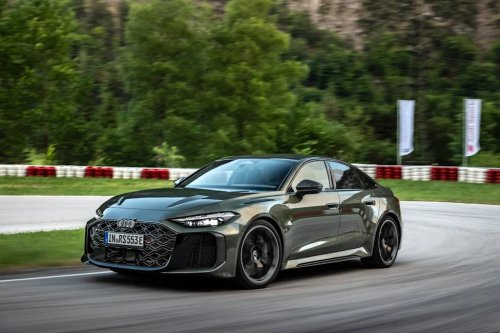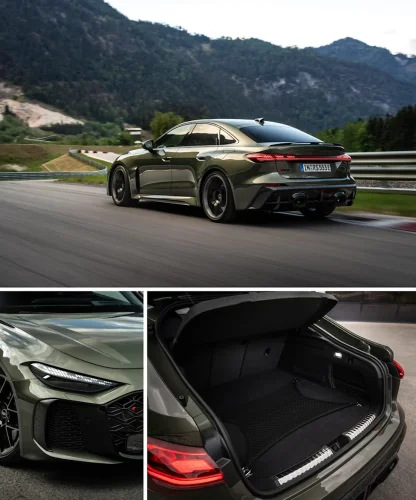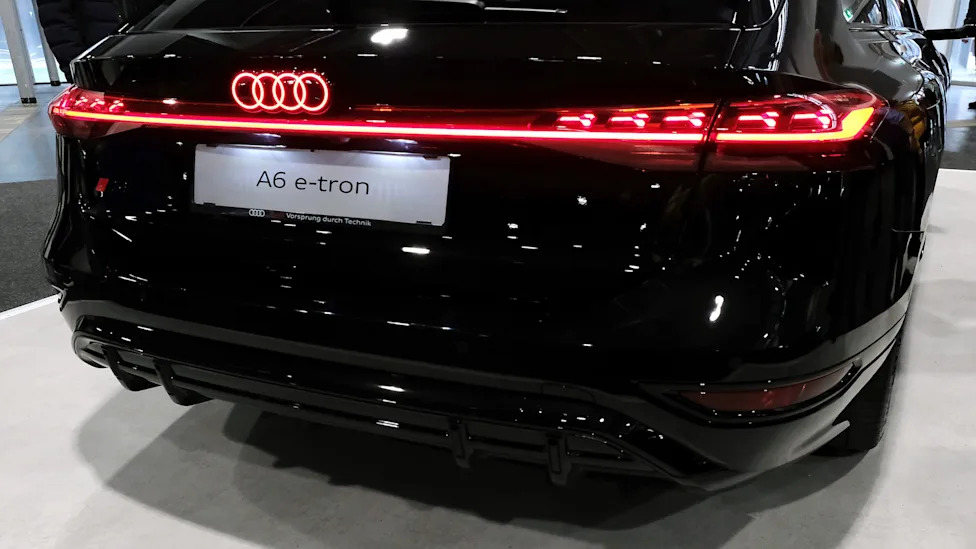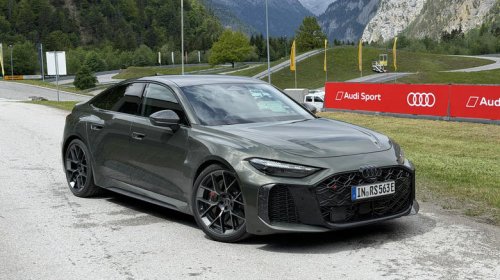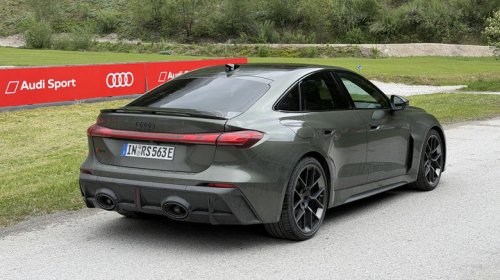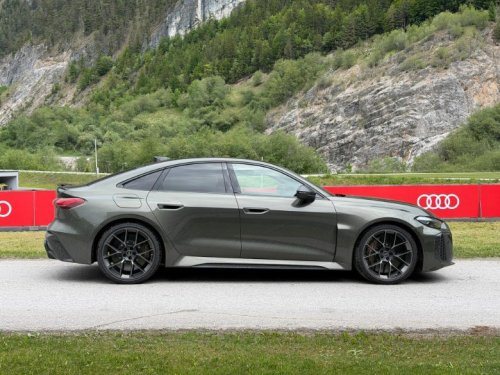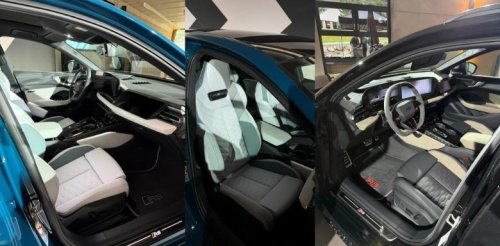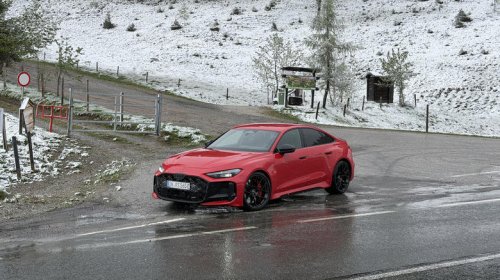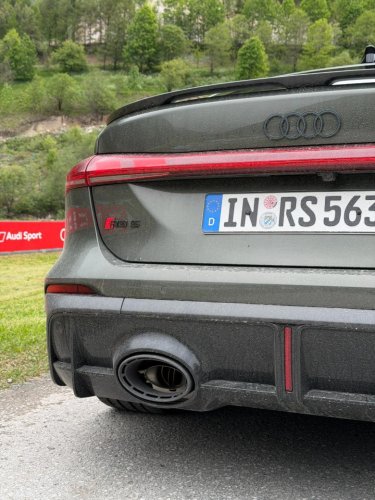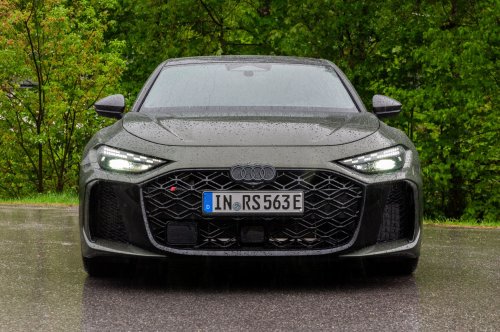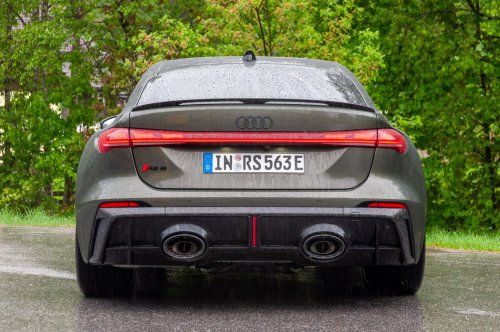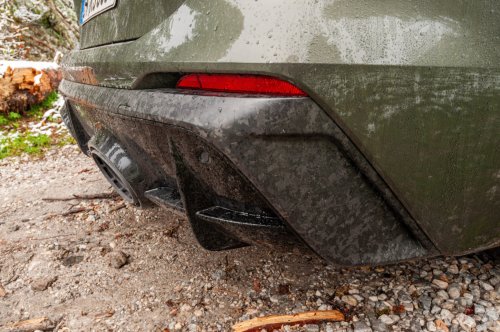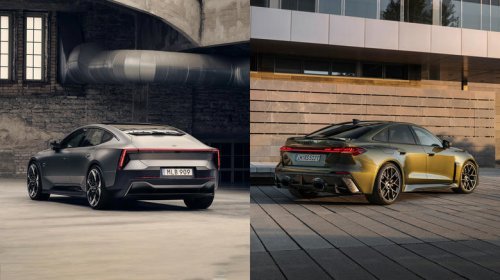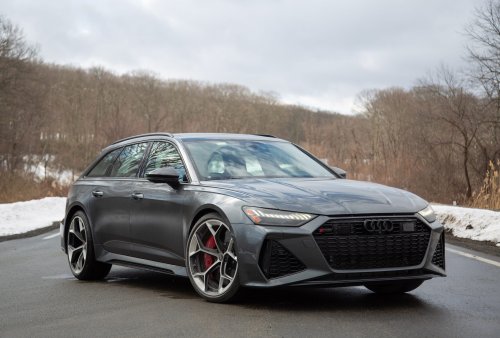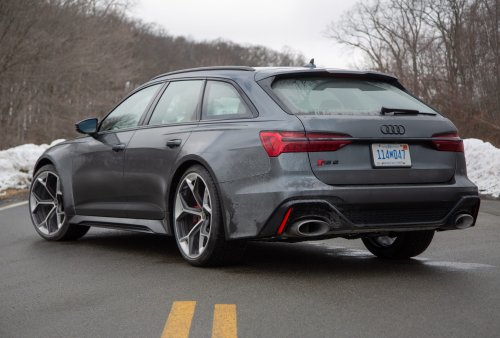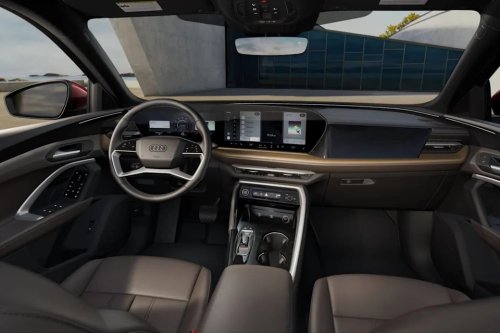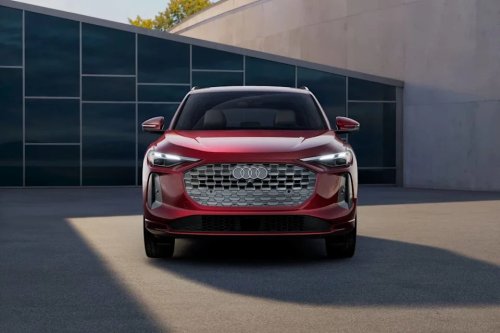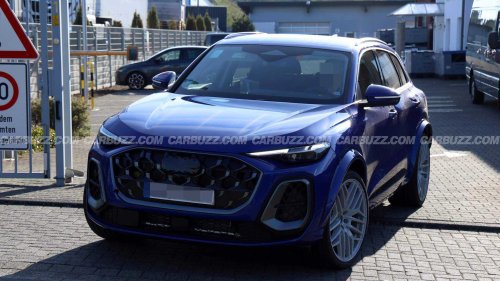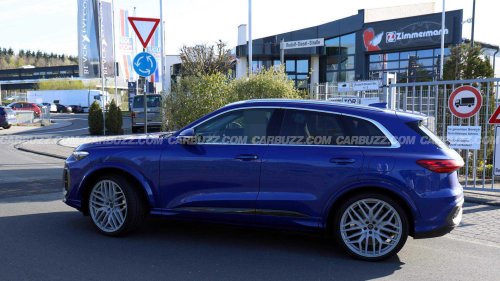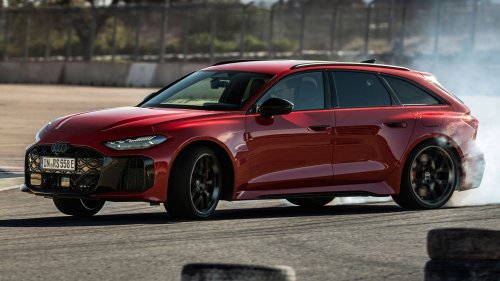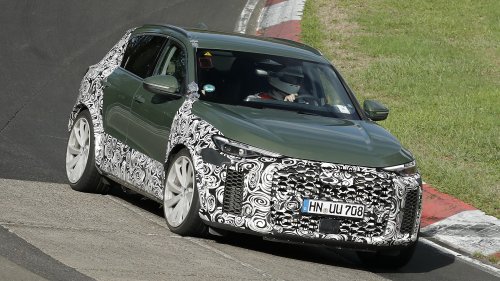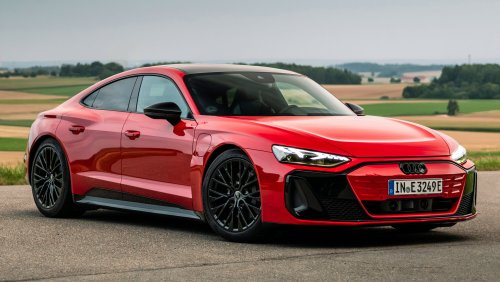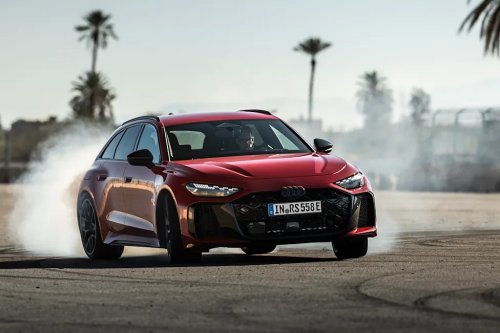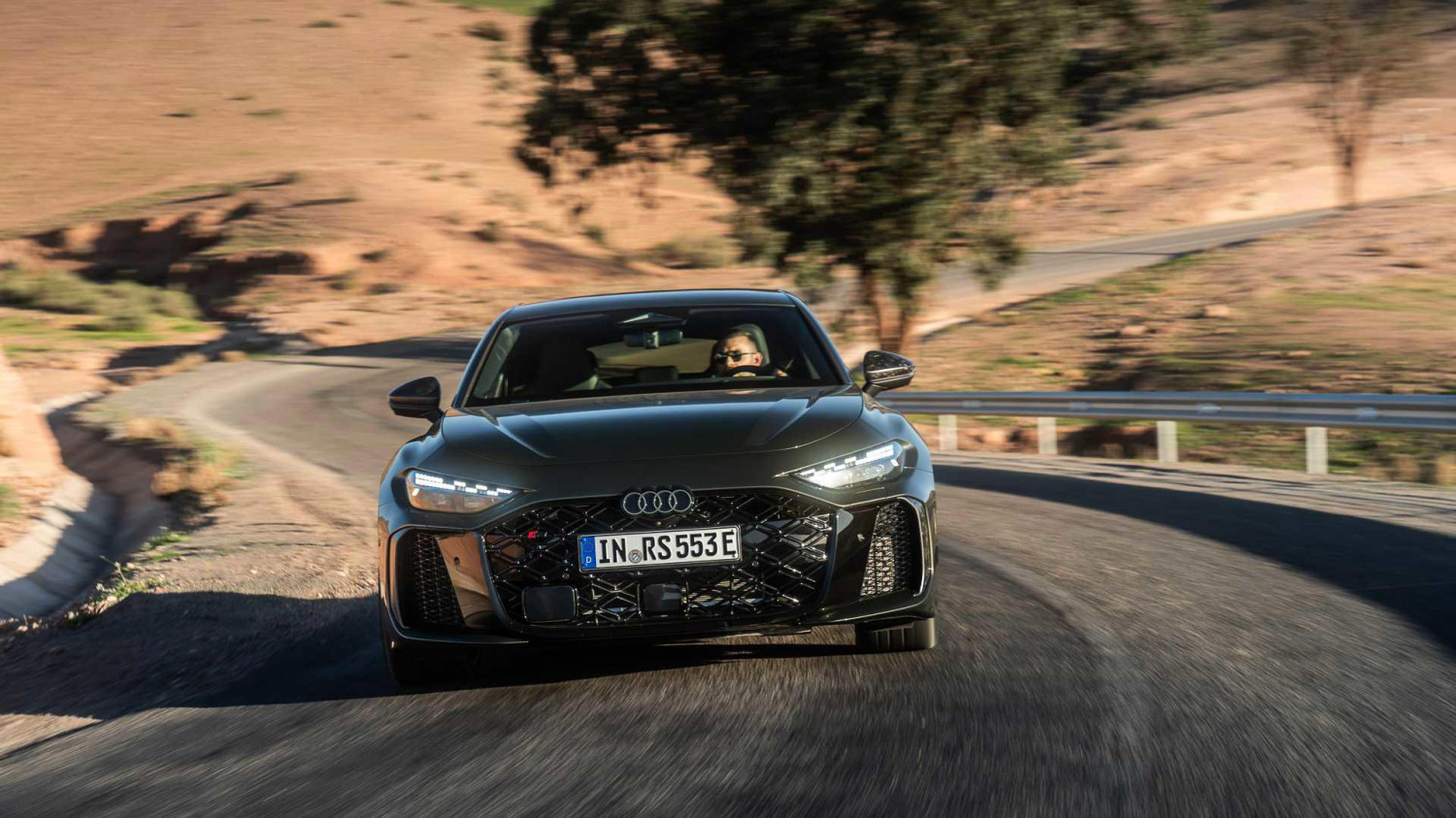
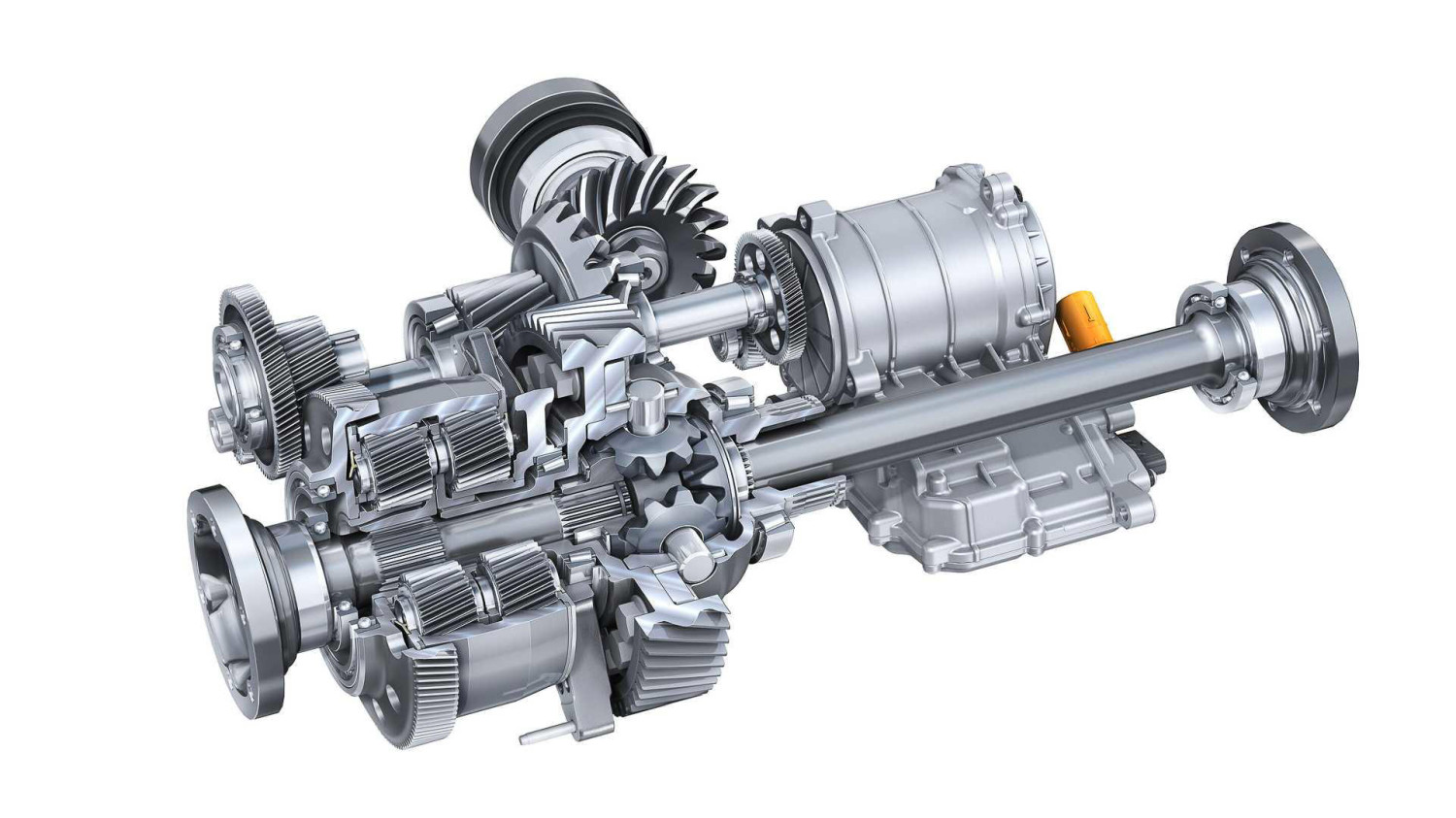



















Following the recent reveal of the 2027 Audi RS5, the German brand is celebrating its world-first electro-mechanical torque vectoring system, one that could make Ingolstadt’s performance sedan handle even better than its BMW M5 and Mercedes-AMG E63 arch-rivals. Moreover, though unconfirmed, this “invisible maestro” will likely be a performance cornerstone for future Audi generations. How Torque Vectoring Usually Works AudiIn a standard vehicle, power is sent equally to both wheels on the driven axle. During tight cornering, however, the outer wheel rotates at a different speed to the inner wheel. In rear-wheel drive models, this can lead to a loss of traction, and, for front-wheel drive models, understeer. Torque vectoring, however, splits the power being sent to the driven wheels, and effectively ‘pushes’ more power to the wheel that needs it most. It effectively maximizes traction and stability to improve handling, and, essentially, just makes driving more fun.Torque vectoring is far from a new concept, of course. Porsche introduced its own system as an optional extra for the 997.2-generation 911 back in 2009. Mitsubishi long talked about torque vectoring in its epic Lancer EVO back in the 1990s. Audi’s system in the new RS5, however, dubbed Quattro with Dynamic Torque Control, pays homage to both Audi’s all-wheel drive system and the German brand’s legendary rally car. The automaker says it's the first of its kind to feature electro-mechanical torque vectoring to this scale. How Audi’s New System Improves The Tech AudiAlongside the mechanical driveshafts, Audi’s setup incorporates a water-cooled permanent-magnet 400-volt electric motor. By introducing that electro-mechanical link, this combination splits torque more rapidly than before, with Audi even stating that the equivalent of 1,475-pound feet of torque can be pushed from one driving wheel to the other in just 15 milliseconds.Moreover, while Audi’s previous system, and those used by most of the RS5’s direct rivals, were reactive to the driver's actions, this new setup is more proactive. Audi states its electronic components step in to prevent the loss of traction before it even begins by calculating wheel slip up to 200 times every second. And while previous systems relied on the driver pressing the accelerator to make adjustments, Audi’s system works both on or off-throttle.AudiThat's a lot of techno-speak, but according to Audi, it all boils down to a simple end-result. This new RS5, which hauls around nearly 2.5 tons of performance-killing mass, is more agile and dances through mid-corner better than any previous generation. It's driven by a twin-turbocharged 2.9-liter hybrid V6 that generates 630 combined horsepower and 609 pound-feet of torque, so it has power to impress. It sure sounds like the car has the moves, too.Given the time and resources that have gone into developing this new system, it’s likely the tech will trickle down into future generations of Audi’s other RS models. In the meantime, we can't wait to try it out in the new RS5.