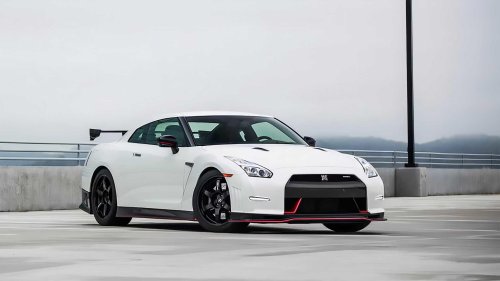
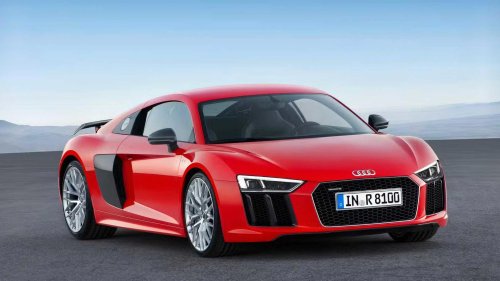
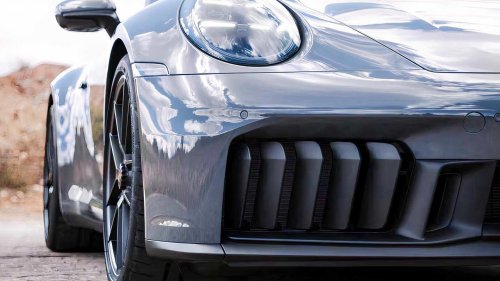
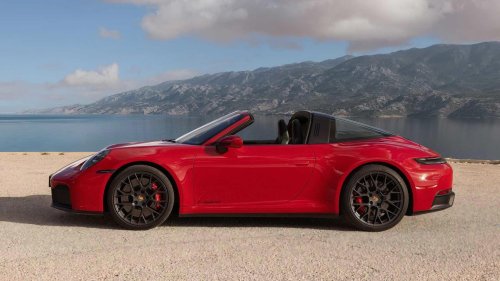
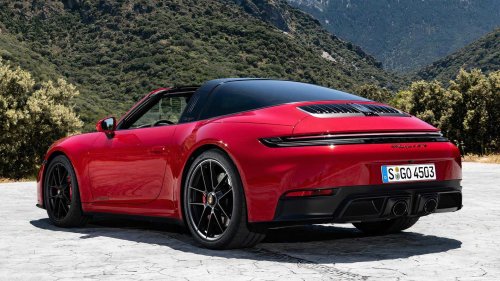
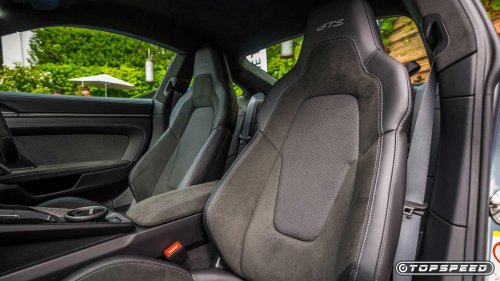
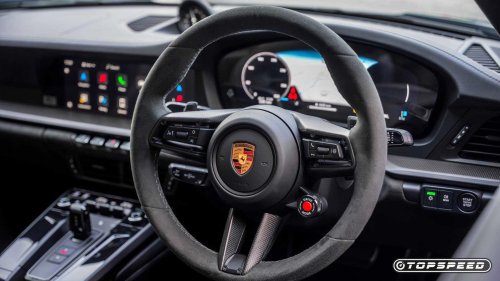
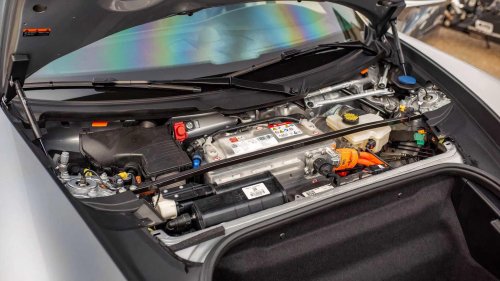
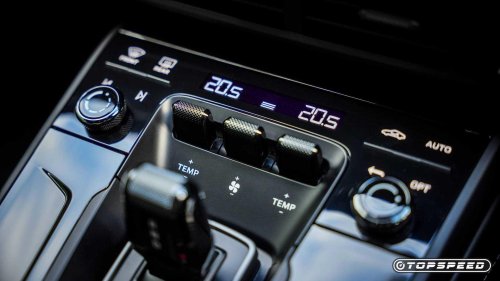
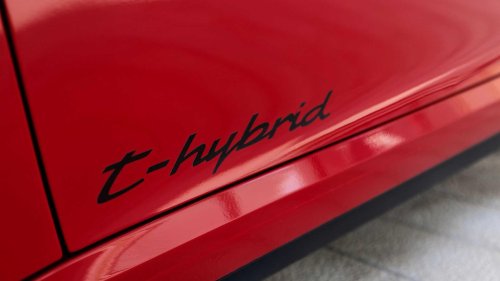
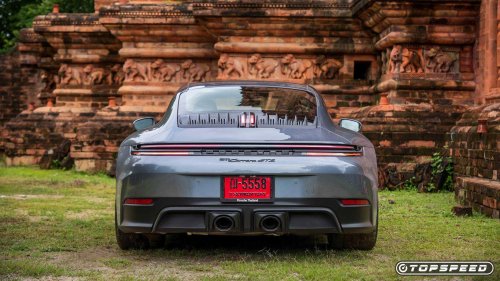
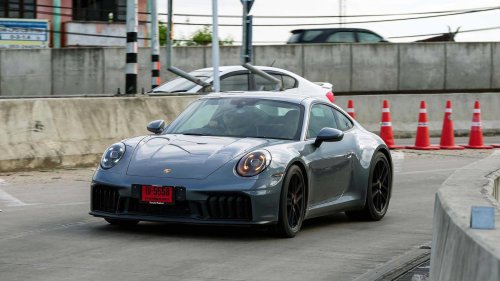
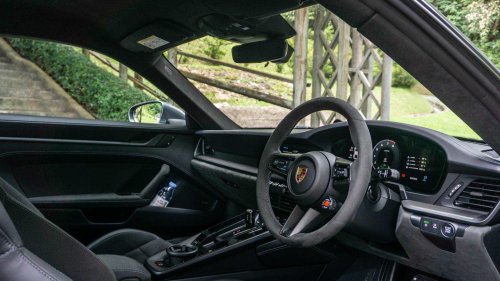
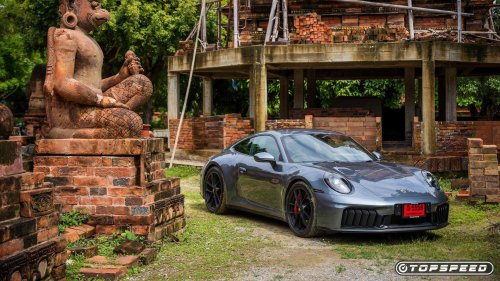
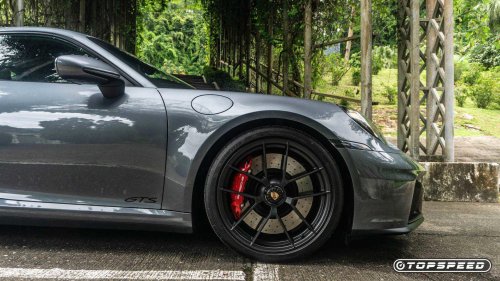
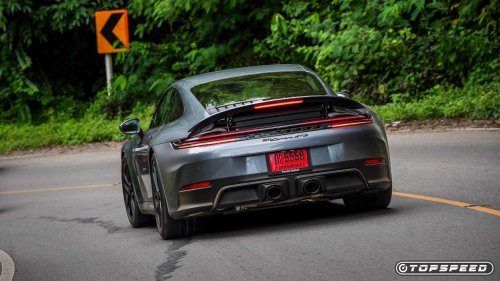
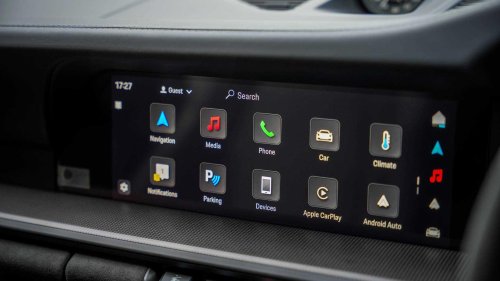
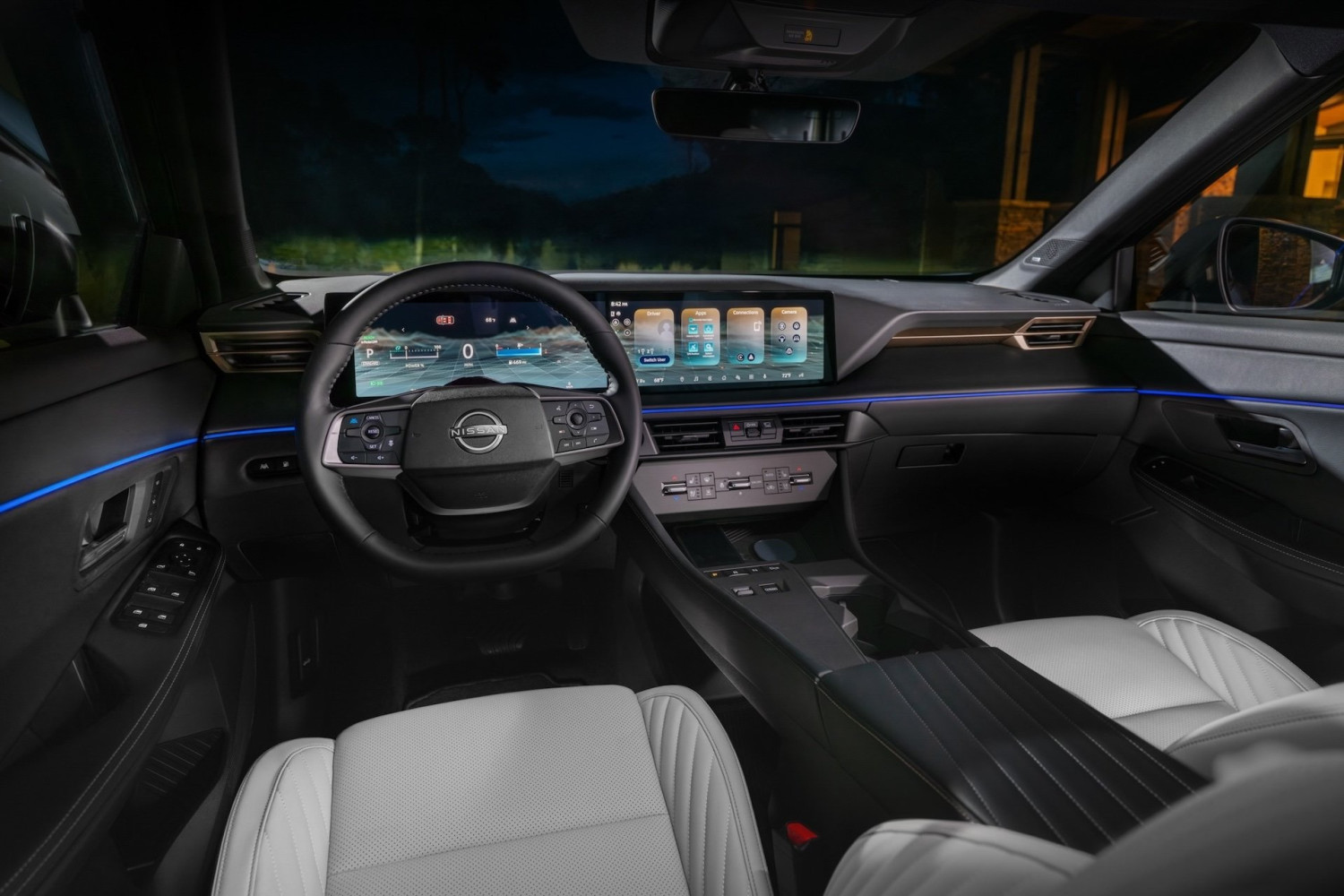
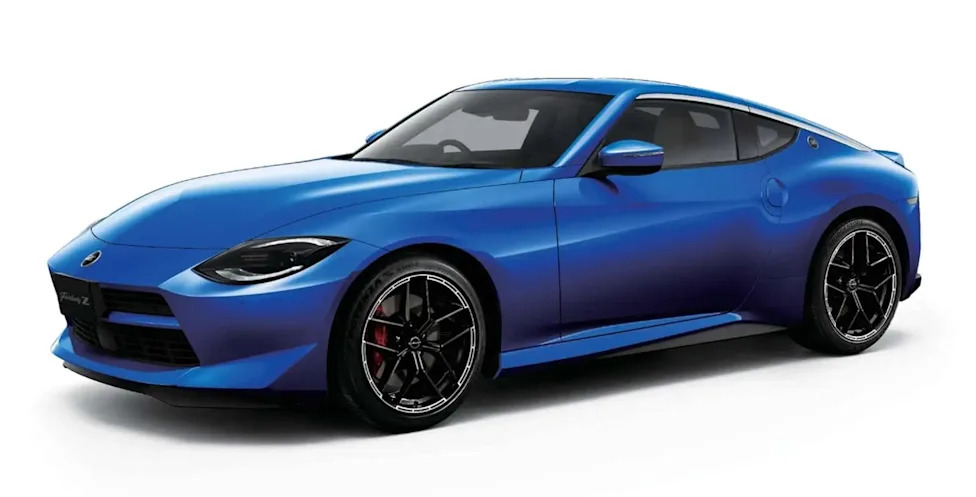
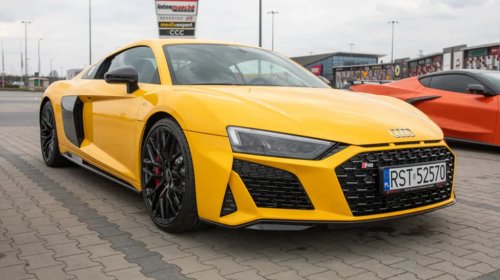
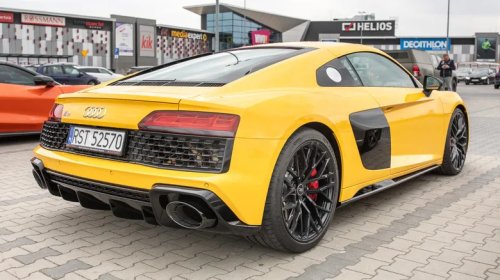
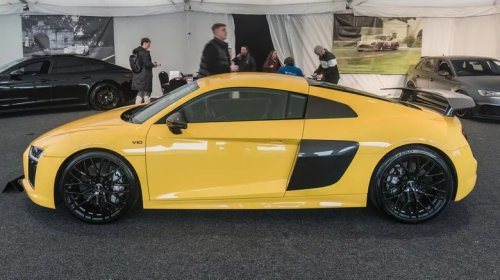
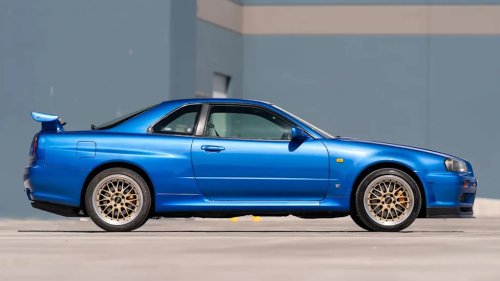
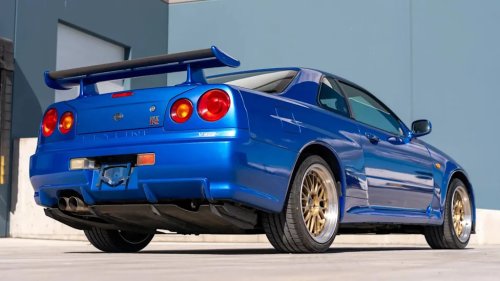
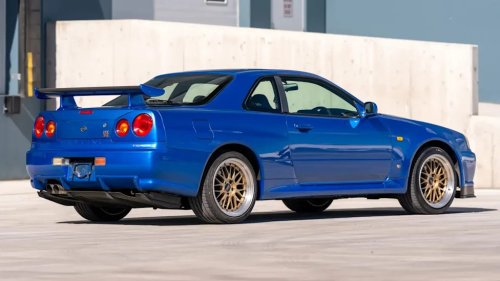
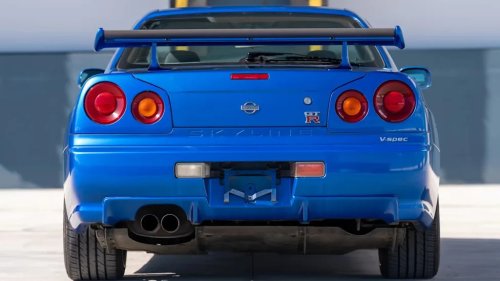
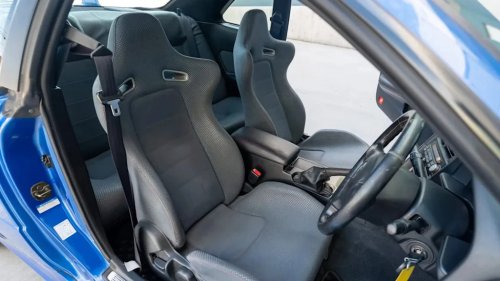
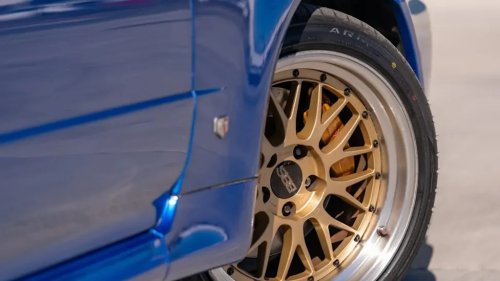
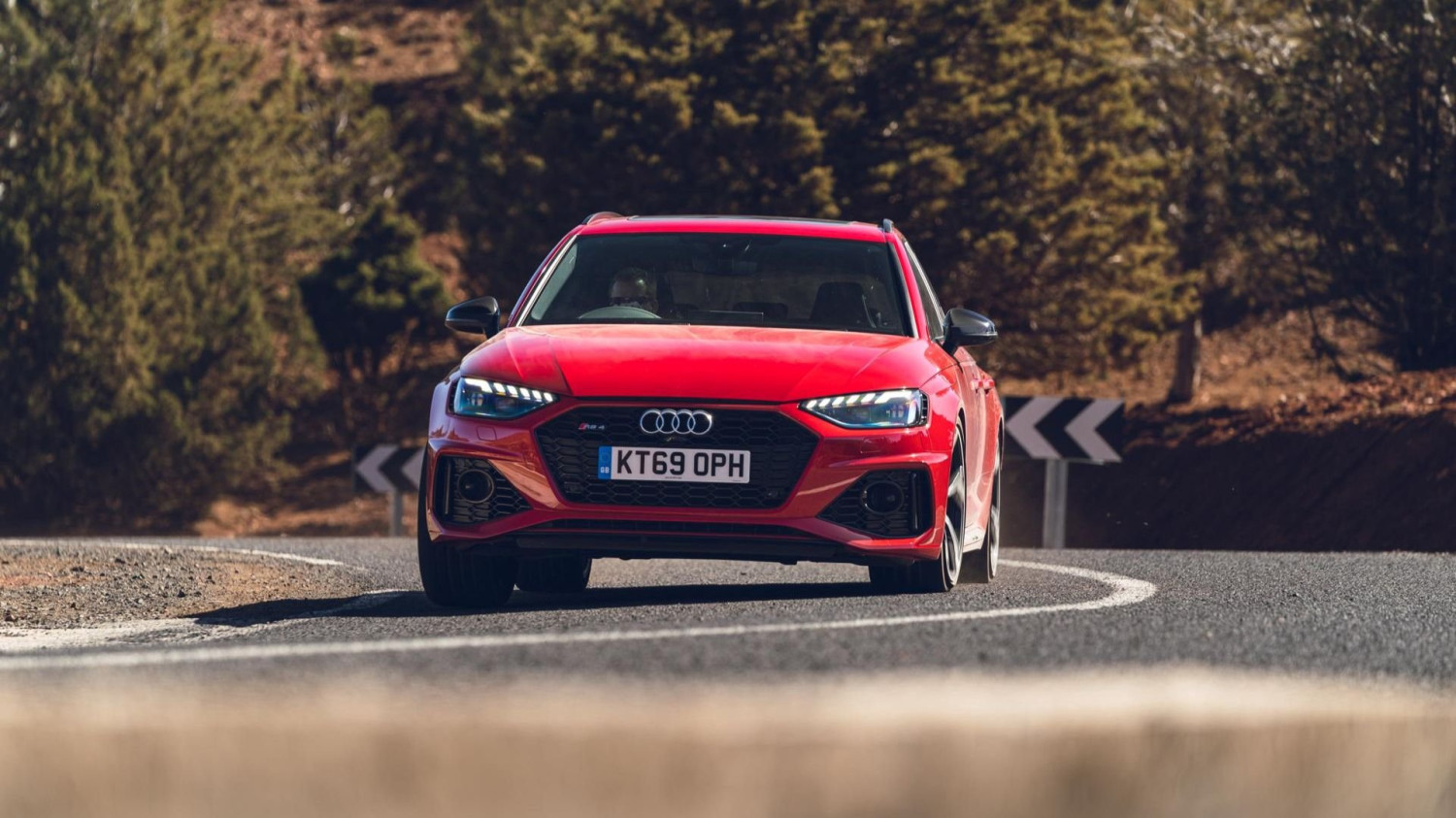
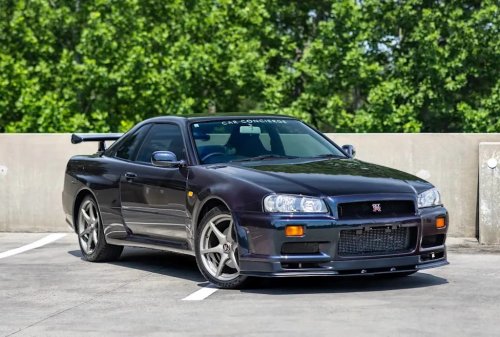
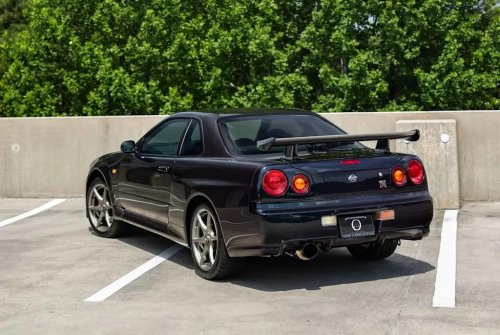
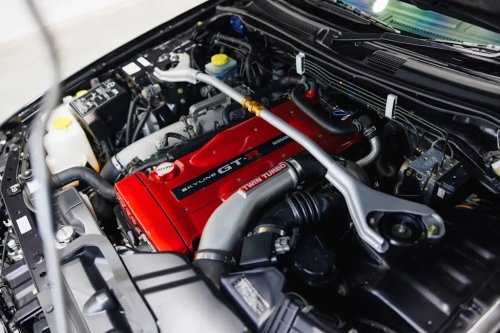
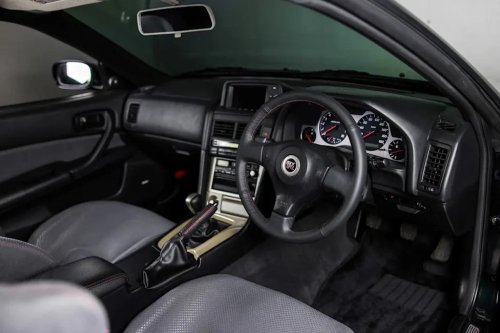
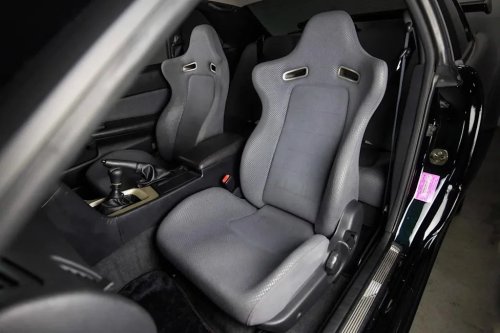
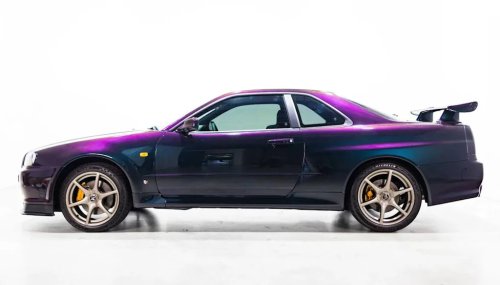
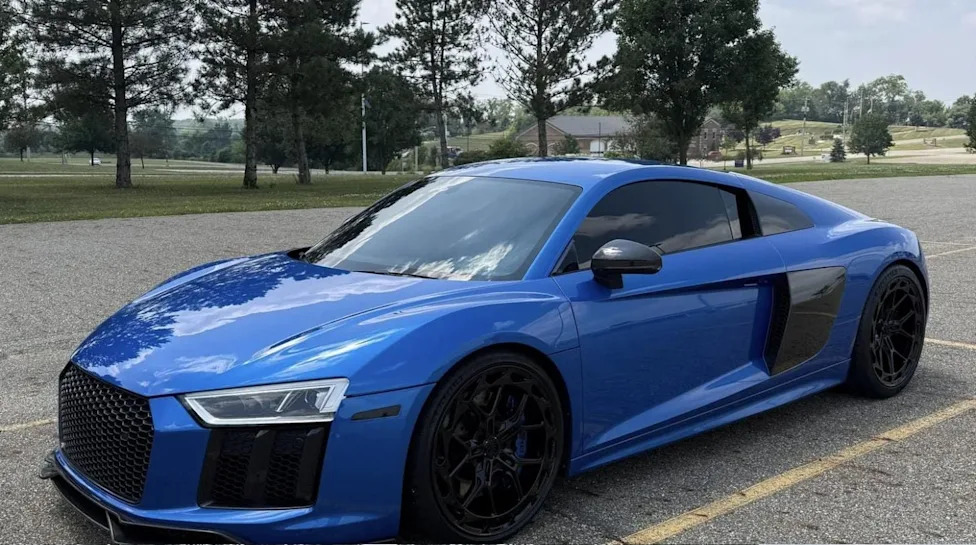
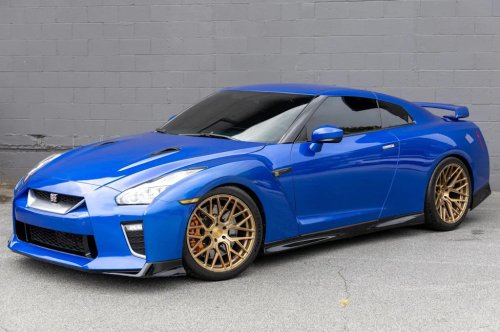
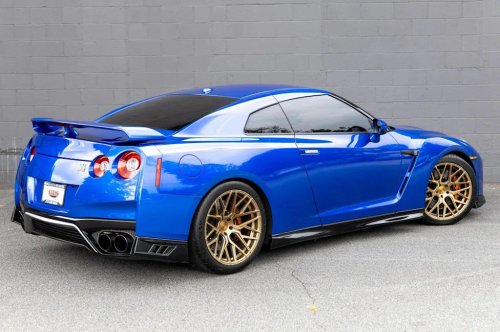
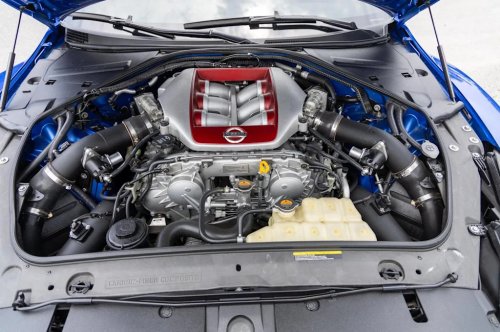
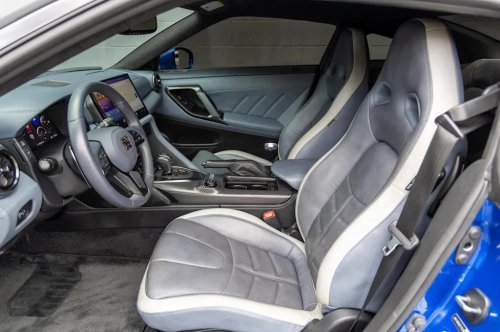
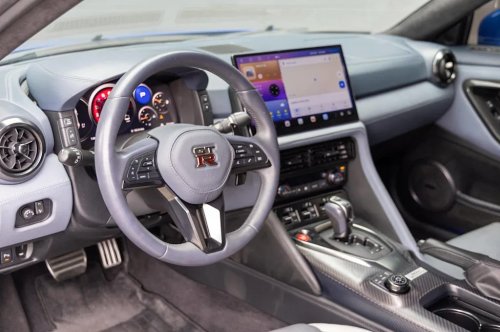
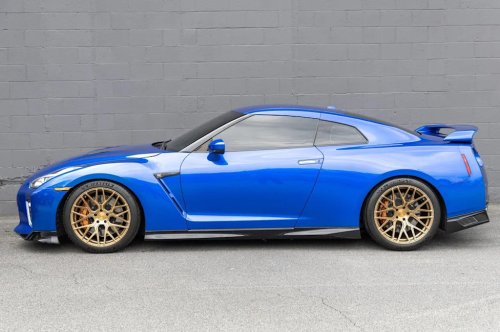
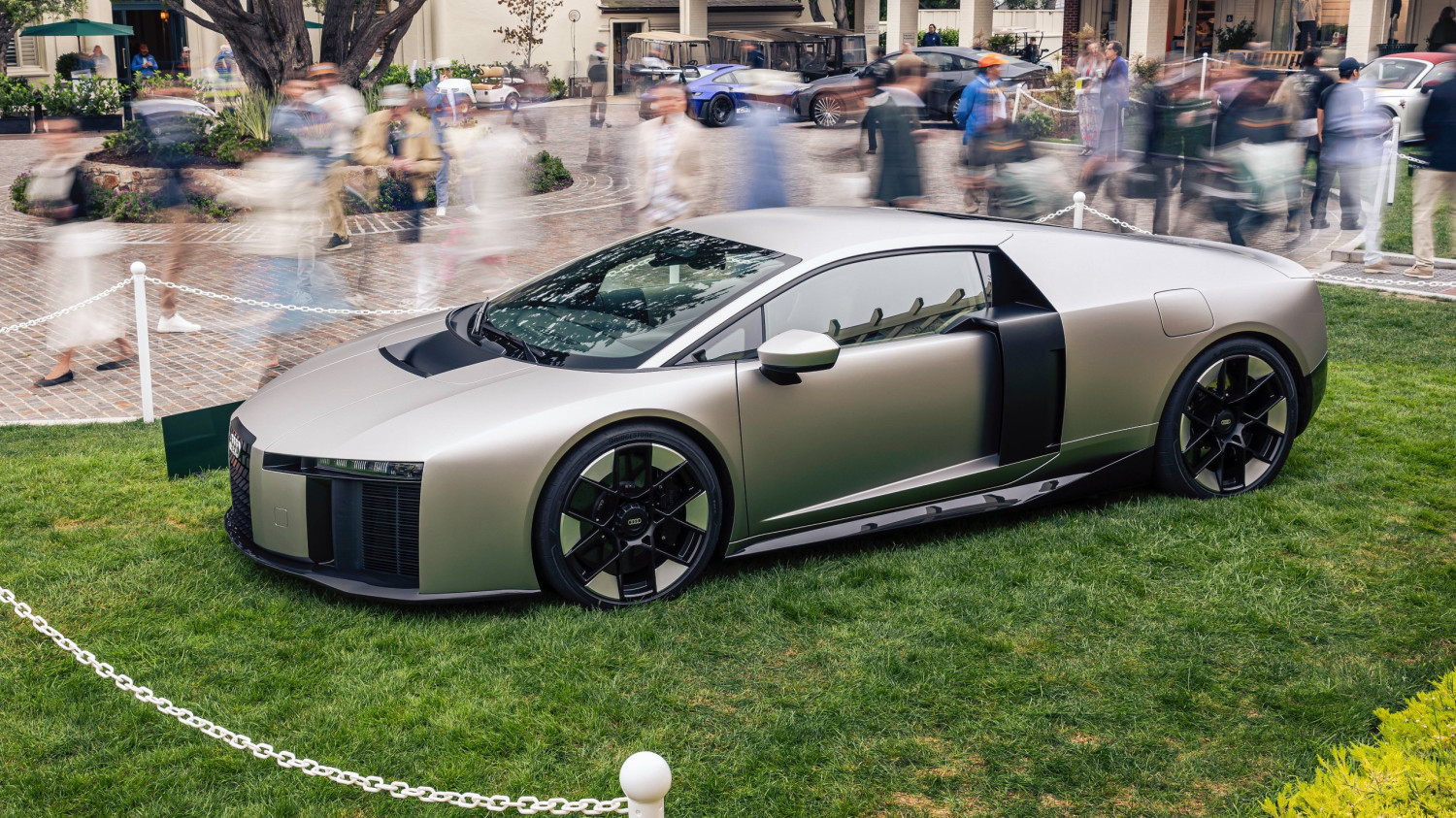
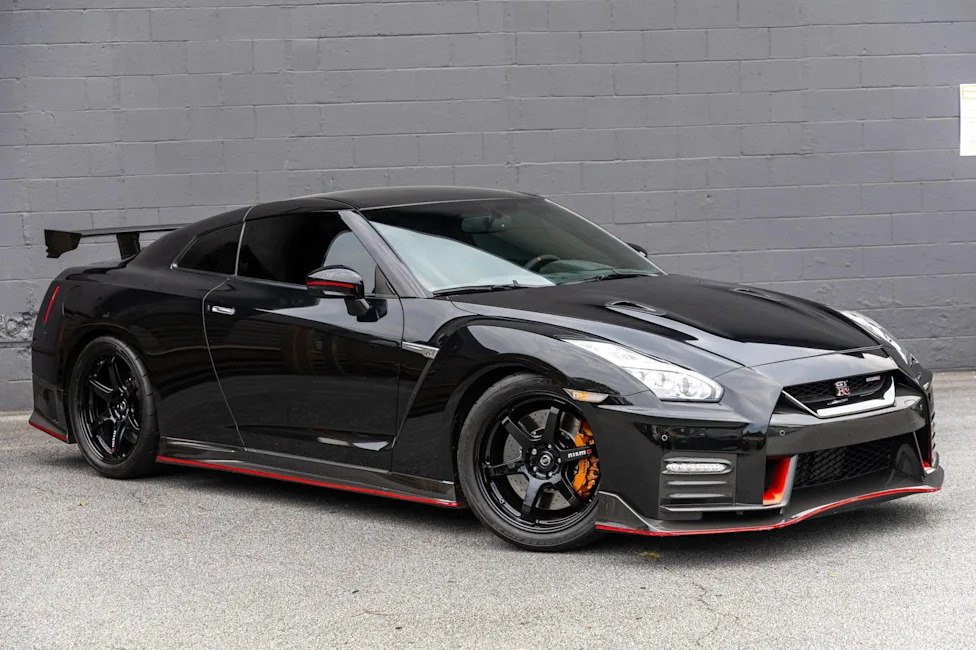
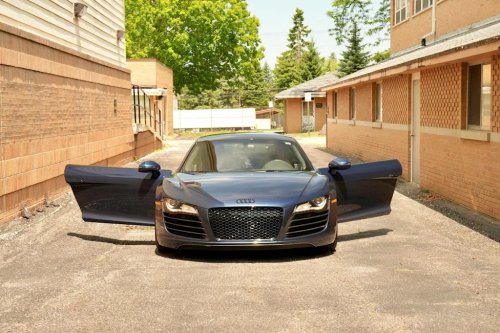
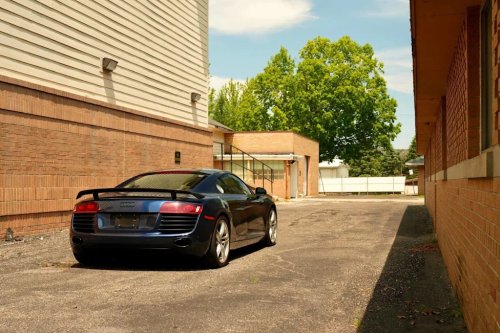
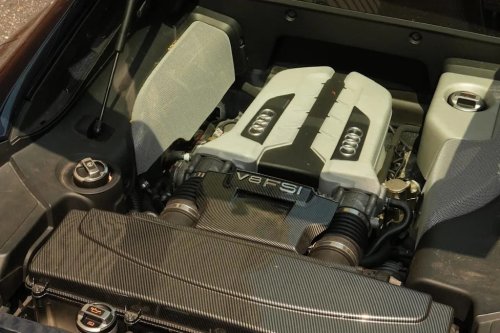
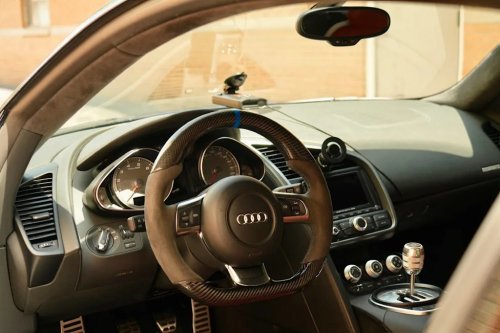
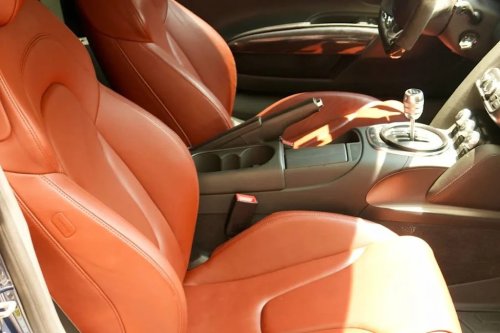
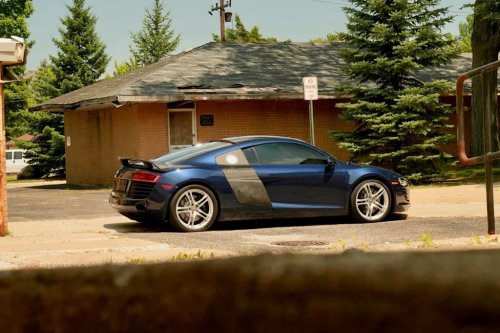
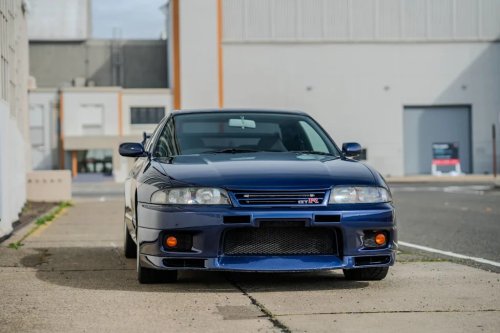
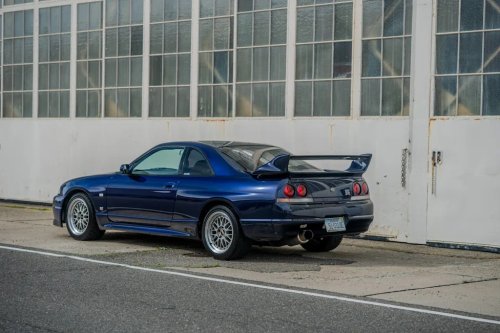
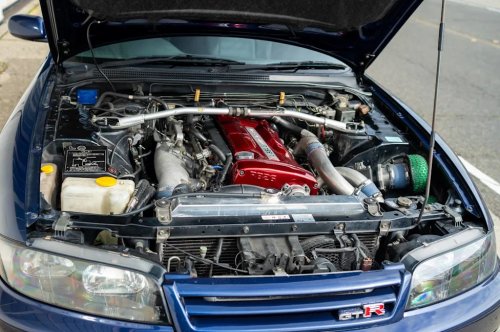
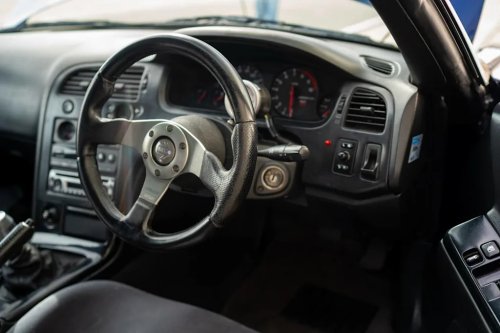
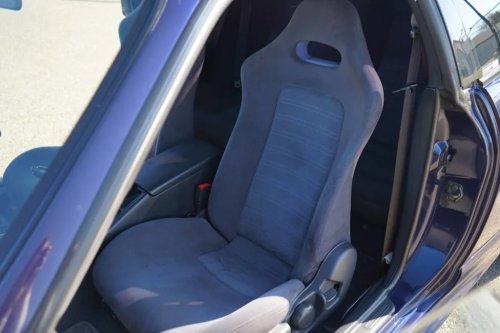
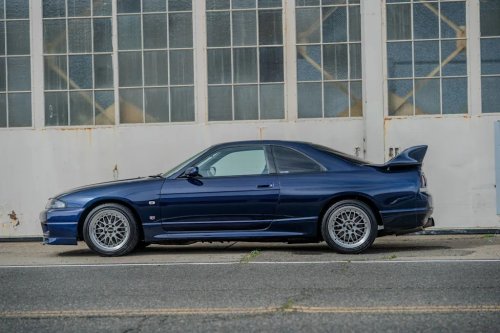
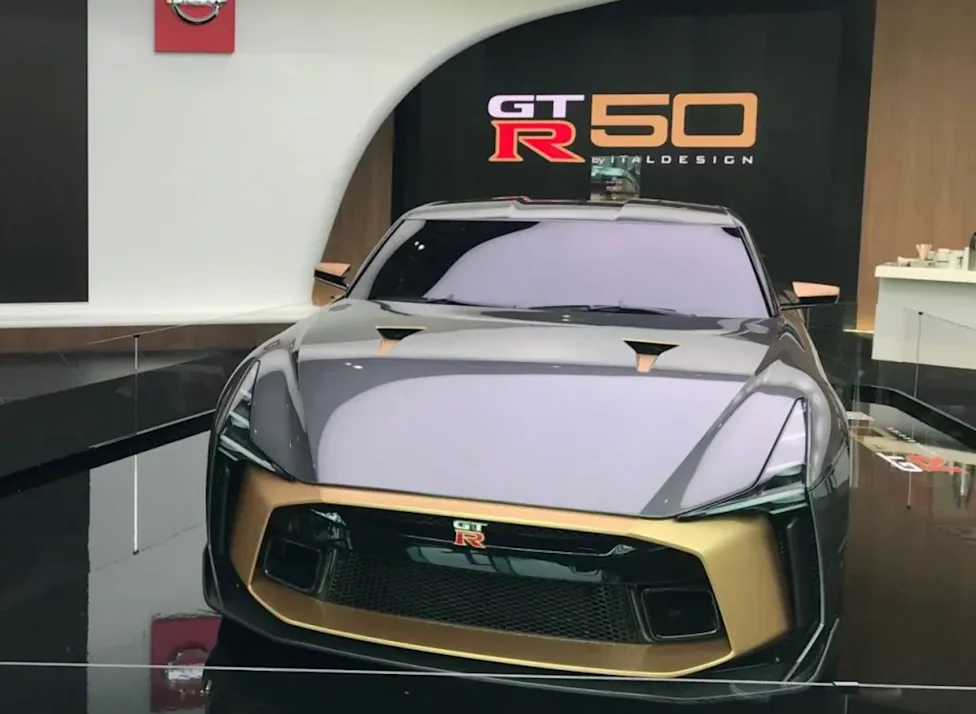
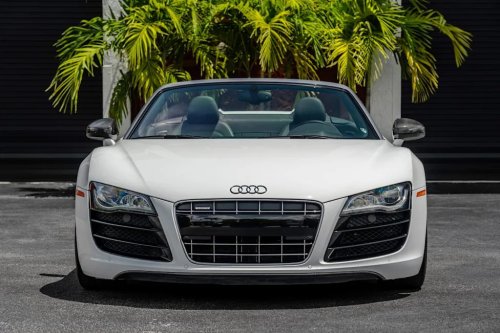
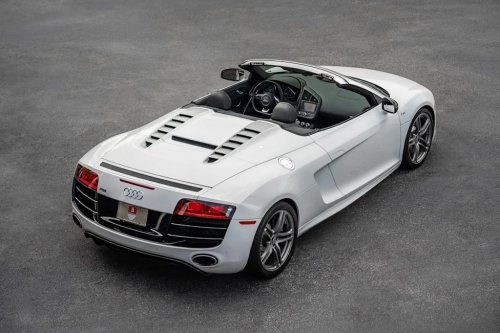
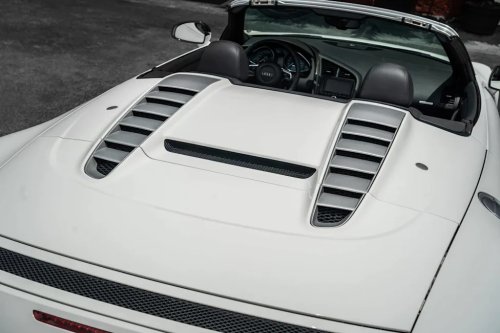
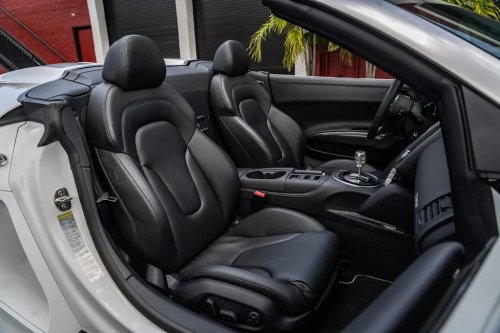
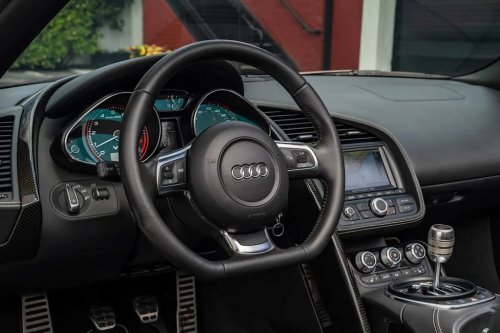
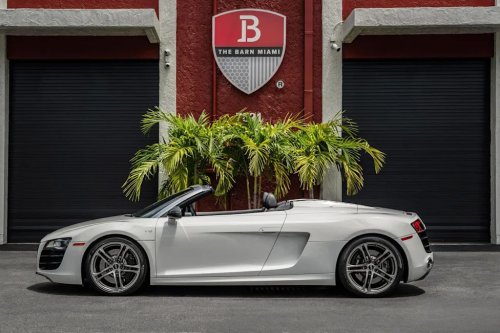
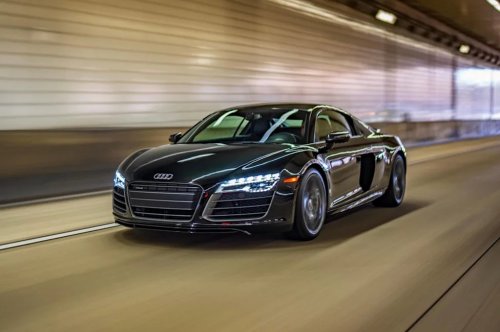
For years, the answer to “What performance coupe should I buy?” was almost automatic. The Nissan GT-R offered giant-slaying acceleration and all-weather grip, while the Audi R8 delivered mid-engine drama and supercar theater without the seven-figure price tag. They were the poster children of attainable exotica, cars that made you feel like you’d beaten the system.But the performance landscape has shifted. Emissions regulations are tighter, electrification is more prevalent, and buyers expect cutting-edge technology alongside blistering speed. The old formula of big engines and brute-force tuning is no longer enough. Today’s benchmark performance coupe has to do more than dominate a drag strip; it must blend relentless pace with usability, refinement, and future-ready engineering.That’s where the 2026 Porsche 911 Carrera GTS steps in. It doesn’t shout the loudest or chase headlines with outrageous horsepower figures. Instead, it perfects the balance between everyday comfort and supercar-level performance. In a world moving rapidly toward electrified speed, this is the coupe that makes yesterday’s heroes feel like history. Why The Era Of Supercar Slayers Is Quietly Coming To An End Nissan For the better part of two decades, the idea of the “supercar slayer” defined performance car culture. The formula was simple: take a relatively attainable coupe, stuff it with big power, price it below the Italian exotics, and let the stopwatch do the talking. That’s how legends like the Nissan GT-R earned their reputation. With all-wheel drive traction and relentless turbocharged thrust, it embarrassed machinery that cost twice as much.Audi Then there was the Audi R8 and its later evolutions, which brought mid-engine balance and a screaming V10 soundtrack to buyers who couldn’t quite stretch to a Lamborghini. These cars felt like cheat codes, daily-drivable, brutally fast, and capable of humiliating traditional supercars at a fraction of the cost. They reset expectations of what “attainable performance” could mean. Time Are A'Changing Porsche Emissions regulations have tightened, development costs have ballooned, and electrification has altered the definition of speed itself. The R8 is gone. The GT-R, at least in its R35 form, has taken its final bow, too. In a world shifting toward hybridization and software-defined performance, the old supercar slayer formula feels increasingly outdated. The new benchmark isn’t about shocking the establishment. It is about refining it to near perfection. Porsche 911 - The Performance Benchmark That Keeps Resetting The Rulebook PorscheSince 1963, the Porsche 911 has evolved without abandoning its core DNA, rear-engine layout, unmistakable silhouette, and a relentless focus on engineering integrity. While rivals have come and gone, the 911 has simply adapted over time.Porsche Each generation has raised the bar not through brute force alone, but through incremental, intelligent progress. The 997 refined usability. The 991 broadened appeal. The 992 introduced unprecedented digital integration without diluting the driving experience. Porsche’s genius has never been about revolution for the sake of headlines. It has been about evolution in pursuit of performance purity. Usable Performance That Never Misses Porsche Asia Pacific What truly separates the 911 from former supercar slayers is depth. It is not just quick in a straight line. It communicates. It rotates. It shrinks around you on a mountain pass yet remains composed on a cross-country highway haul. Where the GT-R once relied on raw grip, and the R8 on theatrical flair, the 911 has consistently delivered something more nuanced: performance you can exploit every single day. Meet The 2026 Porsche 911 GTS: The Sweet Spot In Stuttgart’s Lineup Porsche Asia Pacific If there is a Goldilocks zone in the 911 hierarchy, it has long belonged to the GTS badge. And the latest Porsche 911 Carrera GTS might just be the most complete iteration yet. Positioned between the Carrera S and the more track-focused GT3 variants, the GTS traditionally offers sharper dynamics, more power, and distinctive styling cues without sacrificing comfort. For 2026, Porsche has gone a step further by integrating hybrid assistance into the GTS formula. The result is not just an incremental upgrade; it’s a philosophical shift. The 911 GTS Defines The Modern Performance Car Bring A Trailer Under the rear decklid sits a revised flat-six paired with an electric turbo system and a compact electric motor integrated into the transmission. The combined output's 533 horsepower pushes well beyond what the outgoing GTS managed, delivering acceleration that edges into bona fide supercar territory. Zero to 60 mph happens in roughly three seconds, depending on configuration, and the immediacy of response feels almost electric in character.Porsche Asia Pacific Yet the GTS remains approachable. You can spec it with rear-wheel drive for purists or all-wheel drive for year-round confidence. Coupe, Cabriolet, or Targa, there’s a flavor for every enthusiast. Unlike the increasingly rarefied GT3 models, the GTS doesn’t demand compromise. It offers the essence of Porsche performance in a package you can genuinely live with. Hybrid Assistance, Relentless Grip, And Everyday Usability In One Package Porsche The introduction of hybrid technology into the 911 GTS is not about chasing eco-credentials. It’s about sharpening every input. The electric assistance eliminates turbo lag, filling in torque gaps and delivering instantaneous throttle response. Where older turbocharged performance cars needed revs to wake up, the new GTS surges forward the moment you brush the accelerator.Porsche Asia Pacific This electrified boost also enhances drivability. In urban environments, the car feels smoother and more refined. On a back road, the added torque makes corner exits explosive without requiring constant downshifts. The eight-speed PDK transmission works in harmony with the electric motor, delivering shifts that are both violent under full load and seamless during relaxed cruising.There's an instantaneous response that's near EV-like. But, unlike an EV, that power delivery builds up linearly as an internal combustion engine (ICE) should. No unpredictability from the spooling of traditional turbos to be found here.- Isaac Atienza, TopSpeed Journalist The Duality Of Modern Performance Tuning Porsche Asia Pacific Grip levels, particularly in all-wheel-drive form, are staggering. Porsche’s chassis tuning remains peerless, blending adaptive dampers, rear-axle steering, and sophisticated traction management into a cohesive whole. Unlike the heavy-handed all-wheel-drive systems of the past, the 911’s setup feels transparent. You sense the rear bias, the subtle rotation, and the confidence to lean harder into corners than you thought possible.Isaac Atienza Yet here’s the real trick: after carving through your favorite stretch of tarmac, you can drive the GTS home in comfort. The cabin is impeccably assembled, the infotainment intuitive, and the ride surprisingly compliant. It’s as happy navigating traffic as it is clipping apexes. That duality is something neither the GT-R nor the R8 ever fully mastered. Why The 911 GTS Makes The GT-R And R8 Feel Like Yesterday’s Heroes Porsche Asia Pacific There was a time when the Nissan GT-R felt invincible. Its launch control system delivered brutal, repeatable acceleration. Its technology seemed futuristic. But by the end of its lifecycle, its interior felt dated, its platform heavy, and its development stretched thin against modern emissions and safety demands.Isaac Atienza The Audi R8 faced a different challenge. It was always more about theater, the howl of its naturally aspirated V8 and, later, the V10. Yet as regulations tightened and Audi pivoted toward electrification, the business case for a standalone V10 supercar evaporated. Its farewell felt inevitable. Picking Up Where Its Predecessors Left Off Porsche Asia Pacific In contrast, the 911 GTS represents continuity. It doesn’t rely on nostalgia or brute force to remain relevant. It evolves. By embracing hybrid assistance early and intelligently, Porsche has future-proofed its icon without turning it into something unrecognizable. The flat-six still sings. The steering still talks. The rear-engine character still defines the experience.Porsche Asia Pacific Most importantly, the GTS doesn’t feel like a relic fighting the tide of progress. It feels like a bridge to the next era of performance, one where electrification enhances rather than replaces emotion. While the GT-R and R8 will forever hold their place in the pantheon of modern classics, the 911 GTS is the car that answers today’s questions about speed, usability, and longevity.Sources: Porsche and other authoritative sources