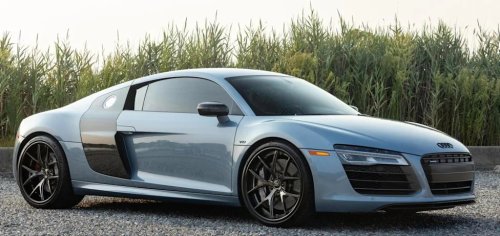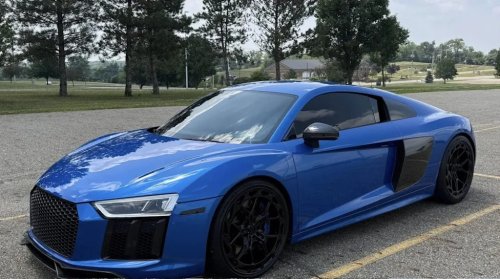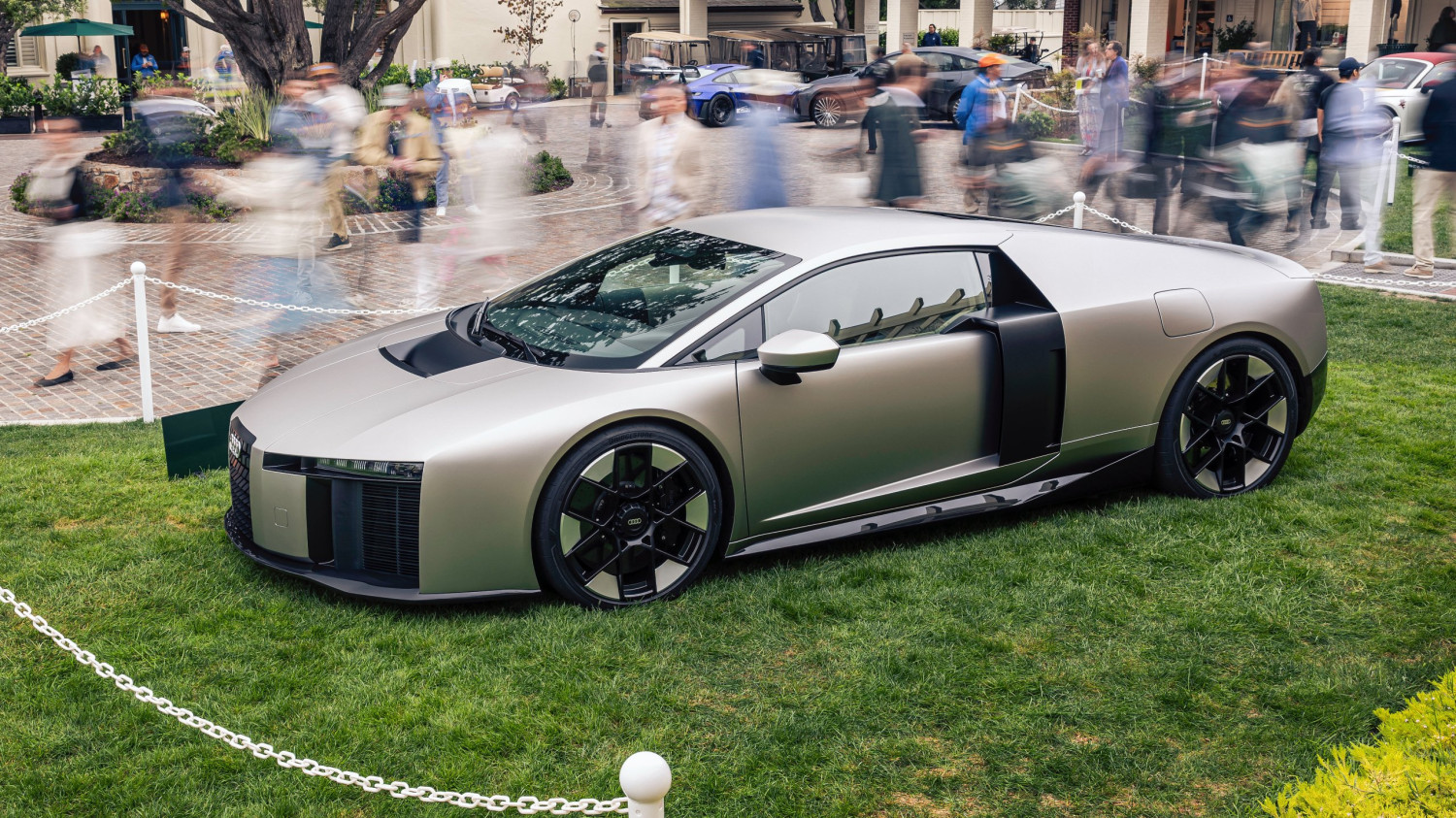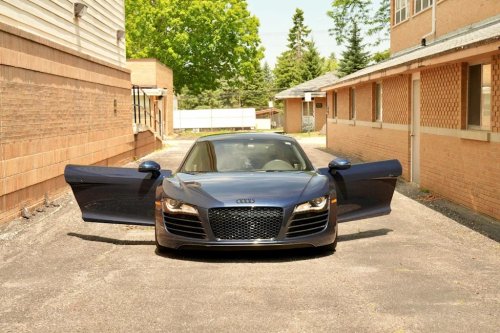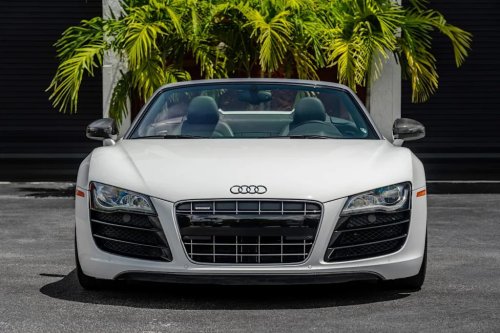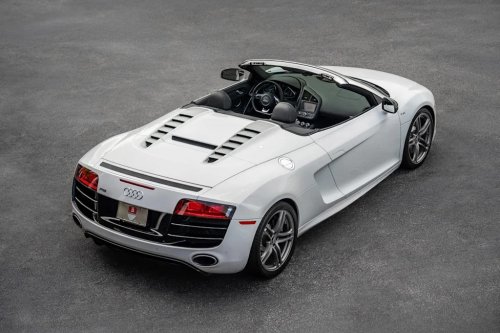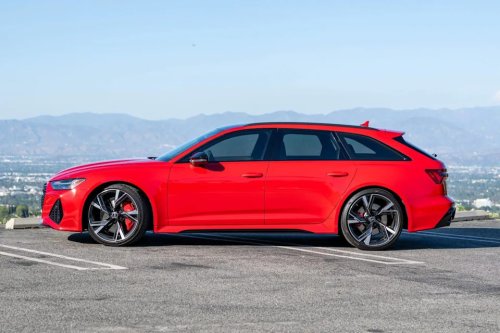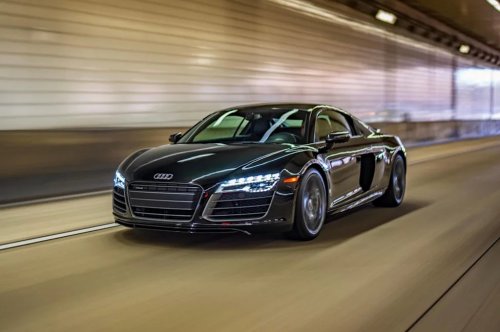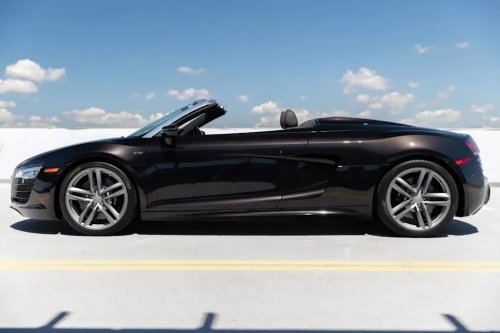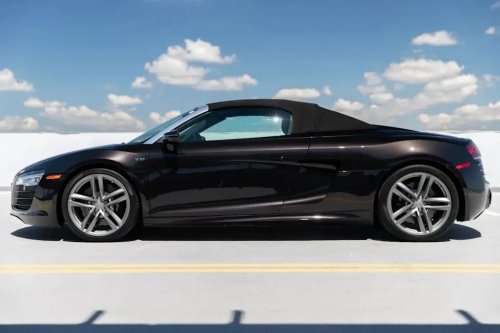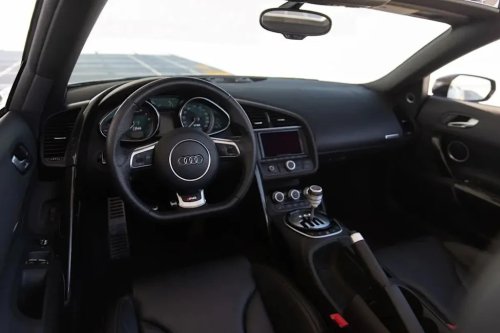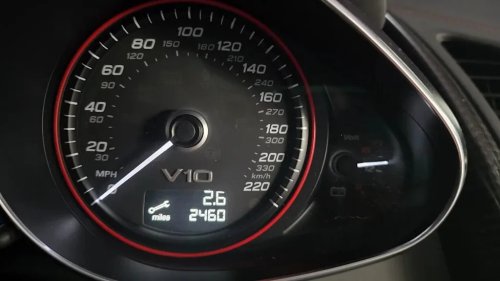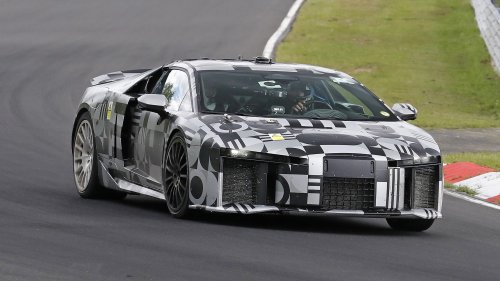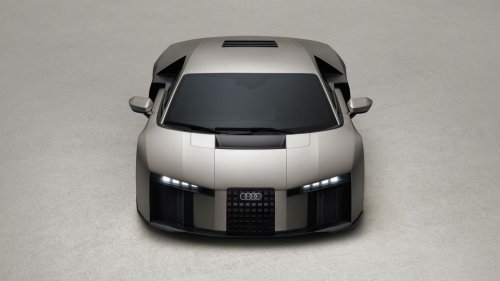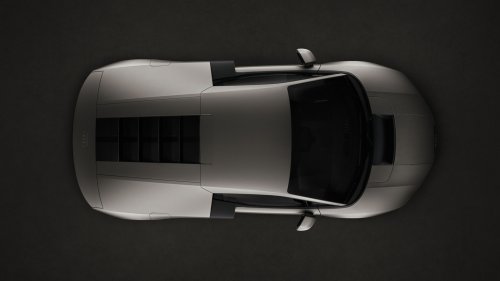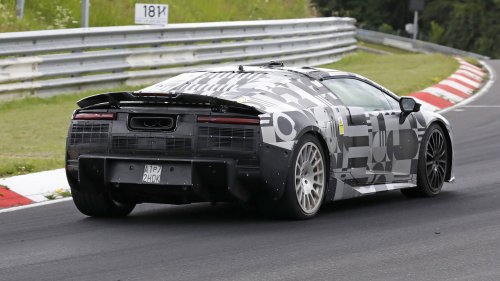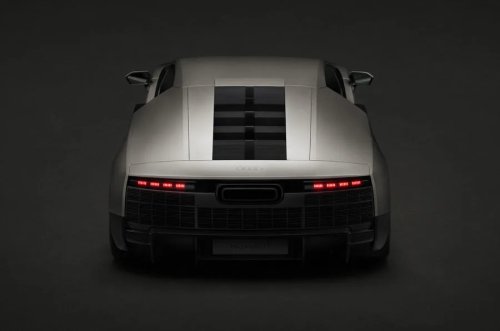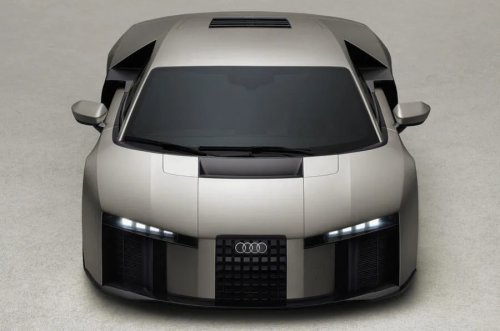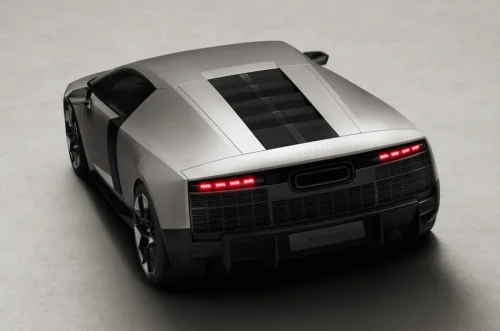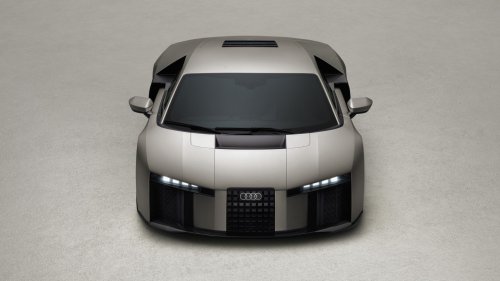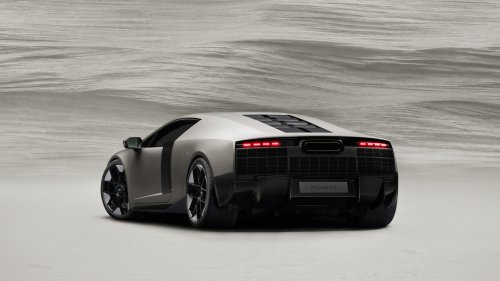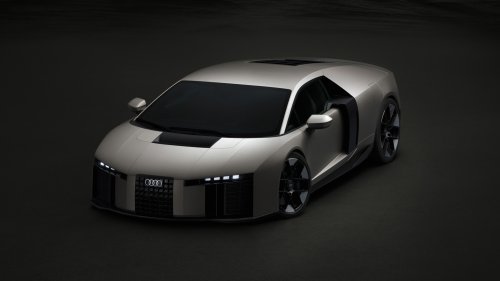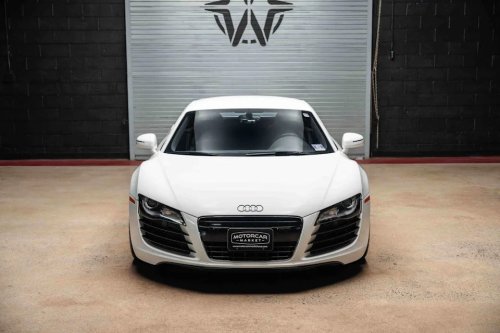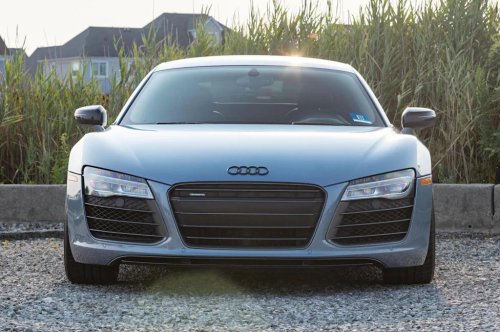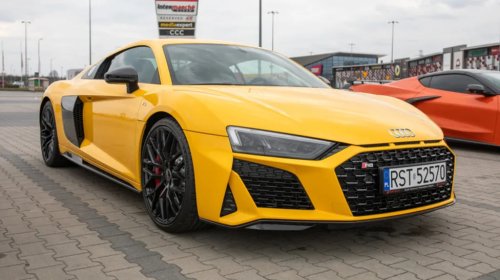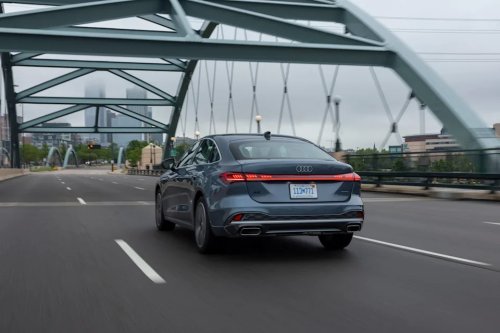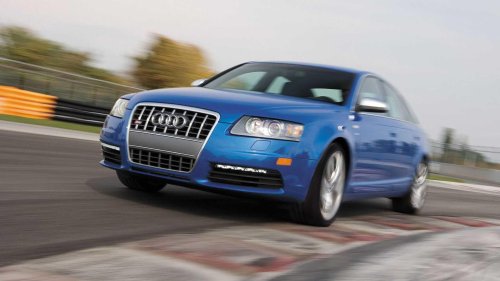
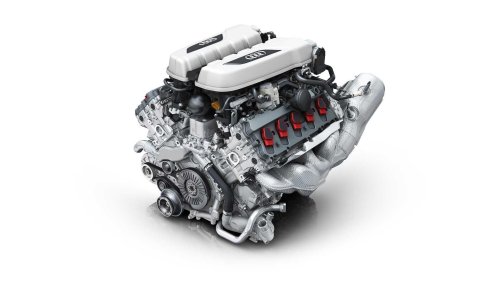
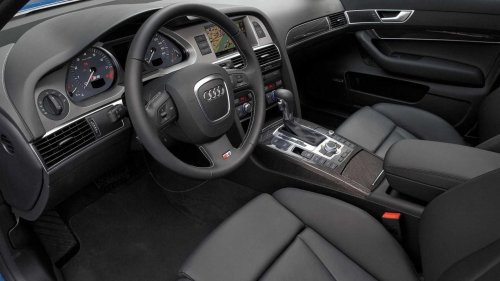
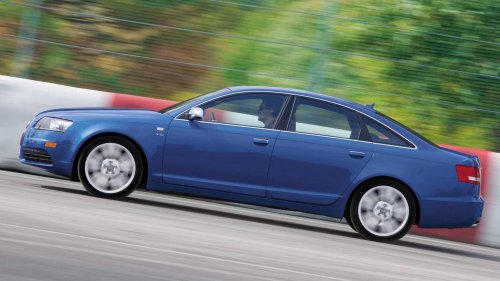
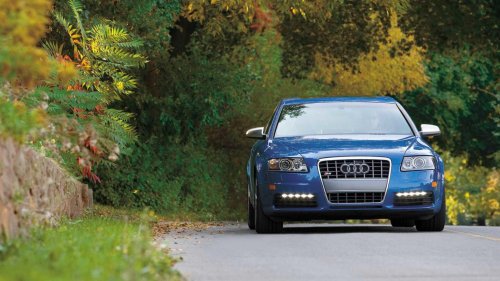
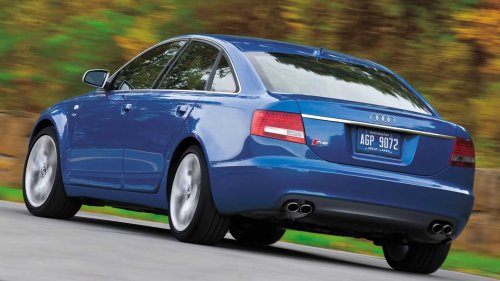
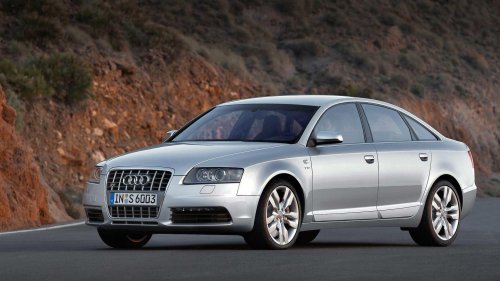
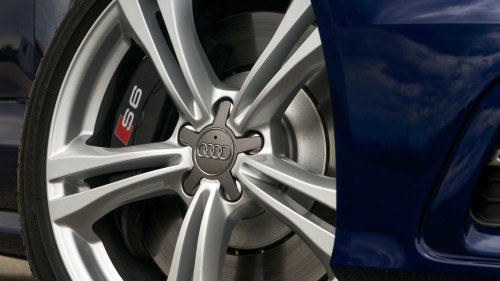


















Audi’s decision to discontinue its second-generation R8 ultimately spells the end of the German brand’s naturally aspirated run. The latest generation of Audi’s halo two-seater is set to drop in 2027, will likely borrow its chassis from the Lamborghini Temerario, and, most notably, will drop its tenured, 5.0-liter V10 for what’s expected to be a more emission friendly, twin-turbo V8. And – gasp! – a hybridized one, at that. While aftermarket lunatics like AMS Performance and Hennessey have equipped the temporarily departed sports car with their own twin-turbocharged packages in the past, this is set to be a first for the factory-developed, production R8.If we’re being honest though, the writing has been on the wall for Audi’s naturally-aspirated run for quite some time. You have to go back more than a decade to find the last naturally-aspirated Audi road car, that being the facelifted B8.5 Audi RS4 and RS5. You would have to travel even further back to find one that doesn't sport the legendary RS badge. The answer here being a purpose-built family sedan, no less, and a model that, sadly, is all-too often overlooked. It Certainly Had The Power AudiArguably, what the C6 generation of Audi S6 lacked in terms of direction (we’ll come back to that a little later), it more than made up for with firepower. Under the subtly sculpted hood, after all, was a naturally-aspirated, 5.2-liter V10 that produced a whopping 435-horsepower. That, incidentally, was nearly 100 hp up on the previous, 4.2-liter V8-engine S6.Unsurprisingly, performance was suitably sprightly. Power, as standard, was sent to all four wheels via a six-speed Tiptronic transmission. As such, zero to 60 mph was done in a sonorous 4.8 seconds, and the S6 would only run out of steam at an electronically limited 150 mph. Though far from M5-levels of grunt, and perhaps a little tame given the nuclear weapon strapped down beneath the engine bay (the V10 did, in fairness, have to haul 4,200-plus pounds off the starting line), one of Audi’s last naturally-aspirated road cars was unsurprisingly brisk.AudiThat the S6’s naturally-aspirated V10 was the exact same engine used to power sister brand Lamborghini’s then-entry-level Gallardo is a misnomer: the latter was smaller at 5.0 liters, less tuned for everyday usability, and used a dry-sump to better handle high cornering forces. The S6 did, however, share its engine with the larger, D3-generation S8 sedan, which produced an only slightly higher 450 hp. Ironically, the S6 outlived its larger brethren by just a few months as production on the second-gen S8 was discontinued in late 2010. Design Tweaks Over The Base A6 Were Amazingly Subtle AudiMuch like its power delivery, the Audi S6’s design was surprisingly restrained too. The rounded nose and curved lines on its A6 counterpart remained mostly unchanged, Ingolstadt adding chromed vertical struts on the radiator grille, flared-out wheel arches and rocker panels, and larger, 19-inch wheels. Oh, and, in a neat touch, daytime running lights low down the front bumper consisting of 10 LED bulks in a nod to the V10 engine. Throw in select ‘S6’ badging across the rear deck and front grille, plus Nappa Leather sports seats, a three-spoke S-Line steering wheel, and a bespoke instrument cluster, and Audi’s designers were happy to call it a day.Granted, against the more raucous likes of the RS6, and even the smaller RS4, such a subtle makeover could be considered, quite frankly, a bit lazy. Arguably where the S6 excelled then, was in offering spell-binding performance but without garish arches and flash finishes — a sleeper sedan for those that lusted after performance, without wanting to shout from the rooftops about it. That's a recipe that Audi knows all too well. Sadly, The S6 Didn’t Wow Through The Corners AudiWe should point out, before the comments section goes full turf war, that the C6-gen Audi S6 was not a poor handling car. Far from it, in fact. More stiffly sprung suspension and adaptive dampers meant the two-plus ton, premium S6 was still impressively composed through the corners. Despite the heavy V10 hanging over the front axle, understeer was kept nicely at bay thanks to more than half of the power being sent to the rear wheels via a limited-slip diff. Larger, ventilated brakes helped bring the big sedan under rein too. Admittedly, despite the direct steering, a muted response from the front wheels (a regular criticism of Audi’s all-wheel drive quattro models at the time) meant Audi’s S cars felt less alive than their more poised BMW and more lunatic Mercedes-Benz rivals.Ironically, in Sport-ifyng the A6, Audi had shot itself slightly in the foot. The supple ride in the S6, for example, thanks to its more aggressively tuned suspension and damping, was inevitably sharper than on its base model, while the thunderous V10, despite a superbly insulated cabin, was inevitably more intrusive than the entry-level model’s V6. Simultaneously, its spot on Audi’s lineup meant the S6 struggled to escape the RS6’s elongated shadow. The latter, after all, thanks to further upgraded suspension, a lower curb weight, and a more rear-biased quattro drivetrain, was more agile and, bluntly, more fun, both in a straight-line and through the corners. Why Audi’s C6 S6 Never Really Had Its Day AudiIntroduced at that year’s North American International Auto Show, the C6-generation Audi S6 was immediately slotted in above its more mainstream, though still very premium, A6 counterpart in Ingolstadt’s lineup for 2006. Right into no man’s land, as it turns out. Below the S6, for example, was the admittedly smaller, but more dynamic, agile and almost as powerful RS4, Audi’s second-generation answer to the BMW M3 from which the silks had been thrown just one year prior. Granted, the S6 was still the sportiest example of the A6 Audi customers could buy from 2006 to 2007. But at the Frankfurt Motor Show in late 2007, Audi unveiled the new, more powerful RS6 Avant with which Ingolstadt would go to battle with the BMW M5 and Mercedes-AMG’s E 63 S. Bar that two-year grace period, that ultimately left the S6 with precious little time to flex its V10 muscles.AudiWith a $74,020 MSRP, for example, the sportily-tuned S6 was ‘only’ around $5,000 more expensive than the lighter, more dynamic, and, bafflingly, almost as practical RS4 Avant. This $74,000-plus change asking price was, admittedly, close to half the price of the tire-eroding, apex-hugging RS6, so for those customers who wanted a dash of quattro performance with all the perks of Audi luxuriance, on paper at least, the S6 was a bargain. Those customers just looking for Ingolstadt-quality refinement, however (and there were a lot of them), leaned more towards the cheaper, V6-engined, but no less civilized A6, saving almost $30,000 in the process. Even the larger, entry-level (ahem) six-year-old A8 could be bought from just a little over $5,000 more than the S6 sedan.It was an awkward position in which the S6 remained for a further two generations before the plug was pulled altogether for 2026, Audi having decided to amalgamate its mid-sized A5 and A6 models together into its more streamlined lineup. What You Can Buy A C6 Audi S6 For Today AudiHappily, two decades on from its launch, Audi’s third-generation S6 does finally appear to be enjoying its day of days on the second-hand car market. Indeed, in our searches on the CarBuzz Marketplace and the wider market, we stumbled across pre-owned examples of the S6, in various trim levels, from just $6,600. Even more impressively, very few of these models vault over the $20,000 mark.Several of them even feature optional extras like carbon fiber inlays in place of the conventional wood trim, larger 20-inch wheels, and an upgraded Bose surround sound system. Theoretically then, you could find a 435 hp Audi S6, capable of 150 mph, with optional extras, for less than the price of a brand-new Hyundai Venue. Potential Problems You Could Come Across AudiOf course, interested enthusiasts may still want to exercise caution. The mileage on nearly every old model we found, for example, is well into the six-figure range, and, on 20-plus year-old pre-owned models particularly, it’s advisable to inquire about full-service histories before pulling the trigger. Moreover, robust as Audi’s reliability record is, the third-gen S6 did have its problems, according to previous owners and independent watchdogs like Consumer Reports. Bushings on that tightened suspension, for example, may well be worn out after nearly 20 years of service, and a V10 tuned for performance and everyday usability could prove expensive if upkeep has been slap-dash. Don’t be too surprised too if running costs on a heavy, 10-cylinder sedan with only moderate fuel economy to begin with quickly becomes ruinous.Not that this should put potential buyers off too much. Though arguably less spirited than its immediate rivals at the time, certainly less dynamic than either of its RS stable mates, and less civil than the A6 on which it was built, the C6-gen S6 is, nevertheless, one of the last remnants of an Audi era now gone. One that offered a V10 soundtrack with benchmark grunt, surprising agility through the corners, and an admirably restrained design. 20 years after its launch, Audi’s unfairly overlooked S6 has earned the right to step out of the shadows.Source: Audi