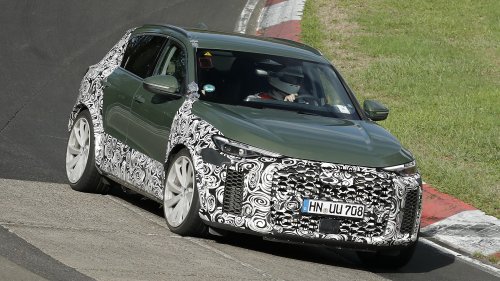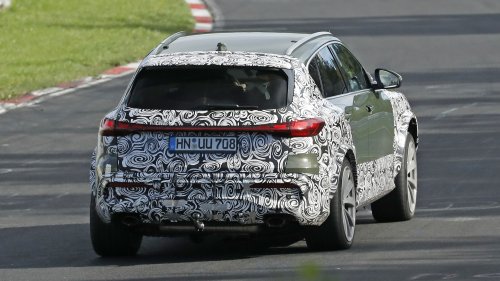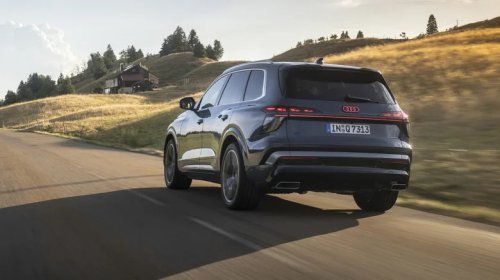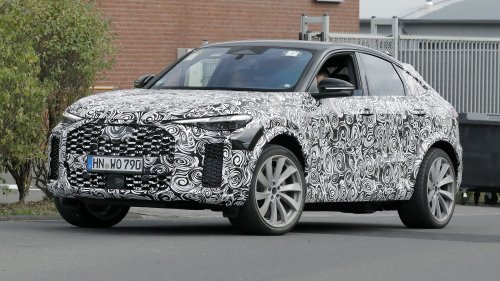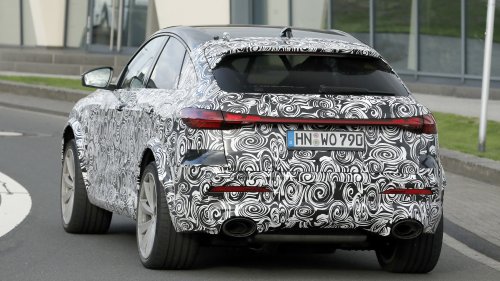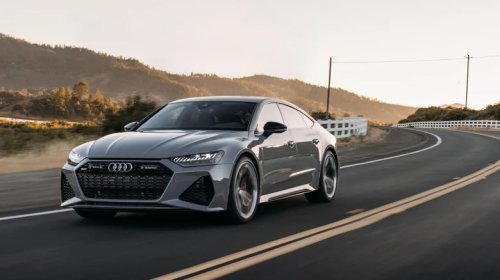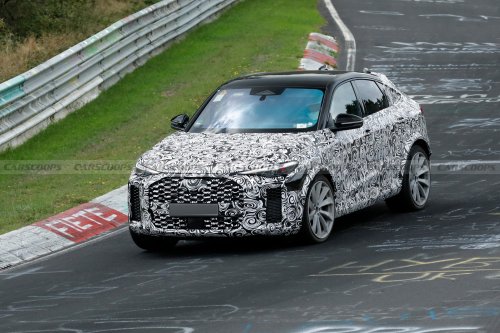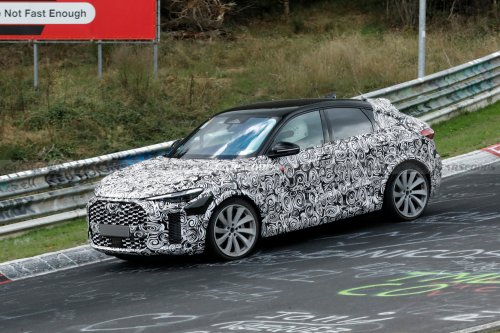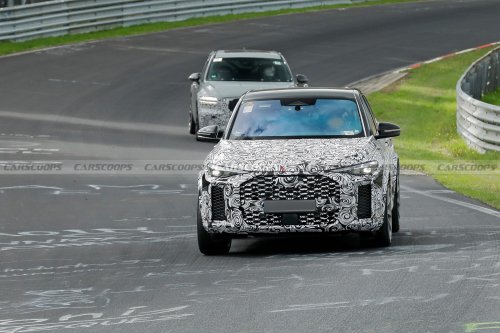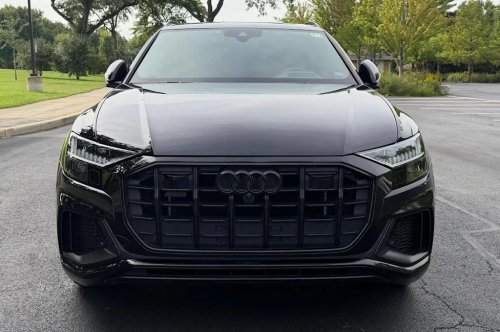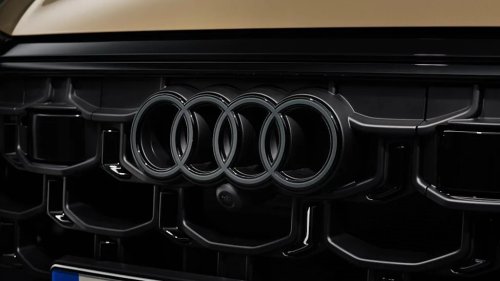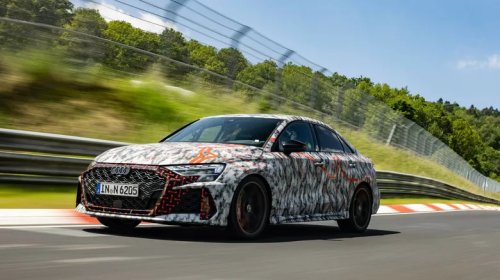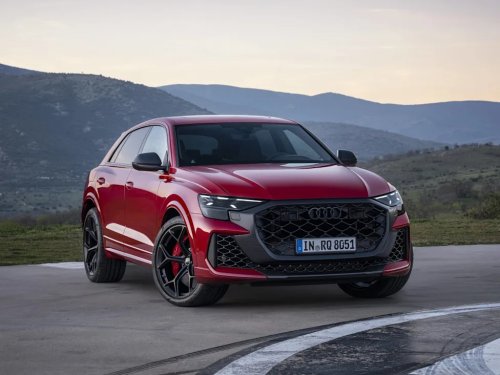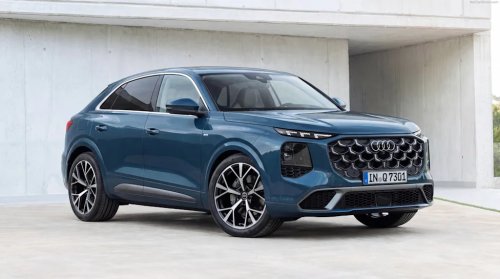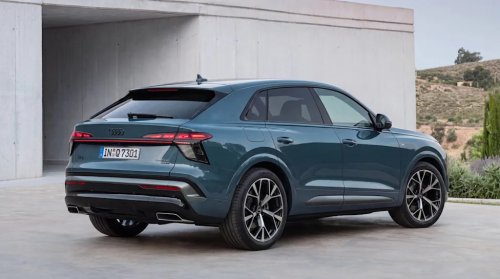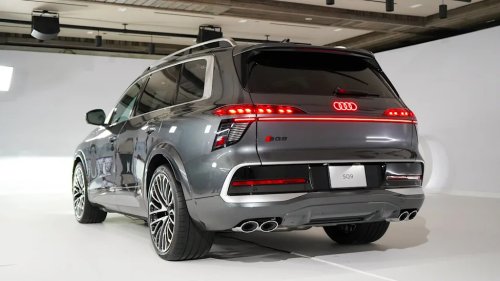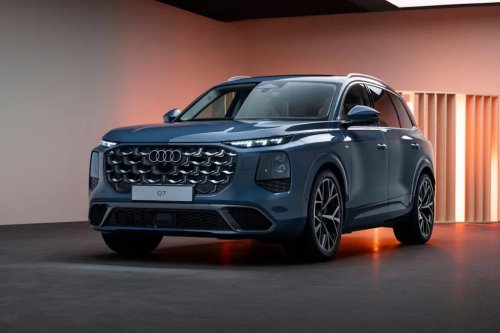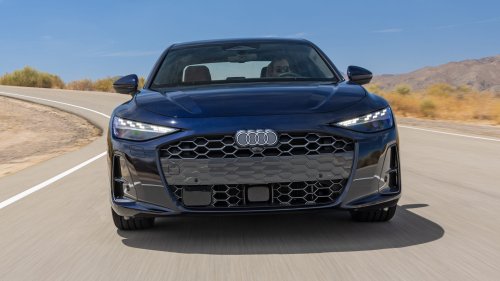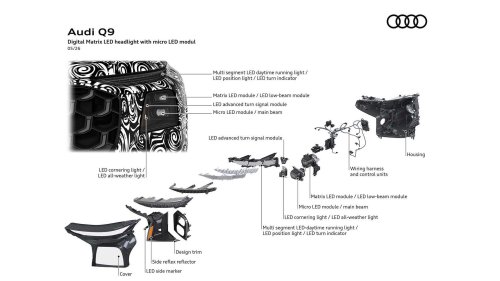

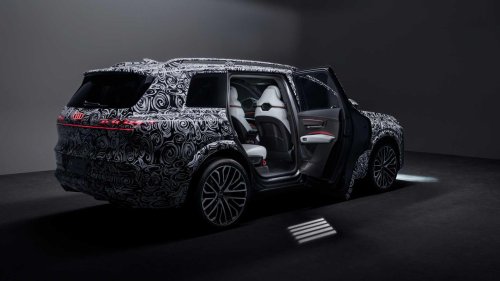
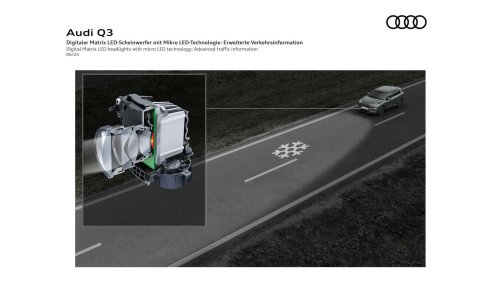


















For years, headlights on cars sold in America have been woefully handicapped compared to their European counterparts. That's because we've never received the full capabilities enabled by Matrix LED lighting, largely due to outdated legislation with roots still tied into the days when sealed-beam headlights were prevalent. But following a rule change in 2022, Audi has been hard at work developing headlights that comply with US legislation and deliver a global performance standard. And now the day has arrived when the first model bearing those fruits has arrived.To put it another way, things are about to get lit at your local Audi dealer. The Q9 SUV isn't just going to launch Audi's biggest model ever, it's also going to bring a whole new set of headlights to the US market with full adaptive driving beam capability. No dark spots, perfect visibility, and no dazzling oncoming drivers. Extreme Visibility, No Dazzle, No Glare Audi Forget high and low beams or the adaptive lights that turn left and right when you go around corners. The Audi adaptive driving beam Digital Matrix LED lights are like having tens of thousands of lights in one unit, and all of them are adjustable.The new Q9 doesn't have halogens or Xenons, or even the laser lights that were cutting-edge half a decade ago. Audi lighting experts told us in Munich earlier this month that lasers are dead. Instead, there are micro-LED modules. Each of the micro-LED modules, one per lamp, is around half an inch wide, but that's not small enough to make this system work. So every module has around 25,600 micro-LEDs, and can put out maximum brightness all the time. Crucially, each of those micro-LEDs can be controlled individually.This doesn't just mean maximum light down the road for you, it also eliminates glare for oncoming drivers. Using cameras and other sensors in the front of the vehicle, the Q9's computers will figure out where the light needs to be – on the shoulder, at road signs, and as far down the lane as possible.The computers will also figure out where light shouldn't be. It can make a "shadow puppet" around other vehicles, specifically turning off the LED lights that would point at oncoming traffic or even the mirrors of the vehicle in front of you while putting maximum brightness everywhere else. And yes, it can handle multiple vehicles and other factors at the same time.The micro-LED tech is also not new to Audi. It launched last year with the new Q3 crossover. But it is new to the US, because the Q3's tech was only offered in Europe. CarBuzz was given a preview of the lighting tech in Munich earlier this month, where we drove Euro-spec Q3's equipped with the tech on German roads. The tech behaved flawlessly, carving out silhouettes around oncoming traffic while illuminating everything else clear as day. Not once were we flashed by oncoming drivers, despite perfect visibility from our Q3. Get Ready For The Fanciest Welcome Lights Ever Audi Other fun tech extras include advanced lighting scenarios, like projecting different things on the wall of your garage. It can better light up pedestrians, and dim for road signs. However, legislation still prevents all of the best functionality from coming to the US. We experienced a light carpet on the road ahead, with indicators to show positioning within the lanes and even arrows to indicate when you were drifting too close to the edge of the lane. On the highway, indicating for a lane change would illuminate the adjacent lane, too.However, these more extreme adaptations are deemed as animations by government officials, and are thus not allowed. The video below shows the full extent of the tech, but it's important to note the animations indicating lane placement, lane departure warning, and other warnings, are not (yet) allowed in the US. More Than A Decade In The Making Digital Matrix Lights are nothing new for Audi, it's how this system works that is a revolution. Its most recent system, using LEDs, launched in 2020. It used 1.3 million micro-mirrors that were electrostatically controlled. This system gets rid of the 1.3 million moving parts and doesn't have to use low beams.It has taken years for US headlight regulations (which remain out of date) to change and for US regulators to work with Audi and other automakers to make the change happen. The big issue, ironically, was with glare. Because the test couldn't adapt to the ability of the lights to reduce light (and glare) only in the desired places. Audi has been in continual dialog with lawmakers, showing them how its tech works in a bid to have the legislation changed, and while the 2022 updates may not have enabled the old tech to come to the US, it was enough of a change to allow Audi to work on technology that complies and brings significant functionality.Speaking to Stephan Berlitz, Audi's head of lighting development, he told CarBuzz the new lighting technology was a sort of halfway meeting point between Audi and legislators, following more than a decade of consultation. He was adamant that Audi wasn't the only stakeholder lobbying for change, with other OEMs also included in the Transport Lighting Alliance, but the open dialog between Audi and the NHTSA enabled Berlitz and his team to develop new technologies with the regulations in mind, resulting in the tech we'll see in the Q9 when it arrives later this year.Audi The CarBuzz Take: FINALLY! It took the US government years to finally update its regulations regarding adaptive driving beam headlights, despite overwhelming evidence that the technology reduced glare and improved visibility. But now that the door has been opened, Audi is leaping headlong into bringing it to market as quickly as possible. Having experienced it firsthand, we can attest to how effectively it illuminates vast areas without blinding oncoming drivers. And unlike older systems, which disabled massive segments of illumination to function, the incredible resolution of these micro-LED clusters means the light pattern is constantly adapting, almost unnoticeably.AudiFrankly, it's about time America got this tech. The full gamut of functionality remains locked away, but this is largely behind a wall of software, and Audi remains committed to the cause. According to Michael Kruppa, head of front light development for Audi, the brand is maintaining a dialog with the NHTSA to show them the possibilities, evaluating the feasibility of new technology and proving the value of animated headlight projections.