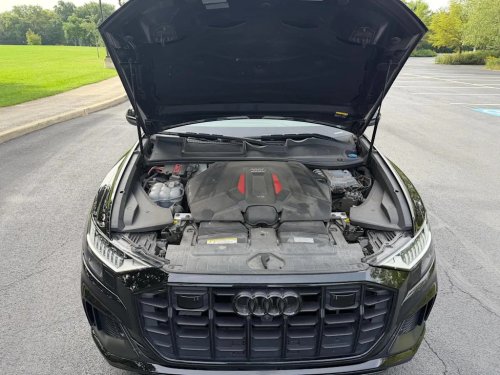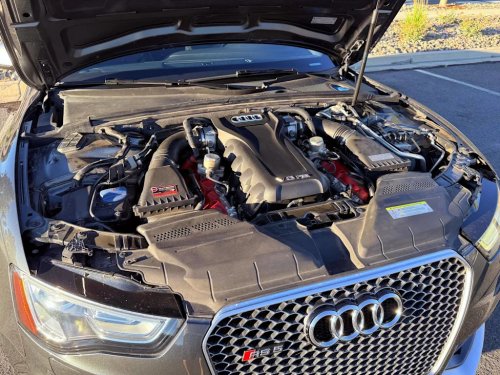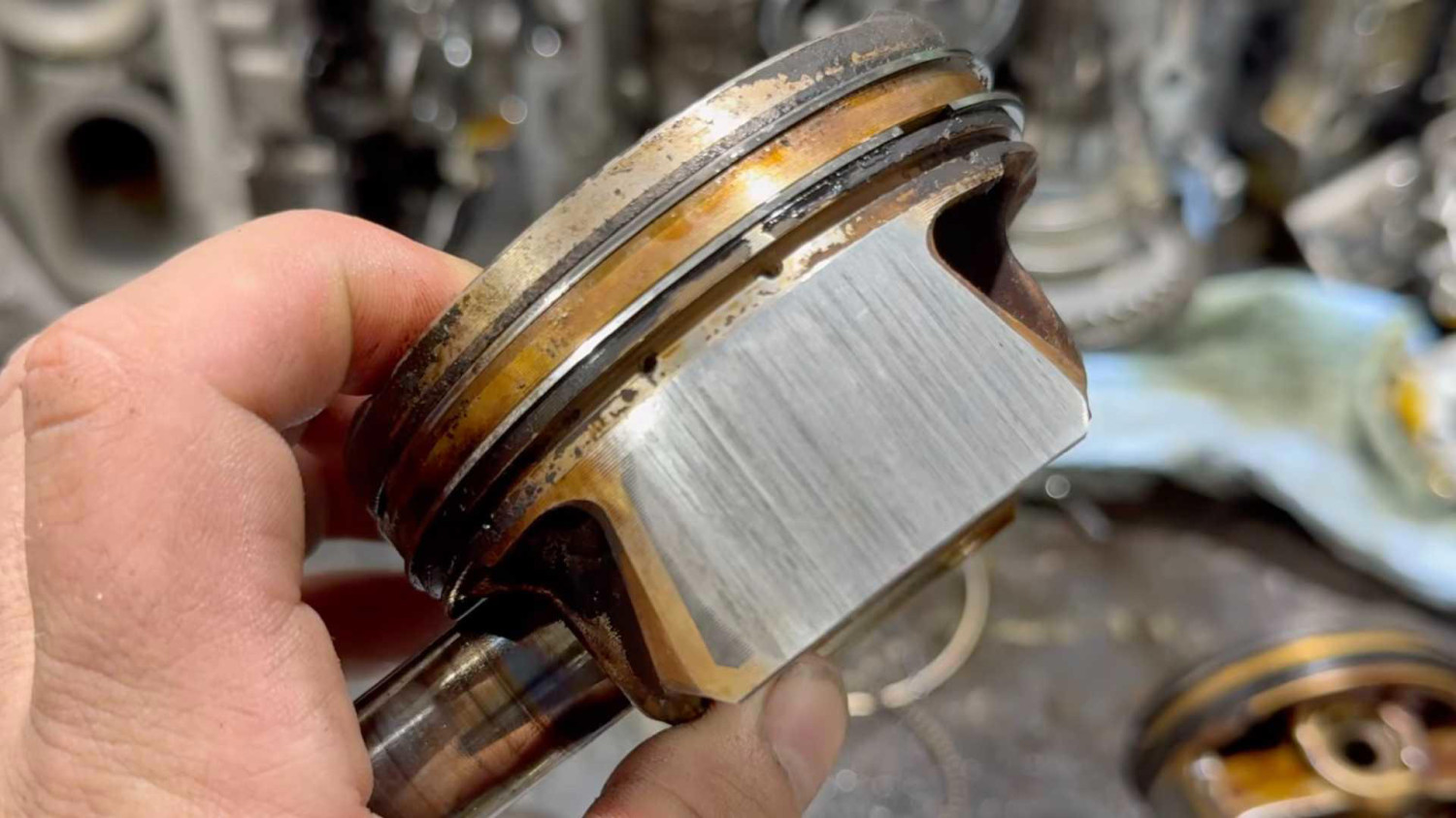




















Buyers expect a lot from modern cars. Automobile prices continue to rise, people are extending their loans for longer periods, and the average age of vehicles still on the road is increasing. With this info in mind, it's shocking to think of a vehicle's engine failing after barely five years and just 47,000 miles. However, that's what happened to this turbocharged V6 out of a 2021 Audi S4.This video from I Do Cars tears down the Volkswagen Group's EA839, which is often marketed as the 3.0 TFSI in Audi models. It's a 90-degree, dual-overhead-cam V6 with a 3.0-liter displacement. The hot-vee configuration places the twin-scroll turbocharger in the "V" between the cylinder heads. The mill also has an aluminum block and heads to keep weight down. In a 2021 S4, it makes 349 horsepower and 369 pound-feet of torque. Audi Engine Issues The EA839 is a widely used powerplant for Audi, including powering the S4 sport sedan from 2017-2025. The company also installed the unit in the S5 and SQ5, and Porsche offers it in the Cayenne and Panamera. Despite being widely used, spares of these engines are hard to find and are generally expensive when one is available, with I Do Cars saying they go for $8,000 to $10,000. Generally, when it's that hard to find a used engine, it means they're in demand. That's not a good thing.It's fascinating to see the engine come apart. The timing system engineering is particularly elegant. The setup is partially gear-driven off the crank, and there are two fairly short chains going to each bank of cylinders. There's also an odd camshaft design that mounts them directly to the valve cover. But, since it's Audi, it's all at the back, which means any timing issues are an engine-out repair. Piston Problems I Do Cars/YouTubeThe problems with this engine aren't obvious until the pistons are exposed. There's significant scoring in the bores of nearly every cylinder on one side, but not the other.Once everything is apart, the pistons reveal the problem. After less than 50,000 miles, there is a considerable amount of skirt wear. There's lots of scoring, but it's only on one side of each piston skirt. According to the video, this is a known issue with these engines. Audi has responded by revising the piston design several times. It's not clear which version this engine is using. If this problem goes on long enough, it could eventually lead to cracks in the piston, but this one isn't that bad.The video notes that while piston issues are a known problem for the EA839, there may be other factors behind this unit's failure. This particular powerplant previously had its water pump and thermostat replaced, which would also be a major problem for a 47,000-mile engine. An air pocket in one bank of cylinders could cause the pistons on one side to fail.If the EA839 is having this issue, the driver would notice a rotational tapping noise that increases with more revs. A shop can remove the spark plugs and use a borescope to see inside each cylinder to look for scoring. Unfortunately, it doesn't seem like there's much an owner can do to prevent this issue from happening, making the potential fault something owners need to fear. And if it happens outside of warranty coverage, it could be a major expense getting the car back on the road. CarBuzz Insight – Why This Matters: AudiEngine teardown videos are fascinating because they offer a rare look into a vehicle's heart. Without access to one of these powerplants and the necessary tools to take it apart, a normal person would never get this opportunity. Plus, the I Do Cars clips are especially good because the host has enough knowledge from making a business out of spare engines to tell the audience the problems with a particular mill.Entertainment factor aside, this also serves as a public service message to people potentially looking to buy a car with this engine. In regard to this Audi, the EA839 is a fantastic piece of engineering that's full of precision-manufactured parts. But seeing just how easily these engines can develop major (and expensive) problems can, at the very least, give buyers something to check before making a purchase.