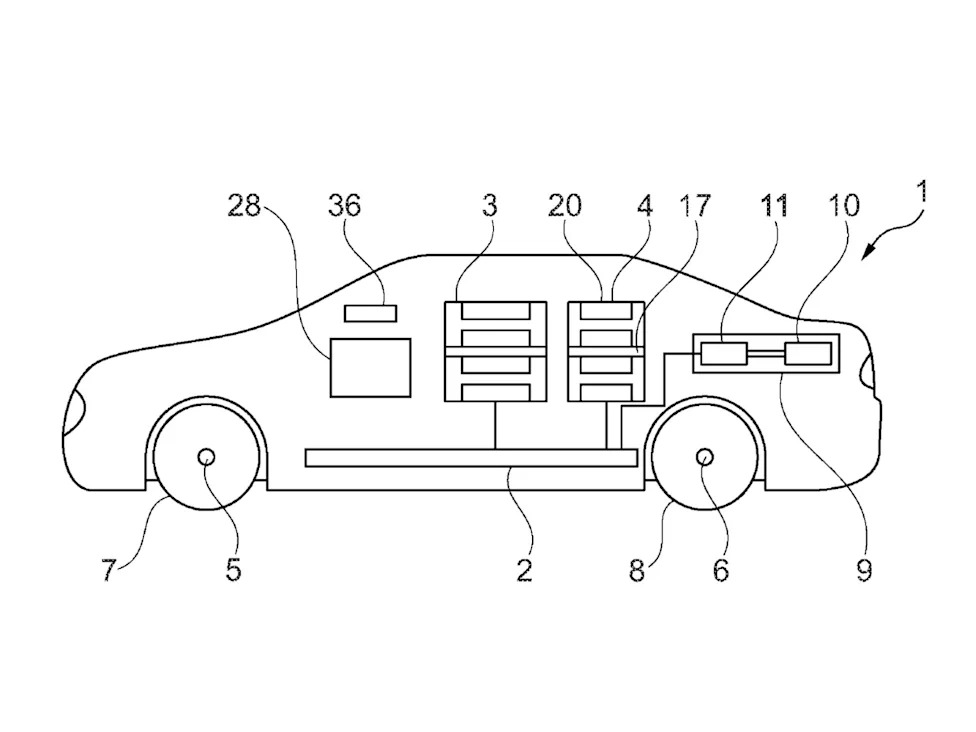
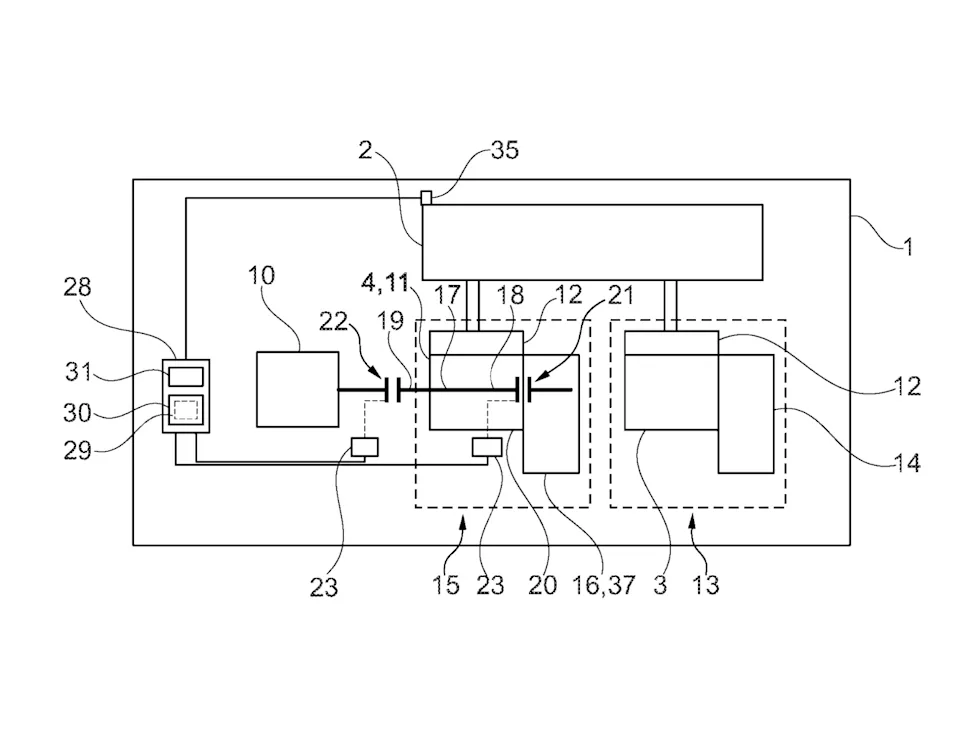
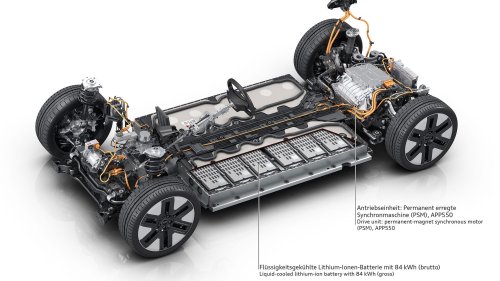
Autoblog and Yahoo may earn commission from links in this article.A Different Kind of ElectrificationWith hybrids becoming more popular, especially in the U.S. amid a slowdown in EV sales growth following the expiration of the $7,500 federal EV tax credit last year, automakers appear to be exploring ways to get more out of their powertrain setups. Last month, a Porsche patent application was published describing a system combining EV, extended-range electric vehicle (EREV), and hybrid capabilities in one package.Now, fellow Volkswagen Group brand Audi has an entry. The German marque's newly published patent application (look for patent no. 20260217104) describes a range-extender powertrain designed to reduce costs by eliminating a dedicated generator and instead using a secondary electric motor to charge the battery. It may sound complex, but the secondary motor is the only unusual element, and understanding its dual role makes the system easier to grasp.AudiThe Motor That Pulls Double ShiftsIn this system, the primary motor drives one axle, plain and simple. The secondary motor can power the other axle when the driver needs more performance or all-wheel drive. When the battery needs charging, the system disconnects the secondary motor from the axle and connects it to the gasoline engine, allowing the engine to spin the motor so it acts as a generator.AdvertisementAdvertisementIn a nutshell, the secondary motor can either drive an axle or act as a generator, but not both at the same time. This setup could reduce costs because it would not require a separate generator and its associated hardware.The proposed system is closer to an EREV than a plug-in or conventional hybrid because the combustion engine does not mechanically drive the wheels. For drivers, that could provide an experience closer to an all-electric car while retaining the ability to refuel at a traditional gas station, reducing range anxiety.AudiThe Quattro TimeoutAlthough Audi's concept could reduce costs, it may compromise performance at times. Because the secondary motor cannot propel its axle while generating electricity, all-wheel drive and full dual-motor output would be unavailable during range-extender charging. The system would also require careful calibration to ensure smooth transitions between charging and AWD modes without significant delays or abrupt changes.As with most patent filings, the application does not mean the automaker plans to put this powertrain into production. It may have been filed to preserve options for future products or prevent competitors from copying the design.AudiView the 3 images of this gallery on the original articleAdvertisementAdvertisementThis story was originally published by Autoblog on Aug 10, 2026, where it first appeared in the News section. Add Autoblog as a Preferred Source by clicking here.