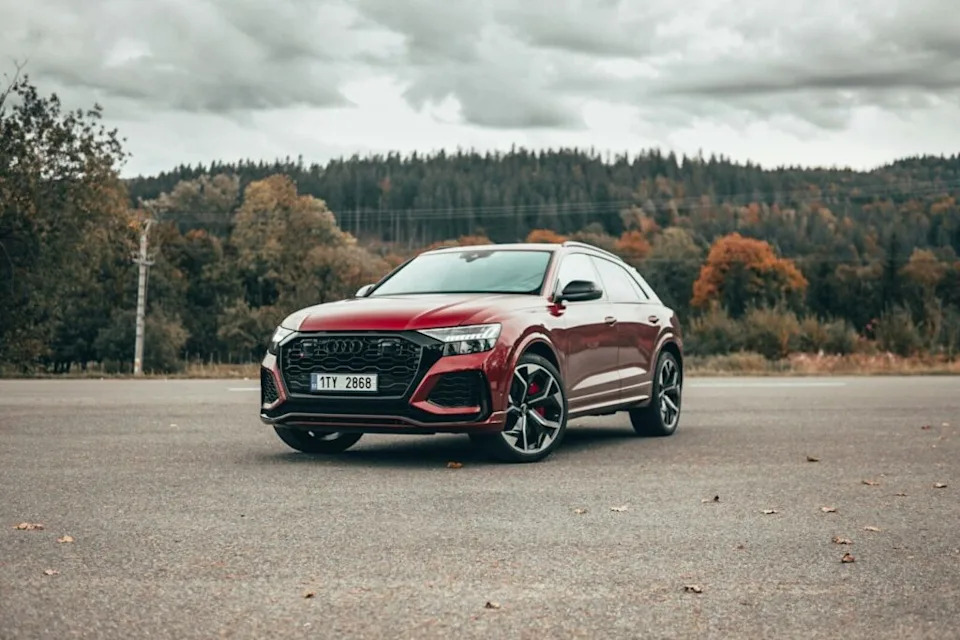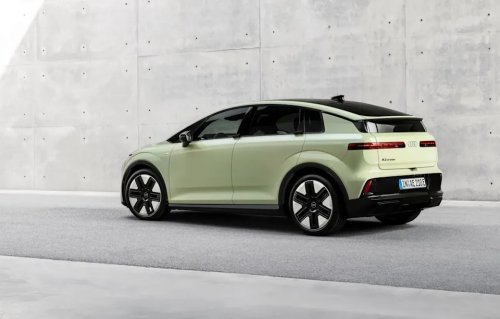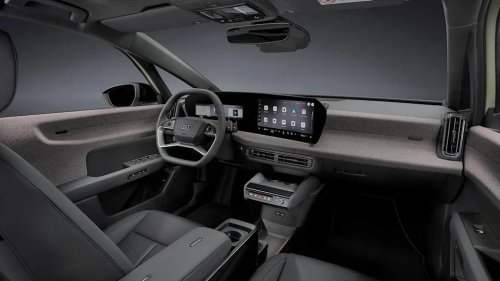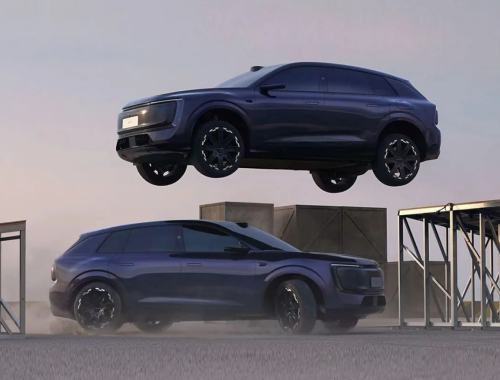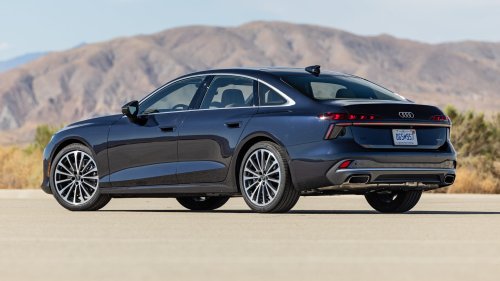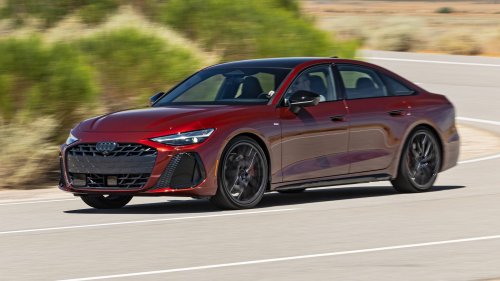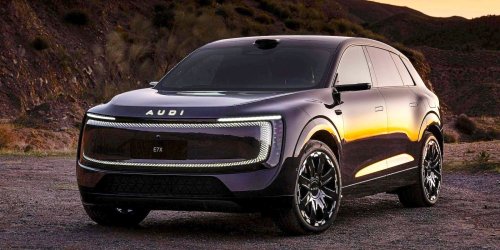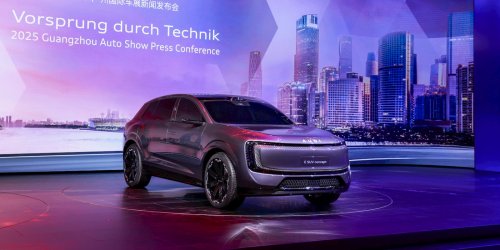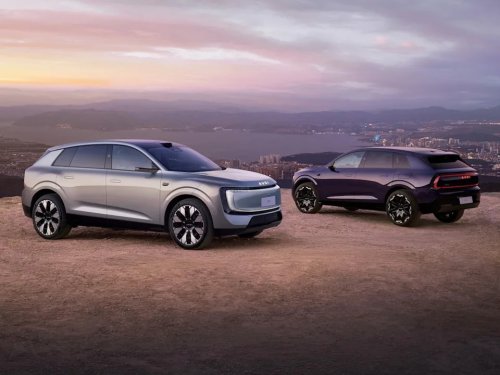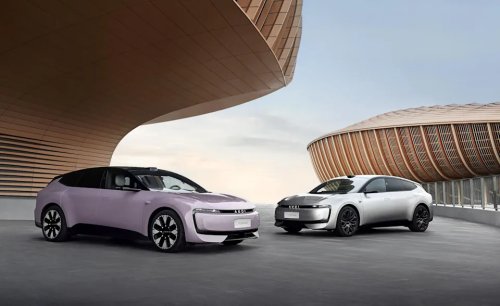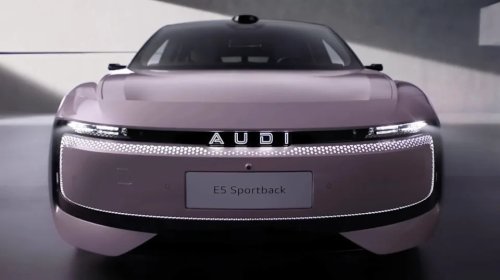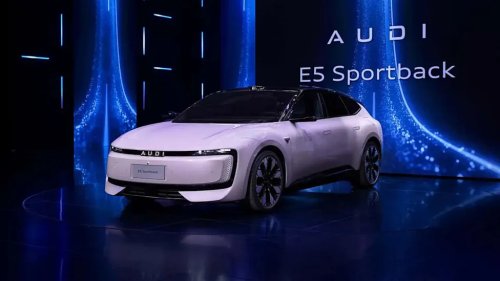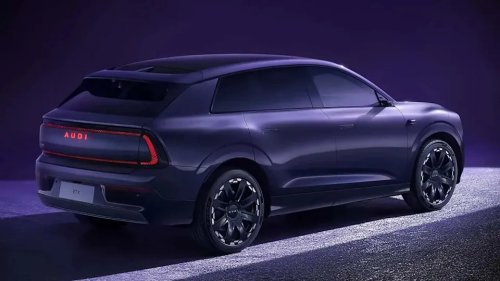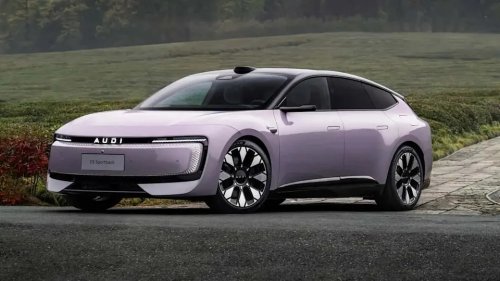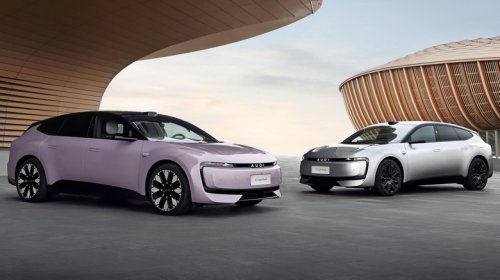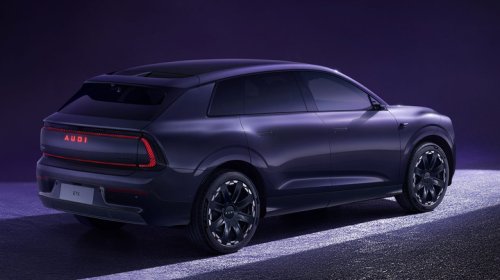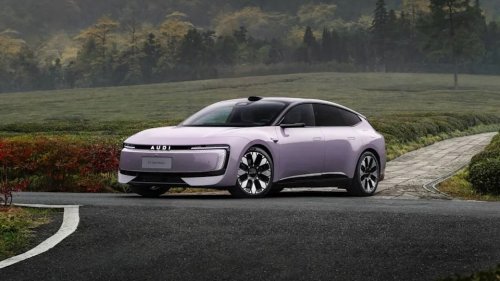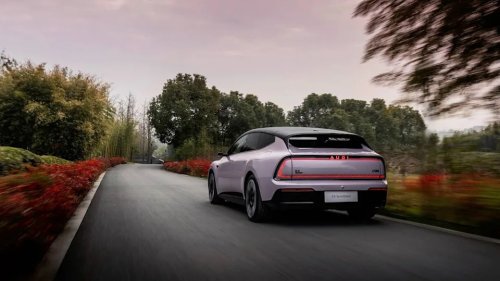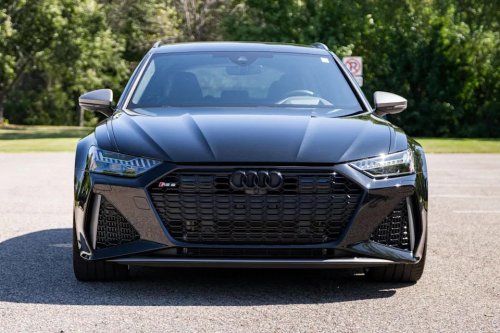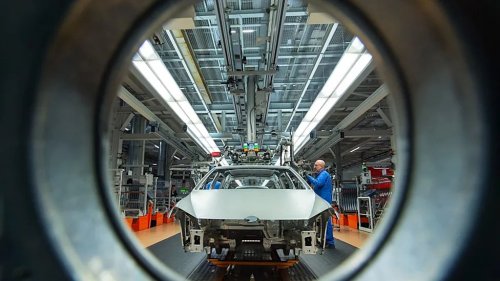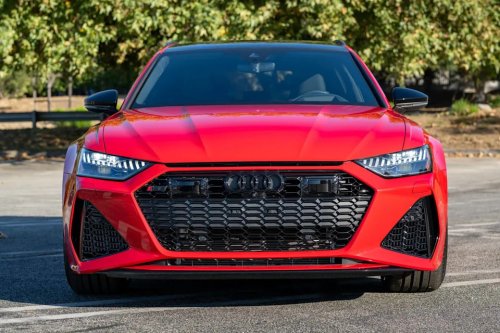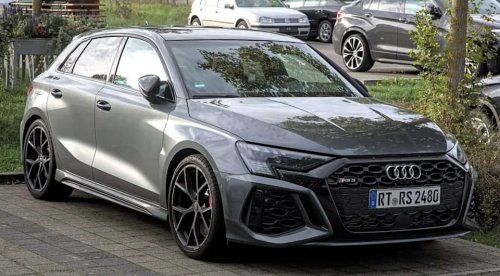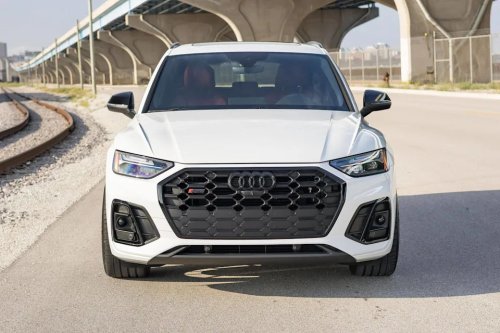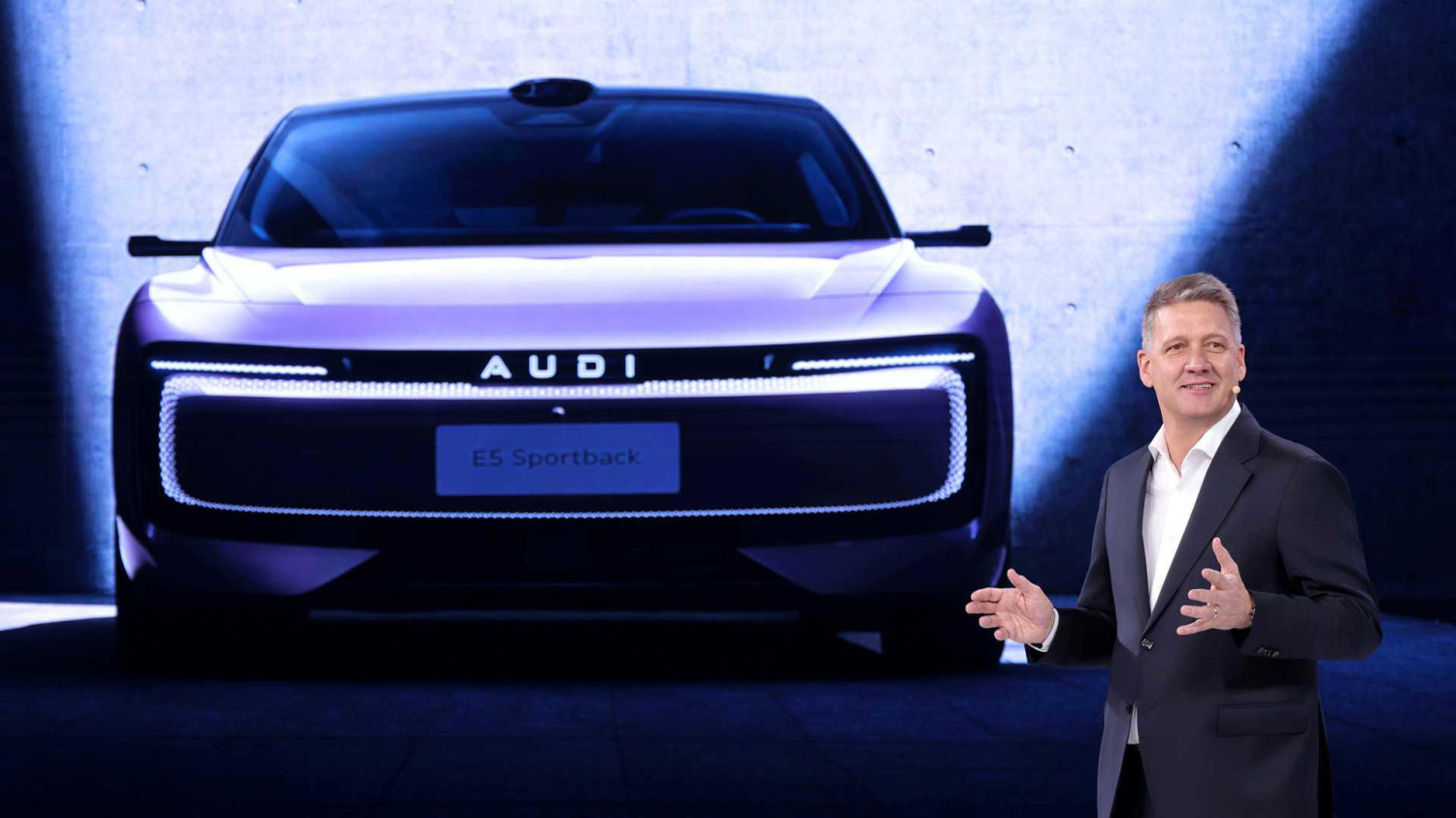
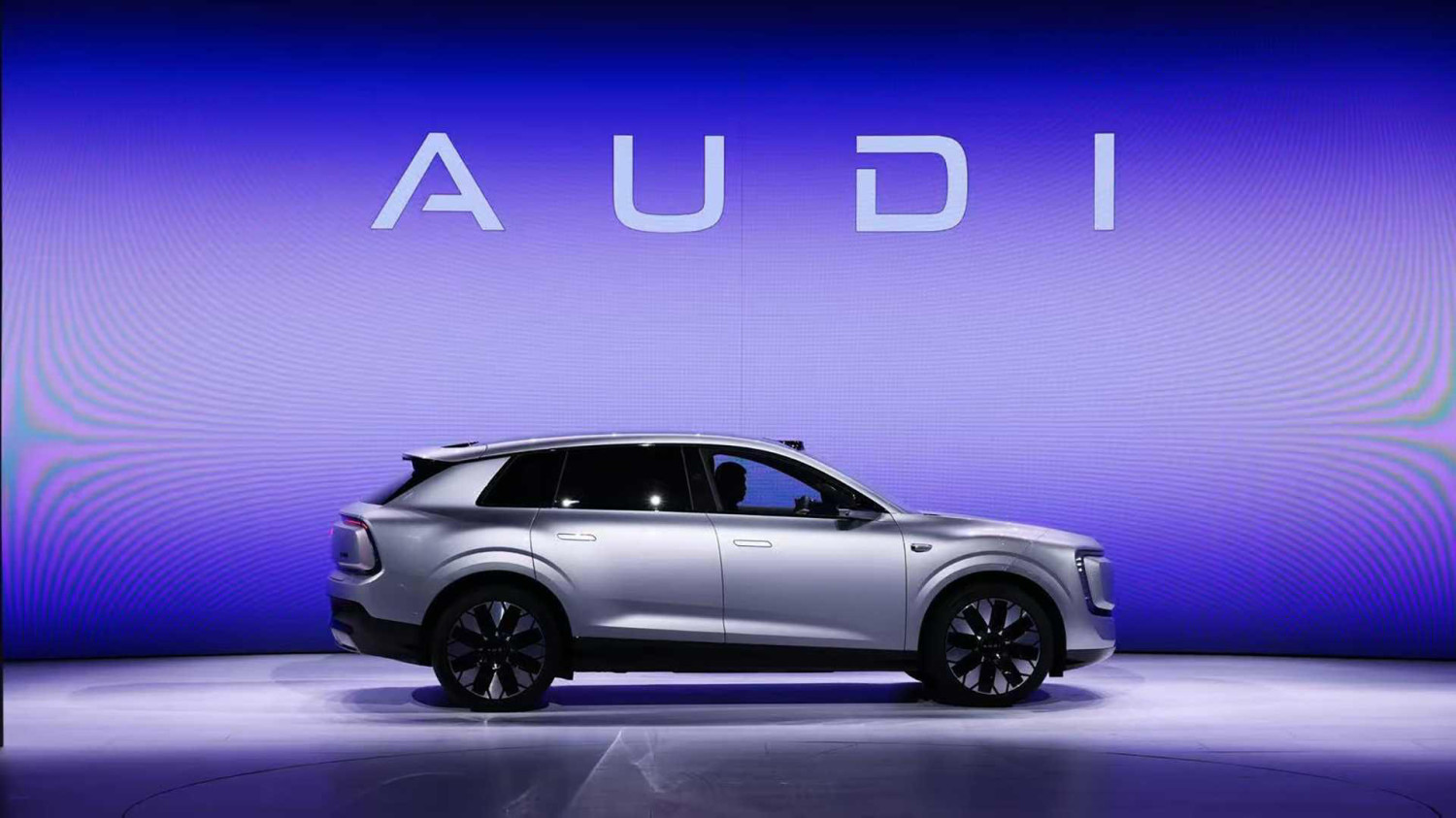
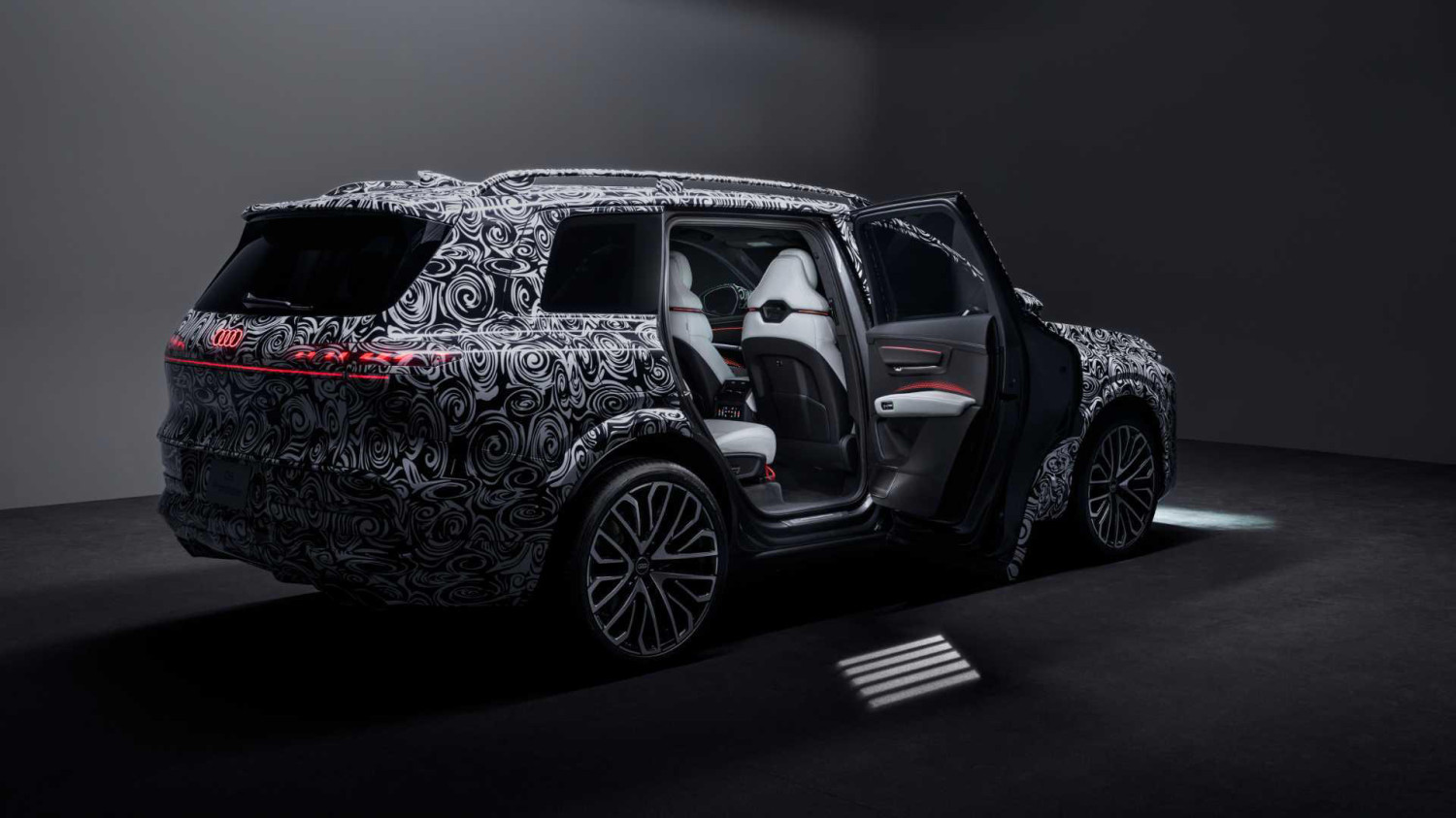




















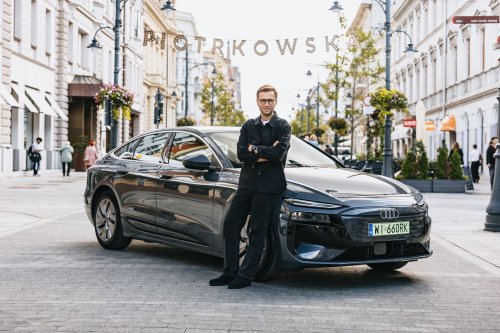
Luxury automakers have long enjoyed an advantage their mainstream counterparts can only dream of: customers buying into the badge as much as the product itself. That gives premium brands the freedom to shape consumer tastes rather than chase them, allowing them to sell largely the same vehicles around the world while cashing in on the massive economies of scale that comes with a global lineup.Mainstream brands have attempted the same formula, albeit with limited results. Former Ford CEO Alan Mulally famously pushed the company’s “One Ford” strategy during the late 2000s, consolidating regional products into unified global models. While the move helped shield the automaker during the Global Financial Crisis, it ultimately cost it significant market share in some regions, particularly in Europe, where the Blue Oval was once a strong player with revered nameplates that are now dead, like the Ford Fiesta and Ford Focus.Well, it seems premium automakers now find themselves in the same boat, and according to Audi CEO Gernot Döllner, luxury automakers also can no longer rely on a global-product strategy. Speaking at a media roundtable in Munich, Germany, where CarBuzz was in attendance, Döllner explained why. Audi With A Head Start AudiDöllner made the position unmistakably clear: the era of the global product is over. Fortunately for him, Audi is already moving faster than its German rivals in responding to the fragmentation of global demand, particularly in China, where customer expectations have diverged sharply from those in Europe and the US over the past decade. The company’s response has been to develop an entirely new product stream designed specifically for Chinese buyers.“Having been to China two weeks ago [for Auto China 2026 in Beijing], it's crystal clear that the global car for the era of the global product is over.”– Audi CEO Gernot DöllnerHis answer was in response to questions on whether Audi could launch its AUDI sub-brand globally, following a successful market launch in China. Confusing naming and lack of a four-ringed logo aside, the new AUDI models look good, and have even had us wondering whether their styling could be used to improve future models like the Concept C.The first results of that strategy arrived last year with the E5 Sportback electric wagon and the more recent E7X electric SUV. Even a cursory look reveals that these vehicles are visually and conceptually distinct from the Audi models sold elsewhere, signaling a deliberate break from the company’s traditional one-size-fits-all approach.Sadly, he confirmed there is no chance of AUDI being sold in any market outside of China. "The four-letter brand in China definitely is an in China, for China solution, with an all-Chinese ecosystem." And it was the unique automotive climate in China that forced the brand to differentiate, despite being, as Döllner confirmed, "the number one premium manufacturer for combustion engine cars and in China." However, he said switching from that identity to a new-energy one is "a huge challenge" which led to the creation of the new brand. It's Not Just About Styling AudiBut the differences go far beyond a vehicle's looks. In China, which is still the world’s largest automotive market, where Audi delivered 617,500 vehicles in 2025, nearly matching its combined sales in Europe and the US, the implications run deeper. According to Döllner, meaningful diversification must extend across the entire value chain, from suppliers and manufacturing systems to software architecture and digital services."We will need also China-specific solutions, from the ecosystem, from the supply chain, from the production system, much more than we had in the past already to be successful in China."That last piece is increasingly critical. Software has become one of the toughest hurdles for foreign automakers in China, alongside the rapid development of credible, locally tuned EVs. Chinese buyers expect tightly integrated digital ecosystems that are seamlessly compatible with domestic apps. And then there's the demand for expansive displays and advanced driver-assistance features.To get a leg up on its rivals, Audi partnered with Chinese auto giant SAIC for its AUDI sub-brand. Similarly, Volkswagen has turned to Xpeng for its own China-focused models, underscoring how deeply the industry’s center of gravity has shifted. America Stands To Benefit From Market-Specific Development AudiIt's not only China where Audi's lens is focused. Europe and the US remain core markets, and according to Döllner, future models could become even more region-specific. Europe has long reflected that reality already, as seen with small cars like the Audi A1 and Audi A2, both now discontinued but soon to be reignited with a modern A2 e-tron powered by batteries.The US is also coming into sharper focus, with Audi close to launching a flagship Q9 three-row SUV aimed squarely at American buyers. The automaker also continues to hint at a rugged SUV that could eventually be built in the US. Today, only the Q5 is assembled in the Americas, at a plant in Mexico.As Döllner sees it, the shift is more of an opportunity than disruption, as it will enable each market's products to be more closely aligned with what customers actually want.