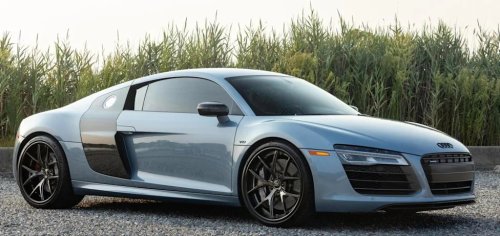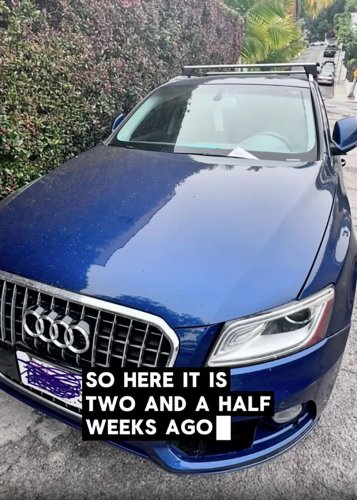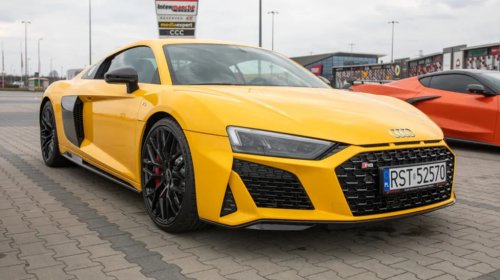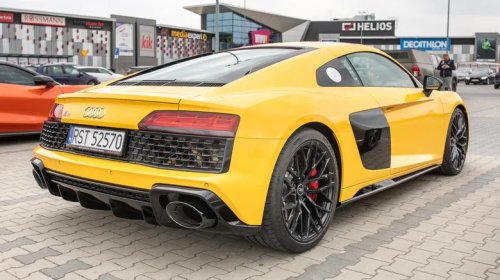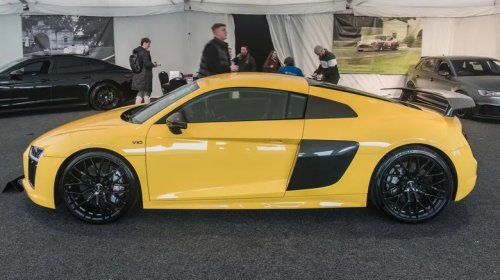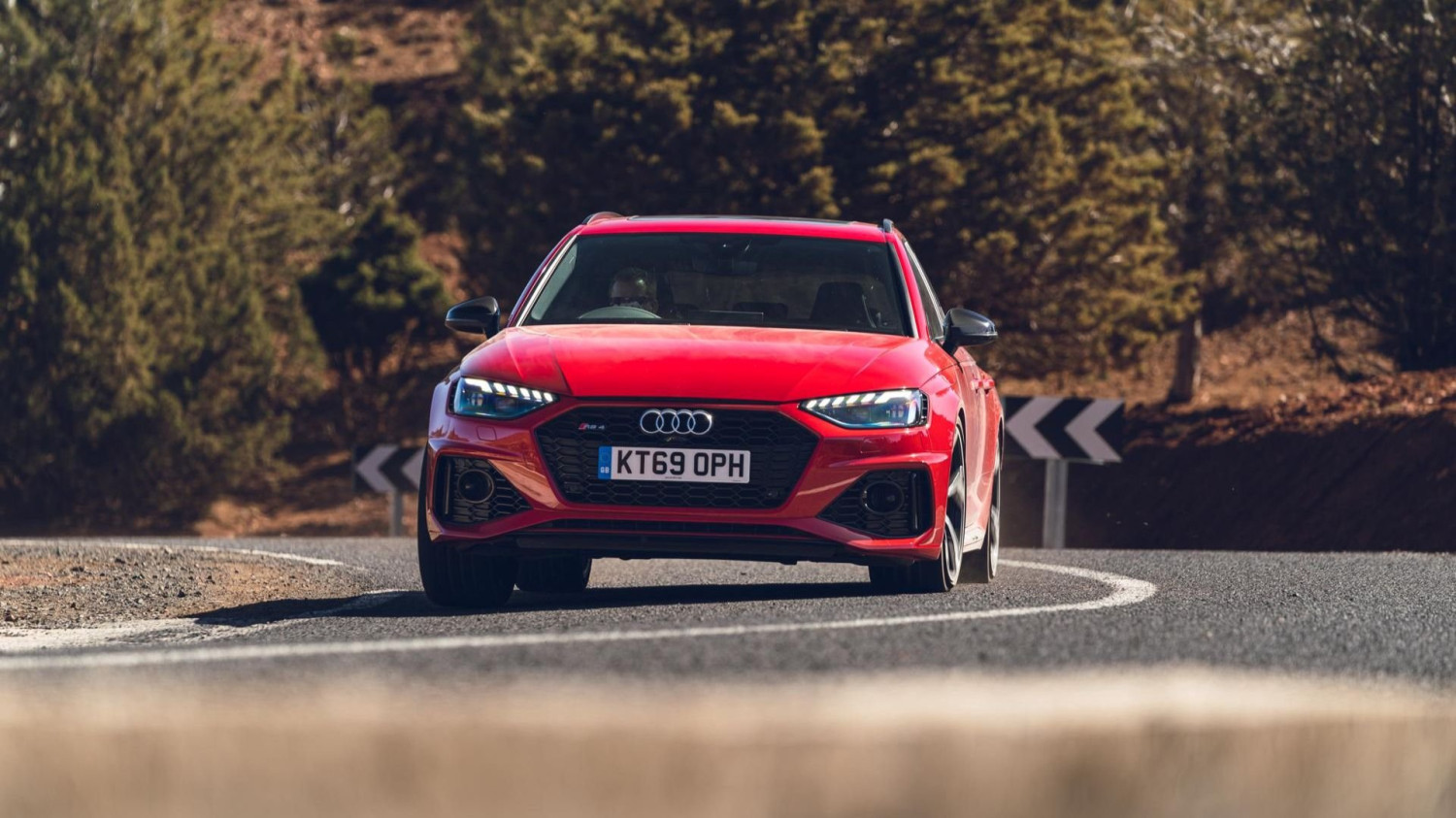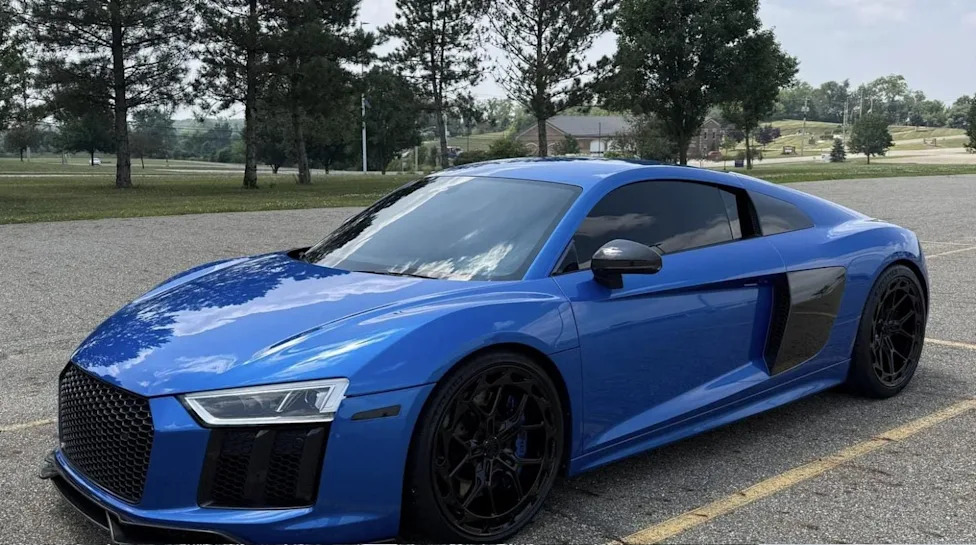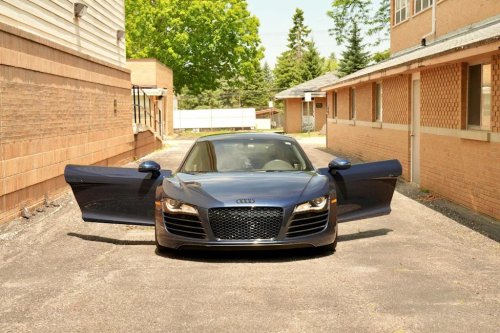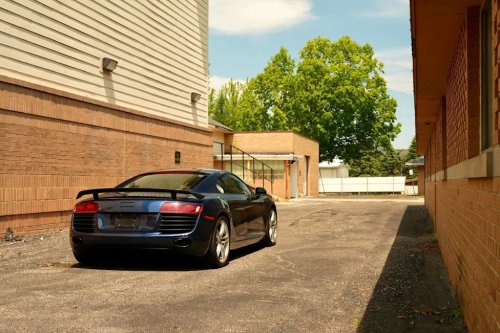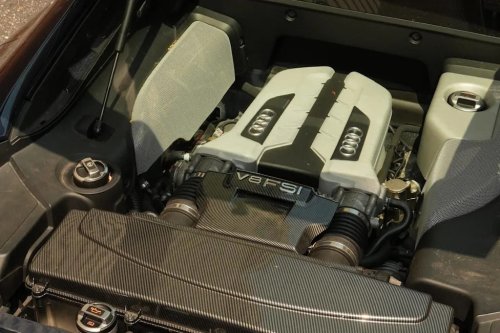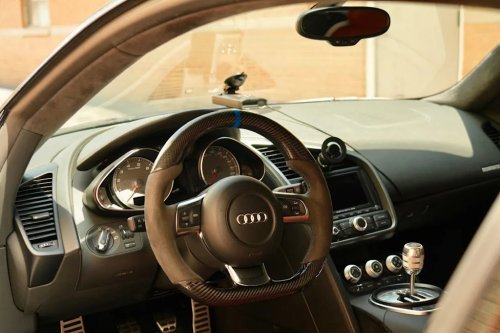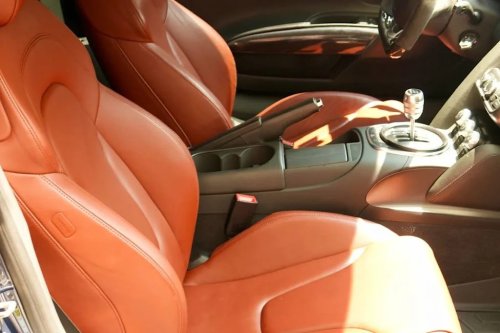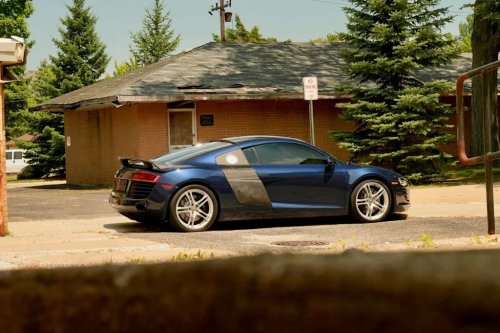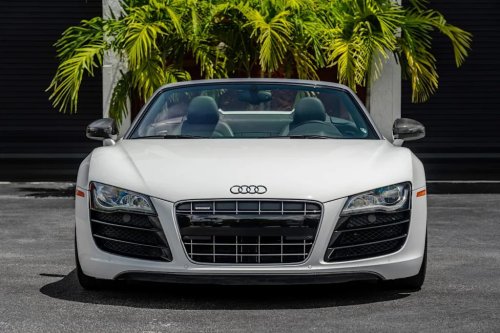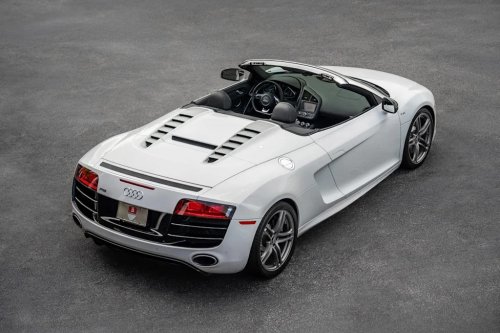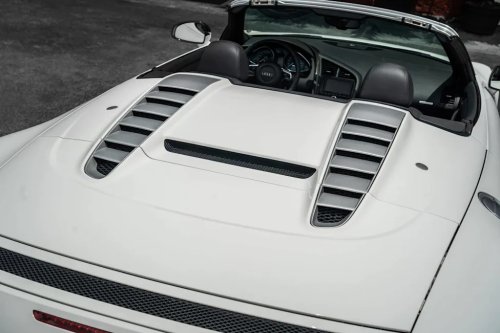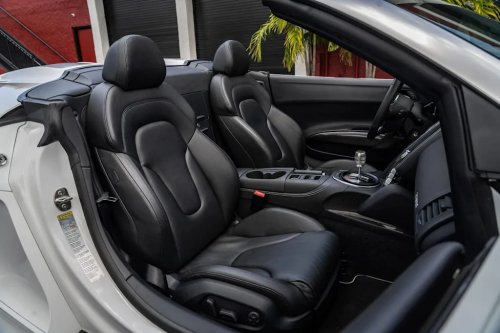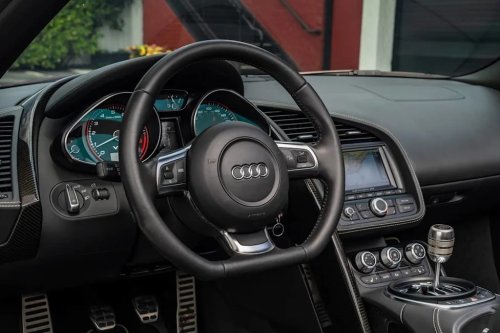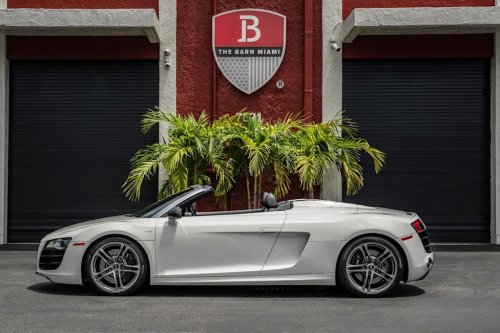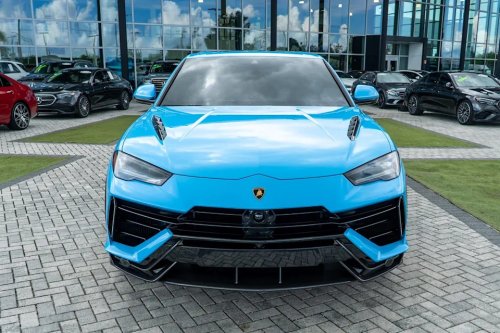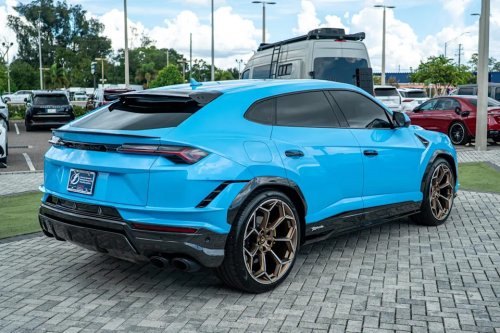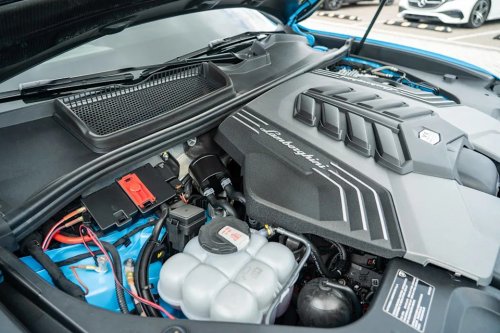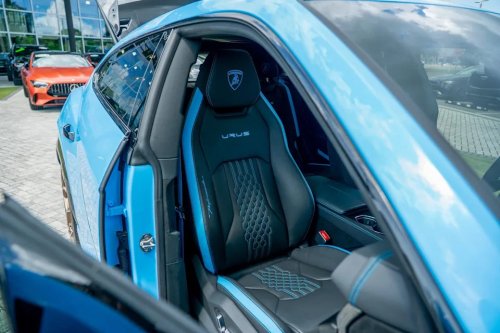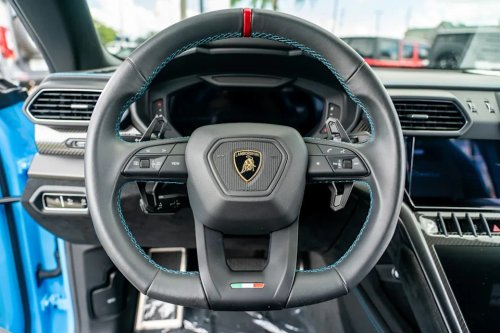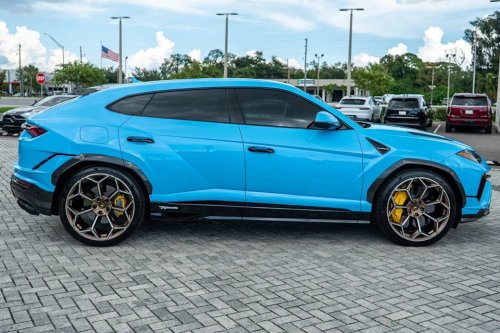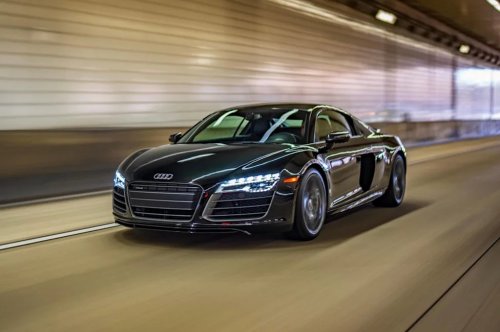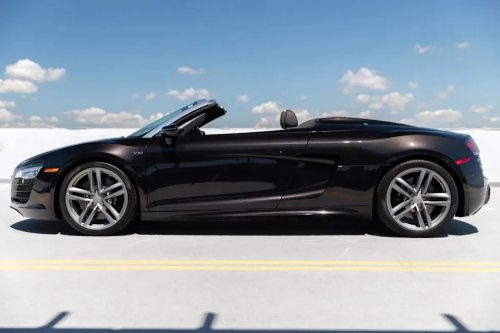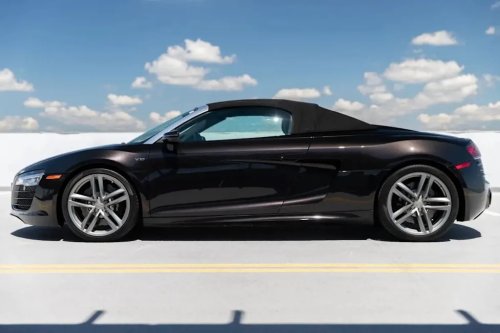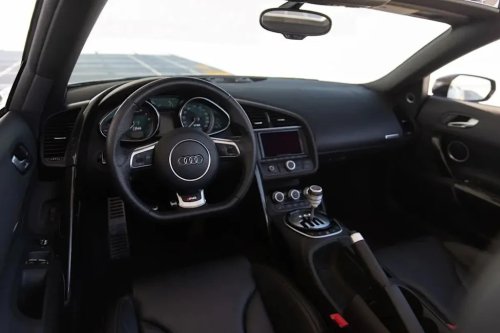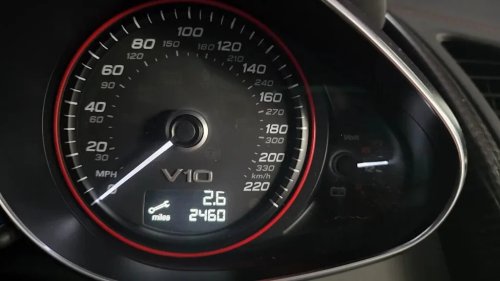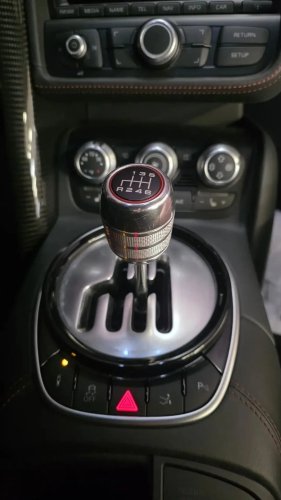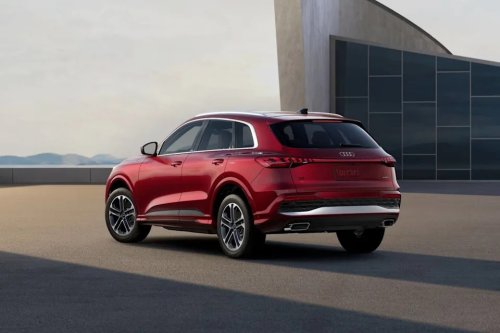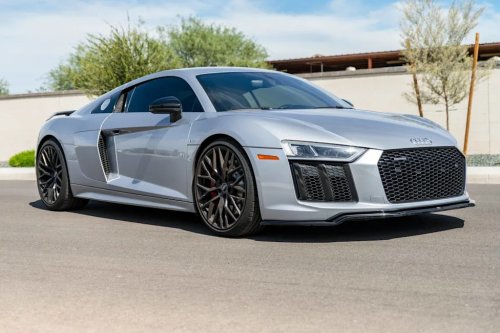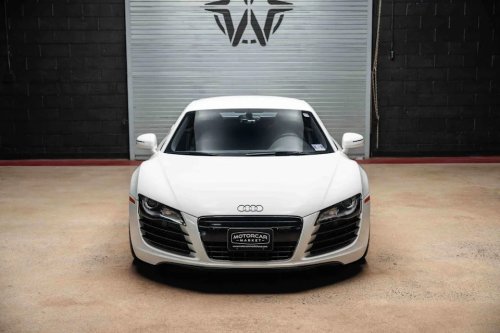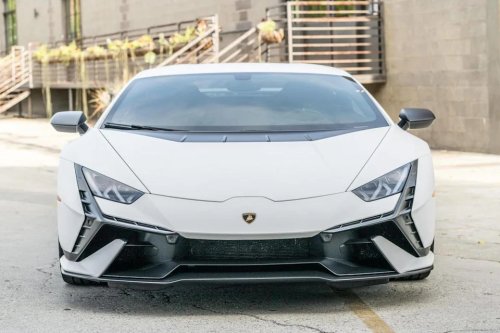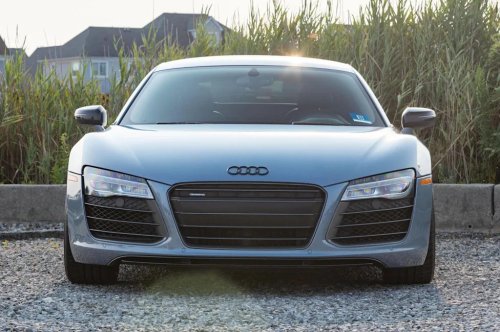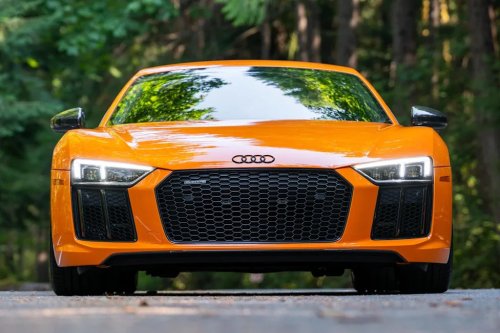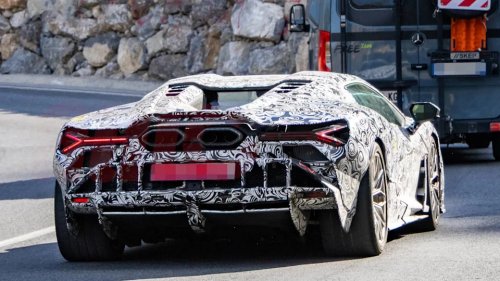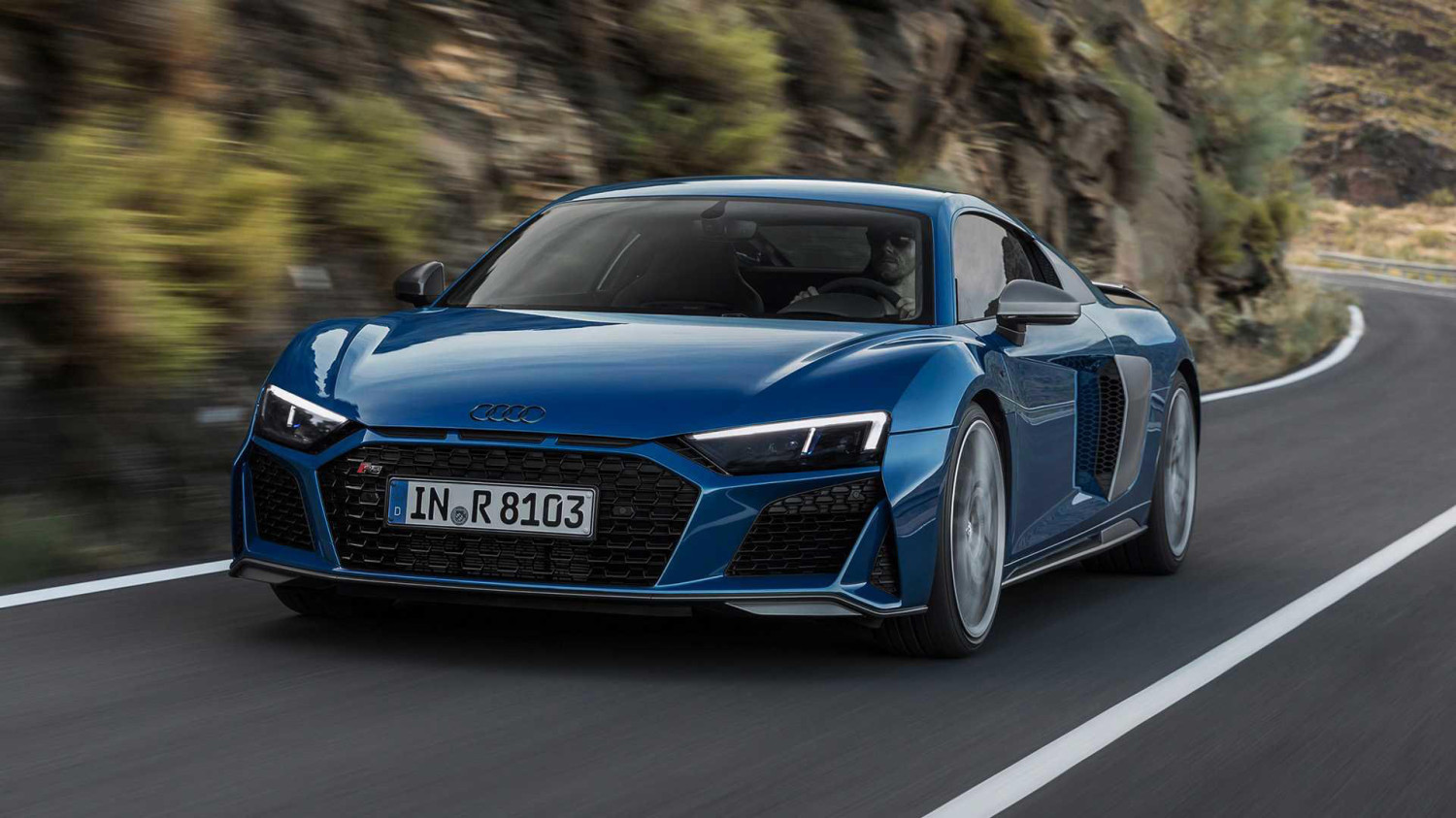
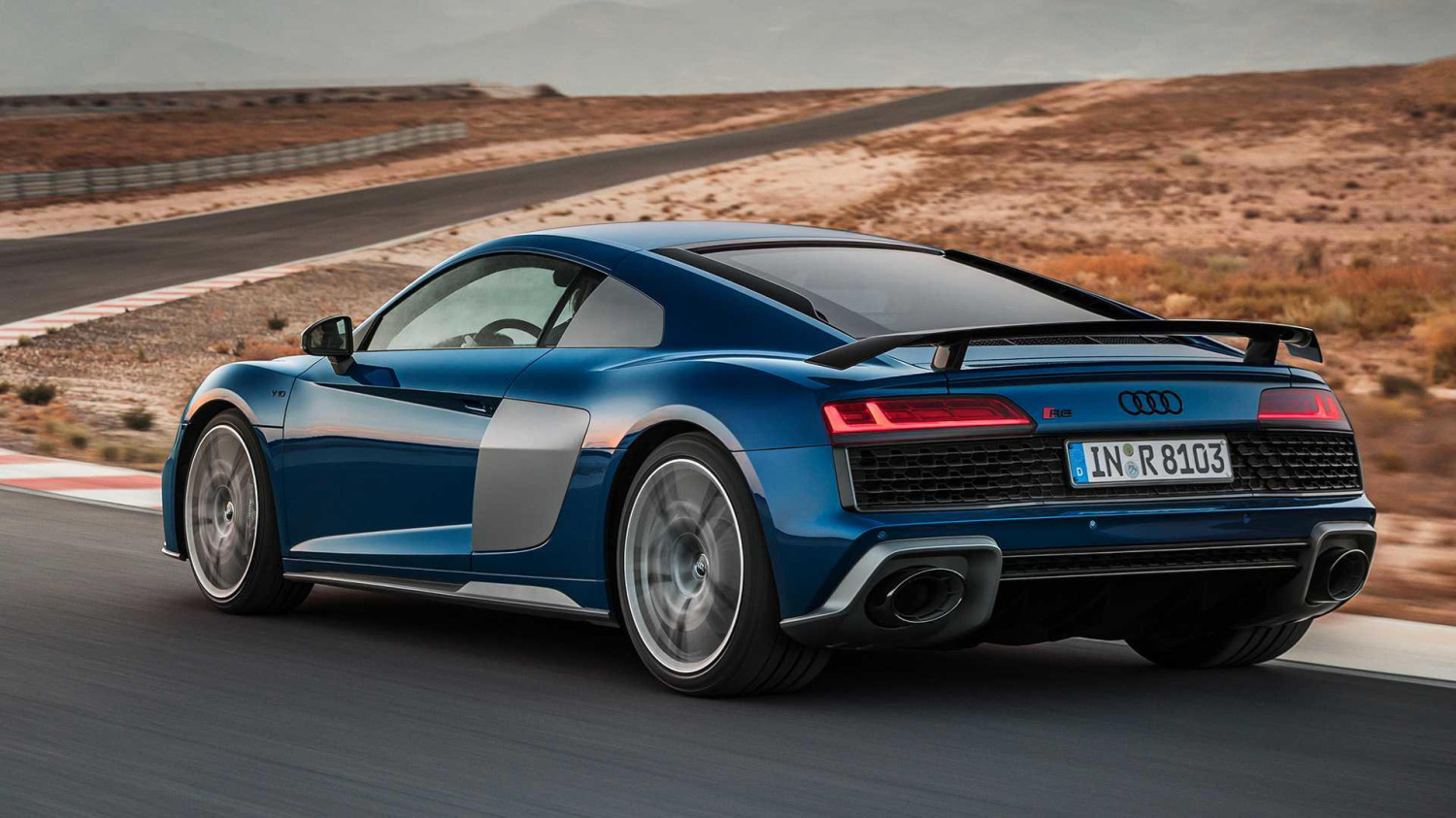
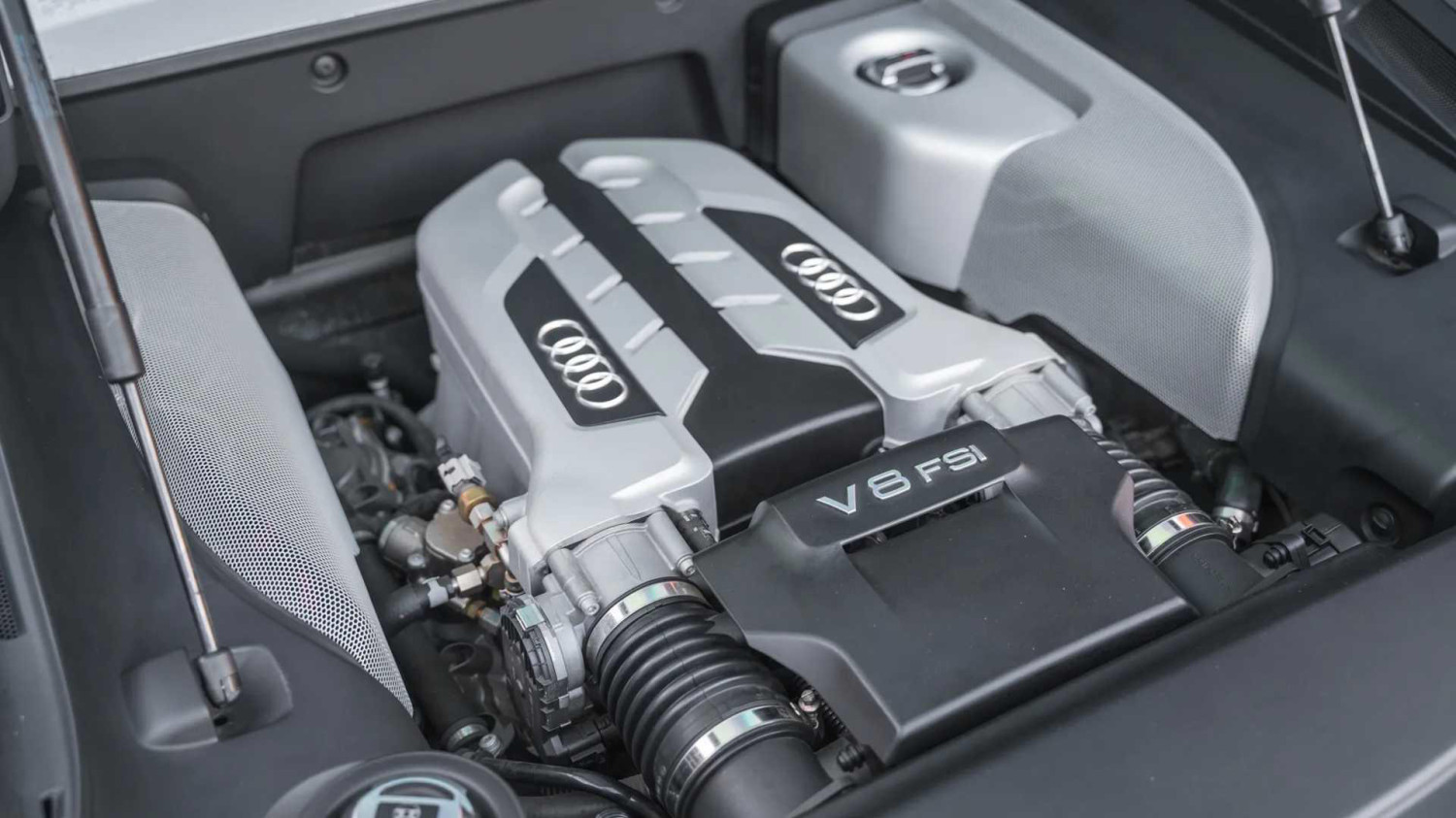



















A Reddit buyer recently shared photos of his shiny "new" 2018 Audi R8 V10 Plus, and the comments section did what the comments section does. Congratulations rolled in, then the numbers surfaced. He paid $163,500. According to Kelley Blue Book, that same generation and trim carries a private party value somewhere between $123,590 and $131,590 today. Even accounting for a pristine, low-mileage, loaded-to-the-gills example, he likely drove off the lot $30,000 or more upside down on a car that had not yet touched his own driveway.His situation isn't really about one bad deal. It is about a pattern every used R8 shopper needs to understand before signing paperwork. The R8 V10 delivers nearly everything a Lamborghini Huracán does, right down to the engine, the aluminum-and-carbon bones, and the sound that makes strangers turn their heads in a Costco parking lot. What it does not share is the Huracán's ability to hold its value. The typical R8 sheds about 45 percent of its price in five years. A Huracán sheds less than 20 percent. That gap tells the whole story, and it also explains why a patient buyer can land one of the last great naturally aspirated supercars for a fraction of what it cost new. The R8 V10 Is A Huracán Wearing A Quieter Suit Via: Audi The R8 and the Huracán were engineered as mechanical twins under the Volkswagen Group umbrella, sharing a carbon-and-aluminum spaceframe and the same glorious 5.2-liter V10, even though one gets built in Italy and the other in Germany. The R8 V10 Plus routes 610 horsepower through a seven-speed dual-clutch gearbox and an all-wheel-drive system tuned for friendlier road manners than the Lamborghini. Zero to sixty takes roughly 3.2 seconds. Top speed clears 200 mph. If someone parked both cars side by side and let you alternate between them on a backroad, the first 30 seconds of throttle would feel nearly identical.That's the pitch. That's why buyers like the Redditor above pull the trigger on a $160,000-plus purchase without losing much sleep. For more than a decade the R8 served as Audi's halo car, a calmer, more daily-friendly front end bolted to a Lamborghini soul. The interior was cleaner. The ergonomics made sense. You could park it at the grocery store without an audience, drive it to dinner without tweaking a bumper, and still embarrass just about anything at a stoplight. For anyone who wanted exotica without the exotica theater, the R8 was the answer. Same Mechanicals, Wildly Different Depreciation Curves Via: Audi Here's where the story turns. Data from iSeeCars shows the Audi R8 loses roughly 45 percent of its value over its first five years of ownership. The Huracán loses 19.7 percent across the same stretch. That's not a rounding error or a market blip. That's more than double the financial bleed on a car that shares most of its important mechanical DNA with the bull-badged Italian cousin.The reasons come down to brand perception and scarcity more than engineering. Audi builds the R8 in larger numbers than Lamborghini builds the Huracán, and the four rings on the grille simply do not carry the emotional weight of a raging bull, no matter what the dyno sheets say. Enthusiasts understand the cars are twins where it counts. The broader market, which ultimately sets used prices, doesn't care. A Huracán owner three years in can often resell for something close to what they paid. An R8 owner three years in has to explain to their spouse why the garage is now 30 percent emptier than the bank statement suggested it should be. The $30,000 Lesson Hiding In That Reddit Post Bring a Trailer Run the current KBB numbers on a 2018 R8 V10 Plus and the math on the Redditor's purchase gets uncomfortable fast. Private party values land between $123,590 and $131,590. Dealer retail may push a little higher for a clean, low-mileage car with the right options, but $163,500 sits well outside the normal band. Unless that particular example has sub-10,000 miles, every cosmetic package, and an original window sticker north of $210,000, the buyer absorbed the kind of depreciation hit that usually takes a first owner three years to swallow.This is the trap of the used supercar market, and it isn't unique to the R8. Newer used examples often sit at dealers with asking prices closer to what a patient private seller would accept for a similar car a year later. Waiting is the whole game. A 2022 R8 that stickered well above $200,000 new currently shows a KBB resale value around $174,000. A used 2023 R8 spans roughly $163,762 to $275,495 depending on trim and options, and those numbers will keep sliding for another 12 to 24 months. Huracán prices, meanwhile, start in the mid-$280,000s used and climb past $400,000. The savings over a Lamborghini are very real. So is the cost of jumping in too early on the R8 side. Why Right Now Might Actually Be The Smart Time To Buy Here's the twist that should change how enthusiasts think about the R8 in 2026. First-generation cars, the ones that shared a platform with the Lamborghini Gallardo and offered a gated manual transmission, have quietly started to behave like future classics. Price tracking from Accio shows stable and mildly appreciating trends on those older examples, which is exactly what the collector market tends to do when it realizes a beloved engine is never coming back. The naturally aspirated V10 is dead. Audi isn't replacing it. Every year the brand goes without an electric R8 successor makes the survivors a bit more precious.That matters for second-gen shoppers too. The steepest part of the depreciation curve on a 2017-2019 R8 is already in the rearview mirror. A $125,000 buy-in today on a car that stickered near $200,000 new less than a decade ago puts a buyer at the flat part of the curve, where most of the bleeding is done and most of the remaining owners are keepers rather than flippers. When the collector interest already lifting first-gen cars eventually rolls forward, the second generation will follow the same path. The Reddit buyer who paid $163,500 is probably not getting that money back anytime soon. But the person who pays market value today, treats the car like a weekend instrument rather than a daily driver, and lets the clock do its work? That buyer may end up holding something rare in the used supercar world: a screaming V10 that actually held its value.