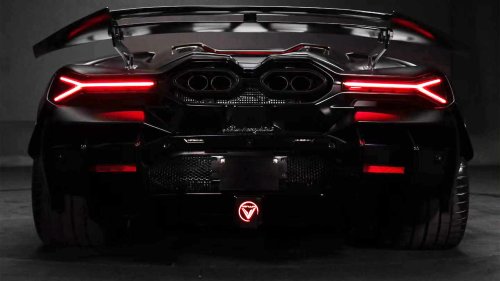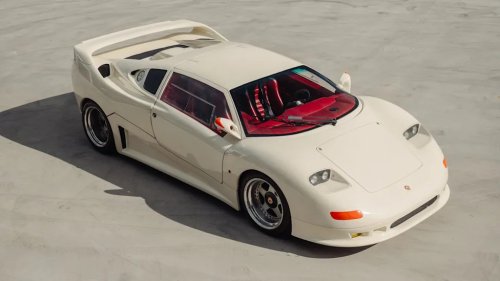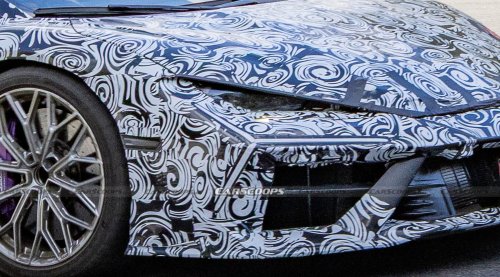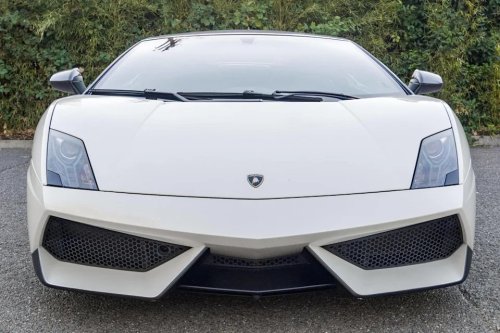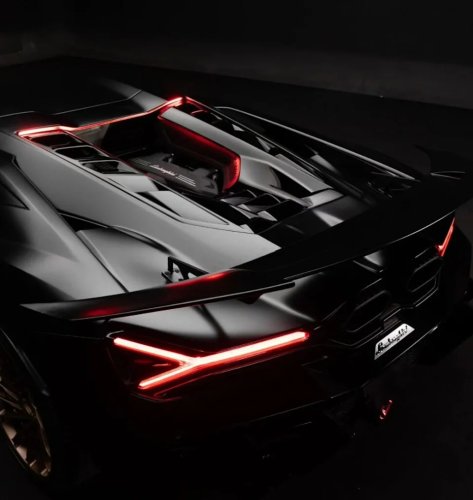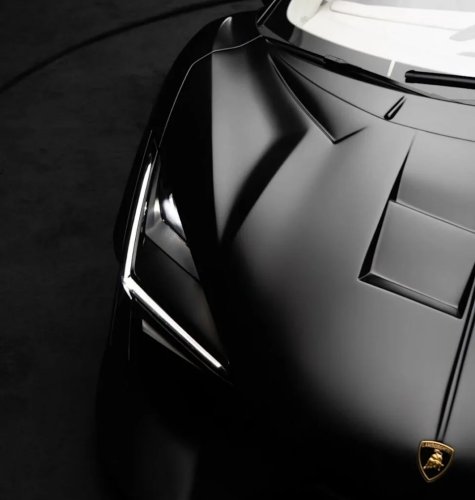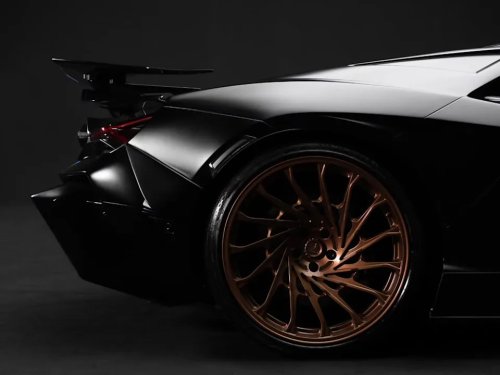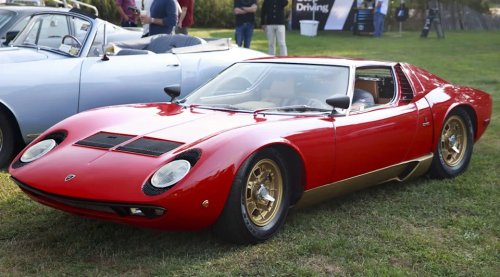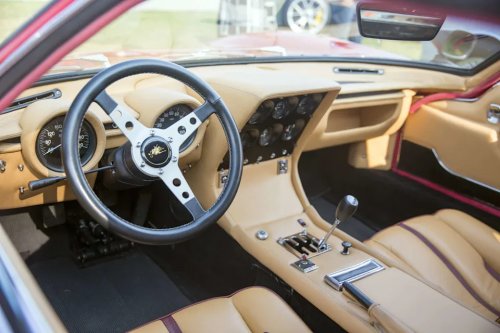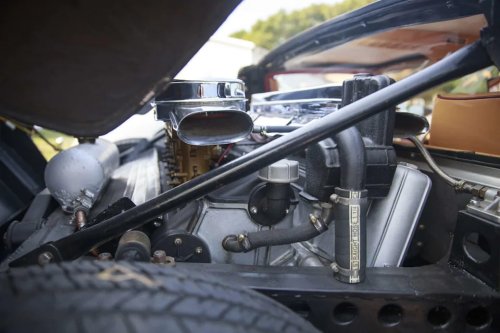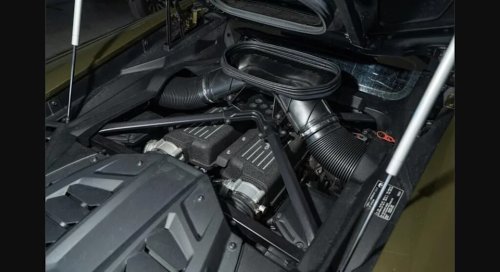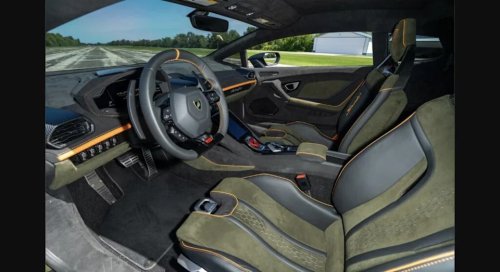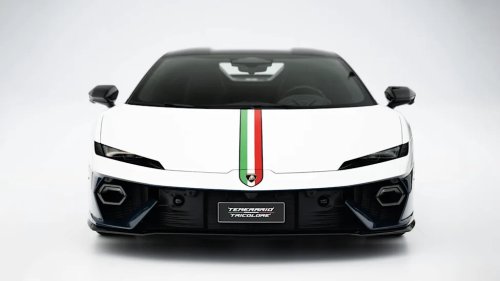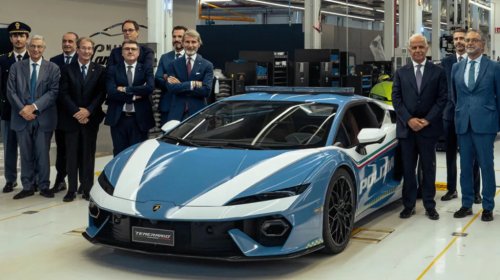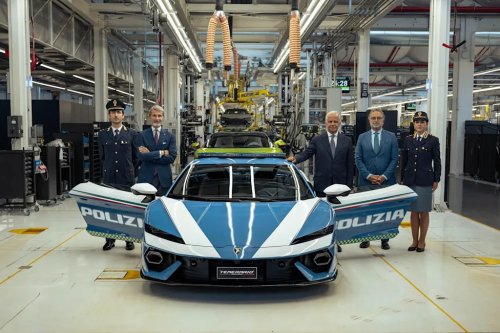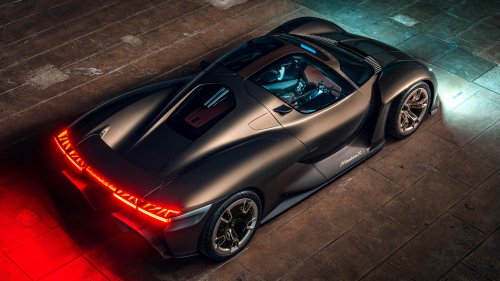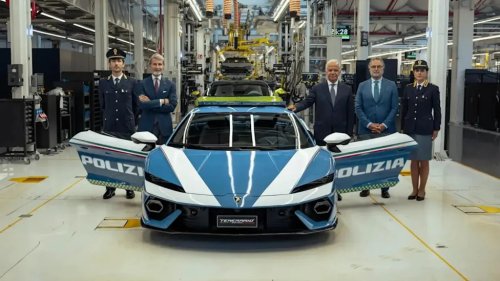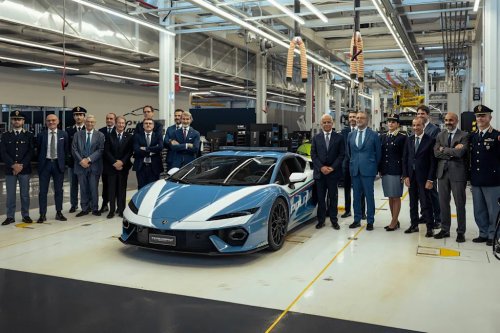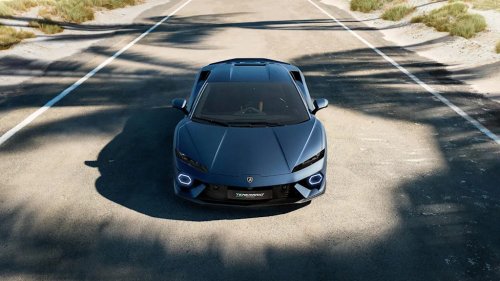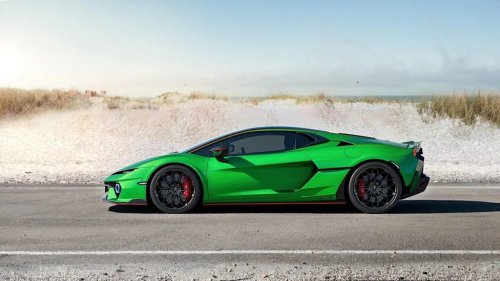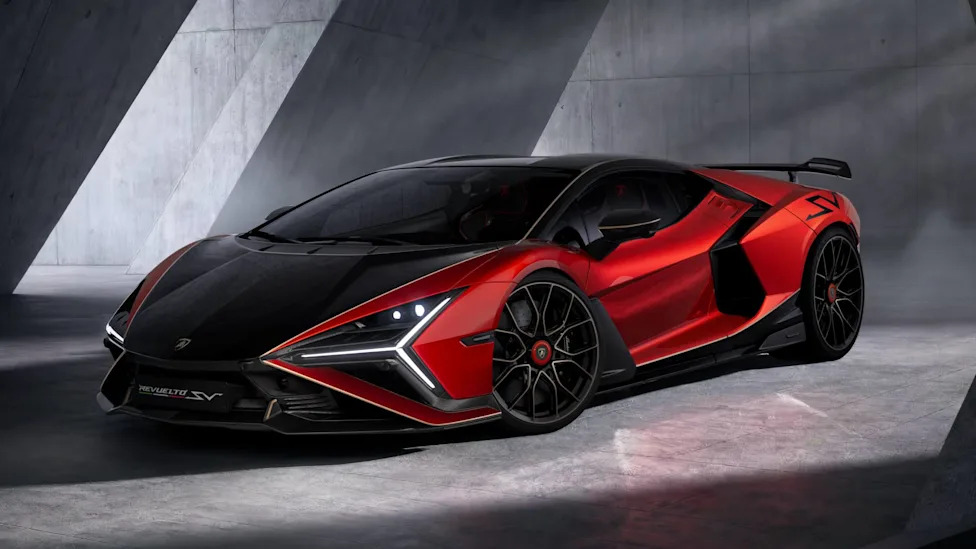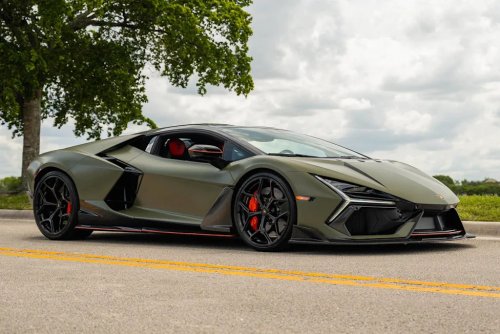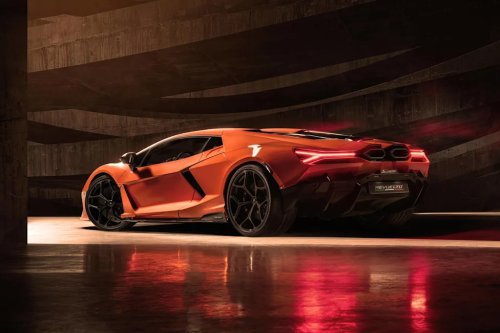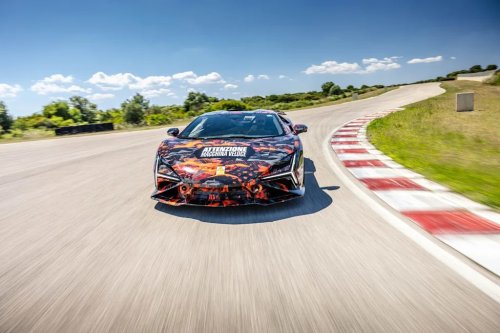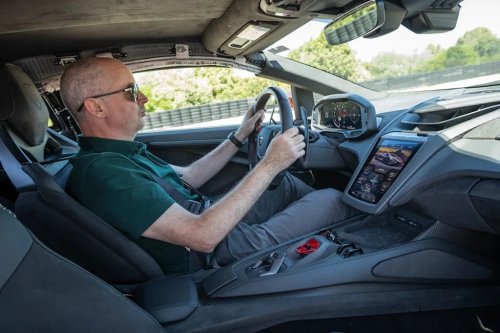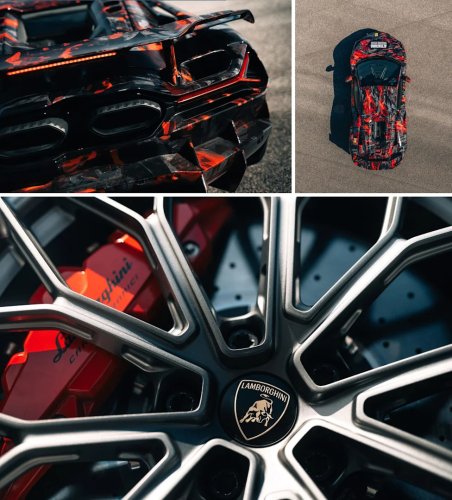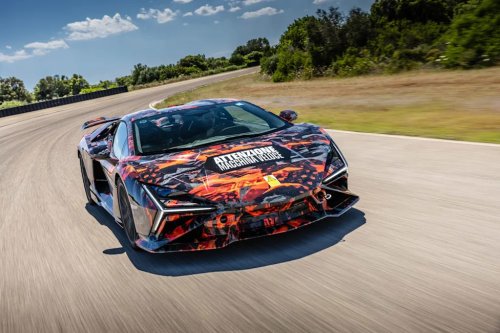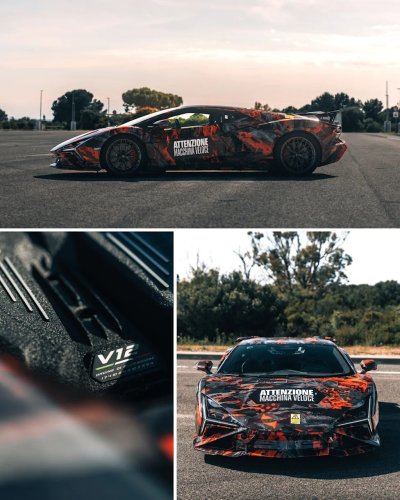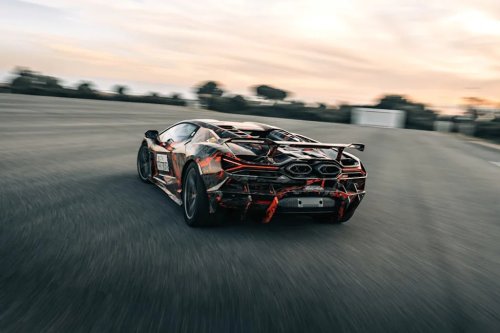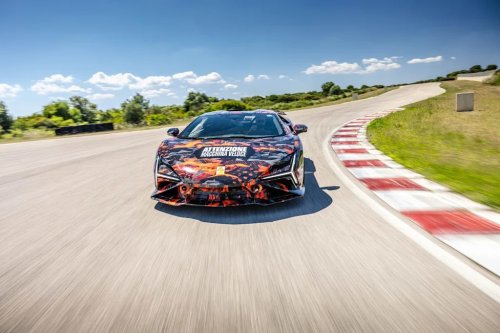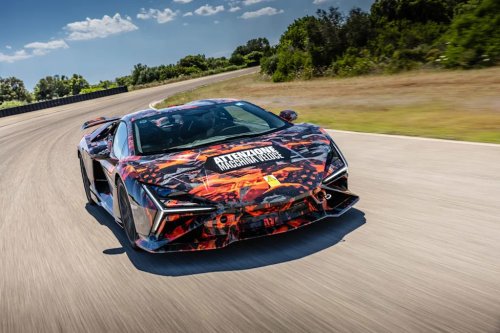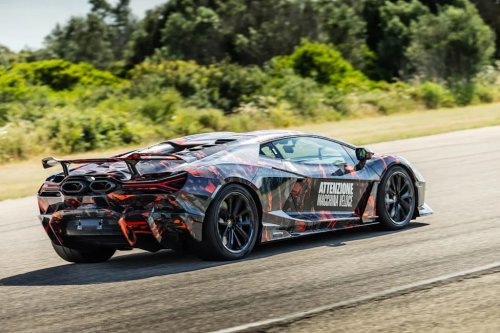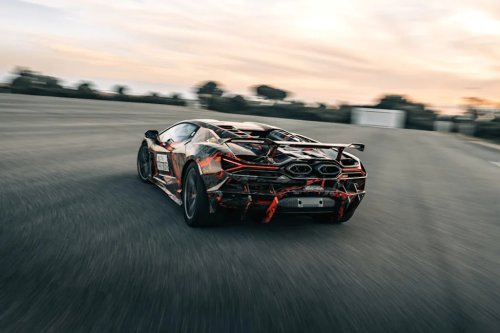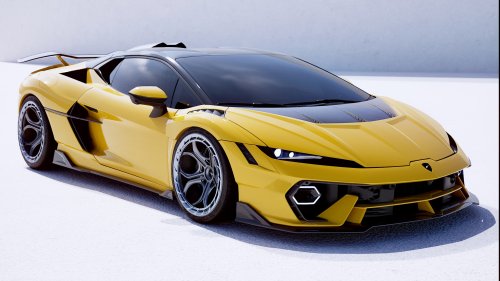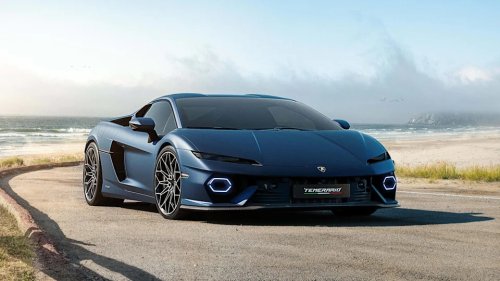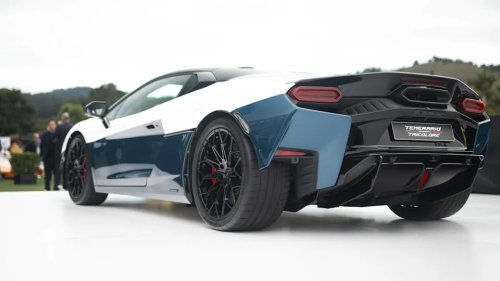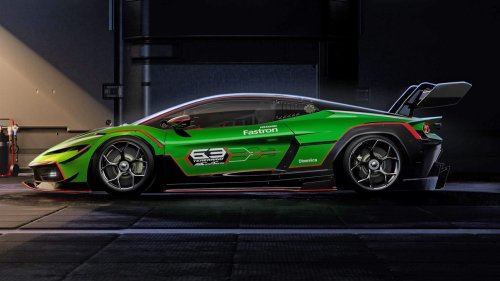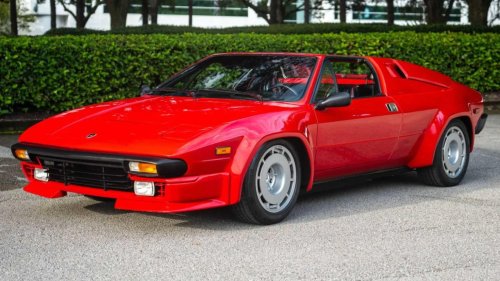
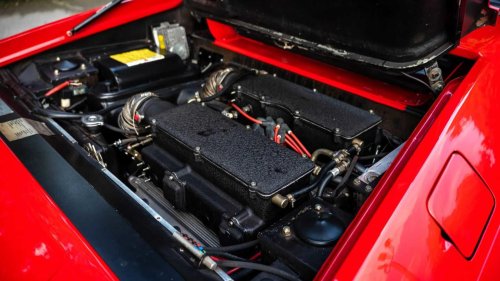
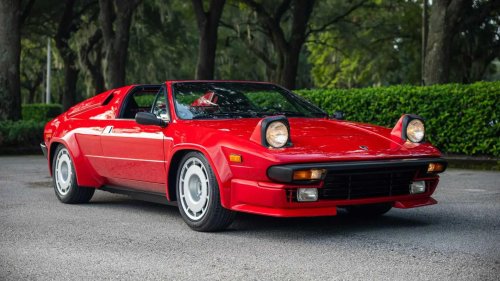
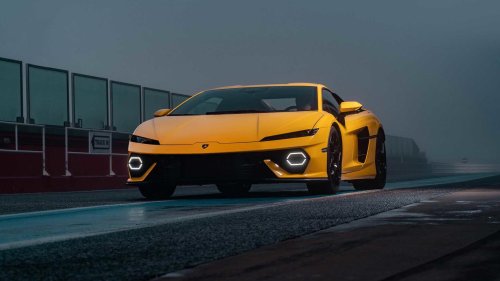
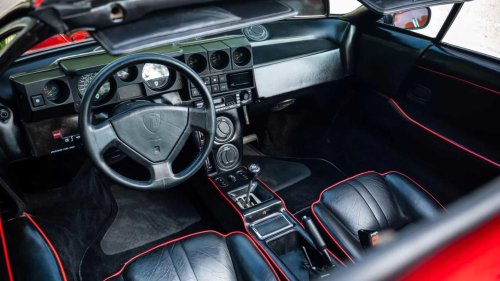



















Jump LinksBy the mid-1970s, Lamborghini was struggling. It was facing a perfect storm of tightening emissions rules, oil crises, and poor vehicle reviews, and it wasn’t so easy to sell some of those V12 supercars like the Miura and the Countach. So, if the Italian company wanted to survive and fully establish itself as the bold alternative to Ferrari, it needed a new approach and to start with, it focused on engine size. To do this, it zeroed in on a V8 formula in the shape of the all-new Jalpa which it launched at the beginning of the eighties to good reviews.Today, you can pick up one of these stand-out cars at auction for a quite reasonable price and very much less than you’d expect to pay for the company’s latest V8 Temerario. What do these two solutions look like together, and why is the older Lambo a good choice? The Jalpa Saves The Day Bring a TrailerThe idea of a Lamborghini with fewer than 12 cylinders wasn’t exactly brand new when the Jalpa appeared. After all, Lamborghini had already flirted with the V8 idea in the shape of the Urraco and then the short-lived Silhouette. However, neither of those ideas captured the public’s imagination, partly because of their reliability woes. So, this time around, Lamborghini needed to go back to the drawing board and build a reliable and impressive mid-engine two-seat supercar — and one that would sell in high numbers.This project turned out to be a strict two-seater, unlike its predecessor, the Urraco. Lamborghini turned to Bertone for the styling and the car had the familiar wedge silhouette that everyone knew and loved. But unlike the Countach and its theatrical scissor doors, the Jalpa had a more conventional design with clean lines, pop-up headlights, and a removable targa-style roof panel. One of the big differences when comparing a Jalpa to the Countach and Urraco was usability. Previous owners hated the Countach’s limited practicality and terrible visibility, but the Jalpa, in comparison, featured a much more comfortable cabin and far superior sight lines. Yes, it still looked and felt like a supercar with all the expected eccentricities, but you could realistically drive this one around town without putting yourself through the wringer.Price-wise, Lamborghini was also onto a winner with the Jalpa. The company wanted it to undercut Ferrari’s mid-engine lineup, the 308 (and eventually 328 GTB and GTS) and at launch, the Jalpa cost roughly two thirds of a Countach as well. So, Lamborghini had indeed produced a budget supercar and was going a long way to broadening its brand appeal as well as ensuring its corporate survival. The Characterful 3.5-liter V8 Bring a Trailer Underneath the Jalpa lurked a 3.5-liter DOHC V8 producing 255 hp and 231 lb.-ft of torque in US spec. This was a bigger version of the Urraco’s 3.0-liter unit and connected to a five-speed manual gearbox sending power to the rear wheels. It was also a car that weighed a little more than 3,000 pounds and offered competitive performance. You could get to 60 mph in about six seconds on your way to a top speed of almost 145 MPH. This put it slightly behind the Countach in terms of raw pace, but it was able to match Ferrari’s 308 as well as Porsche’s 911 SC.You had to be either very attentive or just lucky to drive a Countach in stop-start traffic without numerous stalls. In contrast, the Jalpa was far easier with a manageable clutch and a more forgiving steering system. So, most owners could really enjoy their supercar thrills without scaring themselves in the process and, as they were doing so, could revel in the Jalpa’s glorious soundtrack. Here, the naturally aspirated V8 revved freely, emitting a kind of metallic bark that was rather different to the noise of a similar Ferrari. So, all in all, the Jalpa provided plenty of character and charisma and even though it wasn’t the most powerful exotic in its space, it checked most of the boxes. Today’s Accessible Jalpa Bring a Trailer Between 1981 and 1988, Lamborghini turned out just over 400 examples of the Jalpa, so it’s a relatively rare phenomenon today. Still, it hasn’t become unattainable like certain versions of the Miura or the Countach, and it’s still a relatively attainable way to get yourself into Lamborghini ownership. For example, recent auction sales suggest a price between $70,000 and $125,000 depending on condition, with concours-level cars even higher. You might expect to pick up a 1988 version with low mileage for about $108,000 based on one recent real-world example at Bring a Trailer. So, these prices put the Jalpa in the same ballpark as the entry-level new Porsche Cayman.Part of the Jalpa’s affordability seems to stem from its positioning as the alternative Lamborghini. It doesn’t really carry the heft or the history of the Countach, which probably explains why it’s a far cheaper Lambo deal today. But don’t forget that ownership does come with some asterisks. It can be hard to find certain parts and maintenance costs can add up, even if it’s simpler to deal with than one of those V12s. The New Lamborghini Temerario And A Very Different Kind Of V8 Lamborghini So, what about Lamborghini’s latest V8 option? The Lamborghini Temerario is the replacement for the Huracan and even though it has a V8, this is only part of the equation. Now, you’ll get a radical hybrid powertrain which completely negates that naturally aspirated simplicity. Its twin turbocharged 4.0-liter V8 pairs up to three electric motors, two on the front axle and one which integrates into the gearbox. This system produces an eye-watering 910 hp and almost 800 lb.-ft of torque. You can use the 3.8 kWh battery for limited EV-only driving, which is mainly to meet emissions rules, but otherwise, you’ll get instant torque and savage acceleration whenever you need it.As you might expect, some of the numbers are outrageous. You can get to 60 mph in about 2.7 seconds and enjoy a top speed of over 205 mph on some German autobahns. These figures place the Temerario firmly into hypercar territory, and it also has an eight-speed dual transmission for all four wheels and torque vectoring for precision cornering.When a loaded MSRP can easily exceed $350,000, you can forget the idea of an affordable Lamborghini here. But there again, this car is meant to be the company’s technological flagship, and it sits almost at the top of Lamborghini’s hierarchy. So, if the Jalpa was meant to be a democratic Lamborghini, the Temerario is more of an exclusive one. A Straightforward Comparison Shows How Far Lamborghini Has Come Bring a Trailer It’s difficult to put the Jalpa and the Temerario side by side with a straight face. Yes, both served the same purpose in delivering supercar performance for their era, but their methodologies are very different indeed. The Jalpa did help to save Lamborghini during its lean years, but the Temerario aims to future-proof the company in the face of electrification.The Jalpa bridged the gap between the troubled 1970s and the prosperous 1990s with those Chrysler years and without it, Lamborghini may not have had enough credibility or sales volume to even stay afloat. And today, this car is very attractive in terms of its fully analog experience. You’ll get the growl of a carb-fed V8, the click of a gated shifter, and sharp-edged Bertone styling thrown into the mix. And if your budget can't stretch to a new Temerario, you can certainly approach a Jalpa instead and enjoy one of the most overlooked bargains in the world of Italian exotics.