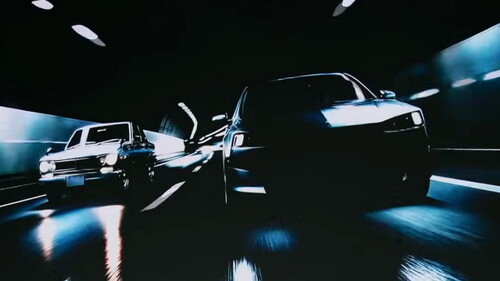
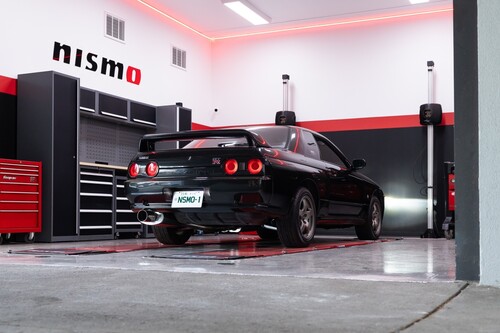
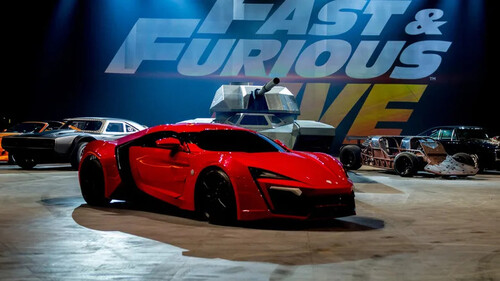
The 1971 Nissan Skyline GT-R quietly became one of Japan’s earliest performance legendsThe 1971 Nissan Skyline GT-R, affectionately known as “Hakosuka,” emerged as one of Japan’s earliest performance legends, setting the stage for a lineage of high-performance vehicles. With its innovative engineering and racing pedigree, the Hakosuka captured the hearts of enthusiasts and laid the groundwork for the iconic GT-R brand. The Birth of the Skyline GT-R The Nissan Skyline model lineage dates back to the late 1950s, evolving through various iterations and designs. Originally introduced in 1957, the Skyline was more of a family car until it began to garner attention in the 1960s with its sporty GT variants. The evolution towards performance began in earnest when Nissan decided to develop a dedicated racing version, which culminated in the introduction of the GT-R badge in 1969. The GT-R’s significance for Nissan cannot be overstated; it was a clear statement of intent, showcasing the company’s ambition to compete on the world stage. Key figures in the development of the 1971 model included the legendary engineer Tetsu Ikuzawa and his team, who were instrumental in bringing the GT-R to life. They took the existing Skyline platform and infused it with motorsport DNA, culminating in a vehicle that not only performed well on the track but also appealed to everyday drivers. The GT-R was born out of a desire to blend performance with practicality, a hallmark of Japanese automotive design. Design and Engineering Highlights The Hakosuka is instantly recognizable for its distinctive styling, which features a long nose, short rear deck, and a muscular stance. The design was both functional and appealing, with aerodynamic lines that contributed to its performance capabilities. This model also introduced a more aggressive front fascia, which would become a signature of the GT-R lineage. The design choices of the Hakosuka influenced automotive aesthetics in Japan and beyond, paving the way for future high-performance vehicles. Under the hood, the 1971 Skyline GT-R was powered by the S20 engine, a 2.0-liter inline-six derived from the Prince R8 engine used in racing. This powerplant boasted dual overhead camshafts and produced an impressive 160 horsepower, which was significant for its time. The S20 engine’s racing heritage was not just a marketing gimmick; it was built to perform, and its reliability on the track made it a favorite among drivers and teams alike. Innovations in suspension, with a multi-link setup at the rear, allowed the GT-R to handle corners with precision, further setting it apart from competitors. Performance on the Track The Hakosuka quickly made a name for itself in motorsport, particularly in the Japanese Touring Car Championship where it dominated the scene in the early ’70s. Its racing pedigree was established with multiple victories, showcasing the performance capabilities that Nissan had built into the vehicle. Competing against other notable vehicles of the era, such as the Toyota 2000GT and the Datsun 240Z, the GT-R consistently emerged victorious, solidifying Nissan’s reputation as a contender in the performance racing arena. The GT-R’s success didn’t just elevate the car; it also transformed Nissan’s image in the automotive world. The victories on the track helped the company cultivate a loyal fan base and drew attention from international motorsport enthusiasts. The GT-R became synonymous with performance and reliability, traits that would carry through to later models. These early exploits were crucial in establishing Nissan as a serious player in the performance car segment, laying the groundwork for future iterations of the GT-R. The Cultural Impact of the GT-R The influence of the GT-R on Japanese car culture during the 1970s was profound. It was more than just a car; it was a cultural phenomenon that inspired a generation of enthusiasts. The Hakosuka became a staple in car clubs and racing circles, where owners would gather to share their passion for performance and tuning. The car embodied the spirit of the times, representing Japan’s growing automotive prowess and the enthusiasm of its people. Stories of early enthusiasts highlight the sense of community that formed around the Hakosuka. Owners would often gather at local tracks and events, sharing tips on modifications and performance enhancements. This camaraderie fostered a deeper appreciation for the engineering behind the GT-R, and many enthusiasts went on to become influential figures in Japan’s automotive industry. The GT-R was not just a car; it was a symbol of the burgeoning Japanese automotive industry, representing innovation, performance, and a unique cultural identity. The Legacy of the 1971 GT-R The Hakosuka’s legacy is felt strongly in the GT-R lineage that followed. Subsequent models, such as the R32, R33, and R34, all drew inspiration from the original 1971 GT-R, incorporating advanced technologies while maintaining the performance ethos established by the Hakosuka. These later models continued to push the envelope of what was possible in terms of speed, handling, and technology, creating a lineage that enthusiasts revere to this day. Beyond Nissan, the 1971 GT-R has influenced the broader landscape of performance vehicles. It paved the way for rising performance standards, inspiring manufacturers worldwide to develop their high-performance offerings. Today, the Hakosuka remains a sought-after collector’s item, with enthusiasts willing to pay premium prices for well-preserved examples. Its lasting appeal speaks volumes about the impact it had on automotive history, marking it as one of Japan’s true performance legends. The Global Recognition of the GT-R As the years passed, the GT-R’s reputation began to extend beyond Japan, gaining international recognition. The car’s appearances in films and video games, such as the “Fast & Furious” franchise and popular racing games like “Gran Turismo,” contributed to its status as a global icon. These media portrayals helped cement the GT-R’s image as not just a Japanese performance car, but a vehicle of legend recognized by enthusiasts around the world. Today, the GT-R is celebrated at automotive events and gatherings globally. Its legacy is honored through various car shows, auctions, and enthusiast meet-ups where owners proudly showcase their Hakosuka models. This international appreciation reflects a collective acknowledgment of the GT-R’s impact on both car culture and the automotive industry as a whole. The journey from a domestic hero to a global icon is a testament to the enduring allure of the Hakosuka. Restoration and Preservation Today In the modern era, the restoration and preservation of the 1971 Skyline GT-R has become a passionate pursuit for many collectors and enthusiasts. The community dedicated to maintaining the Hakosuka is vibrant, with forums, clubs, and social media groups where owners share restoration tips and experiences. This collective knowledge allows enthusiasts to honor the original design and engineering of the GT-R while also personalizing their vehicles to reflect their unique tastes. However, the challenges of finding original parts and maintaining authenticity are ever-present. As the years go by, sourcing genuine components has become increasingly difficult, leading many restorers to innovate by creating replicas or aftermarket alternatives. Despite these challenges, the dedication to keeping the Hakosuka authentic is a hallmark of the community that surrounds it. This commitment ensures that the legacy of the 1971 GT-R continues to thrive, preserving its history for future generations. The Future of the GT-R Legacy Looking ahead, the future of the GT-R brand remains a topic of speculation in a rapidly changing automotive landscape. With the automotive industry shifting towards electric and hybrid technologies, the challenge for Nissan will be to maintain the spirit of the GT-R while embracing new advancements. Many enthusiasts wonder how the essence of the 1971 GT-R can be captured in a world increasingly focused on sustainability and efficiency. Despite these challenges, the spirit of the 1971 GT-R continues to inspire new generations of car enthusiasts. The principles of performance, engineering excellence, and innovation that defined the Hakosuka are values that resonate today, encouraging manufacturers to push the boundaries of what is possible. As the automotive world evolves, the legacy of the Hakosuka serves as a reminder of the extraordinary capabilities of Japanese engineering and the enduring passion of its enthusiasts. More from Fast Lane OnlyUnboxing the WWII Jeep in a Crate15 rare Chevys collectors are quietly buying10 underrated V8s still worth hunting downPolice notice this before you even roll window down The post The 1971 Nissan Skyline GT-R quietly became one of Japan’s earliest performance legends appeared first on FAST LANE ONLY.