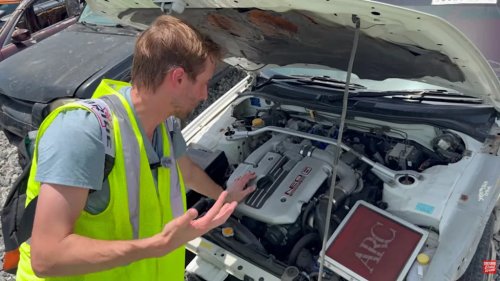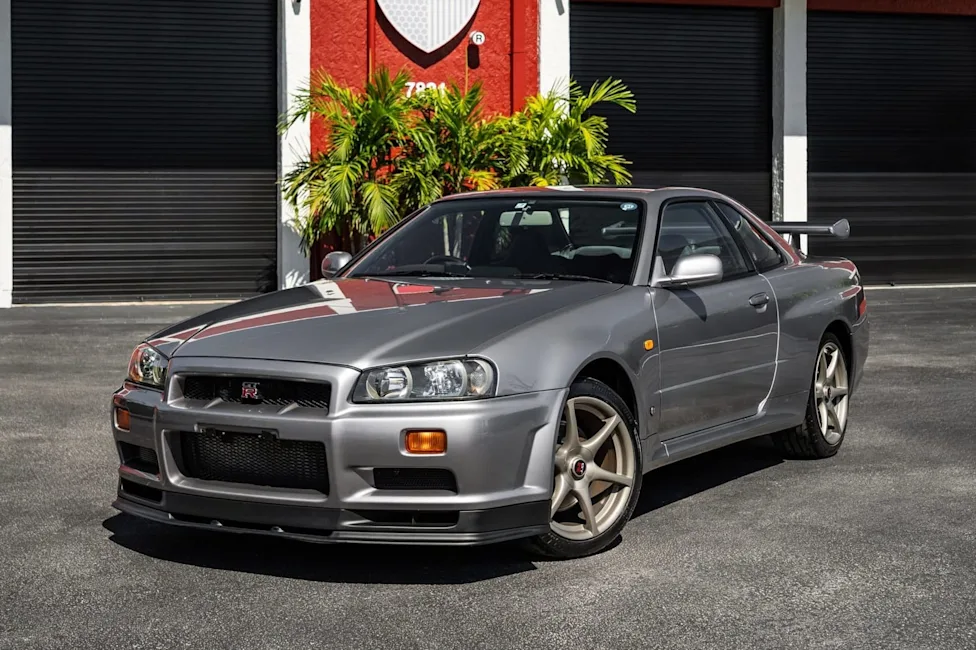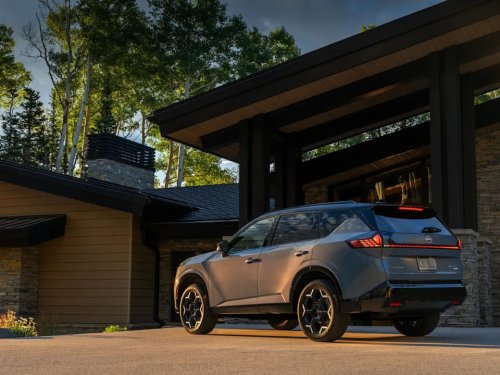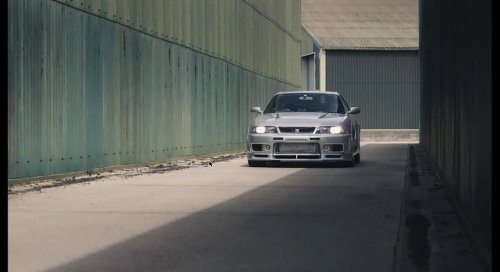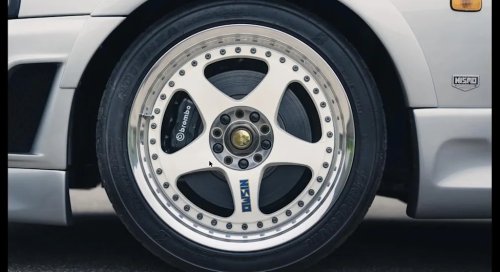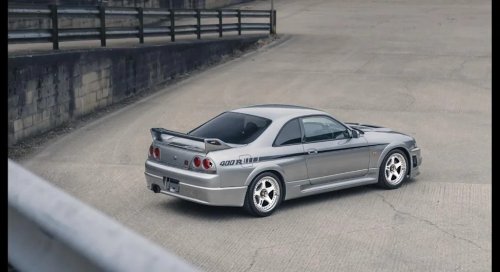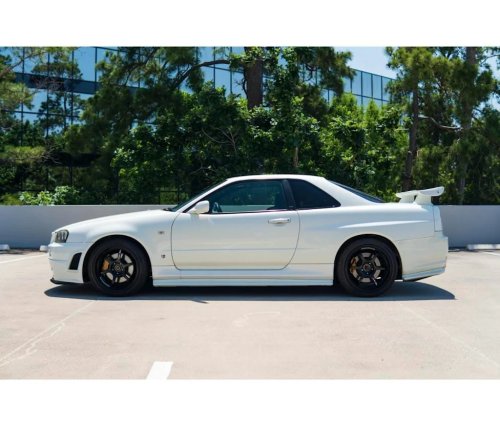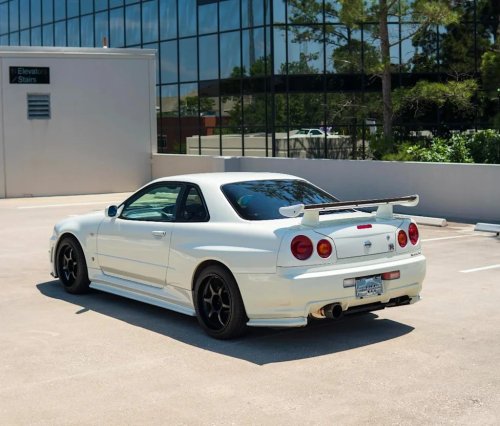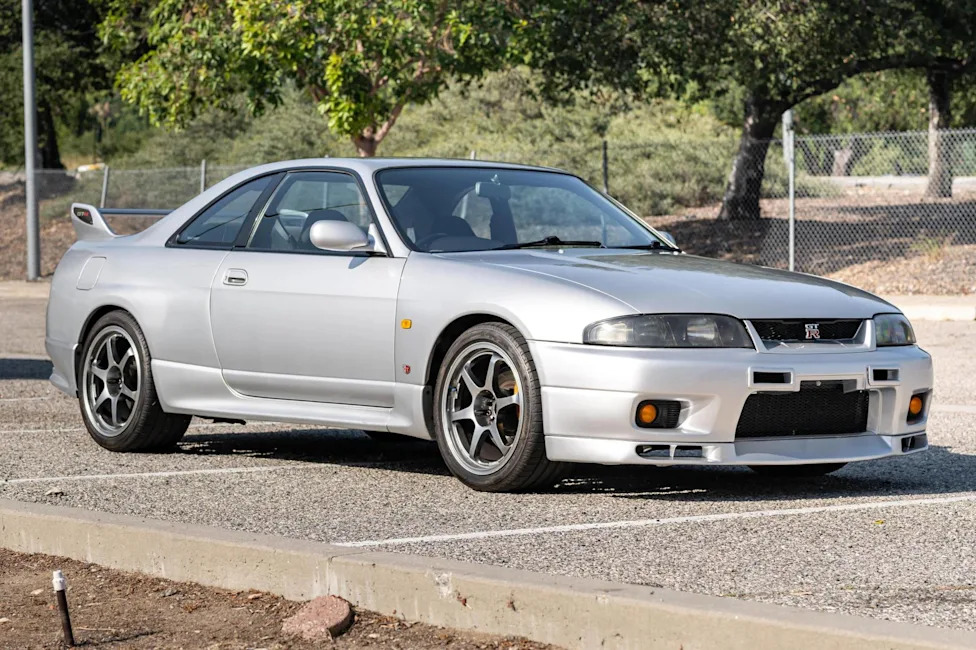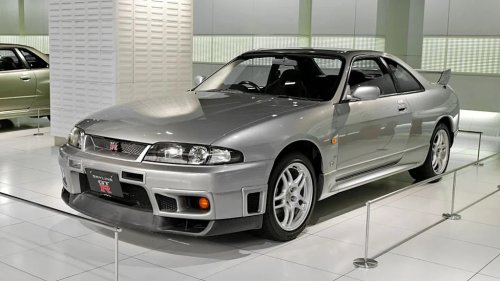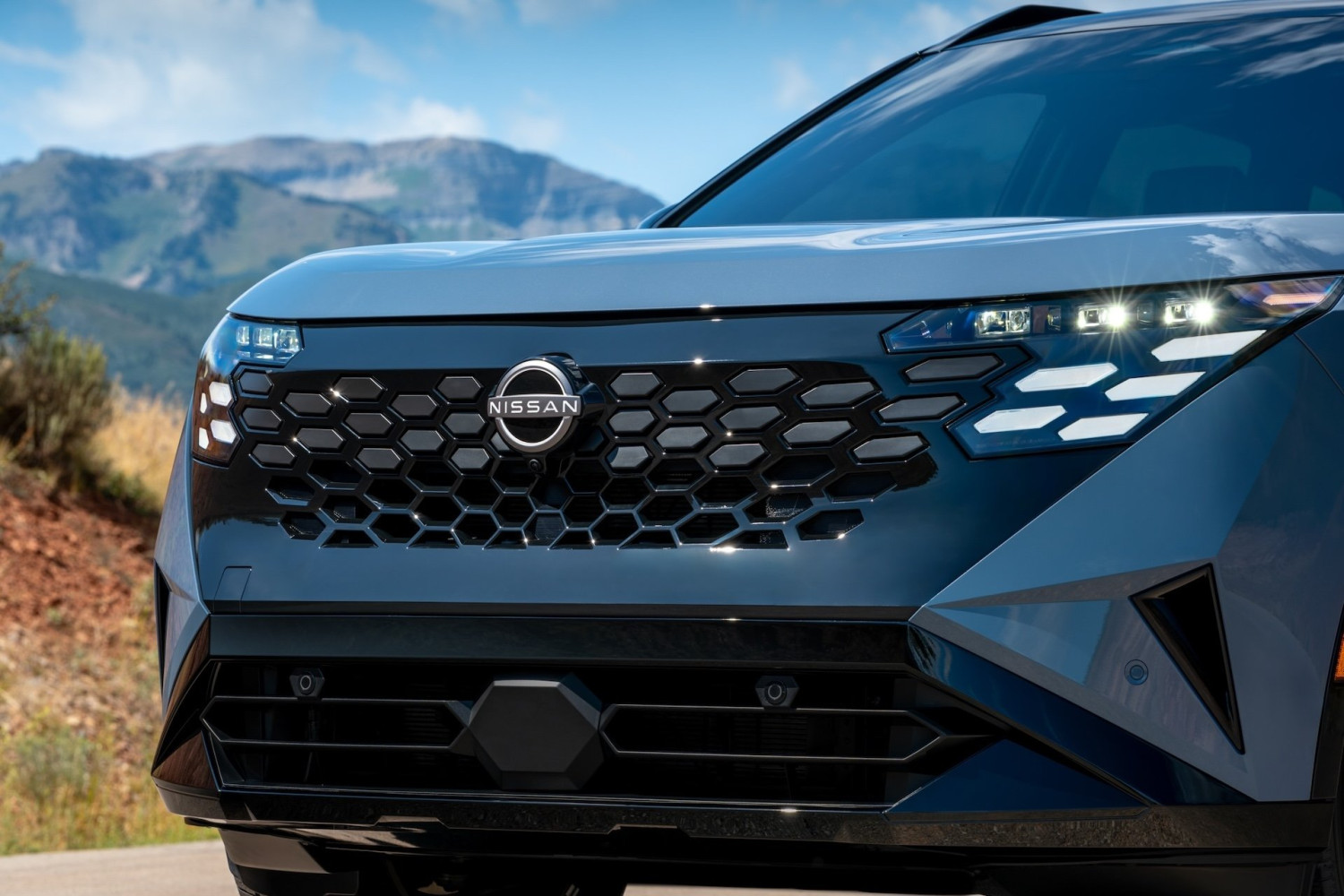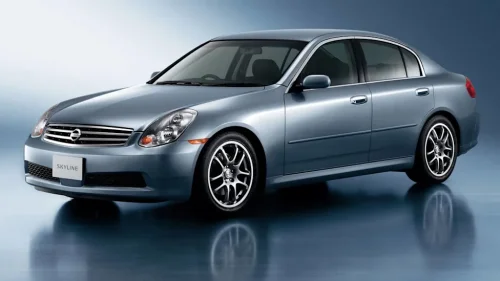






















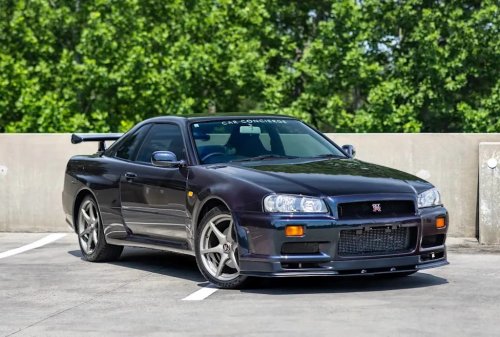
This lesser-known Nissan could be the closest thing to a budget Skyline alternativeFor enthusiasts who grew up idolizing Nissan Skylines, the modern market can feel brutally out of reach. Clean R32, R33, and R34 GT-Rs have turned into five- and six-figure collectibles, and even humbler GTS models are climbing fast. Yet Nissan’s back catalog still hides a few cars that deliver a similar flavor of straight-six character and rear-drive balance without Skyline pricing. One of the most intriguing candidates is not a GT-R at all, and in many markets it did not even wear the Skyline badge. Instead, it was a sedan and coupe line that shared engines, proportions, and attitude with Japan’s hero car, but slipped through the cracks of global fandom. For buyers willing to trade badges for value, this forgotten Nissan might be the closest thing to a budget Skyline alternative. What happened During the late 1980s and 1990s, Nissan built a dense web of rear-wheel-drive models that overlapped in size, engines, and chassis parts. Alongside the famous Skyline and Silvia families sat the Nissan Laurel, a slightly more formal sedan and hardtop coupe that often shared the same RB-series straight-sixes and multi-link suspension as its better-known sibling. In several generations, the Laurel rode on the same basic platform as contemporary Skylines, which gave it similar proportions and tuning potential. Enthusiast coverage has highlighted how the Laurel, particularly the C33 and C34 generations, came with engines like the RB20DET and RB25DET that also powered Skyline GTS-t models. These turbocharged straight-sixes, combined with rear-wheel drive and manual gearboxes, created a package that mirrored much of the Skyline driving experience while wearing a more understated body. As one detailed overview of forgotten Nissan performance models points out, the Laurel effectively functioned as a parallel Skyline line for buyers who valued comfort and subtlety over overt sport branding. Because the Laurel targeted a more mature domestic audience, Nissan never pushed it in the same motorsport or pop-culture channels that turned the Skyline into a legend. Export markets saw even less of it. Many countries that eventually received R32 and R33 Skylines never officially sold the Laurel at all, which kept the car out of magazines, video games, and movie cameos that built the Skyline mythos. When Japan’s bubble economy burst and Nissan rationalized its lineup, the Laurel faded from showrooms. Used examples cycled through domestic auctions, and a large share ended up as donor cars for drift builds or parts swaps. That history, combined with the lack of global marketing, left the Laurel largely invisible to casual fans even as Skyline values started to spike. The gap between perception and substance is stark. Many Laurel models share critical hardware with Skylines, from suspension arms and differential housings to the RB engines themselves. Tuners who specialize in Japanese sedans have long treated the Laurel as a Skyline in a business suit, a car that can run the same power levels and track setups with only minor adjustments. As import rules have opened more 1990s models to overseas buyers, a small but growing group of enthusiasts has started to hunt down clean Laurels precisely because they offer that Skyline-like core in a less hyped shell. Why it matters The Laurel’s reemergence matters because it offers a rare pressure valve in a market distorted by nostalgia and speculation. Skyline GT-Rs sit at the top of the pyramid, but even non-GT-R Skylines have surged as collectors chase anything with an R32 or R33 chassis code. That inflation has priced out younger enthusiasts who want a classic Nissan straight-six, manual transmission, and rear-drive layout without committing house money. In that context, the Laurel functions as a kind of insider’s shortcut. Buyers who understand that an RB25DET-powered C34 shares much of its DNA with a Skyline GTS-t can access similar tuning paths. Bolt-on upgrades that work on one typically adapt to the other, from turbo kits to coilovers and brake swaps. The aftermarket does not always label parts explicitly for the Laurel, but shared component codes mean that Skyline-focused catalogs often cover it indirectly. This interchangeability has real-world consequences for how the cars are used. In Japanese grassroots drifting, Laurels have long served as workhorses. Their slightly longer wheelbase, sedan practicality, and relatively low purchase price made them ideal for drivers who wanted a stable, predictable platform they could afford to crash and repair. That culture fed back into the idea of the Laurel as a “Skyline you can beat on,” a car that delivers the same core dynamics without the guilt of risking a collectible. For street and show builds, the Laurel’s understated styling has become a feature rather than a flaw. Where a Skyline telegraphs its intent, a well-sorted Laurel can fly under the radar. Enthusiasts have leaned into that contrast, pairing factory-like bodywork with aggressive wheel fitment, subtle aero, and clean engine bays that reveal serious RB hardware only when the hood lifts. The result is a sleeper aesthetic that appeals to drivers who prefer quiet capability over loud branding. There is also a preservation angle. As Skyline shells become too valuable to cut up, builders who want to experiment with wild power levels or heavy chassis modification are shifting toward less celebrated platforms. The Laurel, with its shared architecture and lower buy-in, becomes a logical canvas. That trend helps keep pressure off surviving Skylines while giving the Laurel a second life as a hero car in its own right. From a broader industry perspective, the Laurel story highlights how badge hierarchy can distort long-term values. Two cars with nearly identical mechanical packages can diverge dramatically in price if one becomes a media icon and the other stays a domestic-market workhorse. For collectors and drivers who care more about the experience behind the wheel than the name on the trunk, that gap represents opportunity. What to watch next The key question for prospective buyers is how long the Laurel can remain a bargain before wider recognition catches up. Several forces will shape that trajectory. First, import eligibility continues to roll forward, opening later C34 and C35 models to markets that previously could only access early Laurels. As more of these cars land in North America and Europe, social media exposure and event appearances will likely raise their profile. Second, parts support will influence how attractive the Laurel remains as a project base. As long as RB-series engines stay popular and Skyline owners continue to demand upgrades, the shared mechanical ecosystem should keep Laurel builds viable. However, niche body and interior pieces may become harder to source as donor cars are parted out or scrapped. Buyers who want factory-fresh trim will need to plan for patient hunting through Japanese auctions and specialist breakers. Regulatory and cultural shifts around modified cars could also affect how Laurels are used. If track-day and drift venues tighten noise and safety rules, more owners may pivot from rough-and-ready builds to cleaner, road-focused restorations. In that scenario, the Laurel’s more formal styling could become a selling point, positioning it as a classic sport sedan rather than a pure drift shell. Prospective owners should also pay attention to how insurance and registration frameworks treat imported Laurels compared with Skylines. In some regions, high-profile models attract stricter scrutiny or higher premiums because of theft risk and accident statistics. A lower-profile sedan that shares the same engine but not the same reputation may slip into more favorable categories, which adds another layer of value for daily use. Finally, watch how the enthusiast narrative evolves. As more builders and commentators spotlight the Laurel’s shared roots with the Skyline, the car’s image is already shifting from obscure sedan to connoisseur’s choice. That change will likely pull prices upward, but it may also encourage better preservation and more thoughtful modifications. Clean, tastefully upgraded Laurels could emerge as a distinct segment in the Japanese classic market, sitting between workhorse drift cars and high-end Skyline collectibles. More From Fast Lane Only: Unboxing the WWII Jeep in a Crate 15 rare Chevys collectors are quietly buying 10 underrated V8s still worth hunting down Police notice this before you even roll window down The post This lesser-known Nissan could be the closest thing to a budget Skyline alternative appeared first on FAST LANE ONLY.