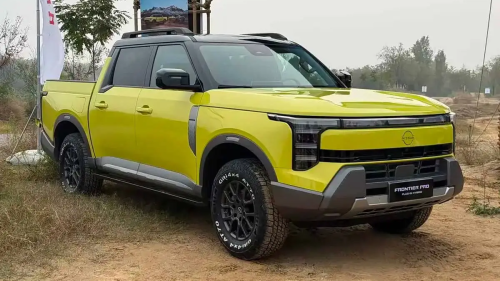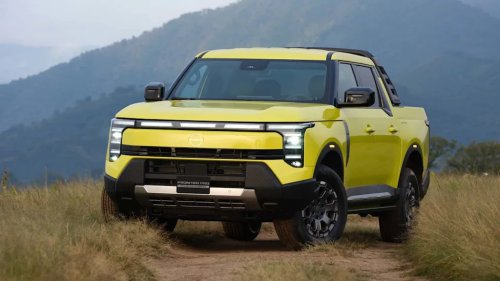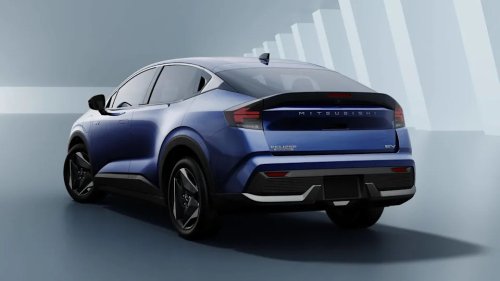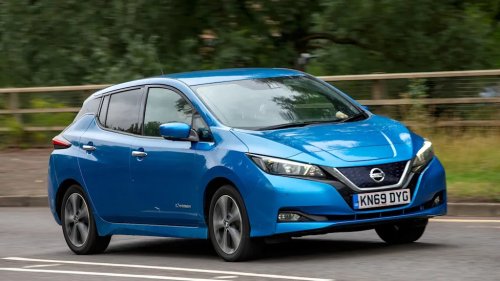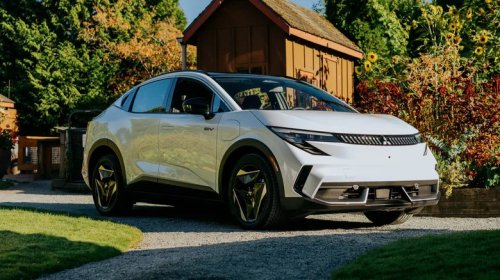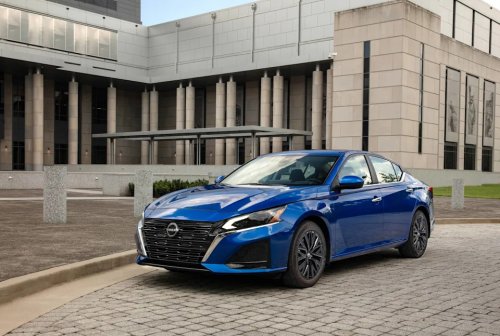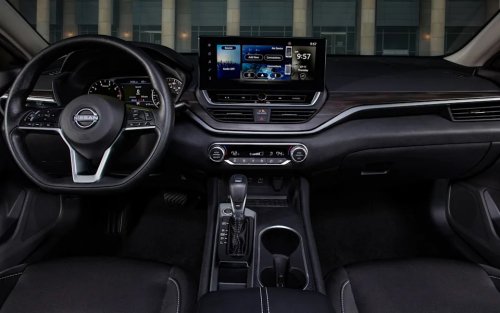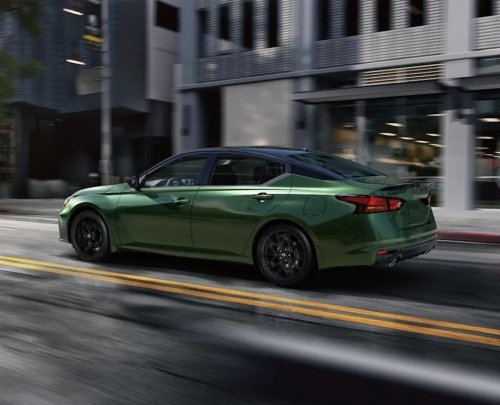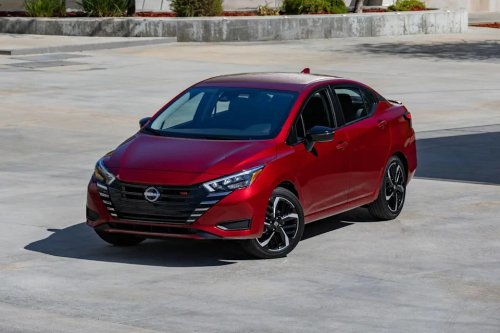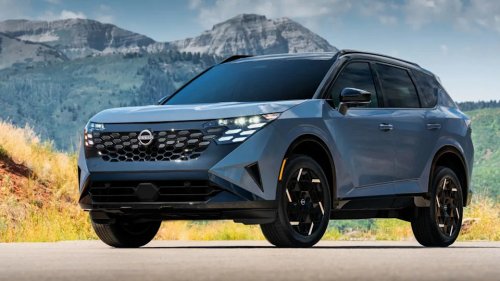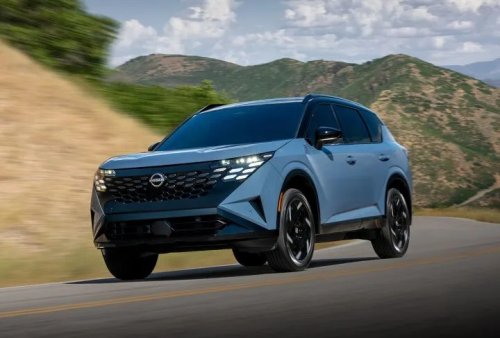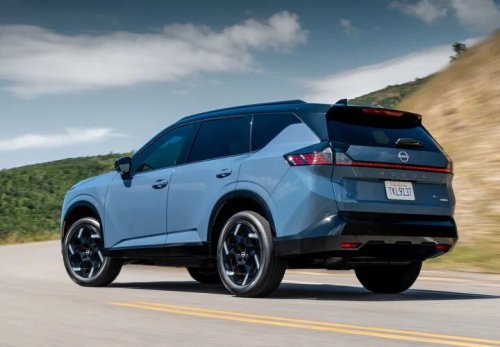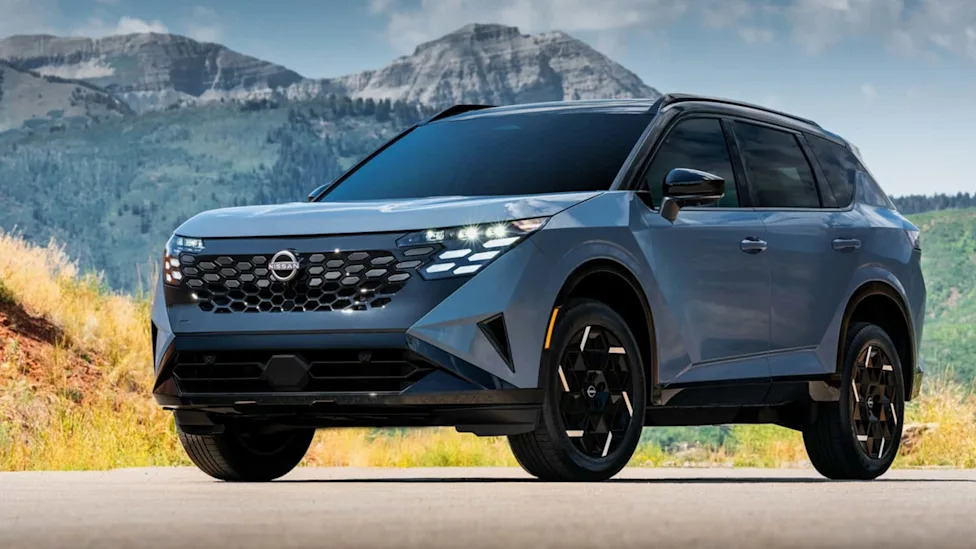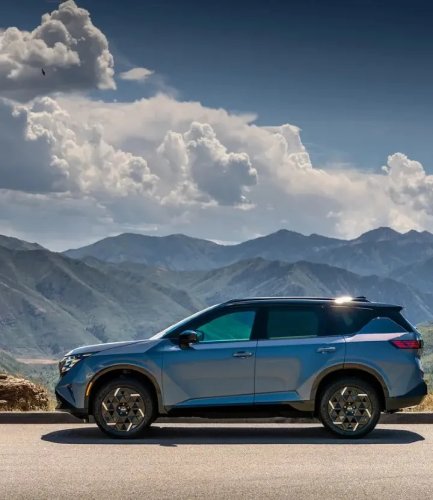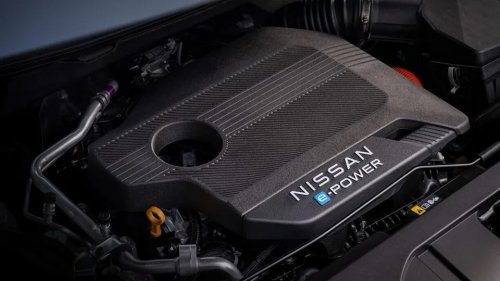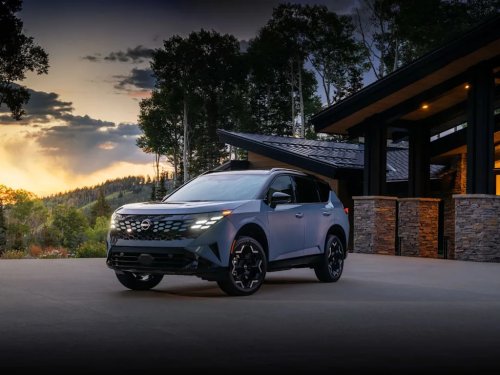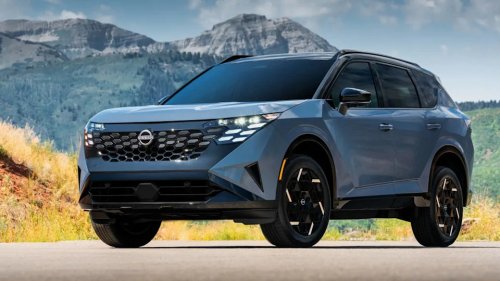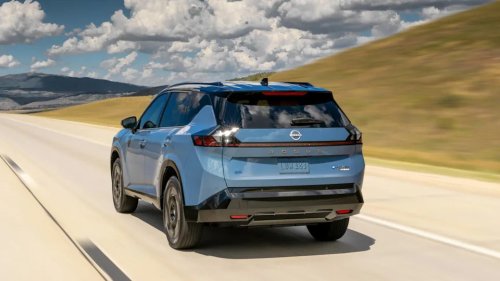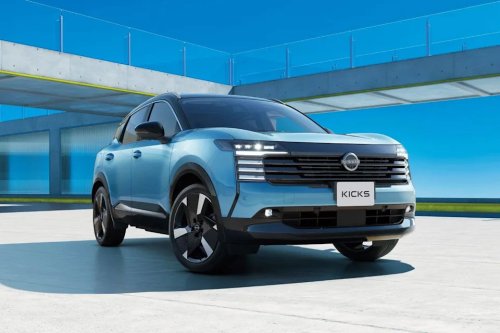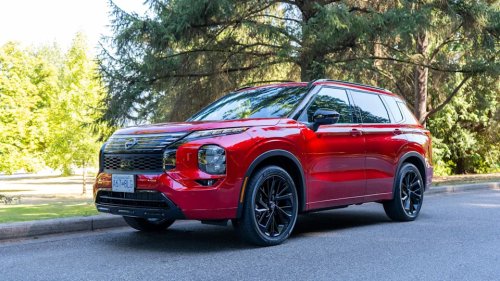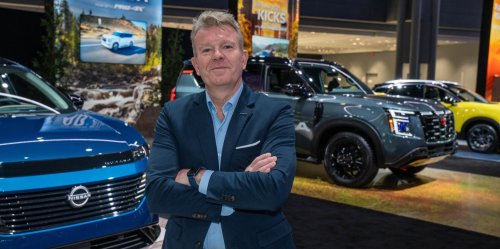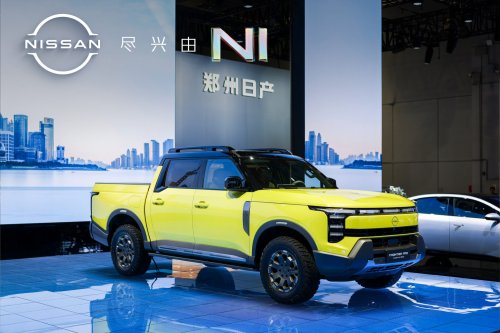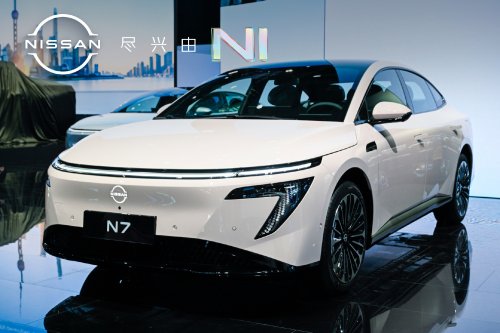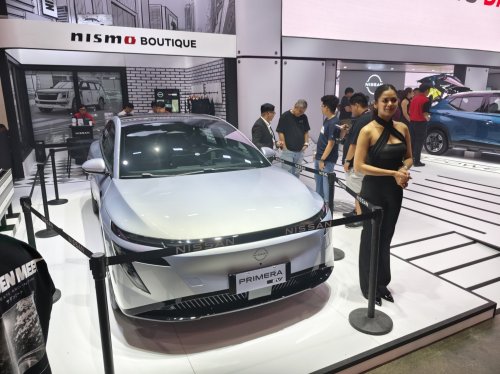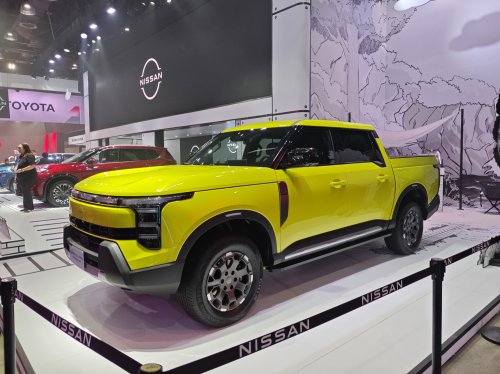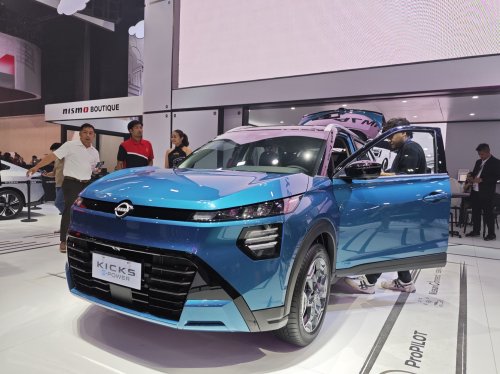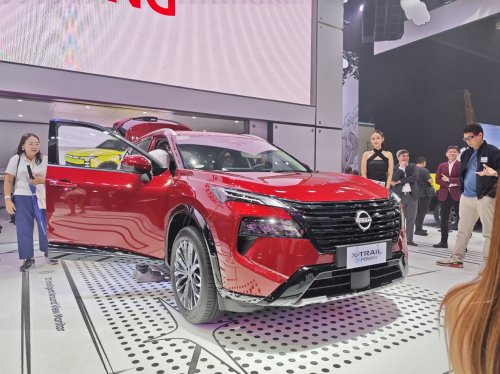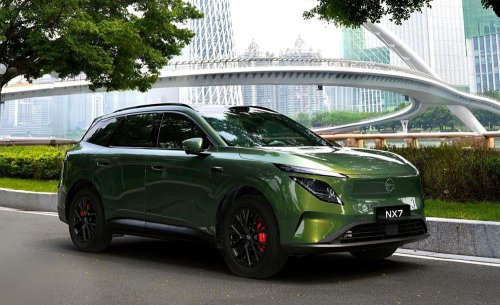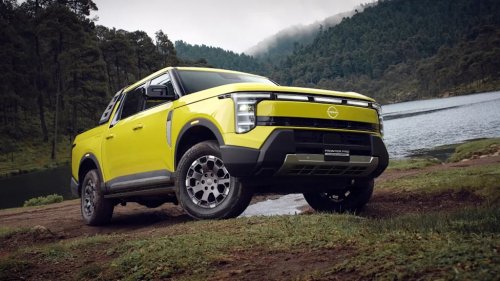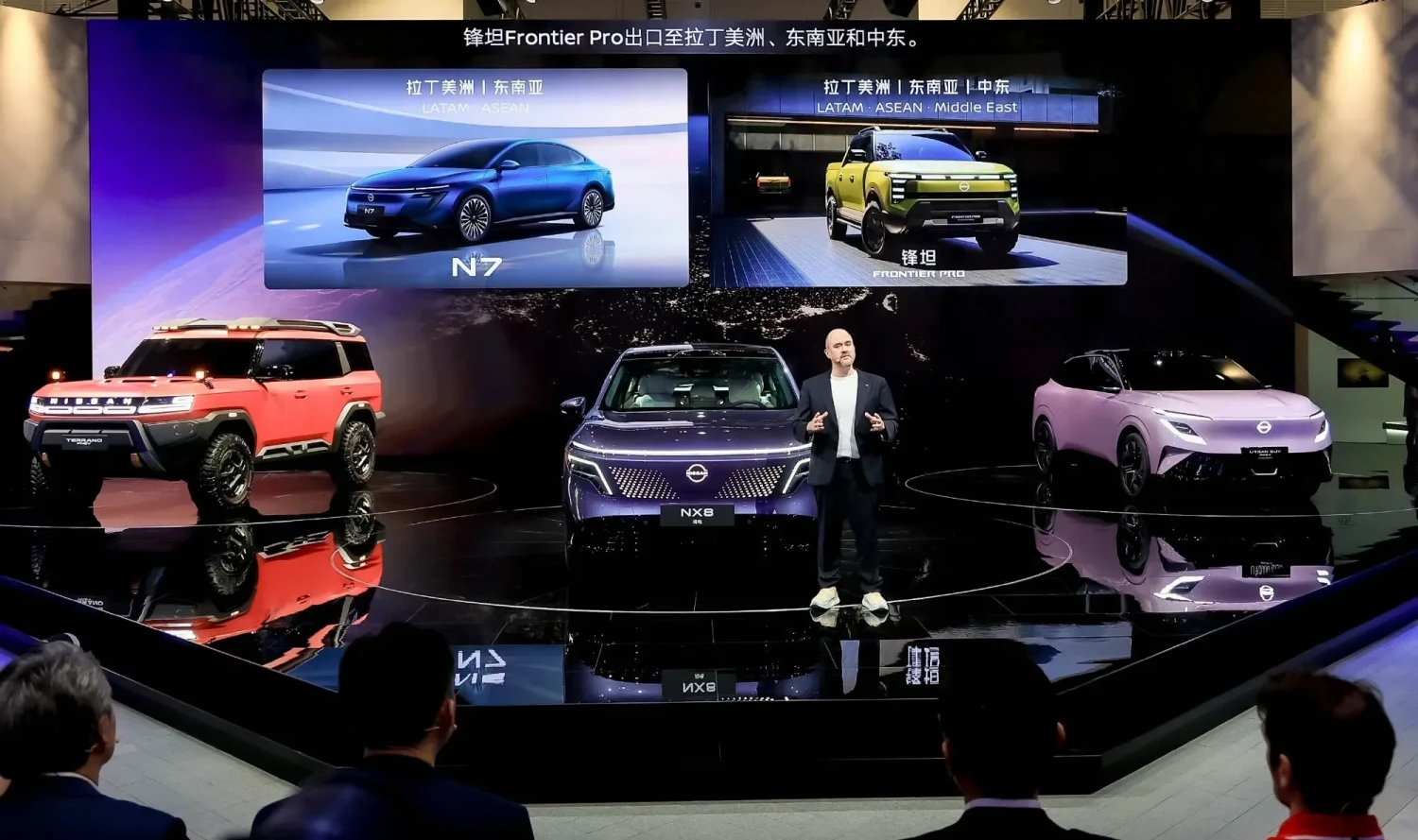



















Nissan Motor Co. (TYO: 7201) is evaluating whether vehicles produced through its Chinese joint venture with Dongfeng Motor Group (HKG: 0489) could reach Canadian showrooms, as Ottawa's new EV import quota creates an opening for China-made vehicles in North America.Christian Meunier, Nissan's head of the Americas, told Bloomberg on May 19, 2026 that the company is "currently studying this seriously" following Canada's decision to lift its ban on Chinese-made EVs — a policy shift that took effect in January 2026.Canada now permits up to 49,000 vehicles produced in China to enter its market annually, subject to a 6.1% most-favoured-nation tariff, replacing the 100% surtax that had effectively barred Chinese vehicles. Administered by Global Affairs Canada, the quota covers battery-electric vehicles as well as plug-in hybrids and conventional hybrids, substantially widening the pool of eligible models. Tesla (NASDAQ: TSLA) has already moved to fill quota space, with its Shanghai factory now supplying Model 3 sedans to Canadian buyers at prices that substantially undercut earlier versions built in US.For Nissan, the case comes down to cost and speed. Its Dongfeng joint venture has spent recent years developing a new generation of locally engineered electrified vehicles that are significantly cheaper to produce than equivalents built elsewhere in its global network. Meunier highlighted the advantages of Chinese factories in cost control and development cycles, though he did not name specific models under consideration for Canada.Dongfeng Nissan PHEV export models (Nissan)New CEO Ivan Espinosa has made China's manufacturing base central to his recovery strategy for a company weighed down by aging products, falling sales, and years of financial strain. According to Bloomberg, Espinosa wants to initially export 100,000 vehicles annually from China, with plans to eventually scale that to 300,000 units as the lineup of new-energy vehicle models expands.Latin America is the first destination. The Dongfeng Nissan N7 — a battery-electric sedan priced at around $17,000 in China — and the Frontier Pro plug-in hybrid pickup, which starts at CNY 189,900 (c. $27,900) domestically, are the first models confirmed for export. Canada's inclusion of PHEVs within the quota makes both eligible, and the newly launched NX8 — a mid-to-large extended-range electric SUV that debuted in April 2026 at a post-incentive starting price of CNY 149,900 (c. $22,000) and attracted more than 8,400 orders in its first 30 minutes — is also a potential candidate.The joint venture's export infrastructure was established in November 2025 with the formation of Nissan Import & Export (Guangzhou) Co. Ltd., a CNY 1 billion (c. $147 million) entity with Nissan contributing 60% and Dongfeng 40%. It is the first joint-venture vehicle import and export company set up by a foreign automaker in China.Canada's position contrasts sharply with the United States, where tariffs effectively block China-origin vehicles. Competition for the Canadian quota is already intensifying: Stellantis is exploring plans to manufacture Leapmotor EVs at its idled plant in Brampton, Ontario — a move that would circumvent the import cap by producing domestically.Meunier did not offer a timeline for any Canadian rollout, and Nissan has yet to confirm which models, if any, will make the journey — leaving open the question of whether the company can move fast enough to claim meaningful quota volume before its rivals do.Conversion rate: 1 USD = 6.8034 CNY as of May 19, 2026