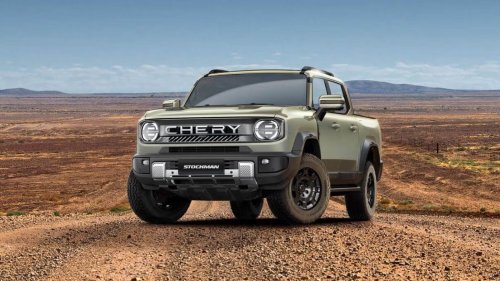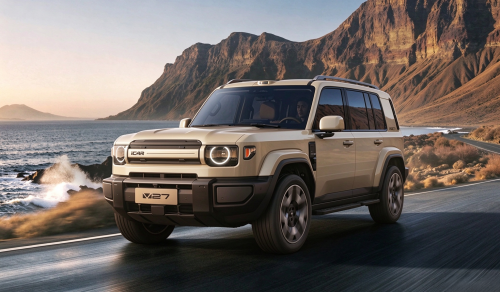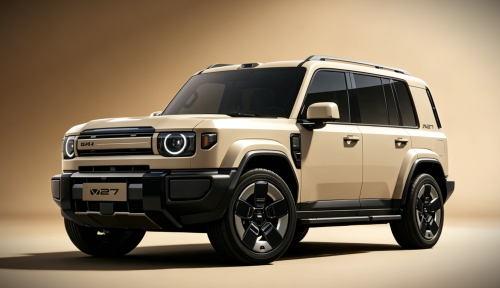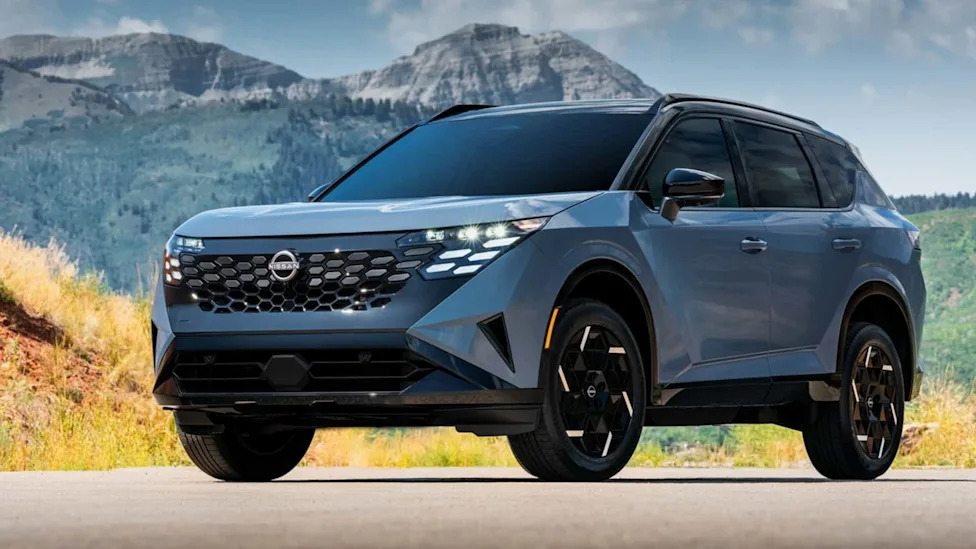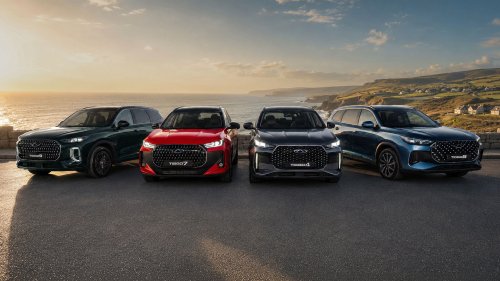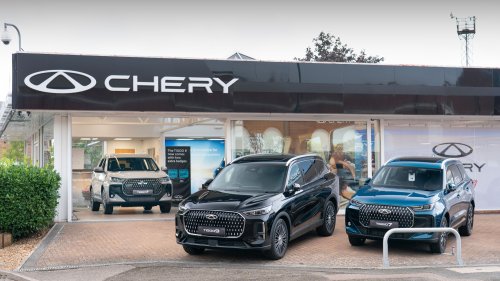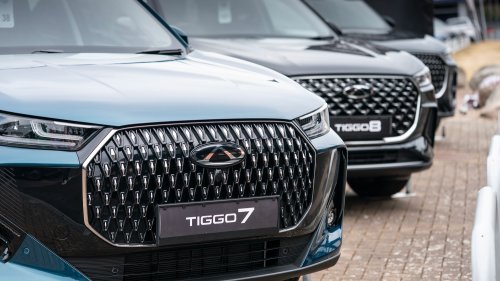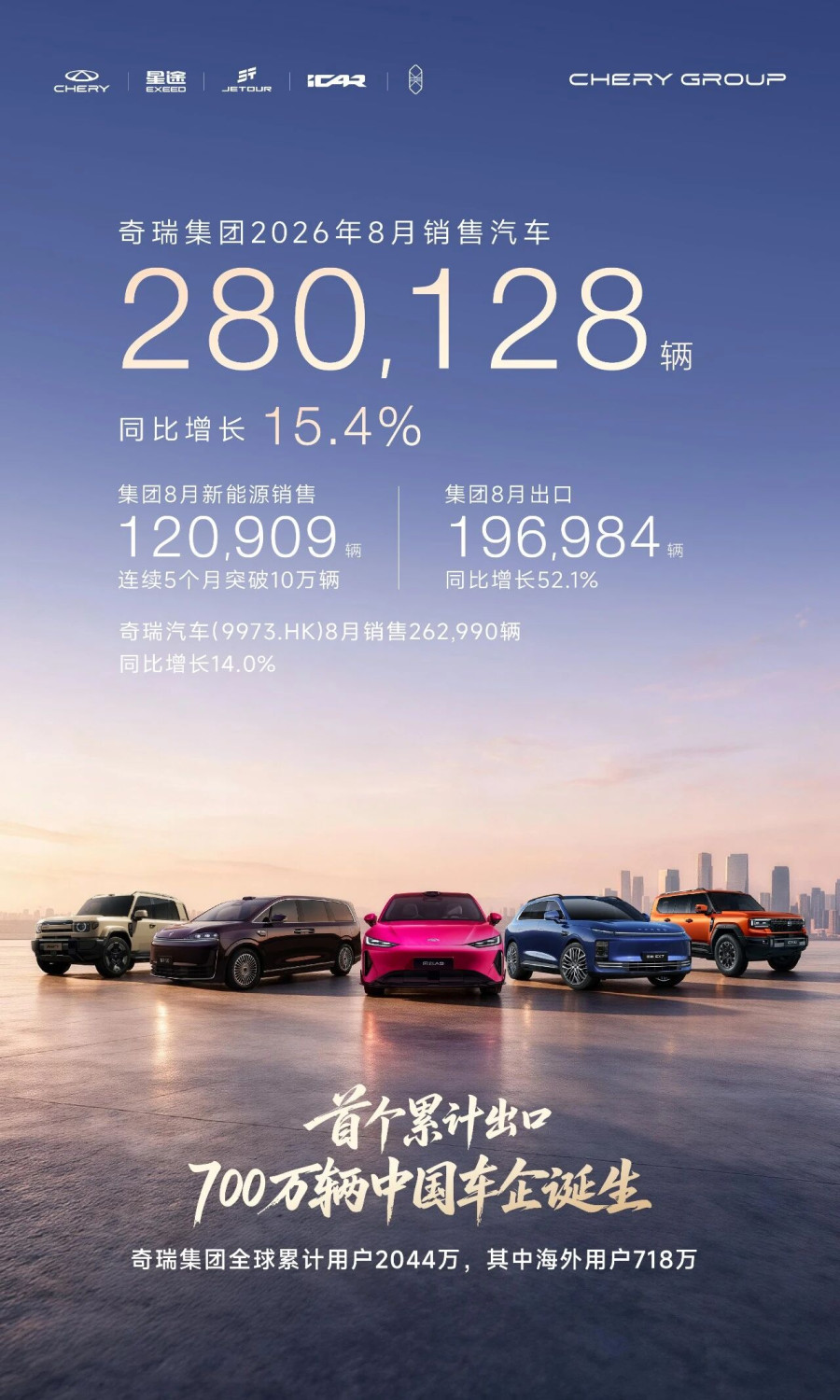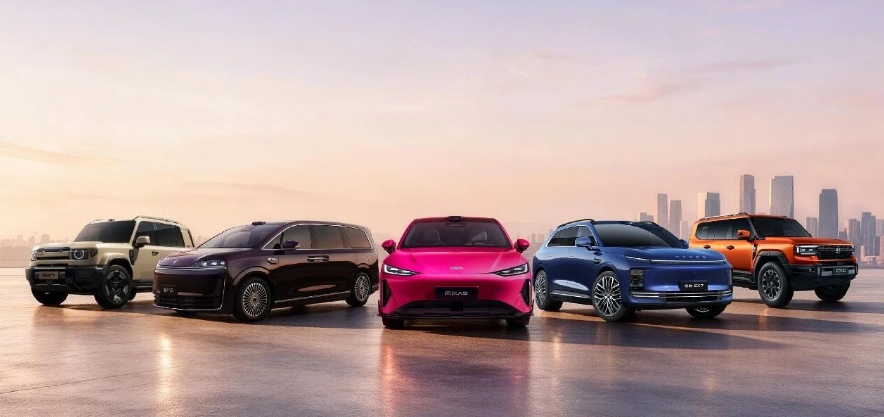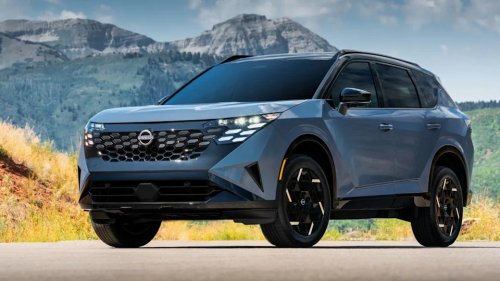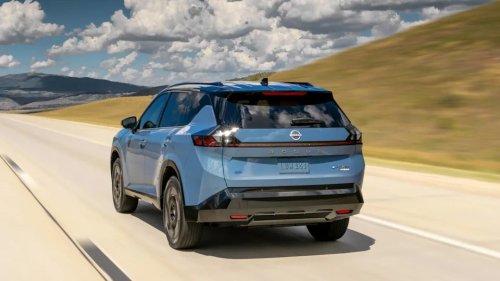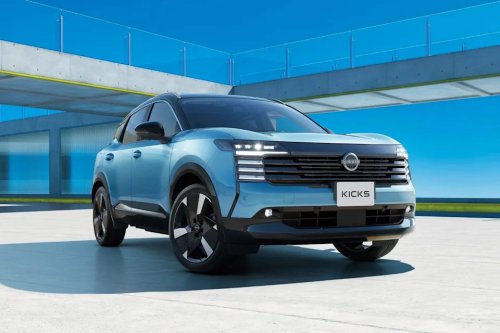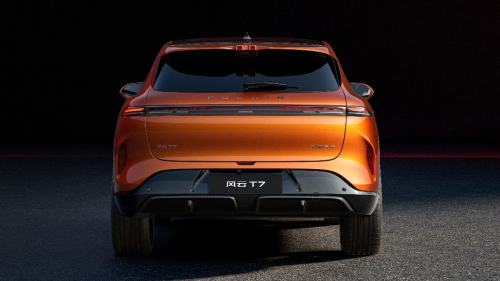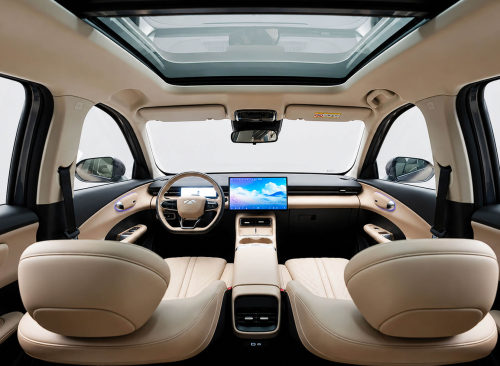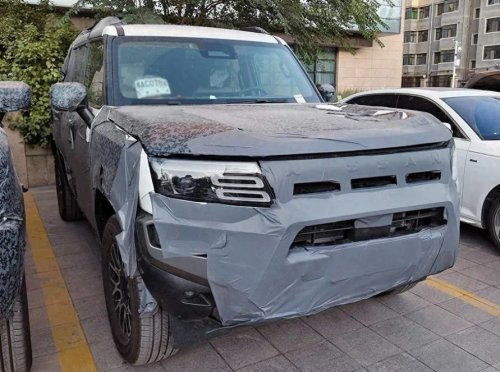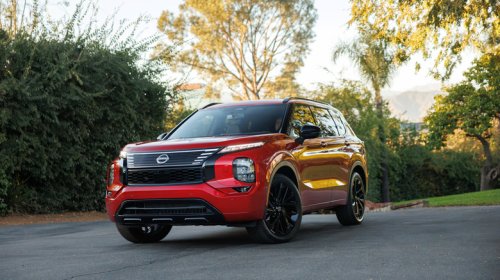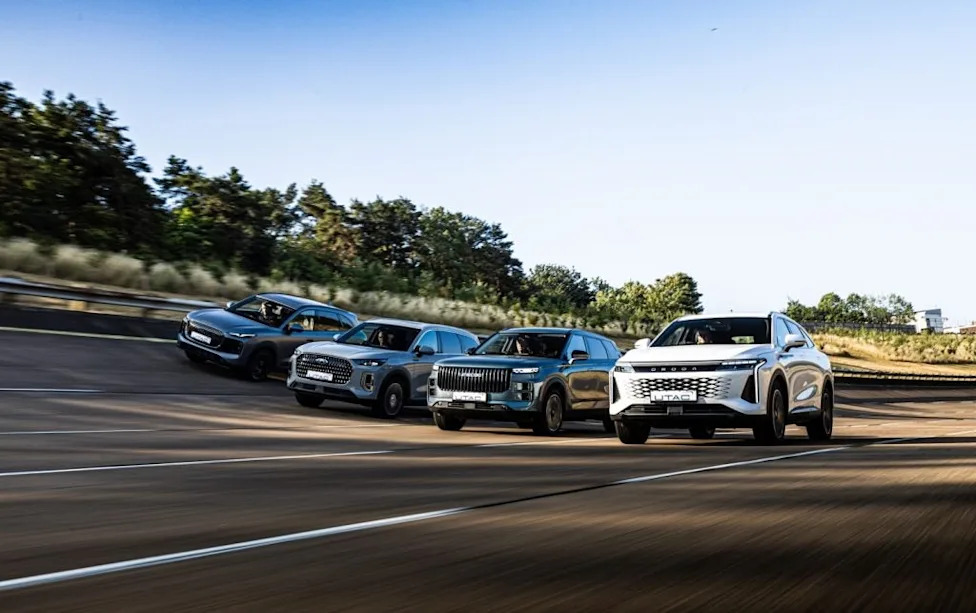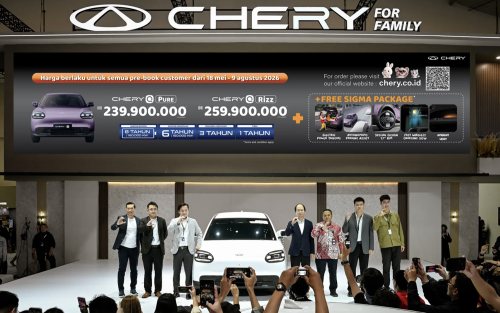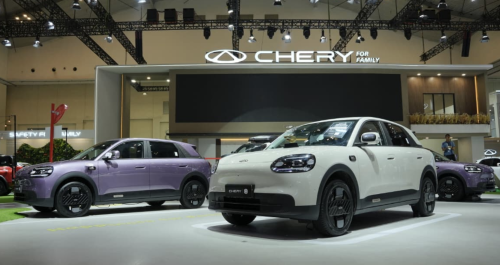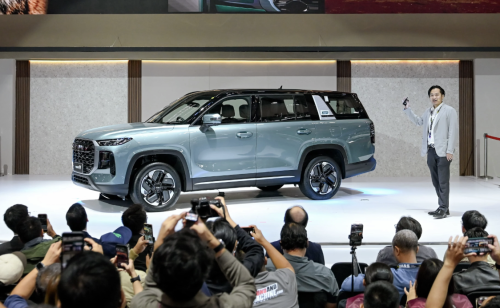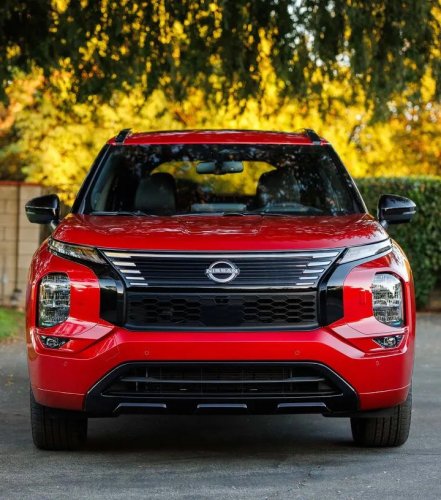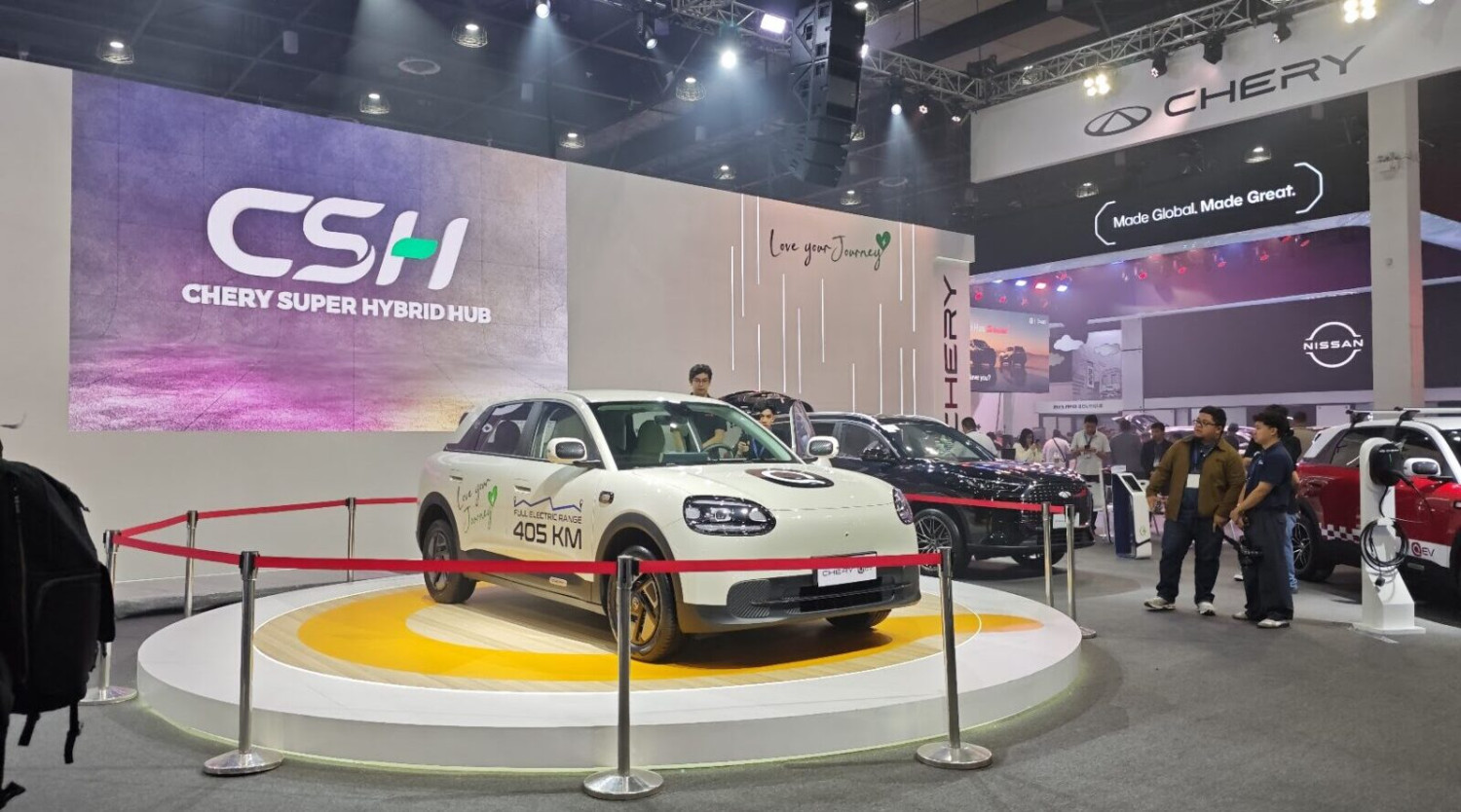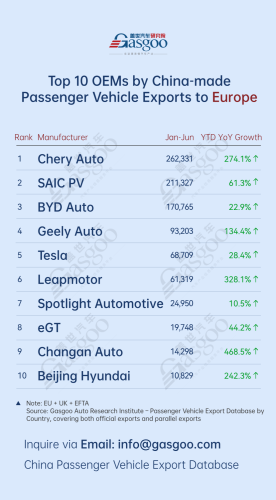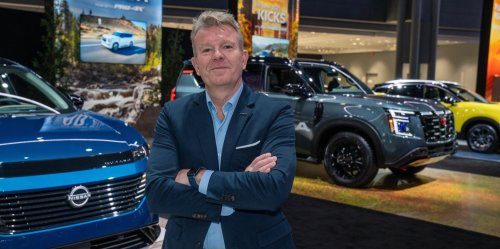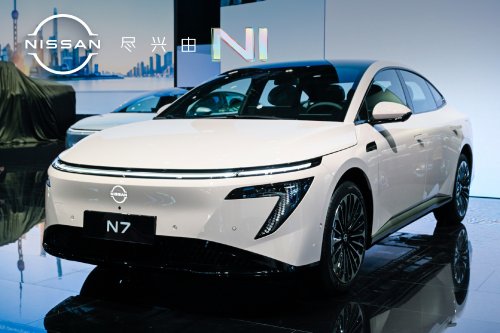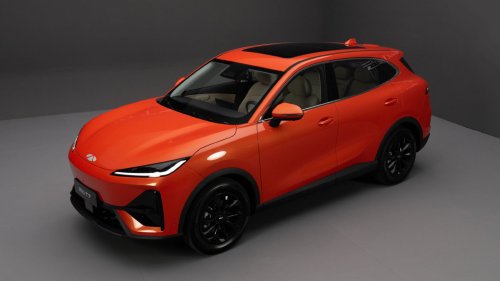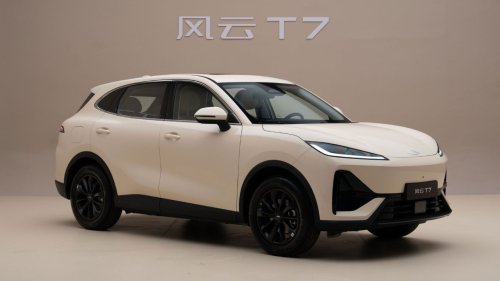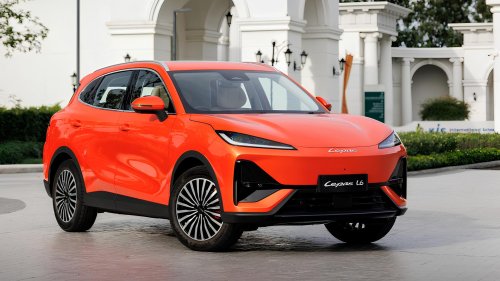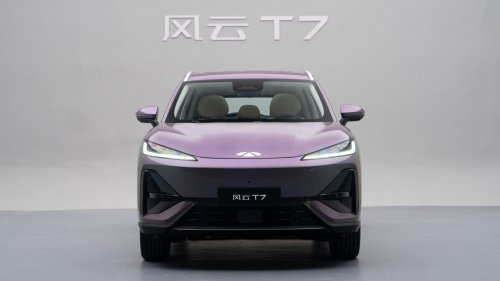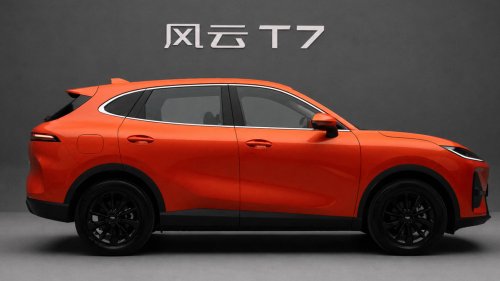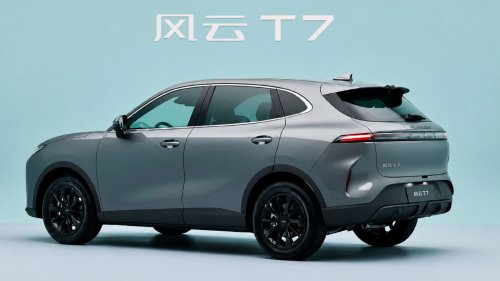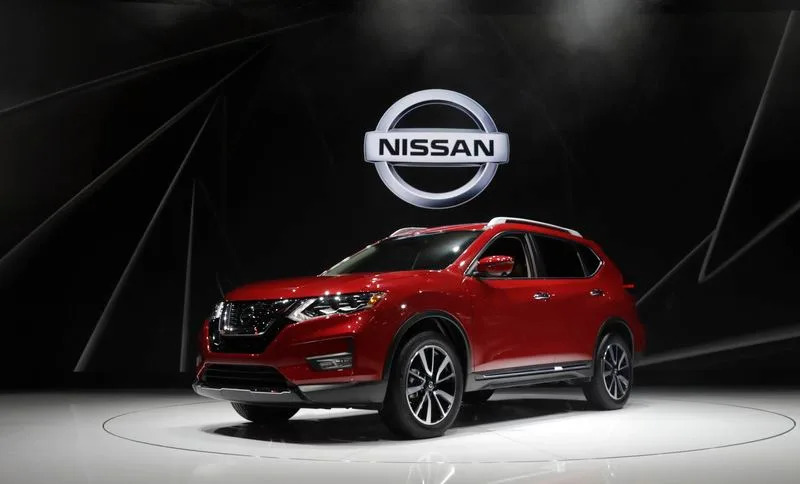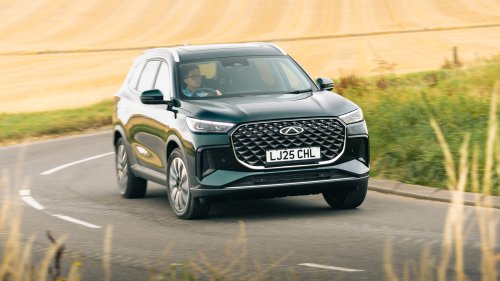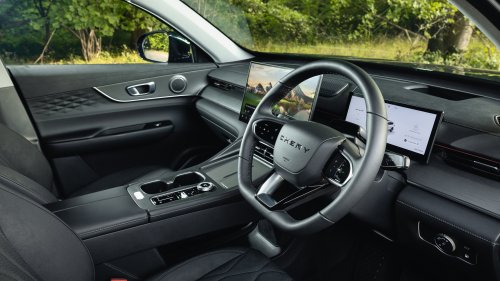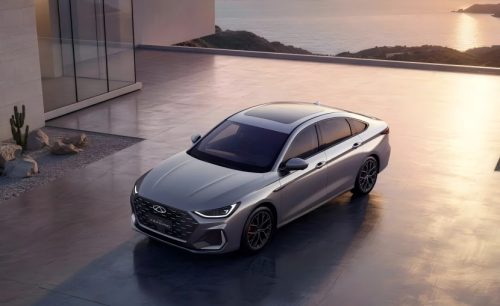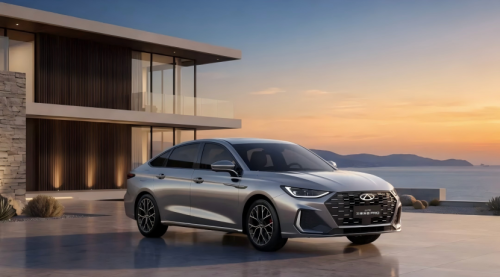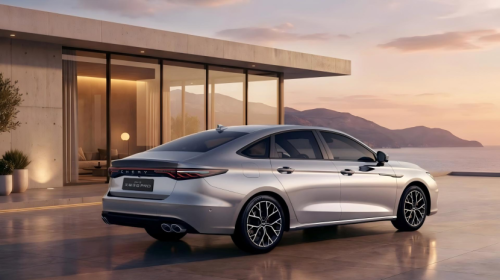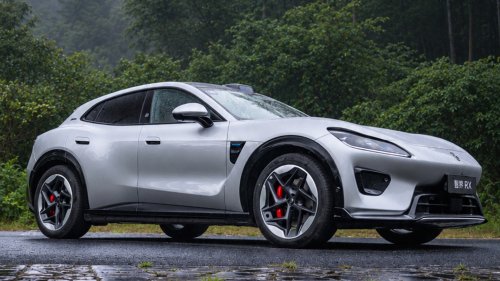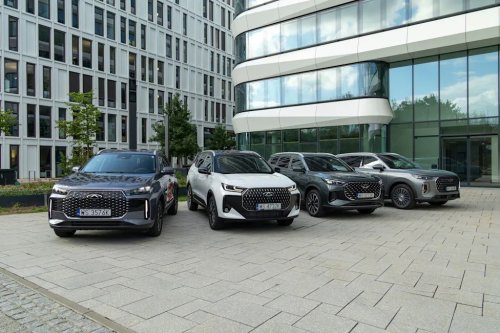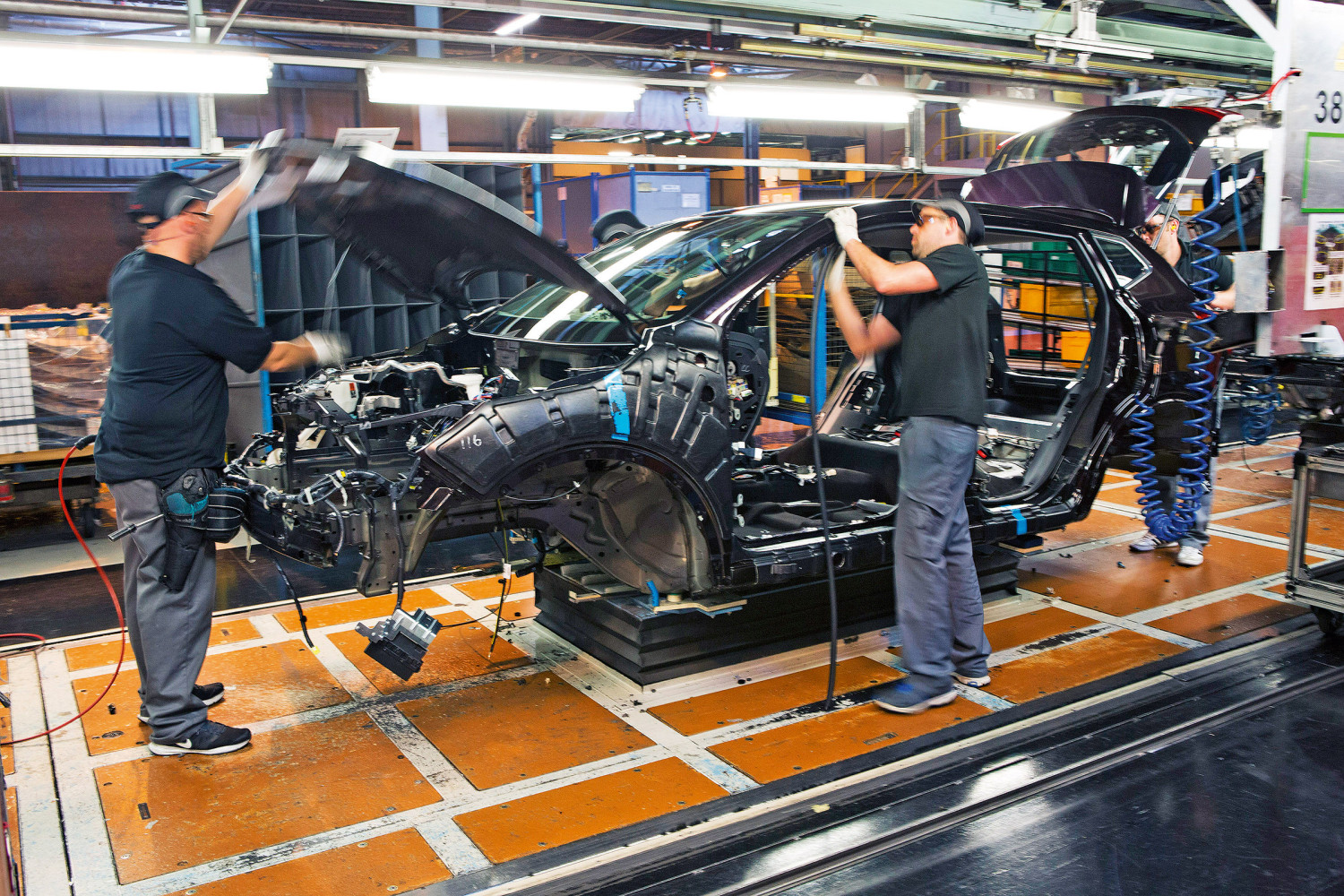



















Nissan and Chery have signed what has been described as a “non-binding Memorandum of Understanding” which could see production of Chinese cars beginning in Sunderland as soon as next year. Chairperson of Nissan AMEIO (Africa, Middle East, India, Europe and Oceania), Massimiliano Messina, described the deal as “an important step forward for our operations. We are looking forward to working with Chery International UK in the coming months to finalise a position that is optimal for both companies.” This comes after the announcement in May that Nissan would consolidate production of the popular Nissan Qashqai, Juke and Leaf onto just one of its two Sunderland production lines. Up until now, the Japanese firm’s Tyne and Wear-based factory had been operating at roughly 50 per cent of its half a million-vehicle annual capacity; last year, for example, Sunderland produced ‘just’ 273,174 cars. Such is the case that any merging of production lines would not affect output and would ultimately open the door for opportunities to boost the site’s productivity. It’s unknown exactly which Chery cars will be manufactured in Sunderland; it’s worth pointing out that Chery does own the likes of Jaecoo and Omoda, meaning there’s every possibility that production of the top-selling Jaecoo 7 and Omoda 5 SUVs could be shifted to the UK to cater to the European market. Sunderland’s Line One can cater for both petrol, hybrid and fully-electric cars, though, so whatever is built there won’t necessarily be limited by powertrain. The deal has not been finalised yet as details need to be pinned down before the production prospectively begins in the 2027 financial year. Whatever happens, the Sunderland plan will remain in Nissan’s ownership, with the deal coming at no risk to production jobs. That said, Nissan did previously announce plans to cut roughly 10 per cent of its European workforce, mostly in business and office-based roles. It is hoped that fewer staff to pay out for and a fresh revenue stream in the deal with Chery will bring Nissan back from its current difficult position. The firm posted a two-and-a-half billion pound loss for 2025, blaming “inflationary pressure, tariffs, and uneven market performance”.