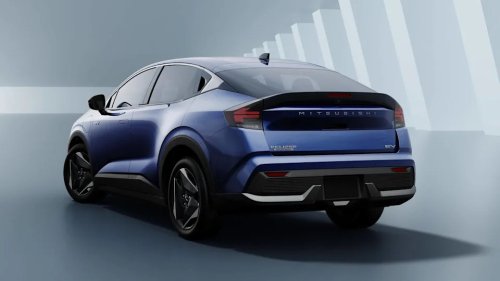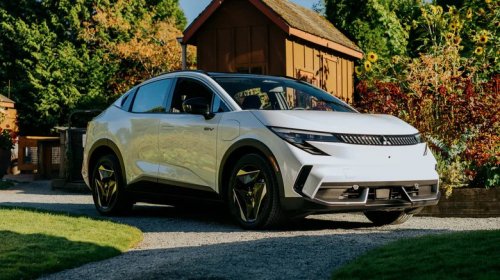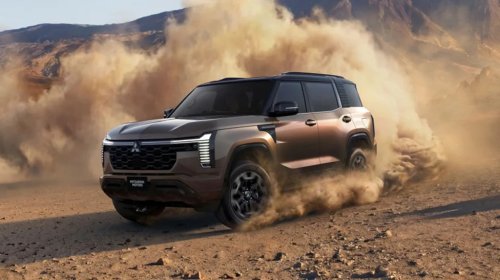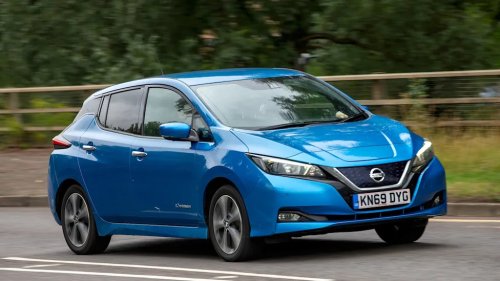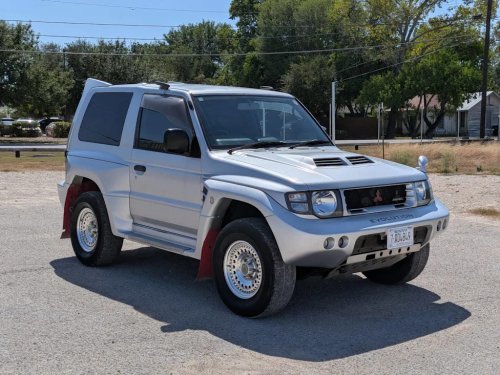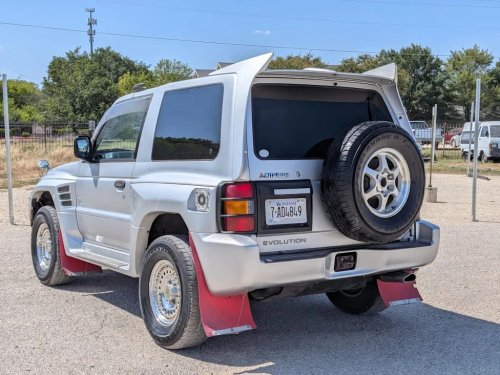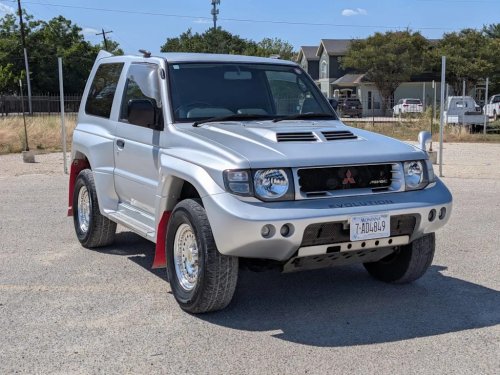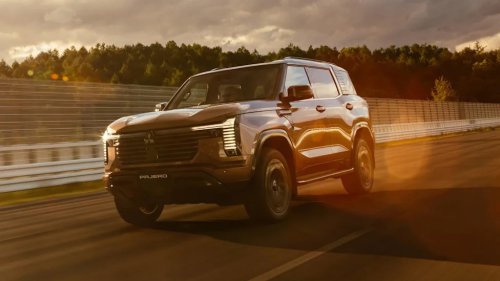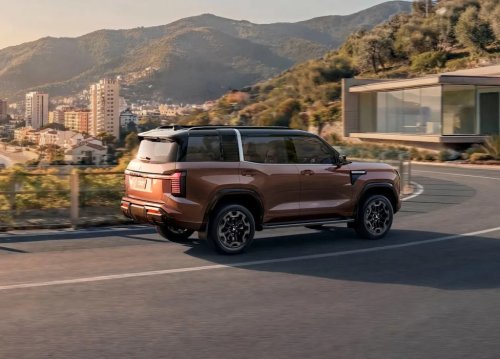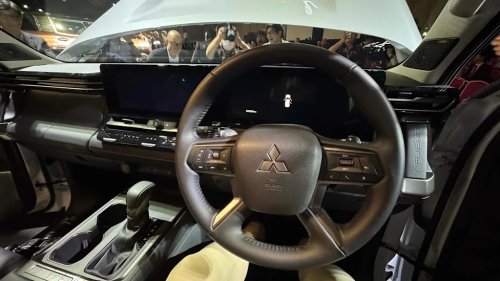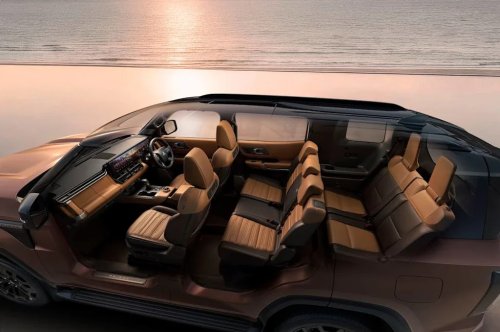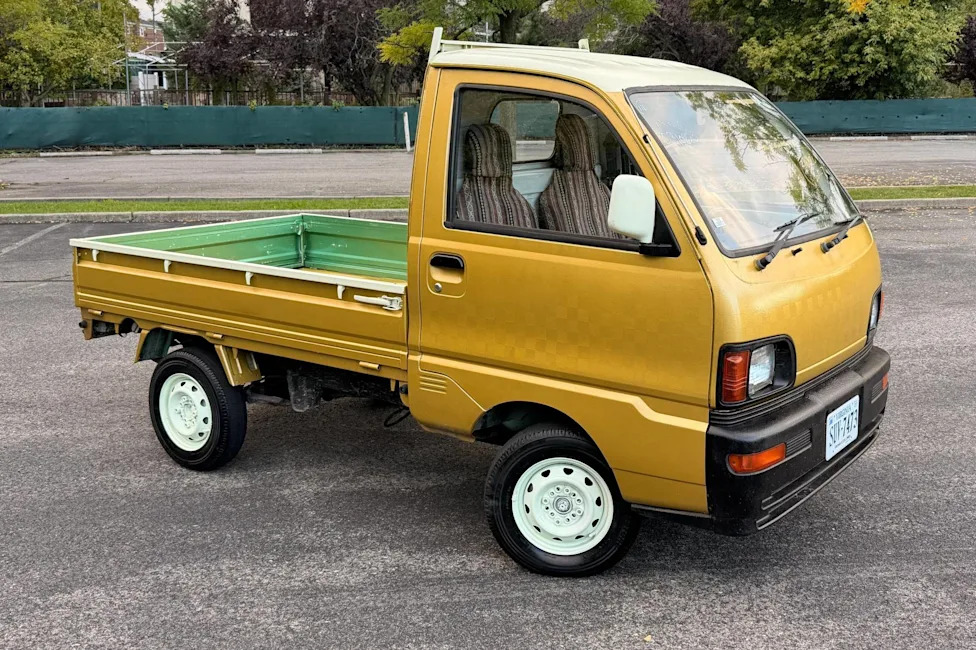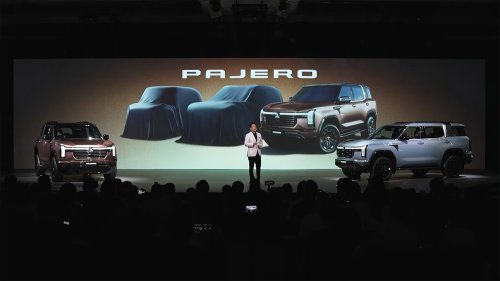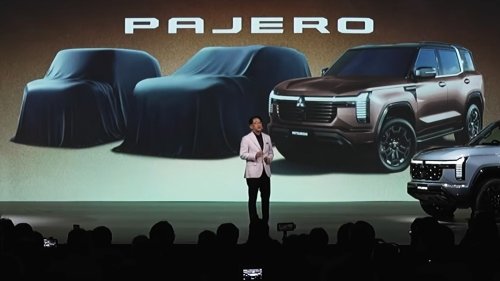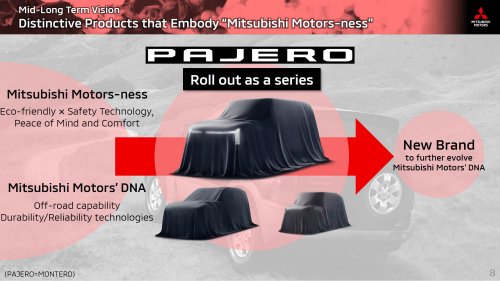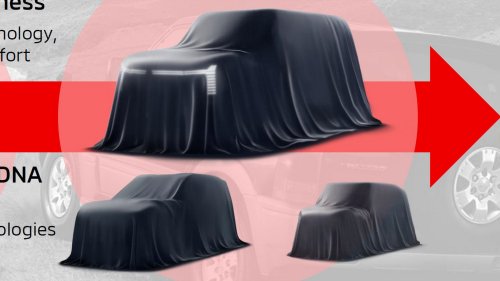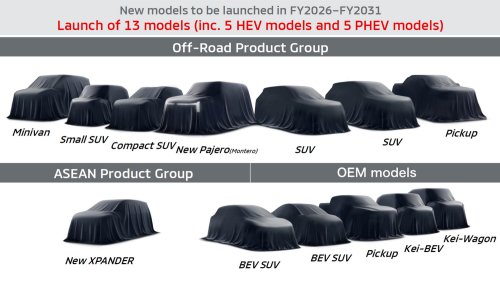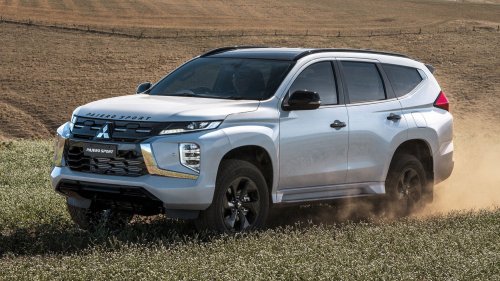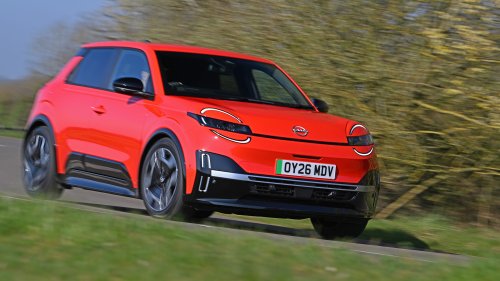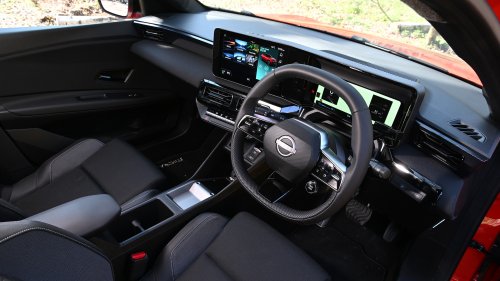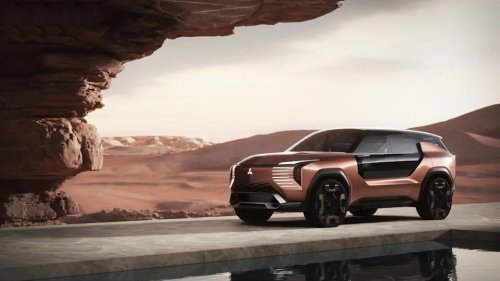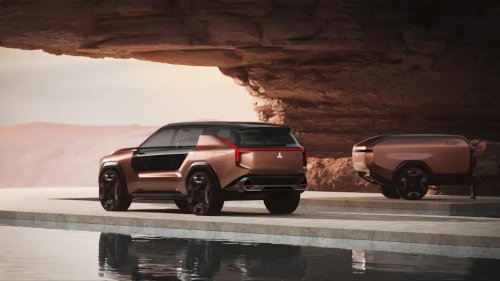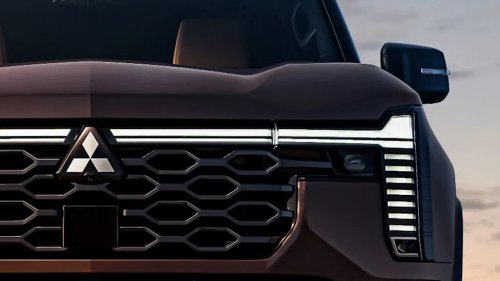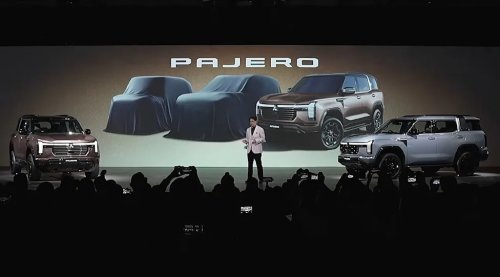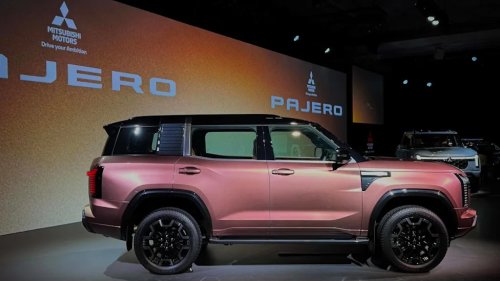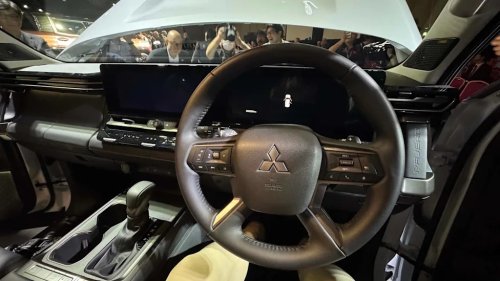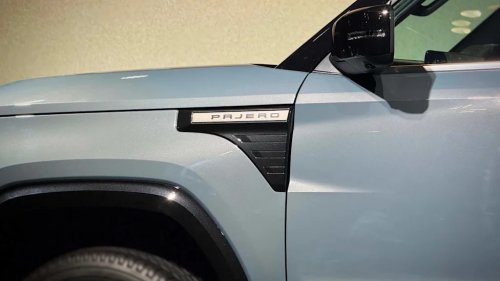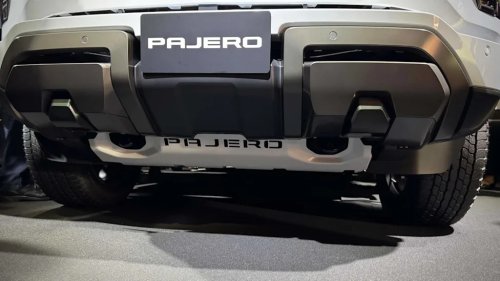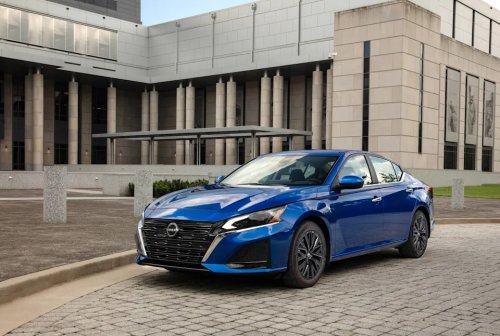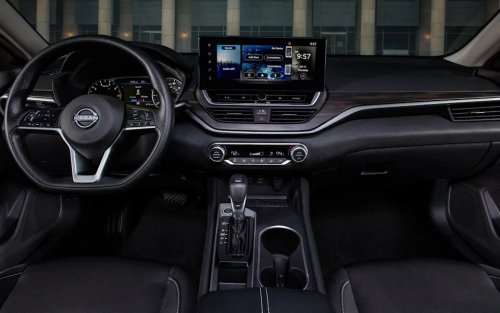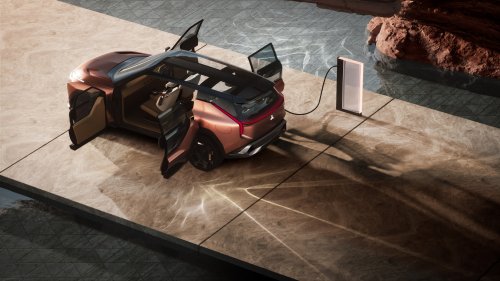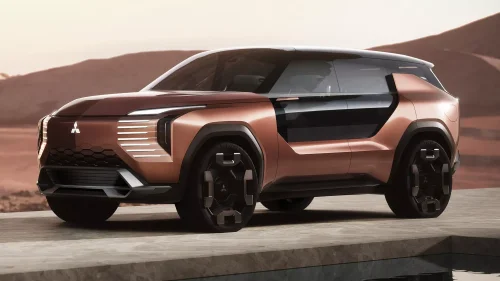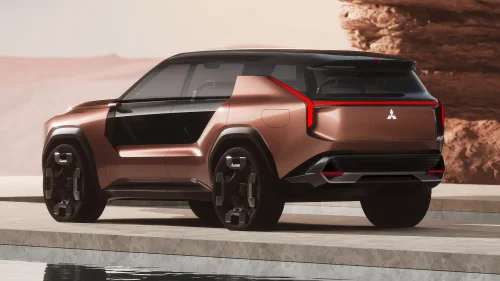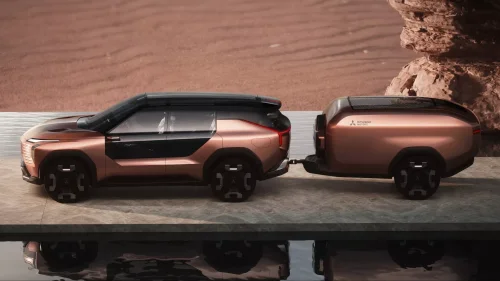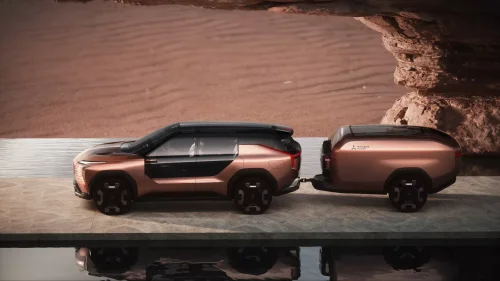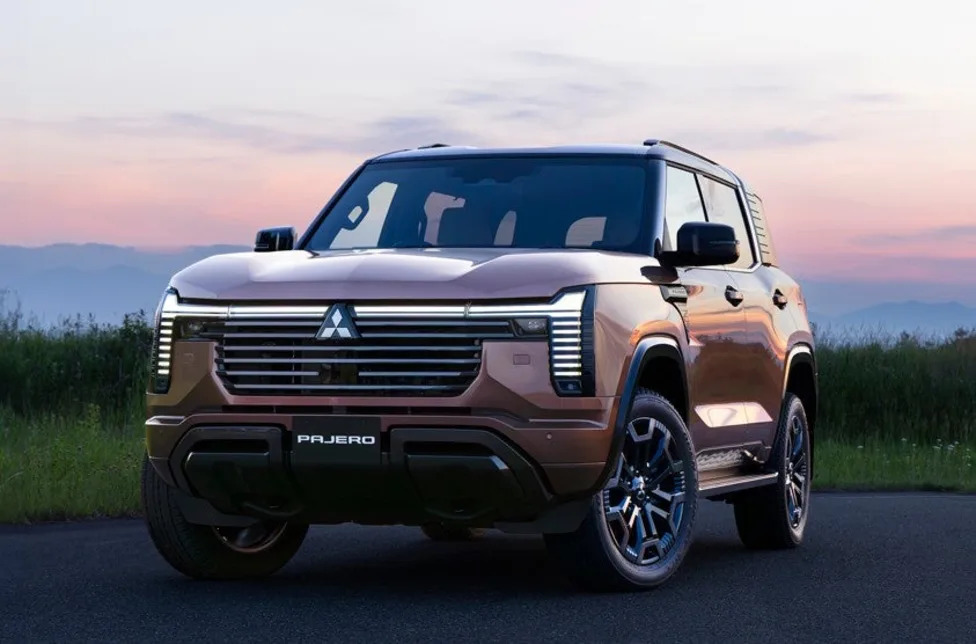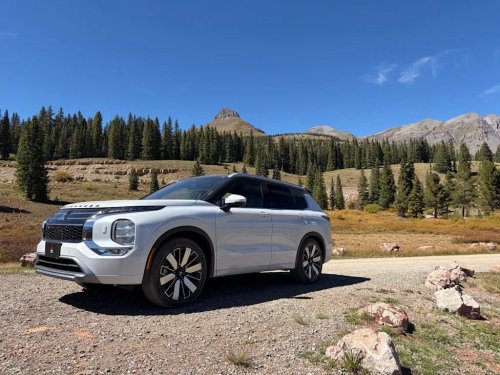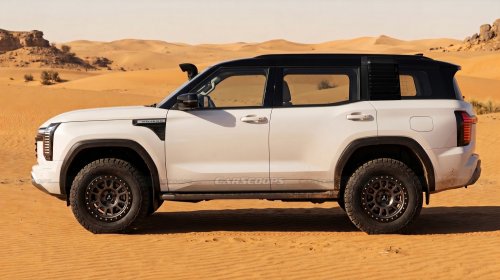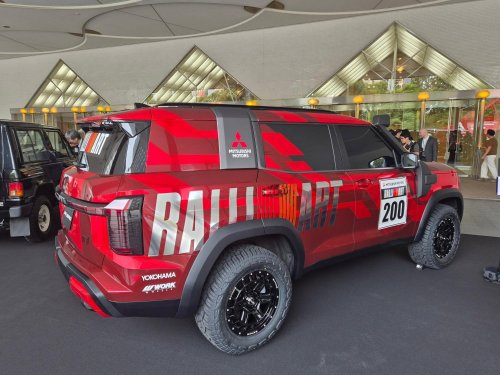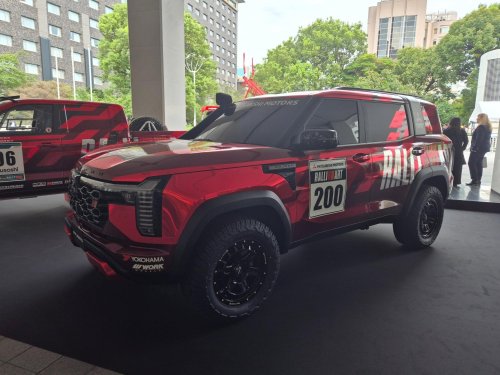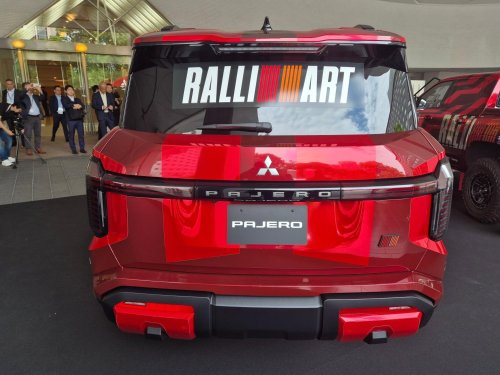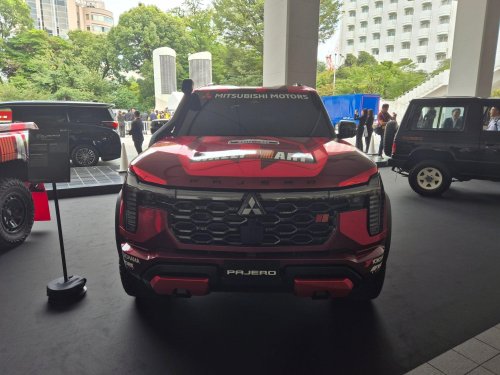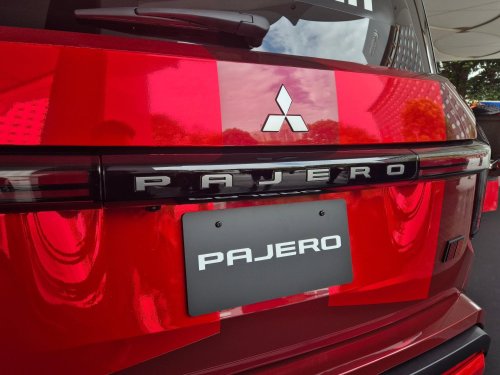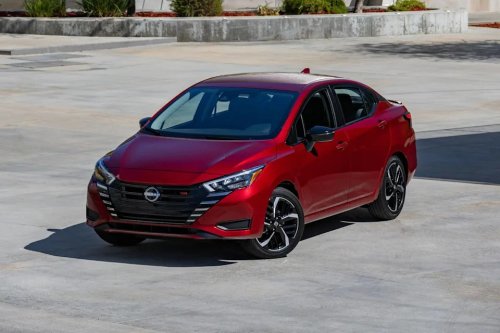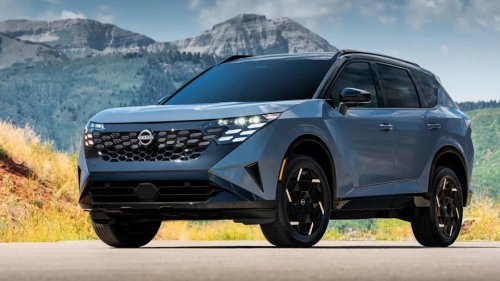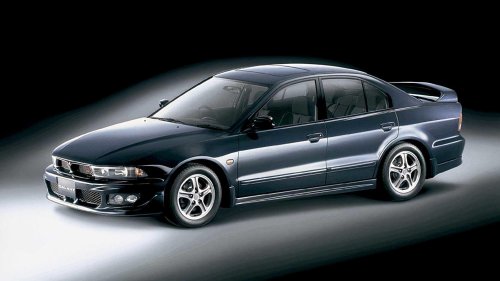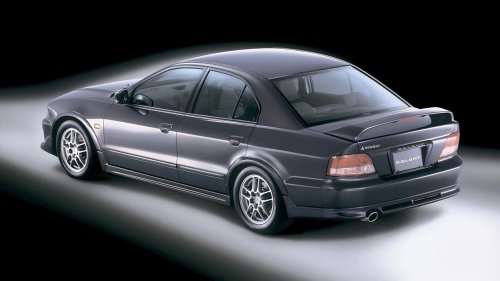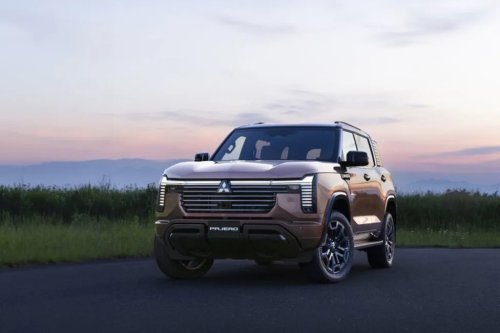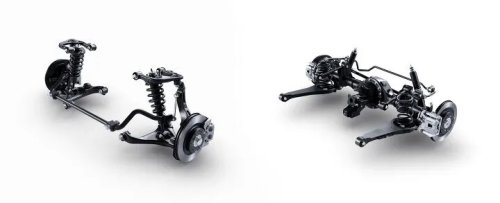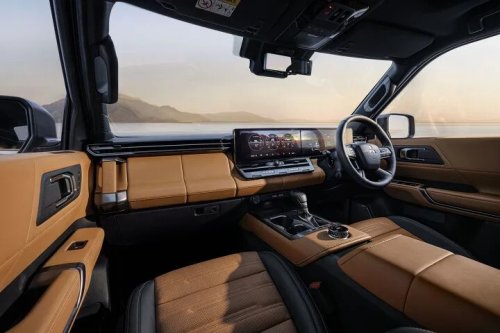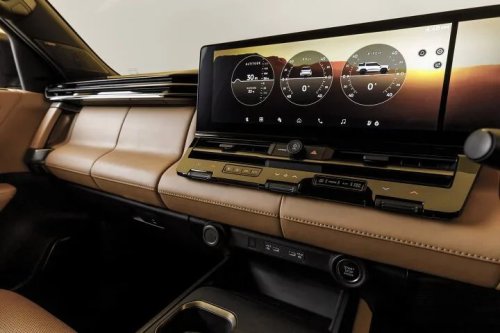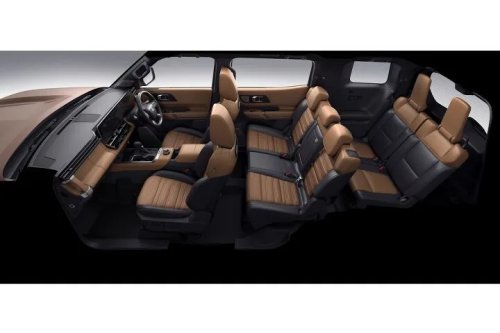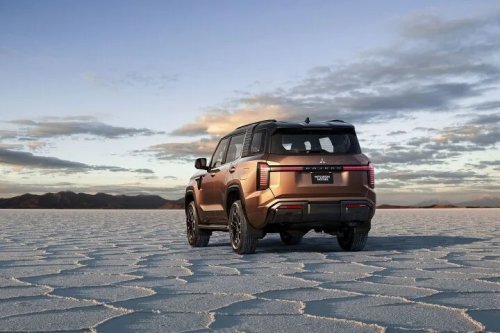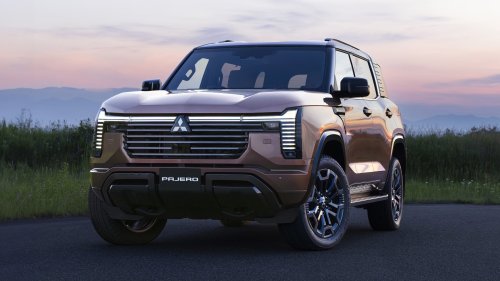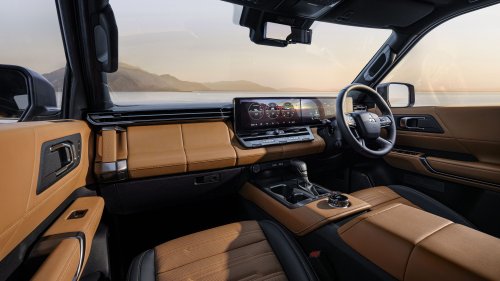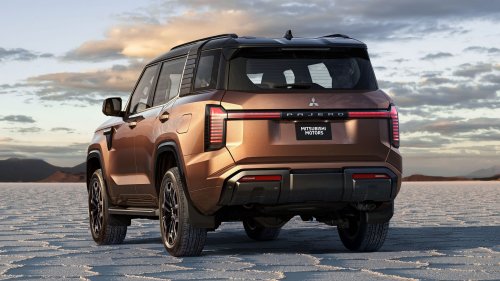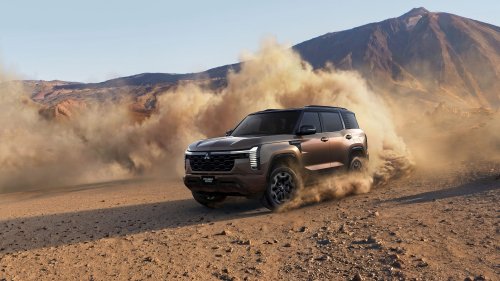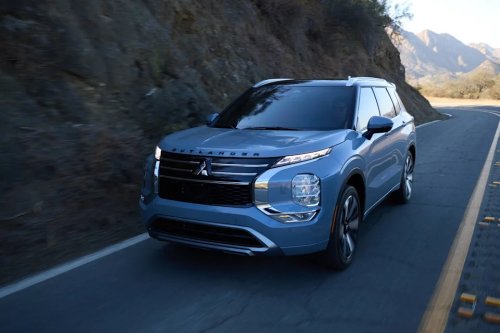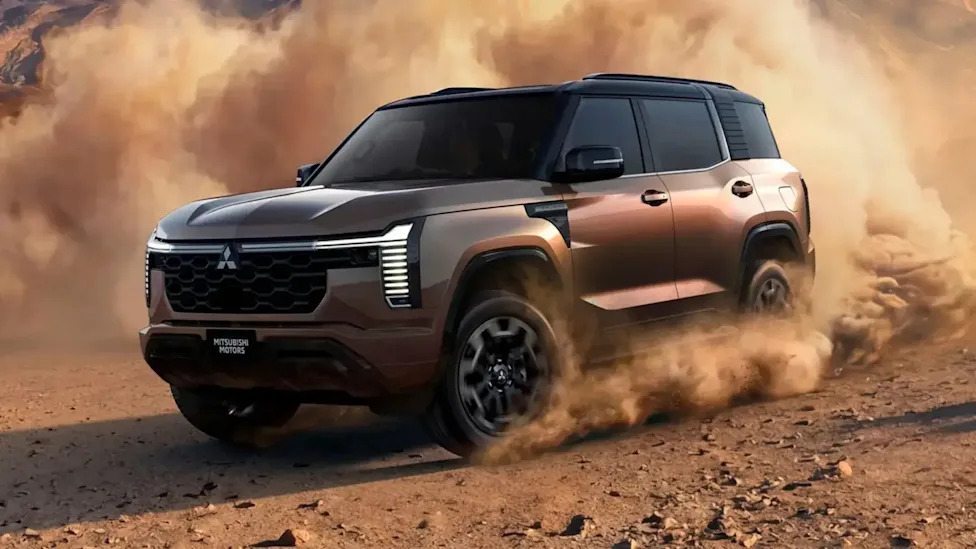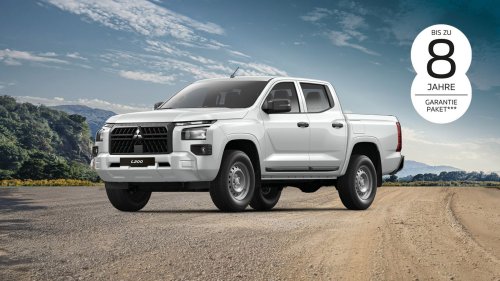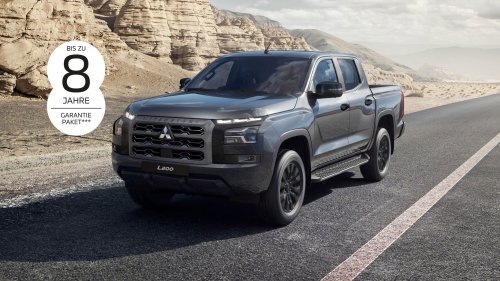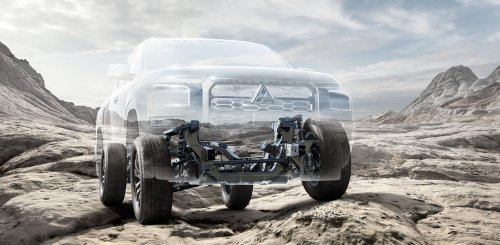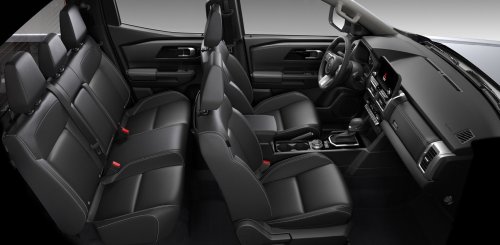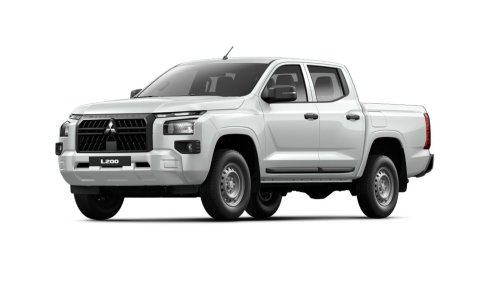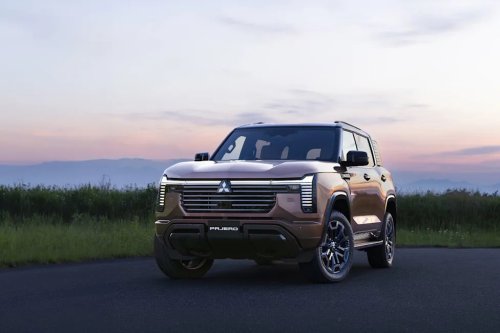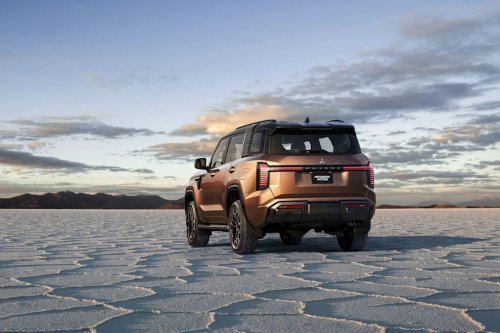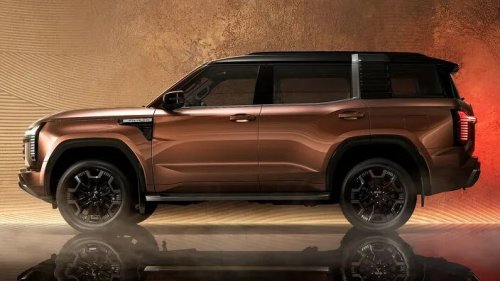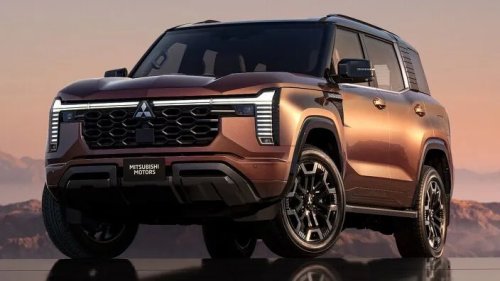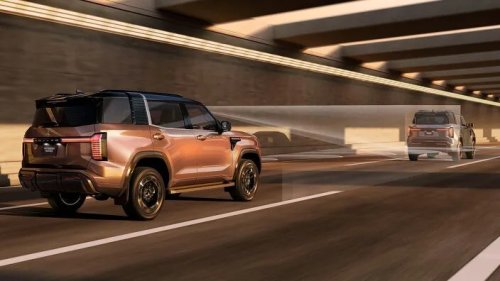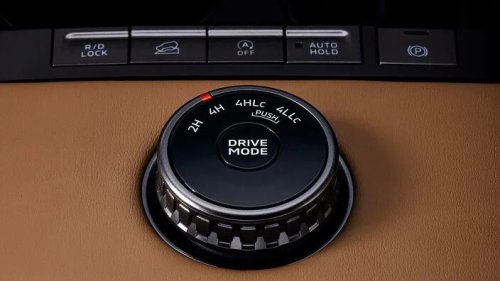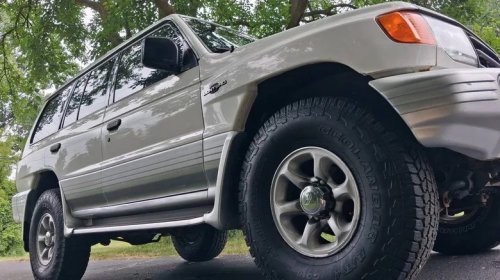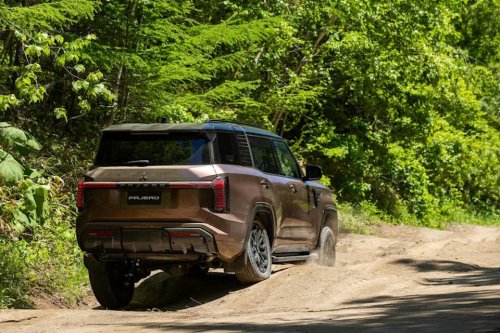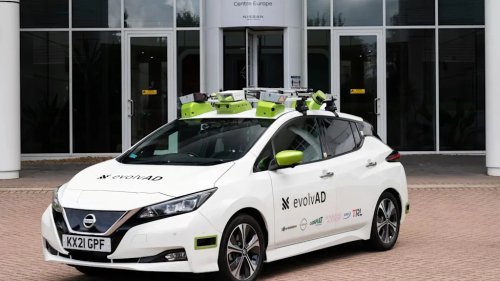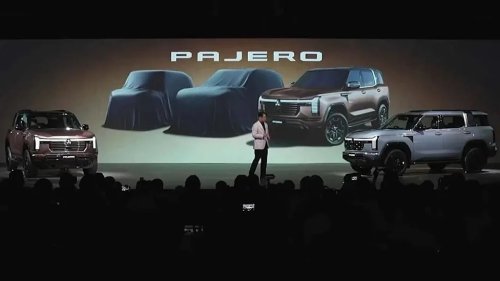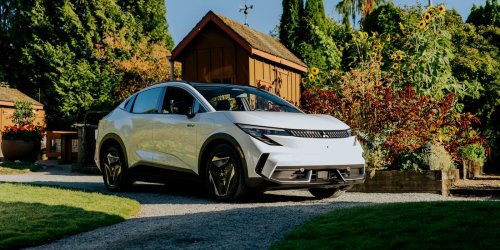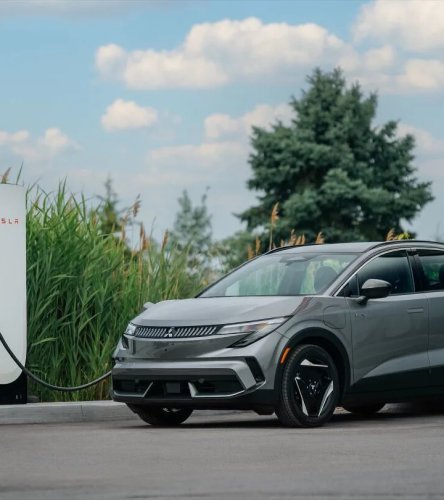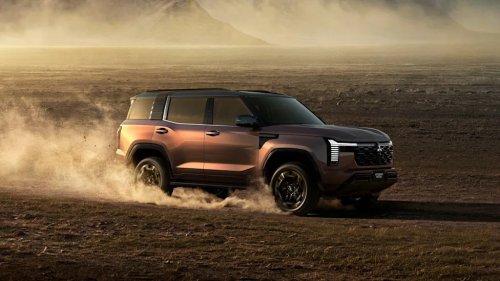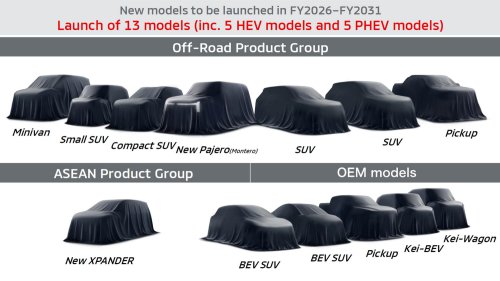
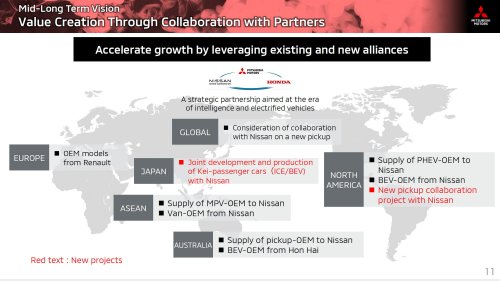
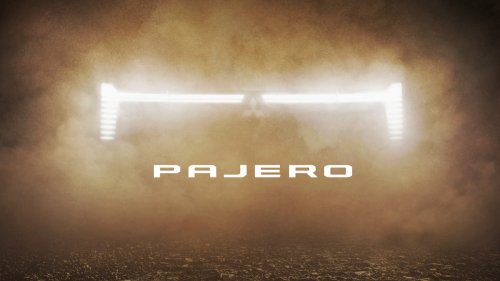
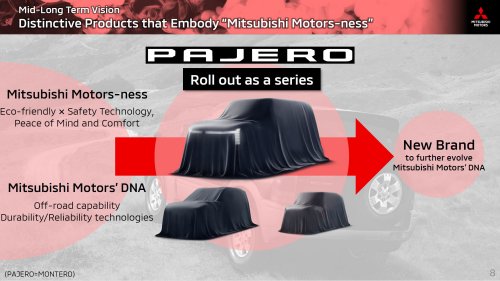
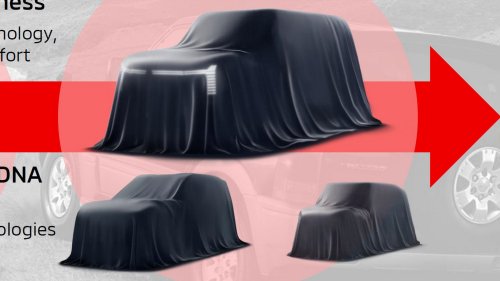

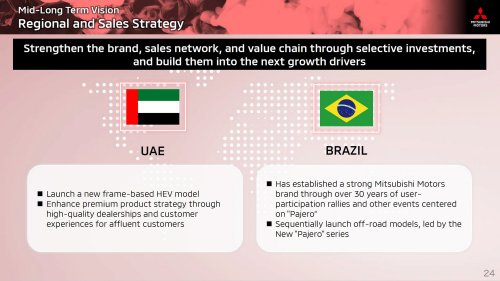




















Mitsubishi confirms the launch of 13 new models over the next six years. The lineup includes a baby Pajero and a new pickup for North America. Five hybrids, five PHEVs, and three BEVs dominate the strategy. Mitsubishi has confirmed the return of the Pajero, previously sold as the Montero in markets like North America, reborn as a flagship cross-country SUV on ladder-frame underpinnings. That alone would be news. It is also just one of thirteen model debuts the Japanese firm has promised over the next six years. One of the more important details to emerge is that the Pajero name will spread across a family of vehicles, led by that flagship SUV based on the Triton pickup, joined by a compact SUV and a small one that could slot into the kei car segment. The baby Pajero looks to be a different animal from the existing Delica Mini, itself one of the most rugged-looking kei cars Japan has to offer. More: This Strange Off-Road Minivan Keeps Getting Facelifts After Nearly 19 Years And Still Sells Out There is also a minivan coming under what Mitsubishi calls its off-road product group, which reads like a successor to the aging, but still popular in Japan, Delica D:5. That van has soldiered on since 2007 with two facelifts to its name. Rounding out the off-road push are two more SUVs Mitsubishi is staying quiet about, plus a pickup that may well turn out to be the facelifted Triton. Over in ASEAN markets, Mitsubishi will roll out a new generation of the Xpander, the hybrid crossover minivan that first appeared in 2017 and was facelifted in 2022. More: Mitsubishi’s New 400HP Compact Comes From The Same Factory As Your iPhone The other five launches will be the fruit of collaboration with other brands. There is a fully electric coupe-SUV built on the Nissan Leaf, another electric SUV developed with Foxconn, a pair of Nissan-sourced kei wagons offered in combustion and EV forms, and a new pickup. Two Pickup Projects With Nissan, Maybe Three Speaking of trucks, another slide in the presentation mentions a new “pickup collaboration project with Nissan” for North America. A separate global pickup project is also under consideration, again with Nissan, alongside an updated Triton that is likely already in development More: Mitsubishi’s New Triton Raider Got Everything Except The One Thing It Needed Worth untangling the web here. The Australian-spec Nissan Navara is based on the current Mitsubishi Triton, while the electrified Nissan Frontier Pro draws on the Chinese Dongfeng Z9. That second one could feed into the global project, since it is rumored to reach Europe wearing Navara badges and could just as easily put on a Mitsubishi suit for markets with strict emissions rules. HEVs, PHEVs, and BEVs In terms of powertrains, Mitsubishi’s future relies heavily on electrification. The company announced that five of the 13 upcoming models will be self-charging hybrids, and another five will be plug-in hybrids. Since three models are listed as BEVs in the official teaser, there is no room for any non-electrified offering. That is a little puzzling, since the Pajero was thought to use the 2.4-liter turbodiesel from the Triton, though that engine could presumably gain hybrid assistance. More: Mitsubishi Is Still Selling A New 4WD Pickup For Used Corolla Money In fact, Mitsubishi explicitly states they are developing in-house PHEV/HEV-dedicated engines boasting a world-class 48% thermal efficiency, confirming their deployment across all models – including those riding on ladder-frame underpinnings. To fight off rapid-fire releases from new competitors, the brand is using AI and digital transformation to slash development lead times by 20%. They are shrinking the timeline from the current 45 months down to 36 months to get these 13 models to market faster. Mitsubishi