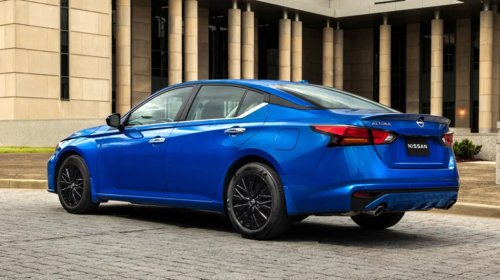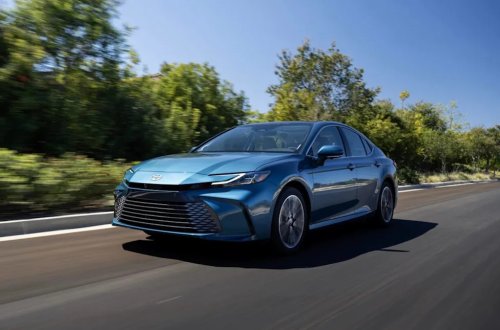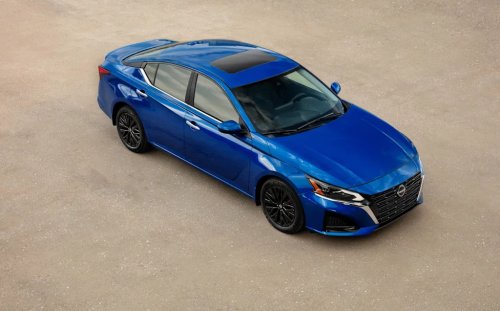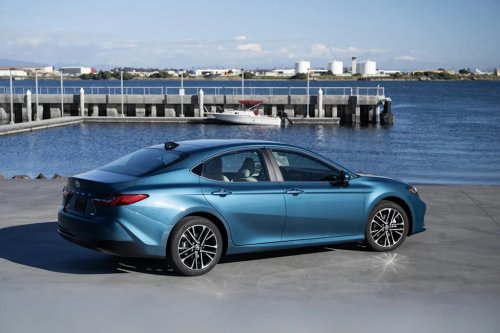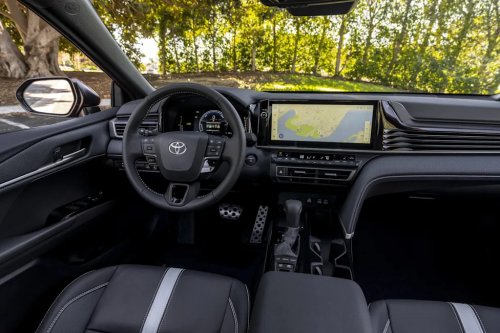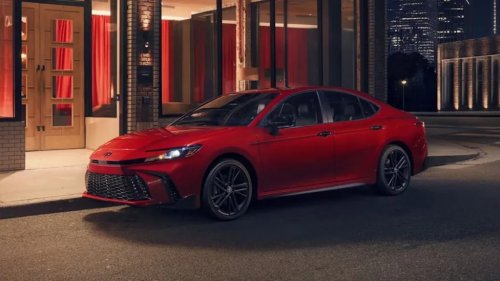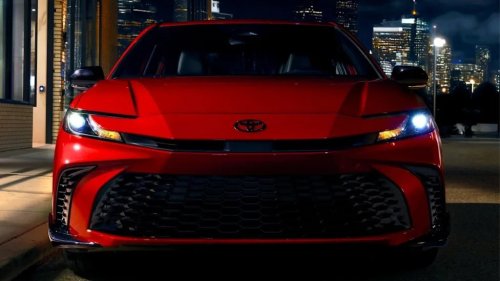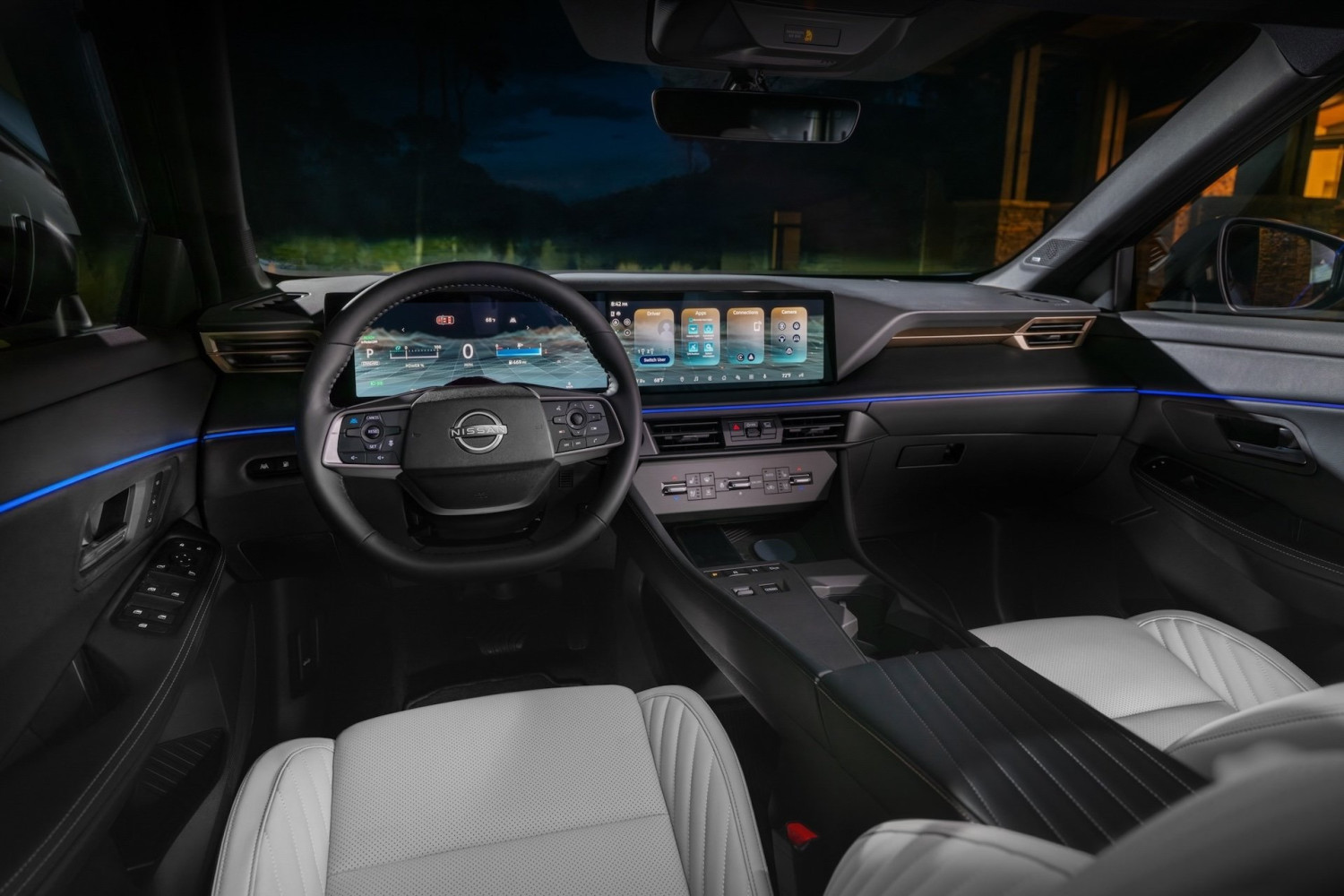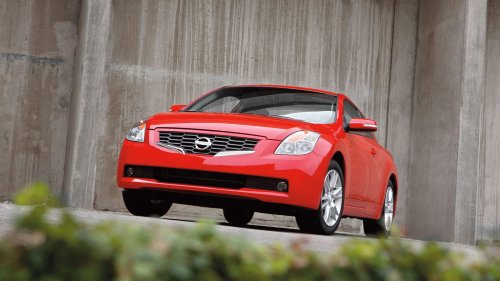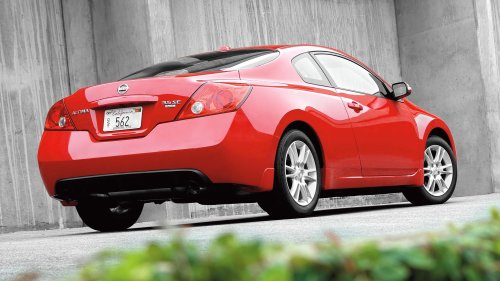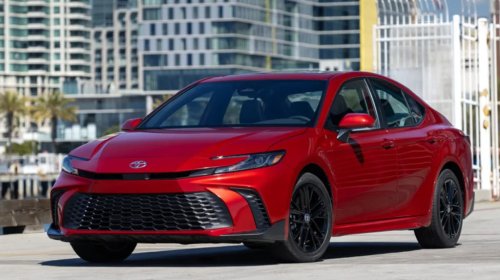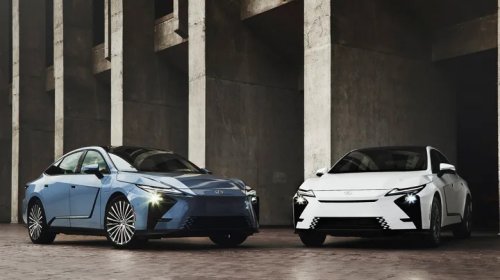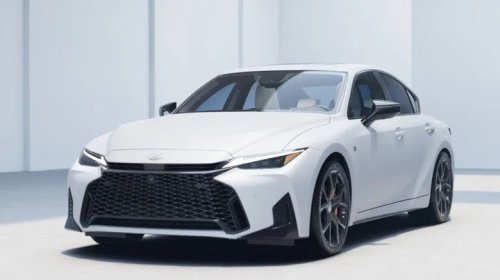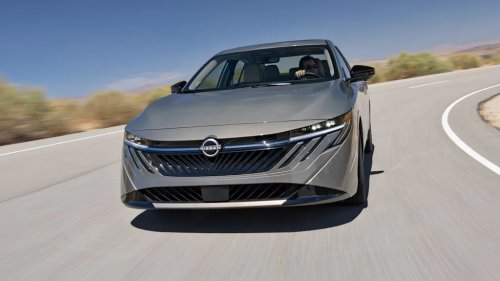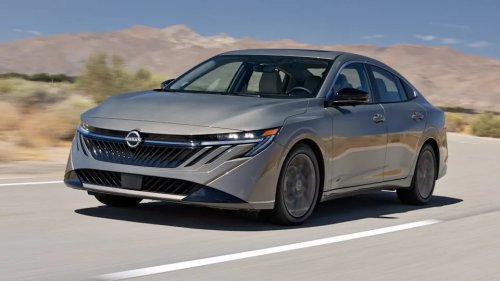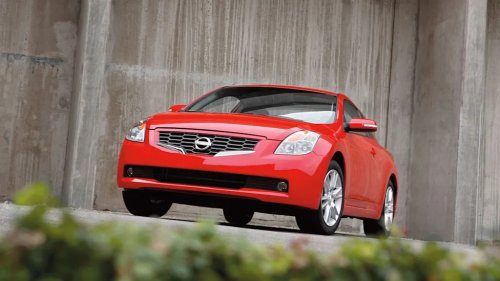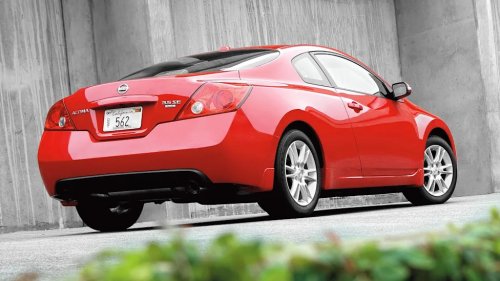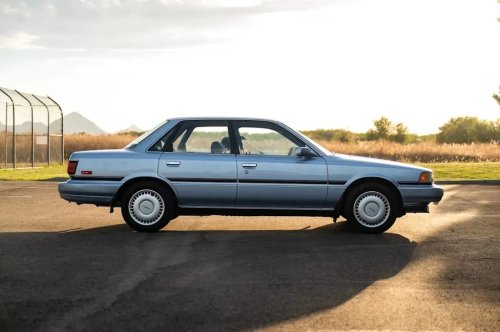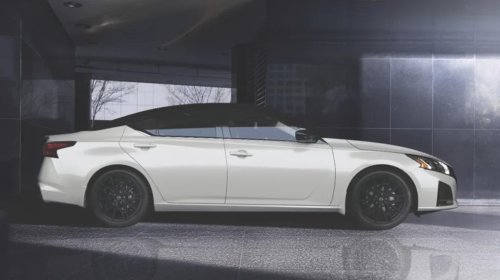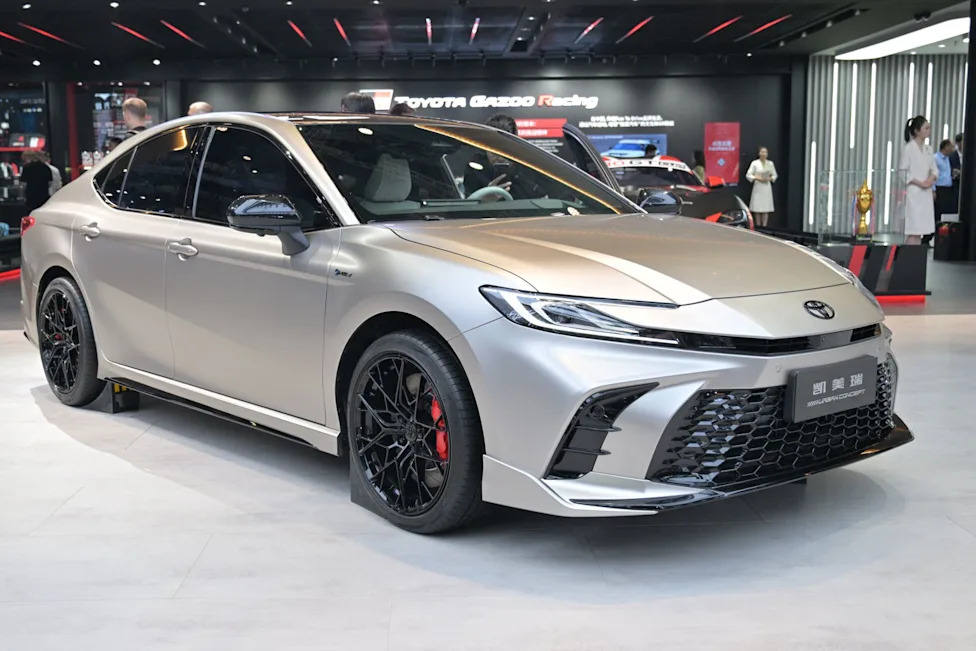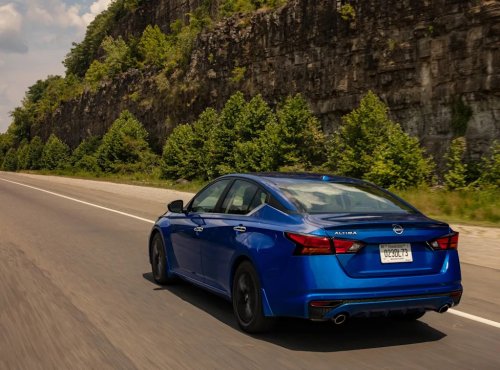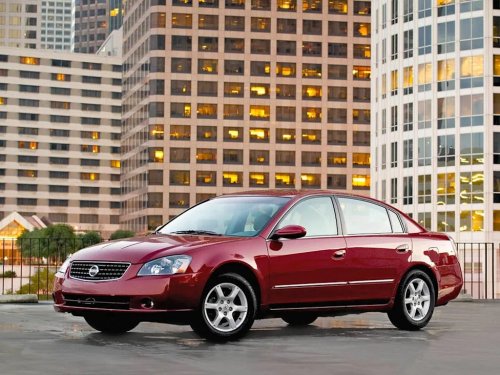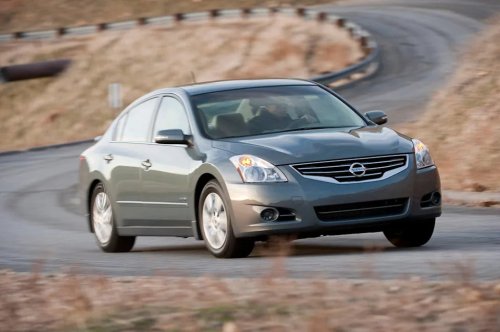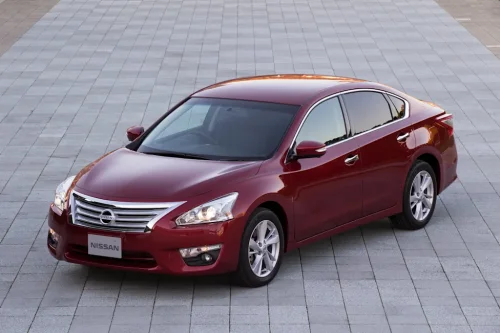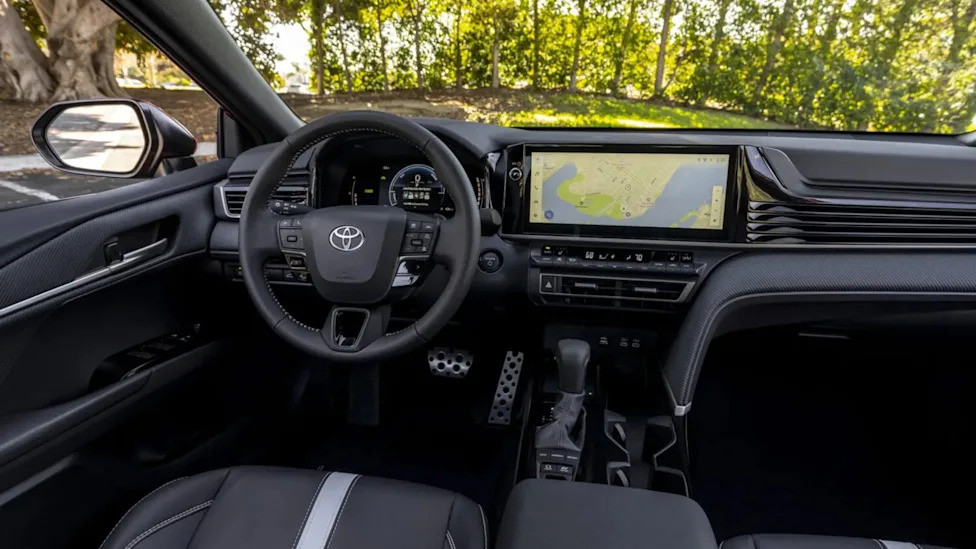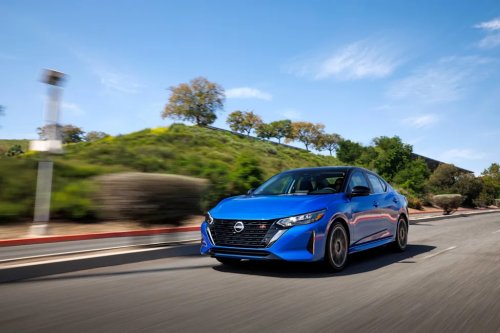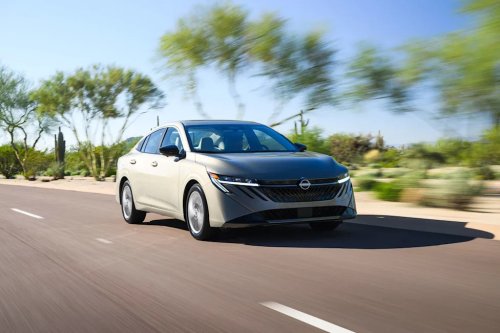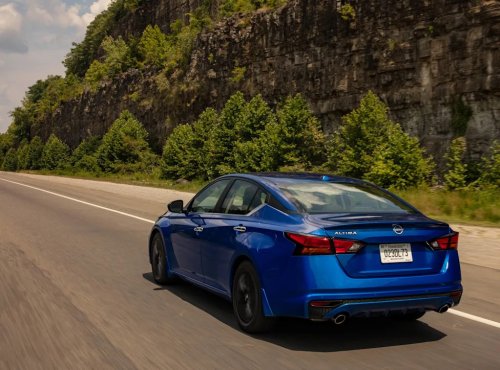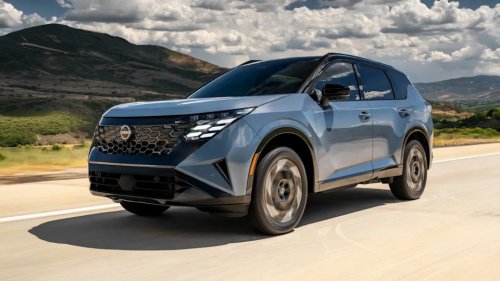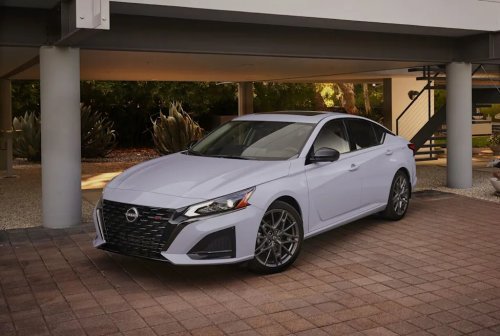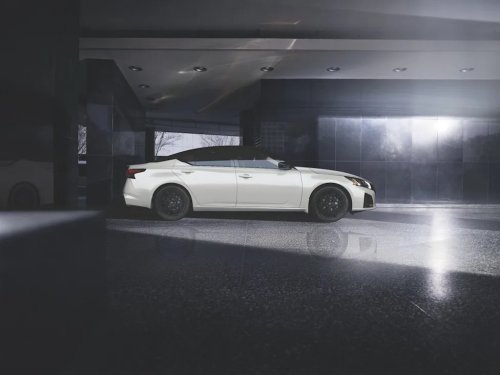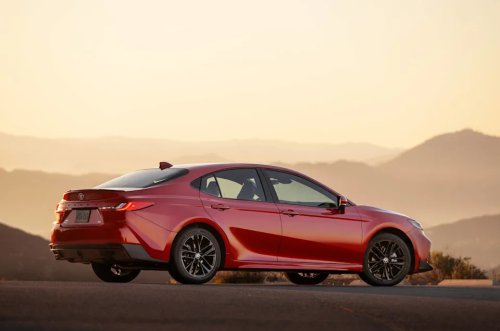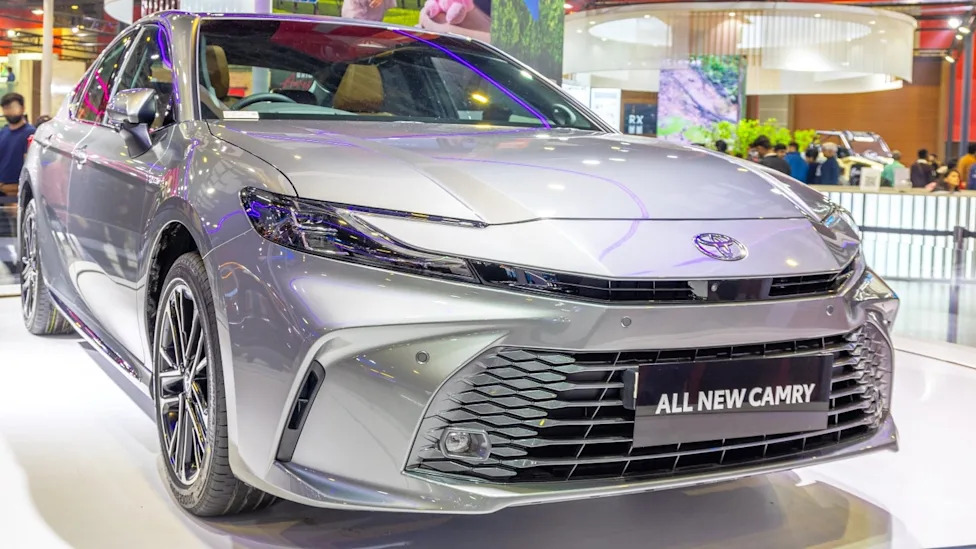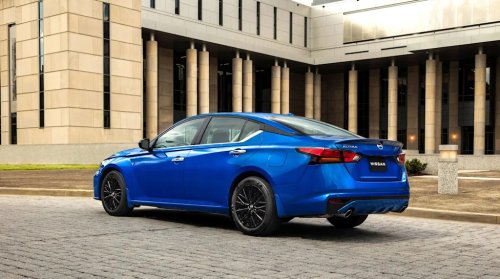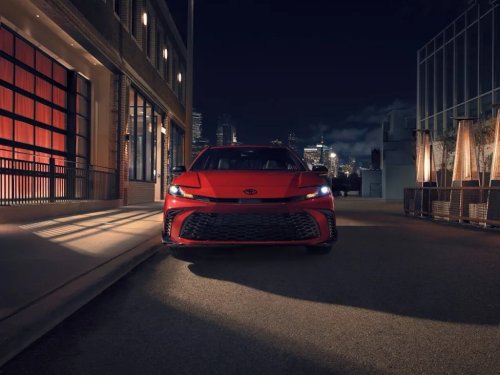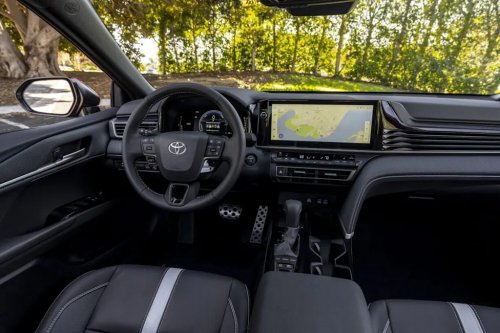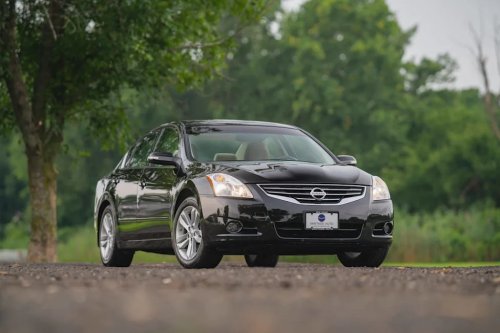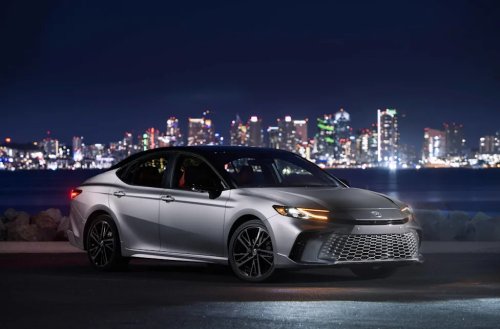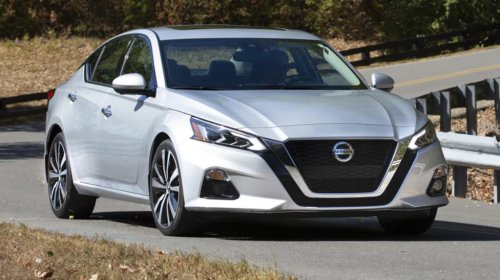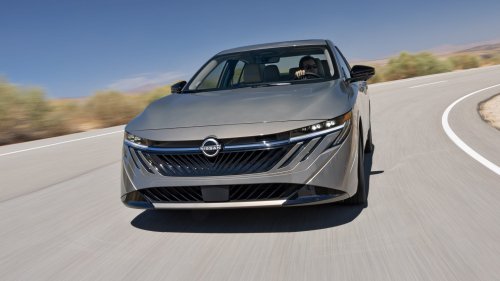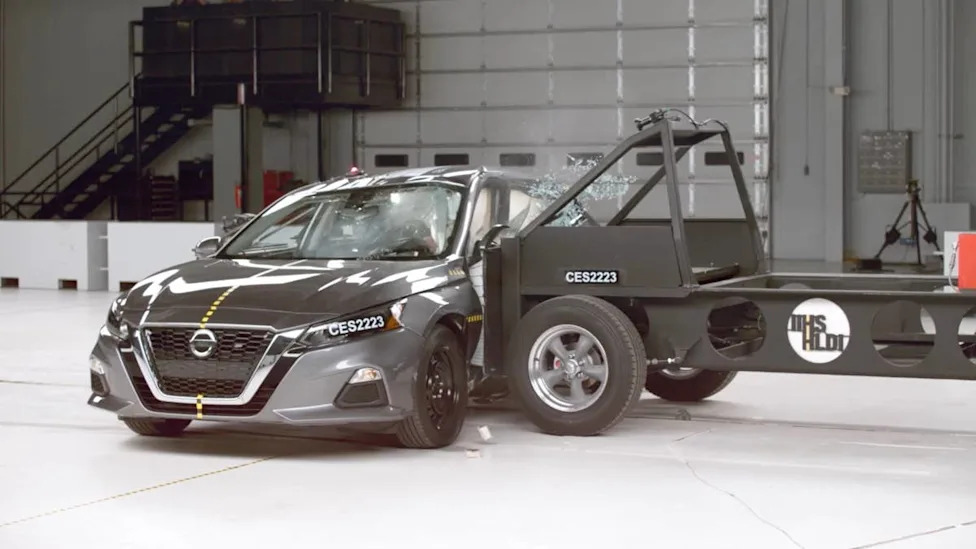
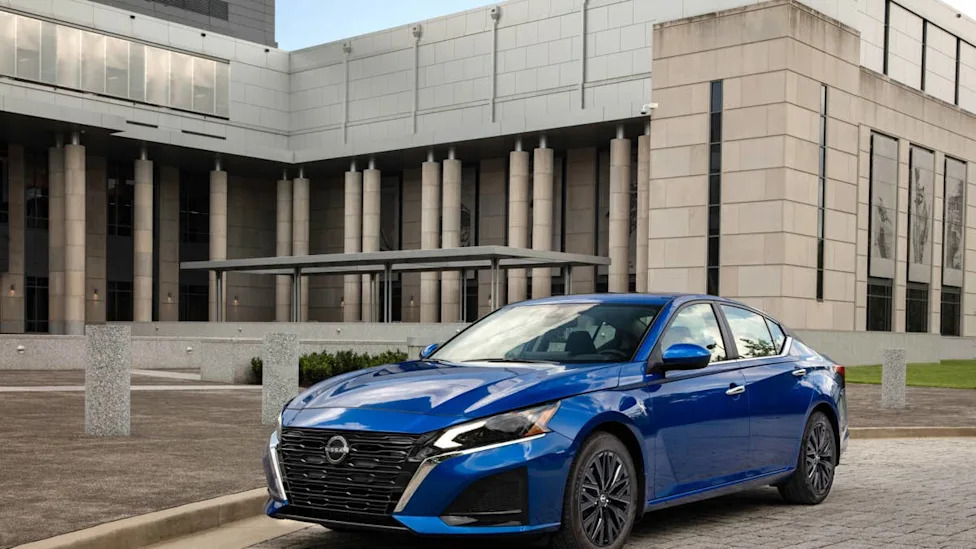
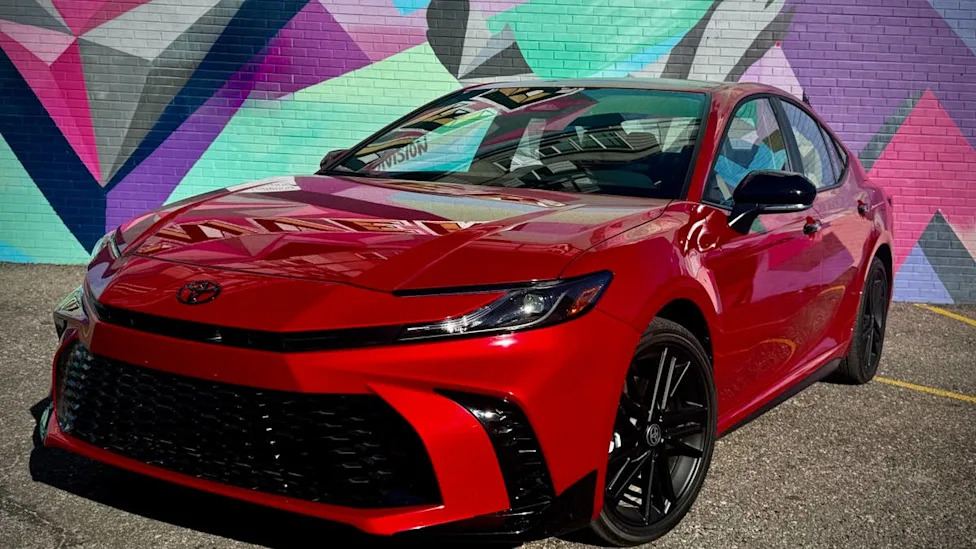



















Autoblog and Yahoo may earn commission from links in this article.The Toyota Camry and Nissan Altima are two mainstays of the midsize sedan segment. Both offer exceptional value and low running costs for families requiring a spacious car. But they're also at different points in their life cycles: An all-new Camry arrived for the 2025 model year, while the current Altima was first introduced in 2018. That puts the Toyota at a distinct advantage, but does this apply to safety, too? We've compared the latest safety results from the Insurance Institute for Highway Safety (IIHS) to find out which of these two Japanese sedans comes out on top for overall safety.Crashworthiness: Camry Excels, Altima Struggles in Two TestsThe IIHS runs the small overlap front, moderate overlap front, and side crash tests to evaluate how the vehicle holds up in various crashes. The first test involves a collision with the vehicle's front corner, while the moderate overlap front is an offset crash between two cars. Ratings of Good, Acceptable, Marginal, or Poor are given for each test—here's how the two cars fared.Toyota CamryNissan AltimaSmall Overlap FrontGoodGoodModerate Overlap FrontGoodMarginalSideGoodPoorThe Camry was the clear winner for crashworthiness, achieving Good ratings in every test. The Nissan, meanwhile, was off the pace in the moderate overlap front and side tests. The side crash test for the Altima was particularly disappointing, as most vehicles achieve at least a Marginal result here. In it, the IIHS discovered an increased chance of head, neck, torso, and pelvis injuries for the driver. The driver's head moved downward beyond the side curtain airbag, striking the window sill.Nissan Altima side crash testIIHS/YouTubeDue to these results, the Altima was immediately disqualified from an IIHS award, whereas the Camry achieved a Top Safety Pick+ award—the safety authority's top recognition for safety.AdvertisementAdvertisementRelated: Toyota Corolla Vs. Mazda 3 Vs. Honda Civic: Which Is Safest?Crash Prevention: More Problems For The Altima2026 Nissan AltimaNissanCrash prevention is an important part of modern vehicle safety. Here, the IIHS tests a vehicle's headlights as well as its ability to avoid a crash with another vehicle or pedestrian. Collision warnings and automatic braking systems are among the technologies tested in this category.Toyota CamryNissan AltimaHeadlightsAcceptableAcceptableFront Crash Prevention (vehicle-to-vehicle)GoodPoorFront Crash Prevention (pedestrian)GoodMarginalAlthough its headlights missed out on a top rating, the Toyota put in an otherwise effective performance. The Nissan's collision-avoidance systems fell short, as it often could not avoid collisions the Toyota did. For example, in the test where an adult crossed in front of the vehicles in dark conditions at a driving speed of 25 mph, the Camry avoided a collision entirely. The Altima could only reduce its speed by up to 7 mph, but failed to avoid hitting the pedestrian. In tests where both vehicles couldn't avoid a collision, the Camry managed to lower its speed more than the Altima, which would reduce the chances of a serious injury for a pedestrian.Related: Nissan Altima Lives On for 2026 with a Streamlined Lineup Under $30,000Final Verdict: Toyota Wins and It's Not Close2026 Toyota CamryJoe SantosThe Toyota Camry easily outperforms the Nissan Altima in the latest IIHS safety tests. While the Altima received better scores when it was newer, these tests are continuously optimized, and the aging Nissan has simply fallen short of the latest safety expectations. A single generation separates these sedans, demonstrating the strides automakers can make in terms of safety over a relatively short period of time. The current Altima isn't expected to stick around for much longer, but even though it's cheaper than the Camry, the Toyota's superior safety scores and much better powertrain are just two reasons it's worth the extra cost.AdvertisementAdvertisementRelated: The Safest New Cars Under $30,000, According to IIHSThis story was originally published by Autoblog on Jun 8, 2026, where it first appeared in the News section. Add Autoblog as a Preferred Source by clicking here.