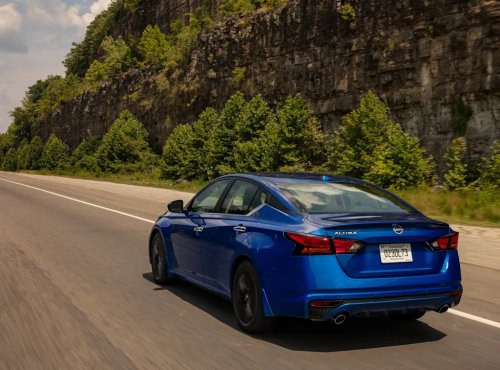
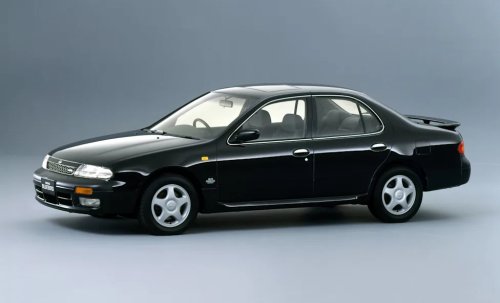
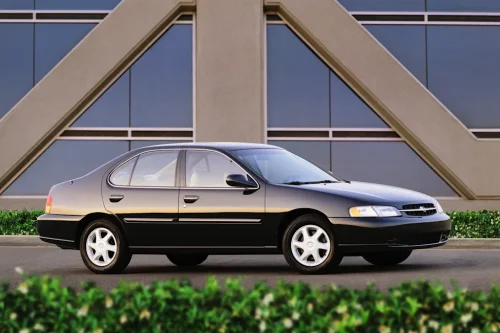
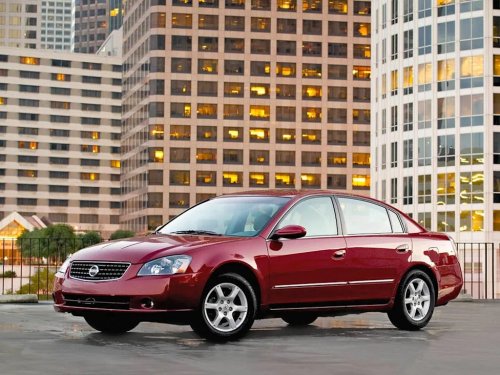
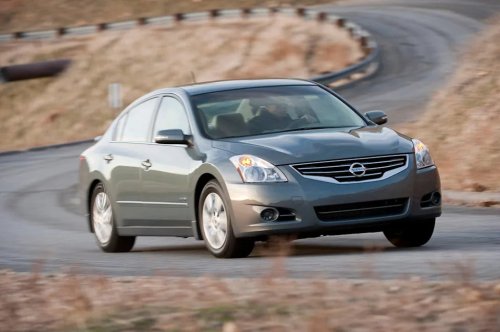
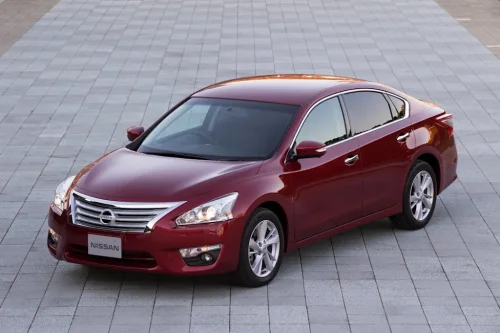
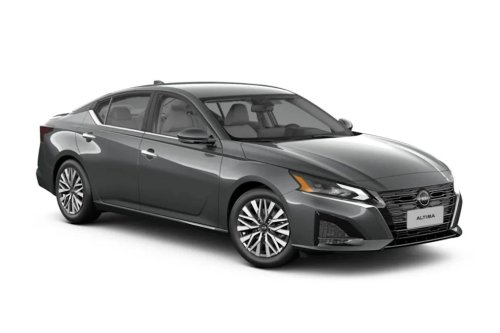
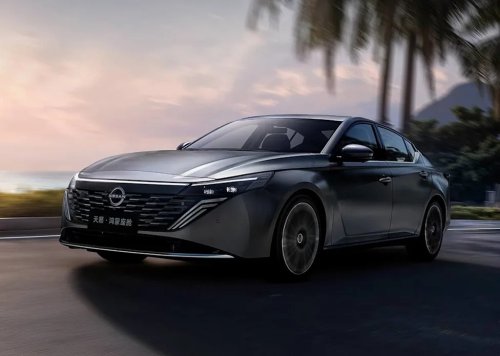
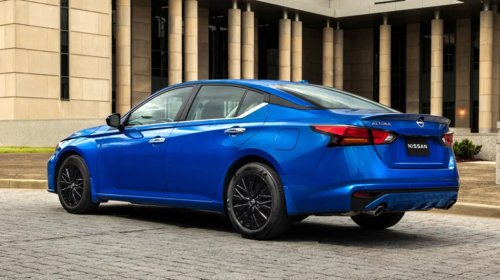
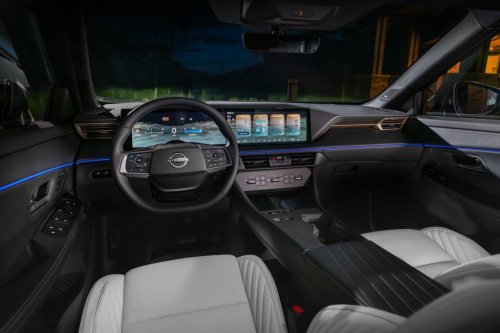
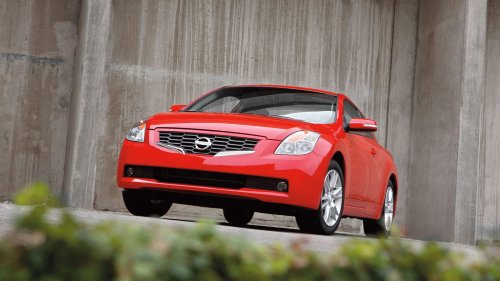
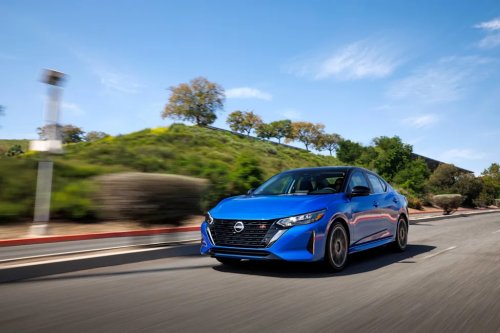
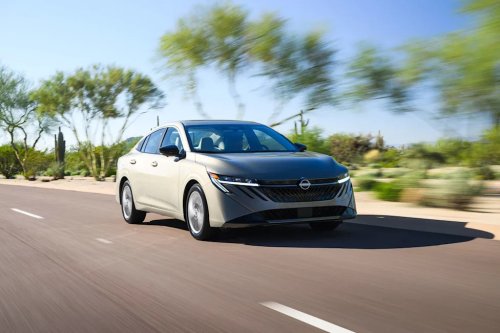
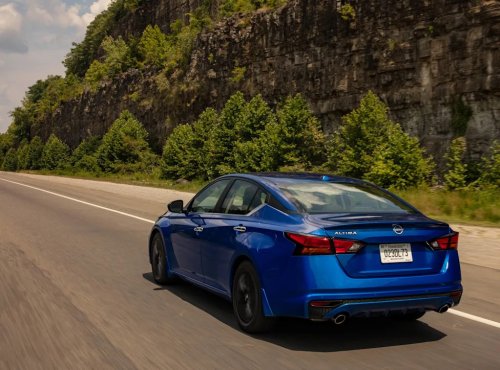
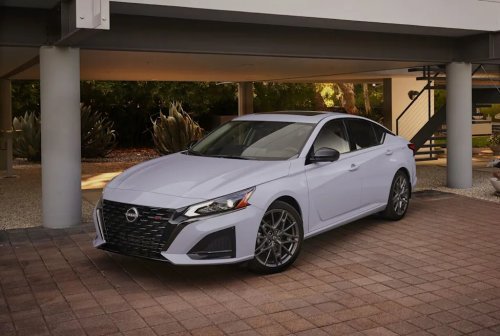
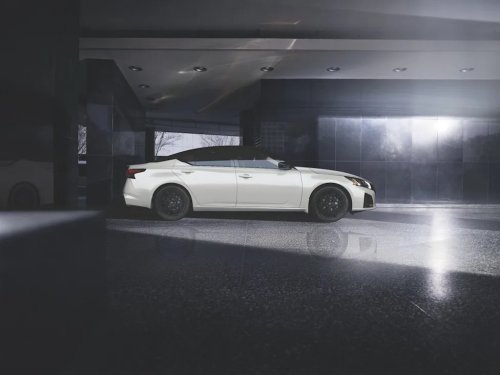
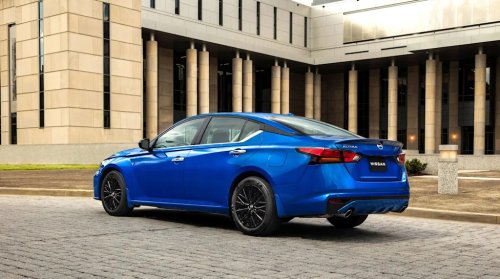
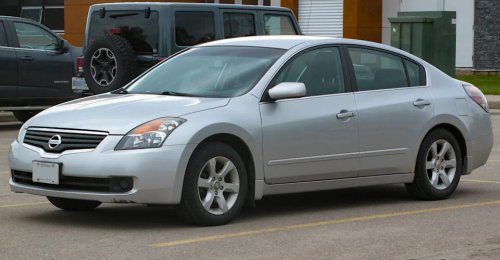
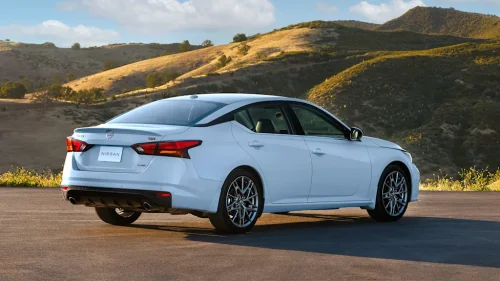
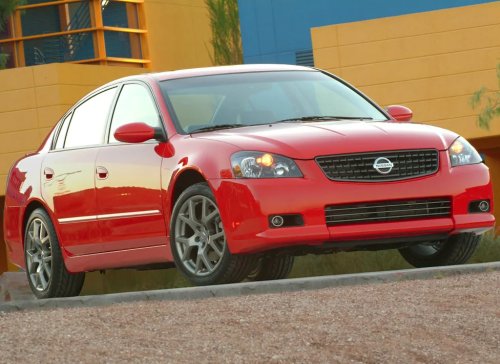
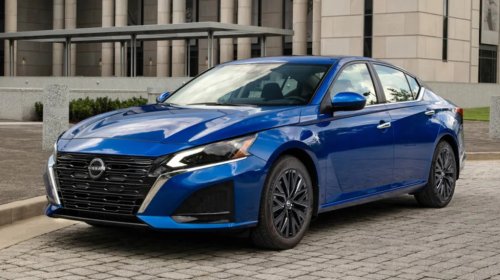
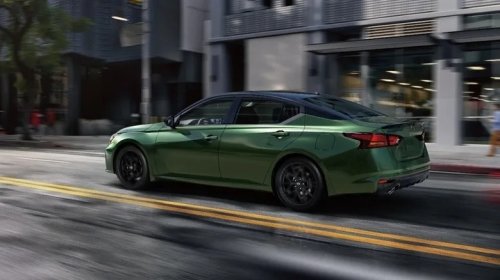
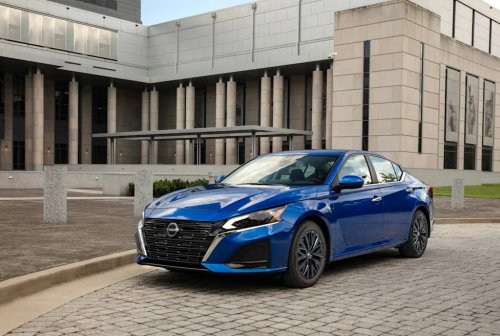
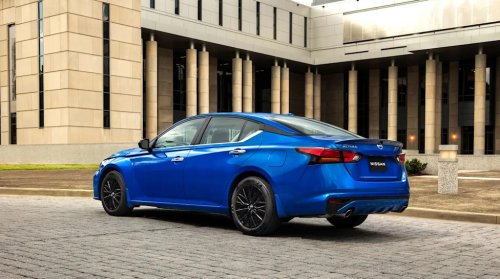
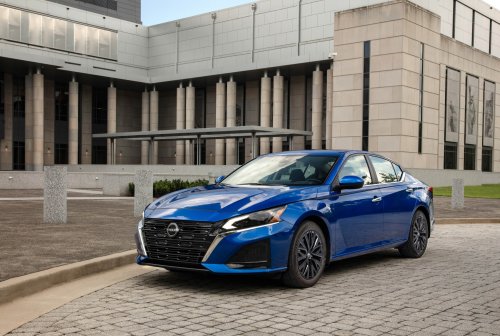
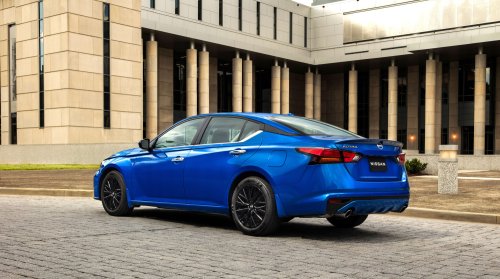
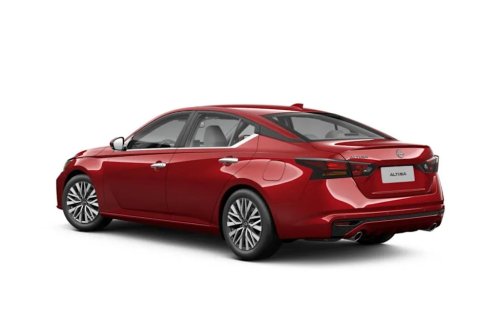
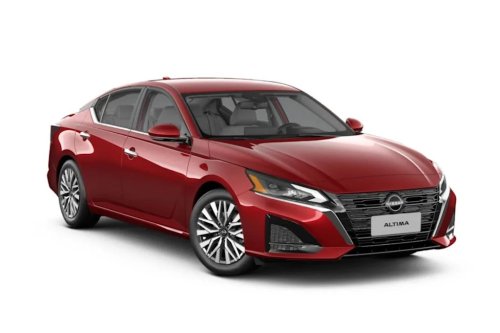
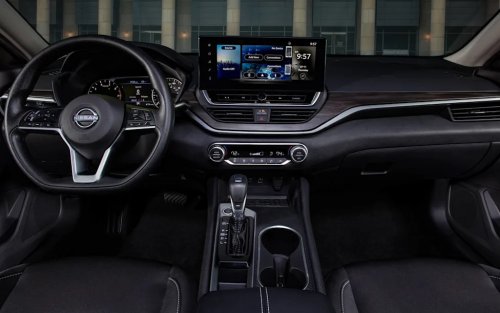
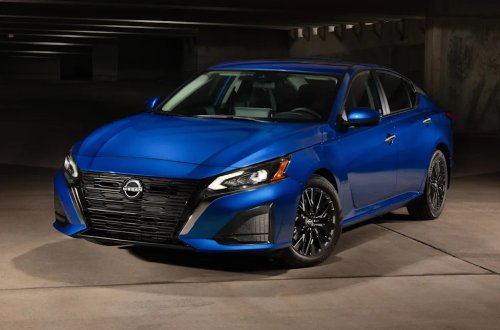
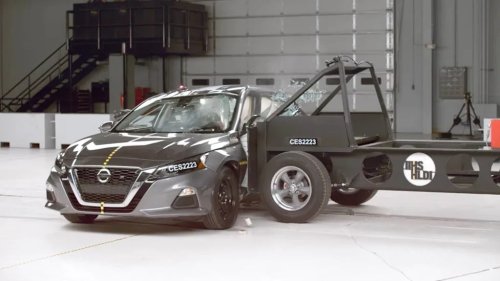
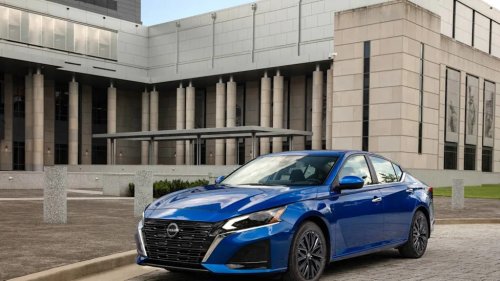
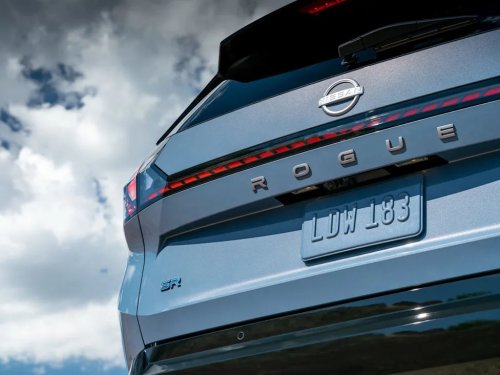
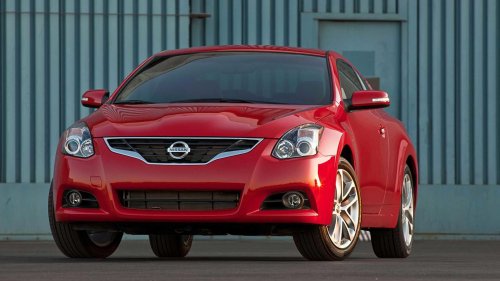
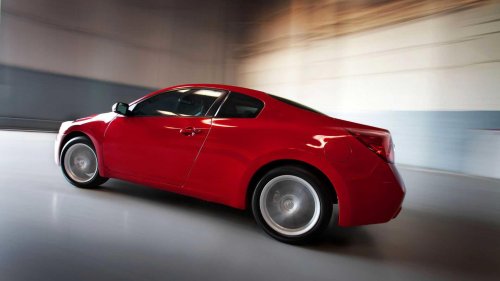
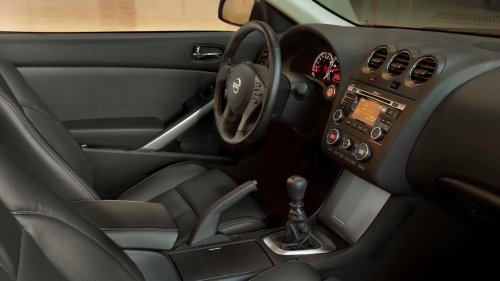
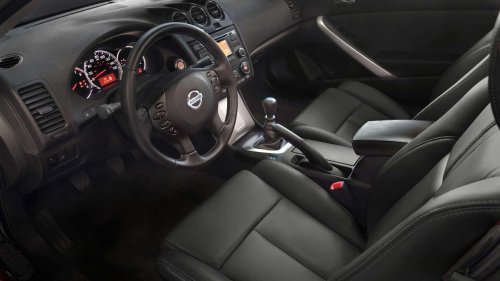
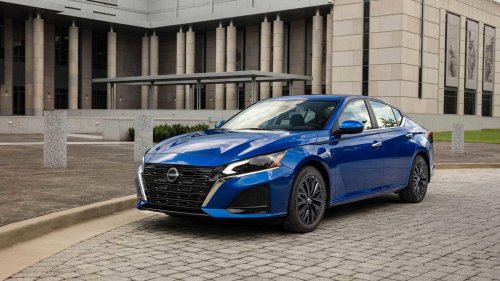
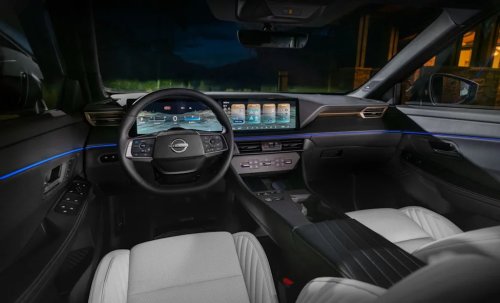
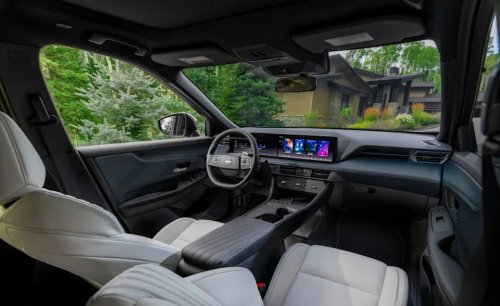
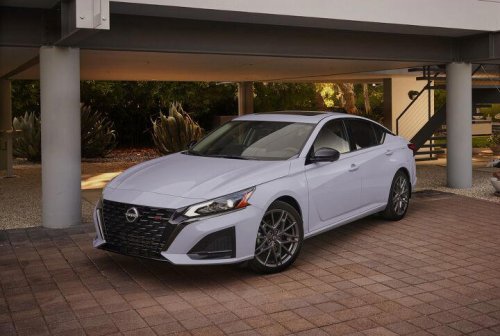
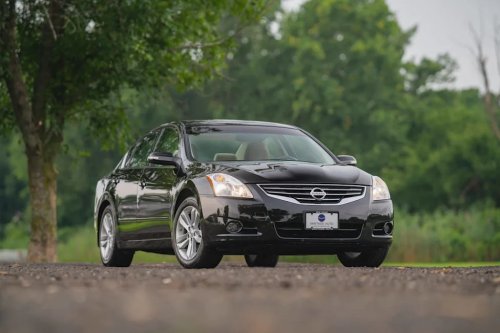
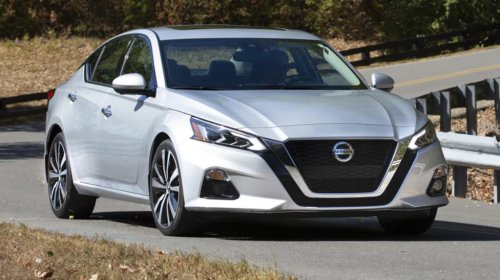
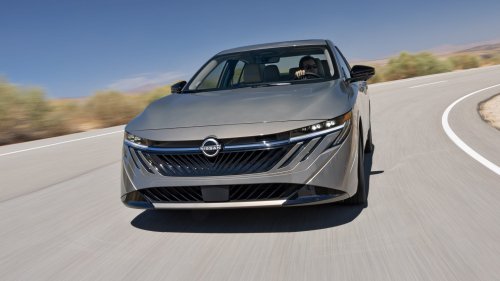
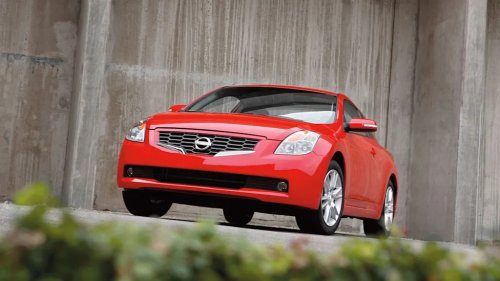
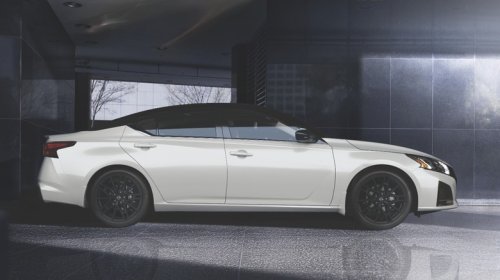
Autoblog and Yahoo may earn commission from links in this article.Nissan Altima, the Long GoodbyeEven though Nissan said the Altima will still be around for the 2027 model year, the writing is on the wall for the midsize sedan. There's no denying that sales are sliding, which is true for all of the cars in the segment it competes. If anything, we probably won't see it past this decade unless some miracle happens.Should that be the case, the Altima will retire after about 35 years of service with Nissan. While it's sad to see it eventually go, it does deserve a break and a far better tribute. It's still a couple of years away, but better we say our appreciation for it while it's still around.NissanThe OriginsThe Nissan Altima premiered in 1992 for the 1993 model year in the U.S, and it traces its roots to the popular Bluebird over in Japan. The Bluebird's lineage dates back to 1959, so it could be said that the Altima has a strong bloodline. In fact, the first-generation Altima was called the Bluebird in its home market.AdvertisementAdvertisementBefore the Altima, though, there was the Stanza, and that was also effectively an Americanized Bluebird. Largely forgotten in America, that generation of Stanza has a fairly strong following in Japan. It was even available with a turbocharged all-wheel drive model that competed against the Mitsubishi Galant VR-4 and Subaru Legacy Turbo.In the U.S, the first-gen Altima was actually called the Stanza Altima in its first model year, but the prefix was dropped almost immediately. There was only one engine option throughout its life: a 2.4-liter with 150 hp and 154 lb-ft. Of course, the Japanese Bluebird had a far cooler engine option with the SSS model packing a turbocharged 2.0-liter SR20 engine with 207 hp and 202 lb-ft, plus an all-wheel drive system derived from the Skyline GT-R from the same era and a five-speed manual.NissanThe Invisible Second-GenThe second-gen Altima premiered in 1997 for the 1998 model year, and its underpinnings were still based on the Bluebird. However, it was stretched and modified to cater to North American customers, so it looked nothing like its Japanese counterpart, unlike its predecessor.It wasn't the most exciting car to look at, nor did it deliver thrills behind the wheel. As point A to B transport, it was perfectly fine, but the Accords and Camrys from the same era were, for lack of a better term, demonstrably better vehicles. Something had to be done, and that's exactly what Nissan did for the third generation.NissanGlow UpWe still remember the first reviews of the third-generation Altima back in 2002. It was such a massive leap compared to its predecessor and was a genuine threat to Honda and Toyota. Longer and wider than before, it was a true midsize sedan by then, benefitting from the Nissan FF-L platform that also underpinned the Japanese-market Teana. It also finally received a V6 option, a 3.5-liter with 240 hp (initially) and 246 lb-ft.AdvertisementAdvertisementThis generation was definitely not the 'difficult third album' by any means. It was key to Nissan's resurgence in the early to mid-2000s and helped the Altima nameplate break into the top ten best-selling cars in the U.S. It was the car Nissan needed at the time. And let's not forget the tire-roasting SE-R model that came with an uprated V6 and a manual. Sure, it didn't threaten BMWs, but it was a quick sedan nonetheless.NissanReputational DamageThe third-gen Altima was a good car by all means, so the fourth-gen had a lot riding on its shoulders. Introduced in 2006 for 2007, it was a solid evolution from its predecessor, but this generation also brought in the Xtronic CVTs. You can probably guess what happened next.Widespread failures under 100,000 miles were reported, damaging the Altima's reputation that Nissan worked so hard to build up. It didn't help that the only transmission choice by 2010 was a CVT, as manuals were dropped from the lineup by then. Granted, there are some looked-after cars that actually went the distance, but it had become a bit risky to buy one.A Tale of Two VersionsBut the Altima's reputation took an even greater hit with the fifth generation from 2012 to 2019. It was actually a pretty good-looking sedan, but the transmission problems somehow got even worse. The car itself was fine, as it actually drove and rode well, but its praises were of no use if it kept stranding its owners.AdvertisementAdvertisementOddly enough, this generation of Altima had a totally different reputation in Japan. Renamed as the Teana there, it was actually reliable and was pitched as a premium executive sedan. It was often bought by an older demographic, and perhaps Japan's driving conditions suited the car better. Oh, and this generation was raced in V8 Supercars in Australia, sporting a V8 engine and rear-wheel drive. If only Nissan made a homologated road car version of that.NissanDamage ControlNissan had to get the Altima out of a rut, and the sixth-generation that debuted in 2018 tried to correct the sins of its predecessors. As always, it looked good, drove well enough, was practical, and offered good value. It still used a CVT, but at least failure rates were far lower. However, the optional 2.0-liter variable compression turbo had its fair share of issues.That said, Nissan was able to rectify most of the issues that plagued the previous models, especially in reliability. However, the market it competes in isn't exactly growing, and even if the company perfected the car, most customers simply looked at the Rogue and got that instead. At least we could say that the car had somewhat redeemed itself for what is basically its final generation. The 2026 Nissan Altima isn't perfect, but it's better than ending things on a sour note.NissanDoing Fine AbroadWhile it could be said that the Altima's fate in North America is sealed, it's still doing fine in other markets. It's still a fairly popular car in the Middle East, and was even heavily updated in China recently. The Chinese version, adapting the Teana name, is pitched as an executive car with far more luxury and tech than the U.S version.AdvertisementAdvertisementMarkets that still have strong enough demand will likely keep the midsize Nissan in the lineup, although China will be the most likely source once U.S production stops. While there's a glimmer of hope that it'll live on, don't count on a new Nissan Altima staging an American comeback someday.NissanThis story was originally published by Autoblog on Jul 22, 2026, where it first appeared in the Features section. Add Autoblog as a Preferred Source by clicking here.