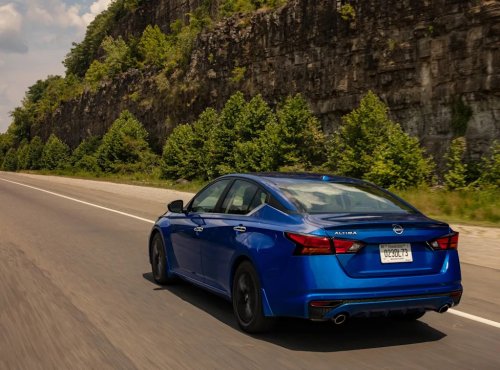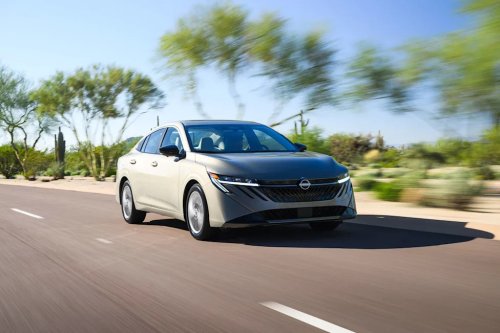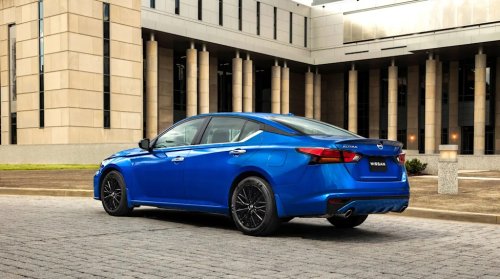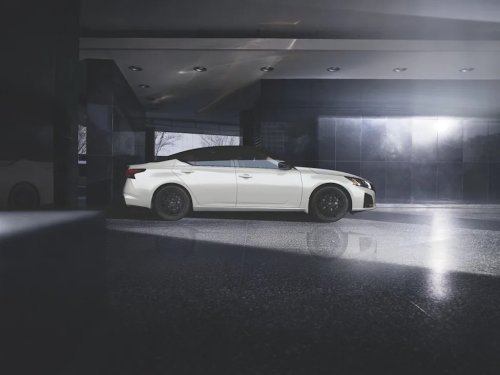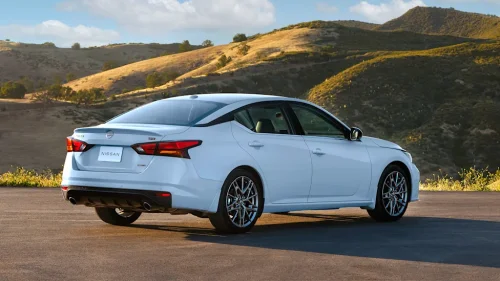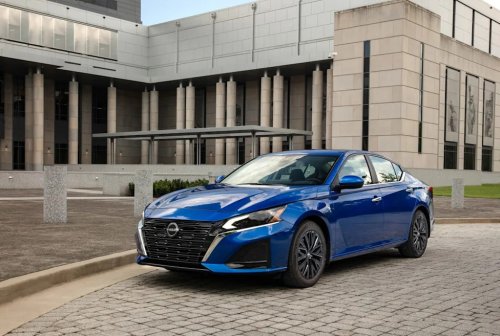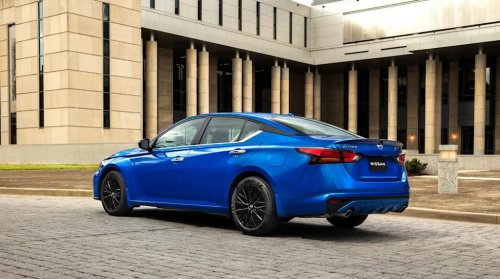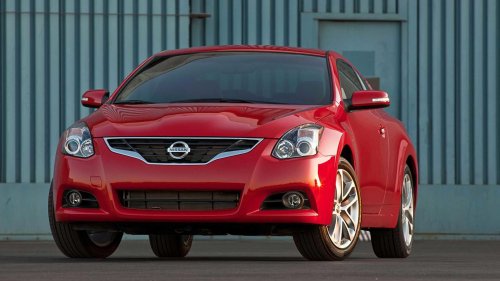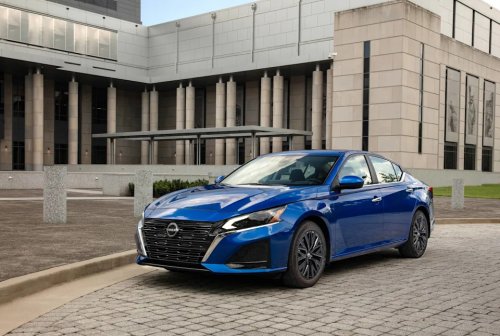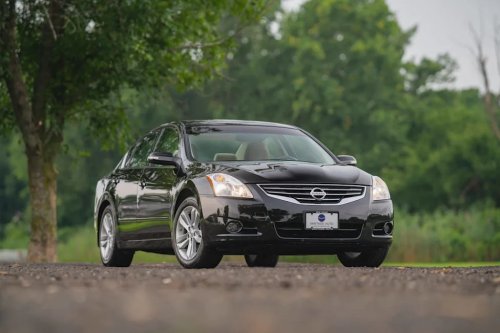



















A frustrated 2017 Nissan Maxima owner has been left with a series of repair bills despite not knowing the cause of his car's troubles. TikTok user @desertmountainbiker highlighted how a dealership service center wasn’t able to adequately diagnose the issue with his car after it was losing power. Despite initial repairs, he said that the issue came back and was even worse, leaving him to think that the newly recommended repairs to the ride’s battery were the real reason for his Maxima’s drop in performance. 2017 Nissan Maxima Goes into ‘Limp Mode’ A text overlay in his video delineates his car’s issues. “2017 Nissan Maxima transmission and now alternator failure? At only 77,000 miles?” Furthermore, he added in a caption for his video that he wasn’t entirely sold on the dealership service center’s assessment of his ride. “Throwing shady vibes. I’m not sure what to believe. This seems really suspicious,” he wrote. At the onset of his clip, he makes it clear that he’s looking for suggestions from mechanics on social media. Following this, he launches into his storytime: He says his Maxima went into “limp mode,” which prompted a visit to the mechanic. A diagnostic revealed a code that there was something amiss with the Nissan’s transmission. However, the dealership recommended swapping out the car’s valve body first, albeit “at a reduced cost,” the car owner says. But that didn’t rectify the issue, because four weeks later, his Maxima went into limp mode yet again. Unfortunately, his vehicle’s condition worsened: “That time, it wouldn’t even start. So, I had to have it towed into the dealership. So, they came back with a reduced price because of a good-faith estimate from the Nissan corporation,” he told his viewers. And the offer sounded generous on paper: The service center agreed to cover “half the cost” of the car’s repairs. Nissan Maxima: Transmission Replacement This included swapping out the vehicle’s transmission at what he calls “a pretty good price.” But that wasn’t the end of his repair woes. “Now, I got a call this morning saying that a diode on the alternator had failed, causing the battery to swell,” he relayed in his clip. This, the TikToker states, caused the battery to sustain an “overvoltage,” which culminated in its power pack swelling. “And this all happened within just a four-week period. It had no dash lights, no indication that there was any electrical problems at all during that time,” he added. In light of all of these recently discovered issues, the dealership’s repair quote jumped up in price. Furthermore, he was dubious that if his car was really experiencing all of these electrical issues, then why wasn’t the dealership able to spot it beforehand? “Now they’re quoting me over $1,600 to replace the alternator, the battery, and the wiring harness. I mean, there had to be some indication that there were electrical problems occurring, right?” he questioned. Additionally, he speculated that the initial limp mode alert he received in his vehicle may have been a wiring/battery issue from the get-go. “Could the electrical problems that they’re finding now … have cause[d] the original limp mode, which caused my car to shut down the first time? Or throw those transmission codes?” he asked. 2017 Nissan Maxima Recalls Kelley Blue Book published a list of four recalls for the 2017 Nissan Maxima, which includes a problem that affected over 700,000 vehicles across three separate NHTSA reports. Although these recalls were spread apart over three instances, the warnings were the same: The NHTSA warned that “a brake fluid leak on the circuit board may result in an electrical short, increasing the risk of a fire.” These were the only recalls that had any mention of Nissan’s electrical systems. The other recall published by the NHTSA affected 3,296,947 airbag systems across various models from the Japanese automaker. It indicates that certain vehicles will not detect whether or not an occupant is present in the front passenger seat, preventing airbags from deploying in the event of a crash, increasing the risk of potential injury. What Causes Nissan Maxima Limp Mode? The Nissan Nation Podcast writes that some Maxima cars will enter this low-power driving mode in order to protect vital vehicular components in the event of an under-the-hood issue. Unfortunately, there appear to be several reasons why a vehicle will enter limp mode, which could make troubleshooting the root of the problem a tricky endeavor. According to the website, here’s what could cause a Maxima to go into limp mode: Transmission issues: Nissan’s CVTs have been decried by car owners and mechanics alike for being troublesome and failing prematurely. Not enough transmission fluid Engine coolant temperature sensor malfunction Mass airflow sensor issues Faulty MAF or intake air temperature problems Defective throttle position sensor Unfastened wiring connections Air hose leaks Battery drain, or a weak or dead battery. The TikToker isn’t the only Maxima owner to notice a correlation between his car going into limp mode and having battery woes, either. One 2017 Maxima owner on this auto forum said that he was suffering from “an electrical problem with [his] Maxima that [he] can’t figure out.” Sometimes, it prevents his vehicle from even turning on, as @desertmountainbiker experienced. Conversely, the car owner said that he had both the vehicle’s battery and alternator inspected, and the components were working just fine. Other folks in a separate Maxima forum post also said that they, too, experienced phantom battery drain but had difficulties getting to the bottom of the problem as well. Many speculated that it could be attributed to a bad wiring harness or a short in their car’s electrical system. Motor1 has reached out to @desertmountainbiker via TikTok direct message and Nissan via email for further comment. We will update this story if either party responds. We want your opinion! What would you like to see on Motor1.com? Take our 3 minute survey. - The Motor1.com Team