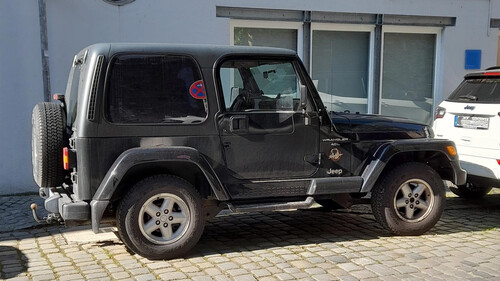
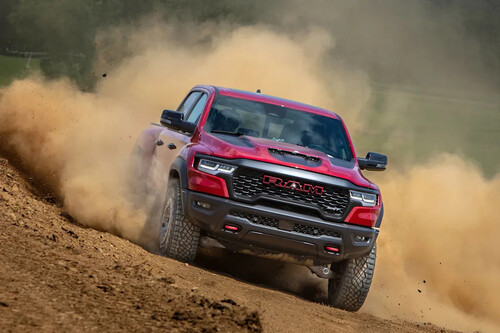
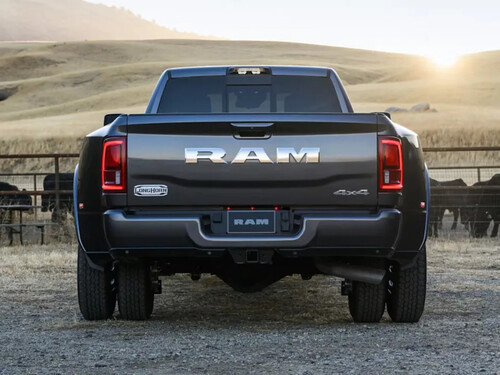
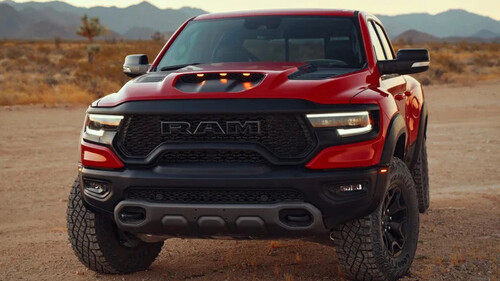
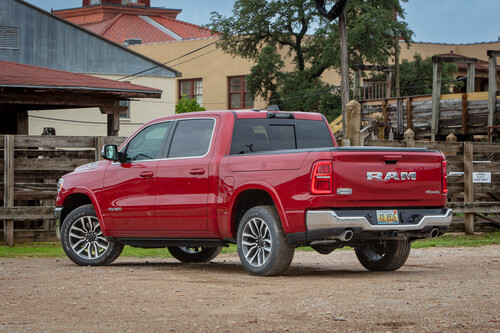
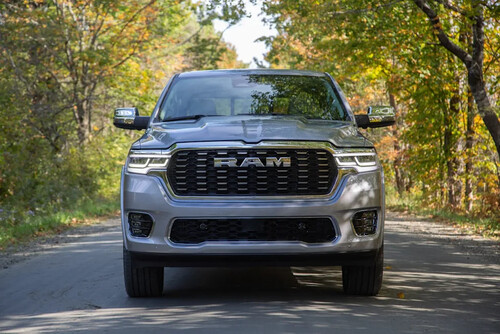
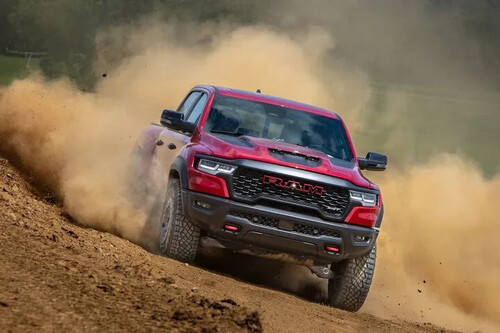
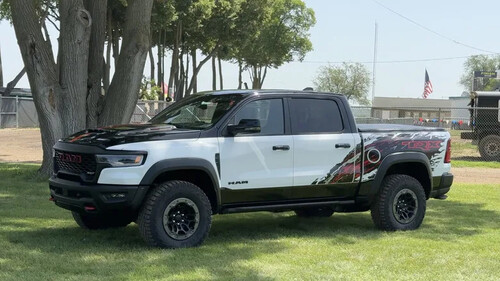
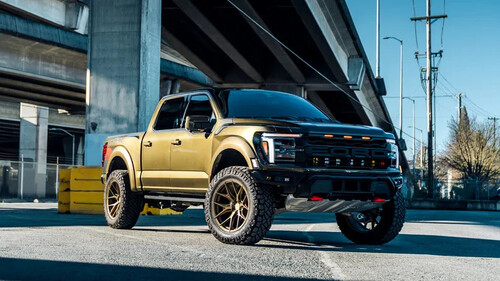
Ram never really said much about why it killed the Hemi V8 in its trucks. A previous Ram spokesperson said that the brand "made an error." That was in 2024, months before the re-election of President Donald Trump. Dodge had also culled the famed V8 from its lineups, opting to introduce the new Charger as an EV, with a gas option to come later in the form of a turbocharged six-cylinder. Final Editions, farewells, and plenty of Last Calls were made for Dodge and Jeep models carrying the engine. In 2026, a lot of them have come back. Stellantis is in a race, trying desperately to spin up its V8s before the regulatory door, which is wide open under what's left of the EPA, is slammed shut again.Stellantis hemorrhaged cash after last year Stellantis reported a net loss of $23.8 billion in the latter half of 2025, and an operating loss, to finish the year deep in the red with a total net loss of $26.2 billion. $1.4 billion was from tariffs, but a lot of the pain was as a result of the brand's EV pullback. They're not the only ones, of course, but more on that later. Stellantis reports its earnings just twice a year (as opposed to the usual quarterly), and the brand warned it would incur roughly $26 billion in charges as a result of its pivot away from EVs in the face of slowing demand.Around two-thirds of the brand's charges were for canceled products, like the now-dead Ram 1500 EV. The brand is instead pivoting to a range-extended electric vehicle (EREV) format for the truck, where a gas engine can be used to charge the batteries, fueling the electric motor. Ford is doing the same with its Lightning EV-now-EREV. It, like Stellantis, is scaling back on EVs (to the tune of a $19.5 billion loss) and reintroducing or prolonging gas engines. Stellantis, meanwhile, has axed hybrids like the Wrangler 4xe (and broader 4xe lineup) and sold its stake in a Windsor, Ontario battery plant to LG. Clearly, EVs are in decline at the automaker.The Hemi just won't die A very American logic is at the heart of Ram's decision to reintroduce the Hemi V8 after just two years away: freedom of choice trumps all. "We as Americans, probably more so truck buyers, hate the fact that we said, 'This is the choice you get, this is the engine you're going to take.' Regardless of whether it has more power, more efficiency, all that, you take away my choice? I don't want to come and buy your car,” CEO Tim Kuniskis said at the truck's launch.Elsewhere, the Hemi has flourished. It's coming back to the Grand Cherokee, allegedly. Jeep CEO Bob Broderdorf said "people want options" when asked about a V8 return in the massive SUV. Meanwhile, all the farewell Final Editions in the Jeep Wrangler 392 appear to have been for naught. The 392 has a new, more affordable Hemi option, priced at a significant discount (only $70,000). Call it speculation, but the resurgence of the powertrain in Dodge's Charger can't be far behind.What happened to the V8's death? How'd we get back to the Hemi V8 spreading like wildfire throughout much of the Stellantis brand portfolio? The above. President Trump's administration believes that the EPA should not regulate, and has made its best efforts to ensure that it can't happen. To say Stellantis was aware of the President's stance on emissions and EVs would be speculative; however, it wouldn't be very much of it. Upon reelection in January last year, President Trump set about upending emissions regulations and EV spending wherever possible.First, the Trump Administration followed through on a campaign promise: suspending EV incentives, or, to make use of the Administration's parlance, the "EV Mandate." Eerily similar to Kuniskis's above comments on consumer choice, the Trump Administration believes that previous incentives hinder consumer choice and the free market. Next, EPA Administrator Lee Zeldin, a Trump appointee, suspended the Obama-era 2009 Greenhouse Gas (GHG) Endangerment Finding and “all subsequent federal GHG emission standards for all vehicles and engines of model years 2012 to 2027 and beyond.” It's key infrastructure in the regulatory battle against climate change, and a cornerstone of emissions policy in the US. Barring the incoming flurry of legal challenges, it will all but end emissions standards for automakers in the US.The Hemi V8 still won't last The Hemi might be an old, stubborn thing refusing to die, but eventually, it will. The US saw a near-historic regulatory flip following President Biden's passing of the Inflation Reduction Act during his term, which was the largest American investment in combatting greenhouse gas emissions in the country's history. The current Administration's EPA move looks to upend that, just as the next Democratic administration's move will surely look to undo the damage that was undone by redoing the previous undoing of the damage under President Biden. At some point, though, the back-and-forth will eventually leave the big gas engine, Hemi or not, behind. For now, though, Stellantis races on, knowing that the writing is still on the wall, even if one President has come and painted over it.