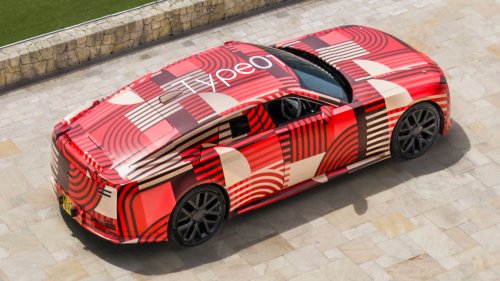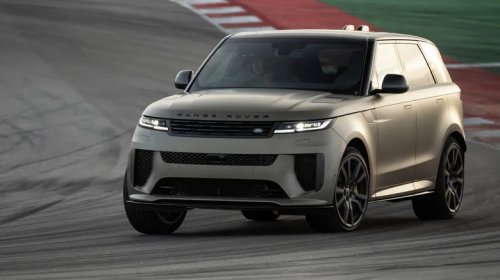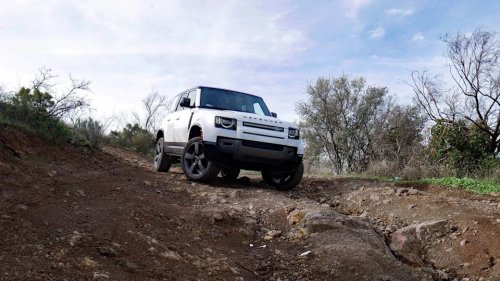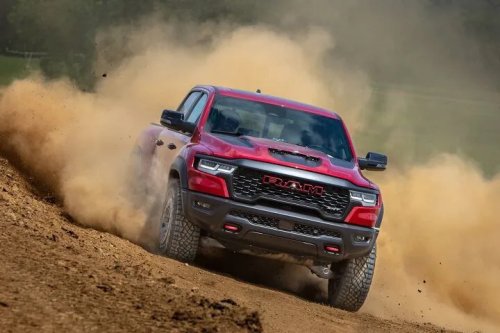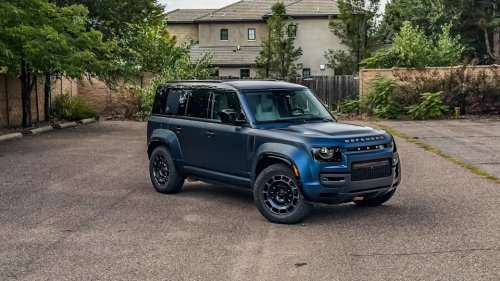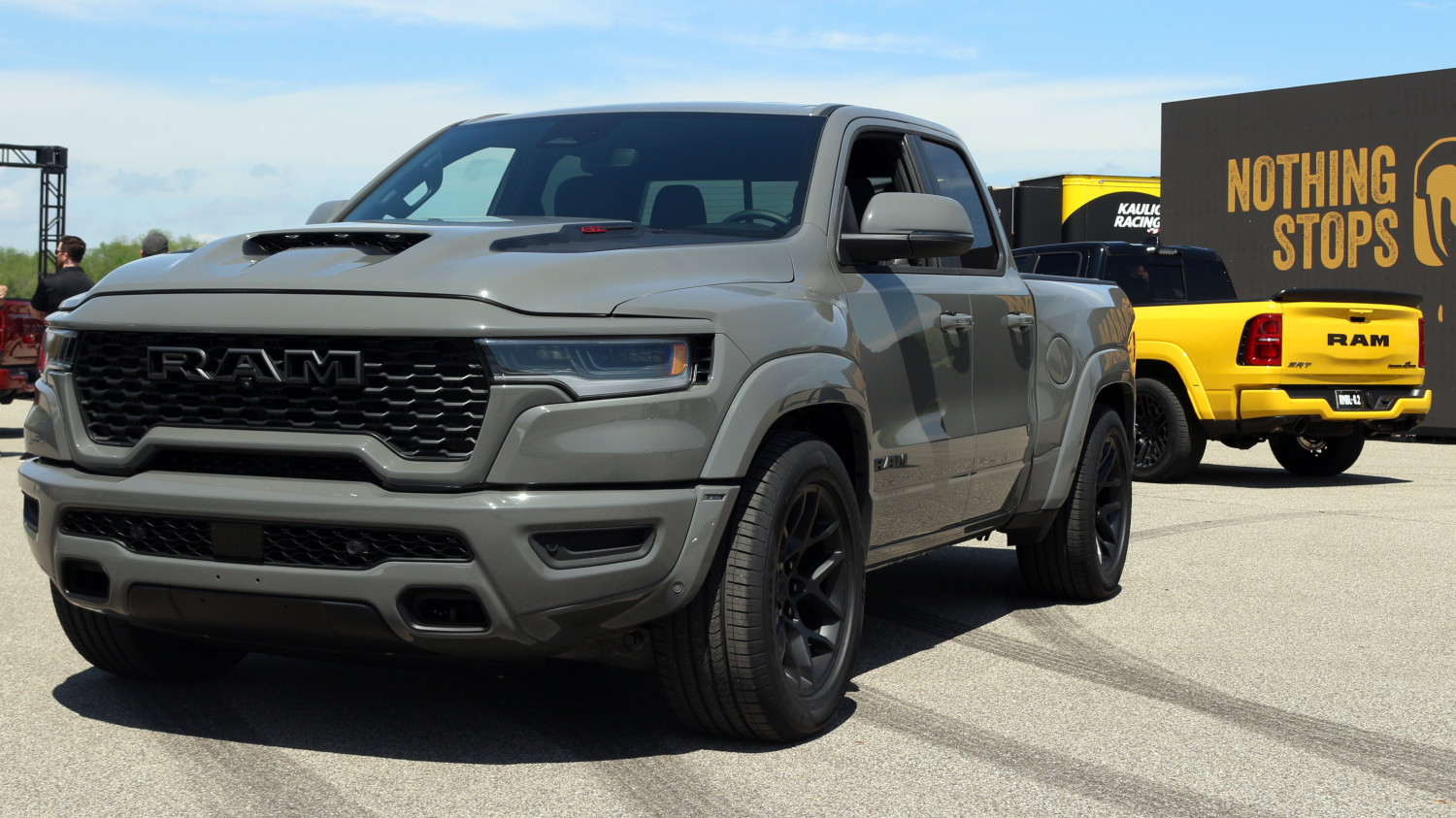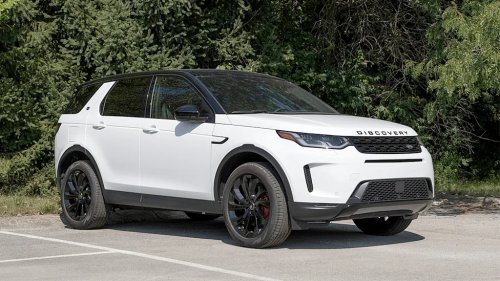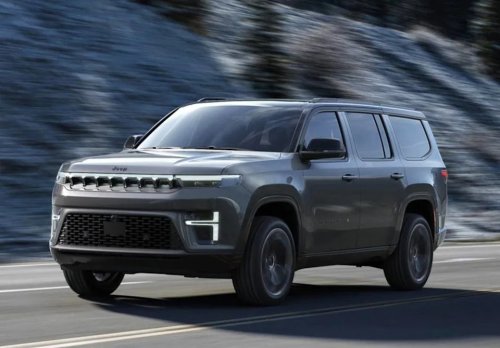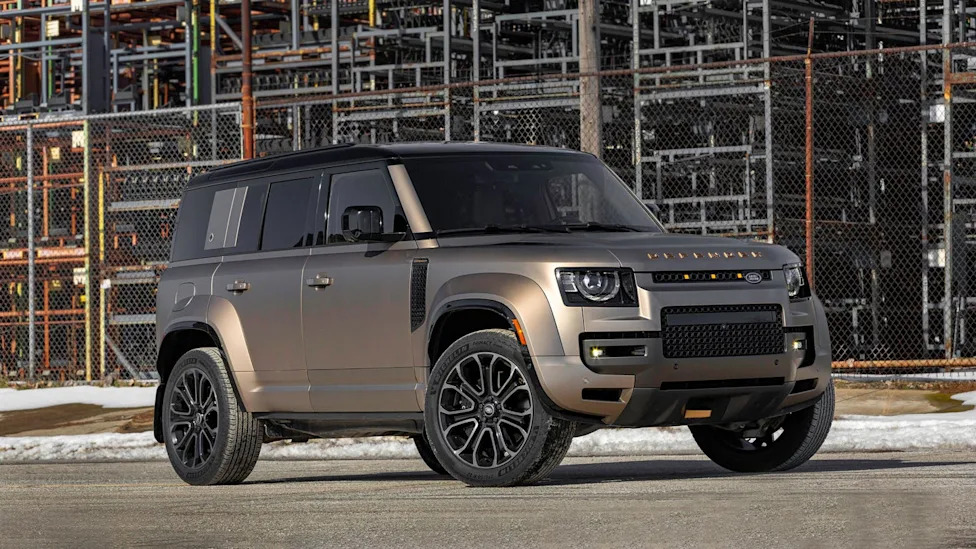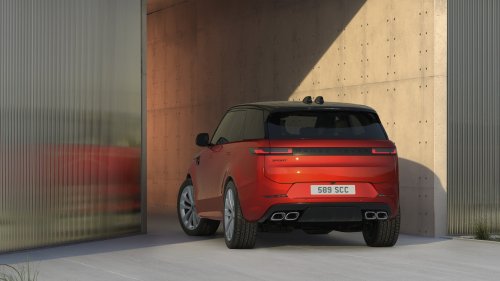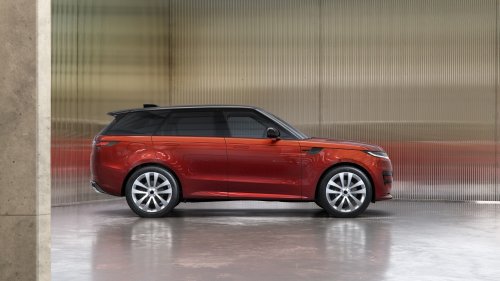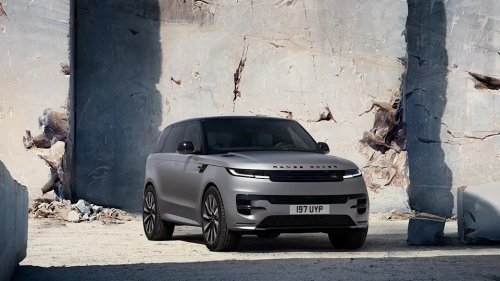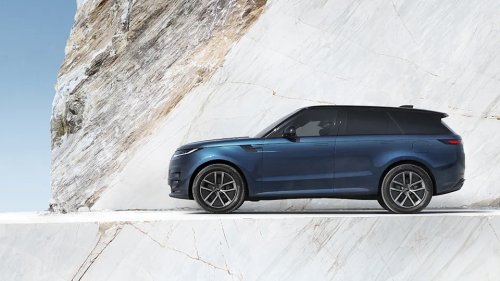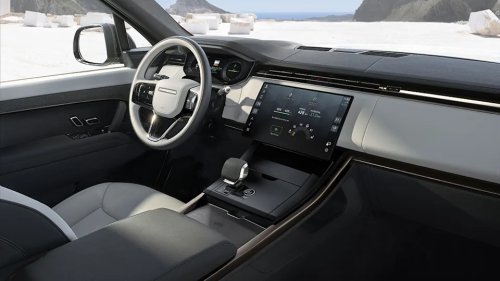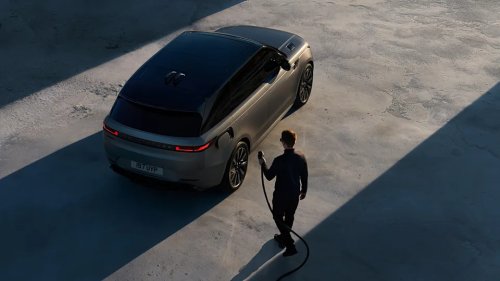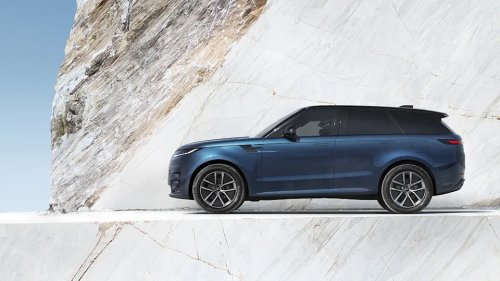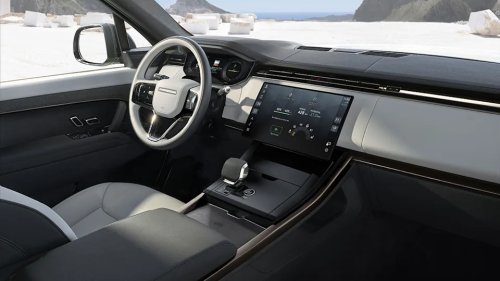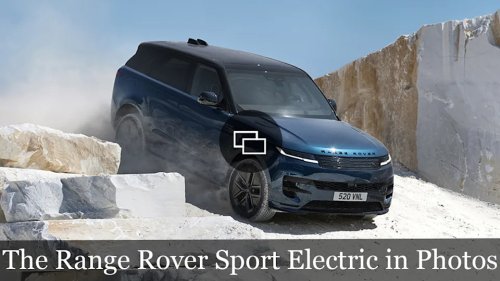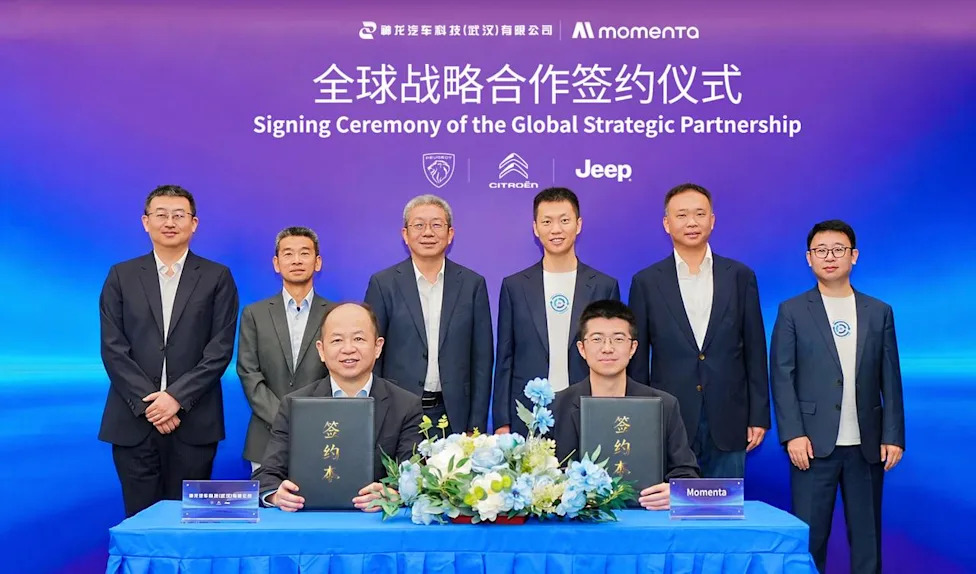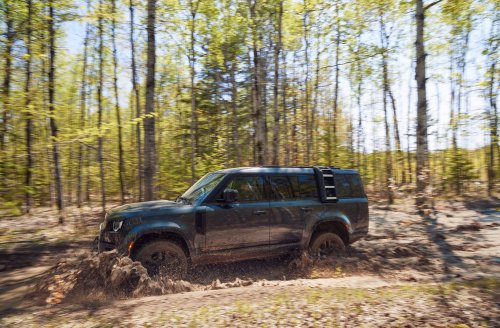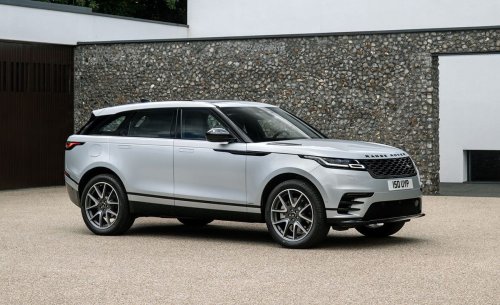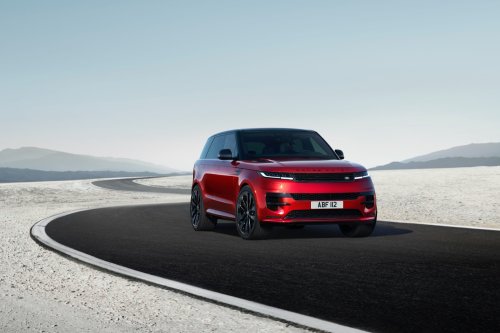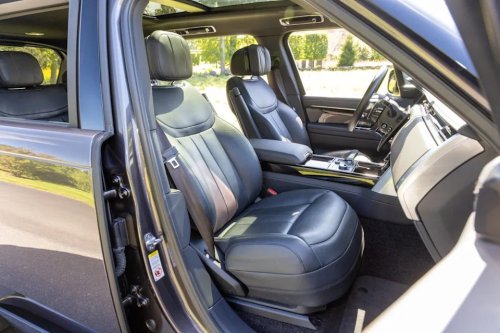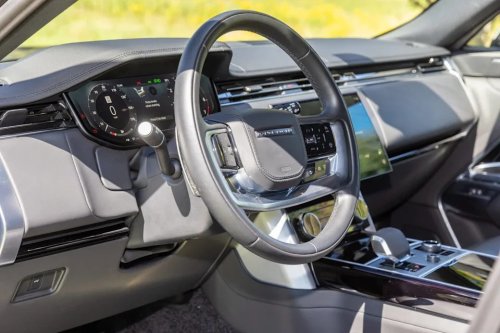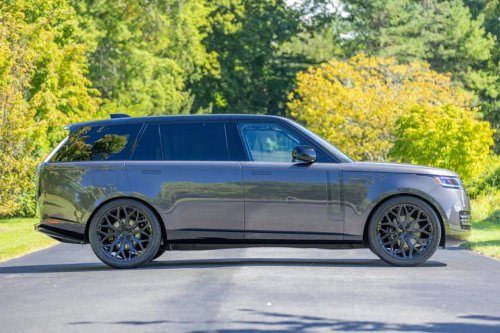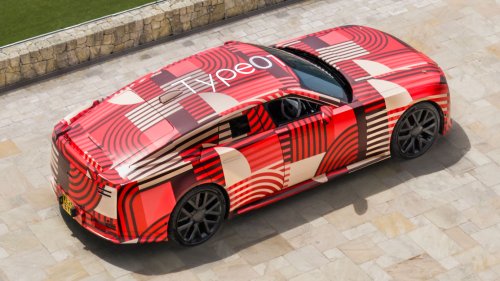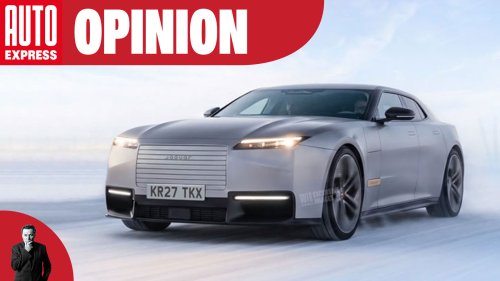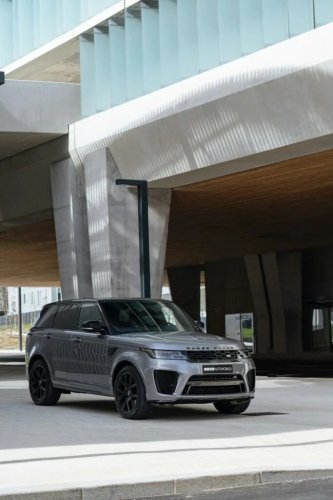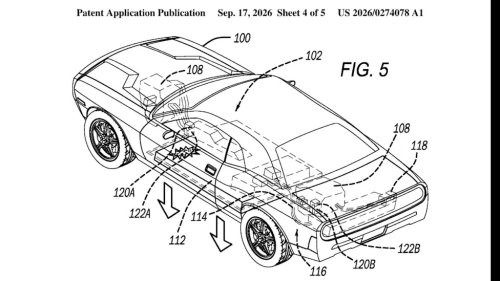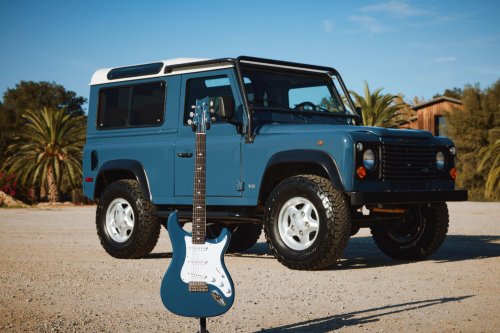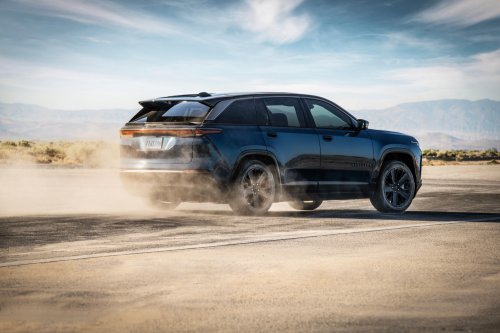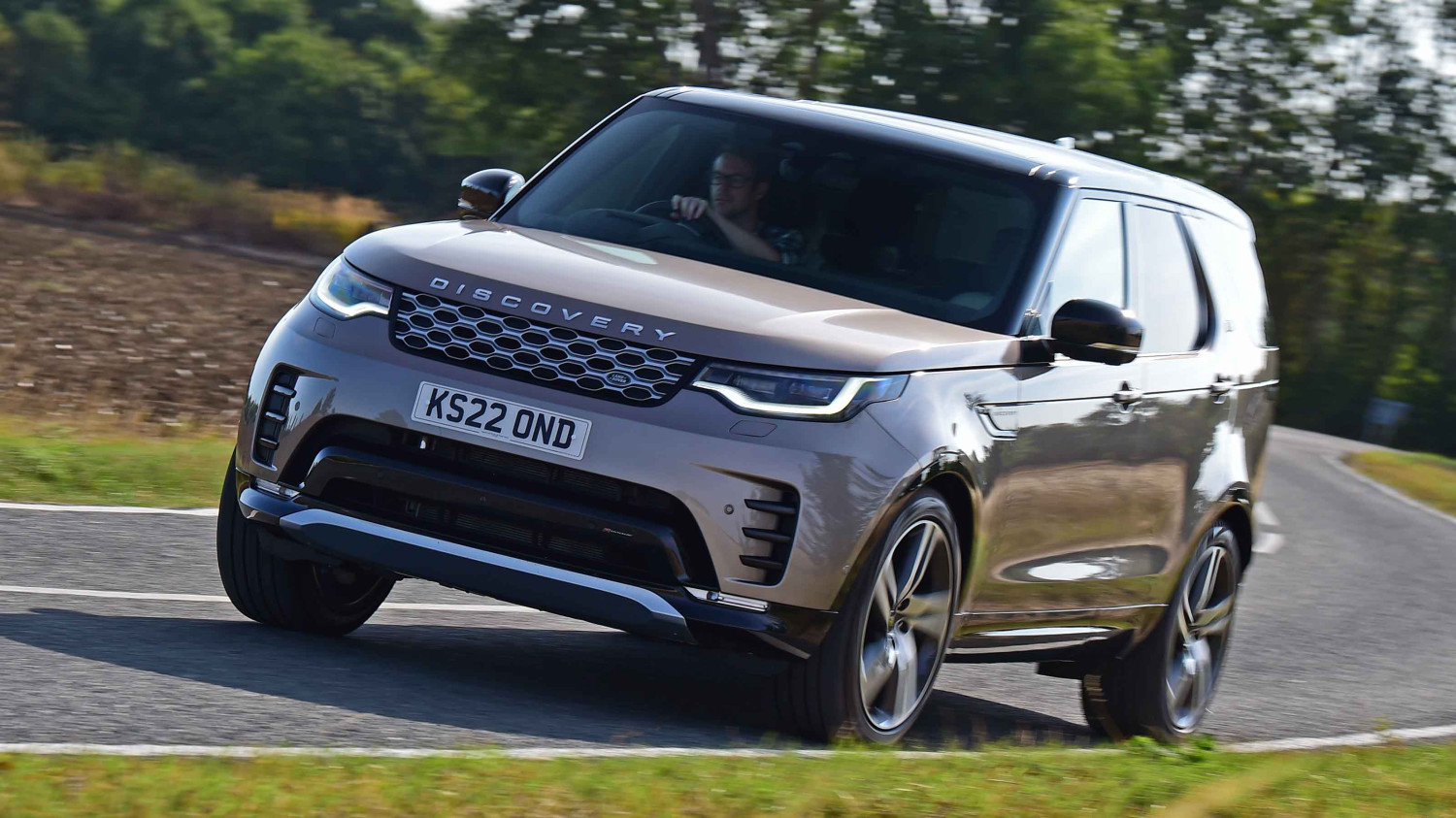



















Land Rover and Jeep have spent decades duelling it out in the rough stuff, but the two brands are about to become inextricably linked thanks to the announcement of a collaboration between Jeep’s parent company Stellantis and Jaguar Land Rover in the USA. In a non-binding memorandum of understanding, Stellantis and JLR recently announced they will “explore opportunities to collaborate on product development in the United States”, utilising both of the companies’ strengths to “create value for both organisations”. Since then, Auto Express has spoken with Emanuele Cappellano, Chief Operating Officer for Stellantis, who shed some light on what that meant for both JLR and Stellantis in Europe. In reference to the joint venture, Cappellano simply said: “JLR is US only.” However, he followed up by stating Stellantis remains “very open to look for complementarity with other [brands]. Whether there is opportunity for growth without creating overlap in Europe, we are always open so why not – but this is not the case today, we don’t see it.” So while it appears that Stellantis has poured cold water on its JLR joint venture expanding to Europe in the near future, it’s not ruling out further collaboration closer to home. While we don’t expect cars produced by the joint venture here, there’s no word on whether this extends to global use of technology developed from the partnership. Antonio Filosa, chief executive officer of Stellantis, previously said: “By working with partners to explore synergies in areas such as product and technology development, we can create meaningful benefits for both sides while remaining focused on delivering the products and experiences our customers love.” Meanwhile, JLR’s CEO, PB Balaji, confirmed the partnership would help support its long-term growth plans in the US market. This cooperation could yield many benefits for both companies, but it’s arguably JLR which stands to benefit more. That’s because this could unlock a more direct path into manufacturing in the USA, which could side-step the Trump administration’s erratic trade policy. More pertinently, JLR’s next-generation BEV architectures – such as the one used by the new Jaguar Type 01 – could also be of use for high-end brands including Maserati and Alfa Romeo. These two relatively low-volume brands both need investment in high-end electric car technologies to remain competitive with premium European brands. Then there’s the obvious overlap of Land Rover and Jeep, two iconic off-roading brands that have spent decades competing against one another. With production capacity to spare in the USA, could Land Rover consider manufacturing future models in its most profitable market? Such a plan could make a lot of sense for both JLR and Stellantis.