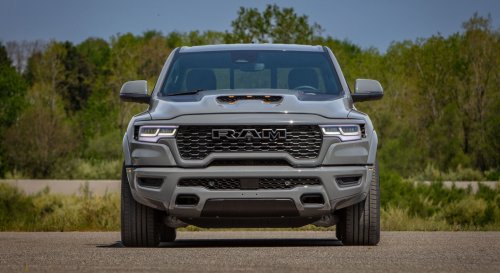
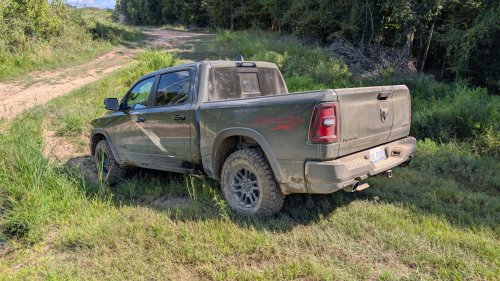
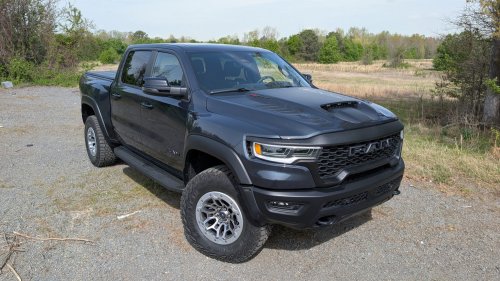
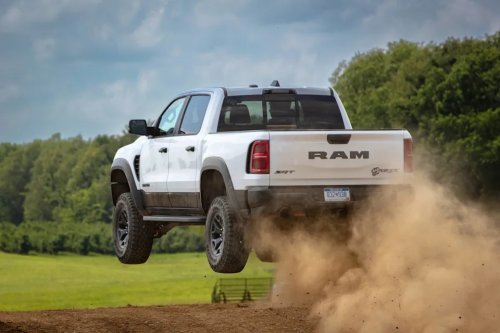
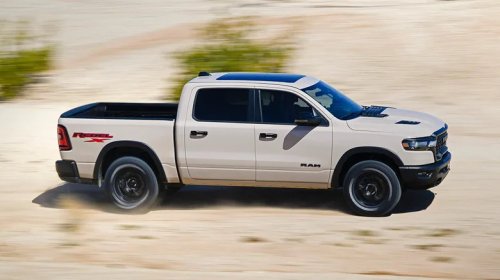
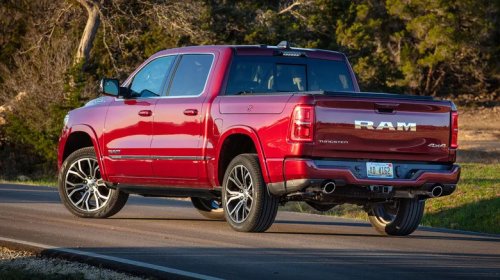
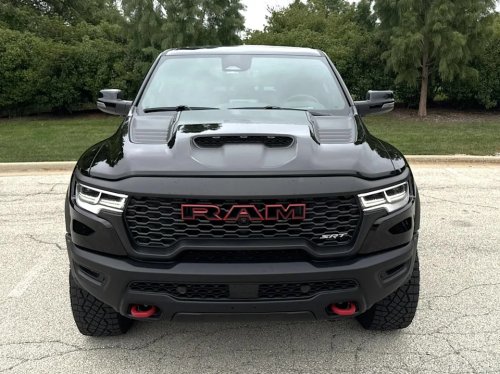
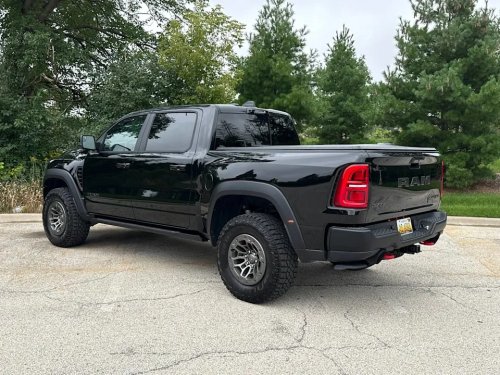
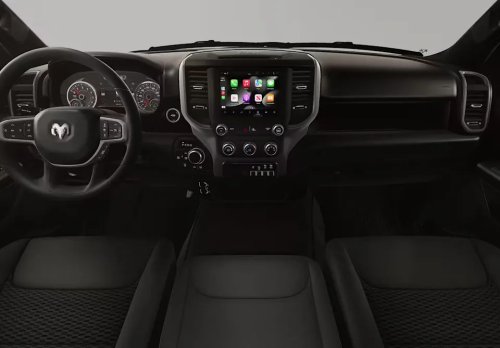
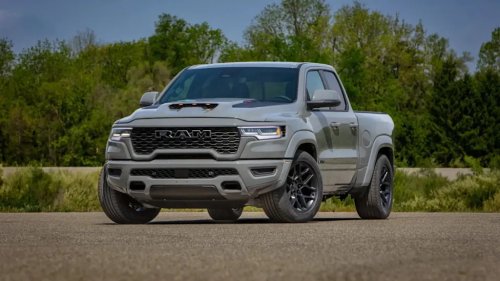
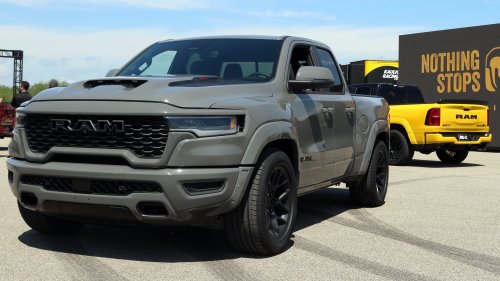
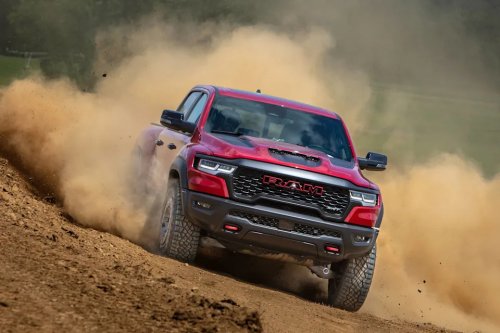
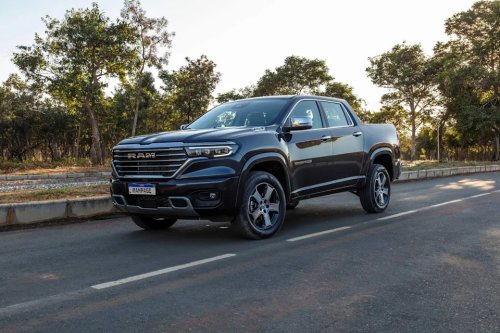
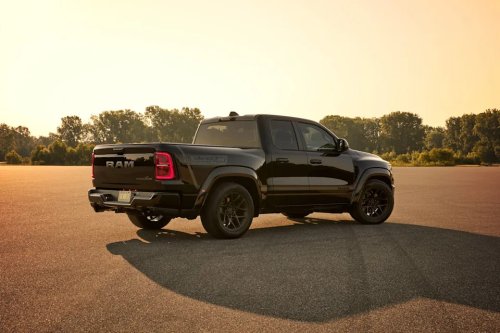
Stellantis Just Recalled 1.5 Million Ram 1500s Because Somebody Forgot to Tighten a Bolt for Eight Years StraightForget the number for a second. One and a half million trucks sounds like the headline, but the real story is hiding in the fine print: this recall doesn't require Stellantis to build a single new part. Dealers just need a torque wrench, ten minutes, and a truck built sometime in the last eight years. That detail says more about what actually went wrong at Ram than the vehicle count ever will.According to FCA US LLC's own recall filing, the problem lives on the second-row center and/or second-row driver-side seat belt buckle anchor on Ram 1500 pickups built for the 2019 through 2026 model years. In plain terms, the hardware anchoring the rear seat belt buckle to the truck's body structure may never have been torqued down the way it was supposed to be. Stellantis says it isn't aware of a single crash or injury connected to the condition. The fix is exactly what you'd expect from a workmanship problem rather than a parts problem: a dealer pulls the seat, inspects the anchor, and reattaches it properly if it's loose. No replacement part. No backorder. No months-long wait for a redesigned bracket.The U.S. portion alone covers an estimated 1,271,294 trucks. Add roughly 156,000 in Canada, 15,000 in Mexico, and another 74,000 spread across other export markets, and the global count lands close to 1.5 million, making this one of the largest campaigns any automaker has filed this year.The Bolt Nobody Was WatchingHere's the part that should genuinely surprise you. Seat belt anchors are treated as safety-critical fasteners on virtually every modern assembly line, which means the torque tools bolting them down are supposed to be smart enough to log the difference between a bolt that's fully seated and one that only looks that way. Plants like Ram's Sterling Heights Assembly complex in Michigan, where most DT-generation 1500s are built, use torque-to-turn tooling built specifically so a safety anchor can't quietly skip proper installation without leaving a digital paper trail. An eight-year window on a single defect suggests that trail either wasn't reviewed closely enough, or that the hedge language in FCA's own release, "may not have been properly attached," is doing a lot of work because nobody can say with certainty which trucks got the bad install and which didn't. That uncertainty, not the seat belt hardware itself, is why this recall is enormous. When you can't isolate the bad ones, you recall the whole population.AdvertisementAdvertisementIt isn't unique to Ram, either. Ford's recall of nearly 420,000 Expeditions and Navigators covered a seat belt problem that had been quietly riding along on that platform for years before anyone caught it. Multi-year seat belt defects tend to hide well precisely because the hardware in question sits under trim and carpet, invisible during a normal service visit and untouched unless a technician goes looking for it.That distinction actually matters more than most owners realize. A parts recall, like a bad ignition switch or a cracked Takata inflator, requires an automaker to design, source, manufacture, and ship a fix before a single dealer can act, which is why some recalls sit unresolved for years. Ford's letter to nearly 400,000 Explorer and Aviator owners about tipping second-row seats admits the real fix won't arrive until 2027. A workmanship recall is the opposite problem: the remedy already exists, and the challenge is just getting the truck onto a lift. That's good news for the roughly 1.3 million U.S. Ram owners covered here. It's also exactly why the recalled population is inflated. Casting a wide net is cheap when the remedy itself is cheap.There's a detail buried in FCA's language worth sitting with. The anchor in question sits at the second-row center and driver-side positions, precisely where families buckle in child seats in a crew-cab pickup. Ram markets the DT-generation 1500 hard on rear-seat legroom that rivals a full-size sedan, which is exactly the pitch that draws families with young kids. An anchor that might not hold under load doesn't just affect an adult passenger; it affects the seating position where a parent is most likely to have installed a car seat using the belt-and-clip method rather than LATCH. Stellantis hasn't said the defect targets that use case specifically, and there's no data suggesting it does. But it's the kind of overlap that safety engineers notice immediately, even if a corporate press release never will.A Pattern, Not An IncidentZoom out and this recall stops looking like an isolated seat belt problem and starts looking like a pattern. In roughly the past year, Stellantis has recalled about 456,000 Ram and Jeep vehicles over a trailer brake and light failure, watched NHTSA open a fresh probe into 1.2 million Ram trucks over a brake rollaway defect a prior recall was supposed to have fixed, and issued four separate electrical recalls on the brand-new 2026 Ram 1500 since December, most recently over headlights that can quietly shut themselves off. Stack a seat belt anchor recall spanning nearly a decade of production on top of that, and the story stops being about any single component. It becomes a question of whether a truck platform generating this many six- and seven-figure recall campaigns has a process problem bigger than any one bolt, especially with Jeep and Ram now led by executives with no prior vehicle-engineering background.AdvertisementAdvertisementOne more thing worth clearing up: the fact that Stellantis announced this recall before NHTSA's own paperwork went public isn't a cover-up. Federal law gives manufacturers five business days to notify NHTSA once they've determined a defect exists, and owner letters have to go out within 60 days after that. The agency's public database often lags a manufacturer's own announcement by days or weeks simply because of how recall documentation gets processed and indexed. Owners who want to check their VIN, or see how this recall stacks up against the other major campaigns currently open, should expect the federal listing to catch up shortly.If you forget every number in this story by tomorrow, remember this instead: a bad part gets recalled because a supplier failed. A bad process gets recalled because the automaker failed to catch itself, and that kind of failure can run quietly for the better part of a decade before anyone notices. Ram is fixing 1.5 million bolts for free, and that's the easy part. Figuring out why nobody caught this sooner is the part Stellantis still has to answer.Join our Newsletter, follow our Instagram page, and connect with us on Facebook.



















 +36 others