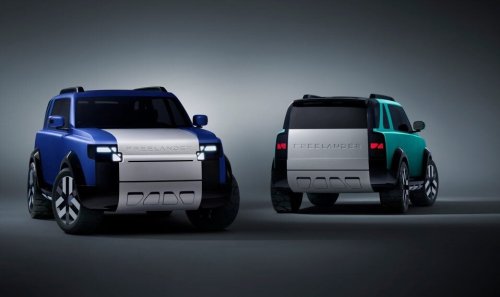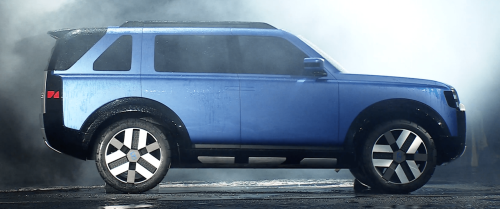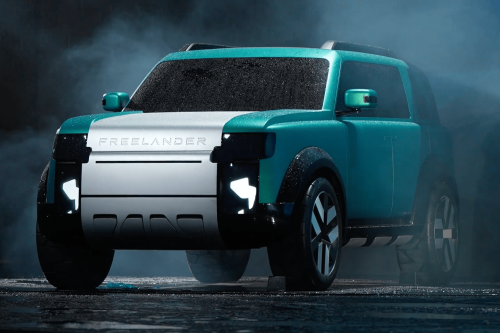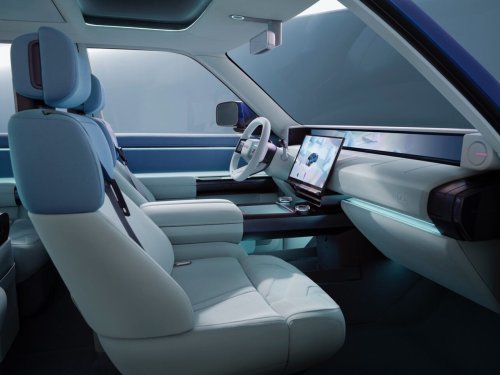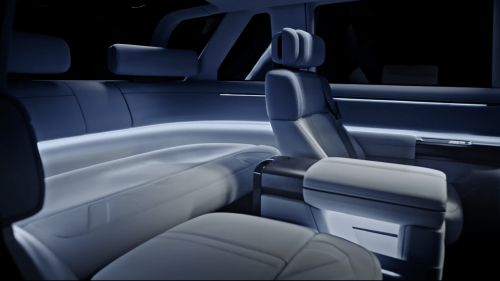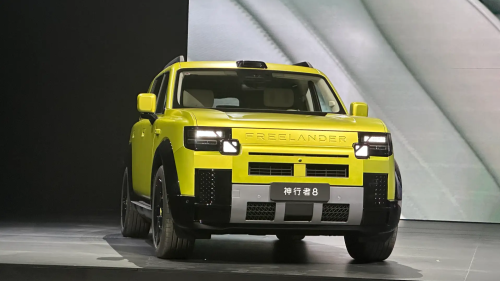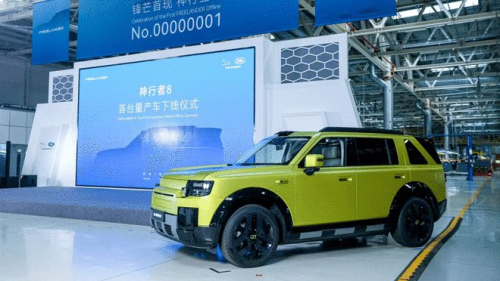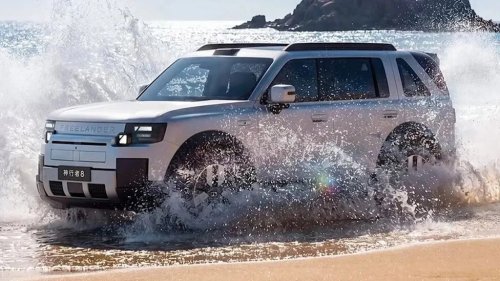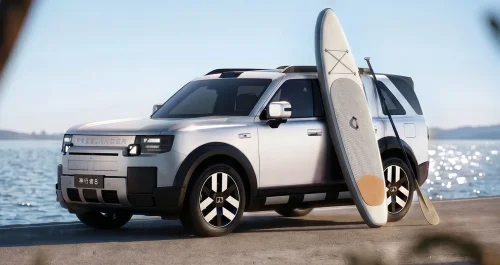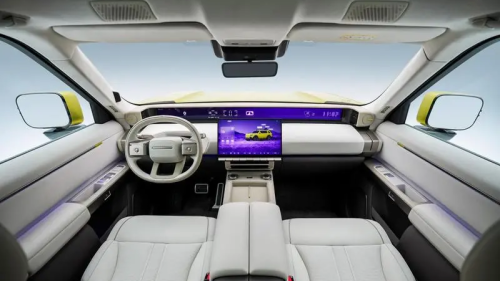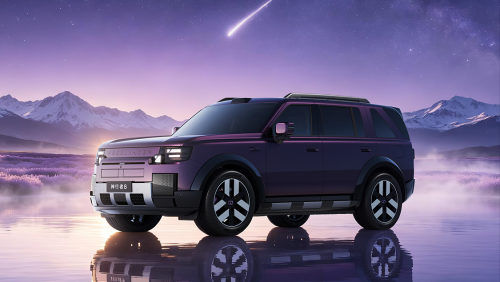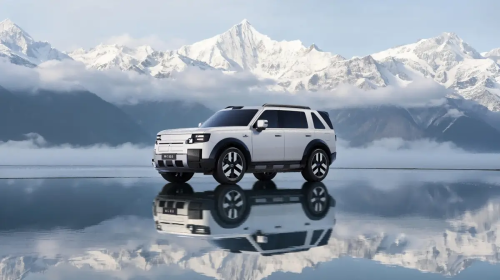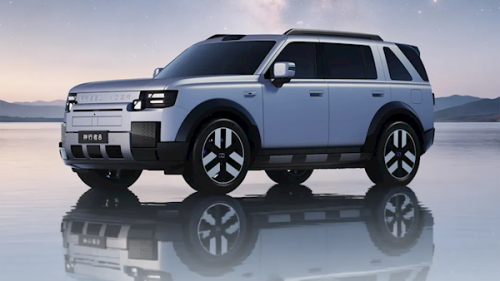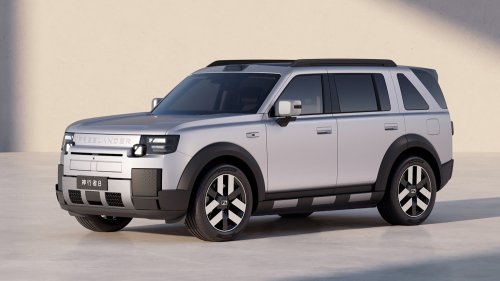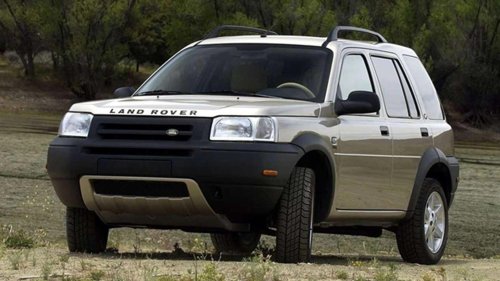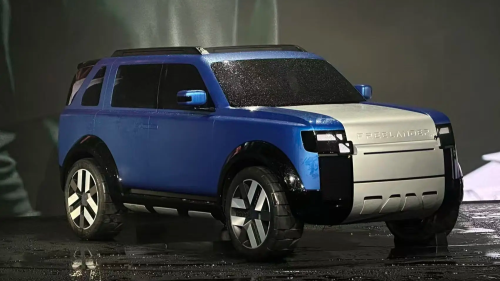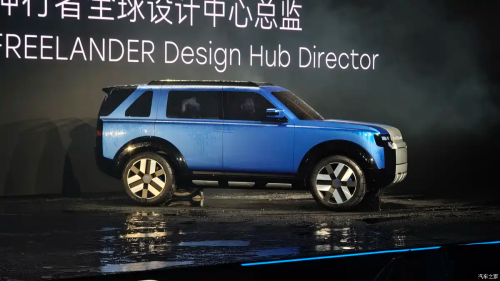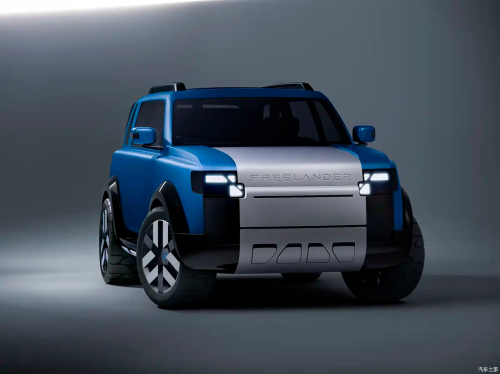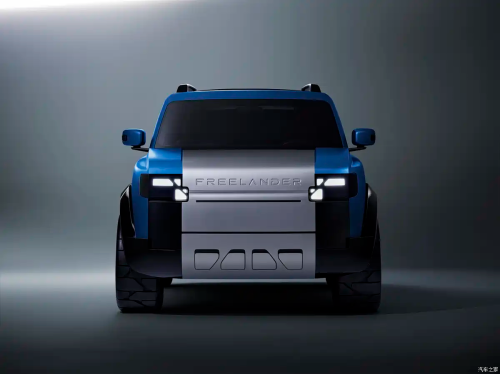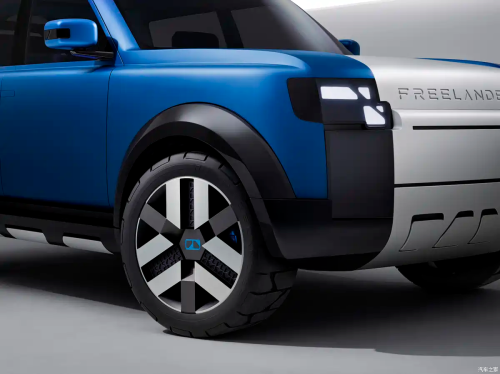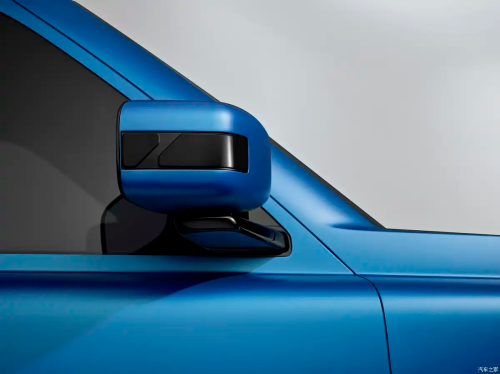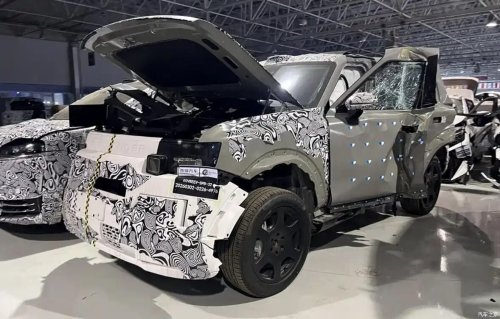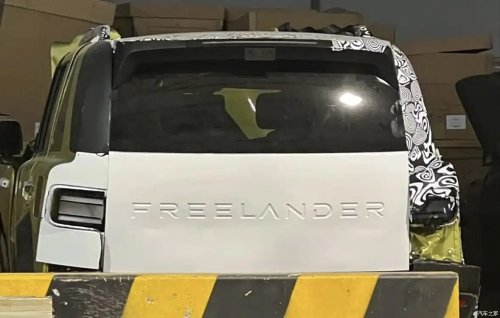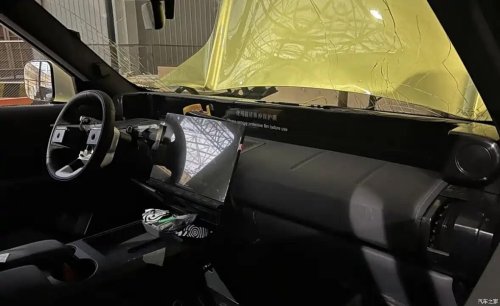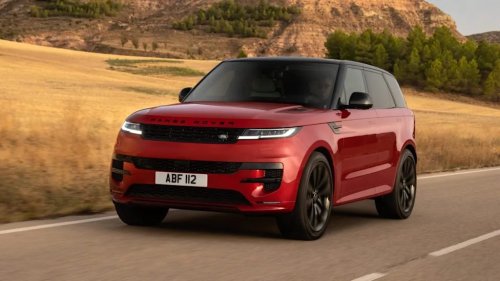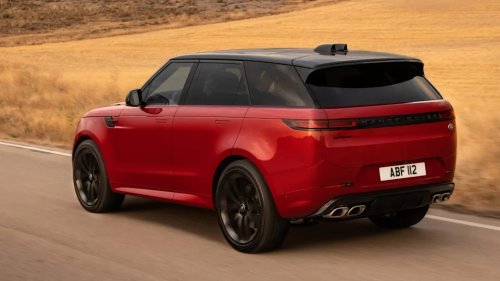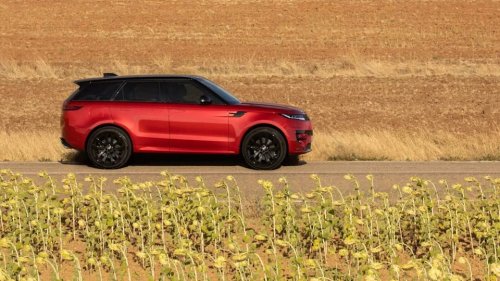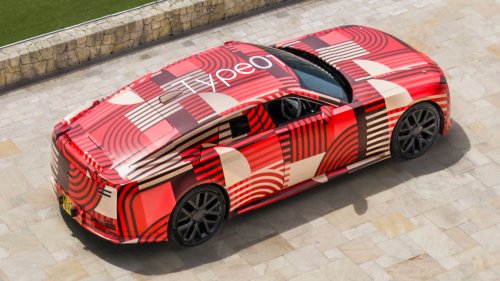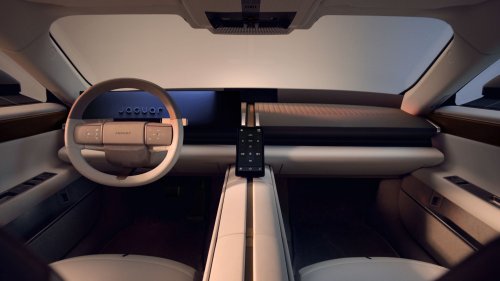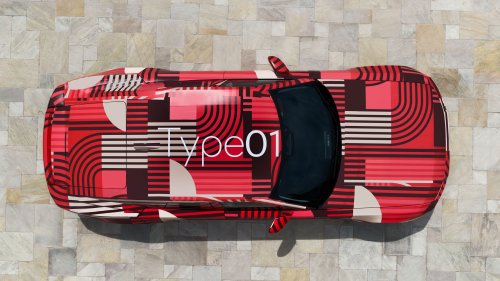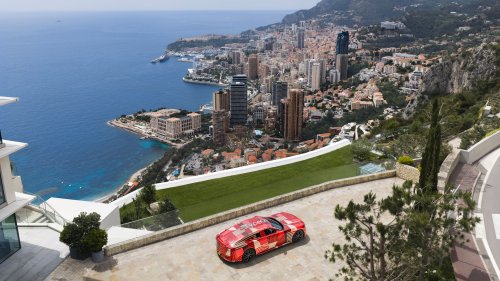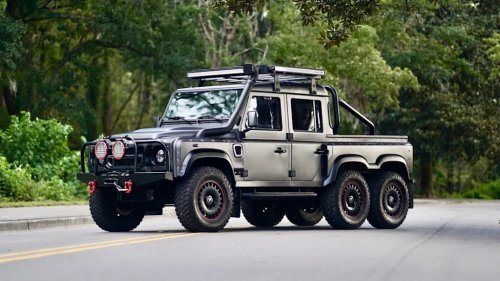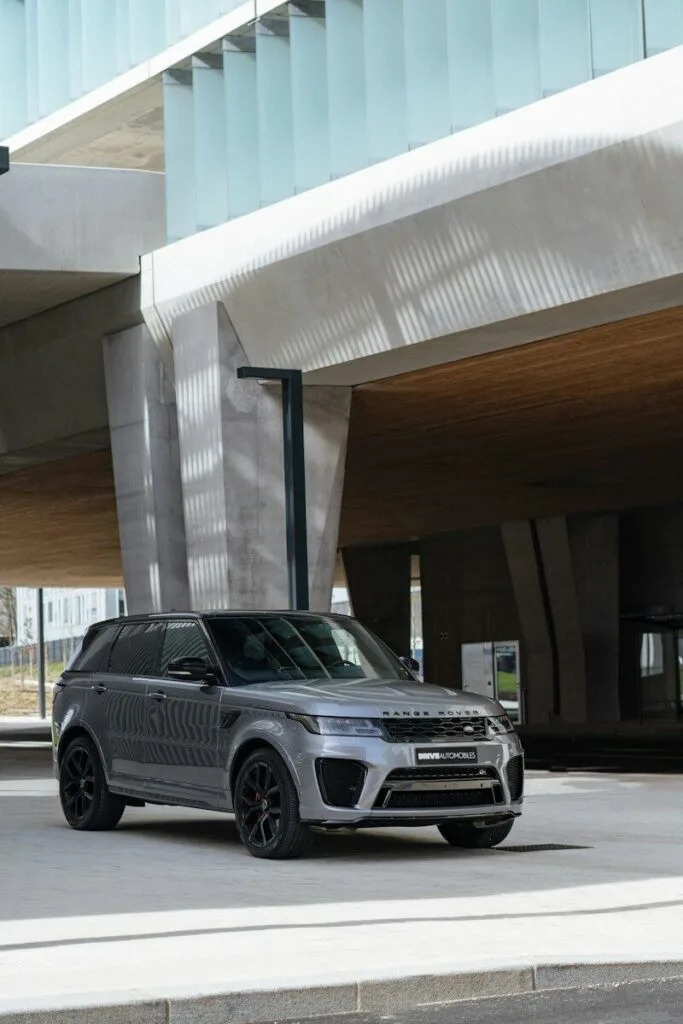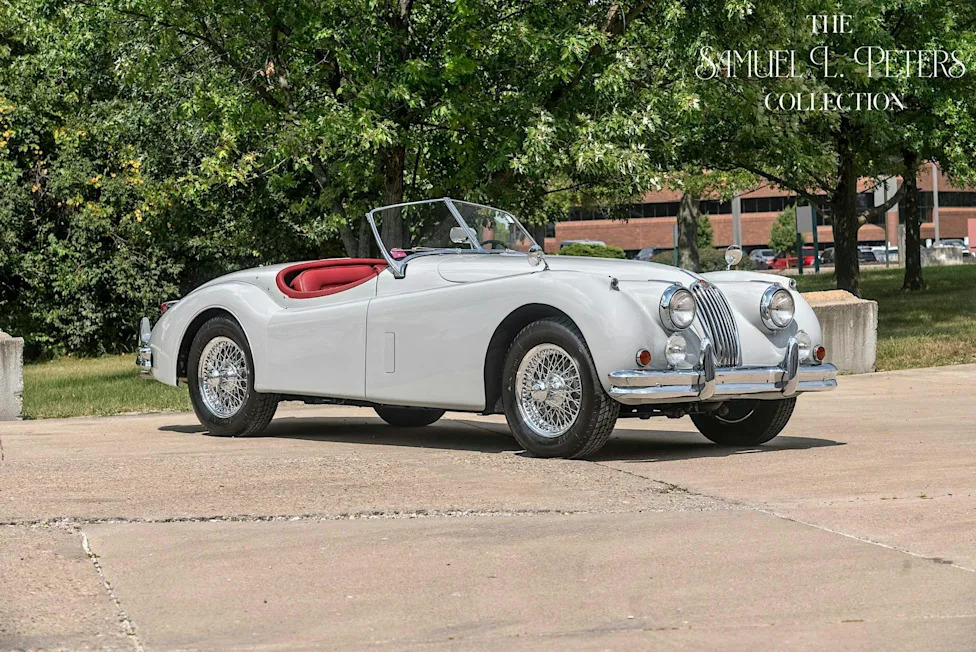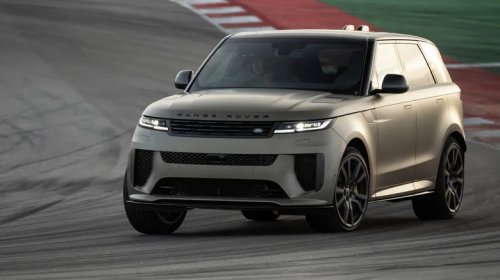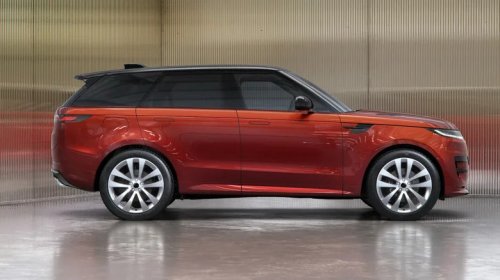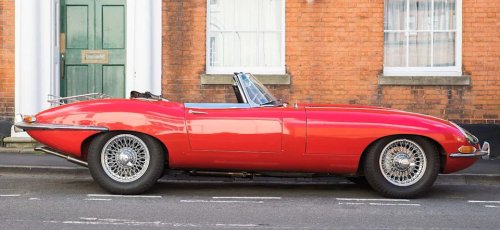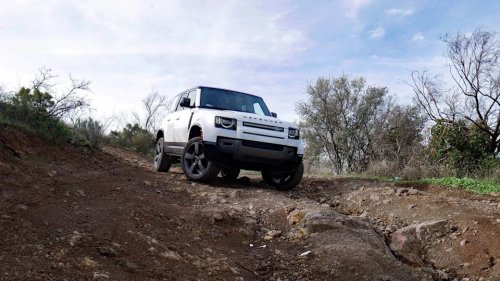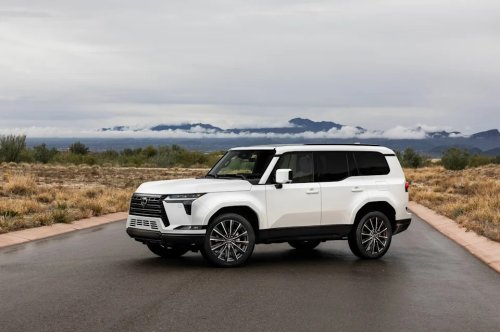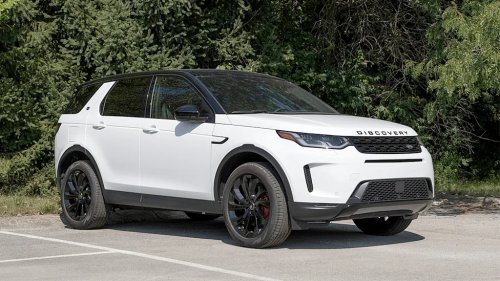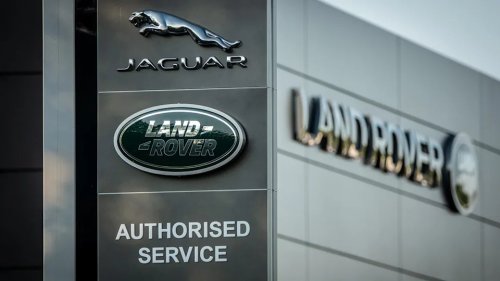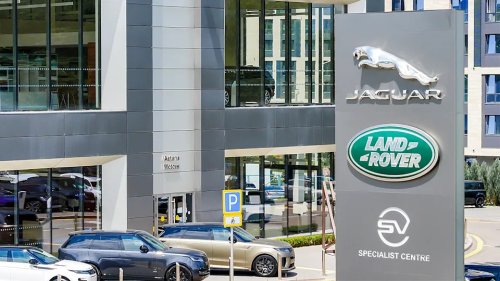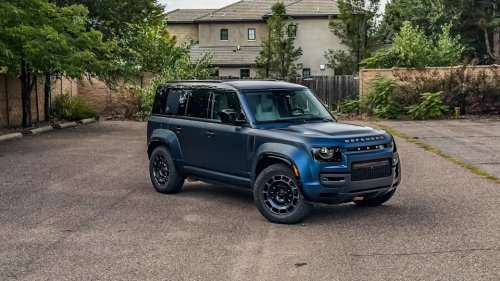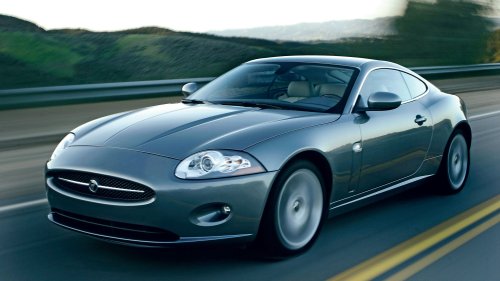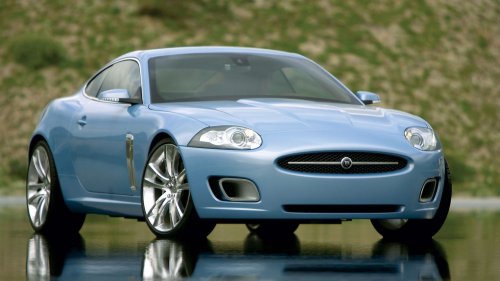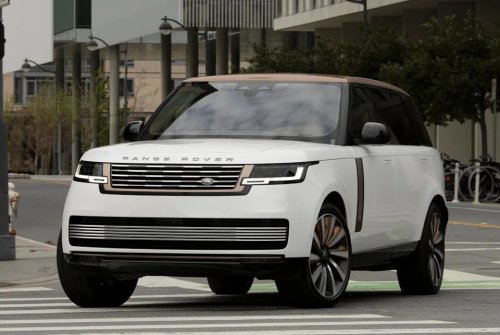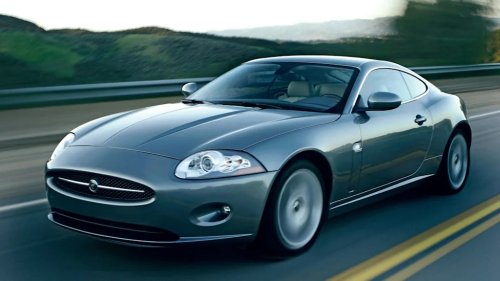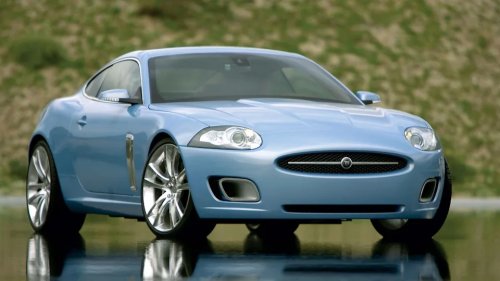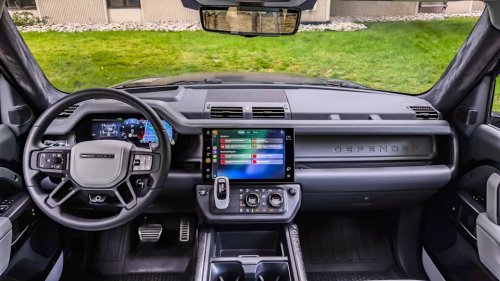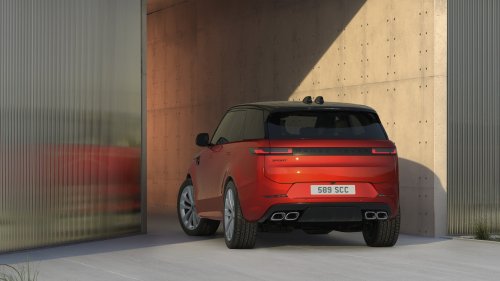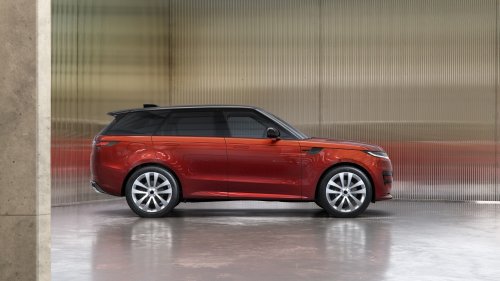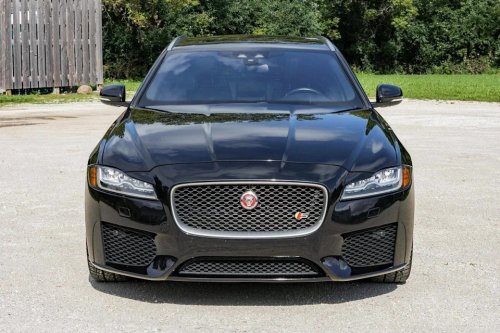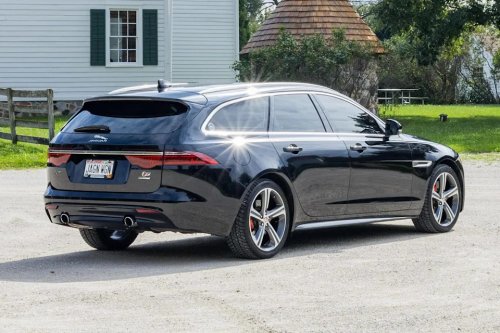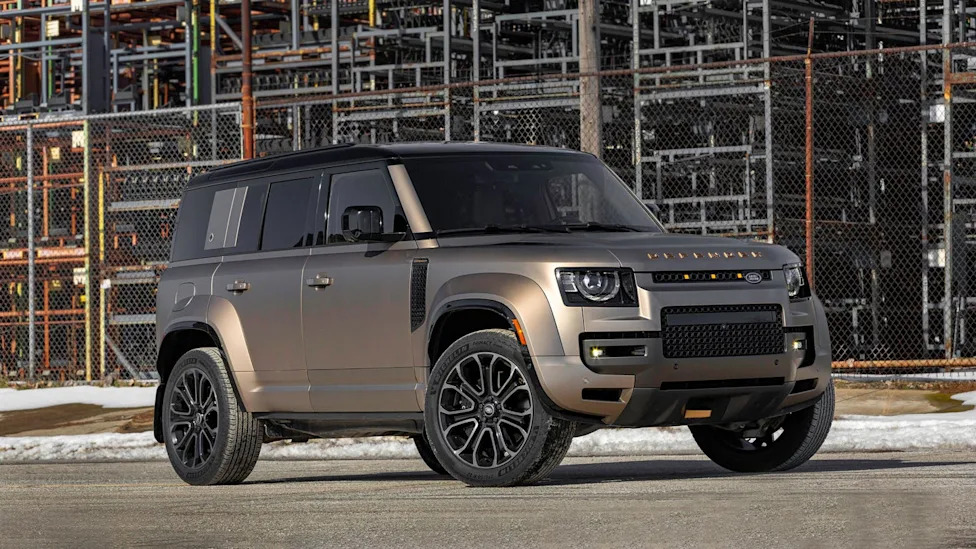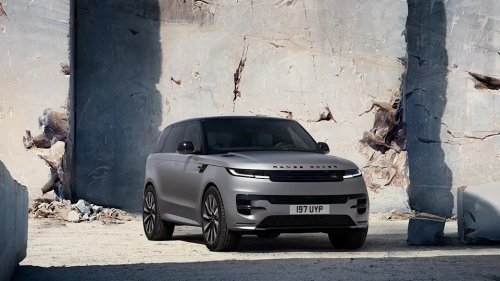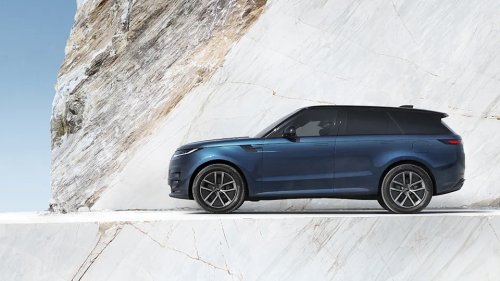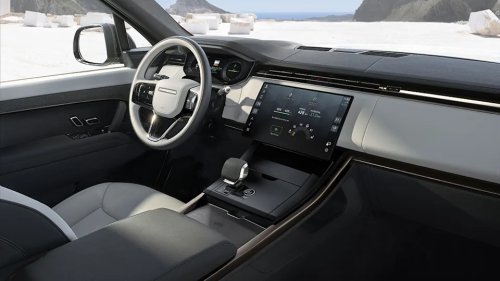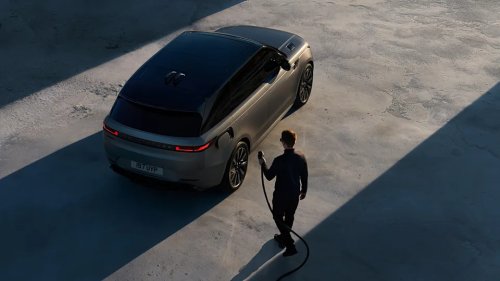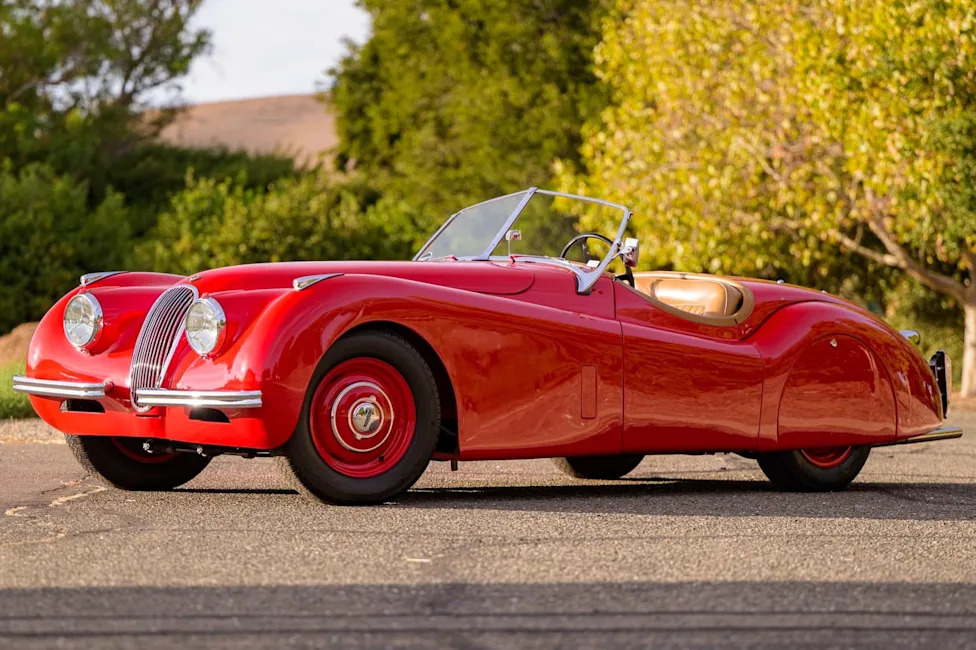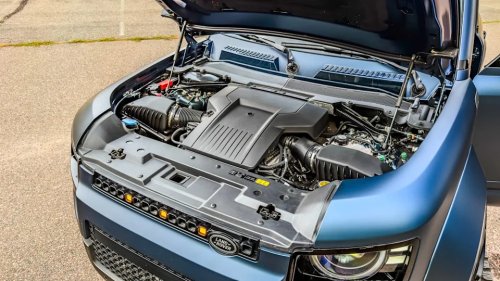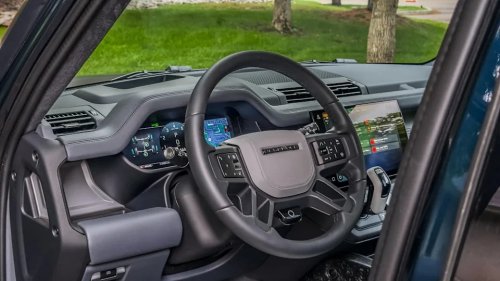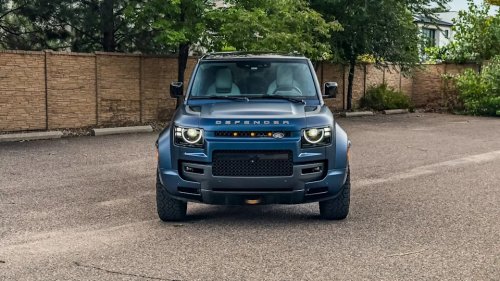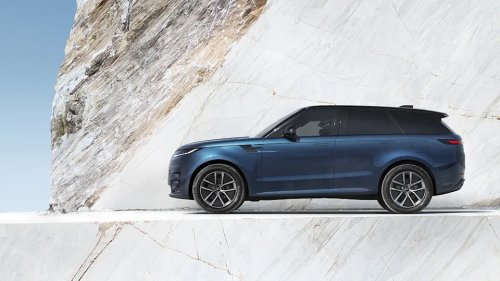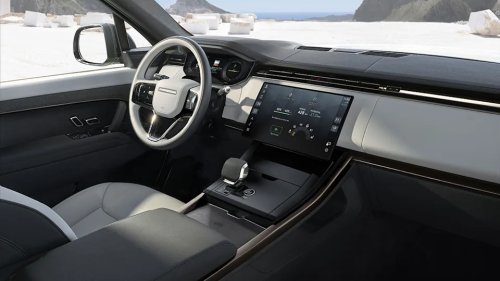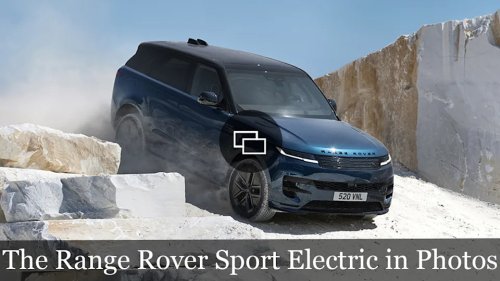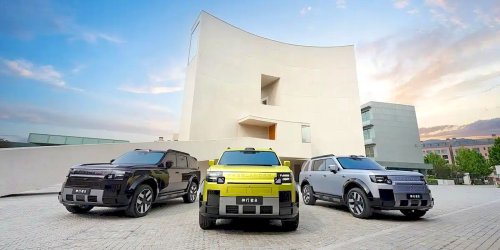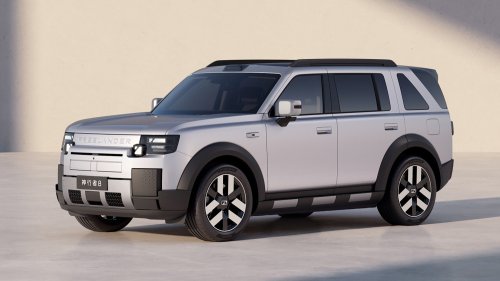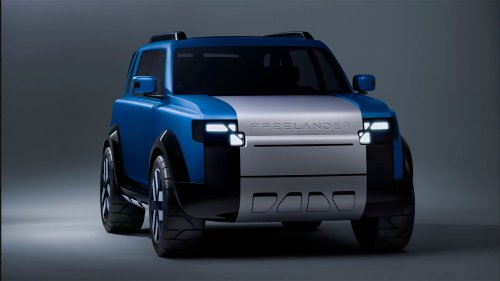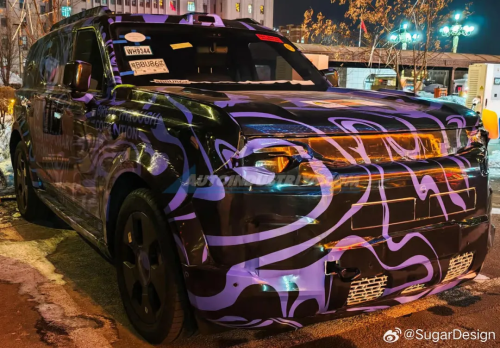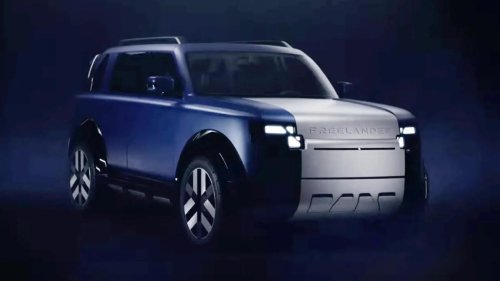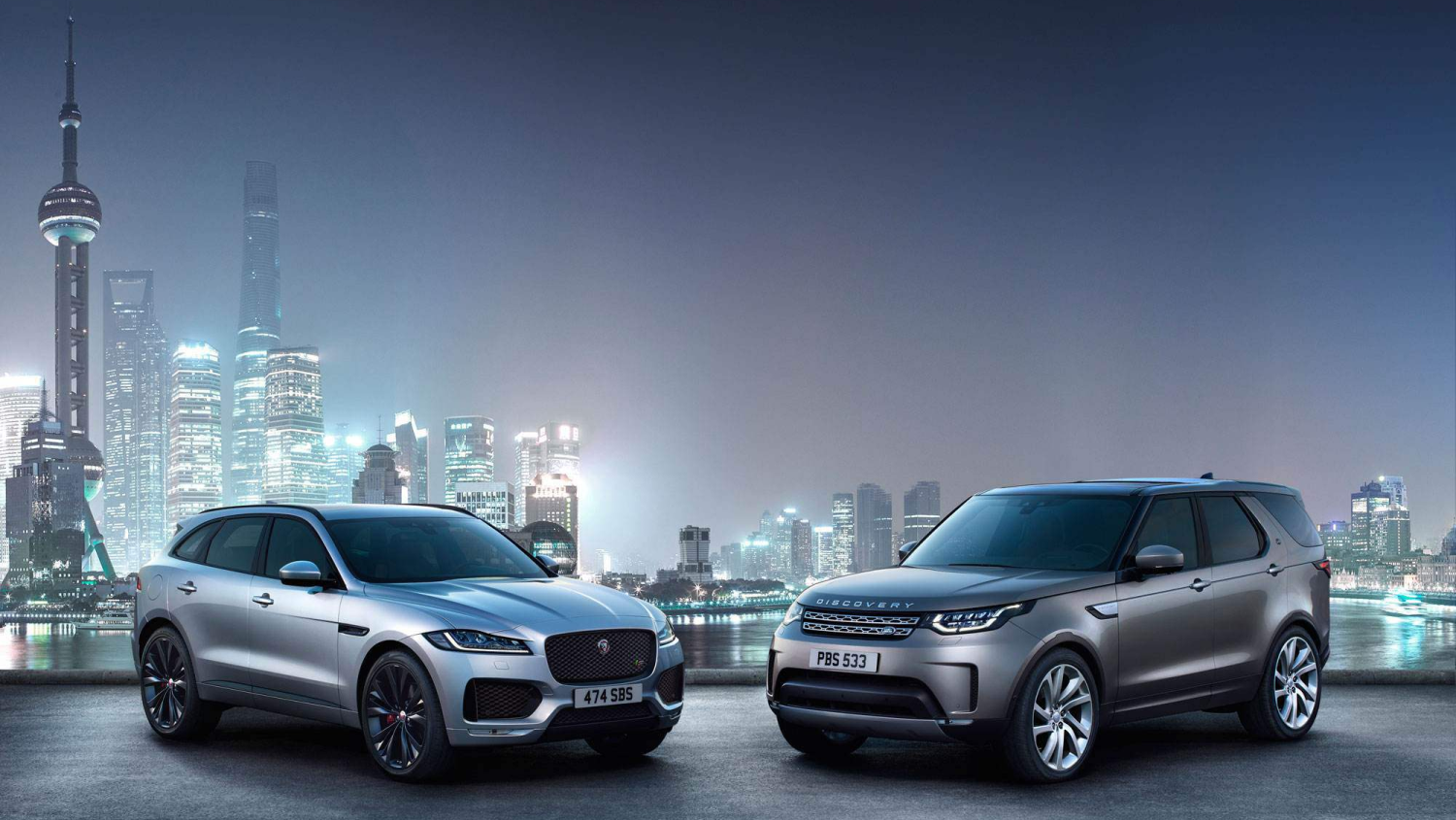
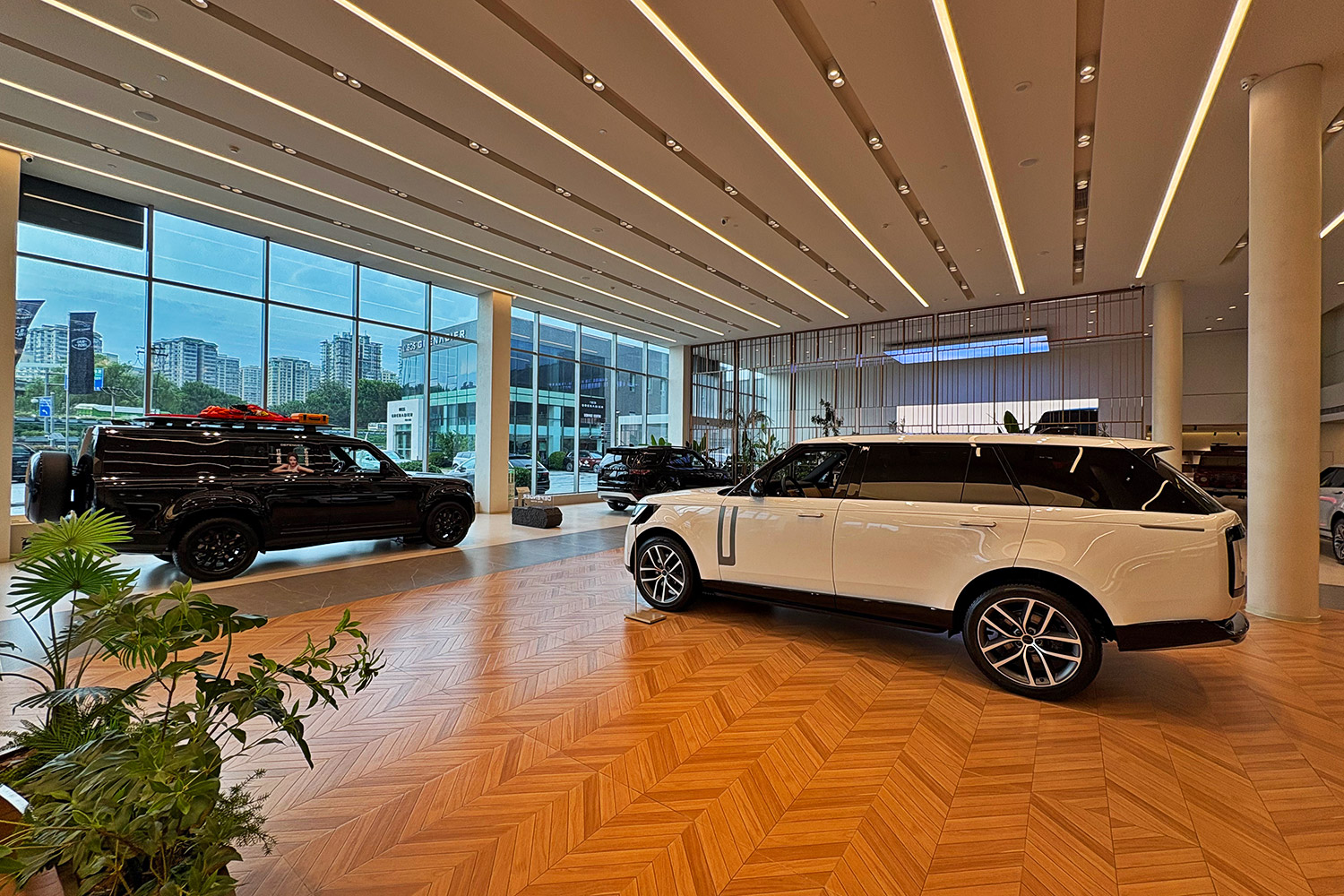

















Two JLR models. Credit: Sina Understand China EV’s Market Real-time notifications when critical EV data is released All important data in one place 2,000,000+ data points Become a member Jaguar Land Rover has officially concluded its 14-year localisation experiment in China. As of July 2026, the company has ceased the purchase of all domestically produced models by its dealership network, marking the end of an era for the brand in the world’s largest automotive market. The final chapter of this domestic journey was punctuated by aggressive clearance sales. At a dealership in eastern Beijing, the last locally produced Range Rover Evoque L was sold in early July. According to sales staff, the vehicle, which once commanded significant premiums upon its 2011 market entry, saw its actual transaction price drop to less than 180,000 yuan (26,500 USD) by the end of the clearance period. This decline reflects a broader trend for the brand. Once a top-tier contender among secondary luxury marques in China, Jaguar Land Rover’s sales peaked at 146,400 units in 2017. However, due to lagging product updates, a failure to adapt to the rapid electrification wave, and a reliance on heavy discounting, annual sales plummeted to approximately 26,000 units by 2025. Some of the imported models in the Jaguar Land Rover showroom. Credit: Jiemian News The brand’s domestic lineup, long anchored by ageing models like the Evoque L and Discovery Sport, struggled to compete against Chinese rivals such as Aito, Nio, Li Auto, and Zeekr. These competitors have successfully captured the 300,000 to 500,000 yuan (44,100 to 73,500 USD) market segment by prioritising intelligent cockpits, interiors, and new energy powertrains – areas where Jaguar Land Rover’s legacy fuel-powered models fell behind. The financial strain was further exacerbated by a flawed sales mechanism. Dealers were reportedly required to stock a high ratio of domestic models to secure the more profitable imported Range Rover vehicles. As domestic demand waned, dealers were forced to slash prices to clear inventory, leading to systemic losses. Reports quoted by Jiemian News indicate that over the past decade, the average loss per domestic vehicle for dealers was approximately 30,000 yuan (4,400 USD). As the company pivots, it is expected to narrow its focus to high-end imported models, specifically the Range Rover, Defender, and Discovery lines. This shift necessitates a significant reduction in the dealership network. Industry experts suggest that the current network of fewer than 90 operational dealers may need to shrink further to 40–50 to align with the scale of this niche, high-end market. Meanwhile, the Changshu plant, previously used for Jaguar Land Rover production, is being repurposed. Under a 2024 agreement between Chery and Jaguar Land Rover, the “Freelander” brand is being revived as an independent electric vehicle marque. This new venture will leverage Chinese supply chains and technology – including Huawei’s intelligent driving systems – while utilising the brand’s heritage. The first model is slated for a Chinese debut in the second half of 2026. Editor’s comment As Jaguar Land Rover retreats from mass-market localisation to focus on its high-end import identity, the success of the “Freelander” project will serve as a critical test of whether a brand can effectively blend Western heritage with Chinese-led technological innovation in an increasingly competitive market.