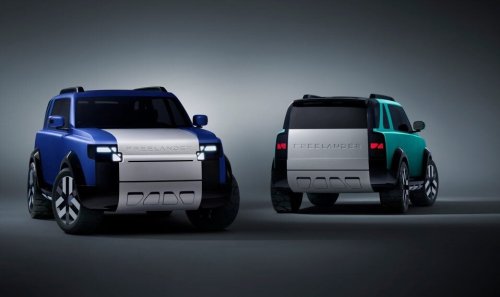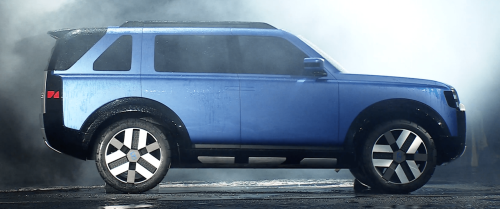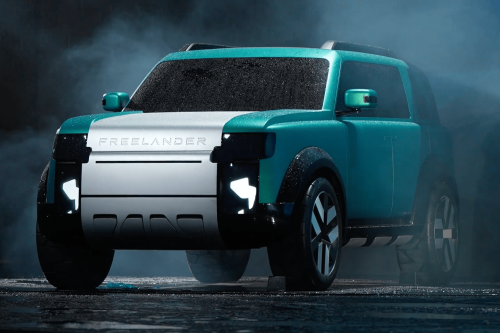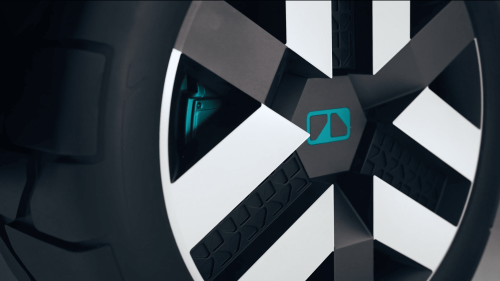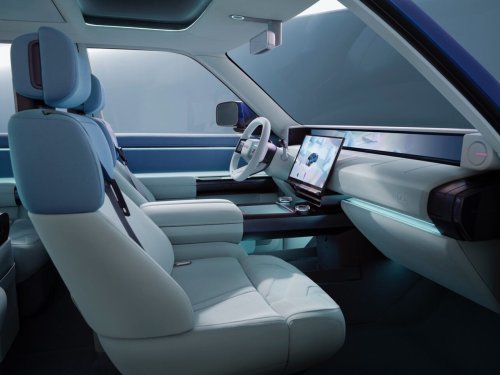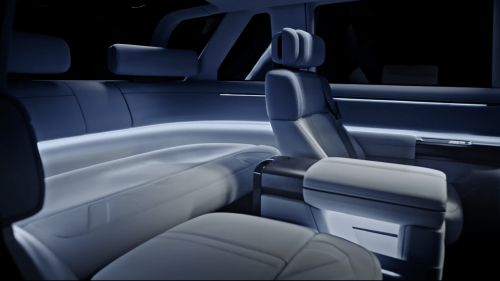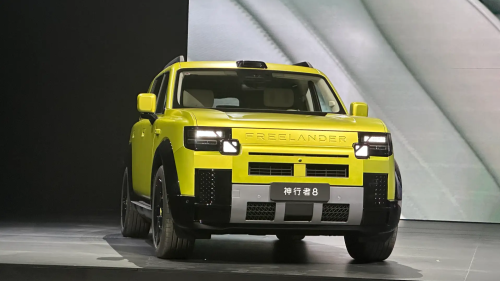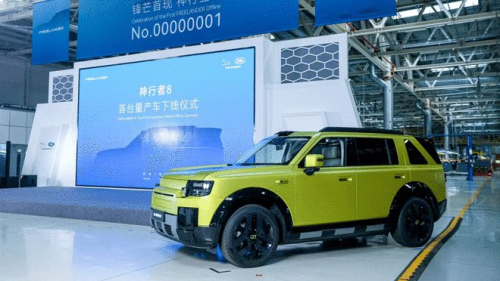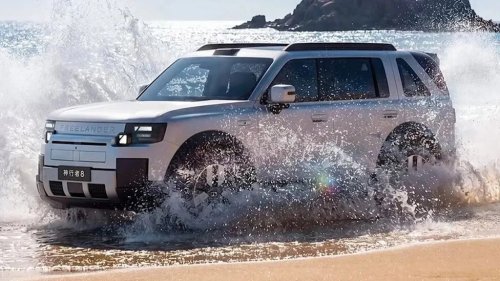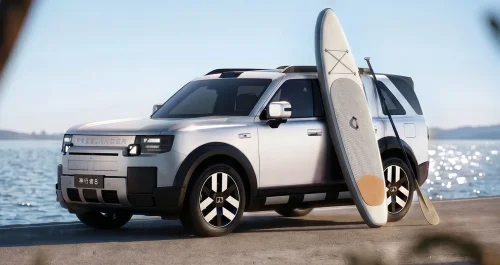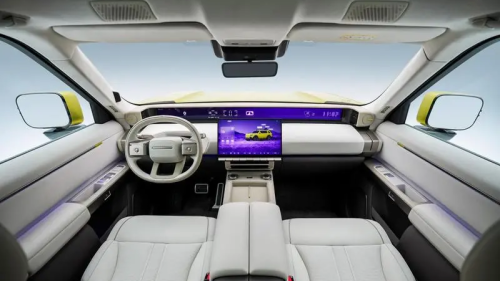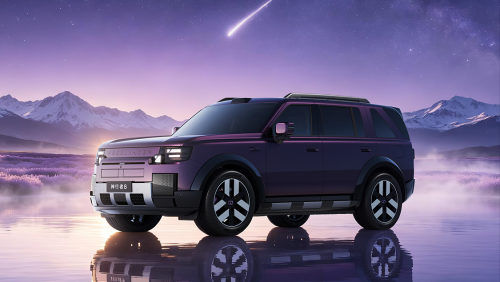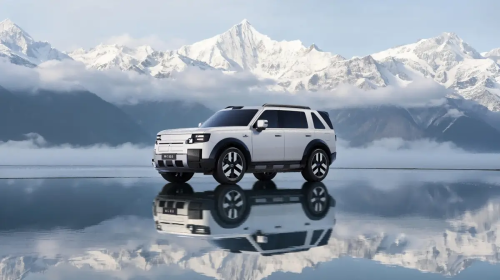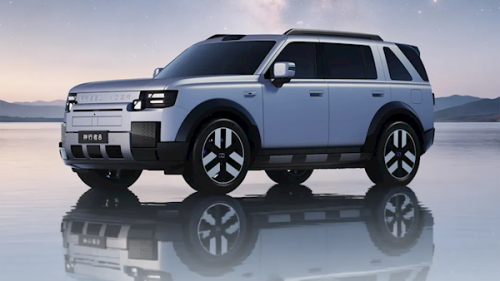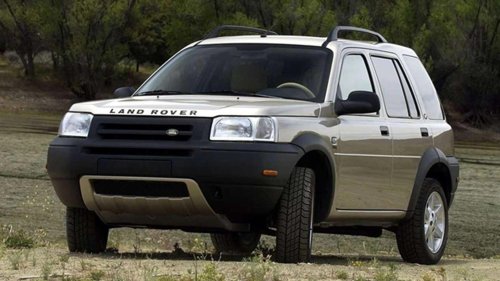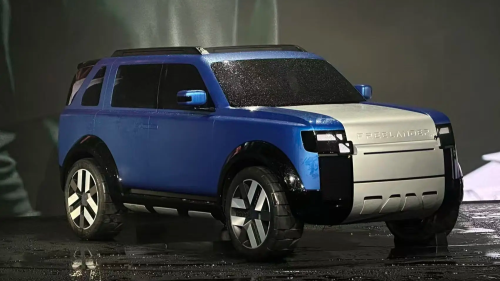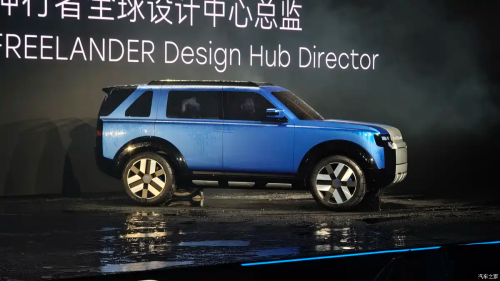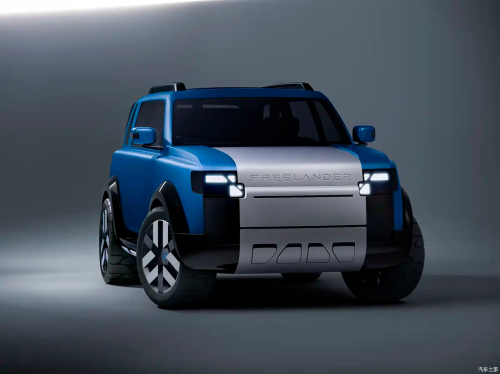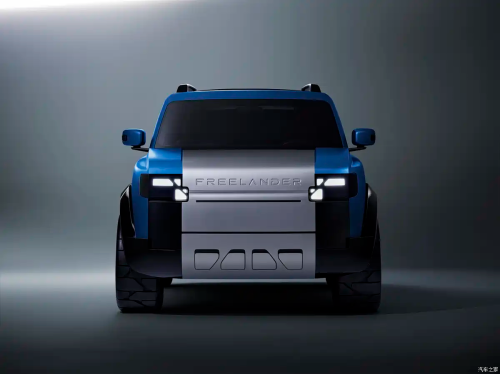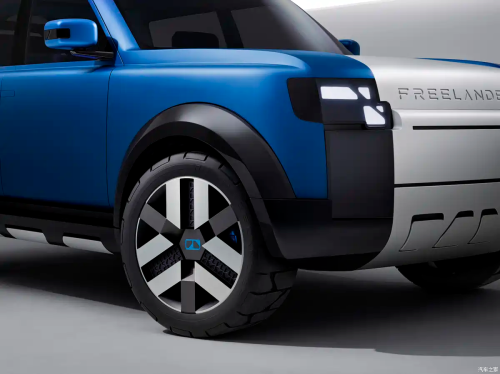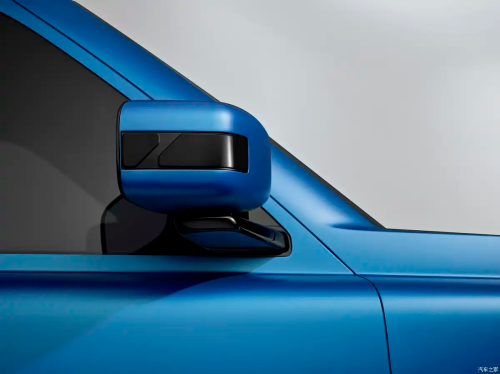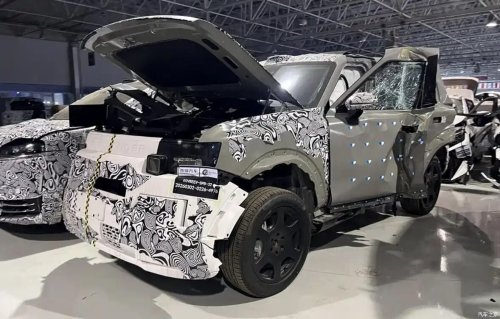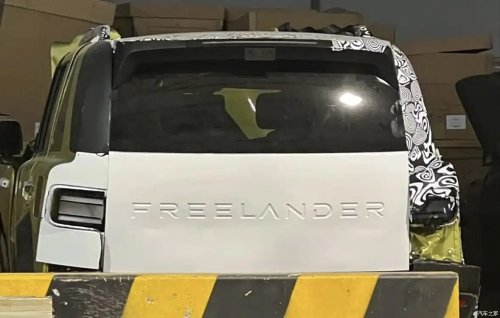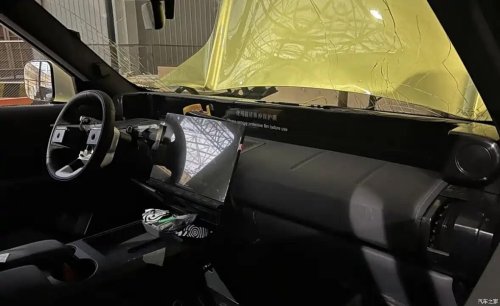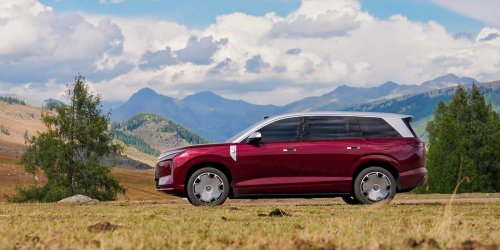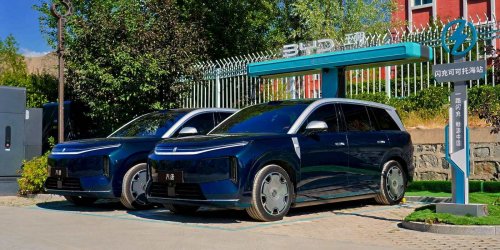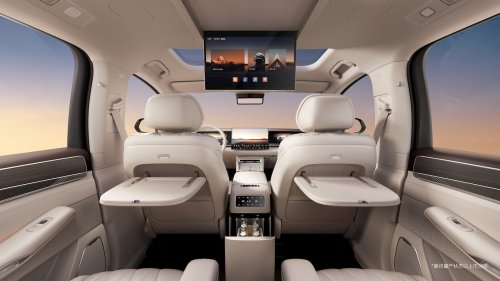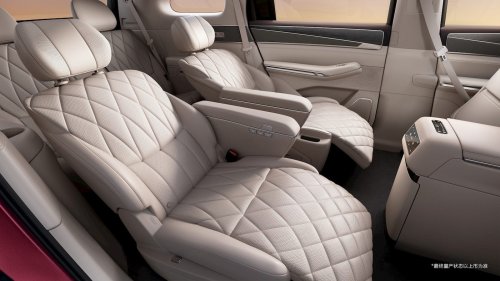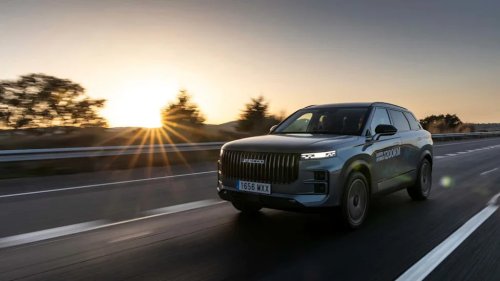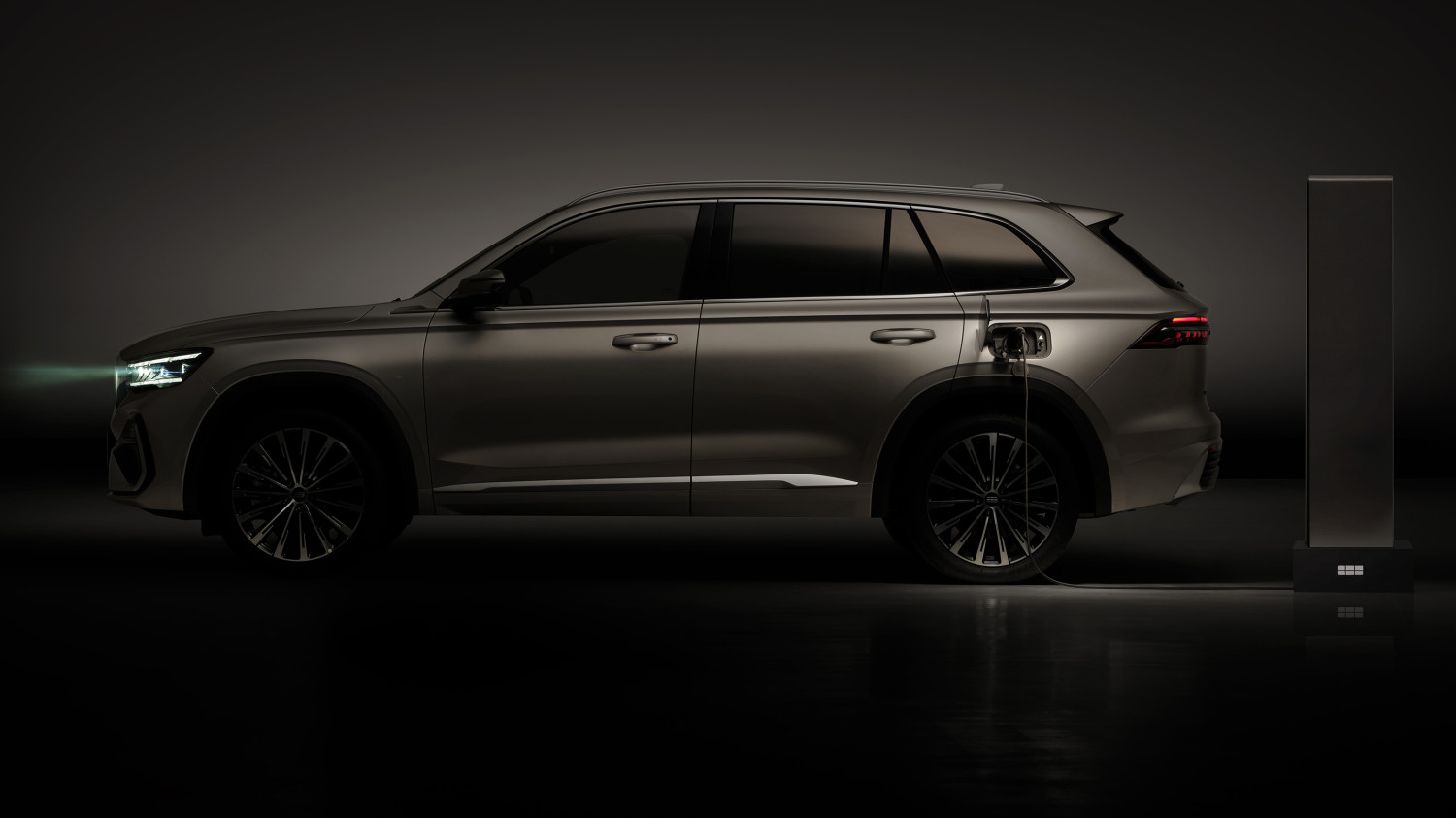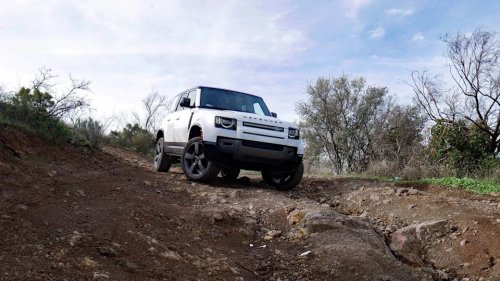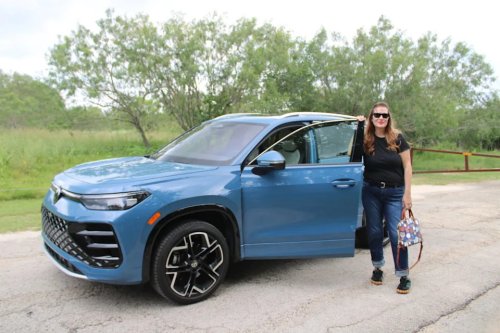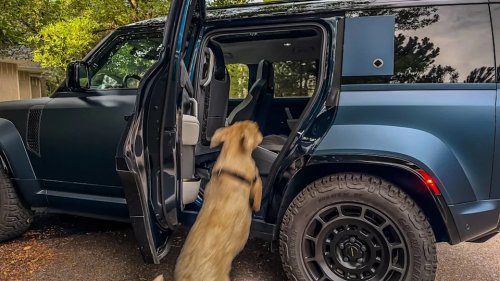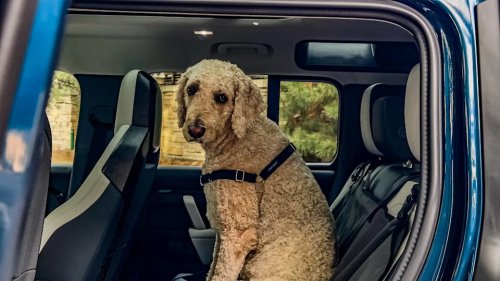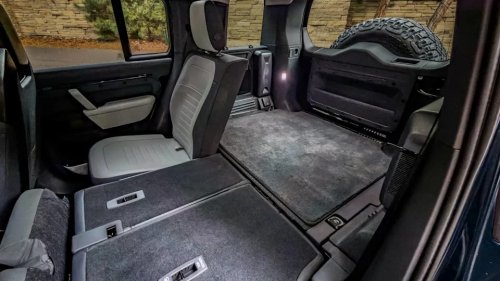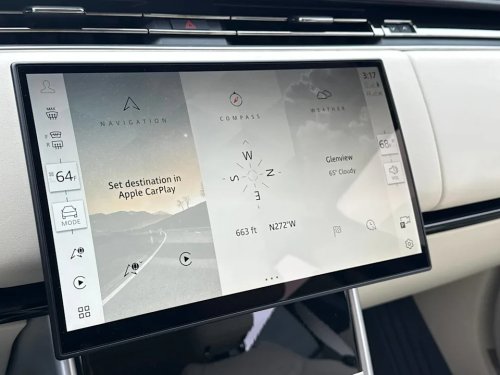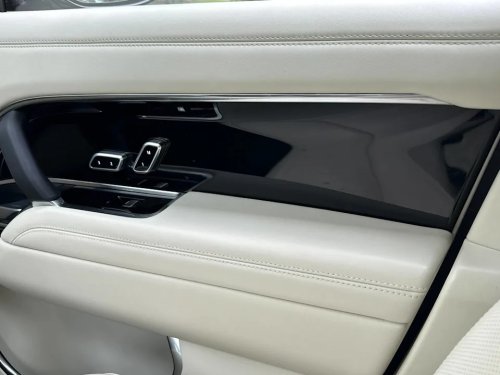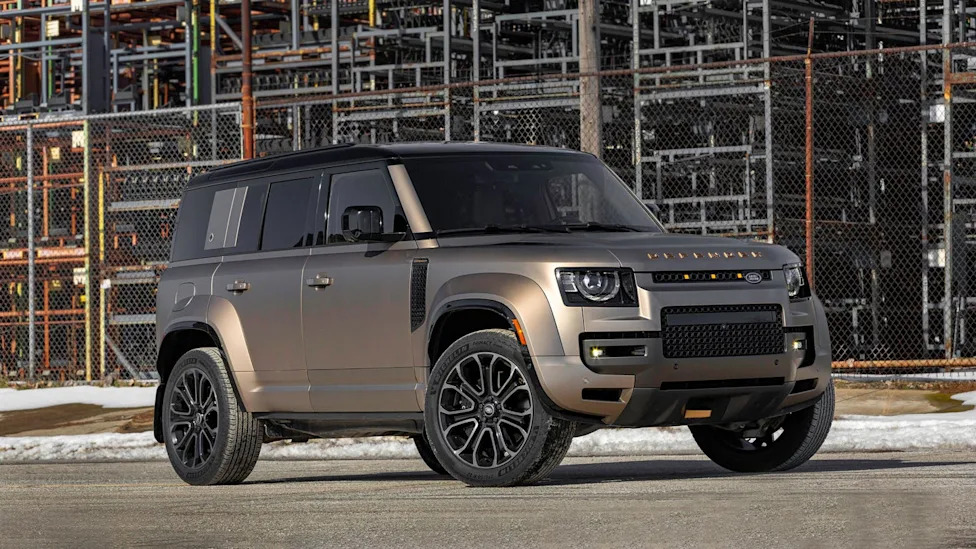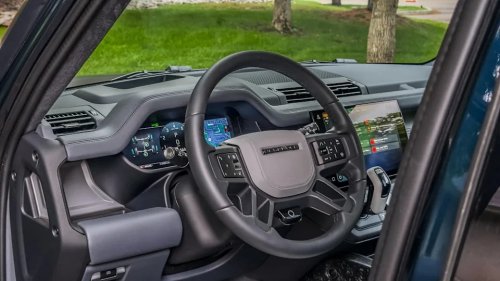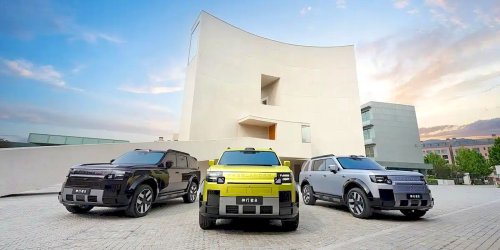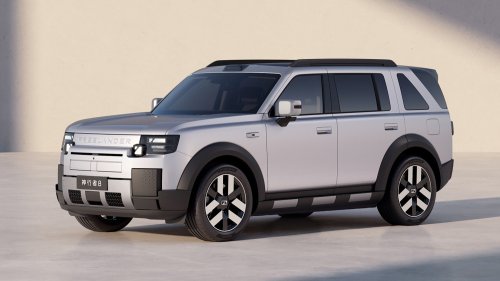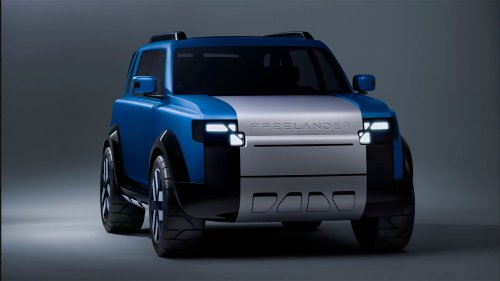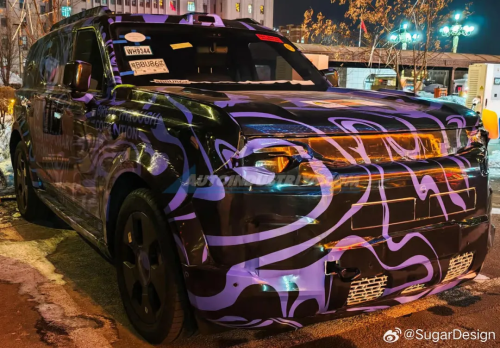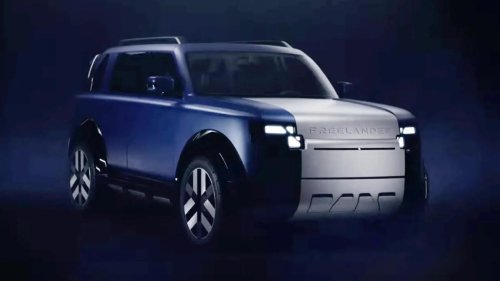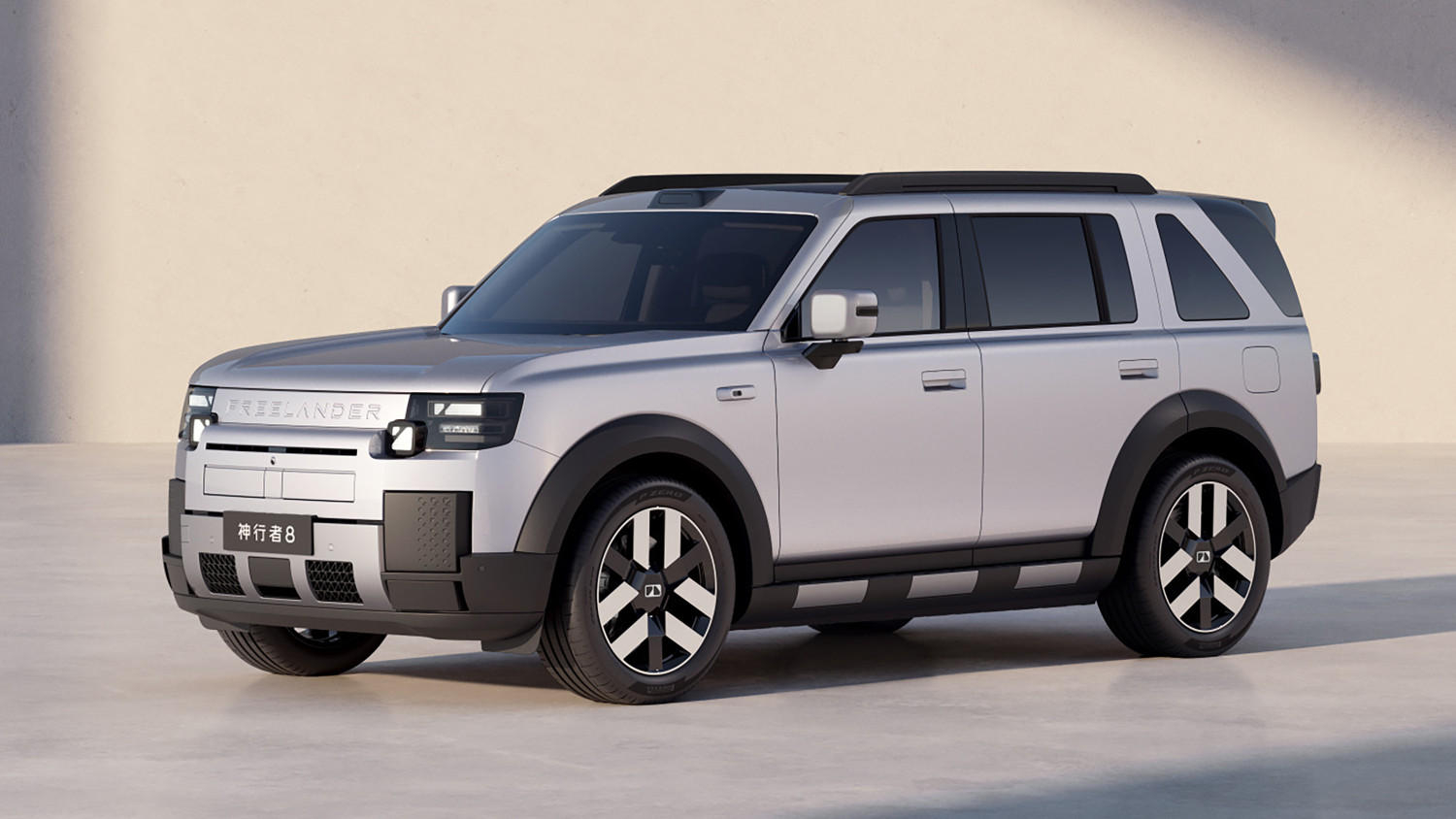
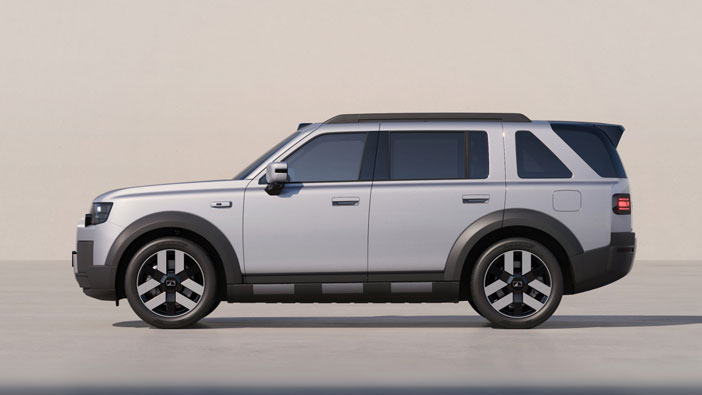
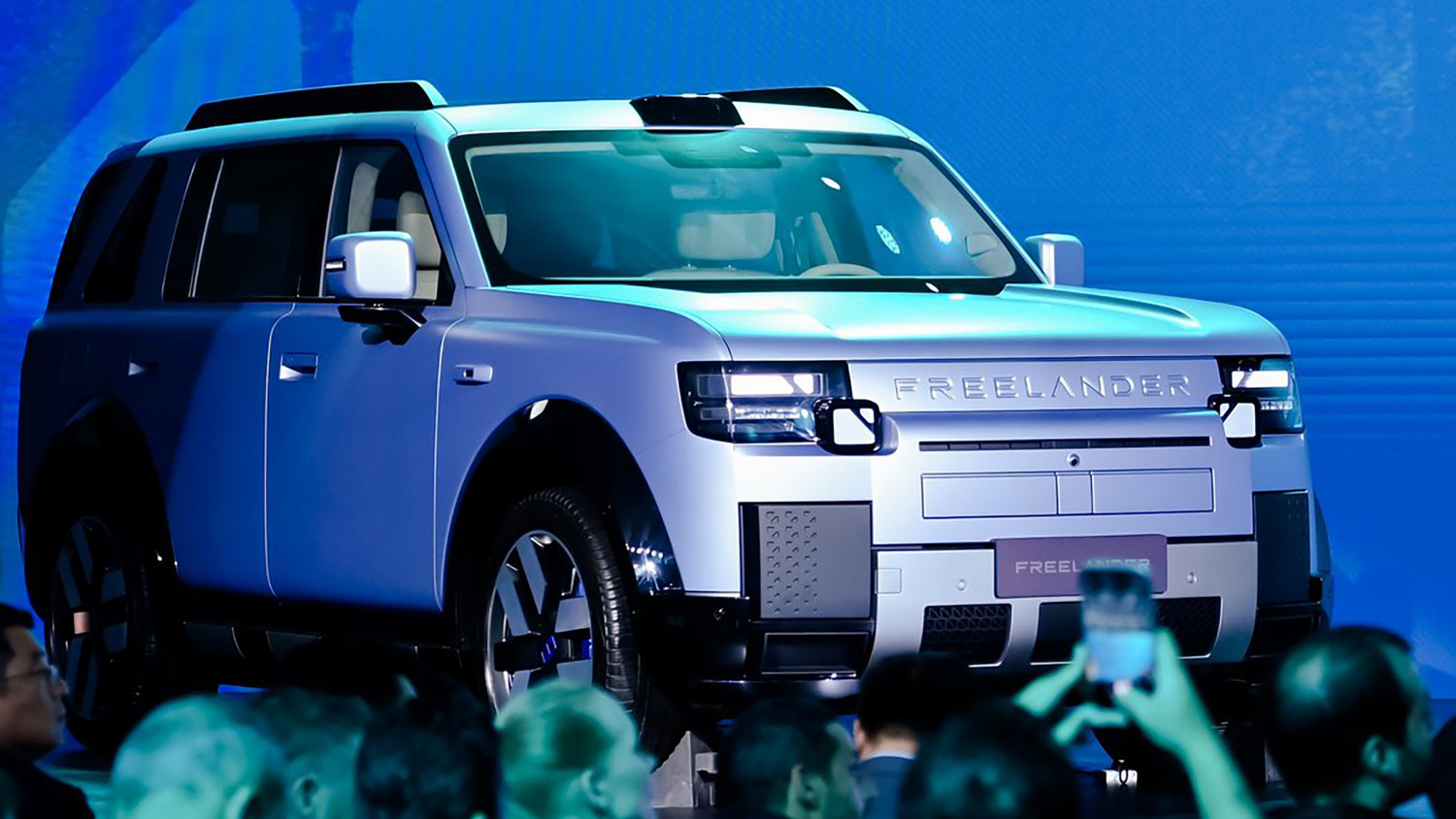


















3Only days after its global reveal, it’s now been confirmed that the Freelander 8, and its subsequent family of other models, will go on sale in the UK some time in the second half of 2026. Yet Freelander isn’t just one new model, but a whole family of vehicles that have been designed in the UK. These won’t wear the Land Rover badge, and will be engineered and manufactured in China through a joint venture with Chery – the parent company of Omoda and Jaecoo. They won’t be sold through existing Land Rover dealers, either, but they will be cheaper – if not considerably – than the Defender models that it could, and likely will, directly compete against. No UK pricing has been announced, but the Freelander 8’s positioning will be slightly lower than the Defender’s, which costs from around £60,000. Don’t be fooled into thinking Freelander 8 is a compact SUV that’ll sit underneath a Defender in terms of size, because it’s 5.1-metres long. That makes it around 350mm lengthier than a Defender 110 without the spare wheel attached, and should offer masses of space inside for up to six people. It’s tall, too, and rides on a flexible architecture developed by Chery, which is used across various models. We don’t know yet what level of off-road ability this platform will offer, but have been told by company representatives that it’ll run both centre and rear locking differentials. Whether this includes the use of active air suspension, or other off-roading tech such as decoupleable anti-roll bars is also to be confirmed, but Chery’s not too concerned about any lack of off-roading prowess. The plug-in hybrid powertrain features Chery-derived technology, rather than the expensive units found under the bonnets of UK-built Land Rovers and Range Rovers. This will include Chery’s PHEV arrangement that uses a small 1.5-litre turbocharged four-cylinder petrol engine largely as a generator to feed two electric motors. 3Chery actually already produces a range of off-roader models called iCar in its home market, which features up to 451bhp in its top-spec format, with electric power drawn from a 34.3kWh battery pack. All-electric range is anyone’s guess, but even with such a big body, we expect a decent EV range to rival that of the Land Rover Defender – the 110 PHEV has a WLTP range of up to 30 miles. We don’t quite yet know how these e-motors physically work in conjunction with the centre and rear locking differentials, but we’ll learn more closer to its international launch later this year. Battery-electric models are not currently planned, but this could change. In the flesh, the new Freelander is an imposing character; it’s not just longer than a Defender, but also taller and wider. Compared with the Concept 97, Freelander 8 retains many of that car’s key styling traits. Items such as new production-specific headlights look blocky and futuristic, without losing the Freelander’s connection to the more overtly off-road derived Defender. In fact, in overseas markets, the headlights will incorporate two small screens that act both as daytime running lights and points of information for road users. These are unlikely to pass EU regulation, however. Another clever trick are the doors, which feature inset windows and run all the way up and over the bodyside. This doesn’t just remove a part line, but also increases the opening size of the door. Other elements, such as the split rear-quarter window and large wheels, also mess with its scale, but one key differentiator will be the bold wheelarches and black rear section of the roof. These will always be finished in a high-gloss black, contrasting against two optional matt-finish colours. There will be a total of eight hues offered, including some lurid choices such as lime green and bright purple. As with the exterior, the cabin has been designed by Land Rover and the layout is all new to the brand. A full-width screen sits by the junction of the windscreen and dashboard, with the steering wheel flattened at its top to allow for visibility. The panel will run a new digital interface developed by Chery, powered by a Chinese-based software system within the full-width display, plus a central touchscreen for most commands. Unlike many Chinese-market models, there’s also an inclusion of some physical controls below the main screen, but should these models make it to Europe, we could still see some tweaks to the overall layout and interface. Beyond this, the cabin feels optimised for the Chinese market, such as the option of a large roof-mounted screen for the second row, captain’s chairs in the second row and lots of vibrant ambient lighting. As well as the eight colour options, the Freelander 8 will also be available with six interiors, with differing leather and dash colours ranging from black, brown, purple and beige. With each of these the trim elements will also vary. No seven-seater option will be available, though, because the Freelander 8 will have captain’s chairs in the second row and then two in the third row. We wouldn’t be surprised to see a switch to a more traditional middle bench when the car eventually makes it to the UK. Space inside is vast, which isn’t surprising given the huge exterior dimensions, but the boot behind the third row is a little tight. Access is through a traditional top-hinged tailgate with a wiper hidden away in the upper shroud. This collaboration leverages the individual strengths of the two companies; Jaguar Land Rover’s design expertise, and Chery’s advances in battery and platform technology. JLR insists that Freelander will be a standalone marque, distinct from the maker’s ‘House of Brands’, which currently includes Range Rover, Defender and Discovery. During the Concept 97’s global reveal, Freelander global CEO Wen Fei, said: “In 2024, JLR and Chery signed a strategic cooperation agreement, establishing our commitment to deploy a new brand, adopt a new model, and wage a new campaign on the global stage. “Freelander shall stand as an independent brand in its own right, to bear a new mission for a new era. [It will] address a new generation of discerning customers and take its rightful place at the pinnacle of global premium. 3“To precisely address the demand of global markets, we have established a product roadmap that is as ambitious as it is capable of delivery,” Fei added. “This is not a blueprint to be admired from a distance, but a declaration to the world: Freelander will conquer every market with the most formidable product capability on earth. “Beginning in 2026, we will introduce a matrix of all-new models over five years, spanning large and full-size SUV segments, each endowed with SUV capability and compatible with extended-range, plug-in hybrid and pure-electric powertrains. This breadth is designed to serve the diverse needs of markets across the globe. Our inaugural model will make its world debut in China in the second half of this year. “Thereafter a new model will follow every six months; a relentless cadence of innovation designed to ignite global markets and establish Freelander as the defining leader in premium SUVs for the new-energy era,” he said. Prices and market positioning for the new Freelander haven’t been announced for the Chinese market – aside from the fact the brand will operate in the “premium” space. Historically, the Freelander name has been attached to affordable, go-anywhere SUVs, suggesting the new model should undercut the current Defender, which starts from around £60,000. Of course, exchange rates and export costs would see a significant premium placed on local prices in China if the car was offered in the UK and Europe.