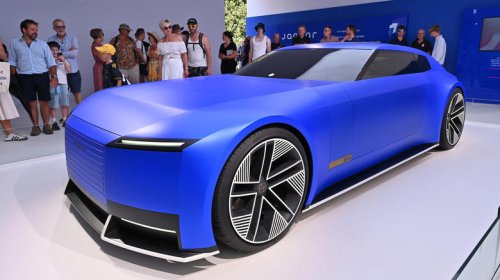
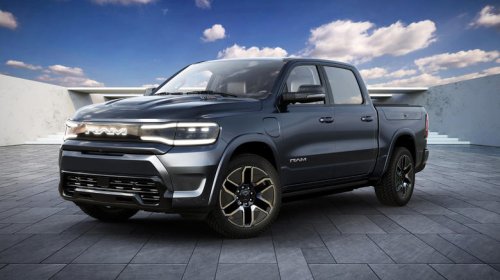
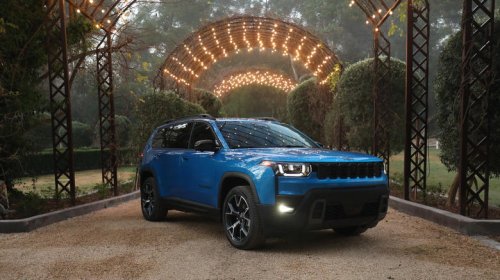
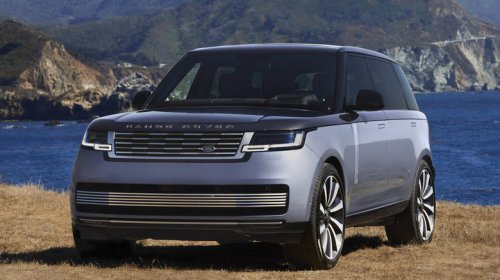
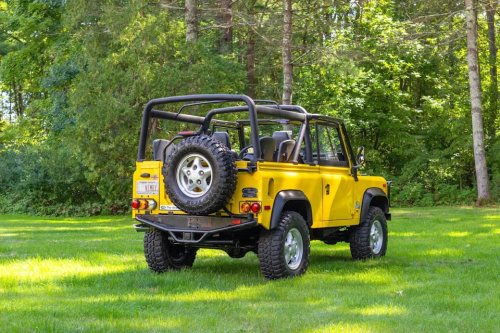
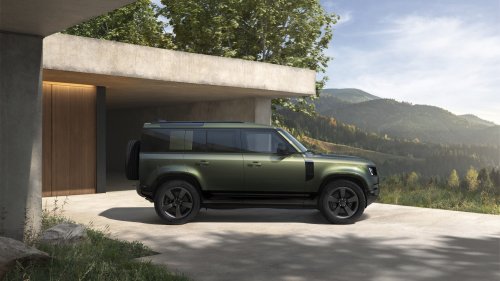
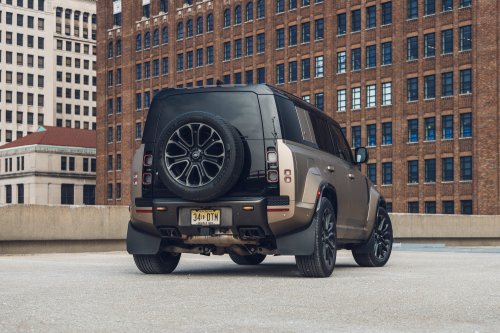
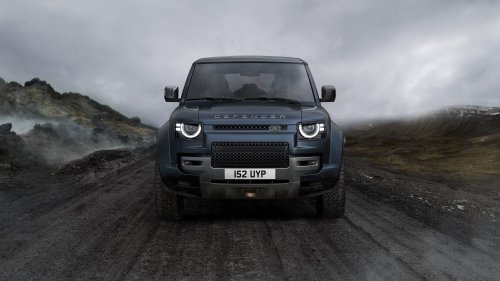
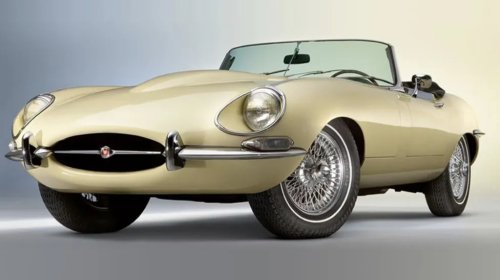
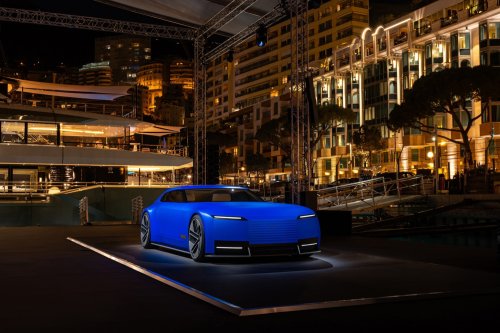
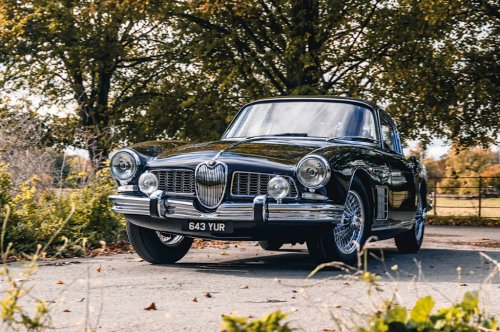
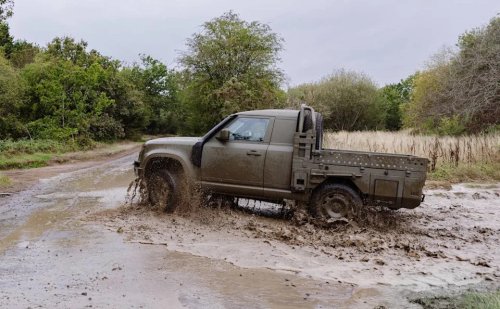
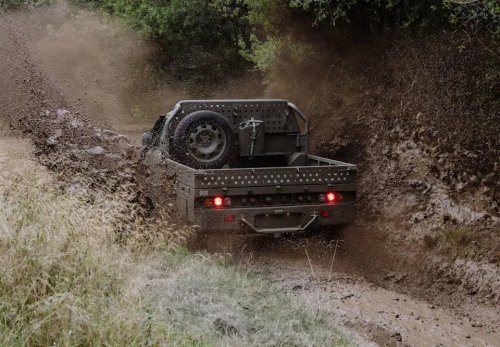
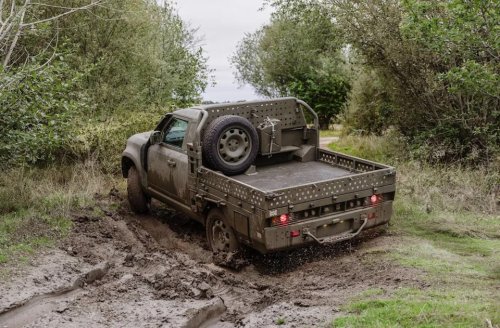
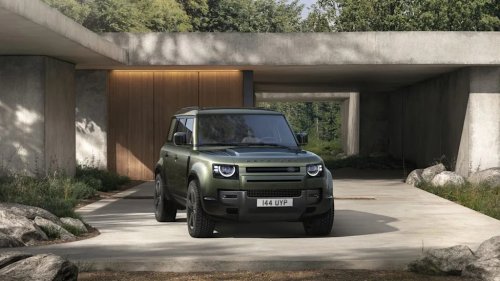
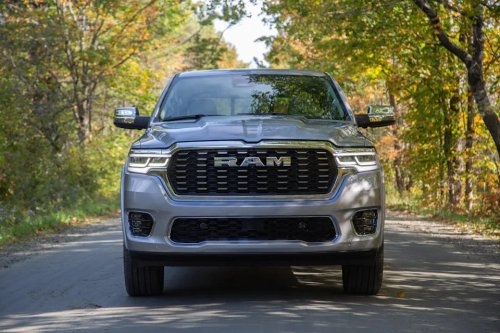
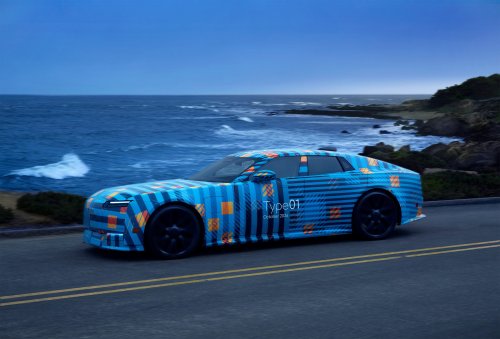
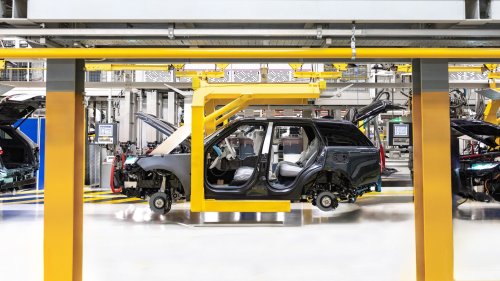
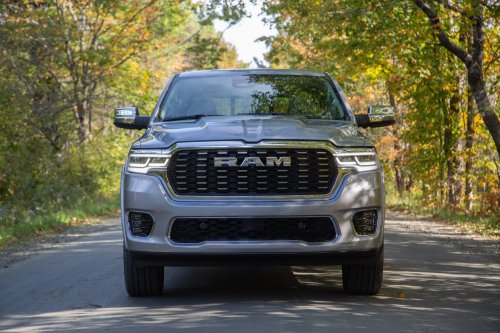
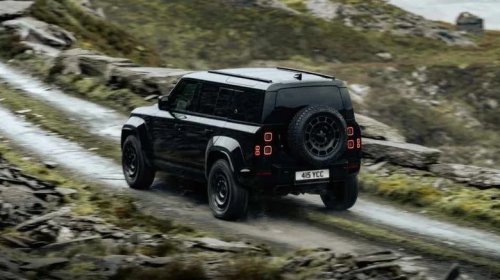
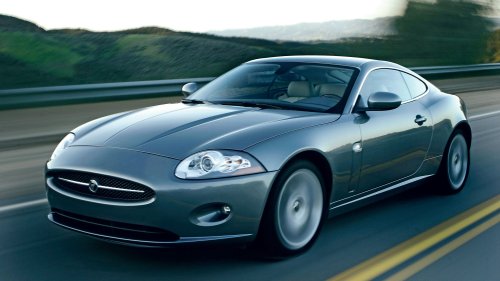
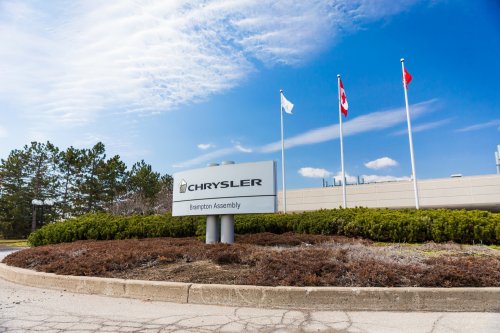
Jaguar 00 Concept carToday, Stellantis (Jeep, Chrysler, Dodge, Ram, Fiat, and others) and Jaguar Land Rover (JLR) "announced the signing of a Memorandum of Understanding (MOU) to explore opportunities to collaborate on product development in the United States."The press release is short, and neither Stellantis nor JLR give any indication as to what this partnership may specifically mean for each company's respective lineups. But it's clear that Jaguar Land Rover and Stellantis are joining forces to take on the automotive world (or more realistically, survive the next few years).It's no secret that both companies have a lot of work cut out for the future. Jaguar made headlines in 2024 for a rebrand that amounted to a font change and subsequently no new cars apart from a concept. Stellantis has been plagued with recalls related to its hybrid and plug-in hybrid cars, to the point where plug-ins were discontinued entirely. It has also canceled a number of products related to EVs, and the EVs it currently has on sale, like the Dodge Charger Daytona, are of dubious quality.So, what's to be done with the new friendship between JLR and Stellantis? 1. Actually make carsRam 1500 REV concept carThe first, and perhaps biggest, hurdle would be to actually make cars and bring a fresh lineup to the U.S. market. Both brands have storied histories of announcing products that never come to fruition for one reason or another. The Ram REV, for example, has been in limbo for years and delayed on a number of occasions. Meanwhile, though Jeep, Land Rover, and Ram have well-selling models and varied enough lineups, vehicles bearing the Jaguar, Dodge, Chrysler, and Fiat badges are lackluster to put it kindly. Breaking it down, Jaguar has three vehicles currently for sale (or five, if you count the discontinued XF and F-Type which are still, confusingly, listed on Jaguar's website), Dodge has the gas-powered and EV versions of the Charger and it's still making the Durango. Chrysler only makes the Pacifica minivan. Lastly, Fiat offers only the electric 500e. Four automotive brands make less than ten total cars combined. I'm not an expert on the economics of running a multinational automaker, but making and subsequently selling cars has traditionally proven to be a winning strategy. 2. Lean into hybrids and EVs2026 Jeep Cherokee promotional image"Just make an EV or a hybrid" is a lot easier said than done, especially if none of the companies involved have any real history of making reliable hybrids, like Toyota, or EVs that people actually want to buy like, Hyundai. But it's 2026 and every other automaker has some sort of hybrid, plug-in hybrid, or EV for sale. JLR and Stellantis combined have nine hybrid or electric models offered across all of their lineups offered in North America. That's not too encouraging (especially since Stellantis has plenty of access to electrified tech currently being sold by its various brands in Europe).There are glimpses of hope, however. Jeep has the new Cherokee, which is a much more traditional hybrid, and Land Rover sells plug-in hybrid versions of the Range Rover and Range Rover Sport. Leaning into Range Rover for the luxury end and Jeep for the mass market cars might have a benefit when it comes to moving product that people actually want to buy. Both brands, of course, have enough cultural cachet to potentially make it work. 3. Steal the parts that still workLand Rover Range Rover SportBoth JLR and Stellantis have brands that people greatly enjoy (even Jaguar, despite its currently diminished state). You'd be hard-pressed to find a Jeep fan that isn't going to buy another Jeep, and Range Rover and Land Rover Defender drivers are loyal. Combining forces and learning from each other and taking parts from lineups that still work can maybe result in cars that people want to buy. JLR can learn from Jeep in making a more entry-level Jaguar or Land Rover that's well equipped enough to keep with the pair's posh imaging (even if Jaguar can gradually win over skeptics with its high-end EV plans, such a car is far too expensive for the sort of greater-market buyers it needs to court). Similarly, Stellantis doesn't have a true luxury marque apart from high trim Jeeps and Ram trucks. Moving Chrysler back into the luxury space with some JLR know-how could revive the brand from the grave — after all, if Mercedes can reboot Maybach, why can't Chrysler do the same with Imperial?The partnership — er, Memorandum of Understanding – is still very early. It's hard to tell if the automakers are just talking or actually dating, and it'd be a fool's errand to go out and name exactly what JRL and Stellantis are going to do with their forces combined before the deal's ink has even dried. But if the gaggle of brands wants to stay alive in the industry, it needs to start making moves (and cars) fast. Want the latest in tech and auto trends? Subscribe to our free newsletter for the latest headlines, expert guides, and how-to tips, one email at a time. You can also add us as a preferred search source on Google.