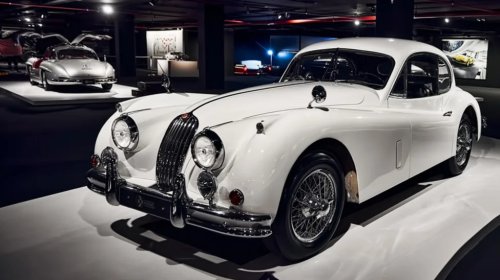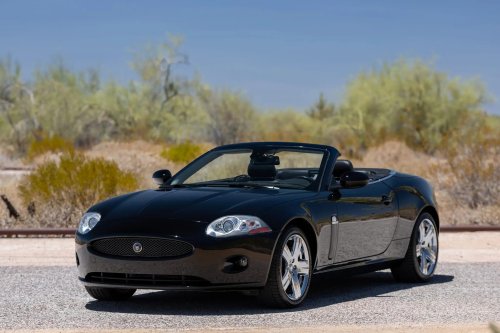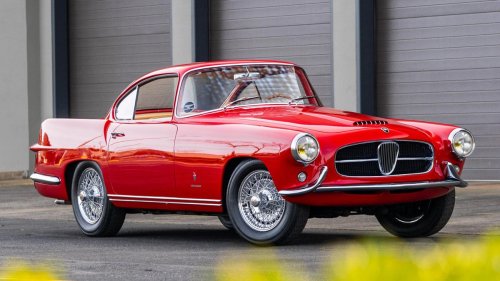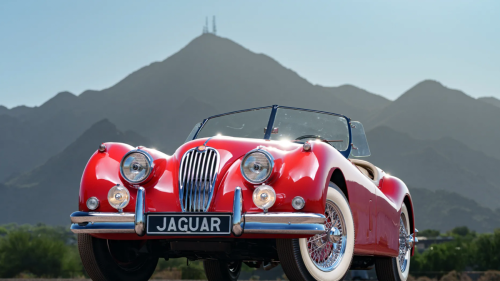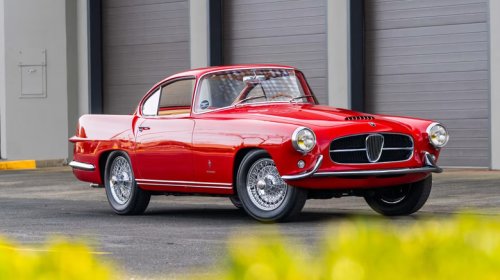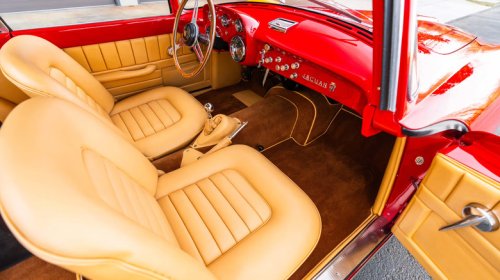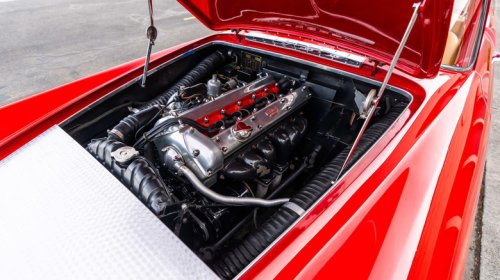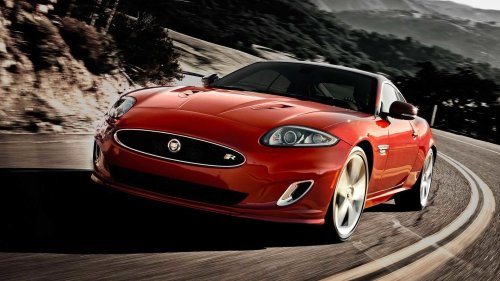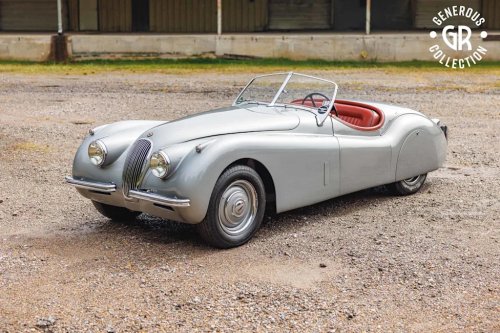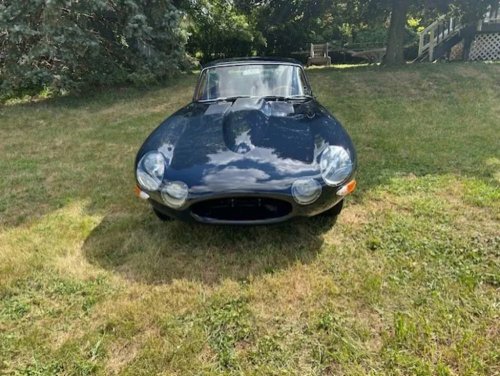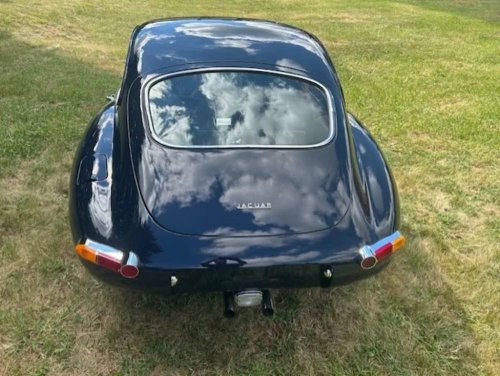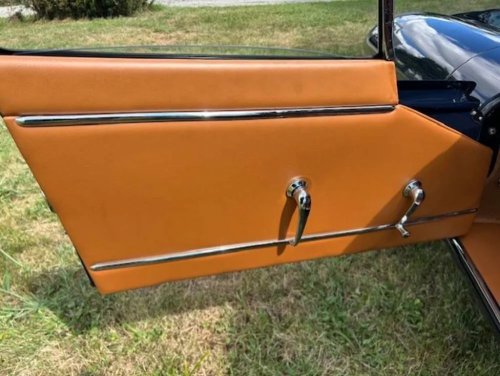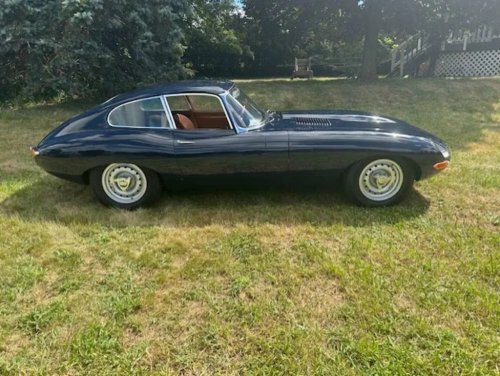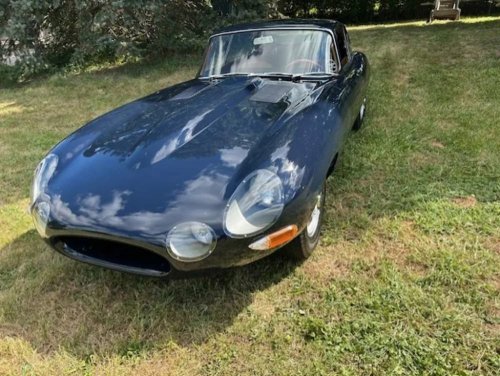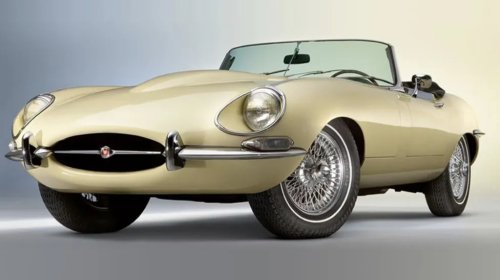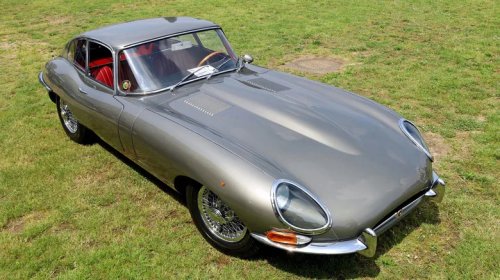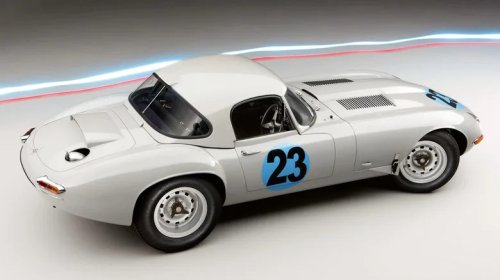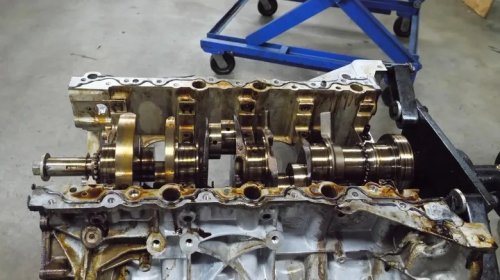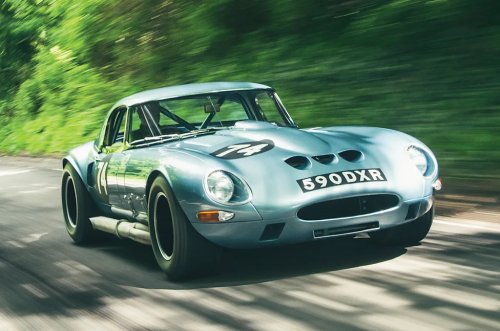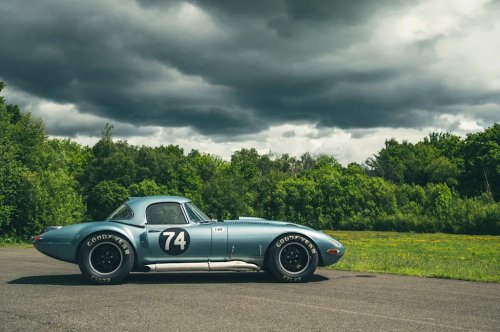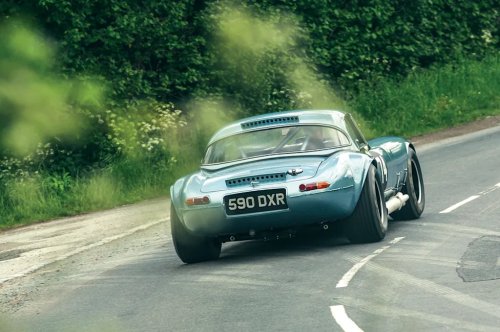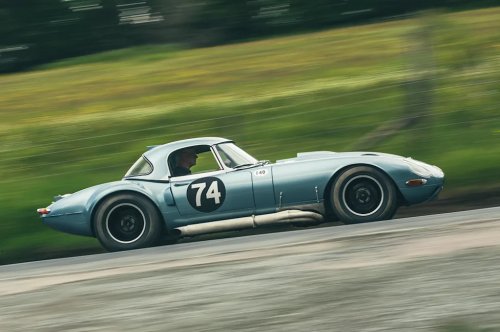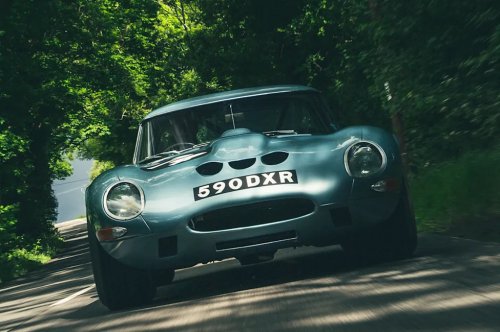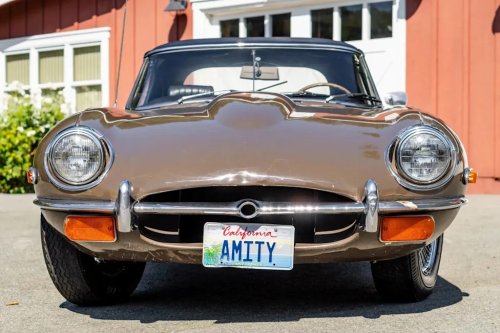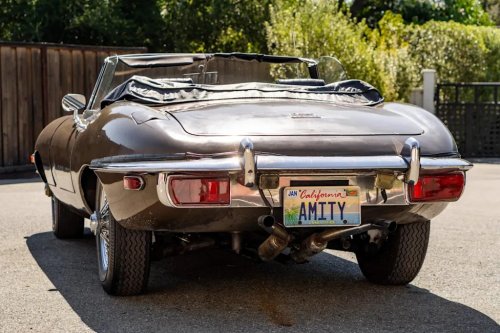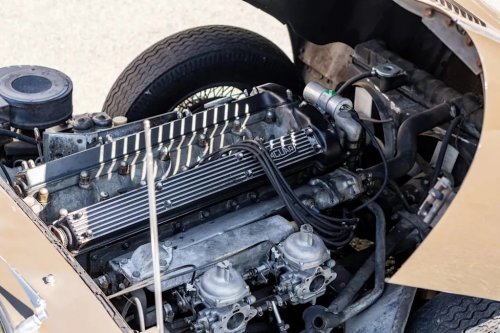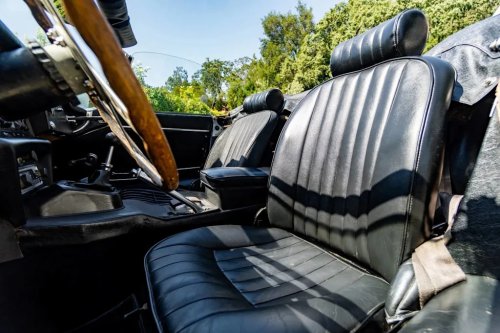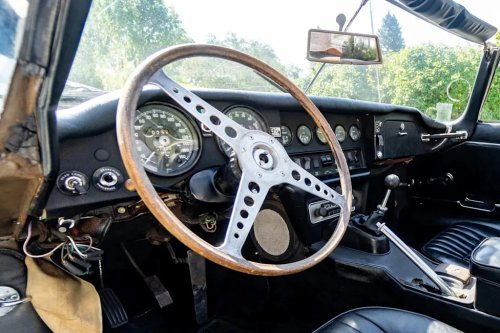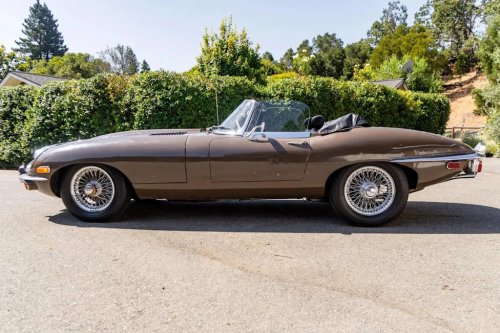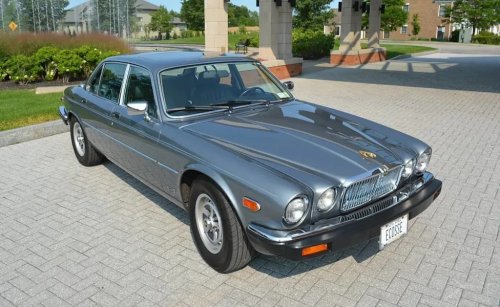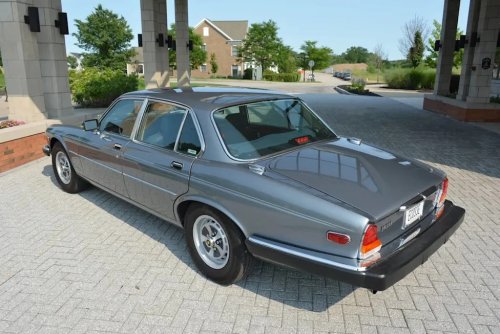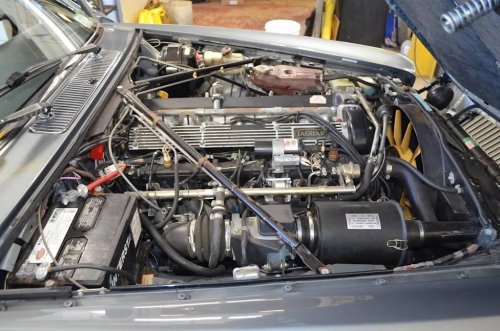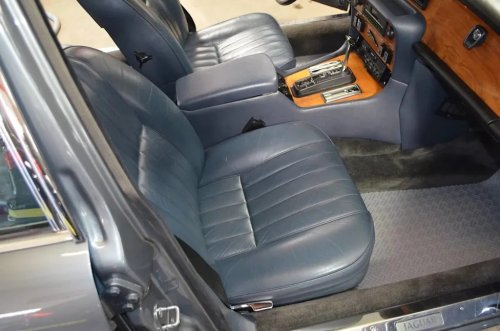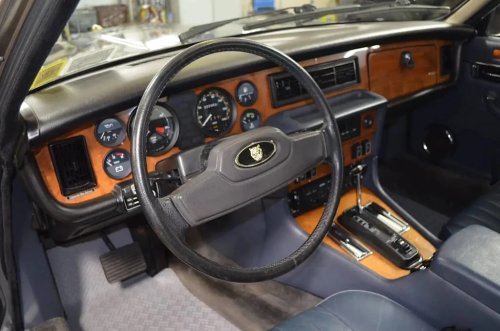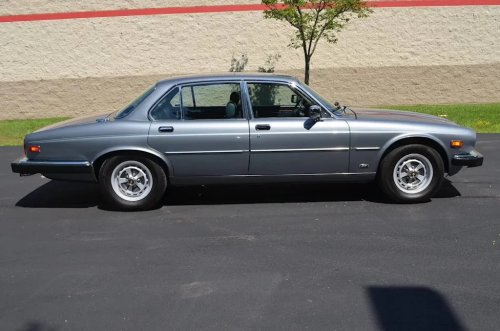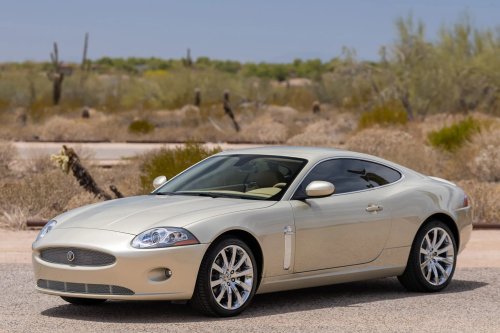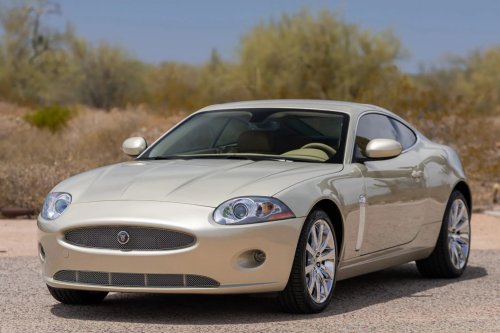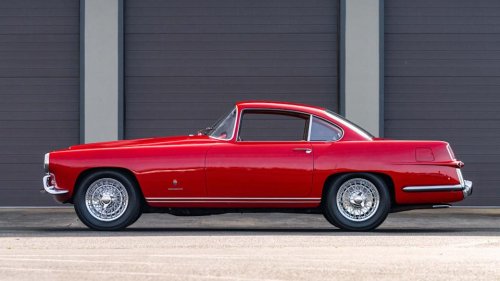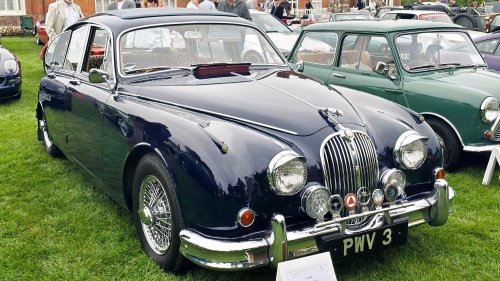
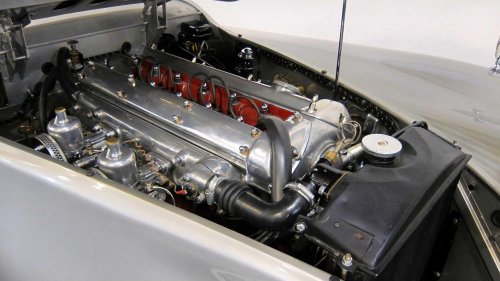
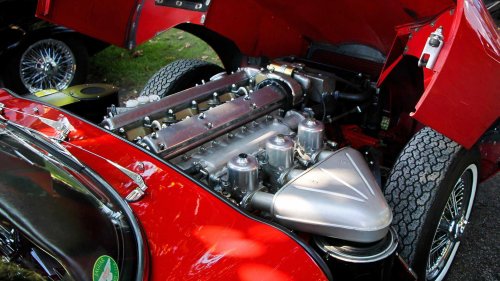
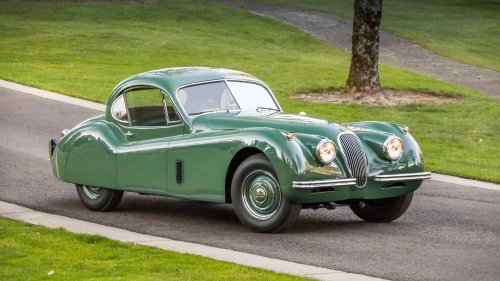
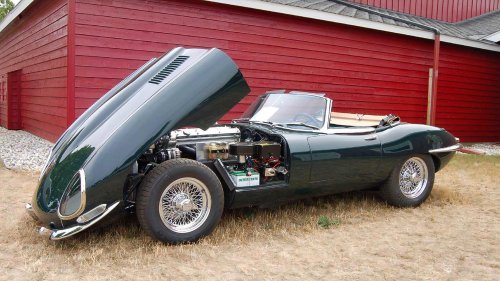
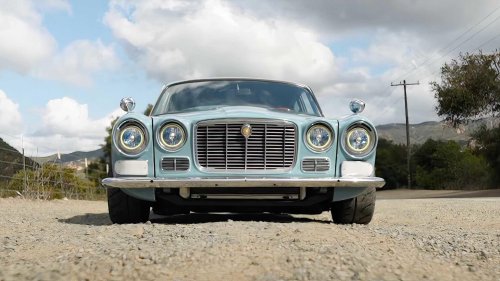
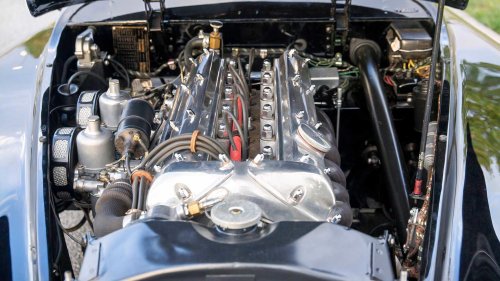



















When we look back at Jaguar's golden era, our minds naturally drift to the sweeping lines of the Jaguar E-Type, the brutal elegance of the D-Type race cars at Le Mans, or the stately Mark II sedan that was famously used as a getaway car. These cars are firmly cemented in automotive history. But these cars are revered not just for their looks, but also because they were quite reliable, and that is because of what powered them.For more than four decades, a single engineering masterpiece quietly shaped the entire reputation of British sports and luxury cars. It didn't just power Jaguar; it defined an entire nation's approach to performance during an era when the automobile was being reinvented. This is the story of a Jaguar engine born from necessity and destined to outlast almost all its contemporaries while rarely receiving the credit it so deserves. Britain Needed a New Performance Hero After the War Calreyn88/Wikimedia Commons To understand why the XK engine was such a monumental achievement, we must understand how it was conceived. After World War II, Great Britain was a victorious but exhausted nation. The economy was in shambles, infrastructure was heavily damaged, and raw materials—especially steel—were strictly rationed by the government. Steel was essential for automotive production and not having enough was a problem. Priority was given to companies that could sell their products abroad to bring foreign currency back into the system.The issue was that pre-war British automotive engineering was largely obsolete. Most engines of the 1930s were small, lacked power, and designed around a restrictive domestic tax system that penalized large cylinder bores and number of cylinders. If Britain was going to compete on a global scale, particularly in the massive and very lucrative US market, it needed something entirely new that could showcase British engineering prowess to a world hungry for new, fast, and exciting automobiles. Jaguar Was Ready To Lead This Renaissance Bonhams William Lyons, the ambitious founder of Jaguar Cars, understood this shift better than anyone. He knew that survival depended on moving away from the company’s roots of merely building pretty bodies with mechanical parts from other manufacturers. Jaguar needed to become a true manufacturer, capable of engineering Britain's best cars. Lyons envisioned an international renaissance led by sports cars and high-performance luxury sedans that could go toe-to-toe with the best that Europe and America had to offer.To achieve this, just building cars to satisfy the domestic market wasn't enough. Jaguar's future creations had to be fast enough to cross continents, reliable enough to withstand daily use, and sophisticated enough to appeal to the world's most discerning buyers. A car like that didn't exist yet, so they decided to build it themselves. Jaguar Wanted An Engine That Could Do It All Barn Finds The engineering brief handed down by Lyons and his technical team during the war was notoriously demanding and seemed almost contradictory for the mid-1940s. He wanted an engine that could produce high horsepower and torque for sustained racing, yet remain incredibly smooth, quiet, and refined enough to sit under the hood of a flagship luxury sedan. It also had to look beautiful. Lyons was a master of aesthetics; he knew that wealthy buyers loved to lift the hood and show off the beautiful engine underneath.In that era, balancing motorsport-grade durability with daily driver refinement was a feat few manufacturers could pull off. High-performance cars were usually finicky, loud, and temperamental machines. Luxury cars, on the other hand, had heavy, slow-revving engines that sacrificed power for silence. Jaguar wanted the best of both worlds. The New Engine Was Way Ahead Of The Competition Bring a Trailer When the engineering team looked at the competition, the upcoming Jaguar engine made everything else look old-fashioned. At the time, prestigious rivals like BMW and Mercedes-Benz were largely relying on pushrod inline-six configurations or pre-war overhead-valve designs for their mainstream vehicles.These competitor engines, while robust, were limited in their potential. They featured heavy valve trains with pushrods and rocker arms that grew unstable at higher engine speeds. The new Jaguar engine layout, by contrast, felt like it skipped a generation of development entirely. It brought race-car technology directly to the assembly line, leaving the competition looking visually and technically archaic before the race had even begun. The Twin-Cam Six That Changed Jaguar's Future Wikimedia Commons/Triple-greenWhen the Jaguar XK inline-six finally debuted at the 1948 London Motor Show, it stunned the automotive world. This wasn't a minor evolution; it was a revolution cast in iron and aluminum. At the core of the XK's brilliance was its cylinder head design. The engine featured Dual Overhead Camshafts (DOHC), an advanced layout that was strictly reserved for exotic, low-volume racing cars from companies like Bugatti or Alfa Romeo at the time. By placing two camshafts directly on top of the cylinder head, the engineers eliminated heavy pushrods, allowing the valves to open and close with pinpoint precision at high RPMs.Even more crucial was the inclusion of hemispherical combustion chambers. This head design meant that air and fuel entered and exited freely, giving it exceptional breathing efficiency. The air flowed through the engine with minimal restriction, allowing it to make good power while also being incredibly smooth.The bottom end of the engine was equally over-engineered. It had a massive, seven-main-bearing forged steel crankshaft that gave the block immense structural rigidity. This combination of an advanced, free-flowing head and a bulletproof bottom end meant the XK offered a blend of high-speed performance, turbine-like refinement, and durability that immediately separated Jaguar from its rivals. It wasn’t just a new engine; it was the foundation upon which Jaguar would build its global identity. The Evolution Of The XK Engine Wikimedia Commons/WikisympathisantThe best part of the XK inline-six was its adaptability. Jaguar nailed the basic architecture of this engine, and it was capable of getting bigger or smaller to meet changing market demands without losing its core characteristics. From the original 3.4-liter versions producing around 160 horsepower to the torquey 4.2-liter variants that ran up to the 90s, the XK adapted effortlessly to everything from lightweight sports cars to massive, multi-ton luxury limousines. There was a 3.0-liter variant, but that was made strictly for racing. The XK120 And Its Racing Dominance Bring a Trailer William Lyons originally intended the XK engine to debut in a luxurious sedan, but the chassis wasn't ready in time for the 1948 London Motor Show. Not wanting to waste the opportunity to show his new engine, he hastily penned a beautiful, aluminum-bodied sports car prototype to showcase the power plant. They called it the XK120; the "120" represents its projected top speed of 120 mph. The car caused an absolute sensation, so Jaguar had to make it. At a time when a standard family car struggled to hit 60 mph, a production car capable of 120 mph was mind-boggling. The XK120 officially hit a top speed of 132.6 mph and a modified aerodynamic version hit 172 mph in 1953.Jaguar had to prove that this car and engine were capable of its claims, so they took the XK straight to the world of motorsport. Modified variants of the engine found their way into the purpose-built C-Type and D-Type race cars. The results were legendary. The XK engine secured its first outright victory at the grueling 24 Hours of Le Mans in 1951, followed by another win in 1953.The aerodynamic D-Type, using an evolved version of the XK engine featuring a dry-sump oil system to lower the center of gravity, went on to claim a hat-trick of consecutive Le Mans victories in 1955, 1956, and 1957. Winning the world’s most demanding endurance race five times in seven years proved to the global market that the XK inline-six was not just a fragile piece of jewelry; it was arguably the most durable, high-performance powerplant on earth. The E-Type Immortalized The XK Engine Wikimedia Commons/ If motorsport dominance proved the engine's capability, it was the arrival of the Jaguar E-Type in 1961 that immortalized it in popular culture. When Enzo Ferrari famously called the E-Type "the most beautiful car ever made," he was looking at a shape made possible by the layout of the XK engine underneath. The long, bulging hood of the E-Type was specifically sculpted to clear the tall, impressive twin-cam cylinder head of the later 3.8-liter XK engine.Now producing 265 hp and 260 lb-ft of torque, the XK propelled the E-Type to a blistering top speed of 150 mph in stock form, offering supercar performance of the era at a fraction of the cost of a Ferrari or Aston Martin. Jaguar kept developing this engine to keep it highly relevant through the E-Type era. Jaguar transitioned the car from the high-revving 3.8-liter unit to a punchier, 4.2-liter variant in 1964. It made the same 265 hp but more torque at 283 lb-ft. This added low-end torque made the E-Type an effortless grand tourer suited for both traffic-choked city streets and open highways. From Sports Cars to Sedans: The XJ6 Legacy The Backspeed Boys / YouTube As the automotive world moved into the late 1960s and 1970s, the XK engine made another transition, moving out of the spotlight of raw sports cars and into the engine bay of the definitive luxury sedan of the era, the Jaguar XJ6. Launched in 1968, the XJ6 re-wrote the rules for luxury cars. It was a heavy car, packed with sound deadening, leather, and wood veneer. Yet, when paired with the 4.2-liter variant of the XK engine, it had effortless pace. The engine that had won Le Mans a decade prior was now quietly serving on city streets and highways with smoothness that rivaled a Rolls-Royce.Ironically, this incredible versatility is precisely why the engine is often overlooked in modern performance narratives. Because the XK spent its later years gracefully powering executive sedans, limousines, and even military armored vehicles (like the Alvis Scorpion tank family), many modern enthusiasts forget its dominant racing pedigree. It became a victim of its own reliability and ubiquitous presence; it was so good at being quiet and dependable that people forgot it was born to race. The XK Is the Unsung Hero of British Performance Wikimedia Commons/Mr.choppersWhen the final XK inline-six rolled off the production line in 1992 inside a Jaguar XJ6 Sovereign, it marked the end of an extraordinary 43-year production run. Very few engines in history have survived for more than four decades while being responsible for a brand's existence and identity.The XK inline-six didn't just power cars; it gave Jaguar the financial stability and global reputation to survive economic recessions, industrial strikes, and shifting corporate ownership. It made icons like the E-Type possible and elevated British engineering from the struggling post-war era back to world-class status. It remains the ultimate unsung hero of British performance, a quiet, reliable, and beautiful engine that defined an entire automotive culture.Sources: Jaguar