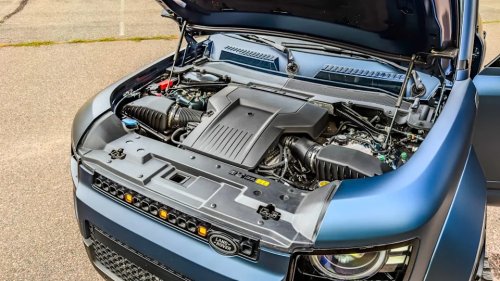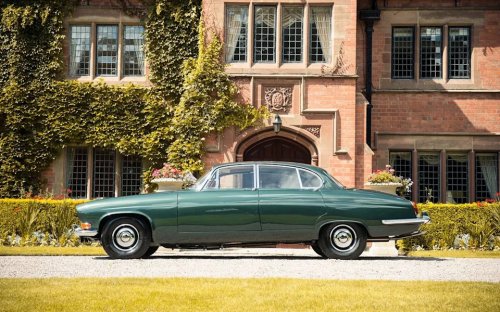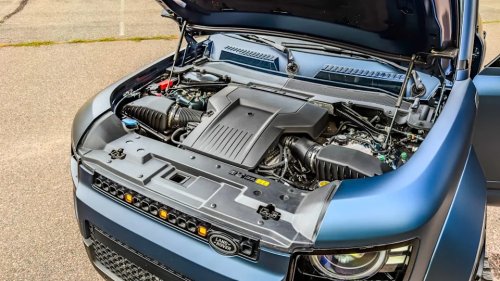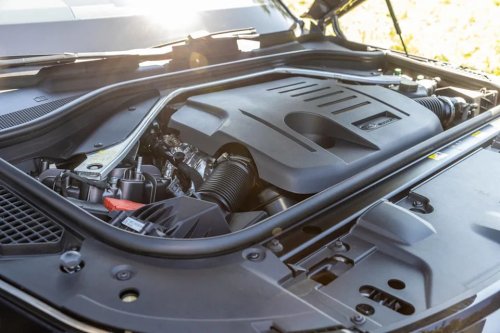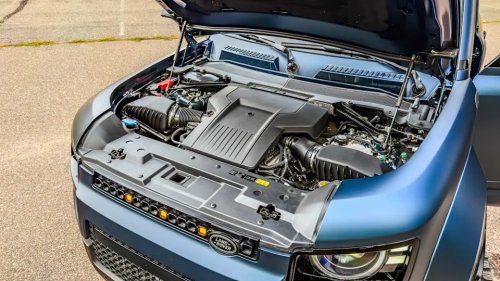
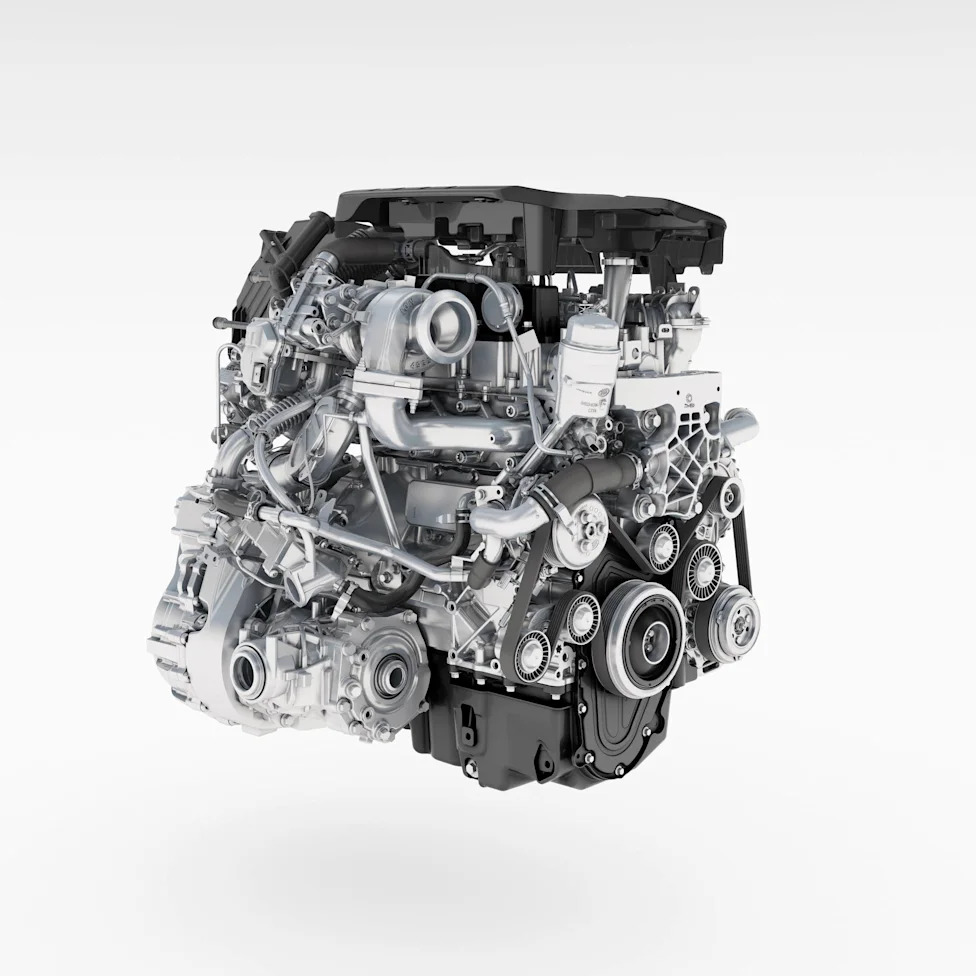




















Autoblog and Yahoo may earn commission from links in this article.The Ingenium SagaAfter years of relying on Ford and BMW engines, Jaguar and Land Rover regained control of its powertrain department with the Ingenium engine family. Introduced in 2015, it was available in 1.5-liter or 2.0-liter four-cylinder guises in both gas and diesel forms. The 3.0-liter inline-six was added later on, and has been fairly reliable for what it's worth.However, it's the four-cylinder models that still have been giving JLR grief, even after recalls and whatnot. A major recall was issued about a decade ago, but the problem continued to rear its ugly head to this day.Jonathon RamseyThe Main IssueThe problems of early Ingenium engines mainly revolve around the diesels, but the gas-fed versions aren't spared, either. Four-cylinder Ingenium diesels have well-documented issues with balance shaft bearings. One of the bearing points is located near the exhaust system, and we all know that exposing parts to higher-than-normal temperatures can't be good for longevity.AdvertisementAdvertisementSo, what happens when those bearings wear out? Metal shavings may eventually enter the oil circuit, and putting those two together will have catastrophic results. Aside from scarring and scratching up the lubrication system, it can clog up lines, damage pumps, and eventually cause irreversible damage to the engine. This problem is further compounded by short-distance driving that doesn't allow for frequent regeneration from the diesel particulate filter. That then leads to oil dilution and accelerated wear.The North American market is mostly spared from that issue, but the diesels were a popular option worldwide. Still, the gas-powered Ingenium engines suffer from stretched timing chains, variable-valve timing solenoid issues, and higher-than-acceptable oil consumption. If there's any consolation, though, the failure rates are much lower.Land RoverIs There a Chance to Prevent It?For our European readers, it has been recommended to avoid the diesel engine outright, and for our American readers, be extremely cautious with the gas motor. According to Auto Motor und Sport, the warning signs are not consistently reliable, and once you hear rattling noises from the engine, it may already be too late. Oil change intervals for the four-cylinder Ingenium engine are every 21,000 miles, but we've seen recommendations to get that done before it hits another 10,000 miles since last service.The publication also mentioned preventive fixes should help quell any fears, but changing balance shafts is an engine-out job that will easily cost thousands. A replacement engine won't be of much help, either, as it'll carry the same inherent faults. Even if you plop down money for it, the risks are merely reduced and not eliminated.JaguarThis story was originally published by Autoblog on Aug 10, 2026, where it first appeared in the News section. Add Autoblog as a Preferred Source by clicking here.