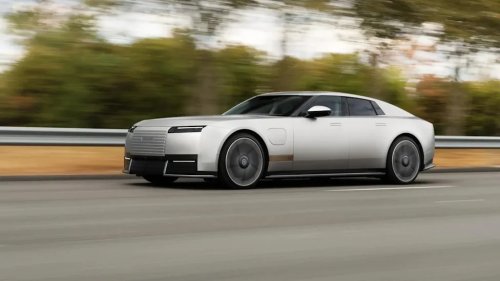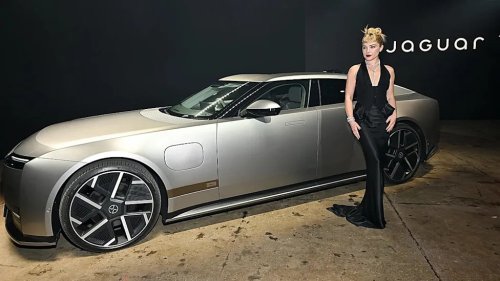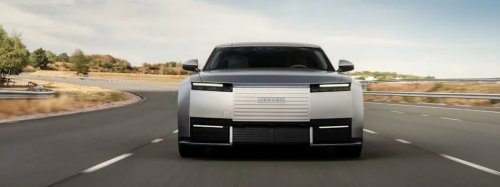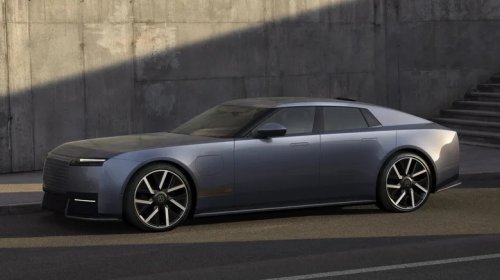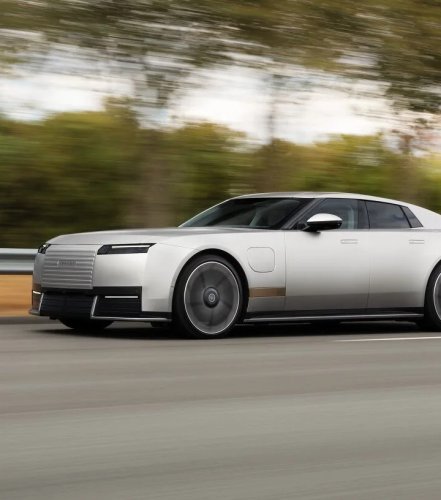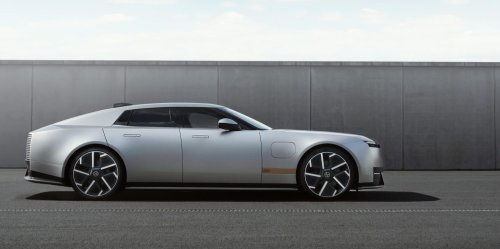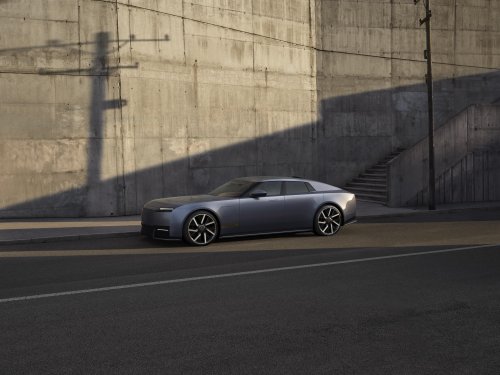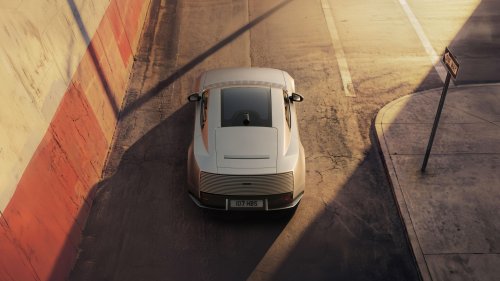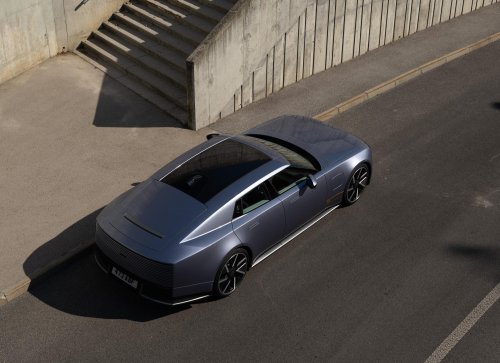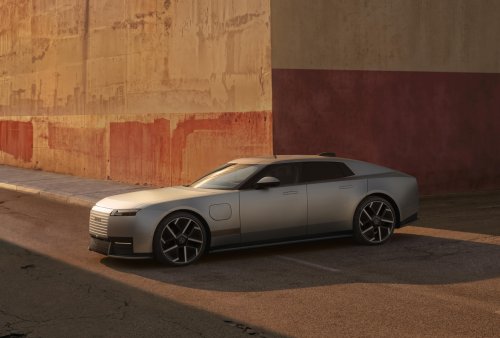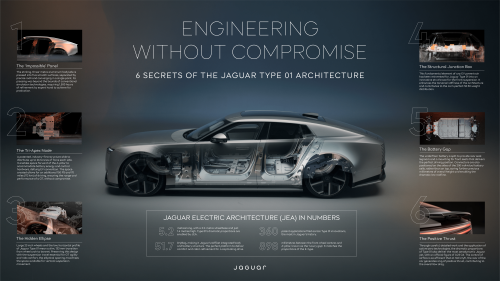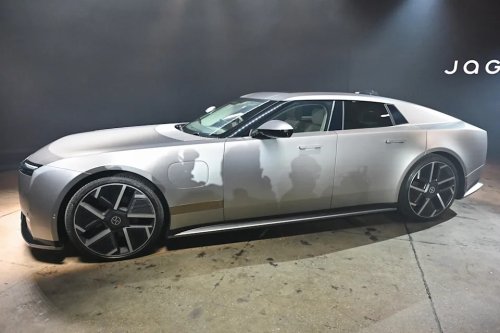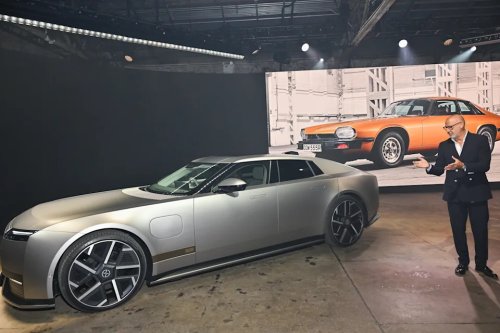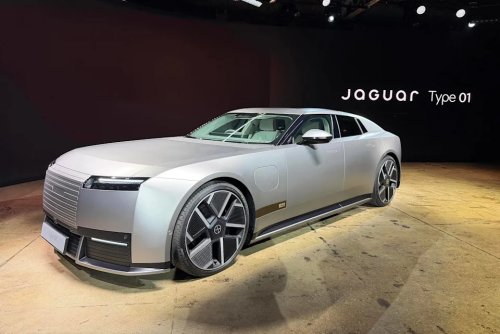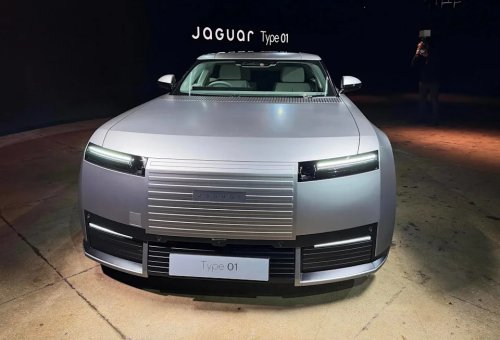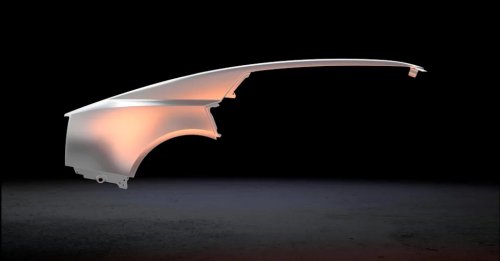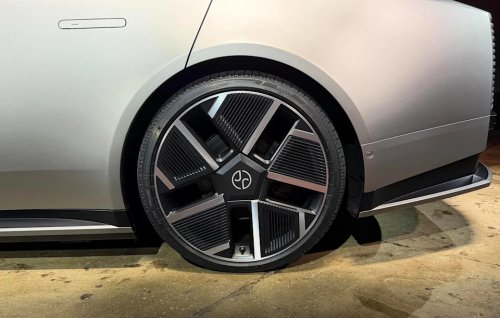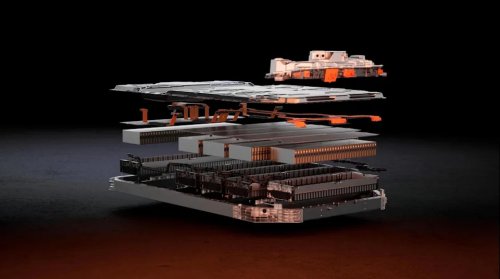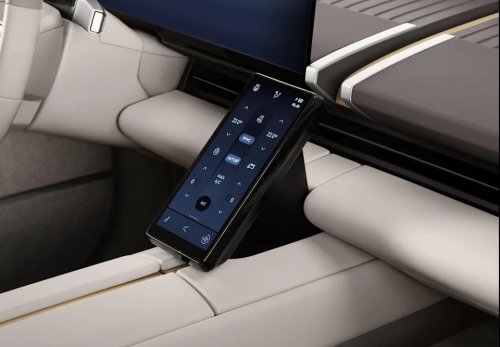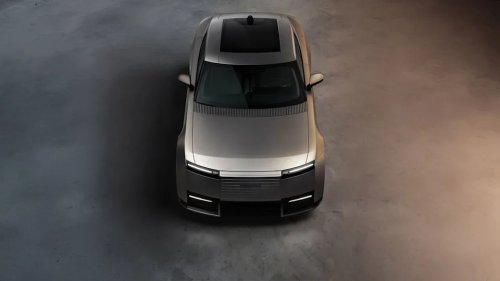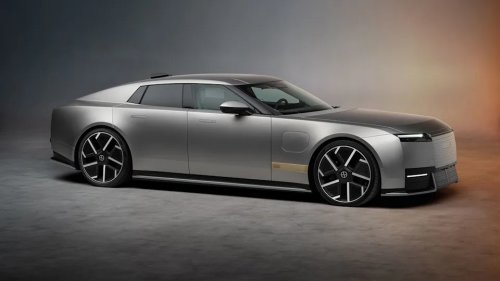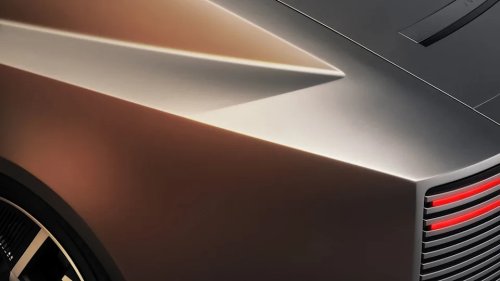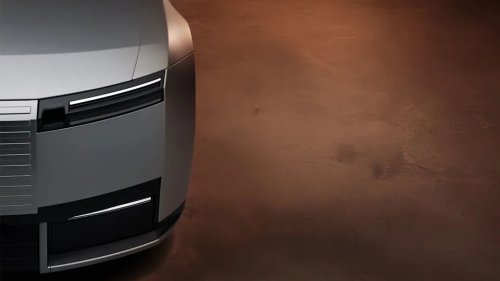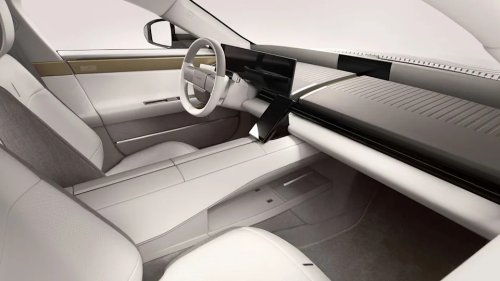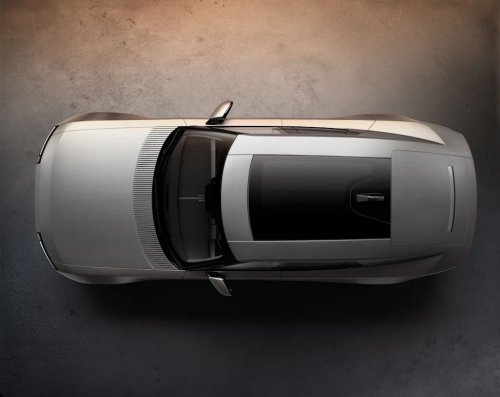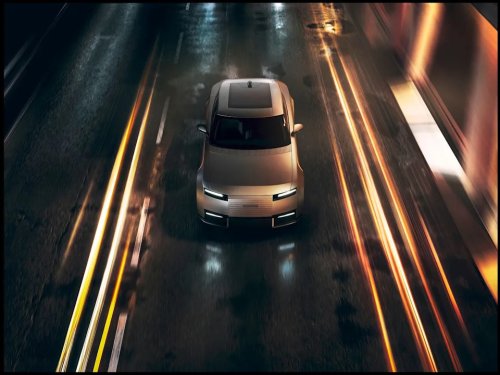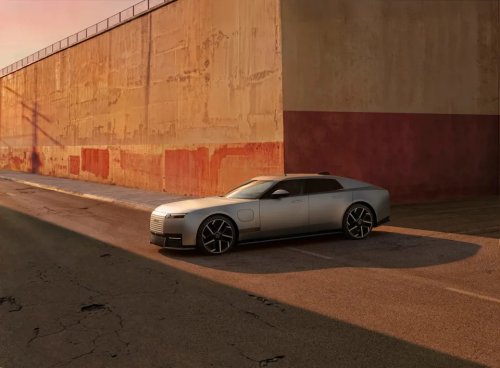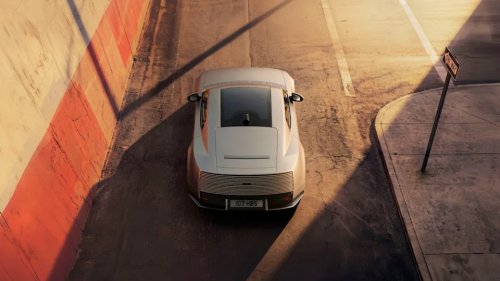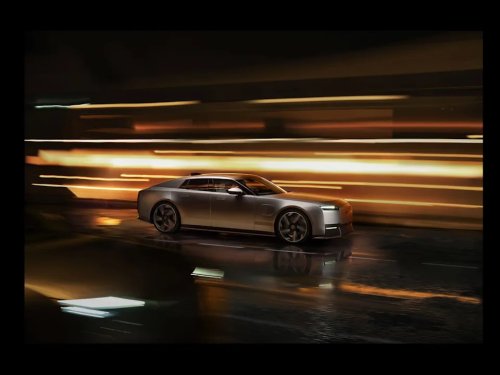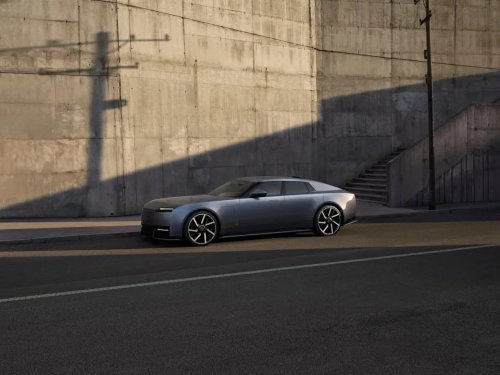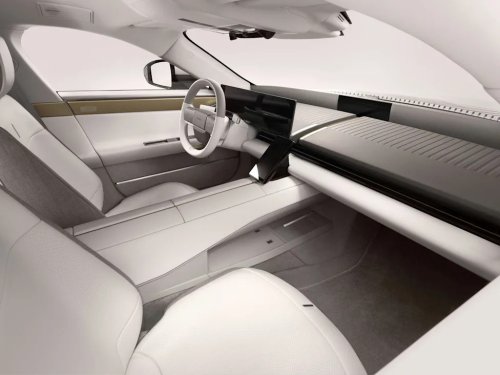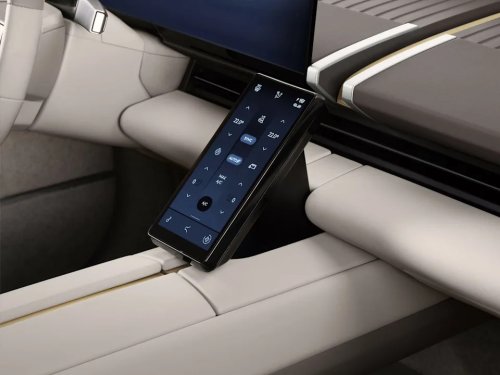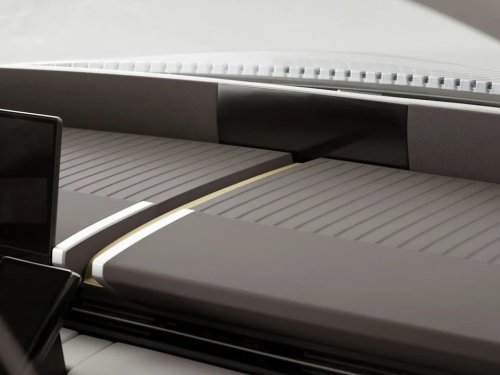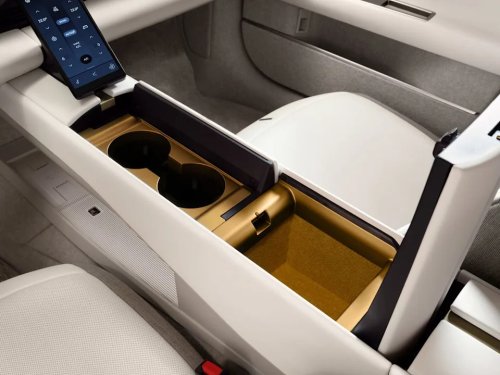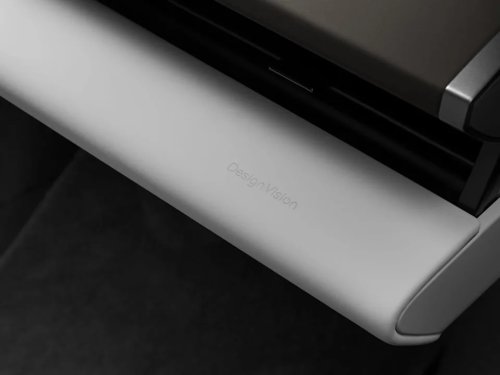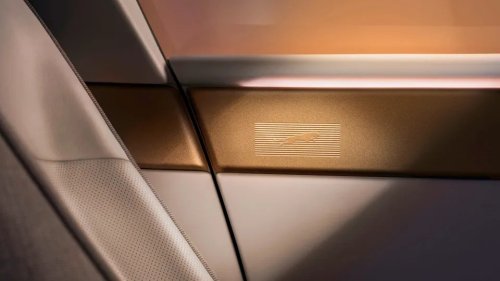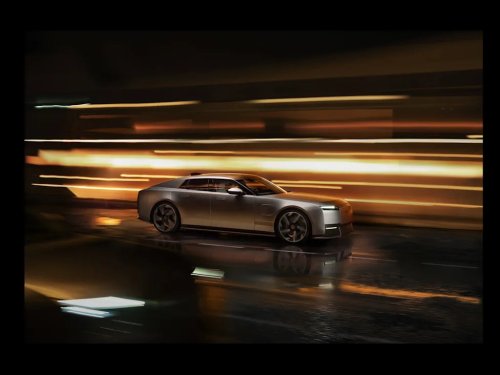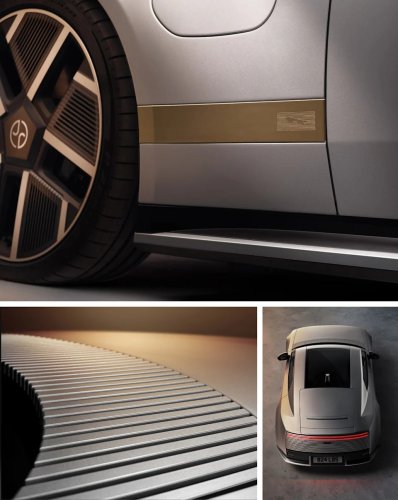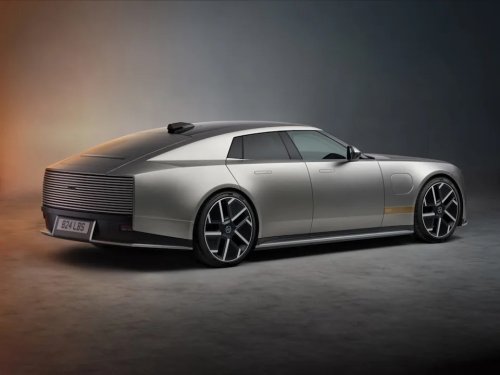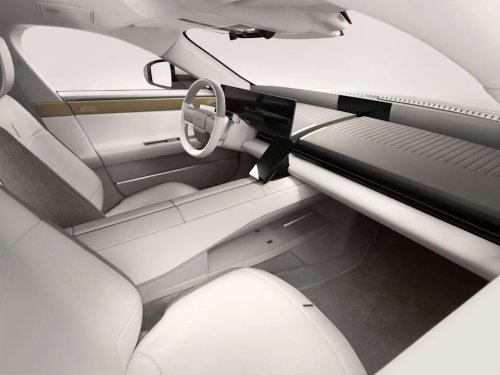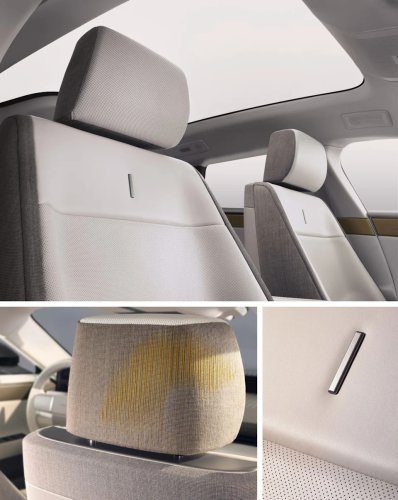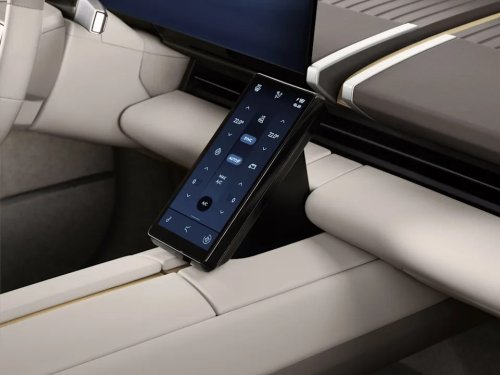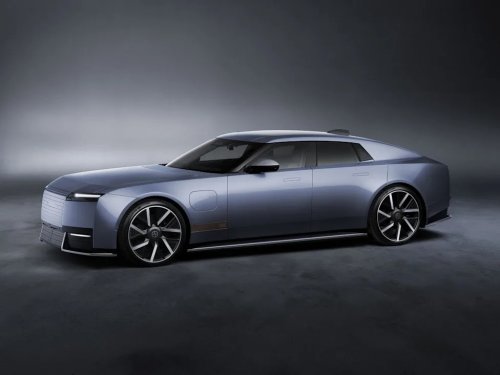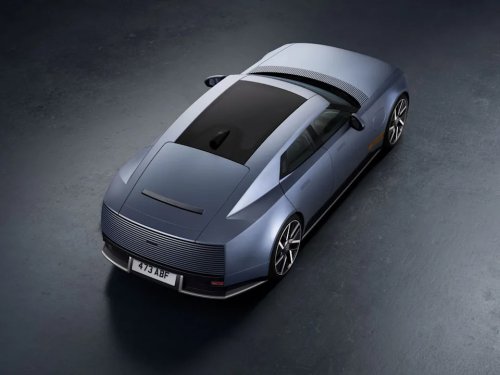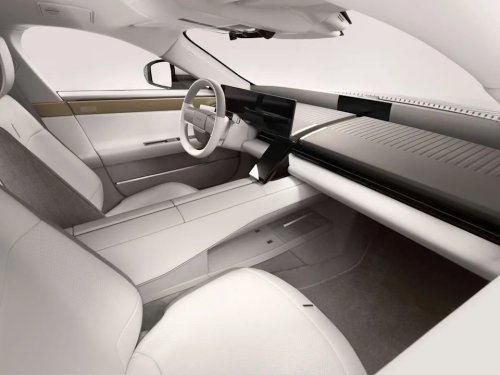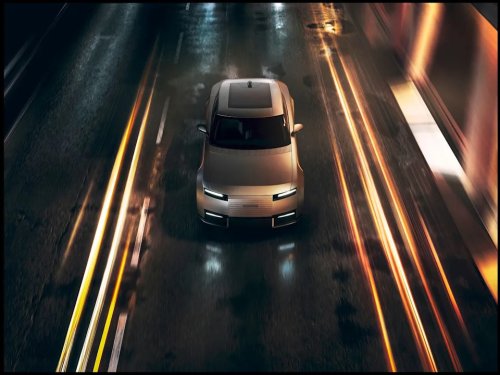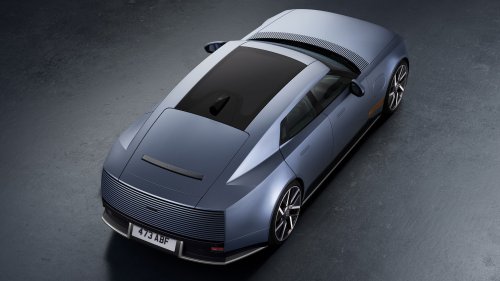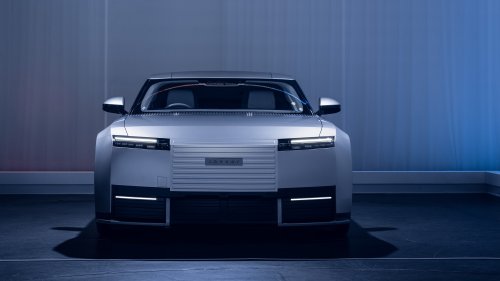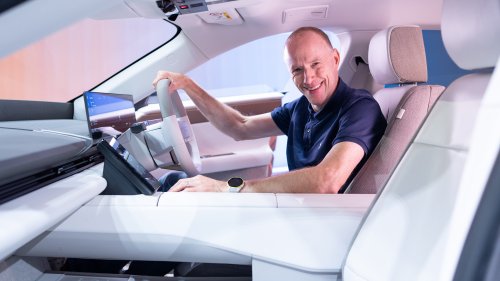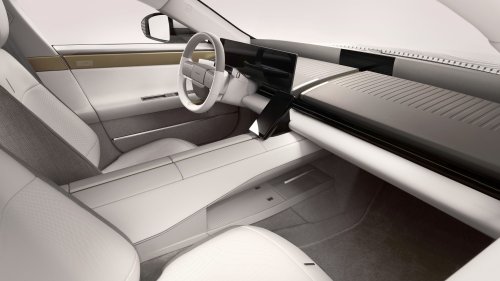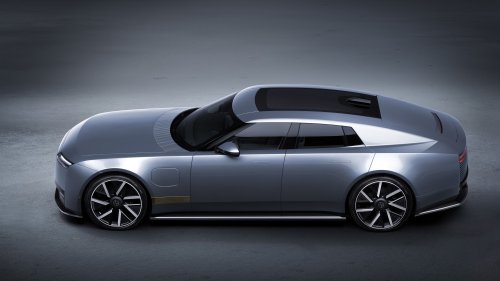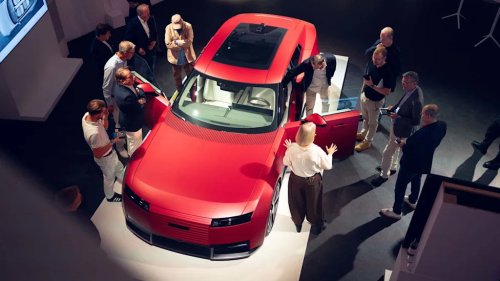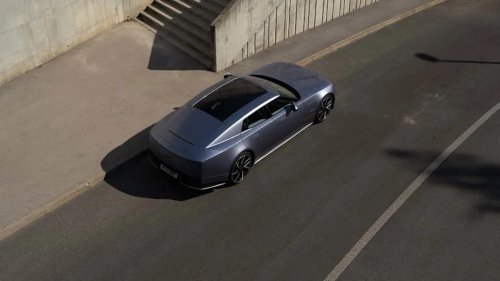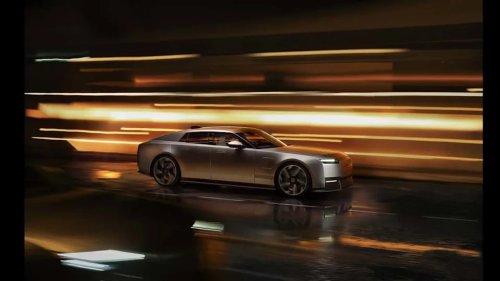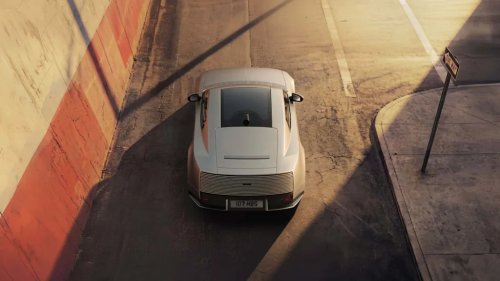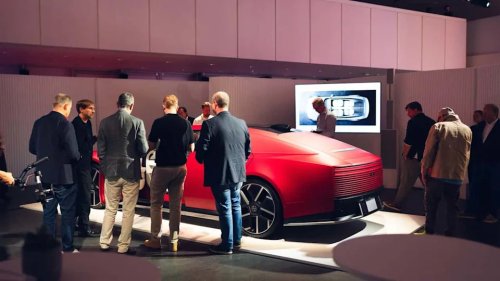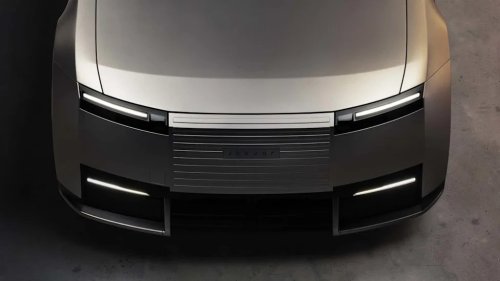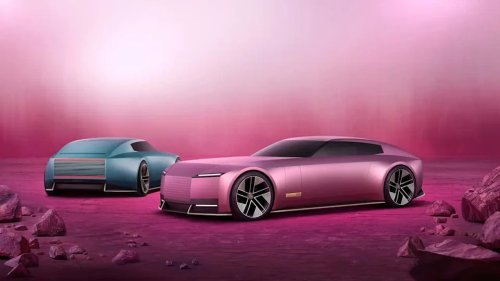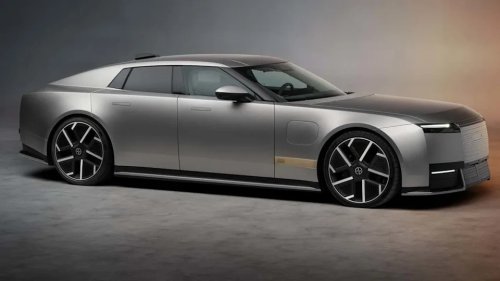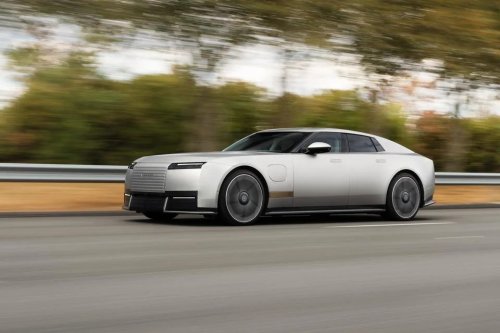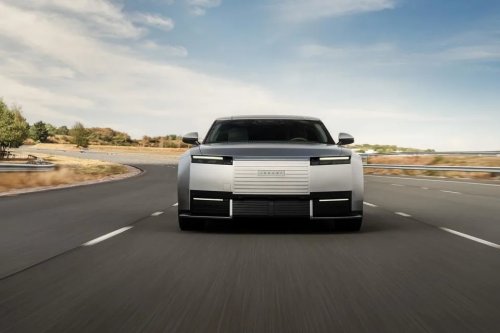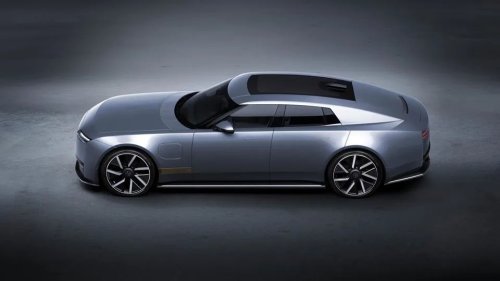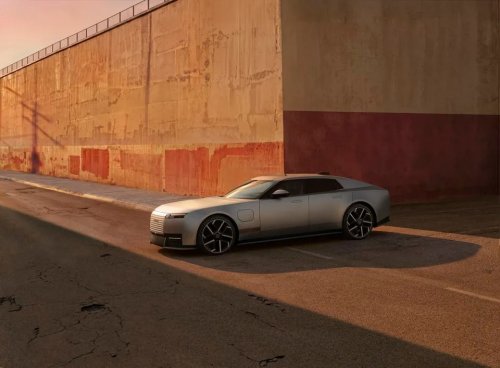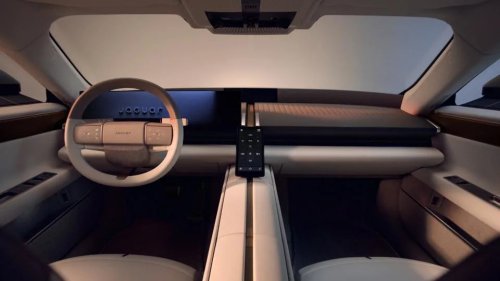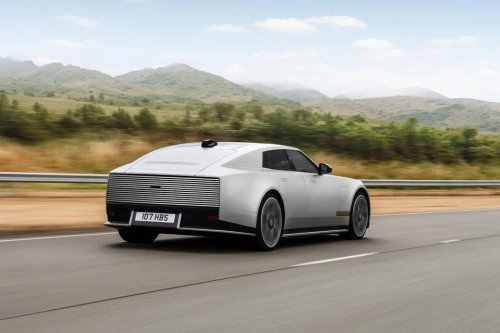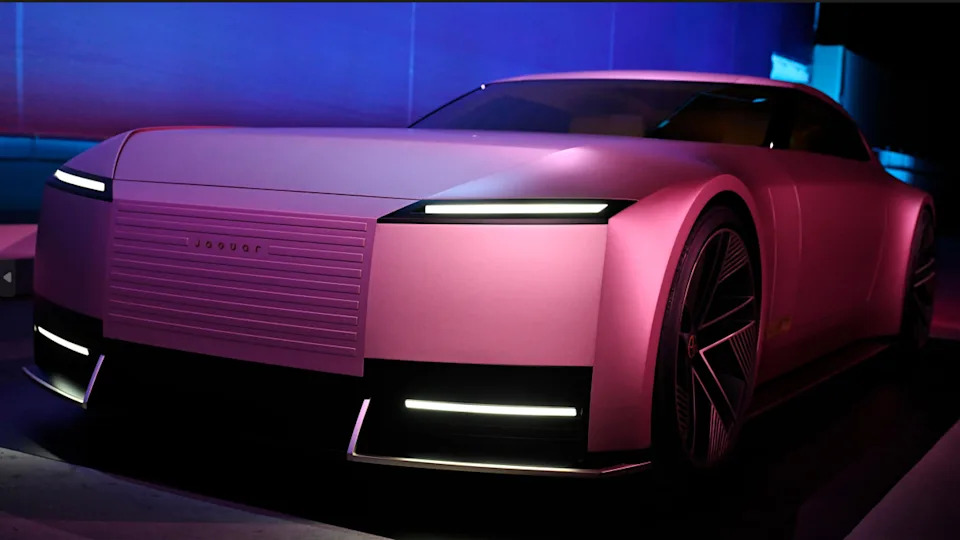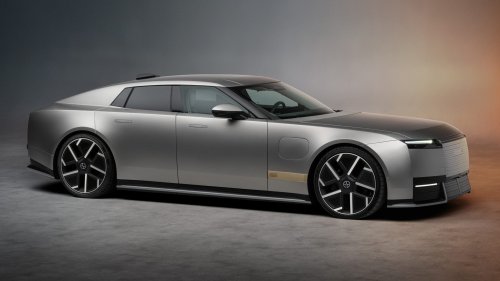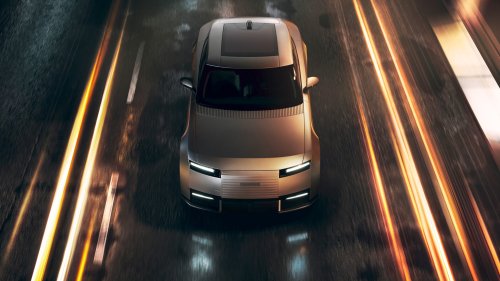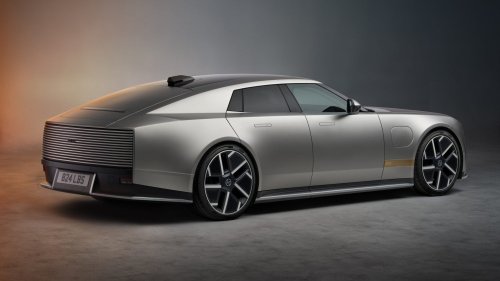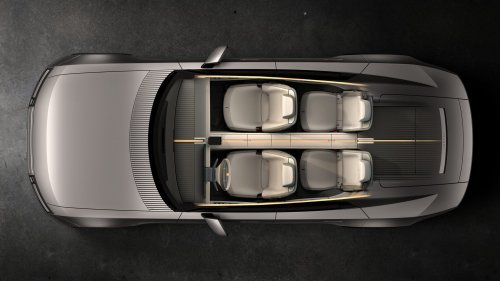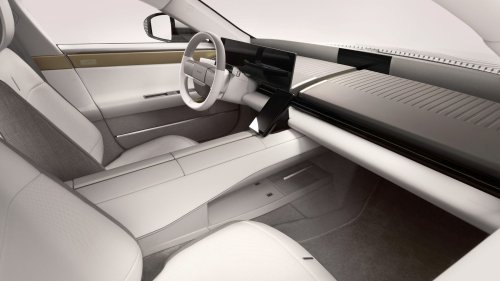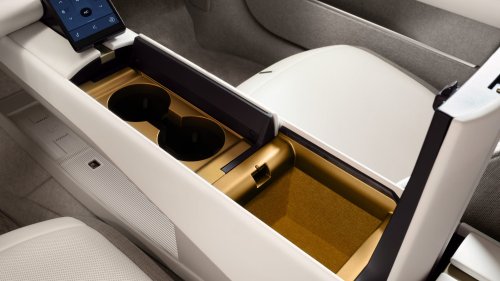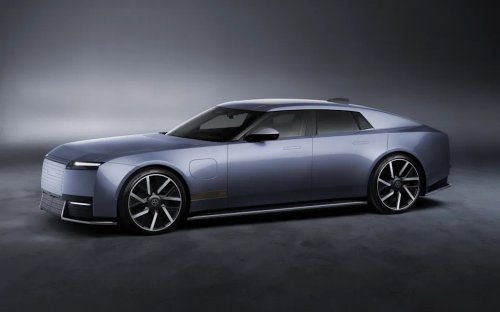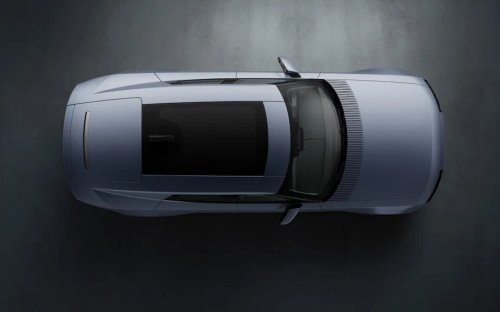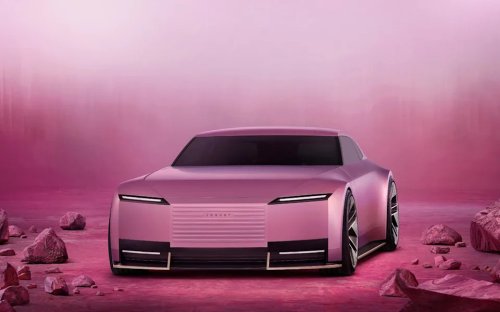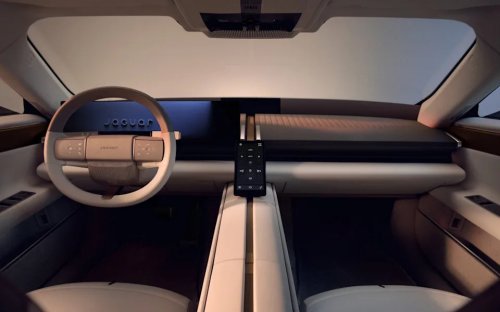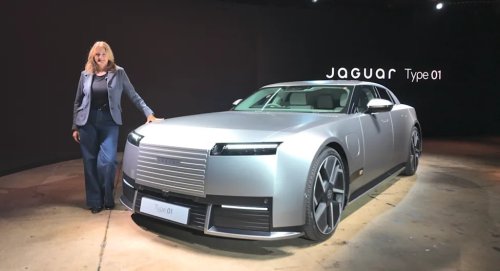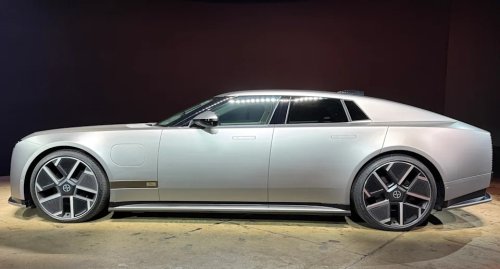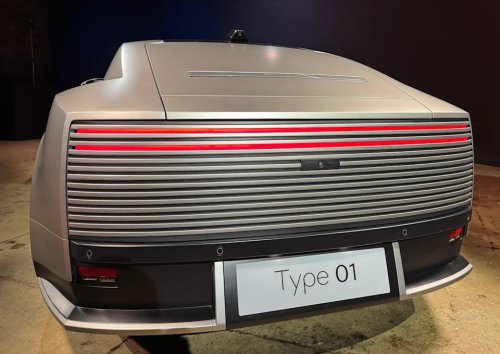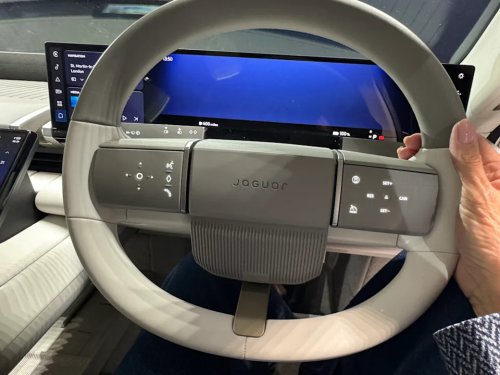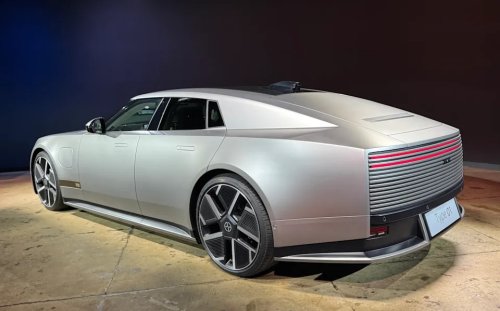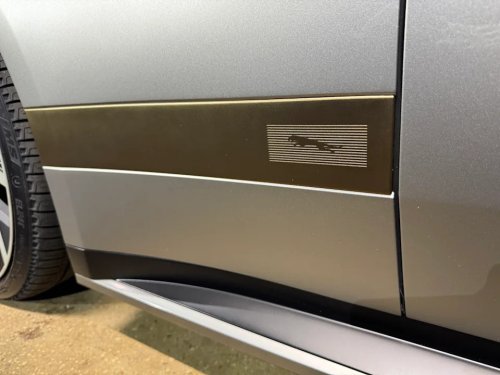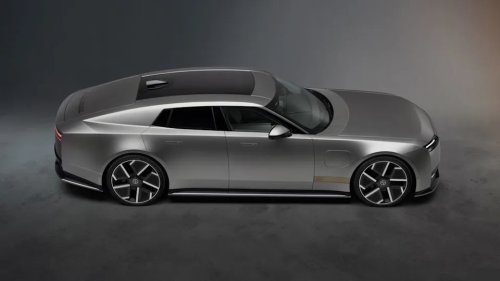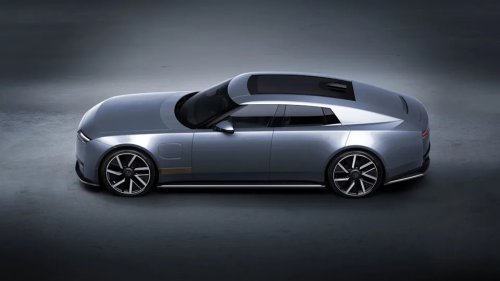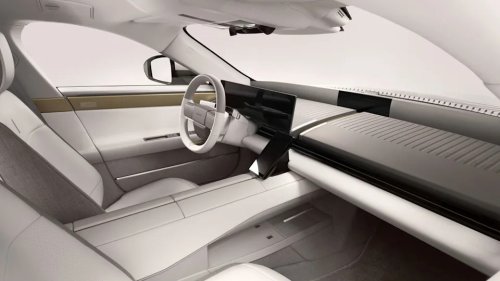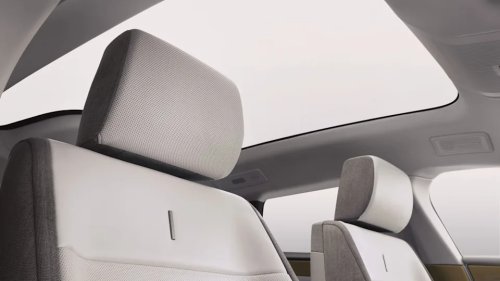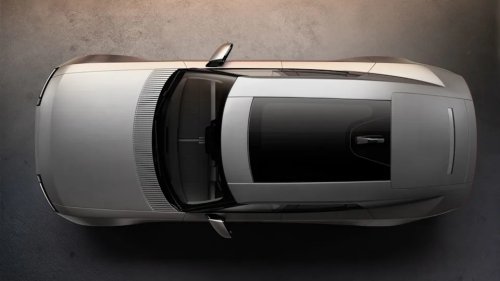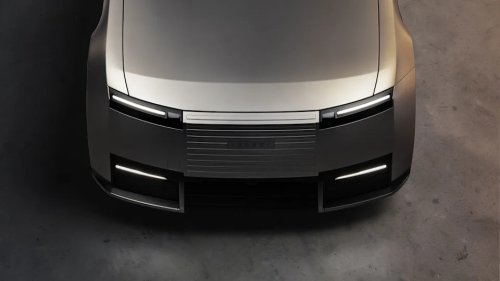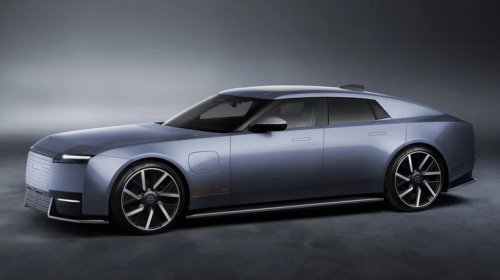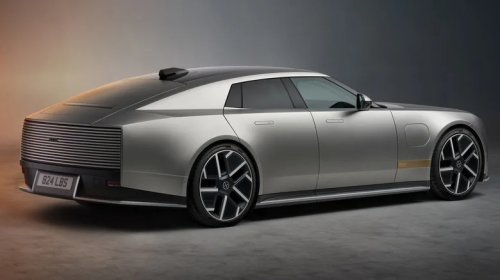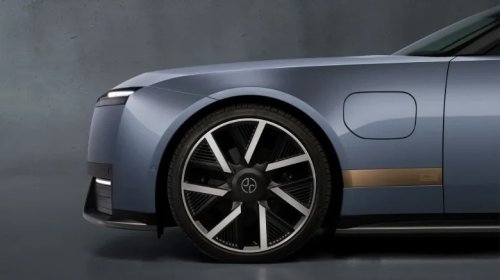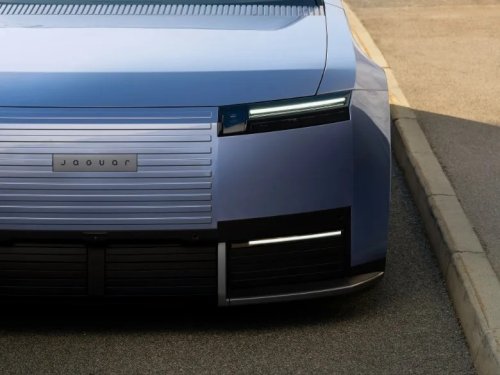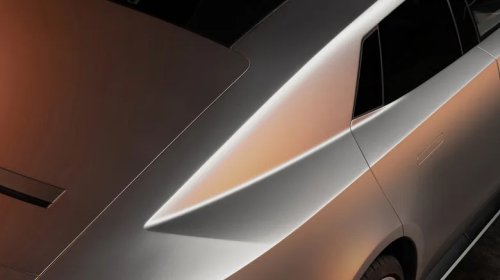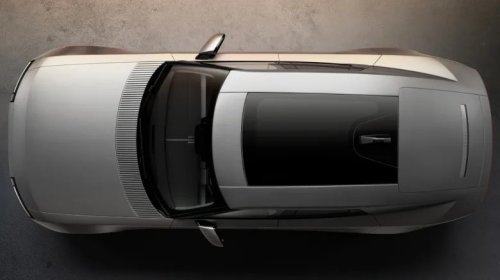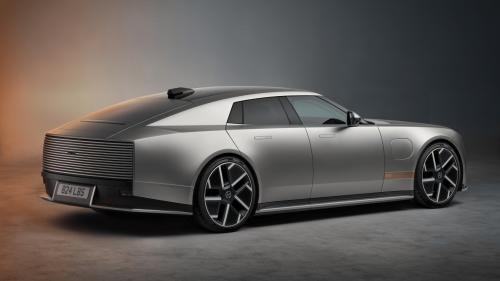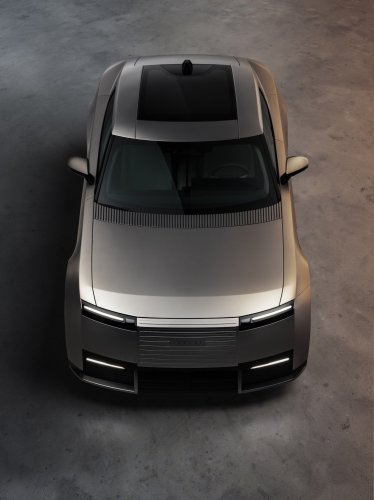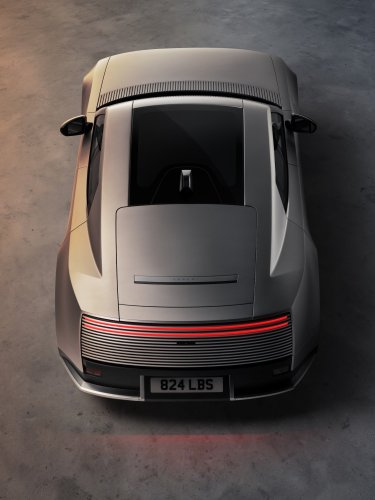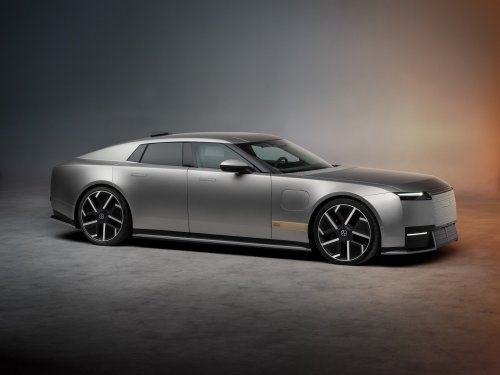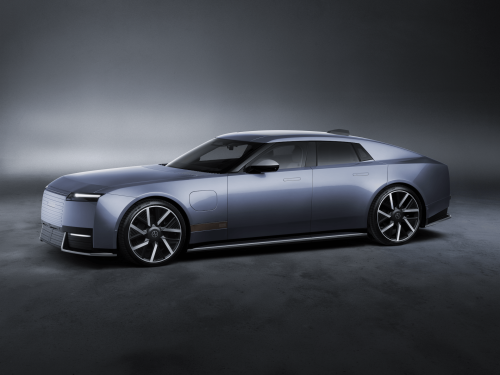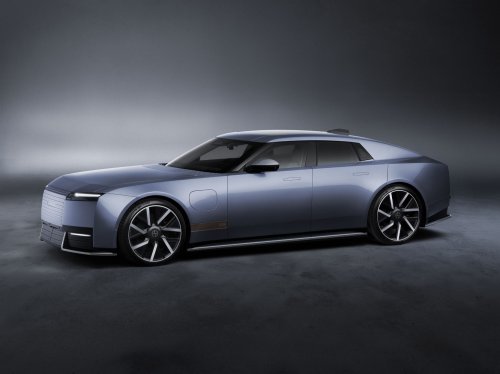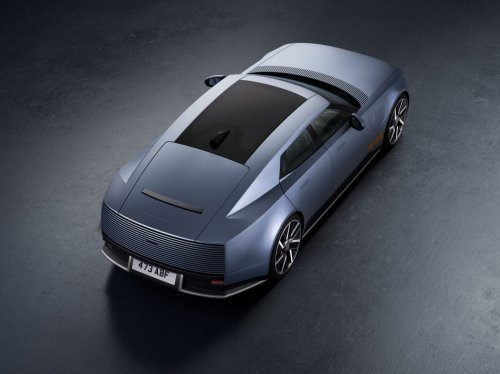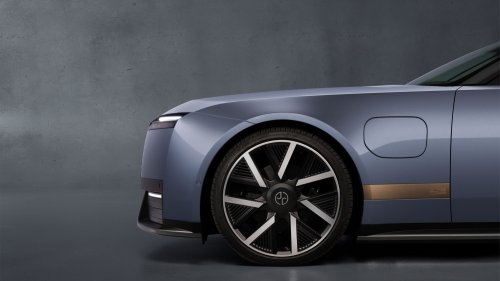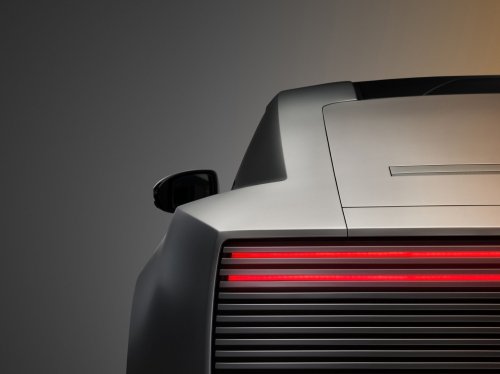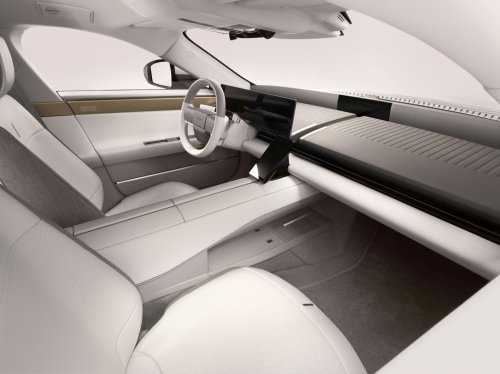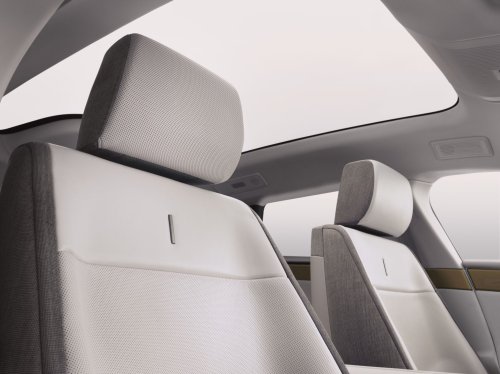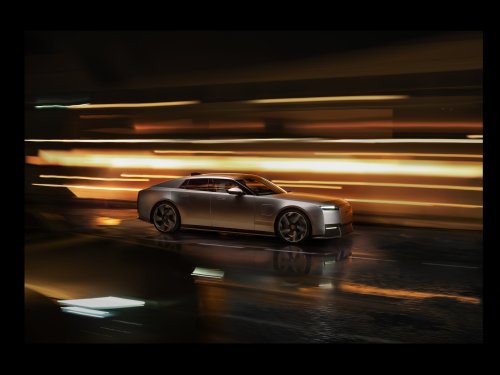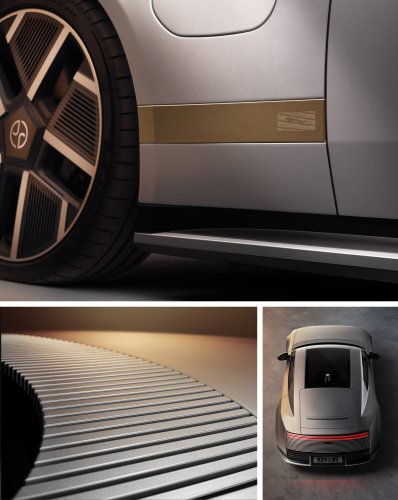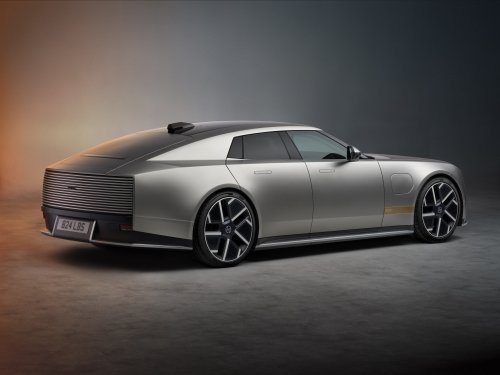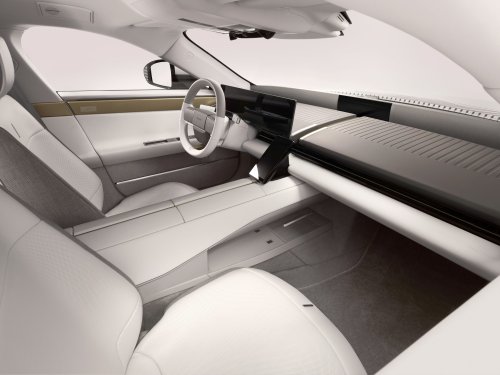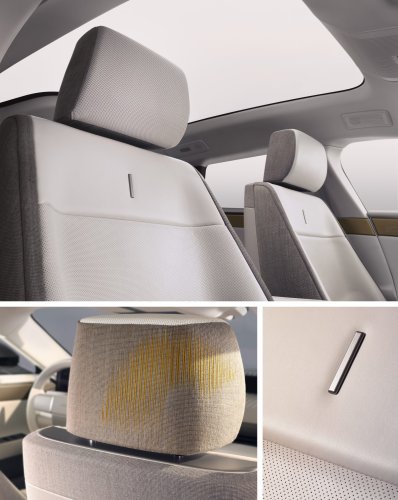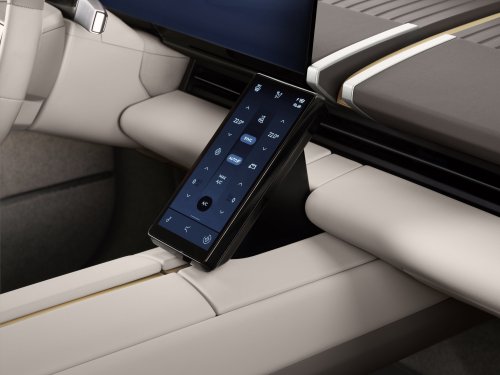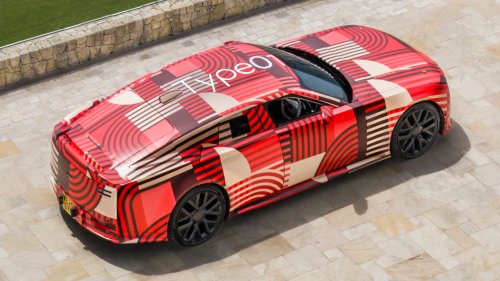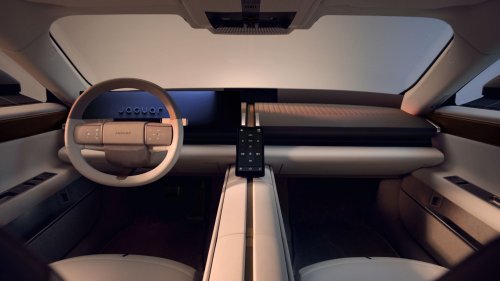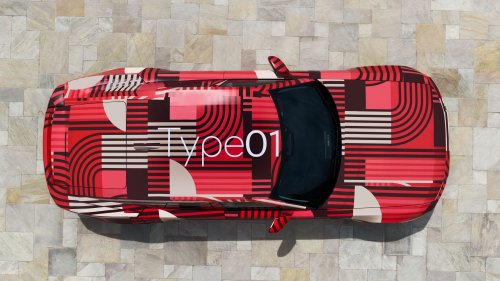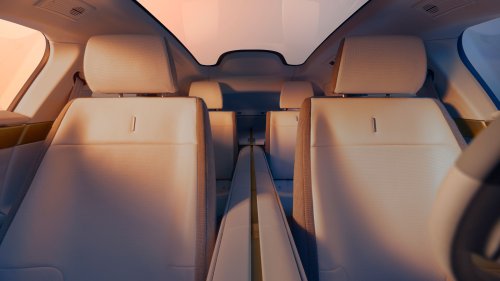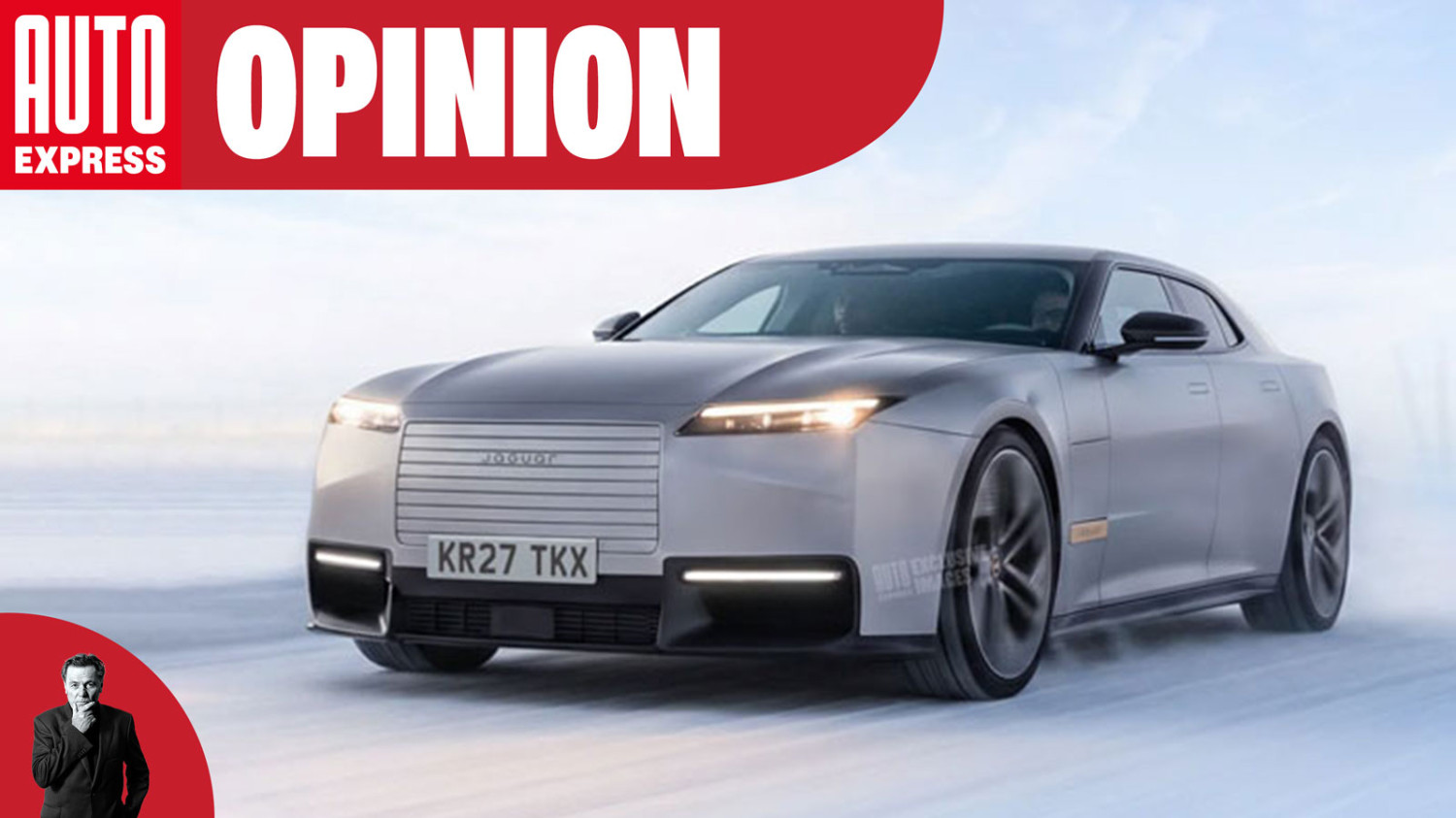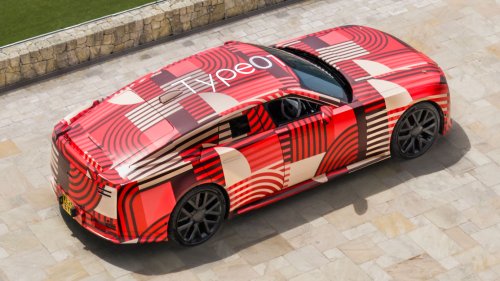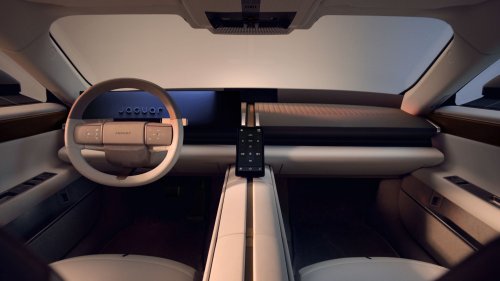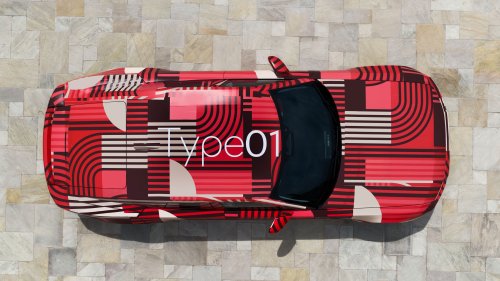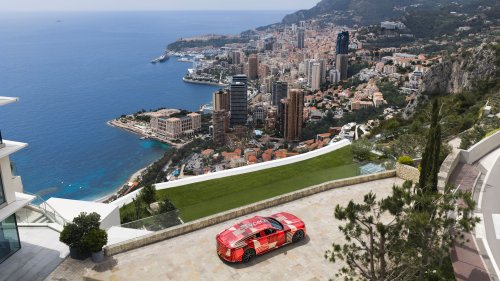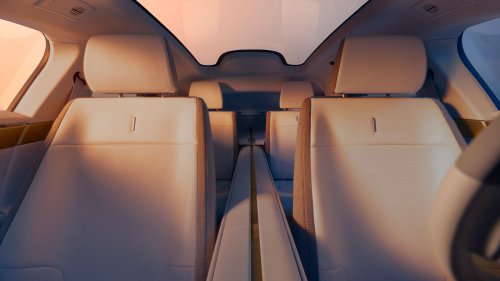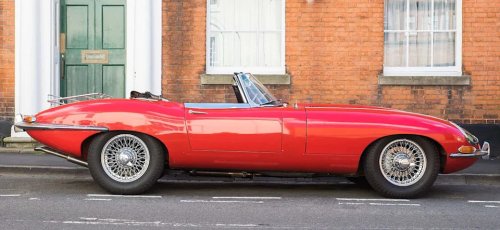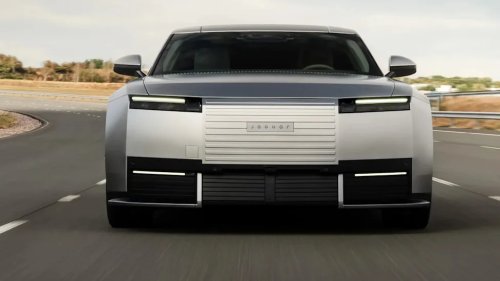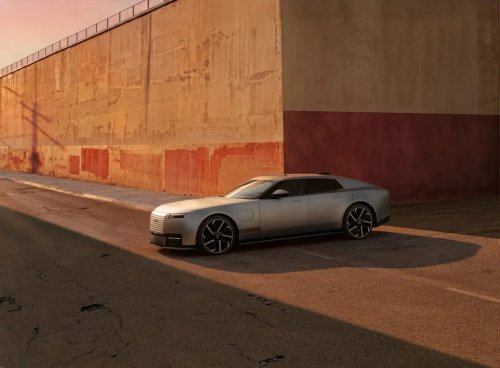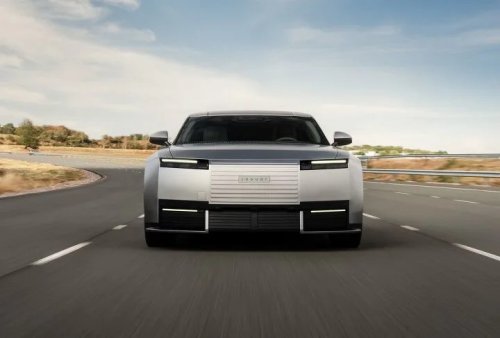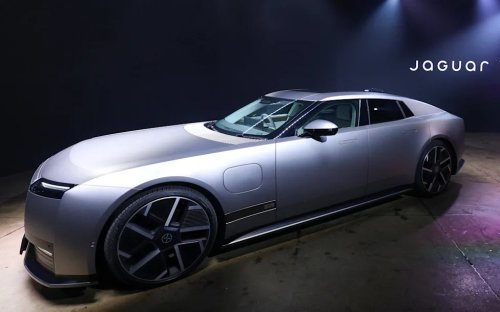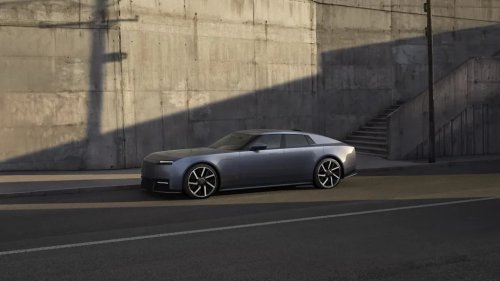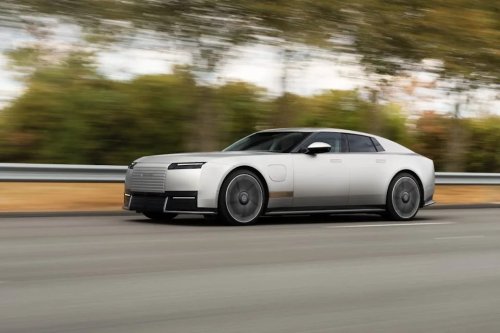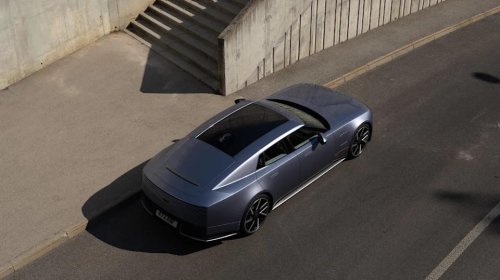
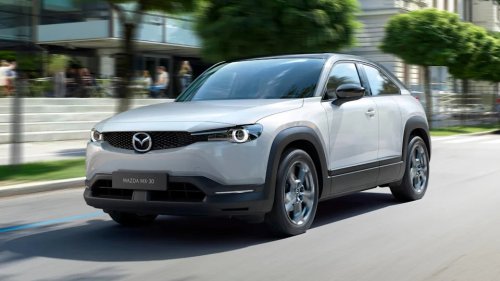
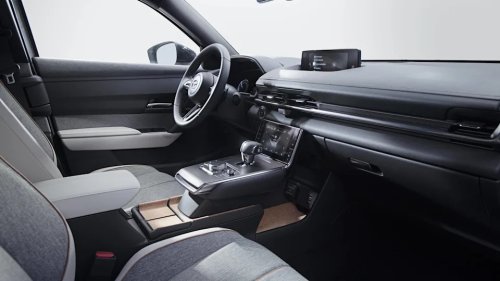
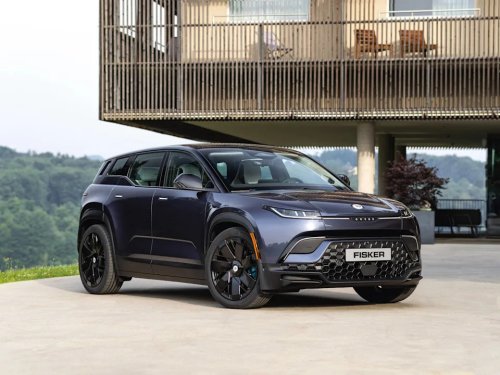
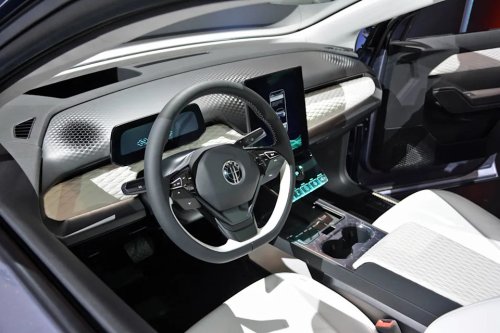
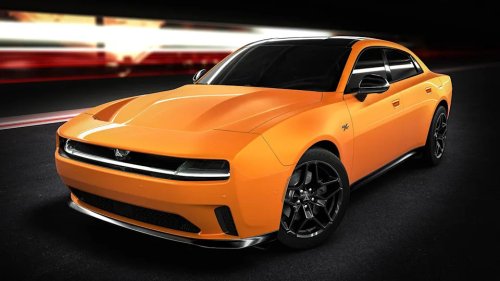
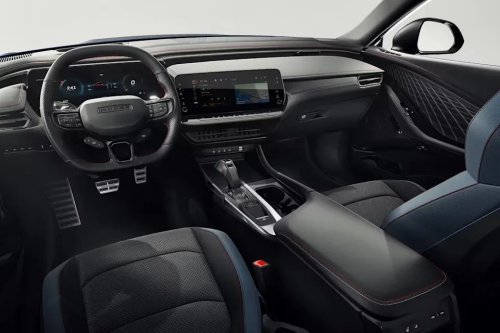
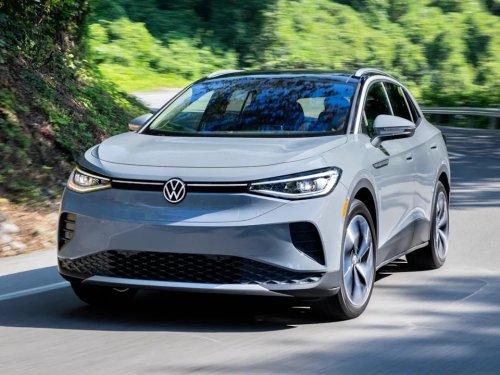
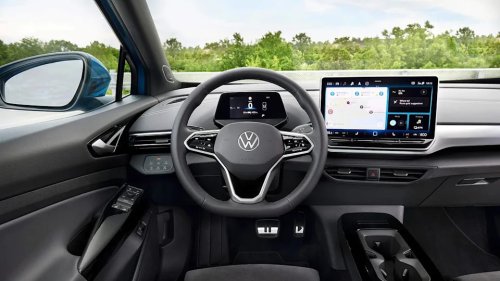



















It's anyone's guess as to whether or not the radical Jaguar Type 01 will be a hit or cement the end of the iconic Jaguar brand. Jaguar has gambled everything on this $130,000 luxury EV, totally abandoning its motoring past in favor of a huge, blocky, minimalist, and rear windowless gas-less sled. Not only has the brand gotten rid of every one of its models in favor of a single EV, but Jaguar has also rebranded by losing its Jaguar leaping cat logo, Jaguar badge, and just about everything else that made the brand iconic.JaguarIn Jaguar's push to be relevant in a constantly changing automotive game, it's taking a huge gamble that could pay off… or not. It has also pushed well past its typical $50k-$100k price range. The Jaguar Type 01 wouldn't be the first EV to take big risks, and it probably won't be the last. Over the past several years, some EVs have also tried and failed. Here are four that stand out.2022-2023 Mazda MX-30MazdaMazda rarely misfires. Huge successes like the CX-5, CX-9, Mazda3, and the MX-5 Miata prove that the brand knows what it's doing. Then, there's its first mass-production EV, the MX-30. It was one of the freshest EVs with a unique fastback/hatchback shape and a premium interior, but its 100-mile range was the opposite of what consumers wanted. That's about a third of the average EV range in 2022, when that number hit 300 miles for the first time.The MX-30's 35.5 kWh battery provided only about 100 miles of real-world range This was far behind competitors like the Hyundai Kona Electric (up to 258 miles) and the Nissan Leaf (up to 226 miles). The small battery wasn't an intentional flub. Mazda thought a smaller battery would save weight and reduce resources for this "city car" that buyers would supposedly use primarily for short trips.On top of the range issue was the car's actual usability. The unique suicide doors were weird for a small car, and the back doors were oddly short. The rear seats offered just 30.1 inches of legroom, paltry compared to the 33.5 inches in the Leaf and 33.4 in the Kona Electric. Fewer than 600 MX-30s were sold in the U.S. during its short life, and the brand hasn't made another EV here to take its place.2022-2024 Fisker OceanThe Fisker Ocean was supposed to be the 2nd coming of Henrik Fisker's attempt at electrified success after the failure of the exotic Fisker Karma PHEV in 2012. The Ocean, a midsized electric crossover, was intended to hit the sweet spot of the burgeoning EV market. It had all the makings of something promising with up to 360 miles of range, edgy styling, and a modern interior. The Ocean, however, never really made it to market due to multiple issues.Ronan GlonThe EV failed because its software and reliability problems were compounded by a lack of good customer support and a growing cash flow problem. Just prior to delivery, early models used swapped parts from vehicles driven by Fisker, his wife (the company's Chief Financial Officer and Chief Operating Officer), and a board member. Glitches, faulty components (door handles, seat sensors) and painfully slow deliveries were prevalent, while Fisker lacked the service infrastructure to resolve owners' problems effectively.The company built more than 11,000 Oceans in 2023 but delivered only about 4,700, tying up desperately needed money in unsold inventory. Slowing EV demand and dwindling investor interest made failure a foregone conclusion. Fisker filed for bankruptcy in June of 2024 before it could fix the vehicle's issues or stabilize the business. He sold the remaining Oceans as part of the bankruptcy deal. You might see a rare Fisker Ocean on the road today, but it never made it to primetime.Thinking about selling your car? Get an instant cash offer online now. Click here to get started.Dodge Charger Daytona R/TDodge entered a new era in 2024, hoping to shift its legendary muscle cars from V8 power to fully electric. The Charger Daytona evoked Dodge muscle cars of the past but with edgier styling, a 94-kWh battery for front and rear electric motors, 241 miles of range, and a 0-60 mph time quicker than the Charger Hellcat. It was even given a Fratzonic Chambered Exhaust zonic Chambered Exhaust system that pumped out V8 muscle car sound and physical vibration to mimic the gas engine.Dodge configuratorUnfortunately, Dodge failed to factor in the old school gas muscle car charm that drew so many buyers to its traditional V8 Charger and Challenger. An electric muscle car seemed contradictory to what made the gas versions so beloved, and even a 308-mile range didn't seem to attract buyers. The Charger Daytona was also corpulent, weighing almost three tons, and it was expensive at almost $60k base.For the 2026 model year, Dodge killed off the entry-level R/T due to poor sales, having sold just over 2,000 units in the U.S. and Canada combined. While the brand still sells the Charger Daytona (not the R/T), sales are tanking in 2026, with a 90 percent drop compared to last year.Volkswagen ID.4VolkswagenIt's the VW EV that showed such promise. It was right-sized, easy to drive, and the range was solid at up to 291 miles. It also had available all-wheel drive and a modern cabin with handsome tech. The ID.4, however, suffered from poor reliability and user frustrations. A door-handle defect that could allow doors to open unexpectedly prompted a recall covering nearly 100,000 vehicles, a stop-sale, and a production halt in September 2024.Sales and production were set to resume in early 2025, but the interruption cut U.S. sales 55% in 2024, to just 17,021 vehicles. Owners also complained about its confusing infotainment system and odd audio and climate sliders that were hard to use. To make things worse, the sliders weren't even backlit, so user-friendliness problems were compounded, bordering on impacting safety.The collective problems caused VW to end the ID.4 in April 2026 with a plan to reintroduce the model as the ID. Tiguan, a more SUV-like model with name-familiarity and physical climate controls. The ID.4 wasn't a Fisker-style corporate collapse, but its troubled rollout, recurring defects, user frustration, and production disruptions kept it from becoming the EV breakthrough Volkswagen wanted.Final ThoughtsThere's no question that the Jaguar Type 01 faces some uphill challenges. Like the Fisker Ocean, The Type 01 is the brand's only model, which presents a problem all its own. But cases like the MX-30, Dodge Charger Daytona R/T, and the Volkswagen ID.4, where they're just a single model in a larger lineup, prove a failed EV can happen to any company. These companies won't fail overall because of one bad apple, but Jaguar's existence will be determined by this one very large, very expensive EV experiment.