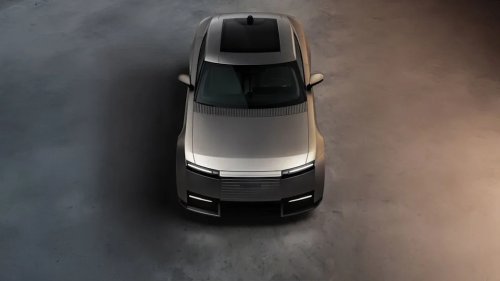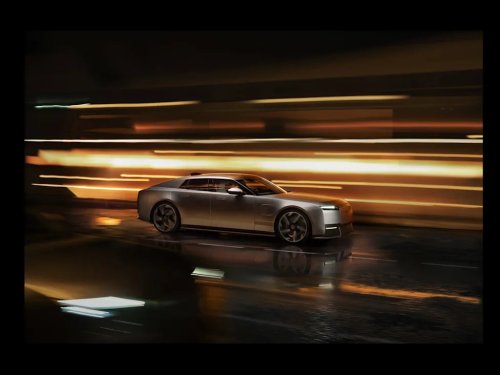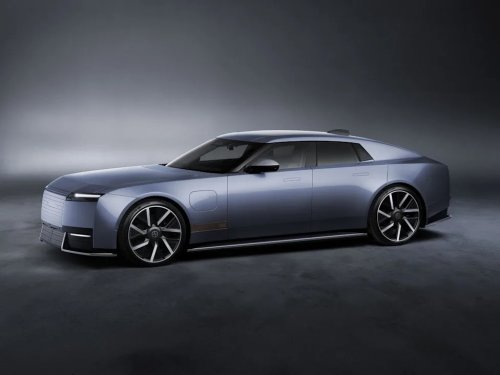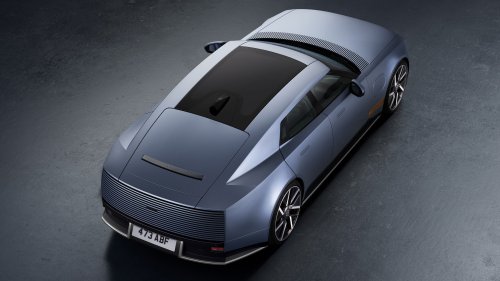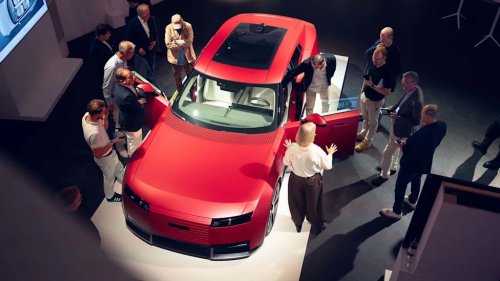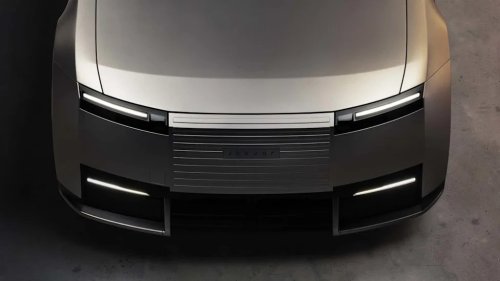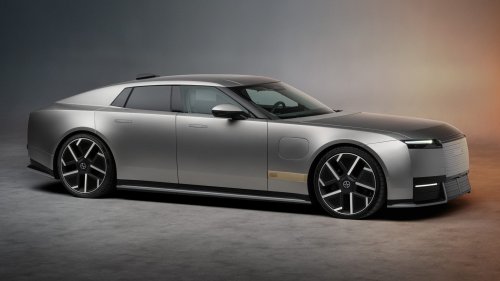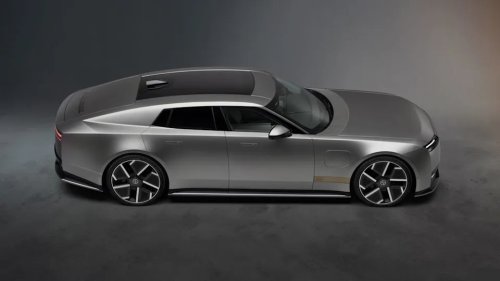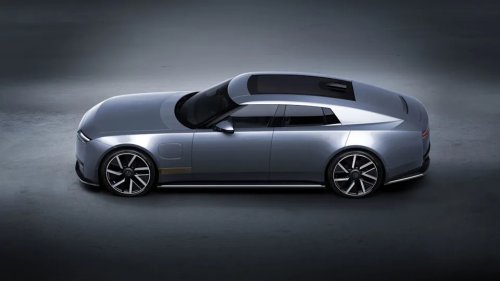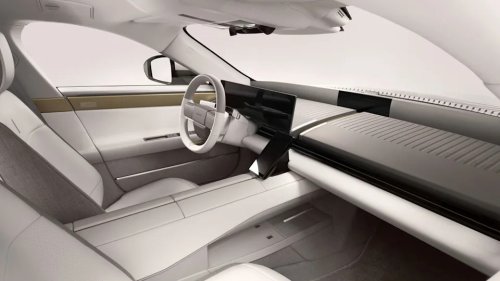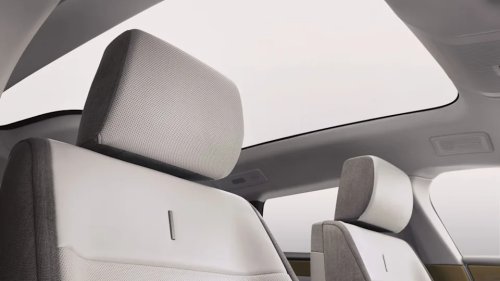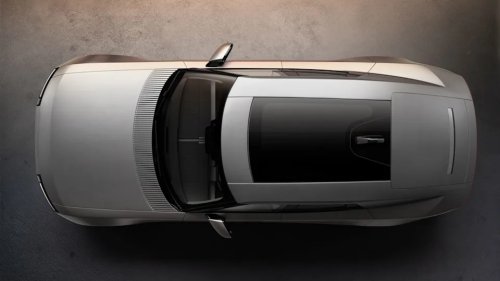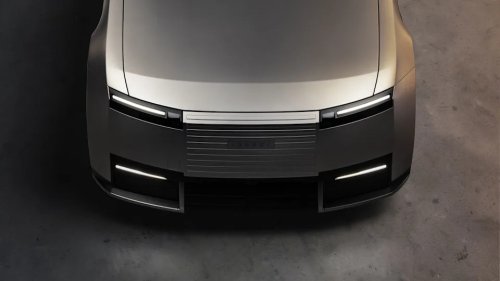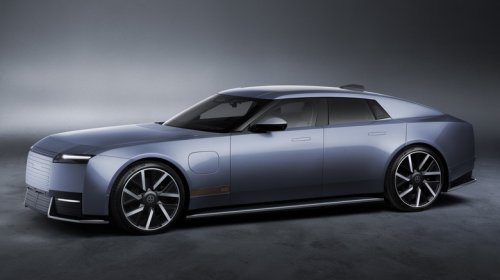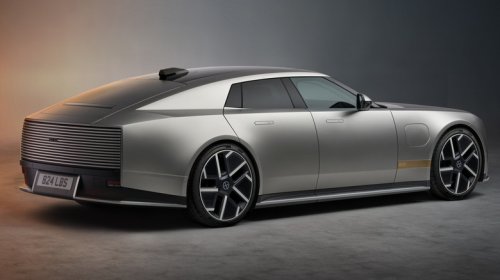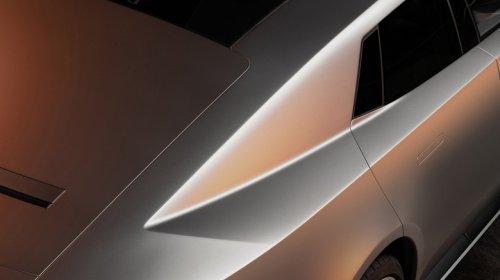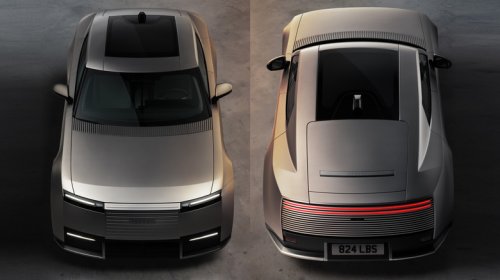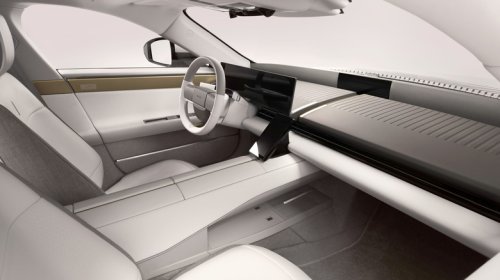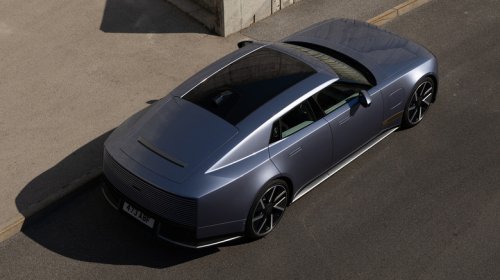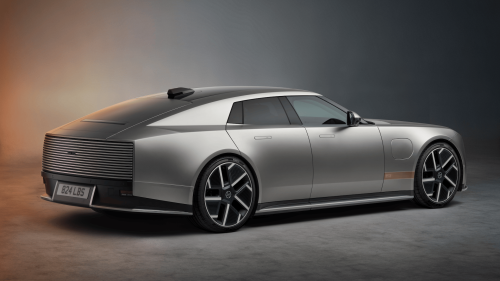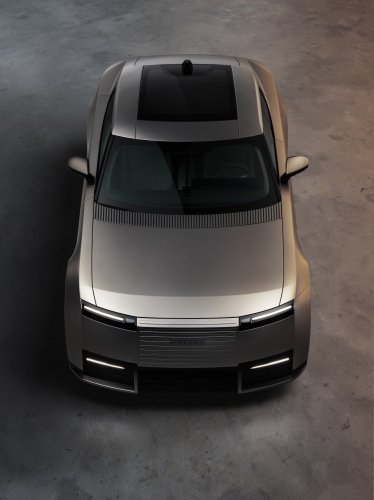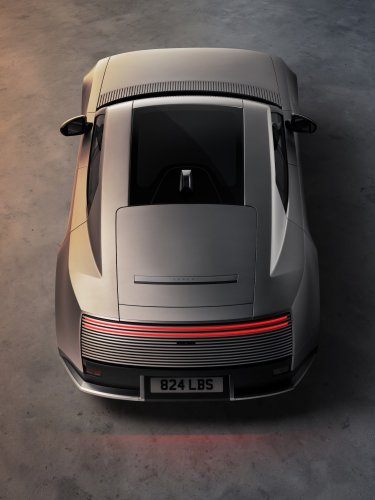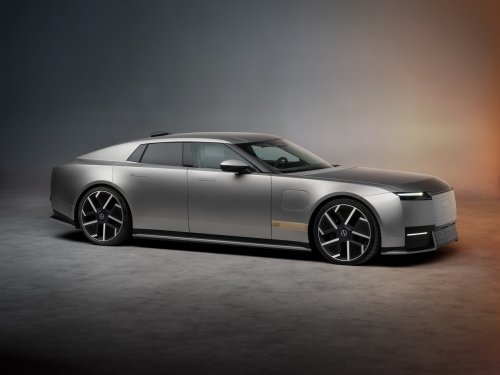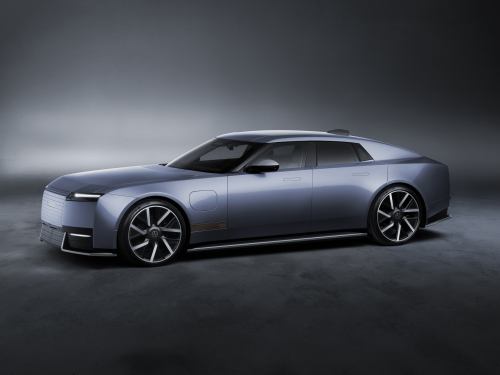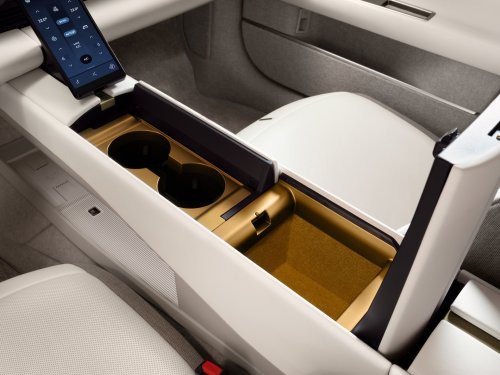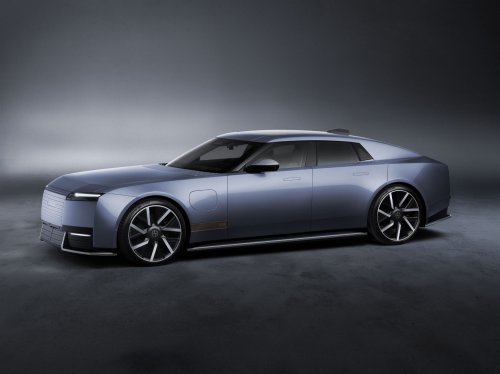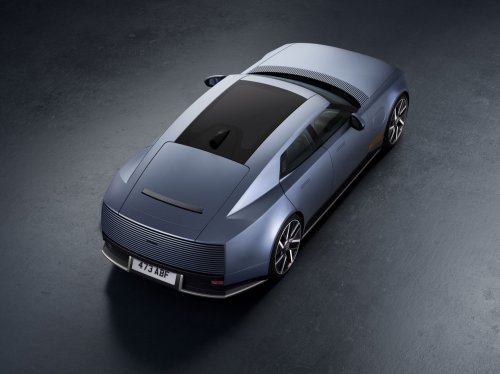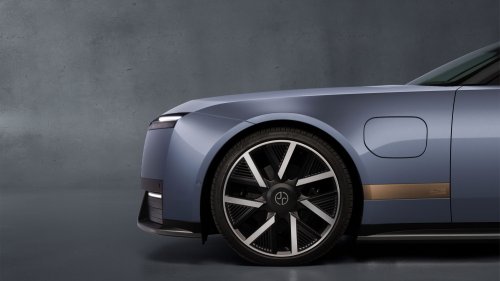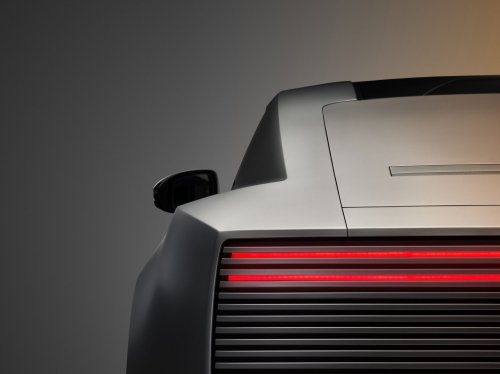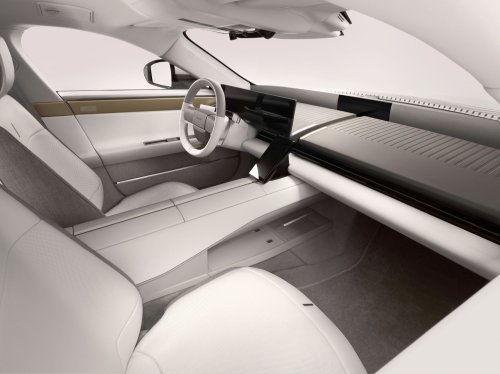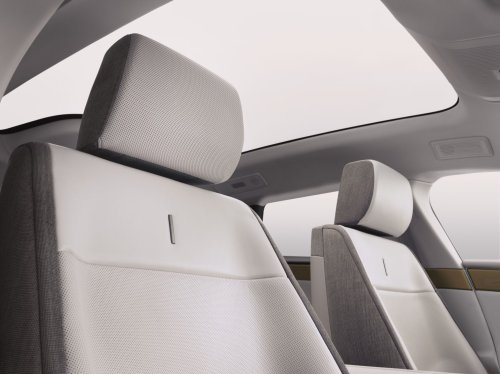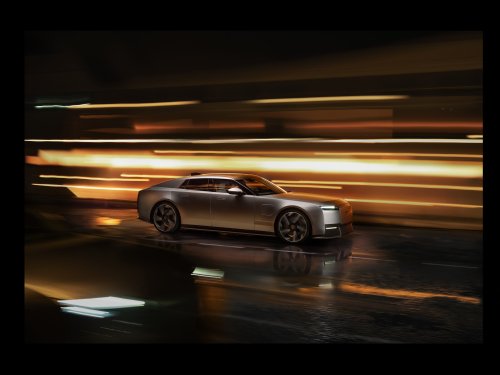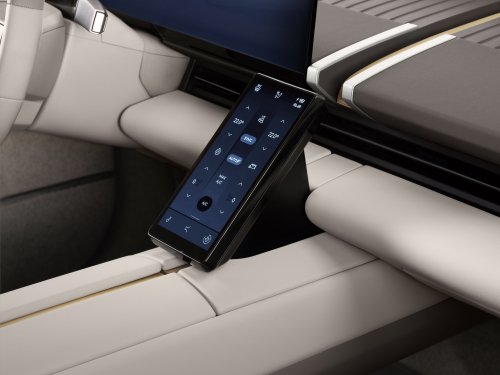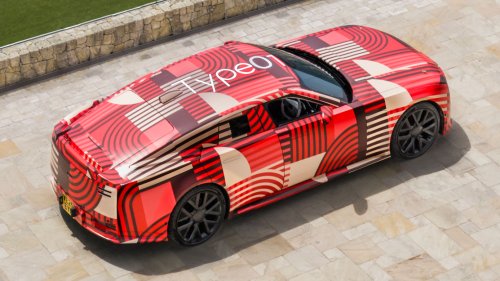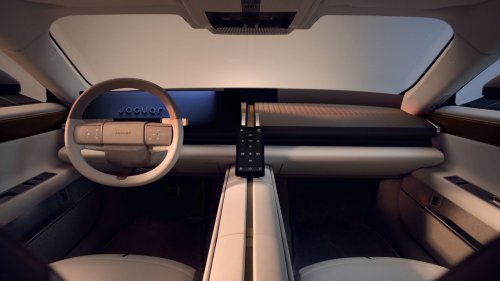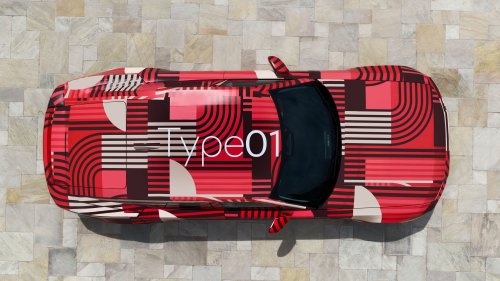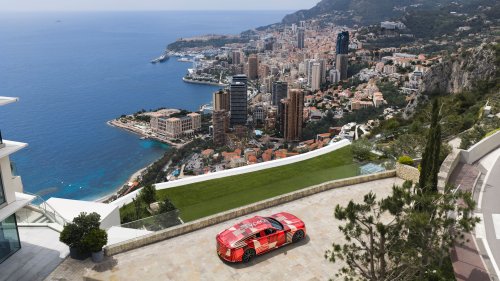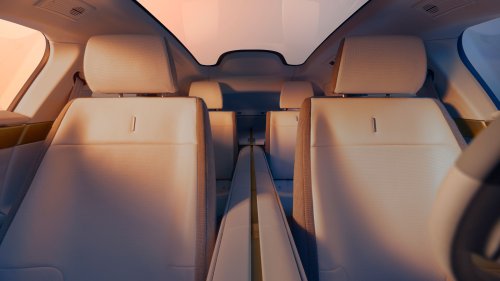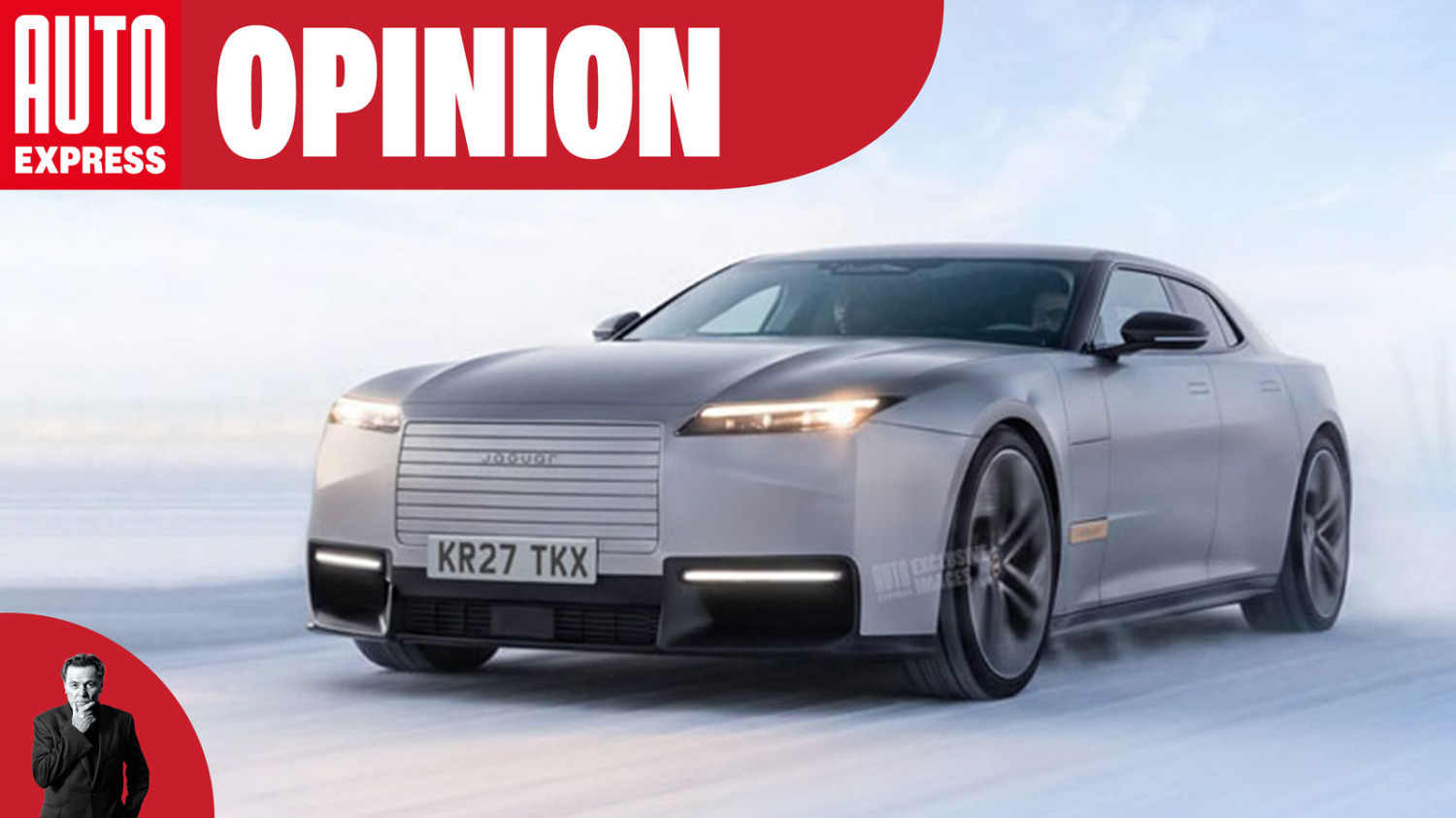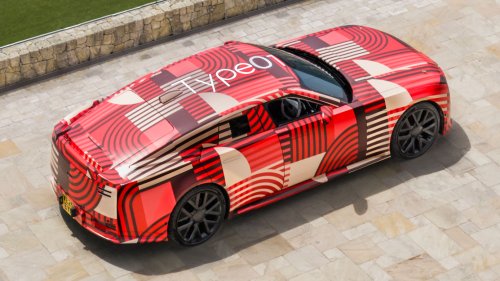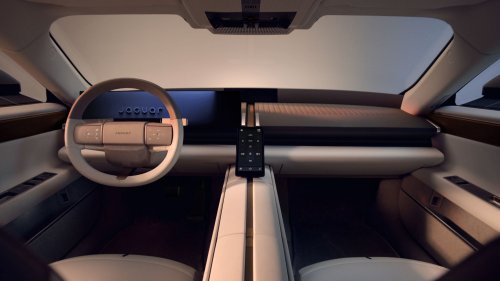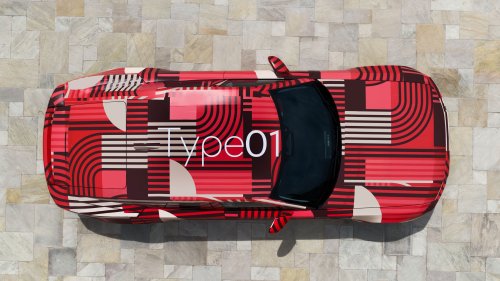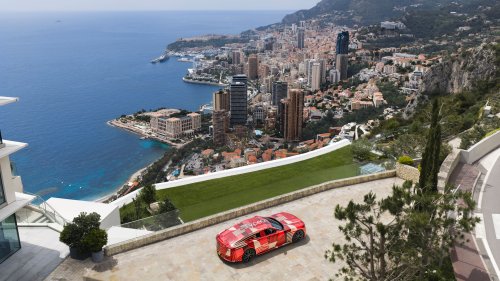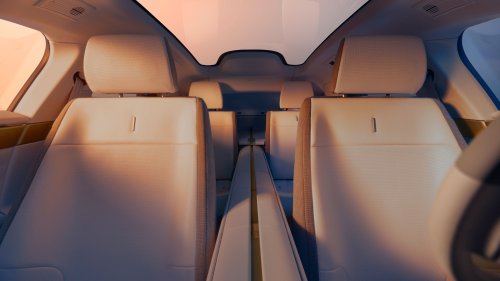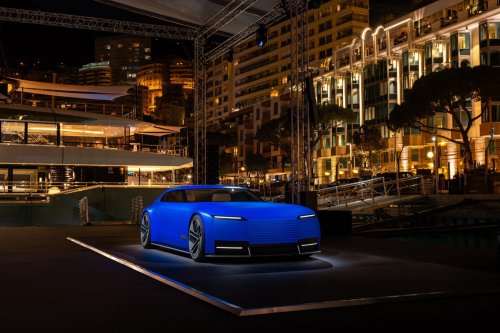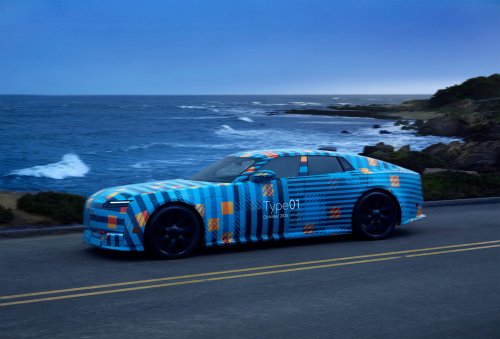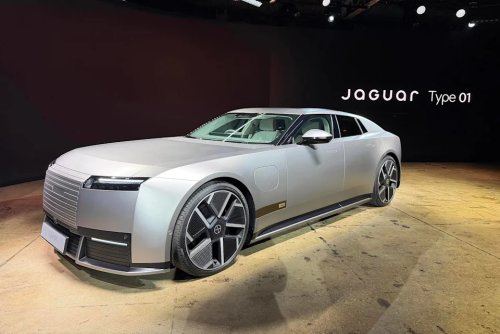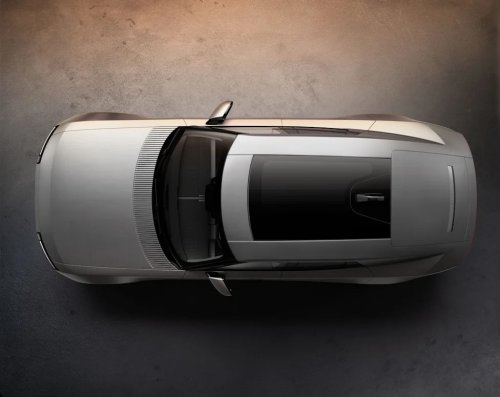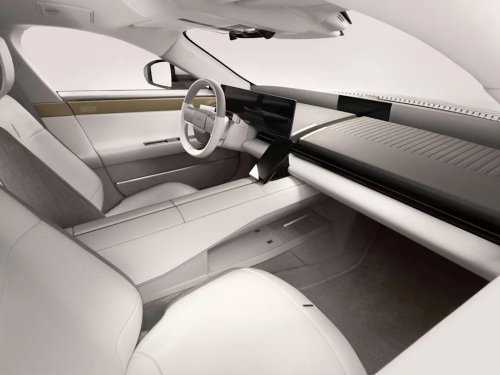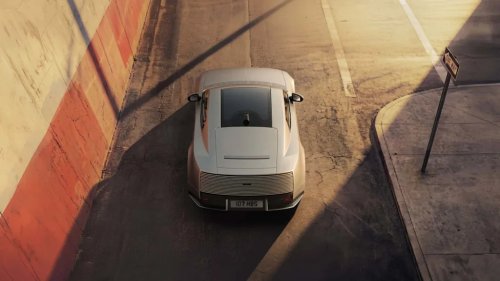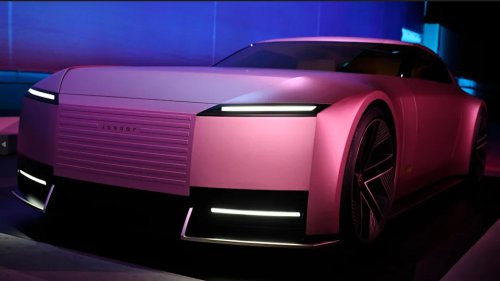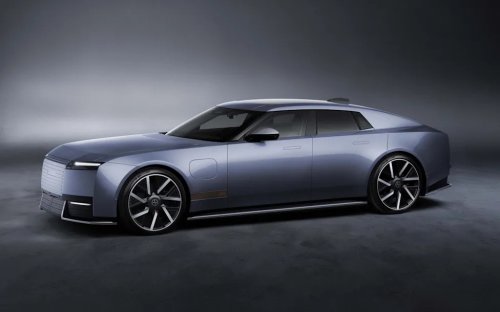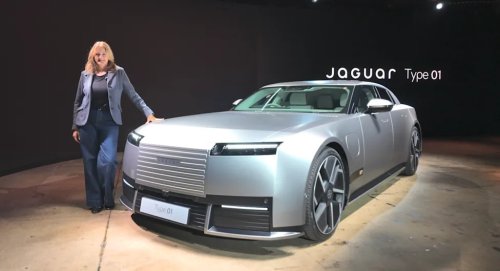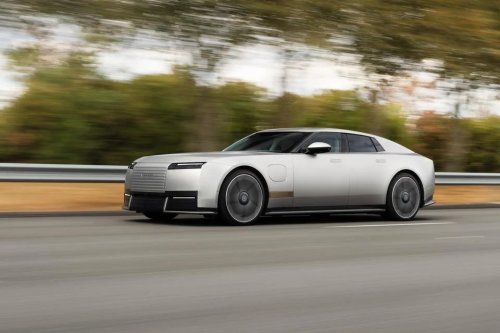
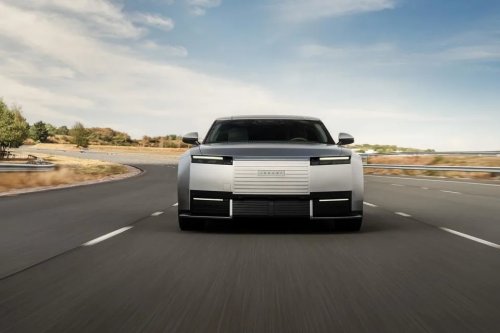
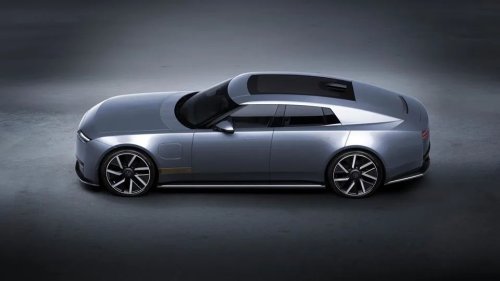
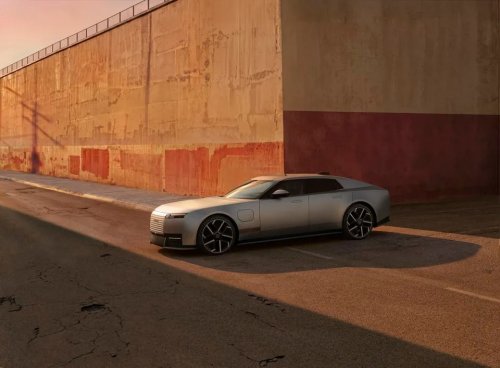
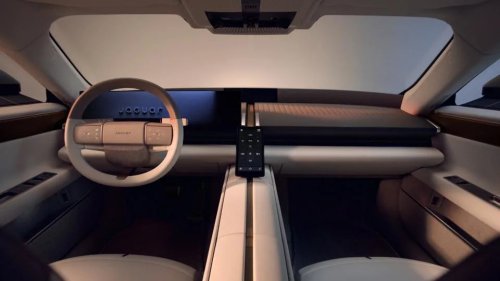
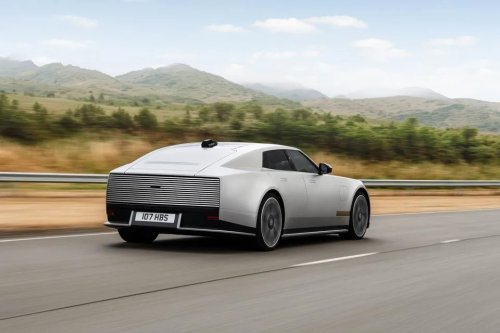



















The Jaguar Type 01 is meant for drivers more than passengers.Mark Fagelson PhotographyJaguar's rebirth and rebranding as an all-electric automaker met with considerable controversy, although that was mostly about the teaser ad campaign, which got caught up in "woke" politics. Either way, the incident certainly put Jaguar back on everyone's minds, and the Type 00 concept that arrived shortly afterward met with more favorable reactions. Now, following the October 6 unveiling of the production Jaguar Type 01 in New York, finally we get to find out what the fuss was all about.Having seen the car up close, I think it has delivered the visual statement and differs far less than many expected from the Type 00 concept. This is a head-turner, with an enormous hood, low cabin and muscular rear that look more dramatic without the camouflage that has obscured the spy shots we've seen so far. But the more interesting discovery from talking to the people behind it is how firmly the Type 01 is aimed at its driver. Beneath the luxury positioning and provocative styling, Jaguar wants to make a proper grand tourer that you will want to be behind the wheel of for hours on end.Jaguar Type 01 Moves Beyond The Rebrand"We wanted to signal to the world that Jaguar was doing something different, something out of the ordinary, and we wanted to get Jaguar into the conversation again," managing director Rawdon Glover says of the much-discussed ad campaign. "That was really its sole purpose."Glover says Jaguar stopped counting when the reach of the campaign reached around two billion impressions. However, while this might have been an unexpected level of interest, it was far from an accident. "I'm not sure I'd use the word 'accidental'," he says. "The campaign was literally one 30-second film shown just on our channels: our website and our social channels. We didn't spend a single penny on advertising." However, Glover recognizes that the conversation must change. "We've now got a production vehicle. People are going to be able to buy this car. So the campaign and how we communicate will need to evolve."Despite the boxy front, the Jaguar Type 01 has a low drag coefficient.There is plenty to communicate. The Type 01 has three motors, 1,015bhp and 1,365Nm of torque, with a claimed 0–60mph time of 3.1 seconds. Its 120kWh battery promises 400 miles under the American EPA five-cycle procedure, which usually means more with WLTP. Jaguar says a 350kW charger can add 200 miles in 13 minutes, although these figures remain provisional because homologation is incomplete. First deliveries are expected no earlier than mid-2027, with preorders now open following the unveiling.Rapid charging on non-800V devices is also essential for a grand tourer to roam freely. The Type 01's 850V architecture can connect battery packs in parallel to work better with 400V charging equipment. There are charging connections on both sides, and American cars get a native NACS connection. The 400-mile claim being an EPA-based figure means real-world range will be closer than it is for WLTP. Combining the healthy range and rapid charging, this is a car that should munch through the miles with ease.The Jaguar Type 01 Just Happens To Be ElectricThe Jaguar Type 01 is a big car but rides low. It's 5.2 meters long, with a 3.2-meter wheelbase and 23-inch wheels yet is only 1.4 meters high. The proportions are deliberately extravagant. Nobody is going to mistake this for a discreet executive sedan. "Jaguar must be unique. It cannot be like anything else," says Alexey Andreev, exterior designer at Jaguar Land Rover. "Our key goal was to capture the spirit of what a Jaguar really is." The E-Type provides an obvious historical reference, but Andreev's point is about the impact that car made when new. It was fresh and unfamiliar. Repeating its shape would hardly achieve the same effect today.The Jaguar Type 01 didn't need this long front, but the designers wanted it.Glover also argues that electrification followed the desired design and driving experience, rather than vice versa. "We didn't start off with, 'Let's make an electric Jaguar'," he says. "We started off by saying, 'How can we make the most incredibly dramatic car to look at, and a really, really dynamic car?' The best and singular answer was electric." That helps explain the apparently counterintuitive long hood on a car without an engine. Jaguar wasn't chasing the familiar EV formula of maximizing cabin space within a compact footprint. It wanted these proportions, then engineered the car around them.Architecture chief engineer Jon Darlington joined shortly after the design was selected. "What was really clear was that to deliver something of that proportion, with the driven character and the propulsion system we knew we wanted, you couldn't do that on something that already existed," he says. The result is the Jaguar Electric Architecture, or JEA. Battery cells ahead of the passenger compartment help distribute the capacity, while splitting the battery creates room for rear passengers beneath that low roof. The design and engineering teams worked together in the same studio for around three and a half years to enable this synergy.Performance Without The Party Trick For The Jaguar Type 01With more than 1,000 horsepower, the Type 01 inevitably invites comparisons with electric cars that specialize in rearranging their occupants' internal organs. Jaguar's priorities were different. "We didn't have a 0–60 time target," Darlington explains. Instead, the team targeted 100–180km/h, approximately 62–112mph, in around four seconds, ultimately getting slightly below that. This determined the power delivery and calibration. The standing-start time followed."We purposely didn't chase them because we wanted a more refined power delivery," Darlington says of fast acceleration off the line. "You could get sucked into that sprint metric race, but it wasn't important for us. It was more about the car having that mid-range speed, that power in reserve." Overtaking is much more relevant to a GT than a launch-control demonstration. The promise is effortless acceleration when already moving, combined with comfort when the driver wants to relax. Air suspension, active dampers and rear-wheel steering support that ambition, with six degrees of rear steering reducing the turning circle to 11.5 meters.The Jaguar Type 01 is likely to make an impression wherever it goes.There is genuine racing technology underneath. Darlington says the rear inverter uses the same chipset as Jaguar's Formula E car, albeit operated differently for road use. The rear drive unit also uses oil developed with Castrol for the racing team. More subtly, Formula E's tightly constrained testing has provided methods for making Jaguar's road-car development rigs more productive.But the historical driving reference that made the Type 01's purpose click was the legendary XJC, a pillarless two-door coupe produced for just two years from 1975 to 1977. Jaguar's engineers drove cars from its back catalog, then translated their subjective impressions into modern engineering targets. The XJC emerged as the strongest reference for the combination of driving character and accommodation they wanted. "I think the person who buys this car is definitely going to be in the driver's seat," says Darlington.Luxury From The Jaguar Type 01 Driver's SeatThat emphasis on driver experience extends inside. Although this is a four-door, four-seat car, it feels closer in intent to a generous two-plus-two than a limousine for somebody with a chauffeur. "This first car, the four-door GT, was never a car we set out to cater for all needs," says Tom Holden, chief designer of Jaguar interiors. "If we had tried to do that, we'd have had a much more diluted product."A low seating position, slim dashboard and high central spine place the front occupants within a distinctive architectural space. The spine runs through the cabin from the dashboard past the rear seats into the cargo space behind, while brass-inspired detailing gives the otherwise restrained surfaces their signature. There is a 24-inch OLED instrument and infotainment display, plus a separate seven-inch screen for climate and seat controls. Rearward vision comes through a camera display, because there is no rear window. Jaguar is clearly willing to challenge convention beyond the exterior shape, although it's not unique in this particular respect.The Jaguar Type 01 interior is dominated by the brass-motif central console line extending all the way from front to back."The most beautiful houses in the world are never overdone," says Holden. "Extra ornamentation, for me, is not luxury at all." Mary Crisp, Jaguar's chief materiality designer, makes a similar argument about upholstery. "Every material we've selected is a luxury material, but for me it's a lot about haptics," she says. "It's the way the materials feel, and the way they combine together as well." The choices include Ultrafabrics, a synthetic upholstery material, and a Kvadrat wool blend, with finely embossed authentic metal finishes. Leather will also be available. Crisp expects customers to choose different materials for their varying qualities, rather than treating leather as the automatic premium option.It is an ambitious approach when Jaguar is moving to prices more than twice those of its previous cars. The cabin needs to justify that positioning through the experience of using it, without relying on an ever-growing inventory of screens and decorative surfaces.Will Jaguar Type 01 Find Its New Customers?New York is a deliberate choice for the Jaguar Type 01 launch. Glover expects the United States to be Jaguar's largest single market and believes the car's presence and combination of refinement and driver engagement will appeal there. Asked about tariffs, he points to JLR's experience selling British-built Range Rovers in America. "As it stands today, I'm not overly concerned about the tariff situation," he says.China will follow later. Glover says it will be a couple of years before Jaguar reaches that market, where he sees distinctive design, driving character and heritage as its strongest arguments. "Trying to go head-on into either a tech or a feature competition with those Chinese EV brands is really not where we're going to play," he says. He acknowledges that features such as effective voice control and an appropriate level of driving automation are necessary, but does not intend to compete on every gadget.The Jaguar Type 01 eschews a rear window in favour of a camera system.There is another potential rival closer to home: the Range Rover GT. Glover insists the two have different pricing, proportions, height, driving characteristics and architectures. "When you see them side by side, and when you drive them side by side, I think you'll see they've got very different personalities," he says.Jaguar says around 50,000 people have registered interest in its new direction, a high proportion of them newcomers to the brand. That is encouraging, but expressions of interest still need to become orders. Jaguar has estimated the UK price to be "from £130,000" ($173,000 - although there are some hints that the US cost will be lower than this), which is quite a lot more than twice the entry-level XF saloon used to be. Still, Glover sees the GT as the opening move in a broader range of future all-electric luxury models. "We're launching with the four-door GT because we think it's the best way to establish the brand at this price point," he says. Other body styles were modeled while the design language was being developed. "Other vehicles in the range will do different things in terms of the strategy of Jaguar."The Jaguar Type 01's Looks Are There - Now For The DriveThe Type 01 makes much more sense after seeing it properly and hearing its creators explain what they wanted. The long hood and dramatic stance are backed by engineering choices aimed at preserving that shape and giving the driver a particular, unique experience.It is certainly a head-turning design. More importantly, Jaguar appears to understand that the person paying for this car should want to drive it. The emphasis on rolling acceleration, refinement and a cabin centered on the front occupants gives the reinvention substance beyond the marketing.Whether all those intentions come together on the road remains the unanswered question. Those who have been inside the car on test tracks have been positive about this aspect, but I'll have to wait until I drive the Jaguar Type 01 before deciding whether the company has produced a genuinely successful new GT. For now, it has given me a much better reason to look forward to that drive than any cheeky rebrand video could.