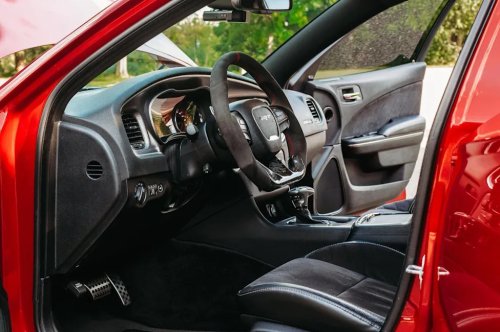
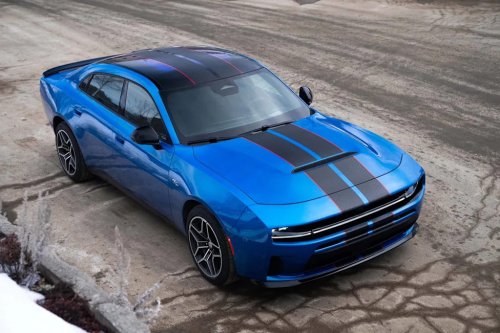
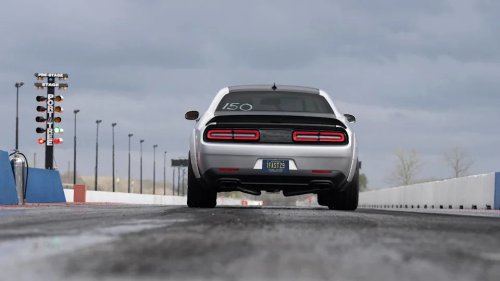
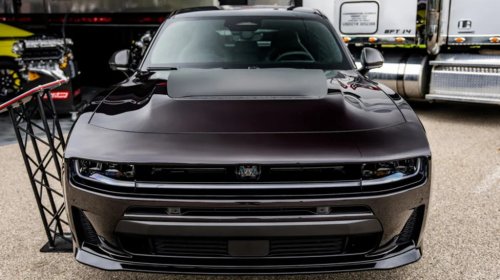
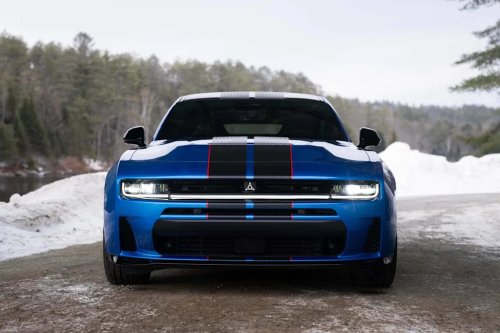
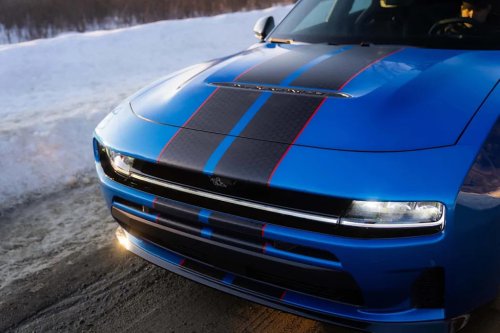
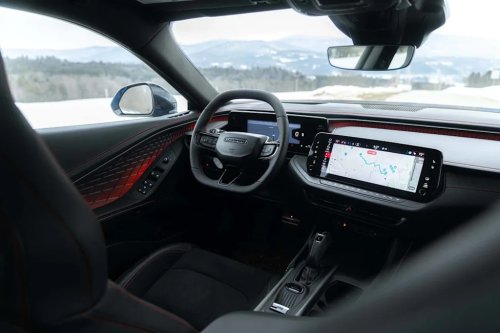
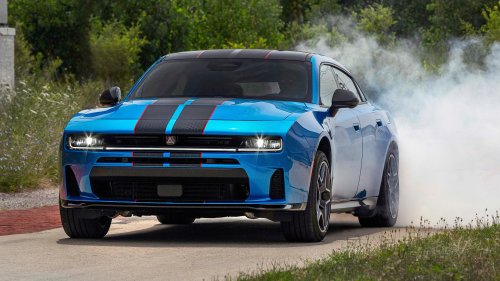
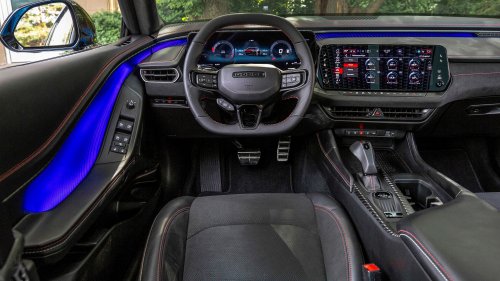
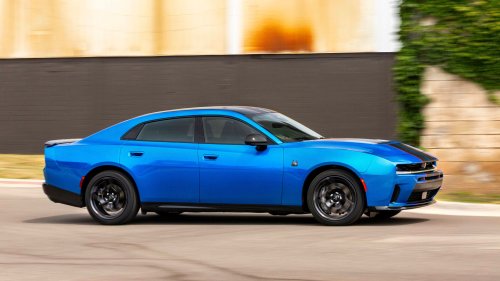
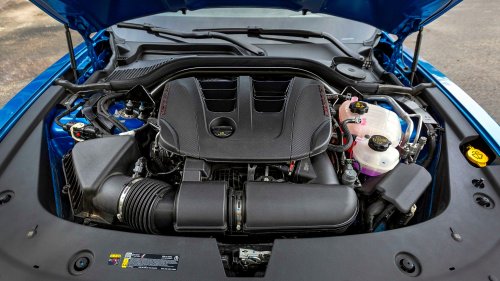
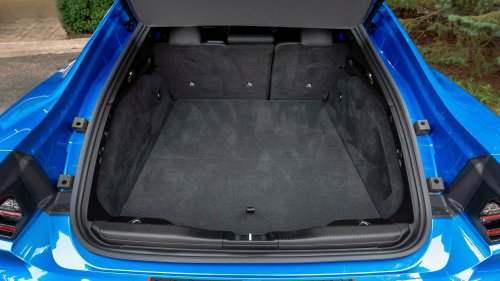
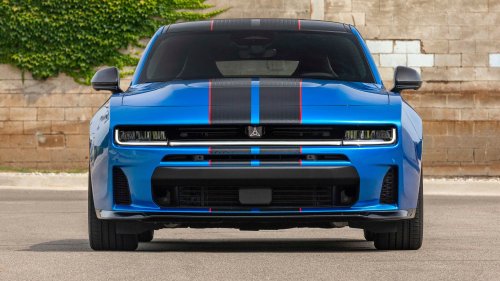
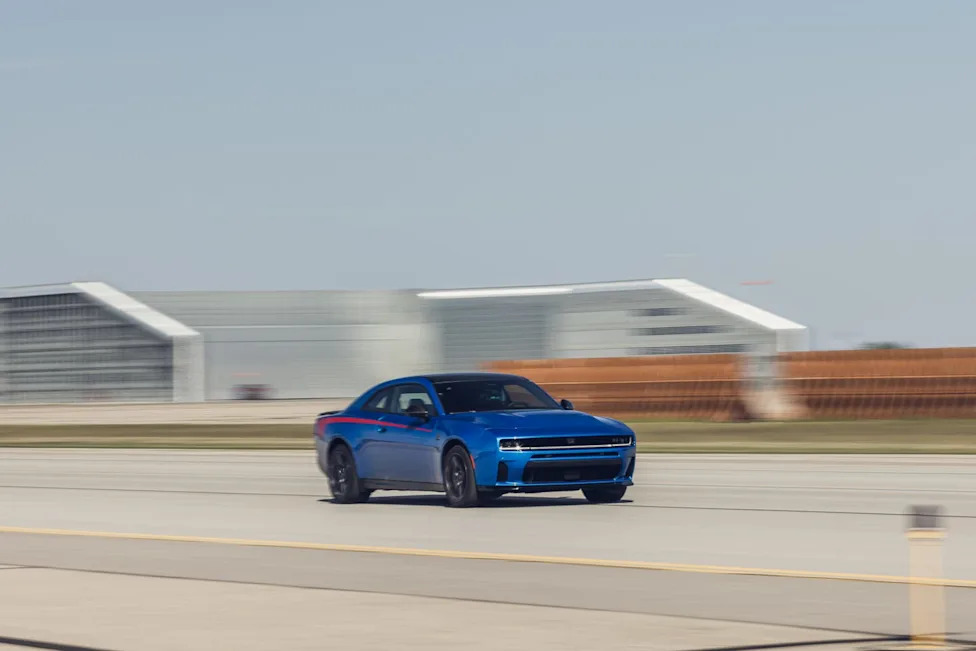
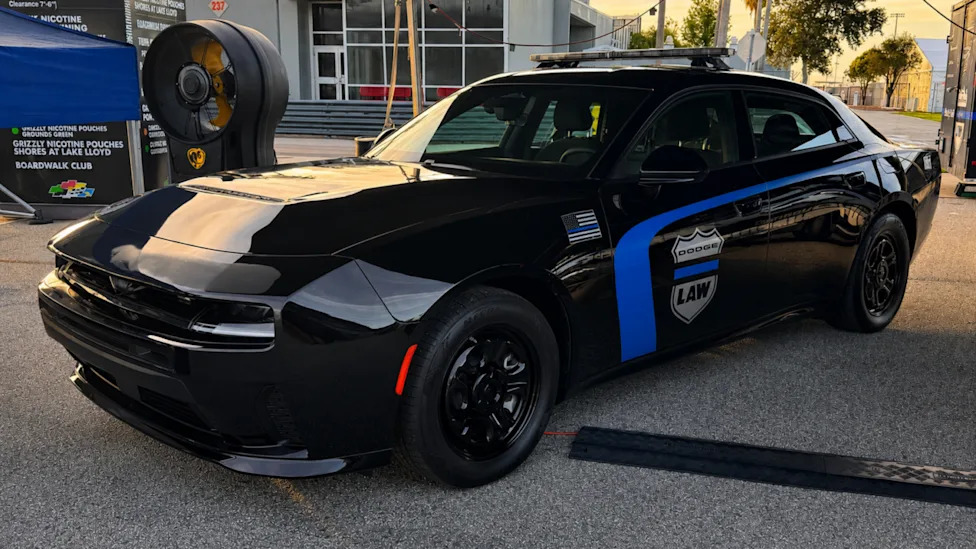
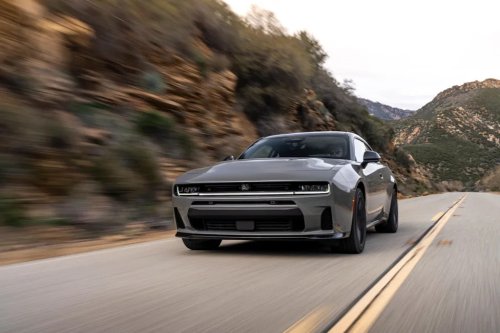
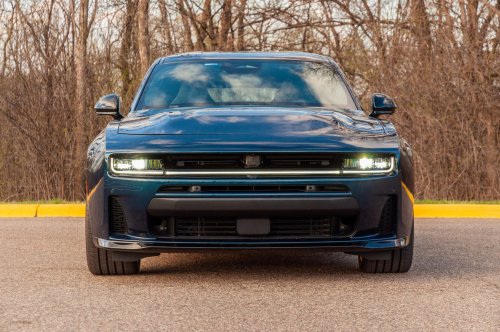
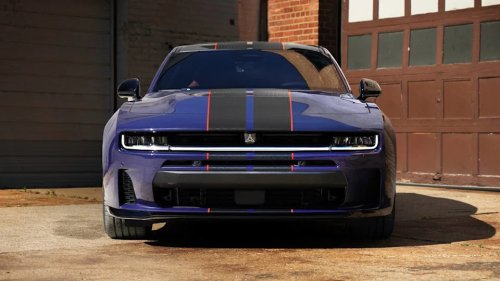
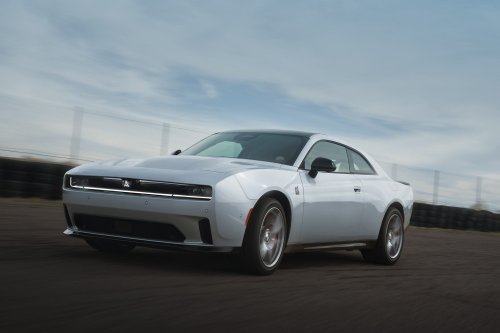
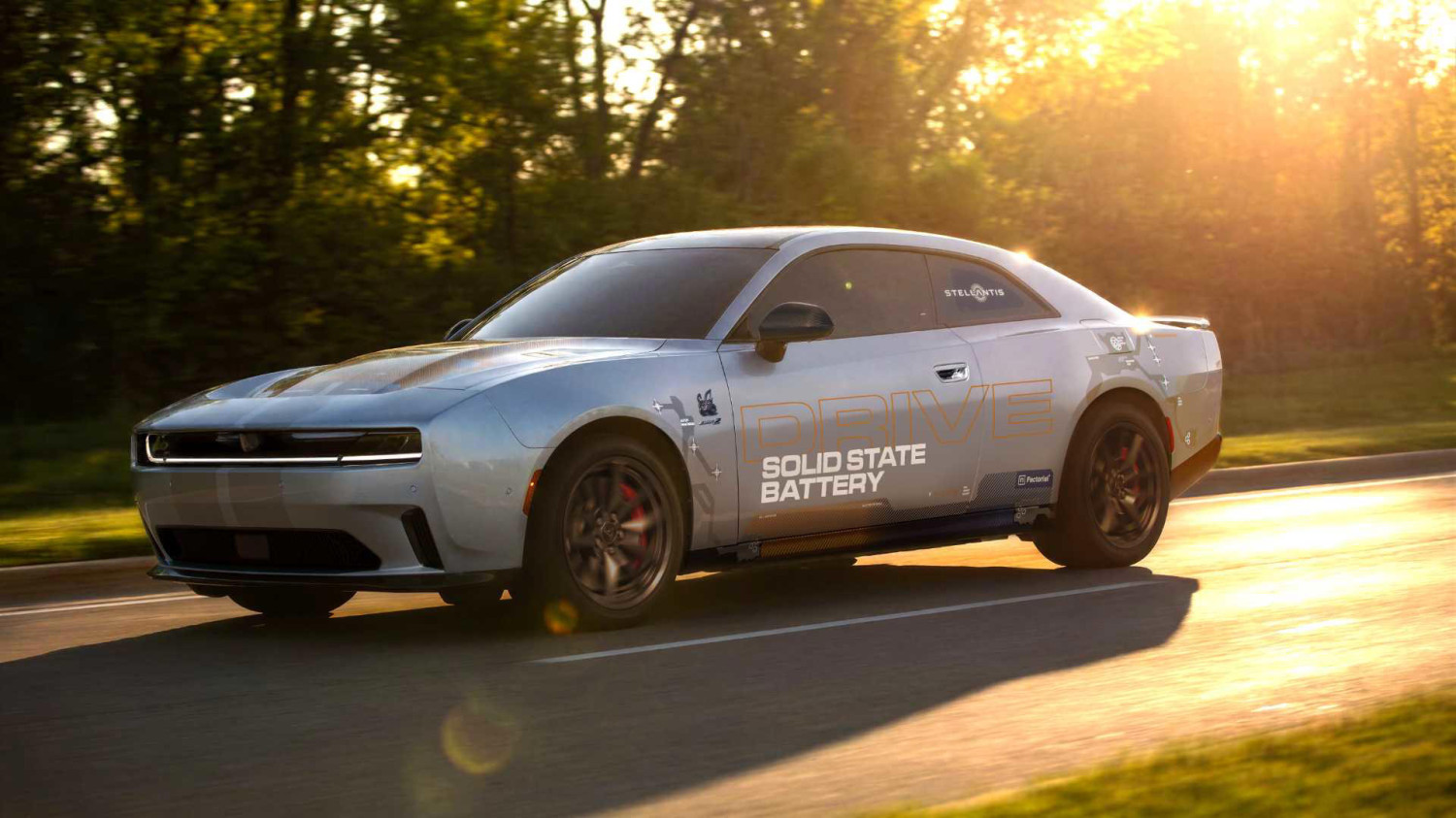
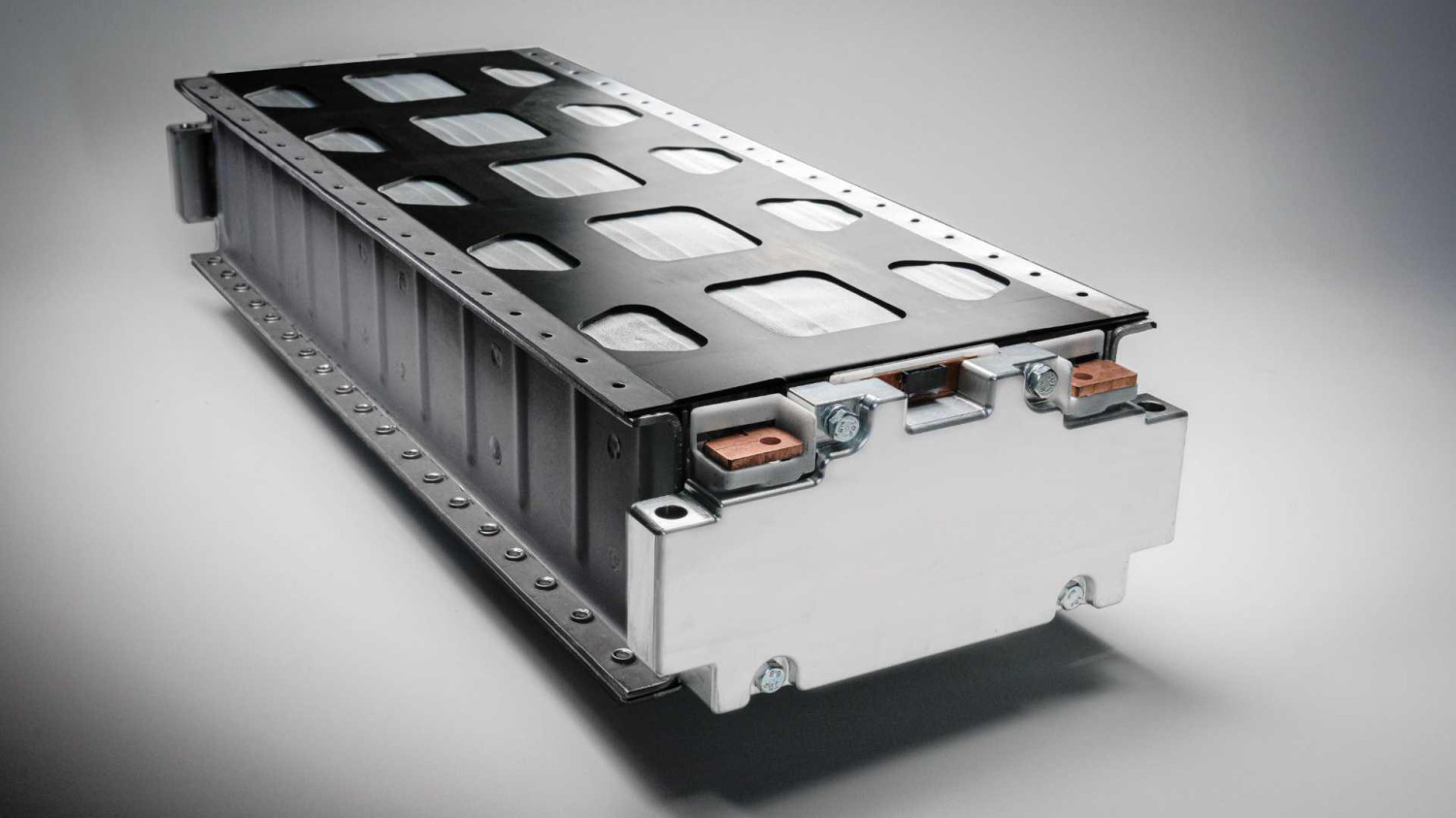
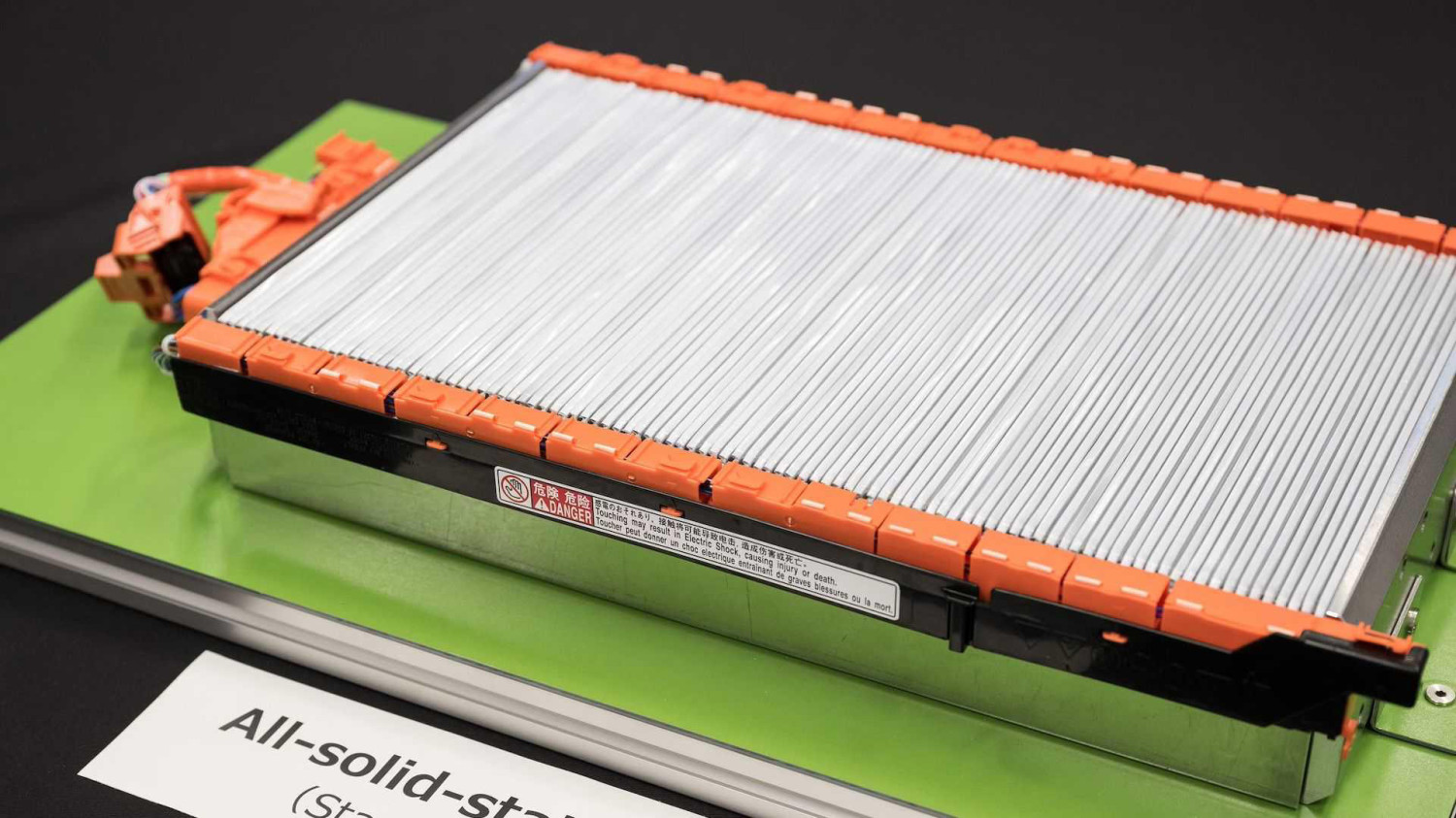
There are certain automotive propulsion technologies that represent an almost holy grail mythos, built with copious amounts of unobtainium, like an internal-combustion engine that runs on tap water. There was a time when hydrogen fuel cells appeared out of reach, too, until Toyota, Honda, and Hyundai figured out how to bring them to mass market, sort of.Both General Motors and Stellantis officially canceled their fuel-cell programs last year. If the running joke about hydrogen was that fuel-cell cars were always 10 years in the future, then it could be said that EVs powered by next-generation solid-state batteries have always been five years in the future. But that future is getting closer.This week, Stellantis announced it is road testing and calibrating an all-electric Dodge Charger Daytona development vehicle equipped with advanced solid-state battery cells developed by partner Factorial Energy, based in Woburn, Massachusetts. The two companies say this is the first time Factorial's technology has been integrated into an automotive application in North America. The companies call this milestone "a breakthrough step towards automotive-grade application."StellantisAmong the Detroit Three automakers, Stellantis was the last to launch dedicated, mainstream EVs in the US (by several years), but it's actually ahead of Ford and GM in solid-state EV development. All three Detroit OEMs have different partners for solid-state batteries, but Stellantis has a much more global presence, and its work with Factorial is not just limited to the Charger Daytona in the US. Testing On The Way To Scale Production The global Stellantis battery research team engineered this development vehicle and will be involved in testing, along with Factorial engineers, Stellantis spokesperson Sam Krahn told CarBuzz via email.While traditional lithium-ion batteries rely on a liquid electrolyte, solid-state batteries replace that liquid with a solid material (like ceramics or polymers) while the underlying electrochemistry remains largely unchanged.StellantisThis round of testing is intended to prove out Factorial’s FEST (Factorial Electrolyte System Technology) and to bring solid-state batteries closer to consumers as a way to reduce the price of battery-electric vehicles, said Ned Curic, Stellantis Chief Engineering and Technology Officer. Plus, Factorial's technology is compatible with existing lithium-ion manufacturing processes, which provides a path to scale up production, he said.“We need a system that delivers real benefits in a real vehicle,”–Ned Curic, Stellantis Chief Engineering and Technology OfficerThis week's announcement does not specify when Stellantis will be ready to roll out solid-state batteries in production EVs, but the automaker has talked about a full-volume commercial rollout between 2028 and 2032. Working with Mercedes-Benz, Factorial equipped a solid-state battery in a modified EQS sedan that drove 749 miles from Germany to Sweden on a single charge. A Big Boost To Energy Density That's the kind of high-impact technology achievement that Stellantis hopes to demonstrate with its Charger Daytona in verifying the performance, safety, and reliability of Factorial’s FEST (Factorial Electrolyte System Technology) in real-world driving and charging conditions. Stellantis and Factorial have been working together for nearly five years, and last year they demonstrated FEST cells' ability to charge ultra-fast, from 15% to 90% in just 18 minutes, with robust reliability from -30°C to 45°C.And while energy density for modern lithium-ion EV batteries range from 150 to 280 watt-hours per kilogram, Stellantis and Factorial report FEST has energy density of 375 Wh/kg, virtually ensuring longer range.Toyota The new battery cells were installed into the existing Charger Daytona battery pack using a patented new mechanical architecture designed by Stellantis and with adapted control systems. "This milestone doesn't just validate FEST," said Siyu Huang, CEO of Factorial. "It sets a new bar for what automotive-grade solid-state batteries can deliver and supports the development of future vehicles designed to meet the evolving needs of drivers." CarBuzz Insight – Why This Matters: After management turmoil at Stellantis, it appears a new regime is eager once again to show the automaker's innovative side, and its global footprint gives Stellantis a distinct advantage over Ford and GM, which are not well positioned to sell high-volume EVs in Europe. Together, Stellantis and Factorial are in the thick of the race to be first with solid-state batteries that could give a massive boost to the EV market, especially in the US.Why? Because solid-state batteries can be much thinner than standard lithium-ion batteries and store energy in a small footprint. So solid-state batteries can be 50% lighter, and they don't require heavy casings and separators to hold liquid electrolytes. That means more flexibility in packaging, too. Solid-state batteries are highly stable, which makes them safer in crashes, and the solid electrolytes permit ions to move much more freely, potentially reducing charging times to a few minutes. If solid-state batteries are truly the quantum leap for EVs that automakers need, then Stellantis is on the right path.



















 +12 others