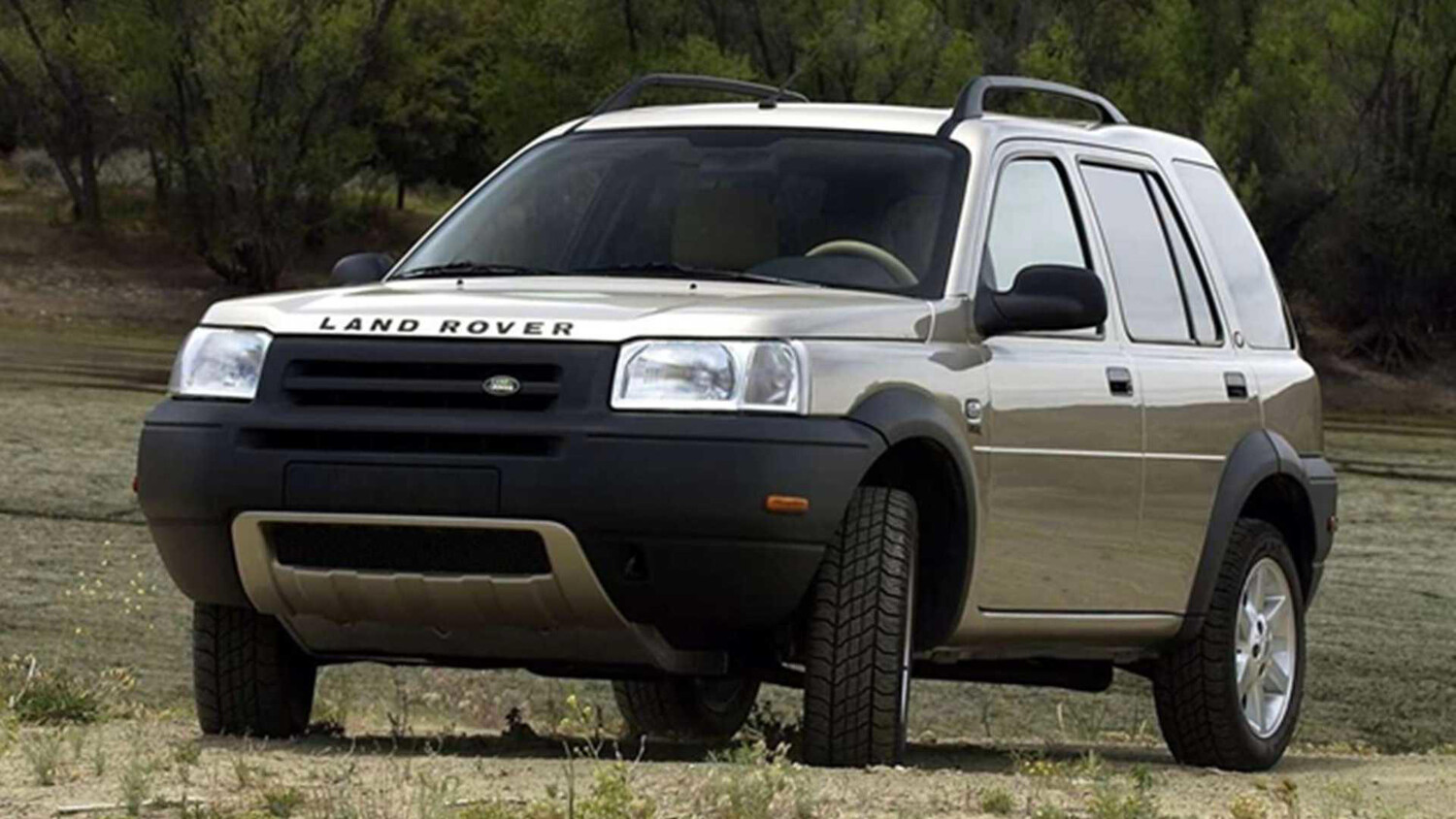
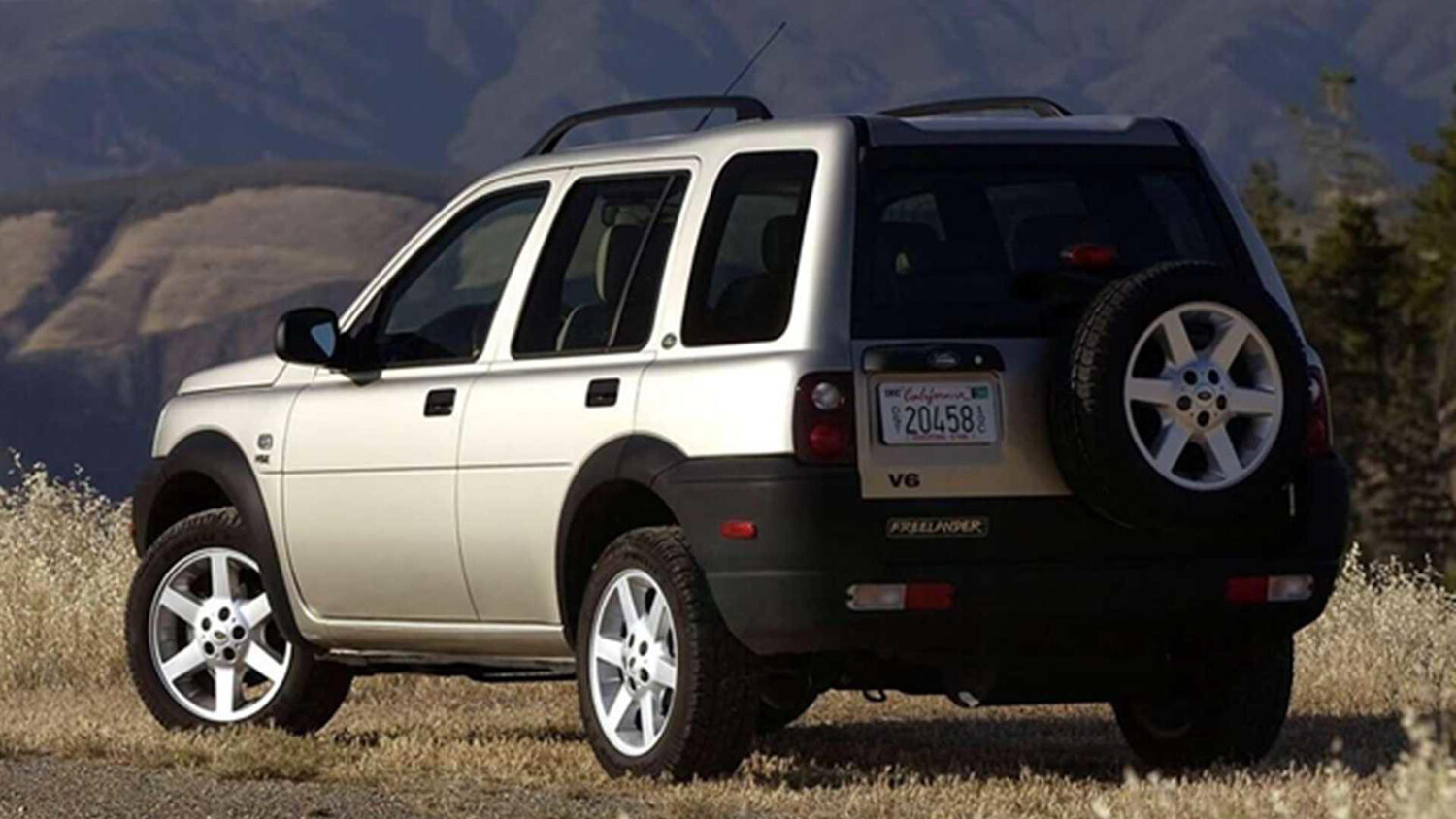
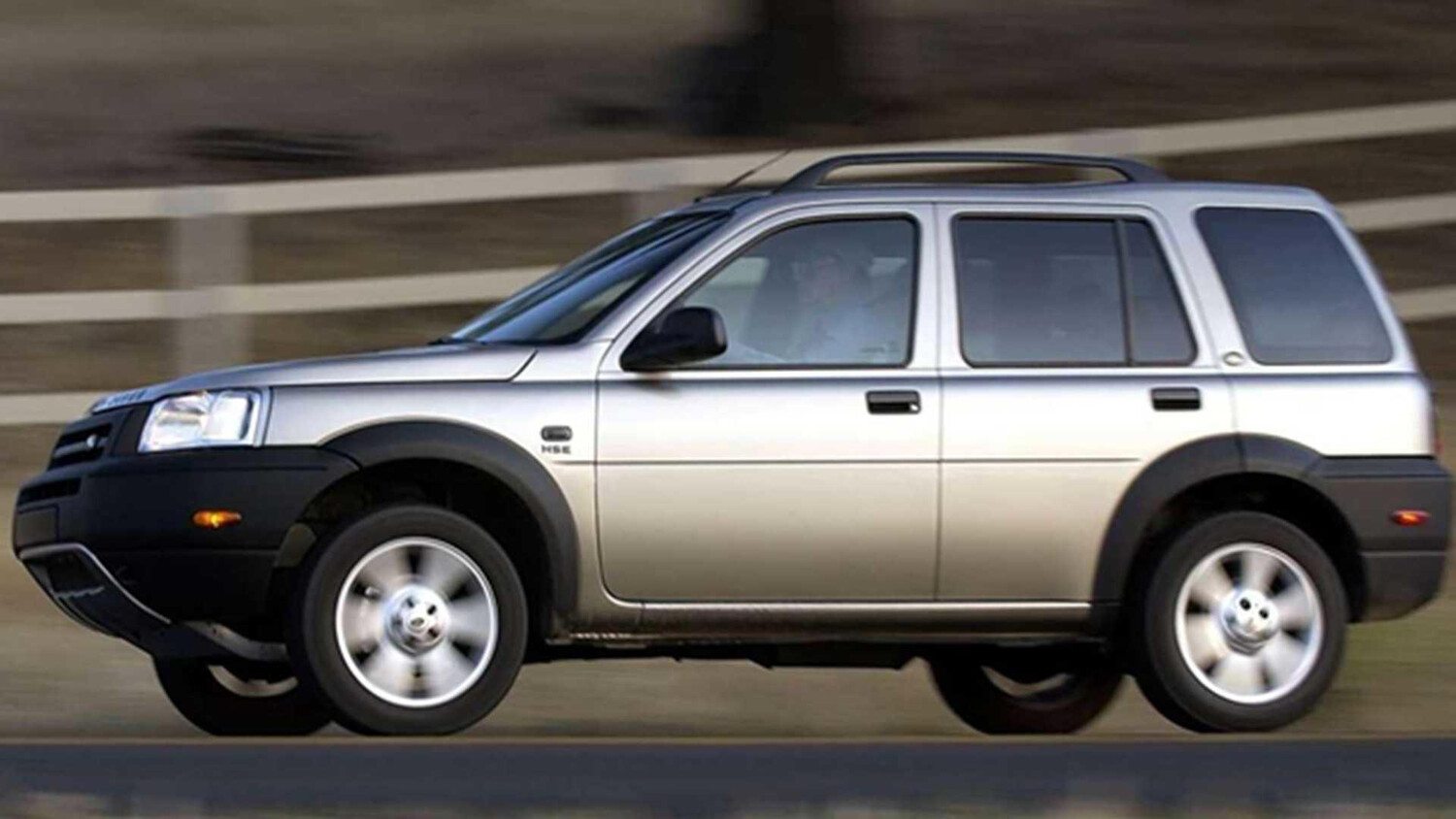
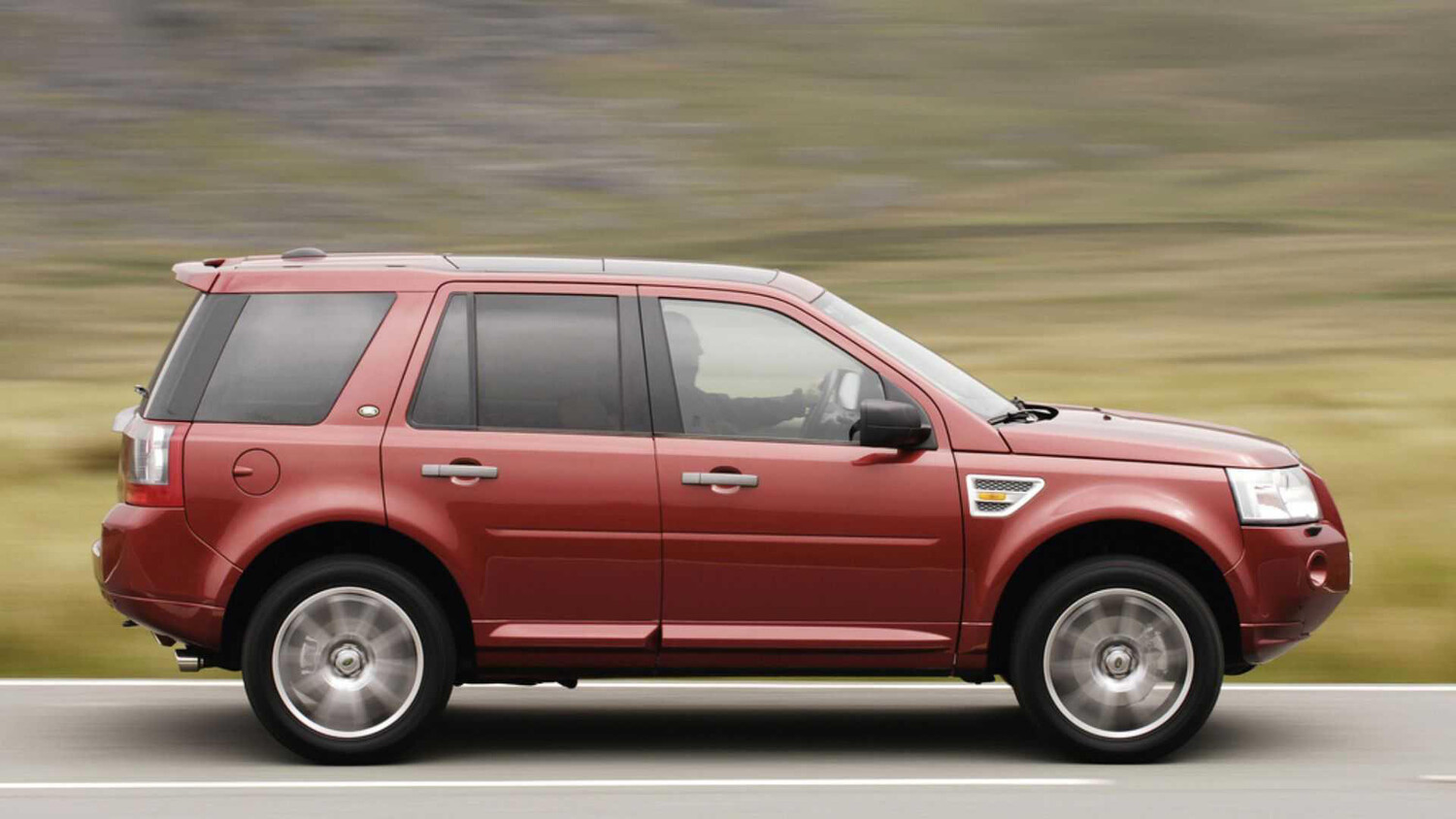
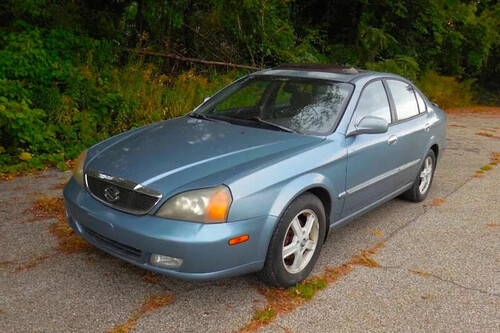
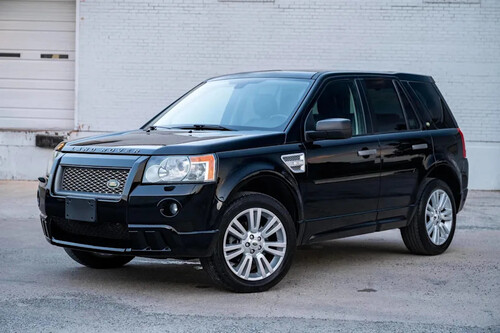
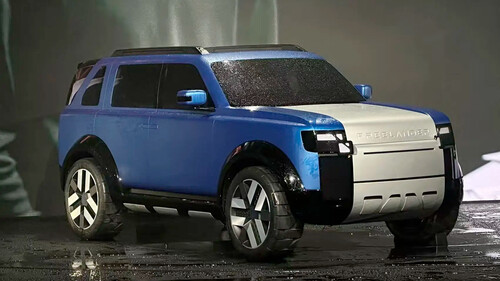
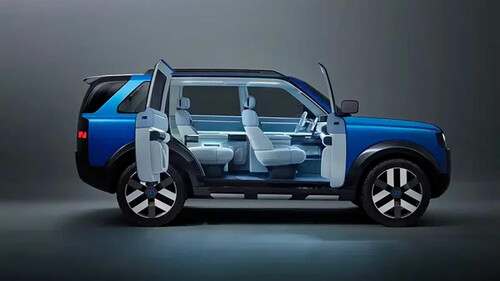
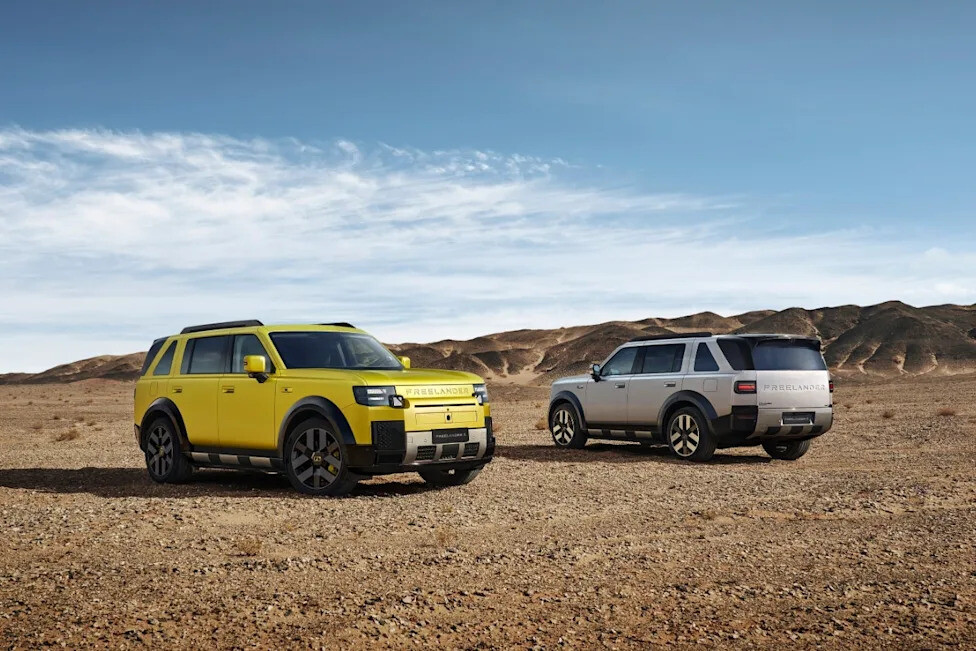
Over the course of its long history, Land Rover has produced several models that have become household names, such as the Defender and the Range Rover. These vehicles have become highly popular both with off-roading enthusiasts and with everyday drivers, selling hundreds of thousands of units over the years.There is, however, one model produced by Land Rover that did not achieve quite the same level of fame or popularity, at least not in the US. The Freelander, a compact SUV introduced around the turn of the millennium, struggled with reliability issues during its first generation, and is fairly rare in the States due to the low number of units sold. As the Freelander name gets revived for a different purpose, we take a look back at the first-gen model and what you can expect if you’re looking to buy one today. The First-Generation Freelander: An Overview Land RoverTowards the end of the 1980s, the Rover Group (which included the Land Rover brand) was acquired by British Aerospace, an aircraft and defense systems manufacturer. Thanks to the change in ownership and the resulting increase in funding, Land Rover was able to start pursuing new projects, one of them being the creation of a more compact model.Land Rover’s offering at the time consisted of the rugged Defender, better suited to off-road use, and larger and more luxurious models like the Discovery and Range Rover. There was a space in the lineup for something smaller, more affordable, and suitable for everyday driving. Work began on designing a new model: the Freelander, which still had some off-roading capability but had a unibody construction rather than a body-on-frame foundation. This optimized its handling for driving on the road, rather than venturing off the beaten track.Land Rover During this period of time, the Rover Group had gone through yet another change of ownership. BMW had acquired the group in 1994, which meant the construction of the new model took place locally in the UK, rather than being contracted out to an external firm abroad as originally planned.The Freelander finally hit the market in 1998. It quickly gained popularity, becoming the bestselling 4WD model in Europe (a position it continued to hold for five years straight). However, it wasn’t until the 2002 model year that the model was also brought to the North American market.The American version of the Freelander was powered exclusively by one of the four engines found in the model’s global lineup: the Rover KV6, a 2.5-liter V6 which produced 174 horsepower and 177 pound feet of torque. The engine was paired with a five-speed automatic transmission (while elsewhere in the world, a five-speed manual was also available).However, the American Freelander soon gained a reputation for very poor reliability, with the Rover KV6 engine being one of the chief culprits due to cylinder liners coming loose. Transmission failure and problems with the Viscous Coupling Unit (which connected the front and rear axles) were also a frequent complaint.The model spent just four years on the market, during which owners successfully launched a class-action lawsuit and either had their vehicles repurchased or had repair costs covered by Land Rover. Eventually, the Freelander was pulled out of North America after the 2005 model year; a year later, the model was replaced with a second generation. Buying A First-Gen Freelander On The Used Market: Prices, Reliability, Maintenance Land Rover If you’re looking at buying a used Freelander today, you can expect prices ranging between around $7,000 and $12,000, depending on factors such as mileage, age, and overall condition. Since not many examples of the first-gen Freelander were sold in the US in the first place, vehicles currently available on the used market are few and far between.However, despite the initial cost being friendly to smaller budgets, you will have to keep in mind this model’s reputation for poor reliability: it would be a wise decision to set aside some money for unexpected (or expected) repairs. We have taken a look at the first-gen Freelander’s reliability record through complaints, recalls, and average maintenance expenses, in order to give you a more complete picture of what the ownership experience is like.The 2002 model year, which saw 15,021 units being sold, was the subject of 226 NHTSA complaints, with engine and transmission problems being the biggest culprits. The following year sales plummeted to 6,618 units, largely due to the model’s poor reputation. This time 140 complaints were filed, with the fuel system also being recorded as a common source of issues. For the 2004 model year, which saw 5,430 units being sold, customers filed 69 complaints.Engine problems were still at the top of the list, with cooling system issues joining the growing list of problem areas. The last model year for the first-gen Freelander in North America was 2005, when only 2,141 units were sold. This time, 16 complaints were filed, largely regarding the same issues that had cropped up in previous years.Land Rover The model has also been the subject of seven recalls during its brief time on the US market, regarding a variety of areas such as child locks, airbags, brake lights, impact safety, and a potentially cracked or deformed subframe.According to RepairPal, the average annual cost of maintaining and repairing a Freelander is $719. The list of common issues is a long one, with a variety of components (from the transmission to the battery to the windows) being mentioned as potential sources of trouble. The first-gen Freelander was far from reliable even when new, but now that even the youngest examples are over two decades old, you are almost certainly going to run into a hefty repair bill in the near future, should you choose to add one to your garage. The Second Generation Abandons The Freelander Name To Try And Save Its Reputation Land RoverA second generation of the Freelander arrived for the 2007 model year. This model was built on a Ford platform and marketed under two different names: in Europe it was still known as the Freelander, while in the Middle East and North America (where it went on sale for the 2007 model year) it was sold as the LR2. This change in name came about because the new generation of the Discovery was being marketed as the LR3, but also because the Freelander name was now irreparably associated with poor reliability in the eyes of American consumers.Land Rover The Rover V6 engine that had caused so much trouble with the first generation was gone from the lineup. Instead, the new Freelander was powered by a lineup of three engines (two gas-powered and one diesel), only one of which was available in North America. This engine was a Volvo-sourced 3.2-liter inline-six, which produced 230 hp. It was paired with a six-speed automatic transmission which sent power to all four wheels.The new Freelander stuck around a little longer than its predecessor, being discontinued after the 2015 model year. After its exit from the market, the Freelander name was not used for over a decade, until it returned to the spotlight in a very different way. The Freelander Name Returns Years Later... With A New Brand Chery-JLR Land Rover’s joint venture with Chinese automaker Chery has recently produced a new brand that carries the Freelander name. A few weeks ago, the brand introduced its first concept vehicle: the all-electric Freelander 97. Its name is a nod to the original Freelander, which was unveiled in 1997. This concept SUV has a boxy shape that evokes previous Land Rover models (including both the previous Freelander and the Defender), putting a futuristic twist on classic design elements.While Land Rover has had the most influence on the vehicle’s design, the mechanical and tech aspect is entirely covered by Chery: the Freelander 97 is built on a Chery platform. The model is equipped with an 800V electric powertrain, although no further details are known about it at this time.Chery-JLR The Freelander 97 has rear-hinged rear doors, and a spacious interior with three rows of seating (the third being a bench seat). It is equipped with an advanced driver assistance suite, courtesy of Huawei. The cabin is dominated by a large infotainment touchscreen, in line with the vehicle’s modern, high-tech character.The concept vehicle, which will likely undergo a name change before it reaches the production line, is unlikely to reach the US market anytime soon. It will, however, effectively serve the purpose of replacing Jaguar Land Rover’s models on the Chinese market, as the brand ceased to operate in China last year.Sources: Land Rover, NHTSA, CarComplaints, RepairPal