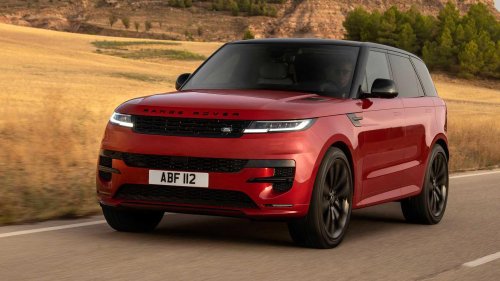
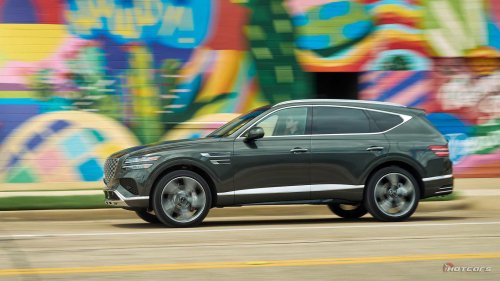
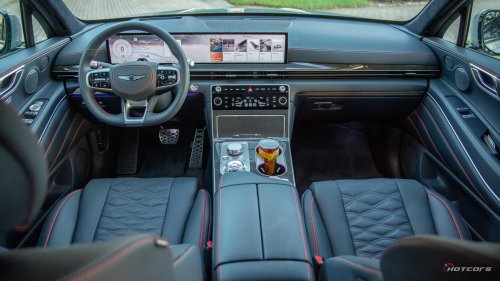
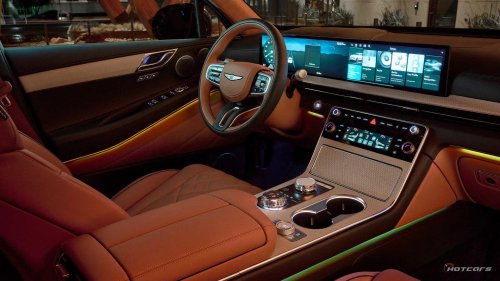
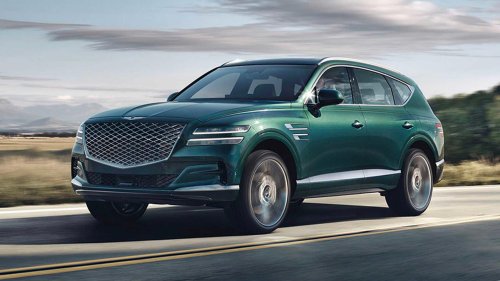
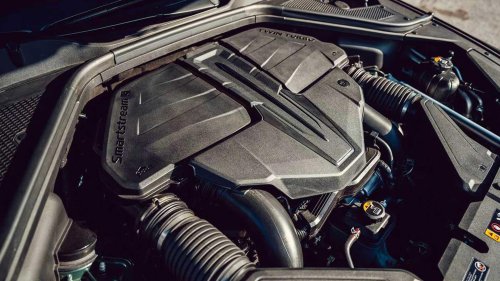
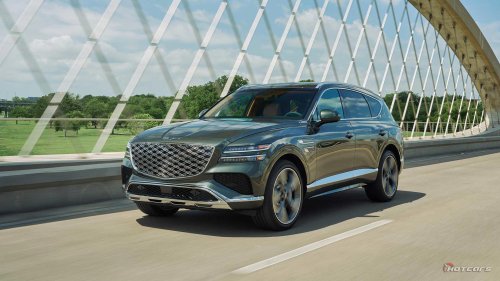
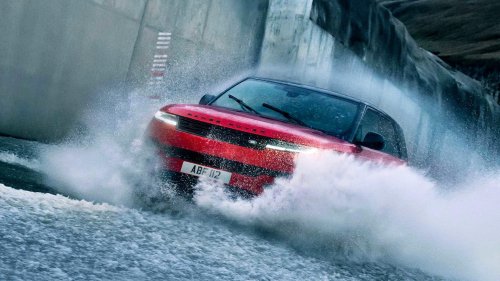
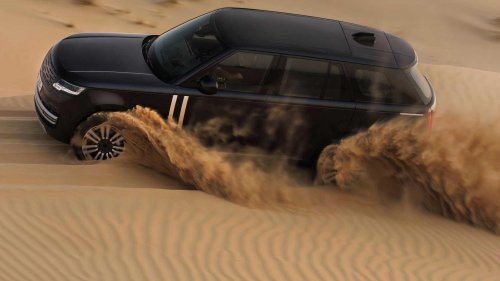
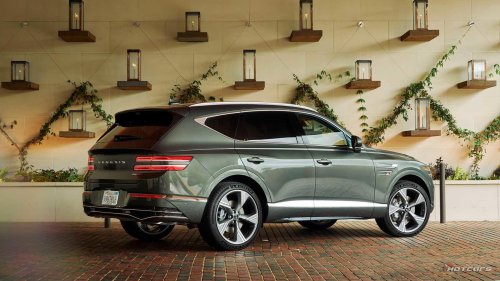
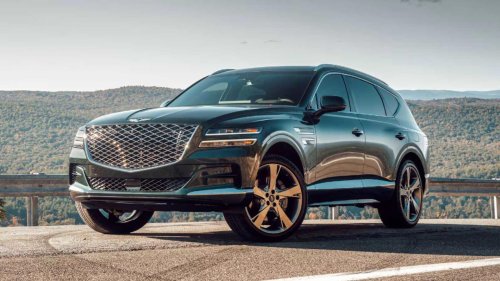
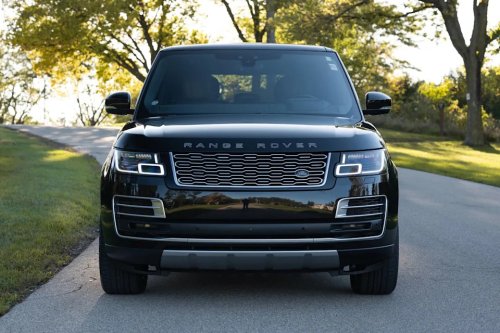
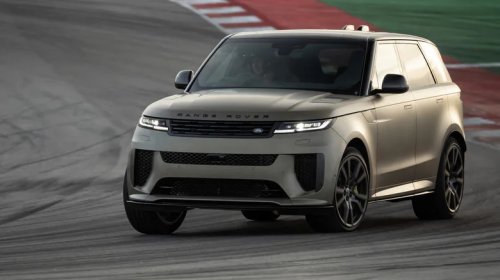
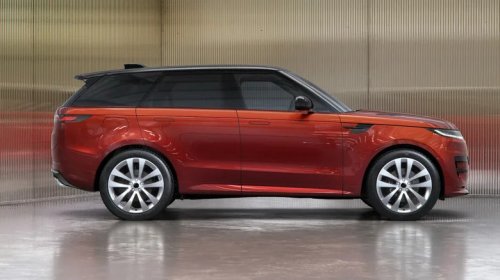
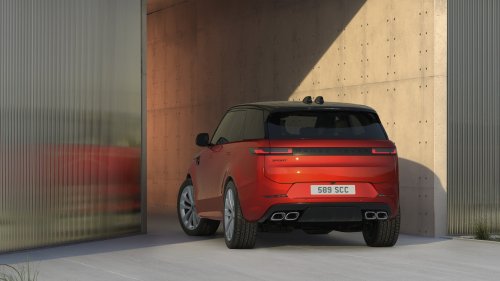
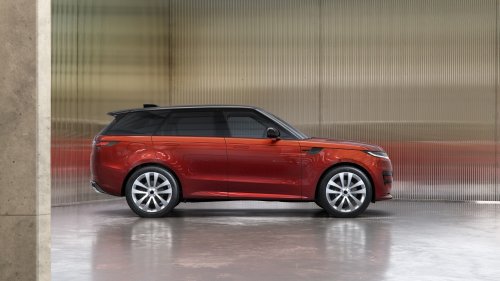
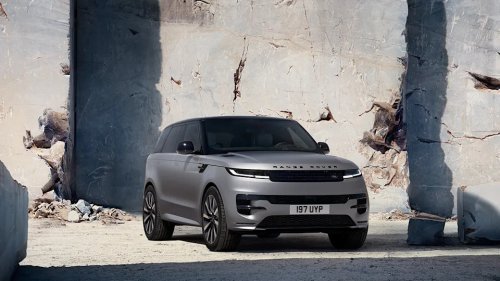
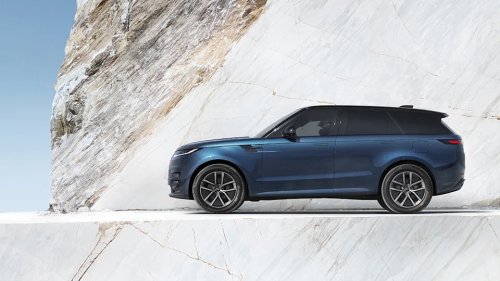
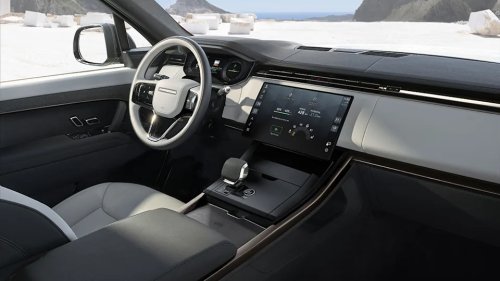
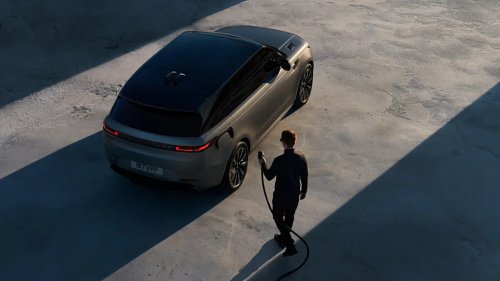
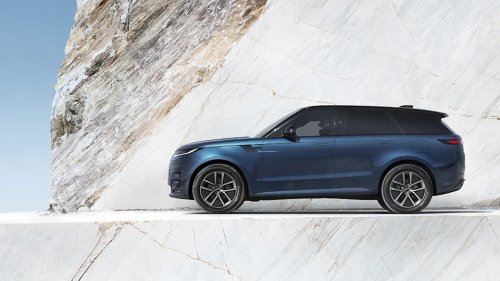
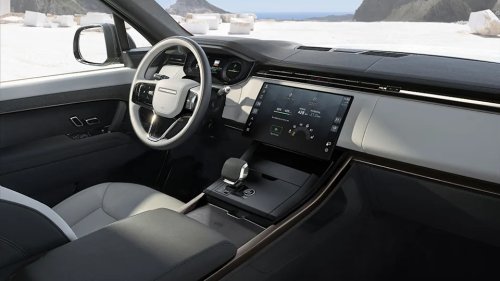
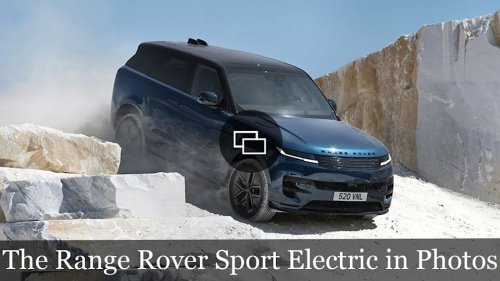
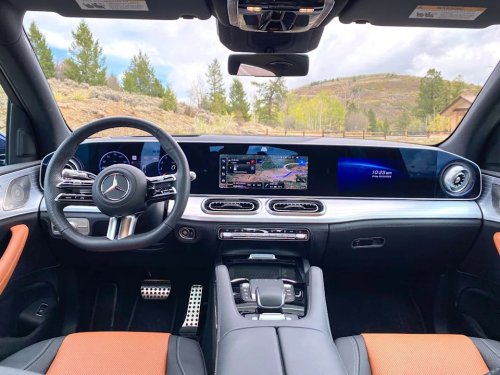
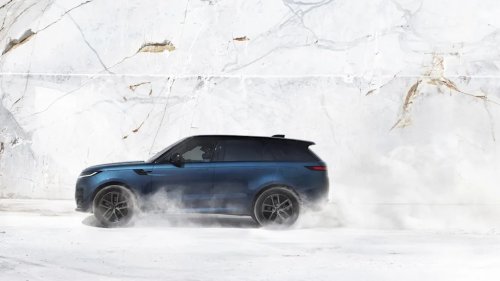
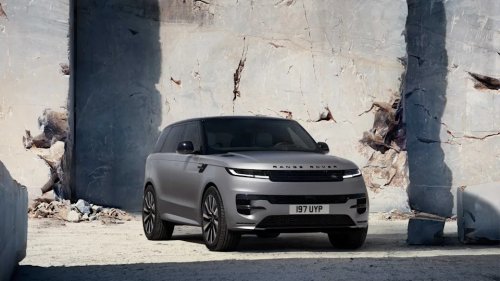
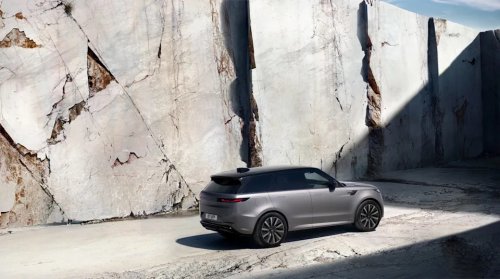
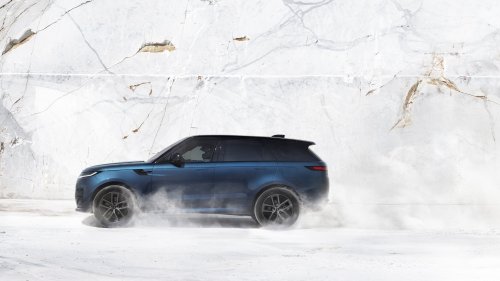
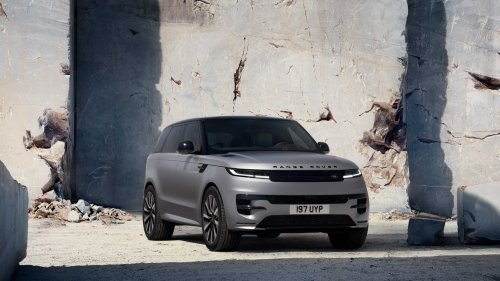
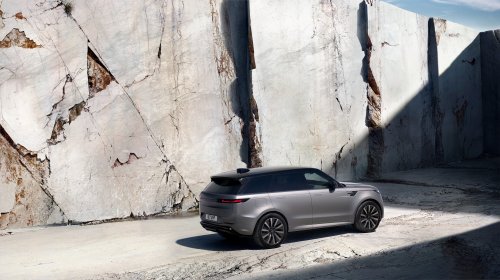
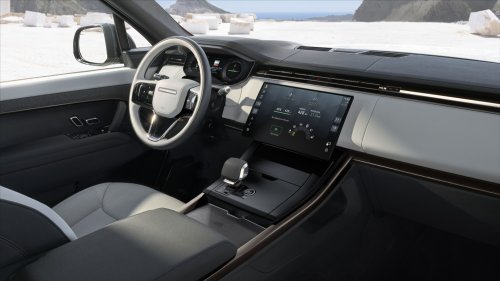
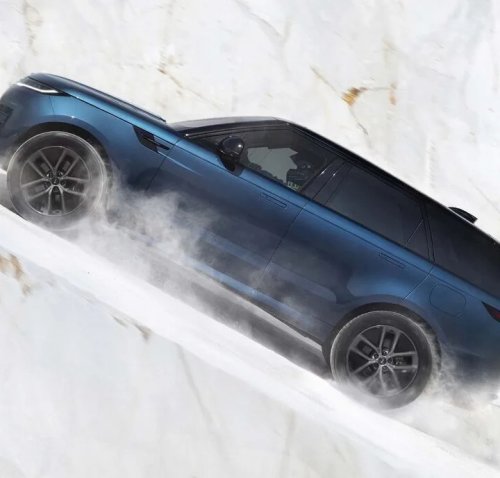
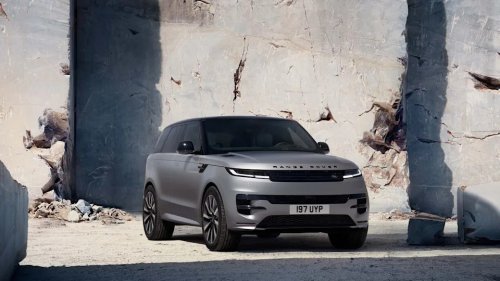
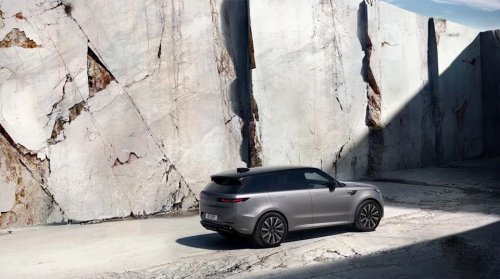
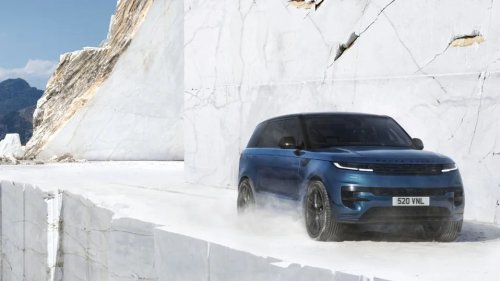
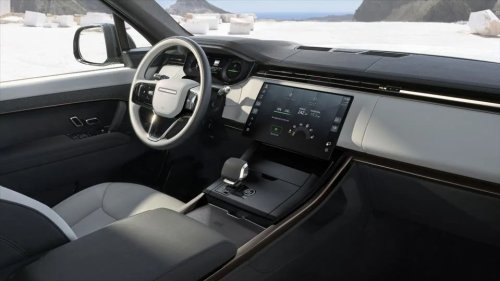
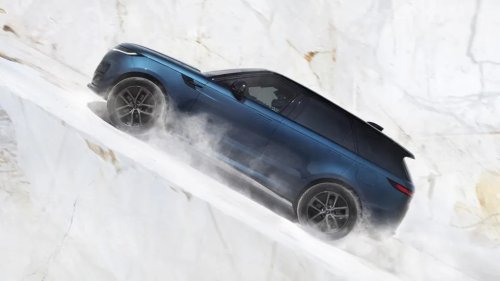
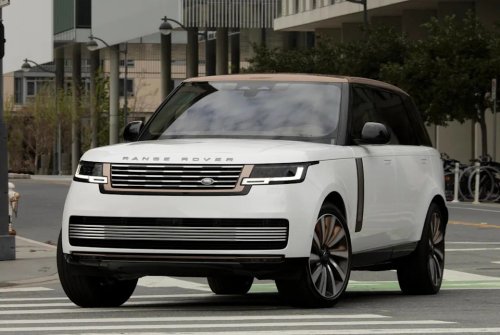
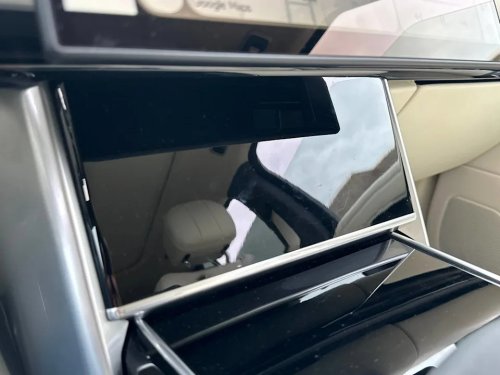
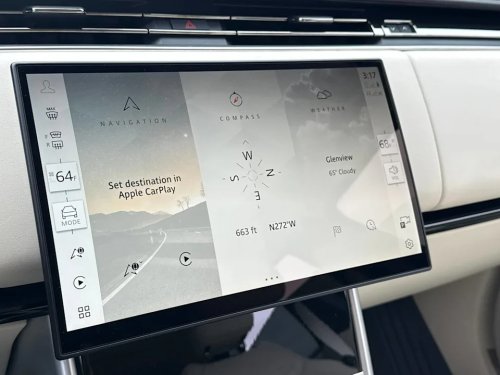
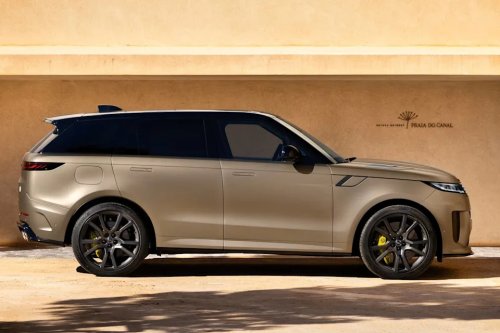
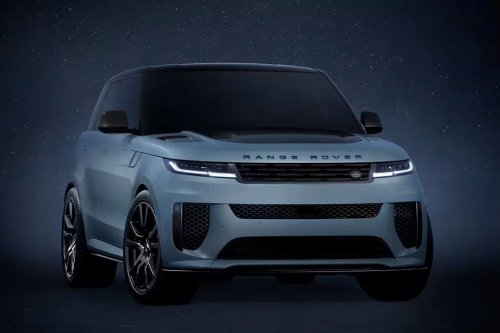
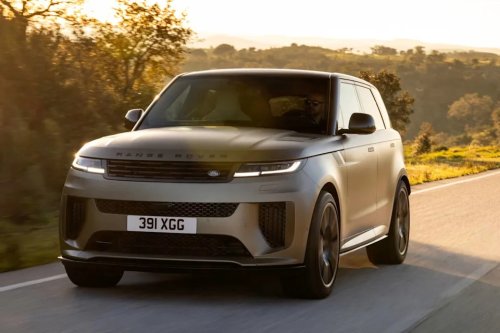
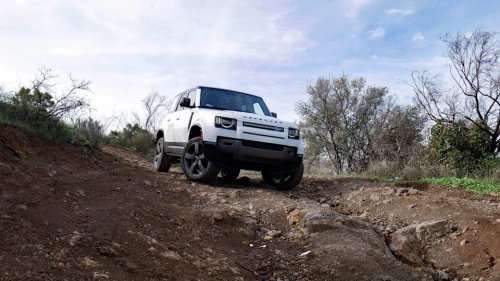
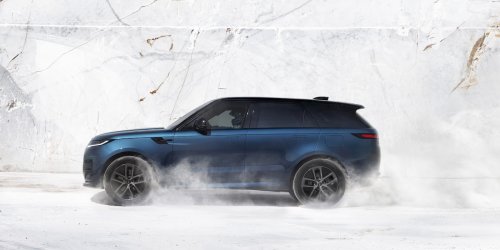
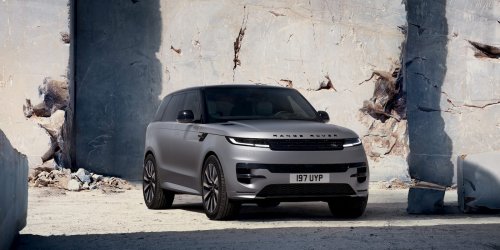
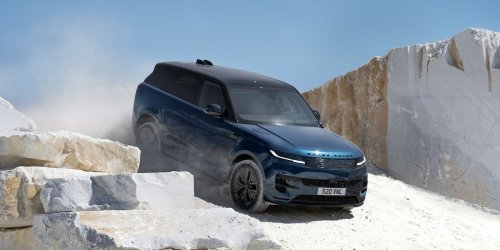
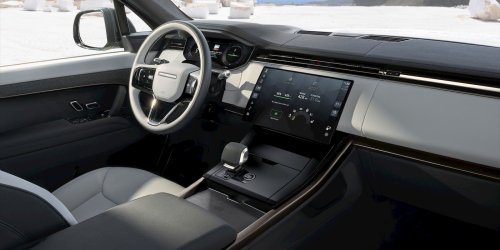
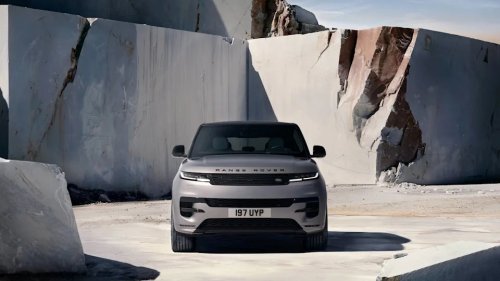
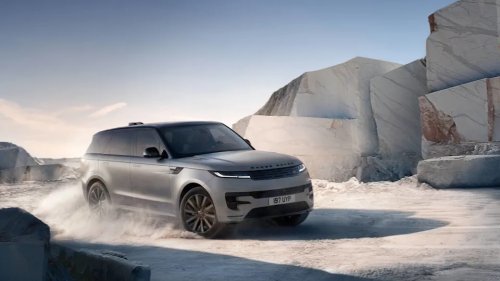
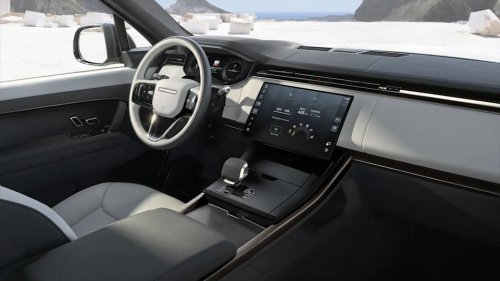
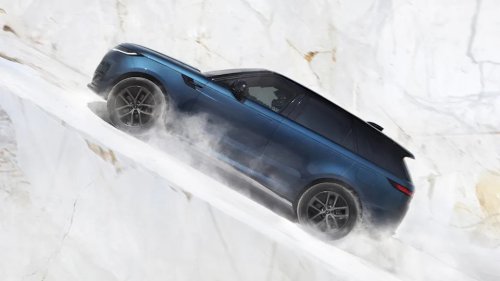
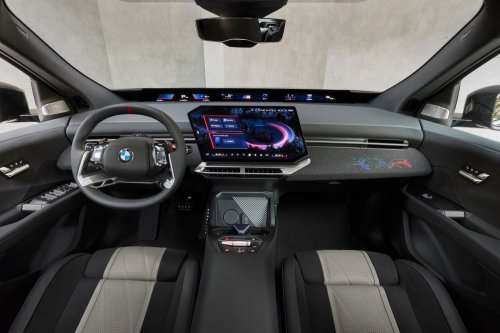
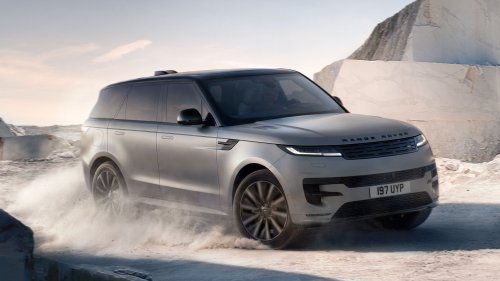
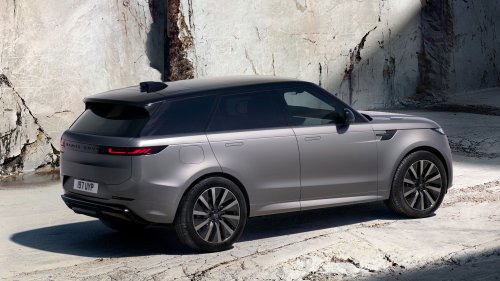
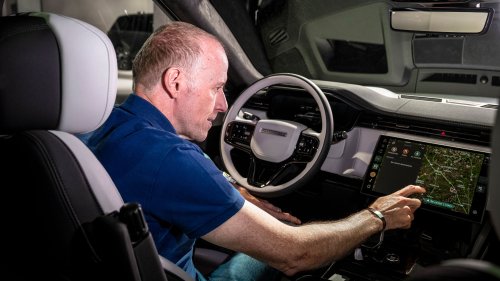
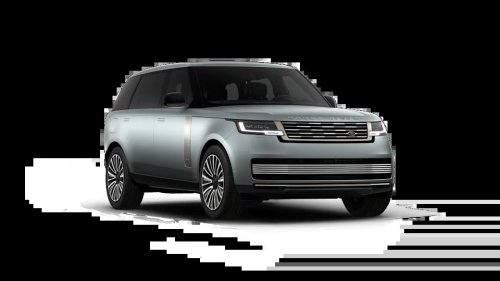
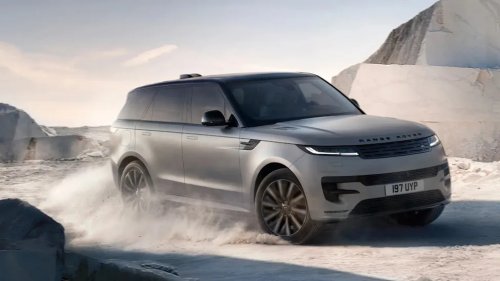
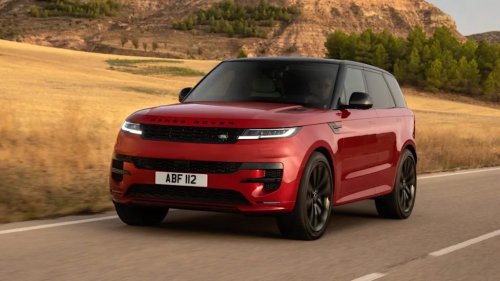
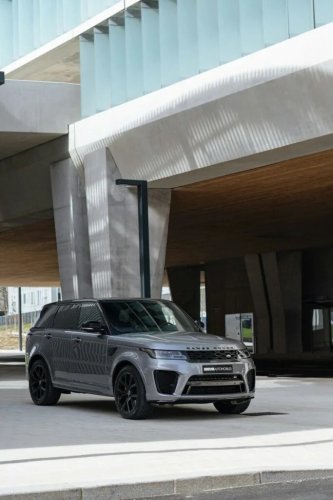
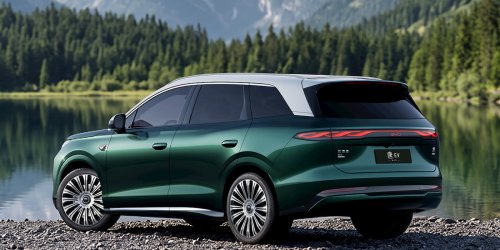
There are very few cars in the world that carry the cultural weight of a Range Rover, Land Rover's flagship luxury line of SUVs. The silhouette alone, that squared-off roofline, the distinctive clamshell hood, announces the moment it pulls onto Rodeo Drive or sits outside a school gate. It says money, taste, and a certain kind of effortless success that most luxury sedans cannot match.The quiet truth, though, is that most Range Rovers sold today never see anything more challenging than a wet highway or a gravel driveway. The off-road capability that built the legend over five decades is mostly theoretical for the typical buyer in 2025. What they're actually paying for is the cabin, the presence, and the badge.That raises a fair question: if the luxury experience is really what you're after, does the Range Rover still make the most financial sense? Because there's another SUV out there that delivers everything a Range Rover promises on the road but also aims to remove the financial anxiety that comes with owning one. What Range Rover Ownership Actually Costs Over Five Years Land Rover The Range Rover has always been expensive to buy. What surprises most new owners is how expensive it is to keep. Depreciation alone on a 2024 Range Rover is projected to reach $72,189 over five years, averaging around $14,437 every single year, with the steepest losses hitting in the first two to three years of ownership, according to Kelley Blue Book.Real-world data reveals that a 2024 Range Rover P530 Autobiography LWB that had covered fewer than 5,000 miles lost $56,520 in value in just one year, enough to buy a brand-new base Land Rover Defender. The car had barely been broken in.Reliability compounds the problem. RepairPal gives Land Rover a poor reliability rating of 2 out of 5, with average annual repair costs running around $1,258. Land Rover as a brand finishes 27th out of 31 manufacturers in What Car?'s reliability rankings. A number that tends to surprise people who associate the badge with British engineering precision.Claire-Kaoru Sakai, Ayesh Seneviratne Even routine maintenance hits harder than most buyers expect. An oil change at a Land Rover dealership runs $300 to $350. The standard B service (a regular interval visit) regularly costs owners around $1,000. Five-year maintenance costs on the 2024 Range Rover run approximately $9,353, according to KBB, and insuring one adds around $22,725 per year on top of that.The air suspension is standard on every Range Rover Sport, and it is the single most expensive component likely to fail. Replacing one air spring runs over $1,700; the compressor replacement comes in at $2,086 to $2,172. If the whole system goes, you're looking at a bill that can climb past $4,000 at an independent shop, and dealership rates run higher still.None of that includes the depreciation that's already baked into the car before the first service interval. The sticker price is just the opening chapter of the Range Rover ownership story, which gets progressively more expensive. Genesis GV80 – The SUV Nobody Expected To Challenge The Range Rover Genesis A Korean luxury SUV that arrived in 2021 has spent years quietly dismantling the case to pay the premium for a Range Rover. The Genesis GV80 isn't a compromise vehicle dressed up in luxury packaging. It's a genuinely premium SUV that happens to cost a fraction of what its British rival demands over five years of ownership.A new 2026 GV80 starts at $59,195, with the range-topping trim reaching $84,745. Used 2024 examples are currently available from around $38,900 at dealerships, according to KBB, meaning someone else has already absorbed the early depreciation hit. Kelley Blue Book estimates the all-in five-year cost of owning a 2026 GV80, covering depreciation, insurance, fuel, maintenance, and financing, comes to $90,529, compared to $138,699 for the 2024 Range Rover, or $109,857 for the RR Sport over the same period. That's a substantial gap before you factor in the real-world difference a decade-long powertrain warranty makes on unexpected repair exposure.David Alpert / Valnet / HotCars The interior is where the GV80's argument becomes impossible to dismiss. The cabin features available quilted Nappa leather surfaces like a Bentley. The kind that requires minimal processing to preserve the natural texture of the hide, along with ambient lighting, heated and ventilated seats across all three rows, a panoramic sunroof, and a 27-inch OLED display that sweeps seamlessly from the driver's position across to the center console.Higher trims get a 21-speaker Lexicon premium audio system, and the flagship trim upgrades to a Bang & Olufsen setup with 18 bespoke speakers, complete with aluminum speaker covers designed in Denmark. These aren't features borrowed from a mainstream brand and rebadged upward. They're the kind of specifications you find in cars costing significantly more.Genesis The Mood Curator system lets you dial in the cabin ambiance from a single interface, adjusting lighting, fragrance, and massage settings simultaneously through one of four preset moods. Front seat massage is standard on upper trims, four-zone climate control comes with the package, and the available Ergo Motion seat system adapts the driver's seat in real time based on posture feedback. The Nearly Perfect Luxurious Driving Experience GenesisUnder the hood, the base engine is a 300-horsepower 2.5-liter turbocharged four-cylinder producing 311 lb-ft of torque. Most buyers in this segment will want the optional 3.5-liter twin-turbo V6, which delivers 375 hp and 391 lb-ft of torque through an eight-speed automatic transmission with AWD as standard. In our review, we found the V6 to be a heavily refined unit that's punchy in every driving mode, with turbo lag that's close to nonexistent.On the highway, the GV80 feels most at home. At speed, the ride quality is very good, and the overall feel is genuinely luxurious and comfortable. The electronically controlled suspension does the heavy lifting, smoothing out road imperfections like riding on a magic carpet.The GV80 isn't trying to be a sports car, and it doesn't pretend to be one. Handling is direct without being sharp, and with a curb weight of 5,148 lbs that heaviness is present behind the wheel. The one honest criticism worth flagging is the brakes, which felt soft and spongy — something to be aware of if you prefer a firmer pedal feel. The Warranty That Makes Every Other Luxury Brand Look Stingy Genesis Peace of mind is the truest form of luxury. While most luxury brands offer just enough warranty coverage to last the length of a typical lease, Genesis takes a different approach entirely. The GV80 comes with a 10-year/100,000-mile powertrain warranty (the longest warranty coverage offered by any luxury brand sold in the US), which means the engine, transmission, and drivetrain are protected for a decade from the day you drive it off the lot.The bumper-to-bumper coverage runs five years and 60,000 miles, compared to four years and 50,000 miles on the Range Rover Sport. Genesis's powertrain protection runs six years and 50,000 miles longer than Land Rover's equivalent. That's not a marginal difference. It's the difference between buying with confidence and buying with your fingers crossed.GenesisGenesis also includes three years of complimentary scheduled maintenance as standard, covering oil changes, tire rotations, filters, brake fluid, and inspections. None of that's included in the Range Rover ownership experience. On a car where a single oil change costs $300 to $350, that complimentary coverage is real money.The warranty is a meaningful financial instrument that removes the single largest risk of luxury SUV ownership, unexpected drivetrain costs, for a full decade. Genesis vehicles have historically averaged around $716 per year in maintenance and repair costs adjusted for inflation, compared to an industry average of approximately $891. When you combine that with a lower purchase price and dramatically lower depreciation, the compounding advantage becomes difficult to ignore. The Range Rover Still Does One Thing Better Than Anyone Land RoverThis would not be a fair comparison without acknowledging what the Range Rover actually does well. The Range Rover's off-road engineering is genuinely class-leading. The Range Rover Sport offers seven terrain response modes, 11 inches of ground clearance, and a maximum wading depth of 35 inches. Capabilities the GV80 simply cannot match and was never designed to.If you regularly take your SUV somewhere that requires that kind of hardware, the Range Rover earns its premium, without a shadow of a doubt. The same is true if the badge itself is the point. Land Rover carries five decades of heritage that no amount of value engineering can replicate overnight, and that social perception still means something to many buyers.Land Rover The honest counterpoint is that most Range Rover buyers in 2025 are driving to offices, dropping children off at school, and parallel parking in city centers. The terrain response system never gets used. The wading depth is irrelevant. The off-road pedigree is mostly a story the car tells about itself while sitting on smooth suburban roads. In fact, the Advanced Off-Road Package is actually a $4,750 option on the Range Rover.The GV80 has its own honest weaknesses worth mentioning. Consumer Reports ranked the 2025 model 10th out of 11 luxury SUV rivals for predicted reliability, generally consisting of infotainment electronics generating the most owner complaints. Early model years (2021, 2022, and 2023) ranked last in their segment.The difference is that a GV80 infotainment glitch is covered under a five-year warranty on a car that costs tens of thousands of dollars less to buy. Neither vehicle is perfect, but the GV80's imperfections are considerably cheaper to live with by $50,000 over five years. The Buyer The GV80 Was Made For Genesis The GV80 isn't the right car for every buyer. If the Range Rover badge is genuinely important to you, no comparison is going to change that, and that's perfectly fine.But if you want a legitimate luxury SUV experience, and you care about what ownership actually costs over five years, the GV80 makes a compelling case. The primary buyer here is someone who wants understated, yet distinctive styling, quilted Nappa leather, a refined audio system, a beautifully finished cabin, and the peace of mind of a decade-long powertrain warranty, without the anxiety of owning a vehicle with a reputation for expensive surprises.Hyundai The used market is where the value becomes almost absurd. A 2024 GV80 is currently available from around $38,900 at dealerships, having depreciated roughly 26% from its original MSRP of $58,800. Someone else absorbed that early value loss, and the powertrain warranty still has years of coverage remaining on the clock.The real sweet spot is a certified pre-owned 2022 or 2023 GV80, where the original owner took the depreciation hit, the drivetrain is still protected, and the asking price is well below what a comparable Range Rover Sport would cost in any condition. The Range Rover badge carries a story that goes back decades, and it still means something. But the GV80 has spent five years quietly building an argument that gets harder to dismiss with every passing year. And for most buyers who are honest about how they actually use a luxury SUV, the numbers are not close.Sources: Kelley Blue Book, Repair Pal, CarEdge, Consumer Reports, CarWow