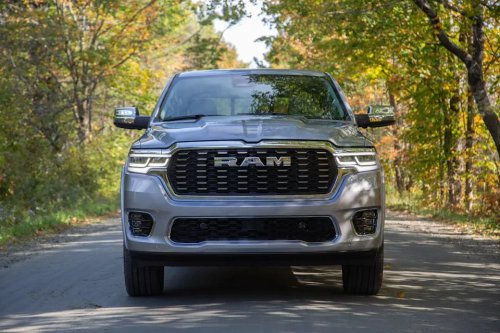
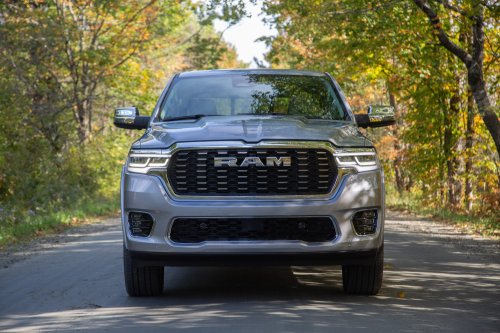
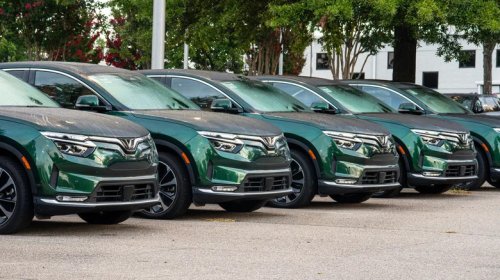
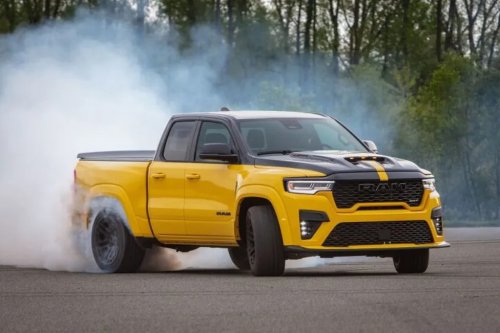
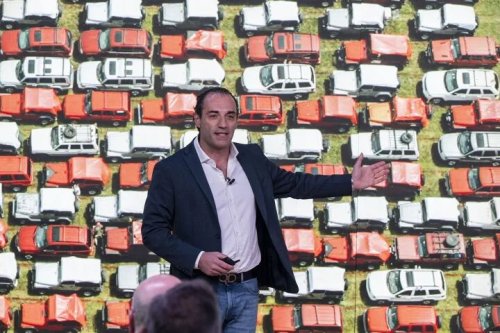
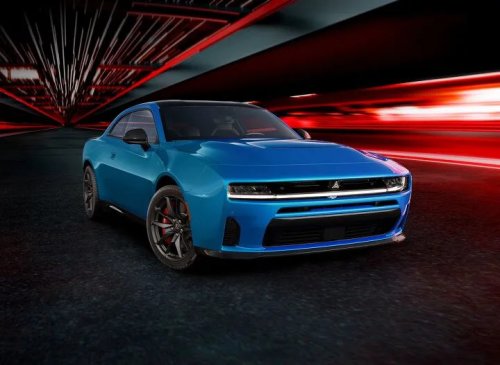
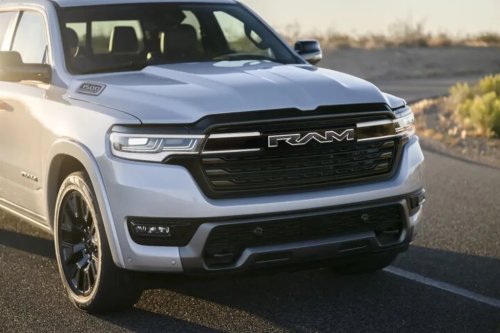
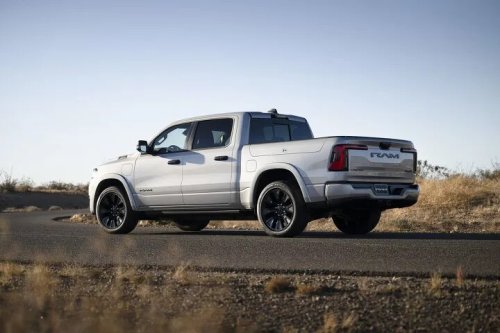
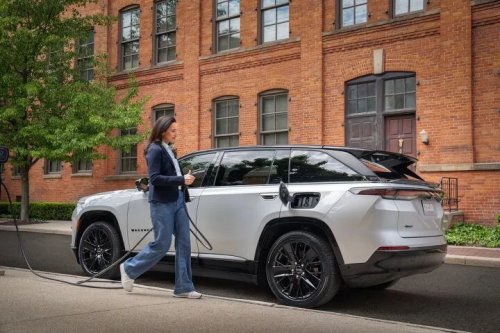
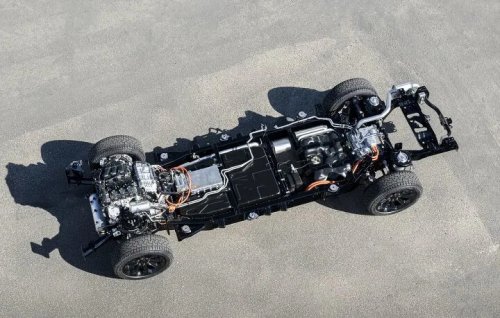
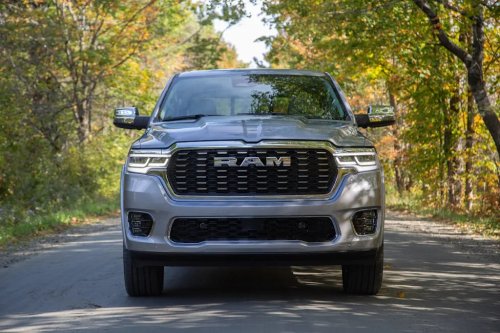
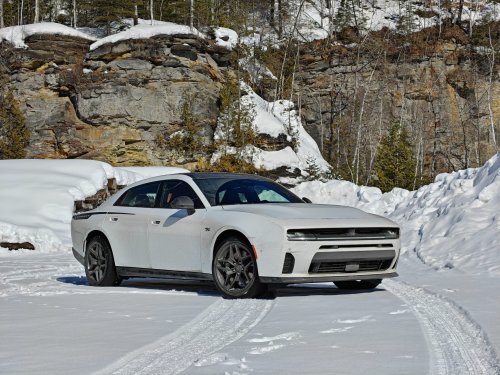
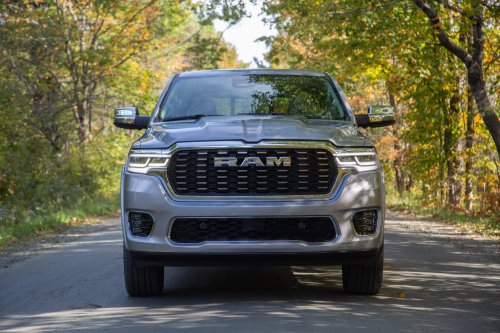
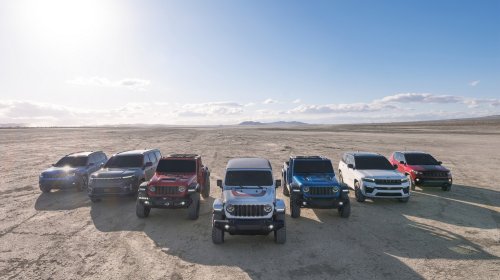
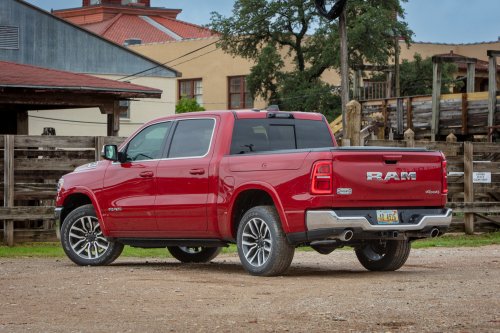
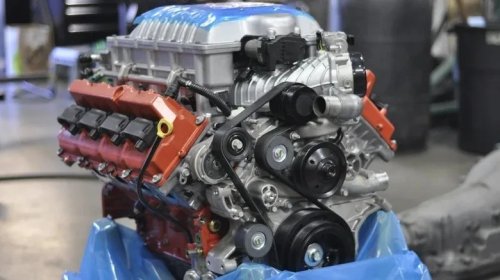
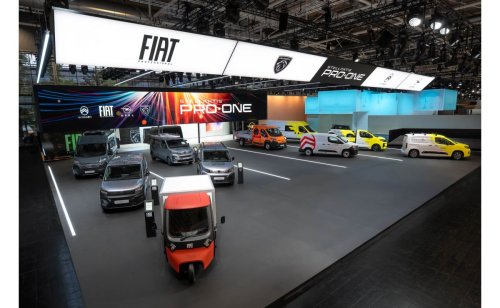
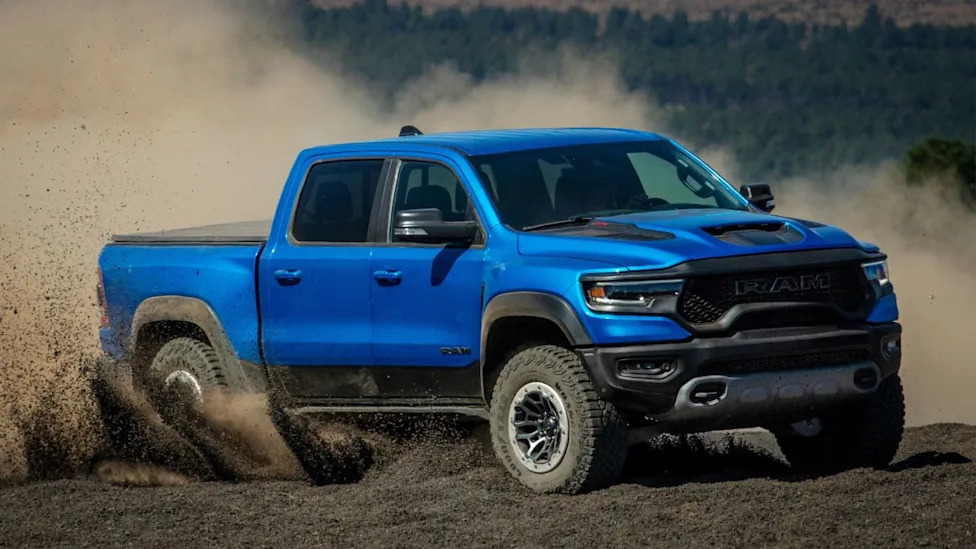
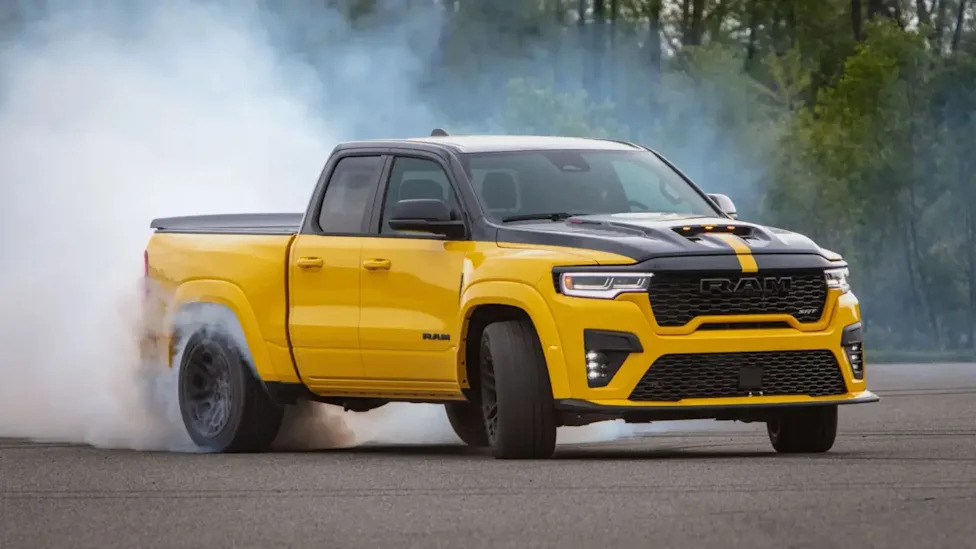
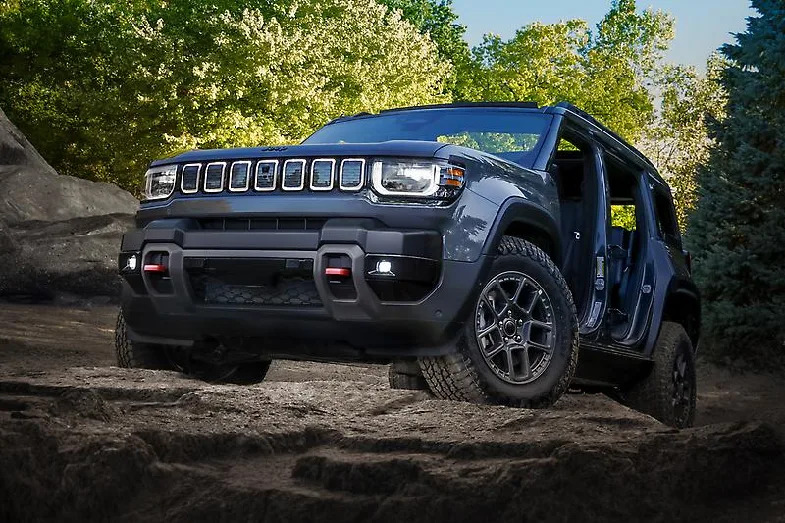
Image Credit: Stellantis.Stellantis says the decision to bring the Hemi V8 back to Ram trucks before Dodge performance cars came down to one thing: pickup buyers still deeply care about V8 availability.Speaking in Detroit following the company’s latest turnaround presentation, Stellantis CEO Antonio Filosa claimed that roughly 40 percent of pickup truck buyers refuse to even consider a truck brand that does not offer a V8 engine option.Interestingly, Filosa said many of those customers may not actually purchase the V8 itself. According to the executive, the important factor is simply knowing the option exists somewhere in the lineup.AdvertisementAdvertisementThat mindset helps explain why Ram reversed course so quickly after briefly shifting the Ram 1500 lineup entirely toward six-cylinder powertrains. It also highlights a reality automakers continue to face in the American truck market: emotional appeal remains as important as raw specifications.Ram Brought Back the Hemi for a ReasonImage Credit: Ram Trucks.For a short period, Ram attempted to move fully toward six-cylinder engines, including the newer Hurricane twin-turbo inline-six platform that replaced the Hemi V8 in many applications.From a purely technical standpoint, the Hurricane engines are arguably superior in several ways. They produce more horsepower and torque while also improving fuel efficiency compared to the outgoing Hemi. Yet customer reaction to the loss of the V8 option was immediate and intense.According to Filosa, Stellantis quickly recognized that many truck buyers viewed the removal of the Hemi as more than an engine change. For a large portion of the market, V8 availability remains tied directly to brand identity, capability, and emotional connection.AdvertisementAdvertisementThat realization pushed Ram to prioritize the Hemi’s return ahead of other enthusiast-focused projects within the company.Truck Buyers Still Want the Option — Even if They Don’t Buy ItOne of the most interesting parts of Filosa’s comments is that actual V8 sales volume may not fully explain the engine’s importance.Ford, for example, reportedly sells relatively few V8-powered F-150s compared to its EcoBoost V6 lineup. Roughly 25 percent of F-150 buyers still choose the V8.That suggests many consumers are perfectly willing to purchase turbocharged six-cylinder trucks as long as the manufacturer still offers a V8 somewhere in the range. In other words, the V8 functions partly as an emotional anchor for the brand.AdvertisementAdvertisementTruck buyers may appreciate the efficiency, torque, and towing benefits of modern turbocharged engines, but many still associate V8s with durability, authenticity, and traditional truck character.Removing the V8 entirely risks signaling to customers that the brand itself is moving away from what made it appealing in the first place.Stellantis Is Still Pursuing EVsImage Credit: Stellantis.Despite the renewed focus on combustion engines, Filosa emphasized that Stellantis is not abandoning electrification plans in North America.The company still intends to launch the fully electric Jeep Recon later this year, with a gasoline-powered variant expected roughly 12 to 18 months afterward.AdvertisementAdvertisementFilosa described Stellantis’ evolving strategy as offering customers “freedom of choice” across multiple powertrain types rather than forcing a rapid transition entirely toward EVs.He also noted that Stellantis’ extensive European EV operations give the company flexibility if North American demand for electrification suddenly accelerates again in the future.That balancing act shows the increasingly uncertain state of the American automotive market, where consumer demand for EVs, hybrids, and traditional internal combustion vehicles remains highly fragmented.The V8’s Survival May Last Longer Than ExpectedFor years, industry analysts predicted V8 engines would rapidly disappear as emissions regulations tightened and automakers invested heavily in electrification. Instead, the American truck market continues proving unusually resistant to that change.AdvertisementAdvertisementGeneral Motors is developing a new generation small-block V8 for future trucks arriving later this decade. Ford continues to heavily market V8-powered performance models, while Ram has now reversed its own move away from the Hemi.The reality is that modern turbocharged six-cylinder engines often outperform older V8s in measurable ways. They deliver impressive towing capacity, strong fuel economy, and massive low-end torque.Yet many truck buyers are not making purely rational purchasing decisions based only on efficiency charts or dyno numbers. Sound, feel, tradition, and identity remain powerful factors in the full-size truck segment.Emotional Appeal Still Drives the Truck MarketFilosa’s comments ultimately reveal something the industry sometimes forgets during conversations about electrification and efficiency. Pickup trucks are emotional products as much as practical tools.AdvertisementAdvertisementMany buyers view trucks as reflections of lifestyle, identity, and personal values. Even if a turbocharged six-cylinder engine may objectively outperform a naturally aspirated V8 in some areas, that does not automatically replace the emotional connection many customers have with traditional V8 power.If you want more stories like this, follow Guessing Headlights on Yahoo so you don’t miss what’s coming next.



















 +41 others