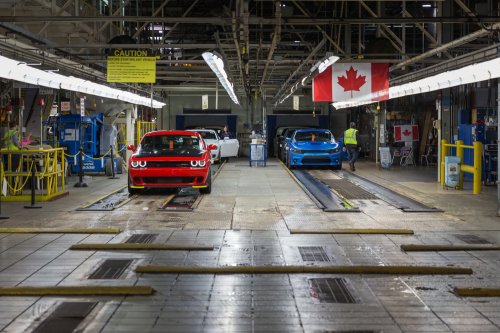
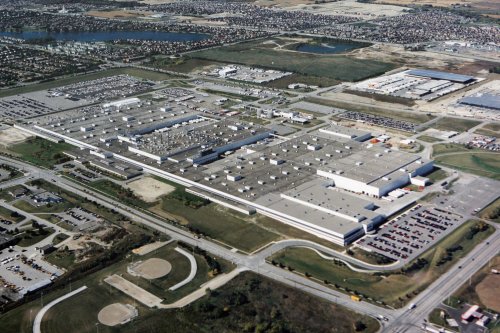
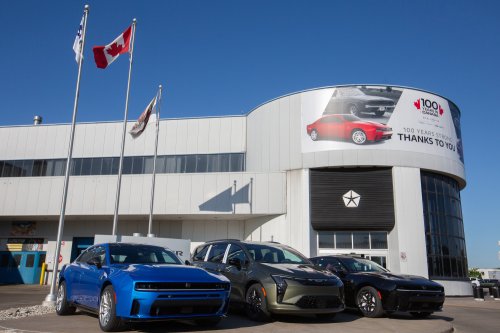
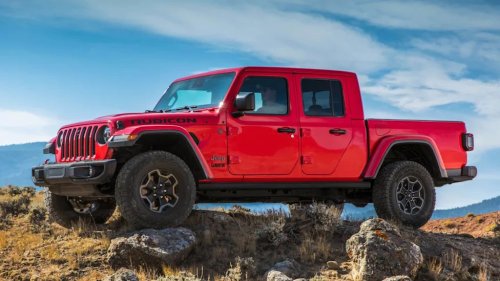
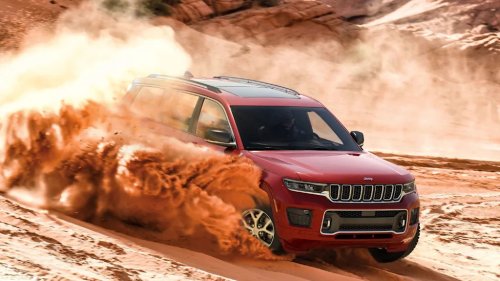
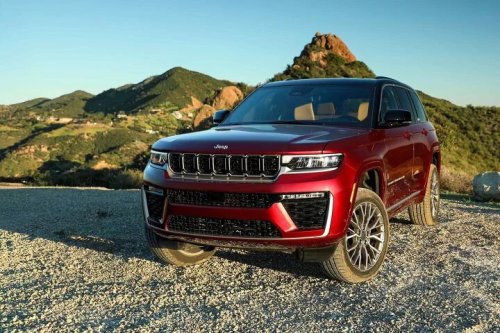
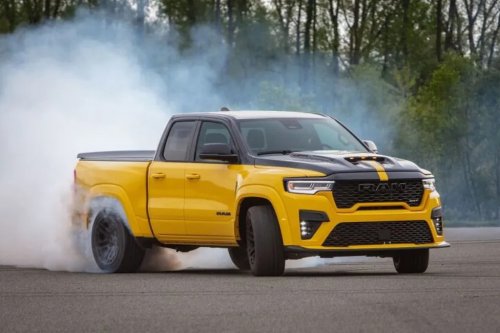
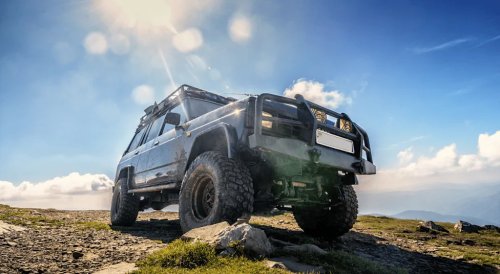
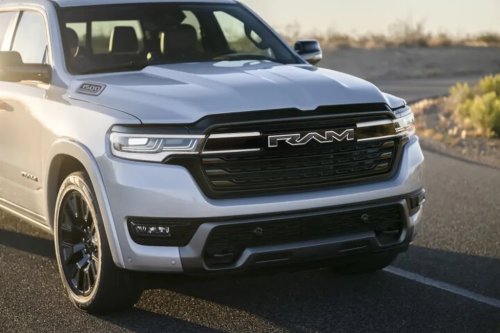
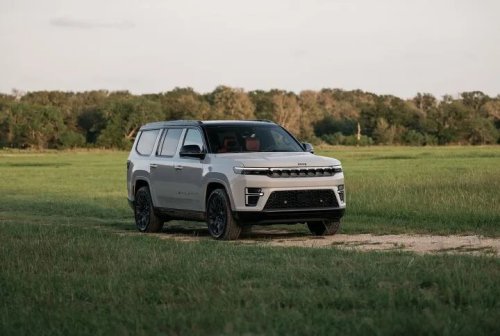
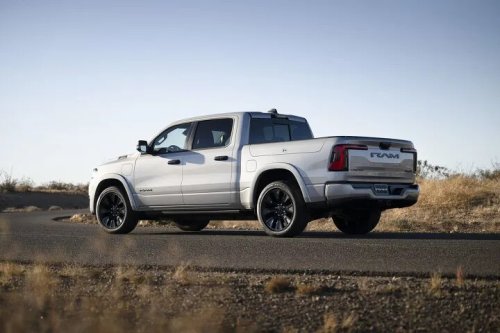
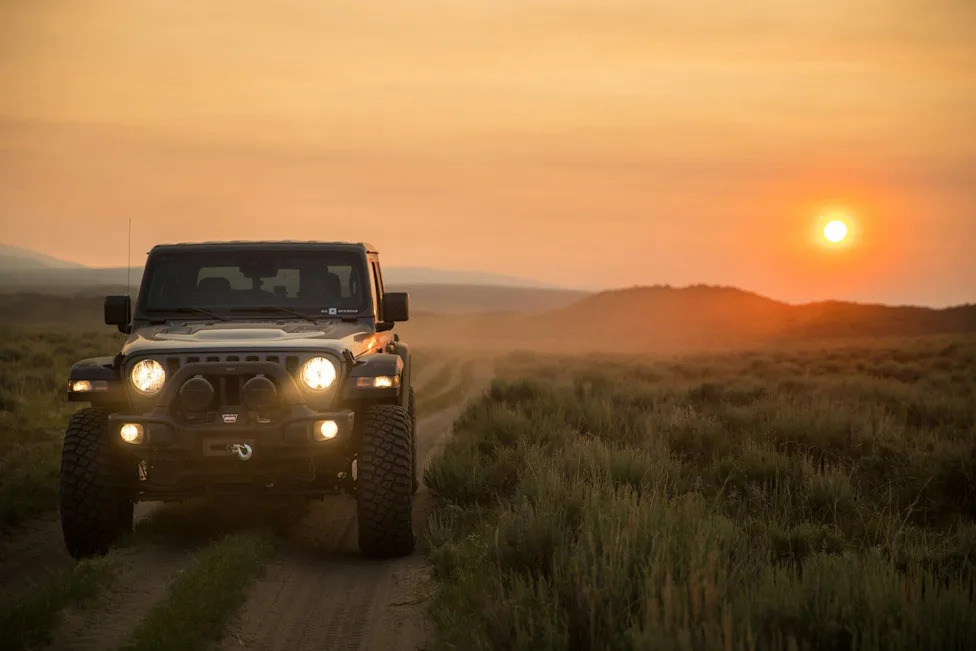
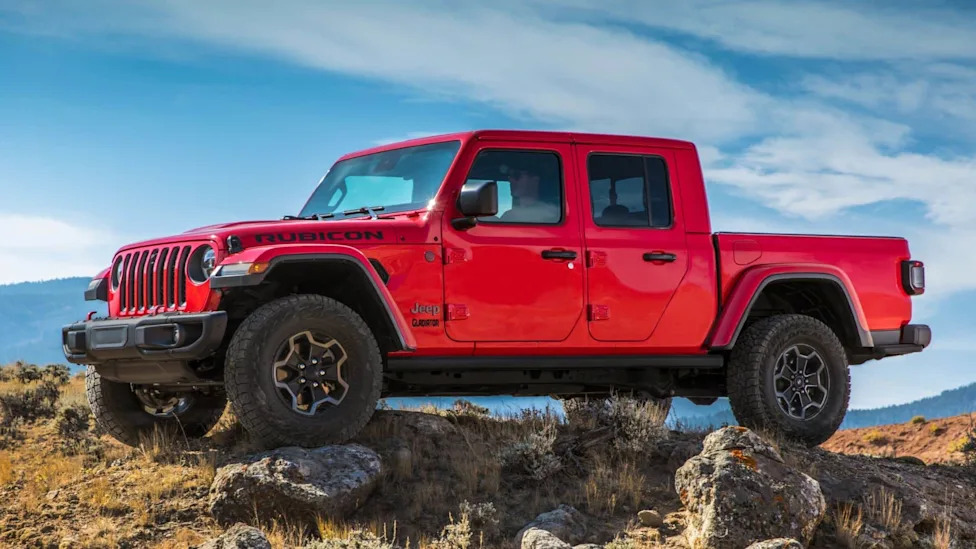
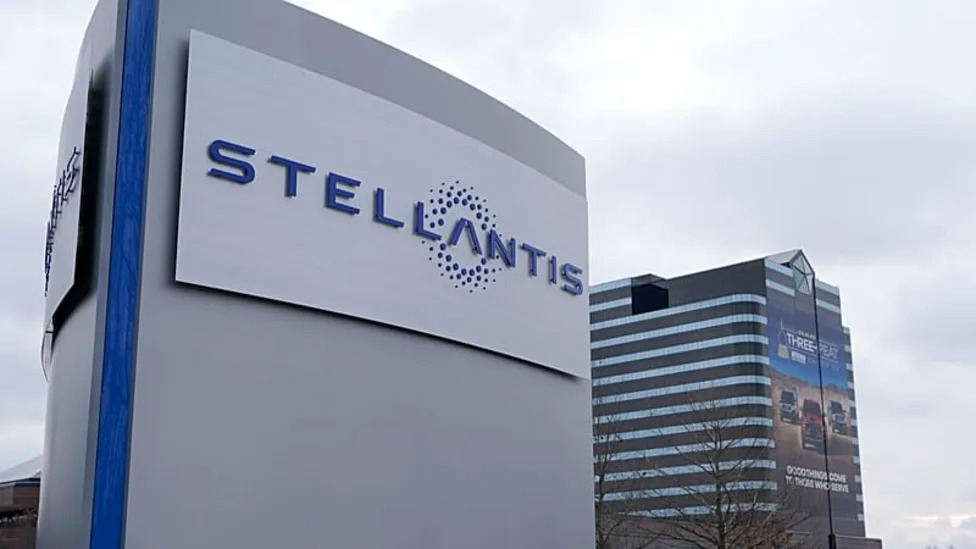
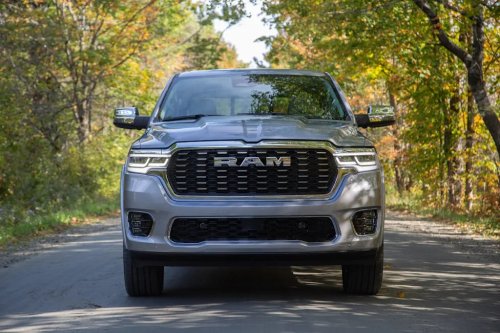
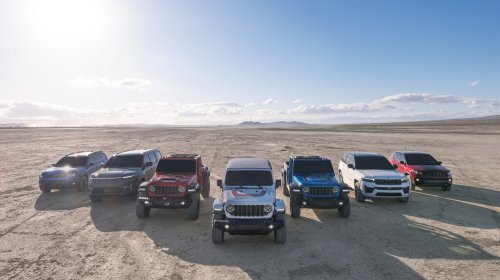
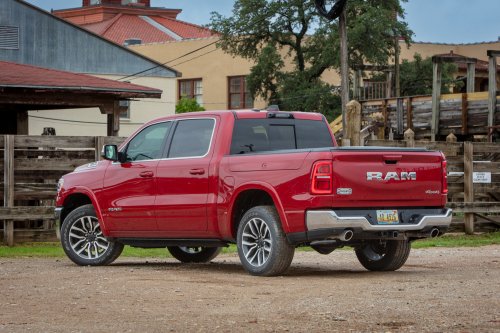
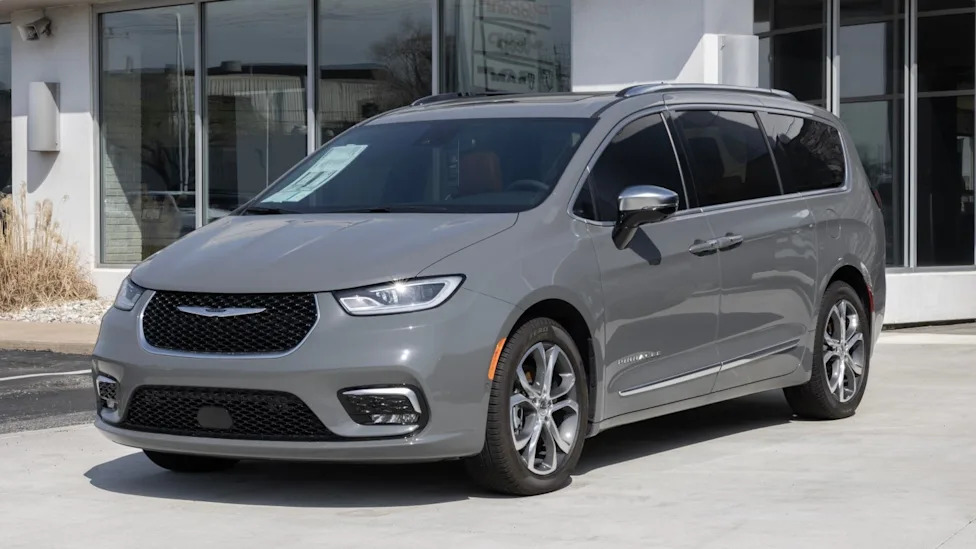
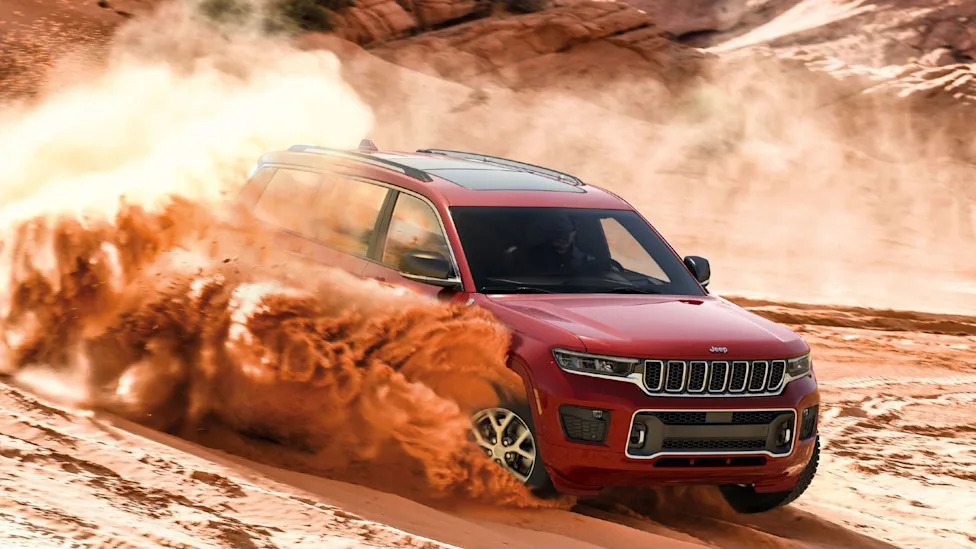
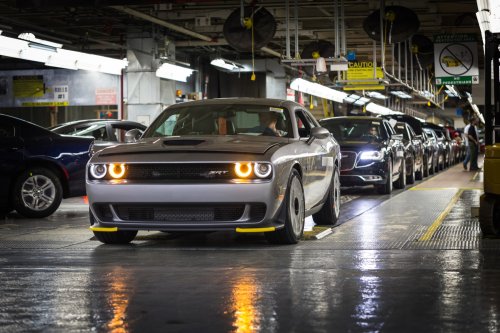
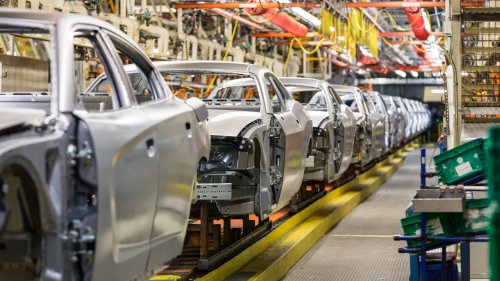
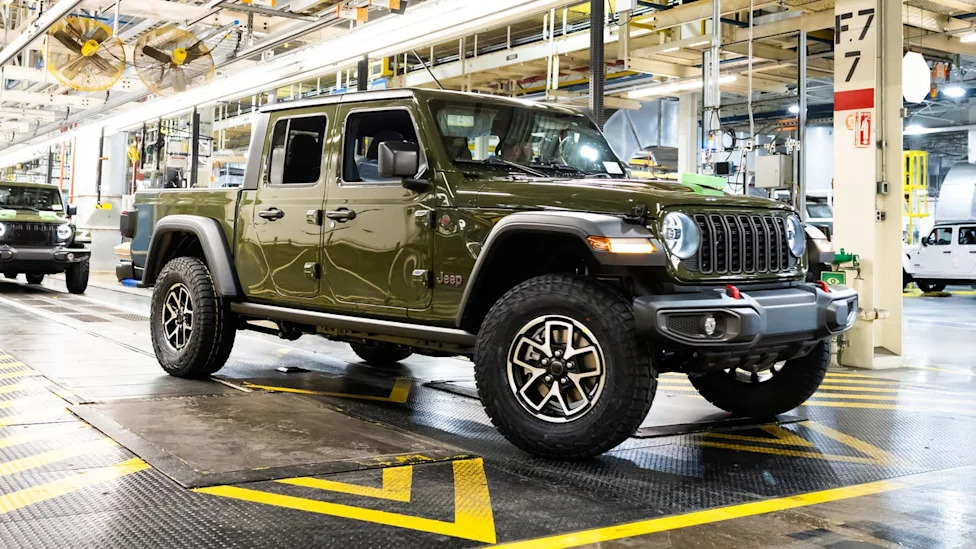
This Tiny Car Factory Finds Problems So You Don'tStellantis (Stellantis)The brands under the Stellantis umbrella, including Jeep, Ram, Chrysler, Dodge, and Fiat, have suffered from quality issues in recent years. The automaker says it has changed some of its ways to get the brands and the products bearing their logos back on track.One way is to fully utilize the Pilot Operations mini-plant at the Stellantis North America Technical Center in Auburn Hills, a massive complex sprawled across 504 acres.Pilot Operations is where future models are built on a small assembly line to test parts, quality, tooling, and ease of assembly before the new car goes into production at places like the Toledo plant that builds the Jeep Wrangler and Gladiator (above). In place since 1993, Pilot Operations originally had a body shop, but the space does not have the clearance for today's robotics so it is no longer used. There is a small paint shop and the all-important final assembly line where the car is built up. The company's first battery packs were also built here before production moved to an assembly plant, and the operation continues to do updates and teardowns, looking for breakthroughs.Taking a Step BackSince 2016, the automaker got away from doing early builds, and they were forcing things into the assembly plant quicker, said Jim Sovis, Pilot Operations transformation manager. But the automaker is back to making early prototypes, finding and documenting issues, getting them to engineering, making changes, and testing them.AdvertisementAdvertisementIt takes four or five days to build a new model, which is pushed manually from station to station. A refresh with a powertrain change might require a dozen vehicles to be built; the team working on an all-new vehicle might request 50 builds, says Sovis.The operation can build one to three models a day on a single shift. Once a preproduction model is built, it undergoes four days of validation, assessing wiring, software, and calibration; looking for squeaks; and checking for leaks in the water test room.The results and lessons learned are incorporated before the vehicle rolls down the big assembly line. Issues such as a faulty part, incorrect tooling, or an unwieldy manufacturing process are reported back to engineering and lead to changes in the car.Sovis said he needs 25 weeks to set up, build, and validate vehicles with a new body, about 17 weeks if it keeps the same body and has changed the powertrain. Time is also needed for suppliers to react after quality audits.Running Ram 1500 Rumble BeesPilot Operations can run as many as five different programs on two lines at once. It is currently running Ram 1500 Rumble Bee performance street trucks, a process that has led to changes to address rubbing hoses and wires and a tooling issue on the line that made it hard to access the steering system. Modifying a bracket fixed the latter. While Ram tests continue, Pilot Operations is setting up to test-build a Pacifica successor and Grand Cherokee (presumably SRT) variants this fall.


















 +50 others