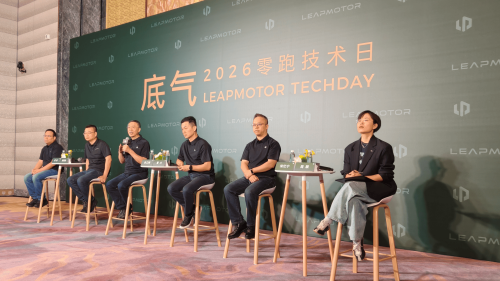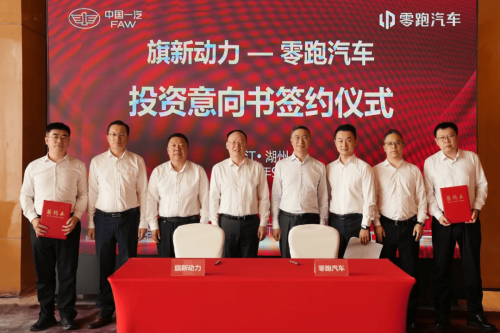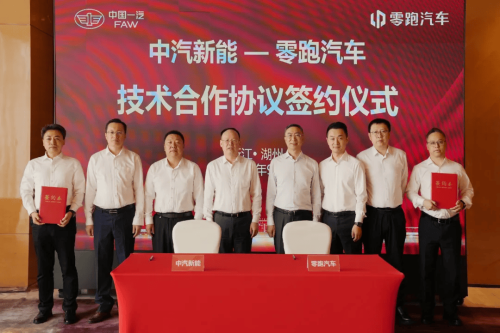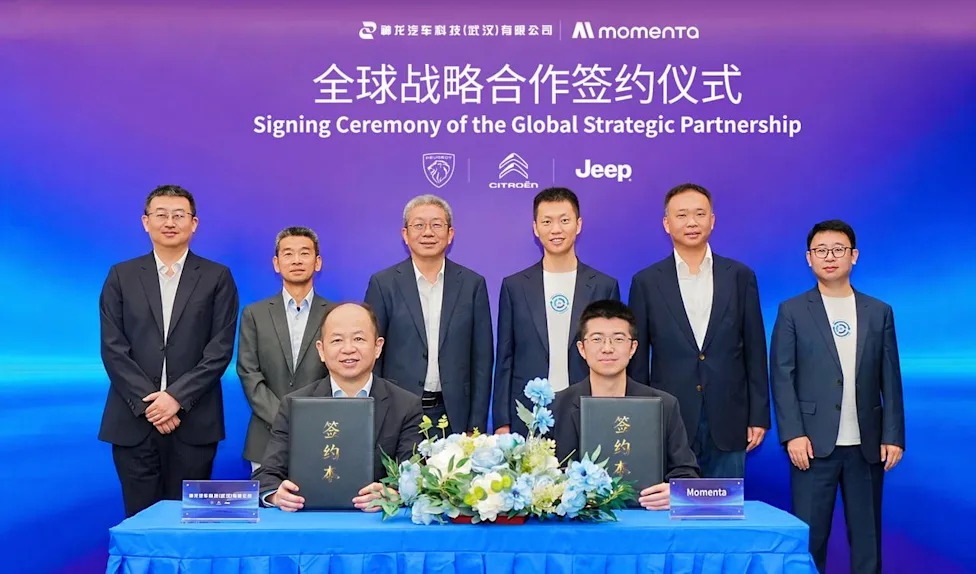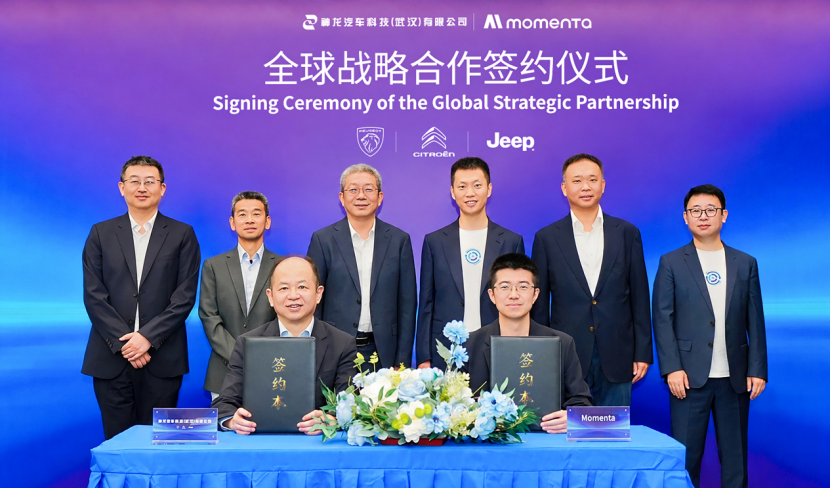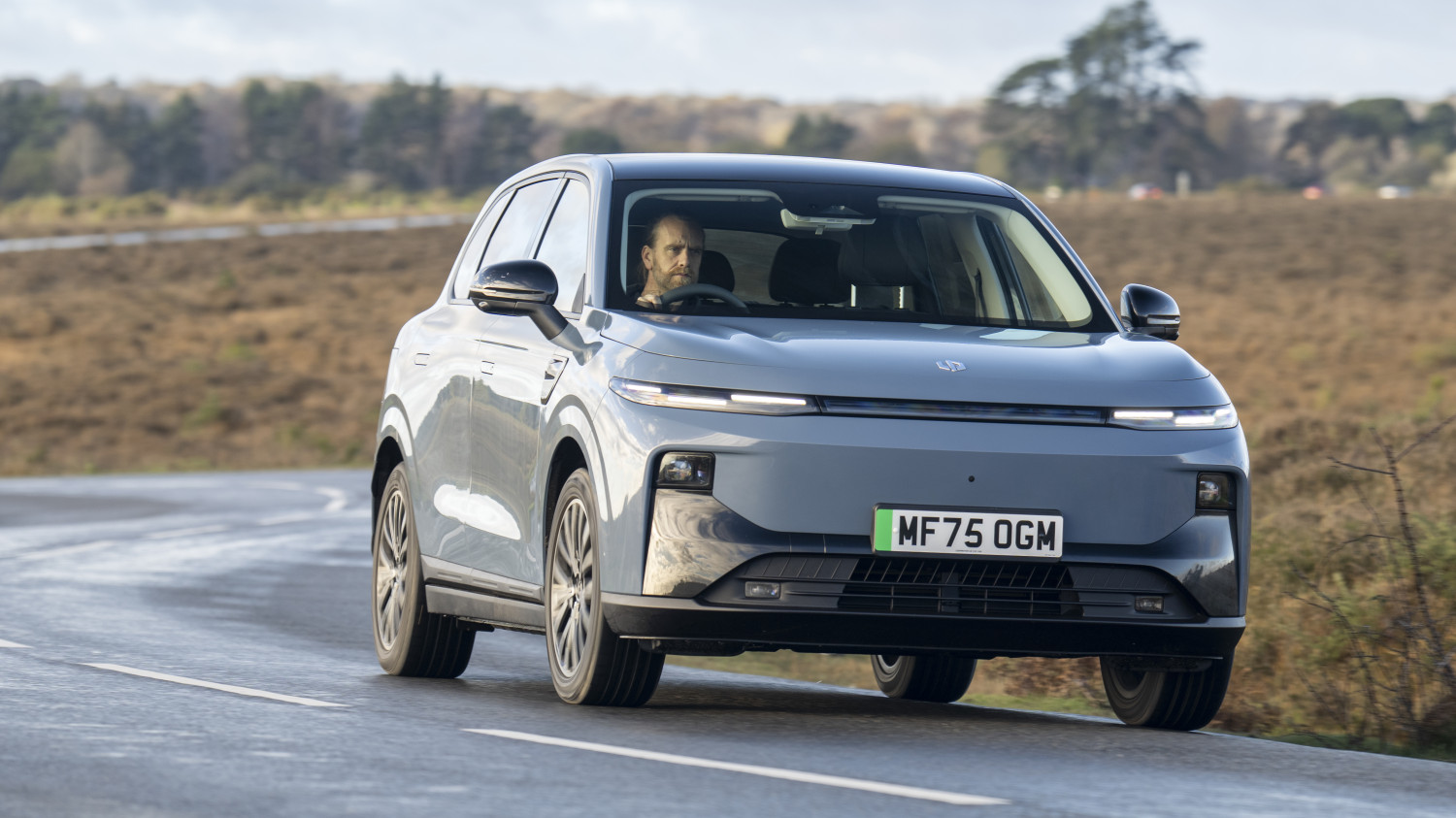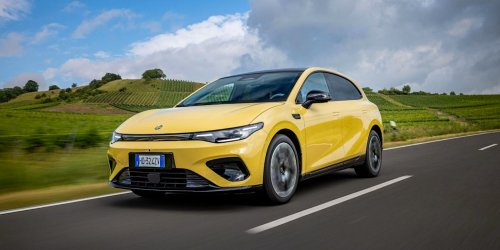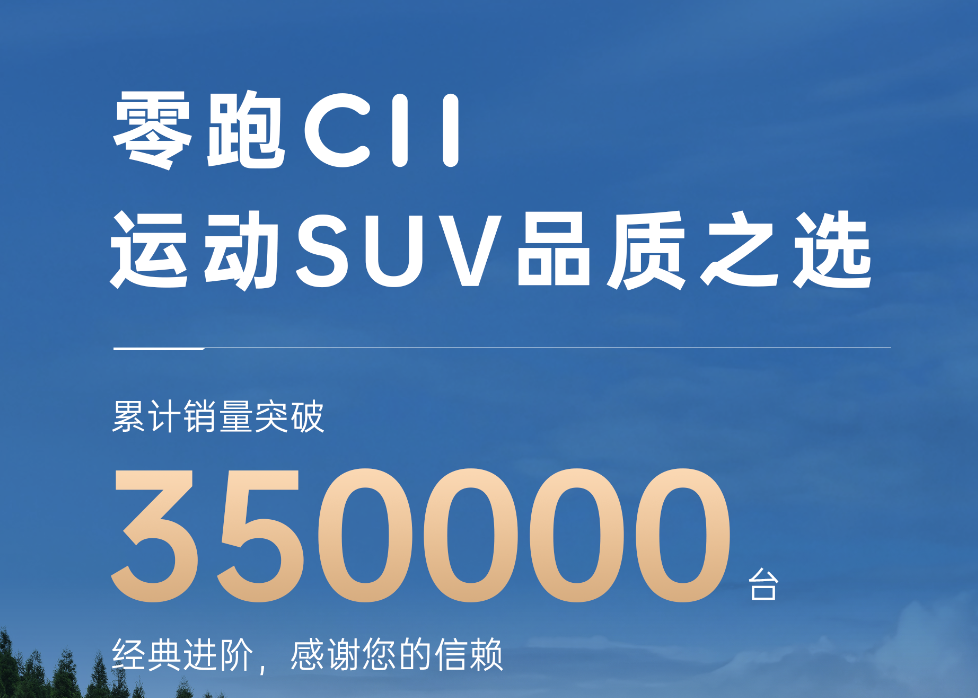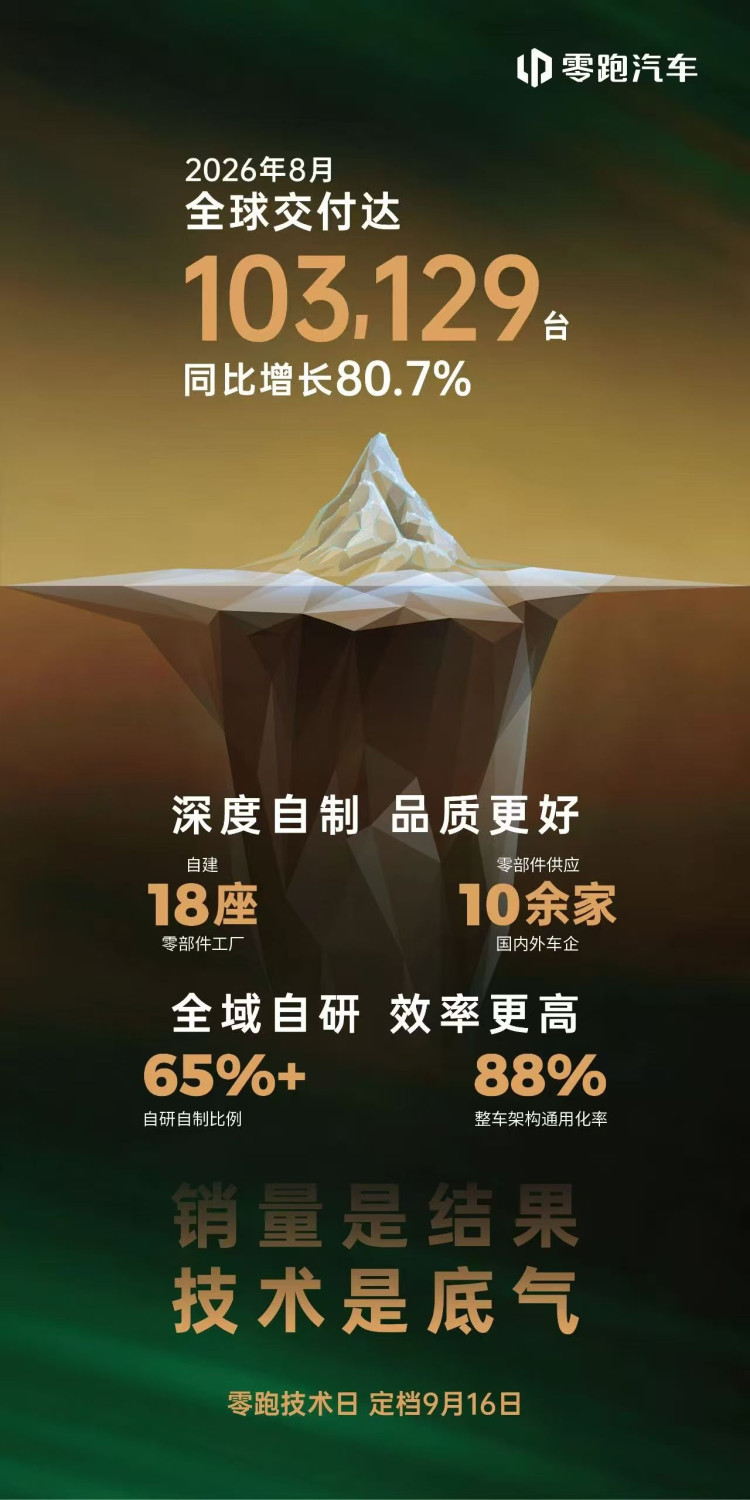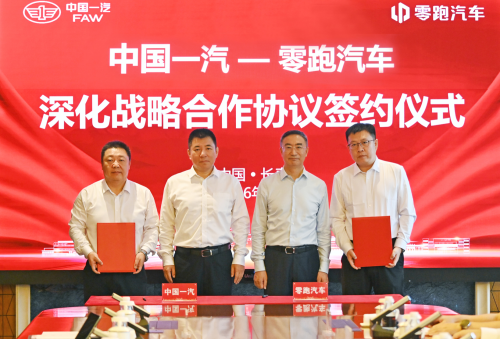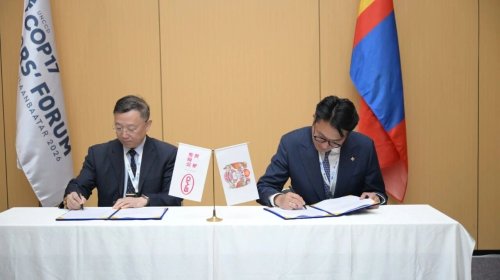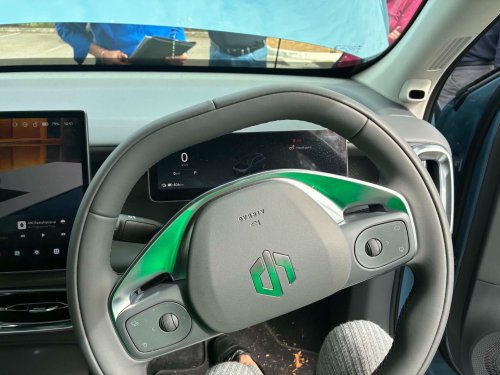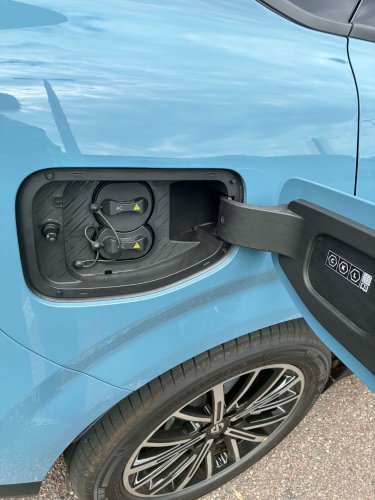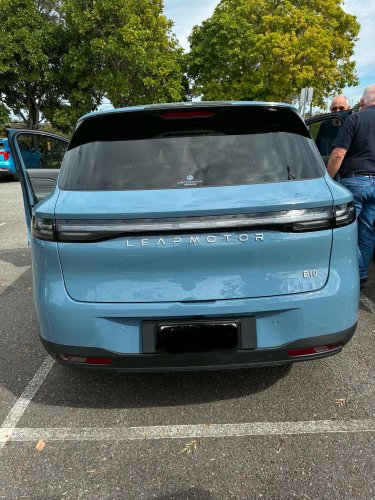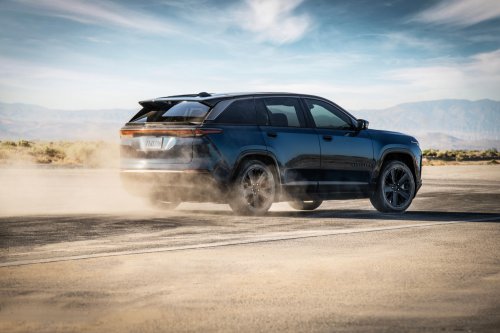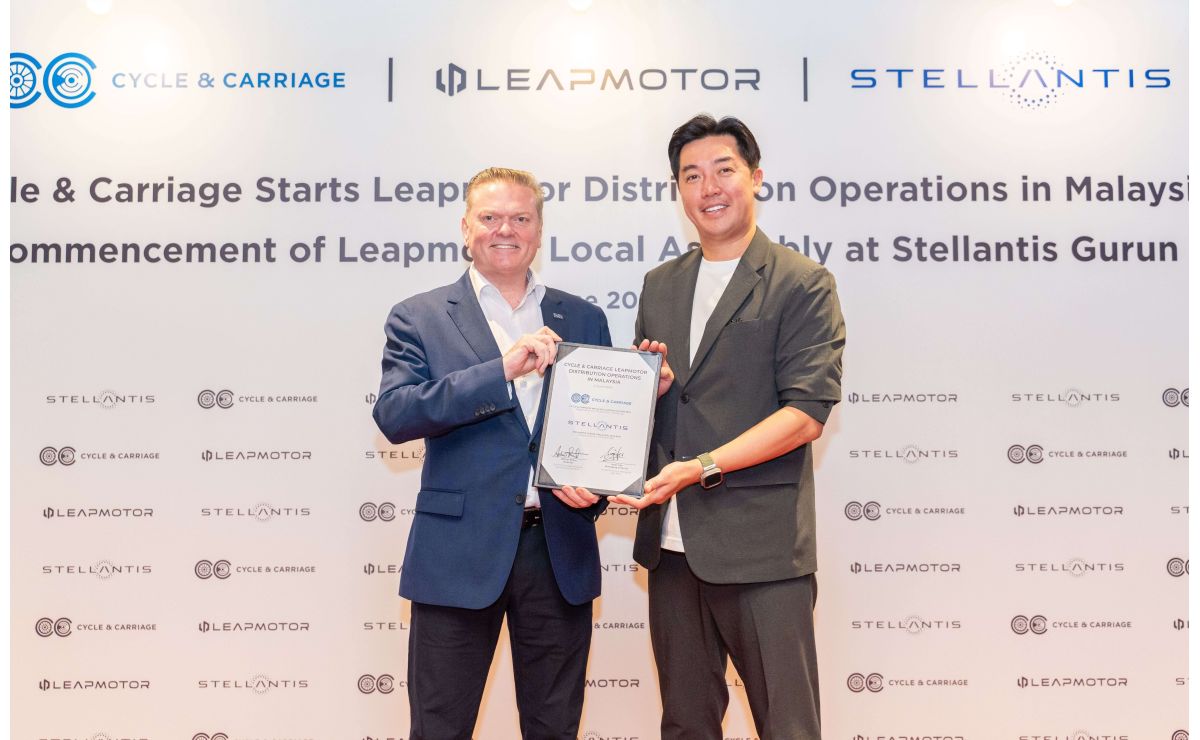
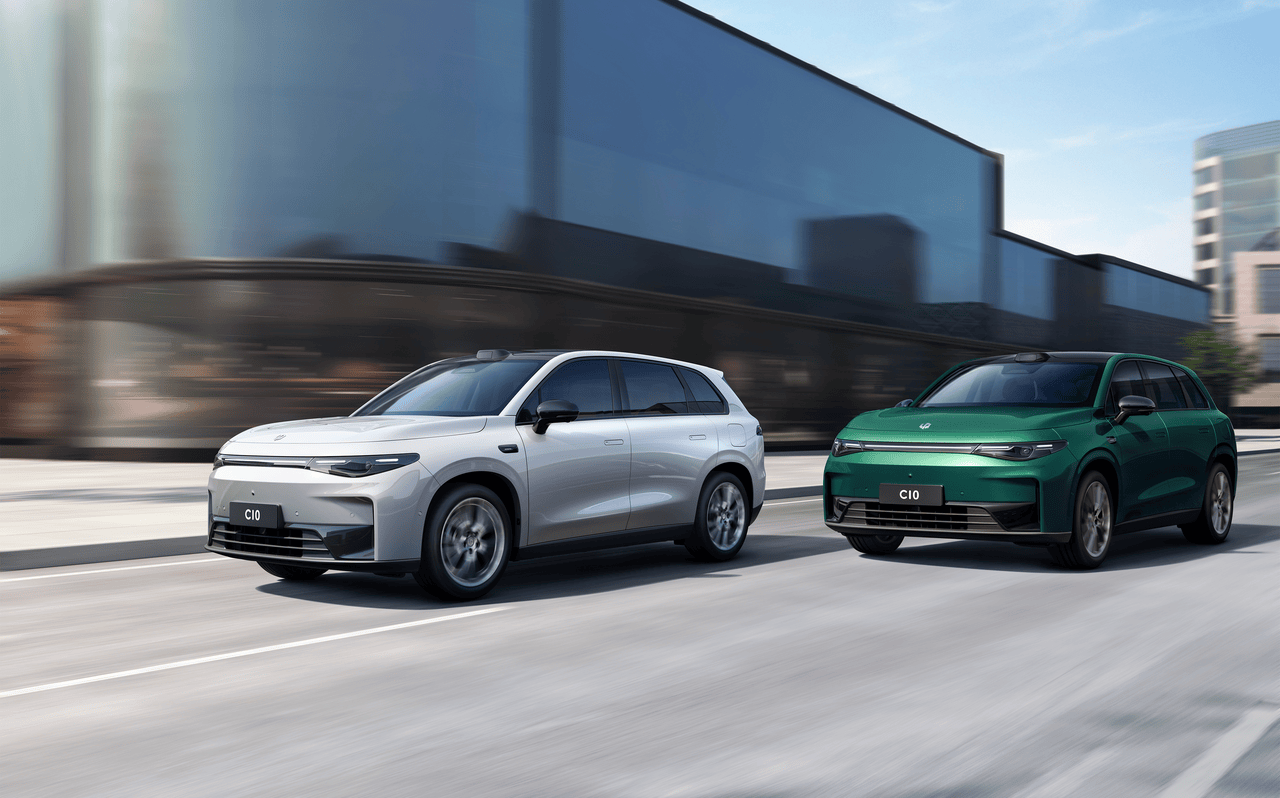
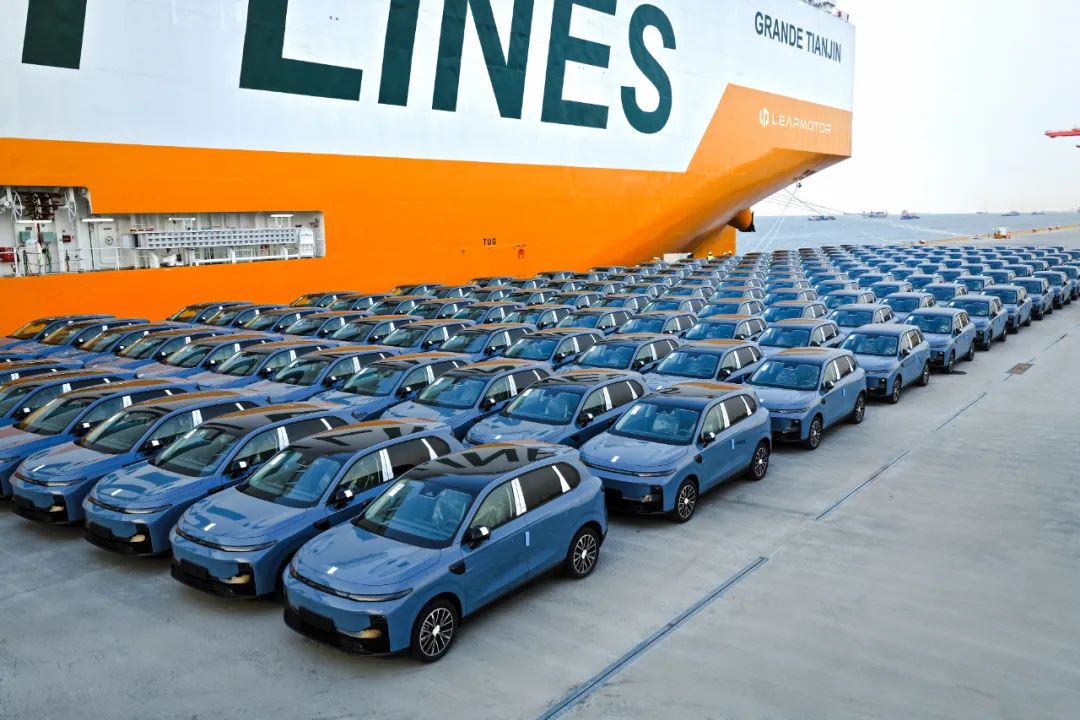



















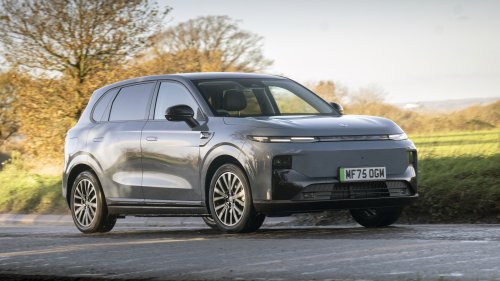

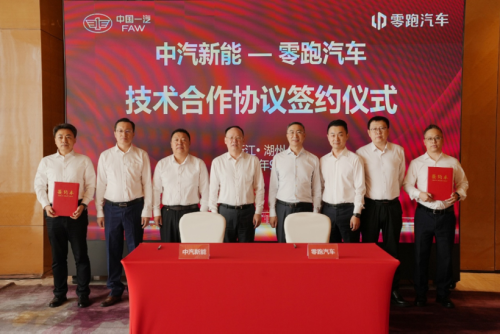
Stellantis Malaysia announced that Leapmotor has officially started local assembly operations at the Gurun plant in Kedah, Malaysia. The Leapmotor C10 is the first model to enter production. The B10 will join the lineup later, with assembly expected to begin before the end of 2026. Leapmotor and Stellantis executives pose for a photo after reaching a partnership on a Malaysia project. To support the project, Stellantis invested approximately €2.23 million ($2.55 million) in local assembly capabilities. The company also approved an additional €3.10 million ($3.55 million) in capital expenditure for production-line upgrades and factory infrastructure improvements. The facility has completed preparations for next-generation electric vehicles. Technical staff underwent specialized training for EV systems operating at up to 800 volts. Production processes have secured certification from Malaysian regulators as well as international authorities. At present, the Gurun plant primarily serves the Malaysian market. Stellantis said it is evaluating future exports to other ASEAN countries. The project marks another step in the partnership between Stellantis and Leapmotor. The cooperation began in 2023, with Stellantis taking responsibility for Leapmotor’s overseas market expansion. Over the past two years, both sides focused largely on Europe. The strategy has produced visible results. Leapmotor delivered 81,569 vehicles globally in May. Overseas deliveries reached 20,168 units, accounting for nearly one-quarter of total sales. Leapmotor C10 Europe has emerged as a major growth driver. In markets such as Italy, Leapmotor has repeatedly set new local sales records over recent months. Compared with the European projects, the Malaysia plant carries broader regional significance. Southeast Asia has become one of the most important overseas battlegrounds for Chinese new-energy vehicle makers. Governments across Thailand, Malaysia, and Indonesia have continued to roll out EV-support policies. Electric-vehicle adoption is rising steadily, attracting a growing number of Chinese automakers. BYD, Wuling, and Great Wall Motor, among others, have already established localized production operations in the region. Against this backdrop, Leapmotor gains several advantages through Stellantis’ existing manufacturing network. Local production helps cut import tariffs and logistics costs. It also addresses local-content requirements, strengthening product competitiveness. Leapmotor B10 ready for overseas shipment. More importantly, the Malaysia project signals a shift in Leapmotor’s overseas strategy. The company is gradually moving from an export-led model toward a “local production, local sales” approach. For Leapmotor, the project represents more than additional manufacturing capacity. Following cooperation in Europe, its partnership with Stellantis is now extending into Southeast Asia, marking another key step in the company’s global localization strategy.