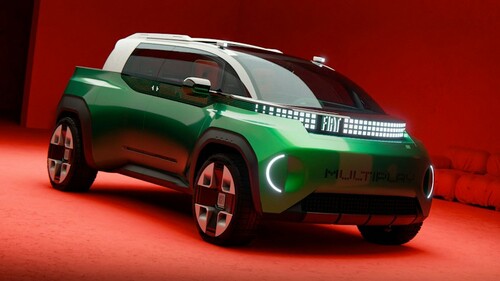
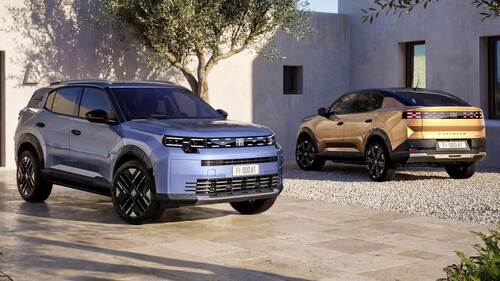
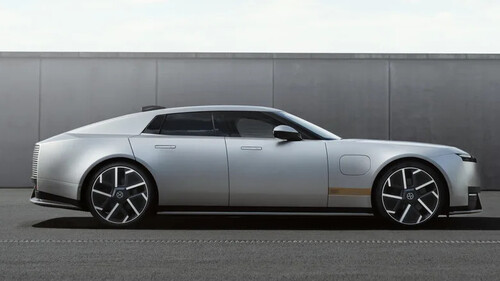
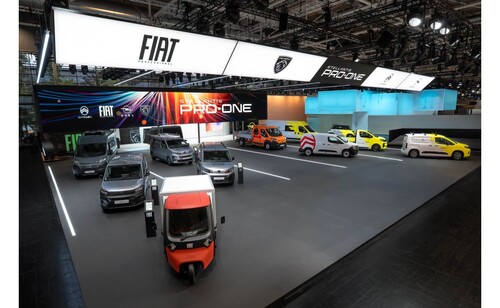
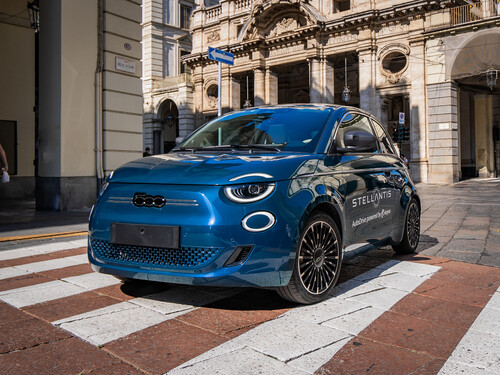
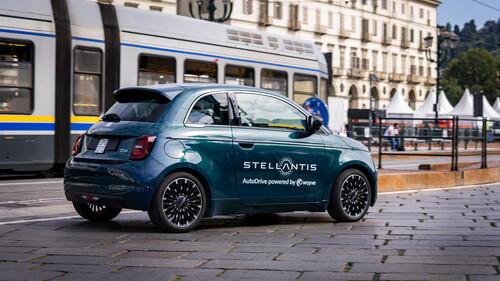
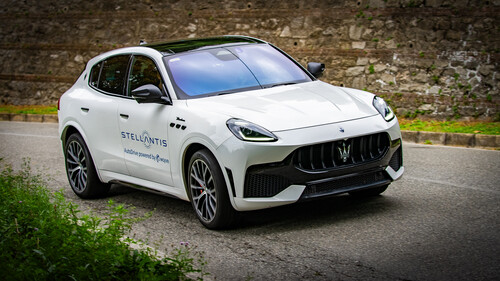
Mia Hall · 5 months ago@miahall248Stellantis has a $70 billion plan to fix itself Liked by+32 othersCitroënFiatPost commentRelated PostsTest-Driving The 2026 MG4 Urban 27 · Ava Labelle · 1 months agoRam 1500 Sales Jump 73% After the Hemi V8 ReturnsLily Morgan · 17 days agoEurope EV Sales Report: BEVs Reach 26% Market Share! 99 · Charlotte Green · 1 months agoIncoming Fiat Multiplay concept sounds like a real-life TransformerAdam Anderson · 17 days agoWho is automotive giant Stellantis and why did it recall nearly 1 million cars? 87 · Victoria Mitchell · 2 months agoFiat Is Reviving Its Most Polarizing Model With An SUV That Doubles As A PickupMia Lee · 18 days agoNeed a holiday hauler? Check out these classics 95 · Sarah Leblanc · 2 months agoFiat’s Cheapest Crossover Hatchback Gains A New Name And A New MissionVictoria King · 19 days agoThe new breed of European-made small electric cars countering cheap Chinese EVs 34 · Mia Fortin · 2 months agoPlans for My Current Cars and What Model I'm Looking to Add 63 · Caleb Lewis · 20 days agoStellantis North American Shipments Surge, Helped By The Hemi V8’s Return 20 · Oliver Harris · 3 months agoI'm A Husqy Boy Now 44 · Carter Smith · 21 days agoThis Chinese Micro EV Makes The Fiat Topolino Look Bare-Bones 54 · Gabriel Turner · 3 months agoThis Car Show Has No Judges, No Trophies, and You Can't Buy a Ticket—You Have to Be Invited 10 · Samuel Harris · 21 days agoStellantis Thinks Your 16-Year-Old Wants An 8-HP Abarth 36 · Adam Gagnon · 3 months agoTexas-based REO Hires McLaren P1 Designer For Affordable Truck Lineup 91 · Justin Carter · 23 days agoFiat's $13,995 EV For America Is Cute, But Barely A Car 64 · Samuel Turner · 3 months ago20 roadsters owners will never sell at any price 70 · Liam Anderson · 23 days agoNo new Peugeot 106: Brand plans 7 fresh models but no cheap city car 43 · Kaitlyn Wilson · 3 months agoOur favourite Junkyard finds at Ernest Auto Wrecking, La Jara, Colorado 56 · Aiden Carter · 24 days ago


 +32 others+32 others
 +32 others