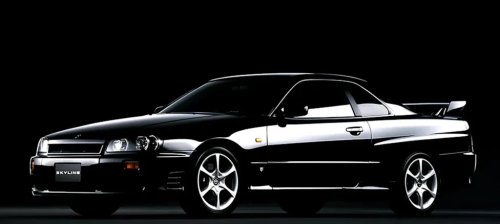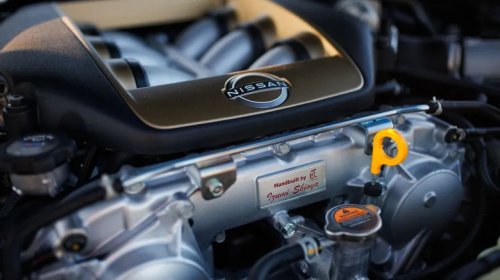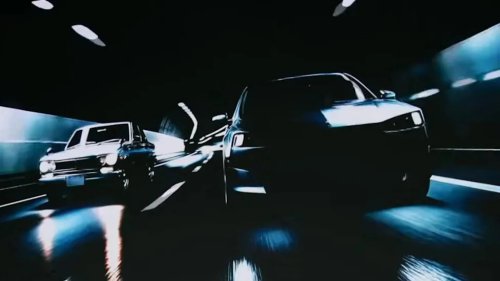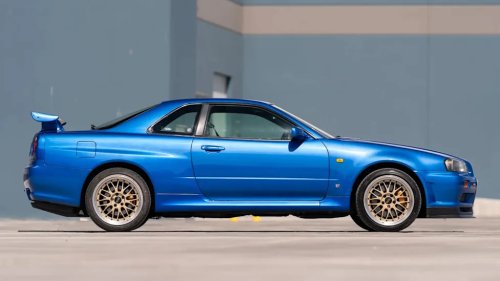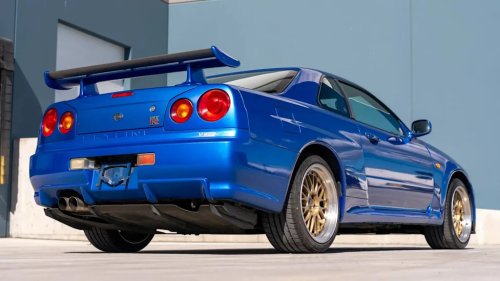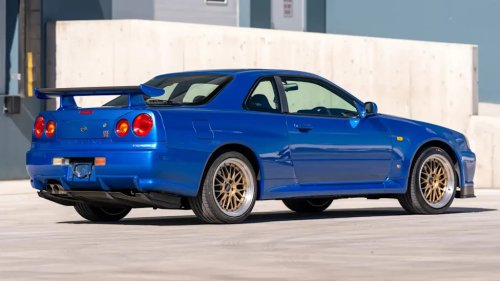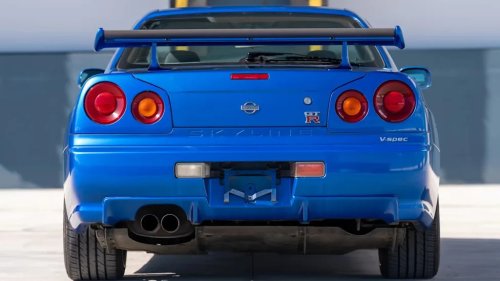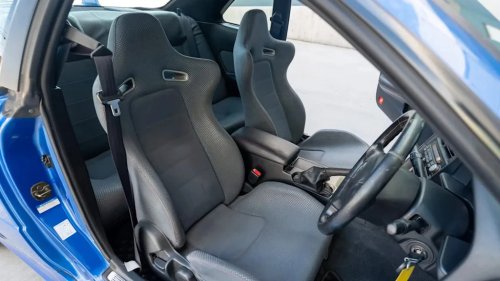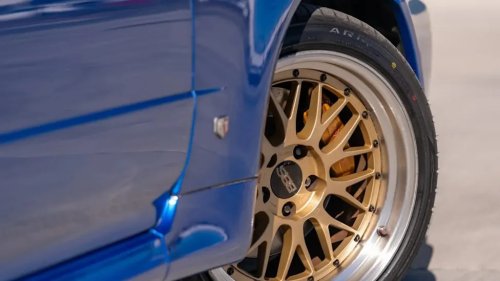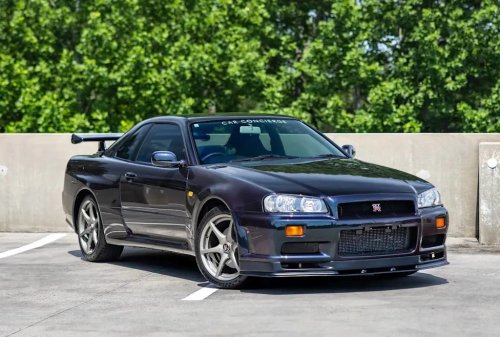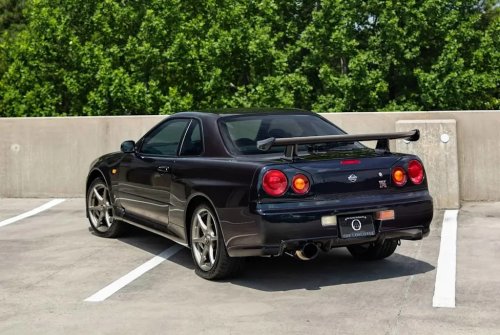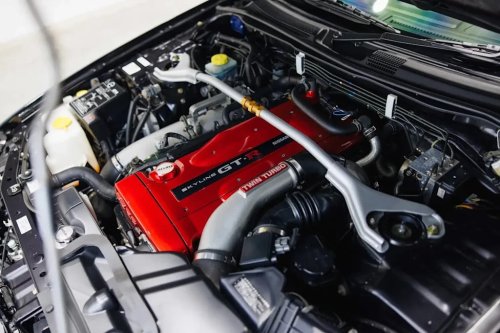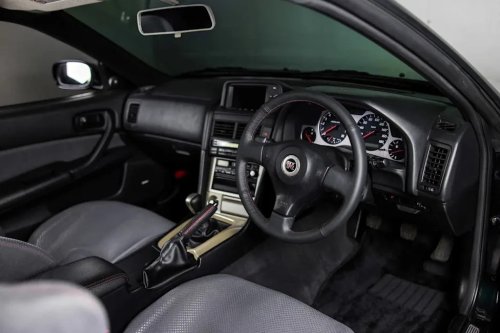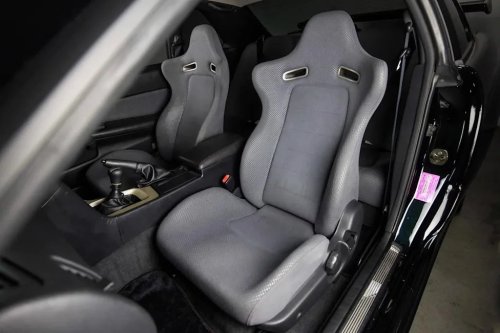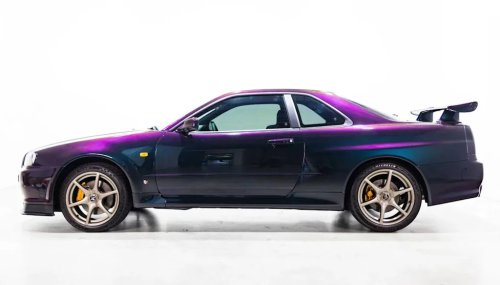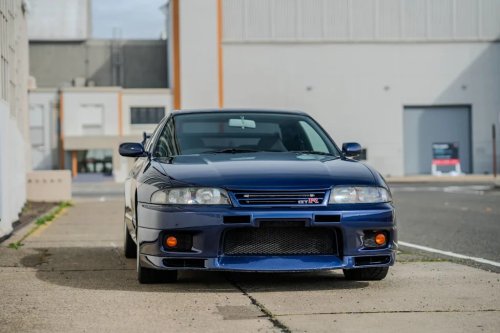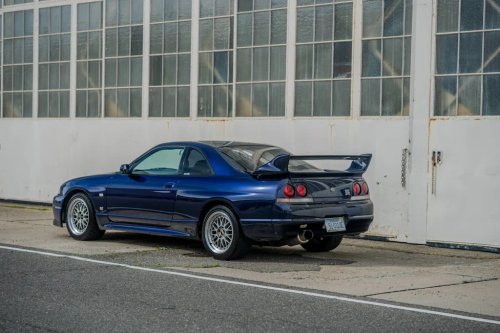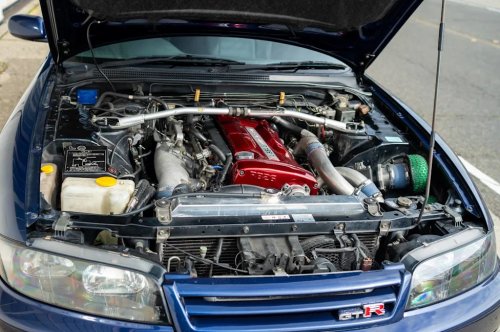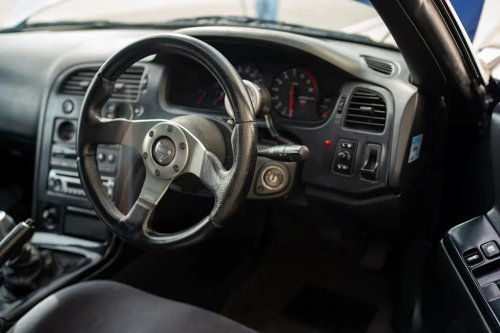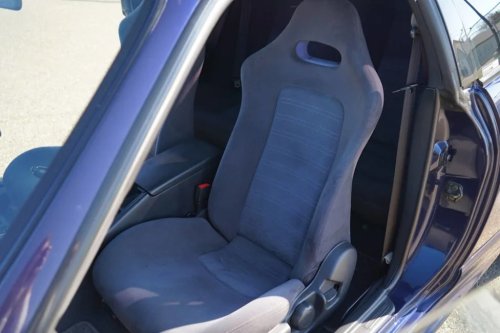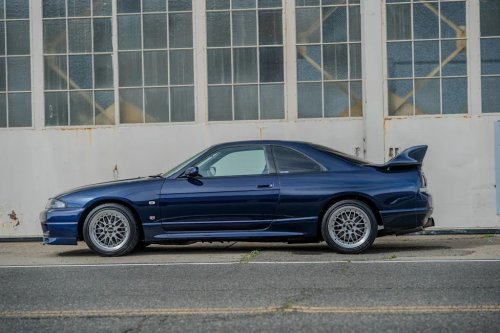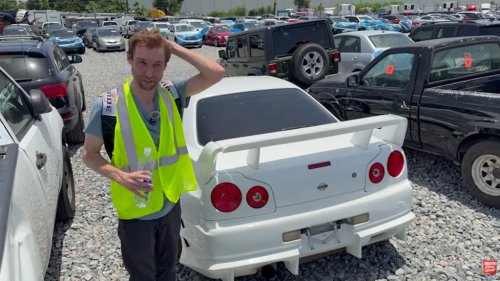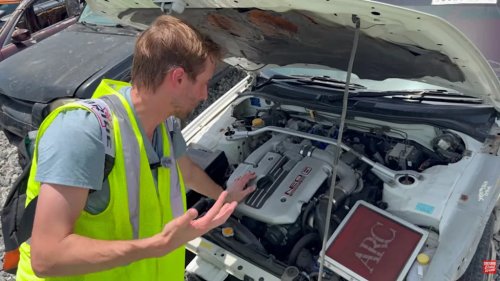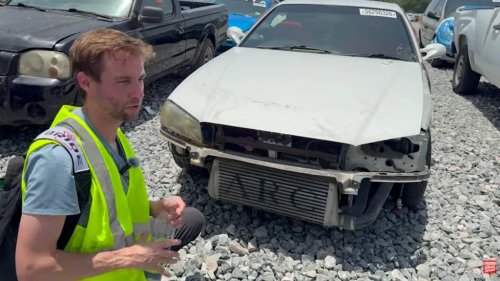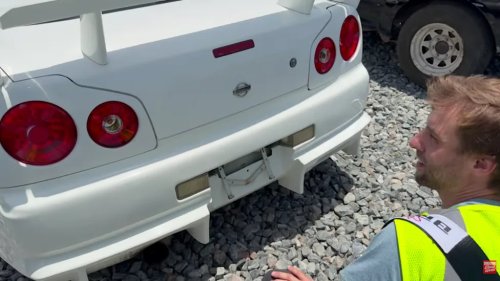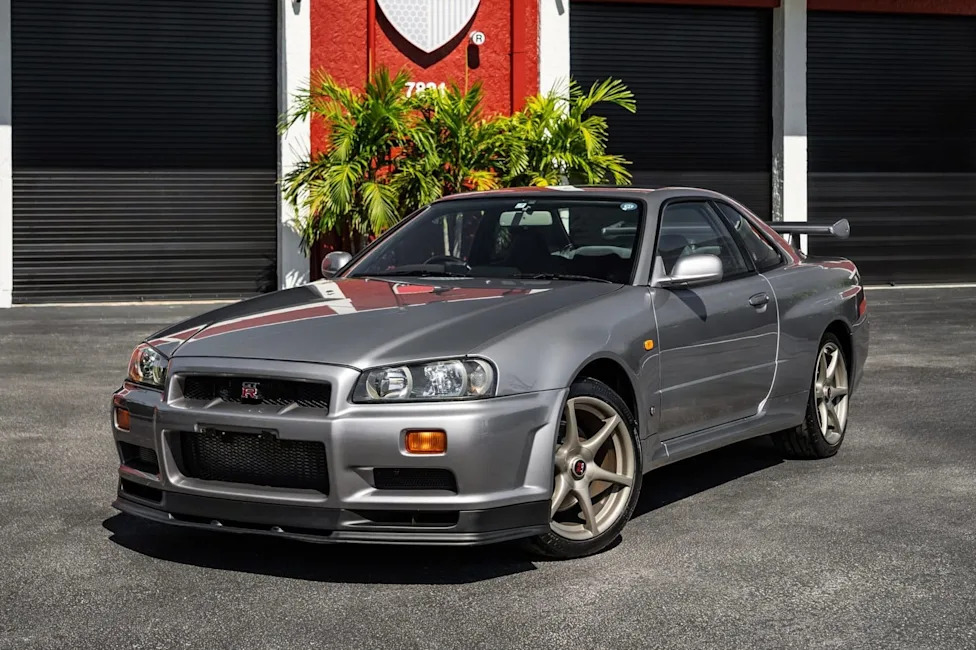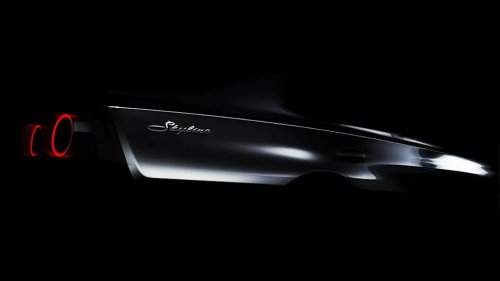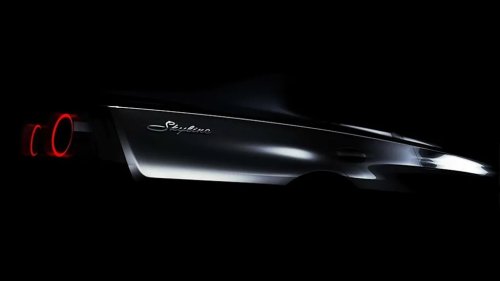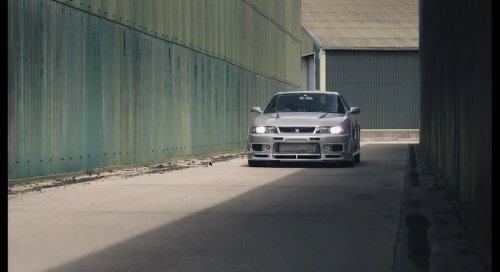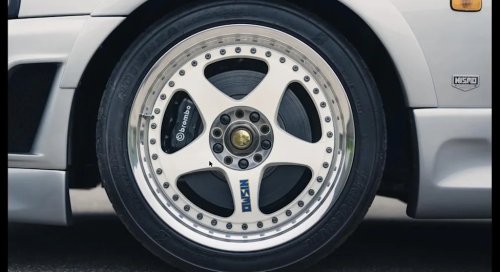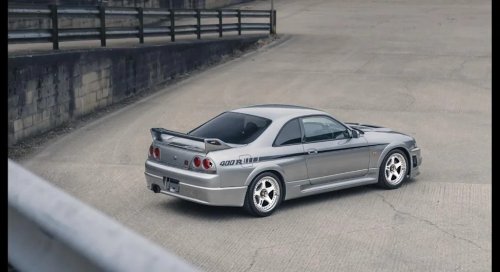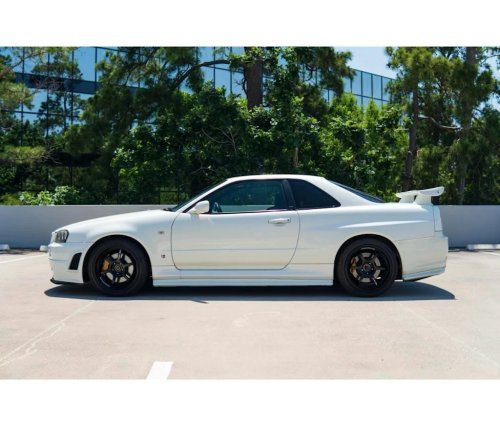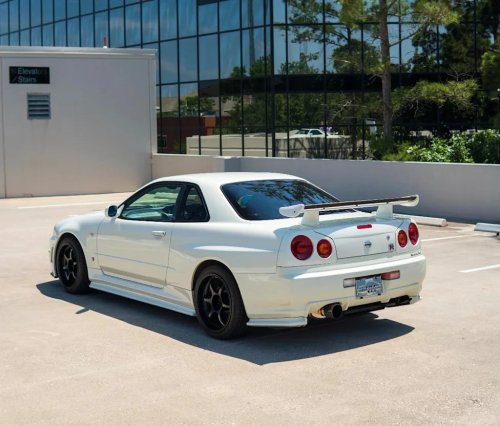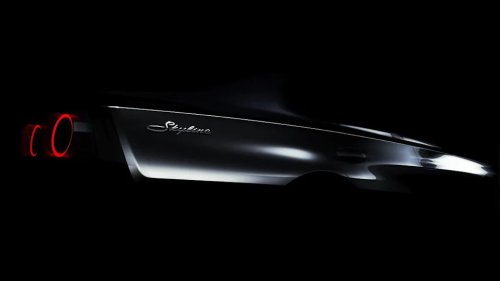

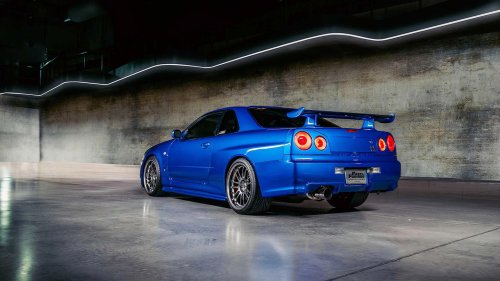
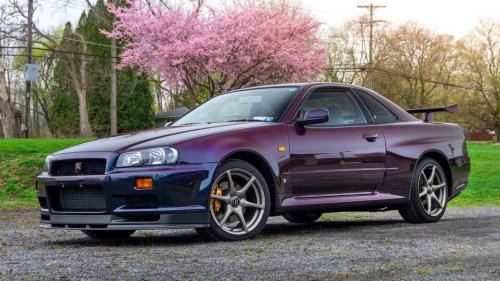





















Few cars have captured the imagination of enthusiasts worldwide quite like the Nissan Skyline R34. Built at the tail end of the 1990s, it wasn’t just another high-performance coupe—it was a meticulously engineered machine that balanced cutting-edge technology with a raw, visceral driving experience. Born out of decades of motorsport pedigree, the R34 cemented itself as the poster child of Japan’s performance car culture. Its influence transcends car meets and race tracks, reaching into film, gaming, and the hearts of drivers who crave the perfect blend of speed, handling, and heritage.The R34 represented more than just horsepower figures or quarter-mile times. It was the culmination of Nissan’s commitment to producing a driver’s car that could hold its own against the best in the world. And yet, it never tried to copy European exotics or American muscle—it carved out its own identity. This was a sports car that became a legend not by marketing hype alone, but because it delivered an experience few others could match. Today, it stands tall not only as a high-performance masterpiece but as a cultural icon whose reputation only grows with time.To give you the most up-to-date and accurate information possible, the data used to compile this article was sourced from Nissan and other authoritative sources. A Car Built For The Love Of Driving Built by Legends When Nissan developed the R34, the focus wasn’t on appeasing a broad audience—it was on building a driver’s car for purists. At the heart of the Skyline GT-R R34 was the now-iconic RB26DETT, a 2.6-liter twin-turbocharged inline-six producing 276 horsepower on paper, though real-world figures were often higher. What made this engine special wasn’t just the power output—it was its character. Smooth yet aggressive, the RB26 was built to rev, delivering a surge of power across the band that made it addictive to drive. Nissan Skyline GT-R R34 Performance Specs The R34 wasn’t simply about straight-line speed—it was a masterclass in balance. Nissan’s ATTESA E-TS Pro all-wheel-drive system distributes torque intelligently, giving the car supernatural levels of grip whether on a tight touge road or a rain-soaked circuit. Paired with the Super-HICAS four-wheel steering system, the R34 had a level of agility and stability that belied its size. It didn’t just go fast—it went exactly where you told it to, inspiring the kind of confidence that makes drivers push harder with every corner. A Driver-Centric Experience Inside And Out Built by Legends Every detail of the R34’s design screamed “driver first.” The dashboard’s multifunction display fed real-time information about boost pressure, oil temperature, and lap times, making the driver feel like a racing engineer behind the wheel. The six-speed Getrag transmission was tight and precise, the chassis was communicative, and the suspension offered just the right mix of compliance and stiffness. It was an enthusiast’s dream—a car that wasn’t just fast, but one that made the act of driving itself deeply rewarding. The R34's Unmatched Exclusivity Grows Bonhams While many performance cars of the era were built in large numbers and exported globally, the Nissan Skyline R34 was primarily reserved for the Japanese domestic market. This limited its availability overseas, immediately giving it an aura of exclusivity. For years, enthusiasts outside Japan could only admire it from afar—through magazines, video games, and grainy online videos. In the United States, strict import laws meant the R34 remained out of reach until the “25-year rule” slowly began to make ownership possible.This scarcity only fueled the car’s mystique. Spotting an R34 outside of Japan was a rare event—one that would turn heads instantly, even among people who weren’t die-hard car fans. It wasn’t just another sports coupe; it was a forbidden fruit. Collectors knew its value would climb, not just because of performance, but because of its cultural status and the fact that so few were available globally.The exclusivity wasn’t just about geography—it extended to the engineering. Nissan produced multiple special editions, including the V-Spec, V-Spec II, and Nür models, each with refinements in aerodynamics, suspension, and cooling. These variants were even rarer and became the holy grail for collectors. Owning an R34 wasn’t simply a matter of money—it required dedication, patience, and, in some cases, navigating complex import regulations. That rarity has made it not just a car, but a sought-after piece of automotive history. The Defining Car Of The JDM Golden Era Bring-a-Trailer The late ’80s to early 2000s are often regarded as the “golden era” of Japanese performance cars, with legends like the Toyota Supra Mk4, Mazda RX-7 FD, and Honda NSX emerging in that period. But among them all, the R34 Skyline GT-R stood as the definitive JDM hero. It wasn’t just its on-paper performance that earned this status—it was the way it represented the peak of an engineering philosophy that prioritized driver connection over gimmicks.In the late ’90s, Japanese manufacturers were pushing boundaries, but the R34 managed to feel futuristic without losing its analog soul. Its blend of advanced technology—like the ATTESA AWD and multifunction display—was perfectly balanced with mechanical purity. While other performance cars leaned heavily on one area, the R34 delivered a complete package, including: Thrilling speed Superb handling Steadfast reliability Everyday usability The R34 also carried the weight of Nissan’s racing heritage. It was developed with motorsport in mind, and its dominance in Group A racing and touring car championships only reinforced its credibility. The Skyline name had already earned respect on the track, but the R34 solidified it as a legend that could beat supercars at a fraction of the price. This combination of race-winning DNA, cutting-edge tech, and raw driving joy made it the crown jewel of the JDM golden age. Its Role In The Fast And Furious Franchise Universal Pictures While the R34 was already a cult favorite among enthusiasts, its appearance in the Fast and Furious franchise skyrocketed it into mainstream pop culture. The most iconic moment came in 2 Fast 2 Furious when Paul Walker’s character, Brian O’Conner, drove a striking silver-and-blue R34 GT-R. For millions of viewers worldwide, this was their first real exposure to the car—and it left an unforgettable impression.The movie didn’t just showcase the R34’s looks—it celebrated its speed and agility, portraying it as the ultimate street racing machine. The high-octane chase scenes cemented its image as a performance icon, while the association with Walker gave it an emotional resonance for fans. This was more than product placement—it was a perfect pairing between a charismatic actor and a car that embodied his on-screen personality.After Walker’s tragic passing in 2013, the R34’s status as a symbol of his legacy only grew stronger. Fans didn’t just want to own the car because of its performance—they wanted to own a piece of cinematic history. Today, R34s in the same specification as the movie car are among the most sought-after, often commanding significant premiums at auction. How Much Is The Skyline R34 Worth Today? Bring-a-TrailerThe R34’s value has skyrocketed in recent years, driven by a perfect storm of factors: its rarity, legendary status, and the increasing number of countries where it’s now legal to import. What was once a $50,000 performance bargain in the early 2000s has now transformed into a six-figure collector’s item. For well-maintained V-Spec and Nür models, prices have exceeded $300,000, with some pristine examples approaching the half-million-dollar mark.These values aren’t just about nostalgia—they reflect the car’s enduring desirability. Unlike many collector cars that spend most of their lives in storage, R34s are still driven and enjoyed by owners, which only makes untouched, low-mileage examples more valuable. Each passing year, the pool of unmodified, original-condition R34s shrinks, further driving up prices.Looking ahead, it’s unlikely the R34 will see any dip in value. As more become eligible for import into major markets like the US, demand will only climb. This isn’t just a passing trend—it’s the natural outcome for a car that represents the pinnacle of its era. For those who dream of owning one, the message is clear: every year you wait, the price of admission climbs higher, and the legend only grows stronger.