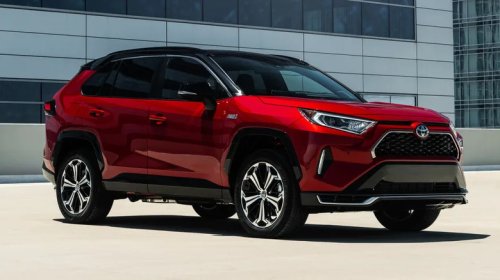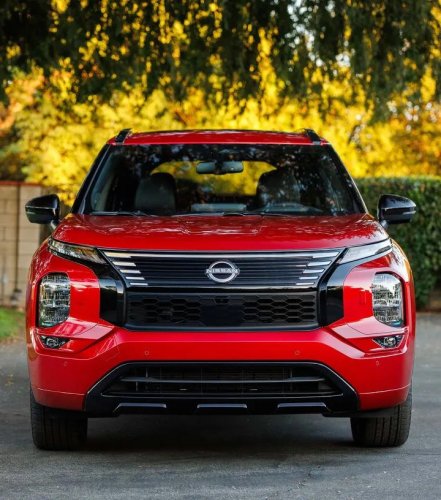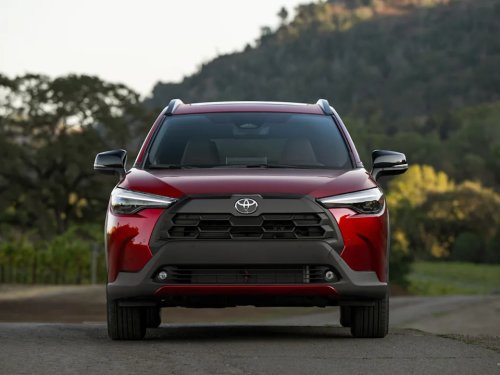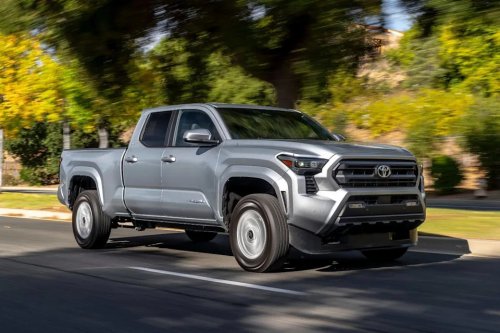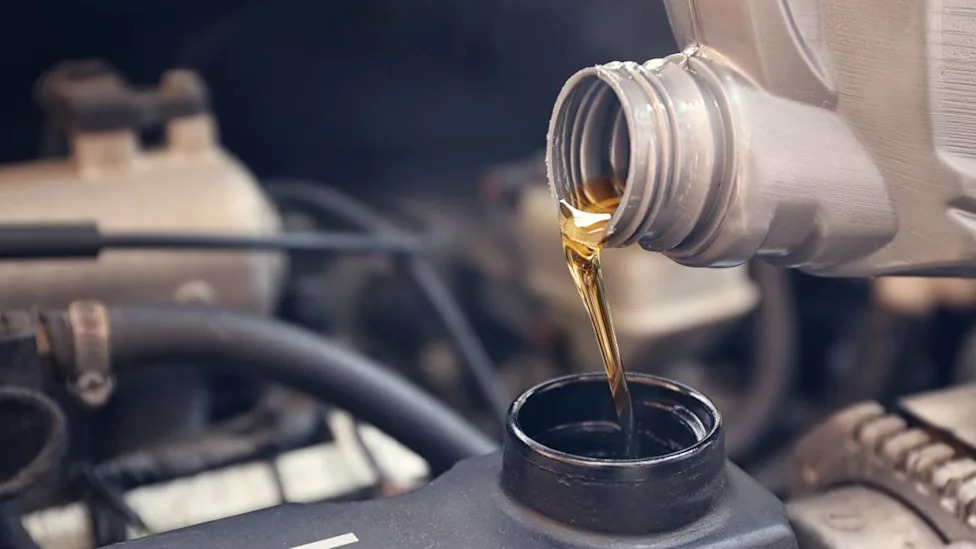





















Image Credit:Shutterstock.Rising fuel prices are not the only petroleum-related problem facing drivers this summer. According to internal service bulletins reportedly tied to Toyota and Nissan, automakers are now preparing for potential shortages of certain motor oils as global supply chain pressure spreads beyond gasoline and diesel.The issue primarily affects low-viscosity synthetic oils like 0W-8 and 0W-16, which are commonly used in newer hybrid and fuel-efficient engines. These lightweight oils have become increasingly important as automakers chase tighter emissions standards and better fuel economy numbers, especially in hybrid-heavy lineups like Toyota’s.Toyota reportedly warned dealers last month that supplier ExxonMobil could struggle to maintain normal production levels due to ongoing problems in the global petrochemical supply chain. Nissan has also acknowledged concerns about tightening lubricant supplies, particularly for oils sourced through Mobil and Mobil 1 partnerships.AdvertisementAdvertisementWhile there is no sign of a full-blown retail shortage yet, the situation appears serious enough that automakers are already discussing temporary workarounds with dealers. That includes using slightly heavier oil grades in some vehicles to reduce pressure on supply inventories until production stabilizes.Toyota Is Advising Dealers To Use Oil SubstitutesImage Credit:Shutterstock.According to the leaked Toyota bulletin, the company warned service departments that 0W-8 and 0W-16 oils could become difficult to source due to production and logistics constraints affecting the petrochemical industry.To manage inventories, Toyota reportedly instructed dealers to occasionally substitute heavier oil grades for certain service intervals. The guidance specifically notes that these substitutions are intended only as temporary measures rather than permanent changes to maintenance schedules.That might sound alarming to owners, but automakers already build flexibility into oil recommendations for situations like this. Modern engines can often safely tolerate a limited range of oil viscosities without suffering immediate mechanical damage.AdvertisementAdvertisementThe tradeoff usually comes down to efficiency rather than reliability. Thicker oils can slightly reduce fuel economy and increase internal engine drag, while thinner oils improve efficiency but may not provide the same lubrication characteristics under all operating conditions.Why Synthetic Oil Supplies Are TighteningAt first glance, a synthetic motor oil shortage might sound strange during a crude oil market slowdown. The complication lies in the specialized “base stock” materials used to create modern lubricants.Many synthetic oils still rely on highly refined petroleum-based components as part of their formulation. According to Nissan’s reported internal memo, disruptions tied to global refining inputs and instability connected to Middle East conflicts are now affecting lubricant production capacity.Nissan’s draft bulletin reportedly warned dealers to expect oil allocations limited to roughly 55% of prior-year supply levels. The company later confirmed the authenticity of the document, although it stated the memo itself had not yet been officially distributed across the dealer network.AdvertisementAdvertisementThe shortage concerns are not isolated to one automaker, either. Nissan’s customer communication draft specifically stated the supply issue is affecting the entire automotive industry rather than only Nissan-branded service departments.Hybrid Owners Could Feel The Impact FirstImage Credit: Shutterstock.The vehicles most likely to feel the effects are modern hybrids and highly efficient gasoline engines that rely on ultra-thin oils like 0W-8. Toyota has aggressively adopted these lubricants across many of its latest hybrid powertrains in pursuit of maximum efficiency gains.That does not necessarily mean owners should panic. Even if dealerships temporarily switch to slightly heavier oils, automakers say those substitutions remain within acceptable protection limits for short-term use.Still, consumers may begin noticing changes at service centers over the coming months. Certain oil grades could become harder to find, wait times for maintenance may increase, and prices for synthetic oils could climb as inventories tighten.AdvertisementAdvertisementThe bigger concern is what this situation says about the automotive supply chain as a whole. Modern vehicles increasingly depend on highly specialized fluids, materials, and components optimized for efficiency and emissions compliance. When even basic maintenance items like motor oil face supply pressure, it highlights just how interconnected and fragile parts of the global automotive ecosystem have become.If you want more stories like this, follow Guessing Headlights on Yahoo so you don’t miss what’s coming next.