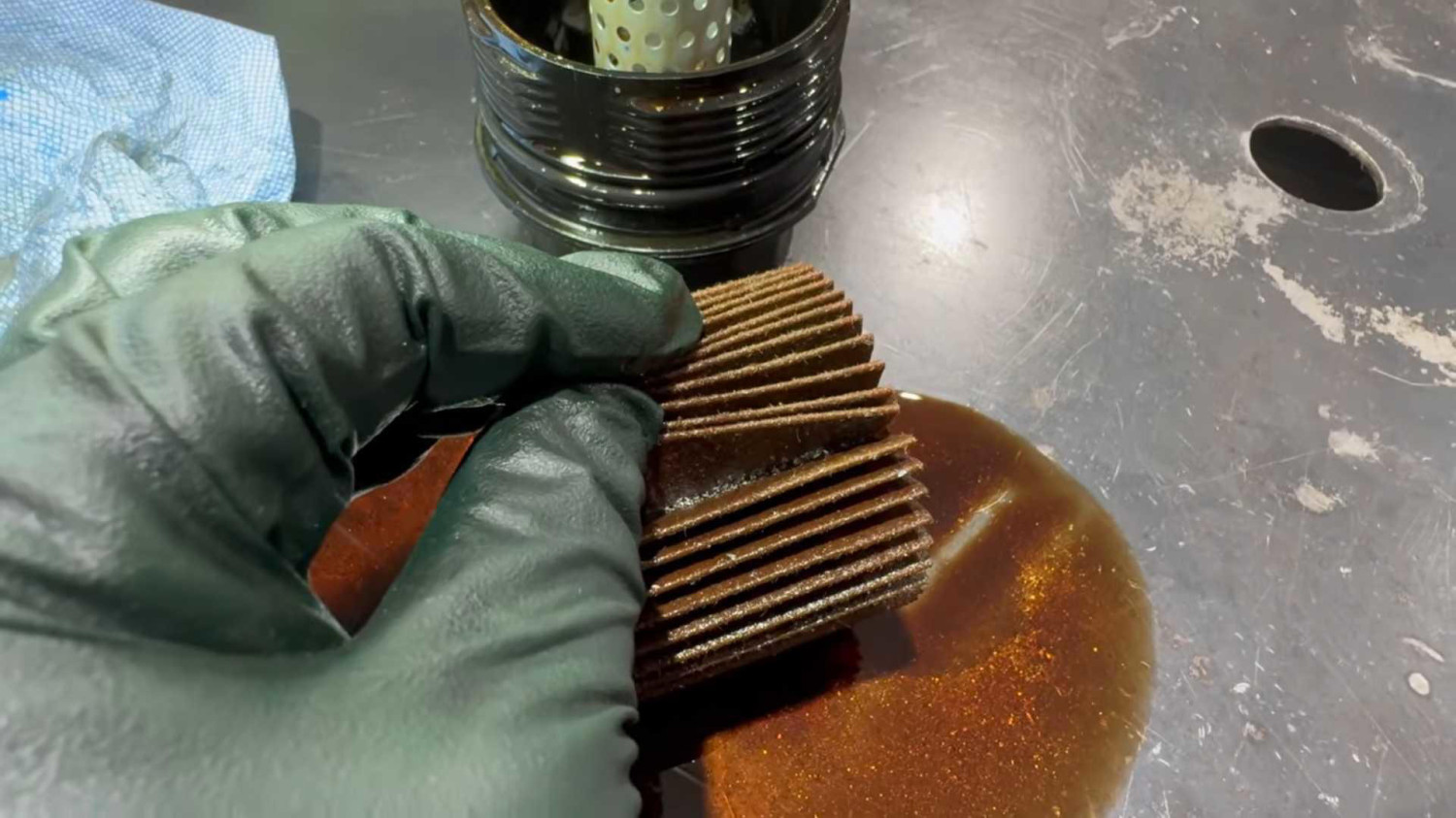
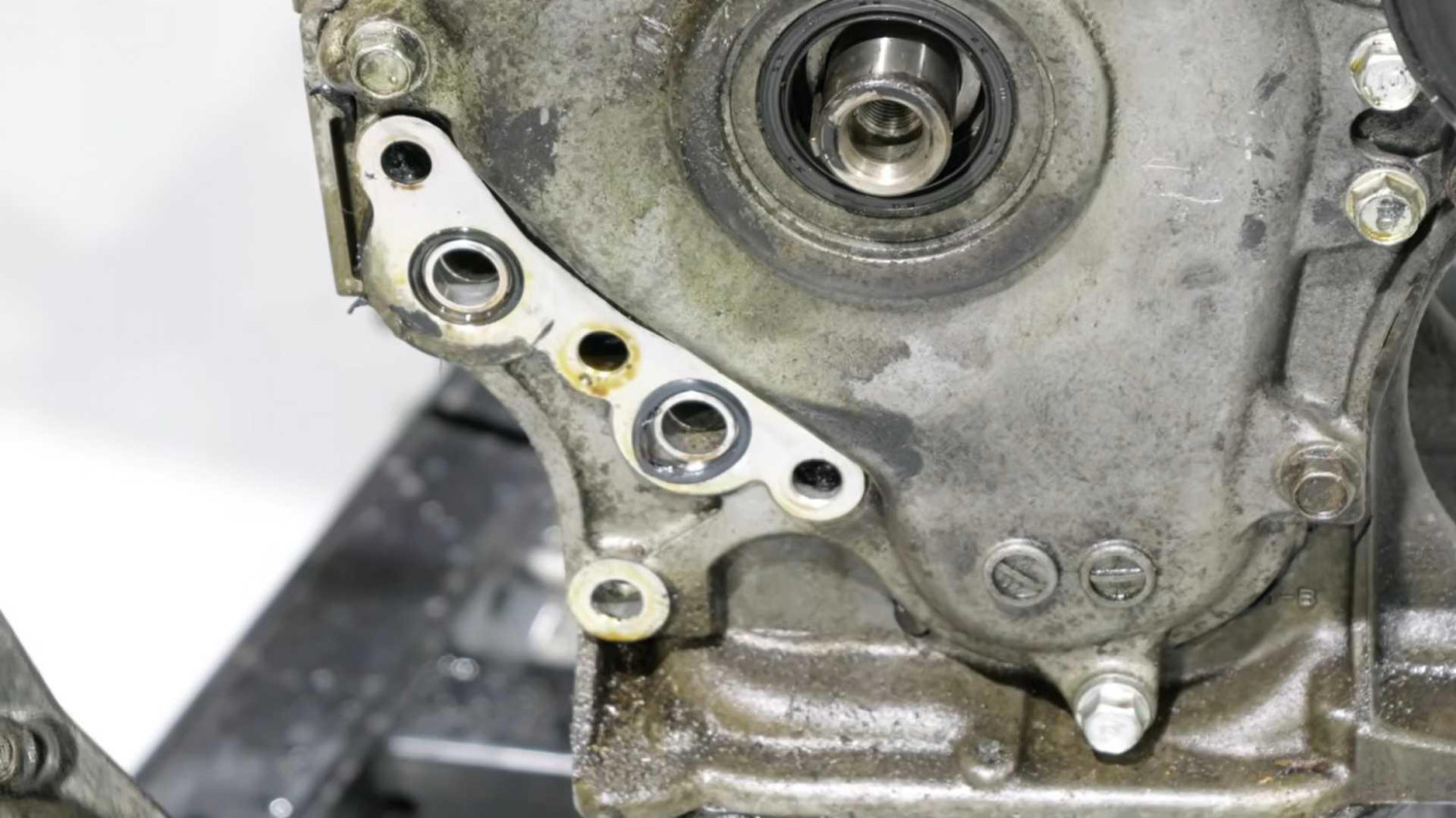



















We've been down this road before. Or have we? Yes, we've seen many a destroyed engine from Eric at YouTube's premier engine teardown channel, I Do Cars. And this one has all the ingredients – multiples holes in the engine block, gnarley looking parts that used to be functioning internal components, and signs of poor maintenance.But this time, it wasn't a lack of maintenance that killed this poor Toyota engine. Someone did try to save this high-mile engine at some point. But in doing so, it was condemned to an early death. Life Of The Toyota 2ZR-FE Four-Cylinder ToyotaFirst things first. This engine is a 1.8-liter naturally aspirated four-cylinder that once gave life to a 2010 Toyota Corolla. It's not necessarily a glamorous engine, and these do have some issues with oil consumption and blowing head gaskets. However, the 2ZR is still a tough little mill and, with "suboptimal" maintenance as Eric describes, these are generally known to go a quarter-million miles without much issue. Give it better maintenance, and the 2ZR can have quite a long life.As such, Toyota used the 2ZR in a wide range of vehicles, the aforementioned Corolla being among them. With regard to this specific case, the Corolla was apparently owned by the son of a former Lexus tech. Whether the tech bought it for the son, or the tech worked on it, is all unclear. What is clear, however, is that said son was driving, and it started to lose power. Son kept giving it gas until there was no more gas to give, at which point it went boom. And now here we are, trying to retrace its last mile to find out what the hell went wrong. How To Kill An Engine Without Really Trying The video opens with a very clear view of the problem. Two holes are punched through the block, with a connecting rod sticking out of one. The big mystery is how that happened, and we don't have to wait long at all for the first clue. Even before diving into the oil filter, Eric finds a wrecked O-ring in the block behind the oil filter housing. It's not immediately clear how it got deformed, but it could definitely affect oil pressure. And that's definitely a bad thing for an engine.Speaking of bad things, if you've seen any number of I Do Cars teardowns, you're familiar with Eric's turn-of phrase forbidden glitter. In short, it's fine metallic bits, usually the result of failed bearings, seen in oil residues or various sections of the engine. It's a clear sign of a mortal wound, and shortly after we see this bad O-ring, we're treated to a veritable glitter fest in the oil filter. Honestly, this could be the clearest example of forbidden glitter we've ever seen.I Do Cars / YouTubeVery soon after, another realization was made. With the water pump and timing cover removed, it's clear someone had recently performed quite a bit of maintenance on the engine. The water pump was a replacement unit. The timing chain was new. The timing guides were good. And to access all that, the oil pump housing needed to be removed. You probably see where this is going.Yet another bad O-ring related to the oiling system is found later on in the head, which also showed signs of recent work. And once the head comes off, it's clear the number one piston slammed into the combustion chamber. This was likely the fatal blow that ultimately sent the bottom of the connecting rod cap flying through the engine, eventually blowing through the block as the rod twisted up like a pretzel. It's All About The Oil I Do Cars / YouTubeWith the engine apart, the story becomes pretty clear. These two O-rings likely caused a significant reduction in oil pressure. Without sufficient pressure, the rod bearings got hot, broke down, and ultimately failed. This led to the piston smashing the head, and the rest is history. Whether the O-rings were damaged during the maintenance work or simply ignored is unknown. But Eric believes the repair work was not done by a professional mechanic. Ultimately, two O-rings costing less than a buck, killed the engine.So keep this in mind the next time you decide to dive into a big engine repair on your own. It might be a valiant effort to keep an older car alive, but if you aren't specifically trained and tend not to fuss over the details, missing the small stuff like this could lead to the biggest of problems.