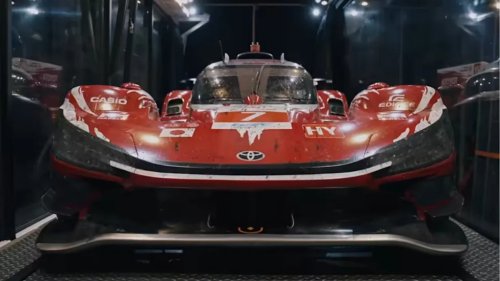


















Toyota and Ligier hydrogen prototypes set for Le Mans demo lapsThe 24 Hours of Le Mans will offer a glimpse of a possible hydrogen future when prototype racers from Toyota and Ligier complete demonstration laps in front of the endurance classic’s massive crowd. The showcase will put liquid and gaseous hydrogen concepts on the same stage and give manufacturers, the FIA and the ACO a live test bed for technology that could shape the race’s next era. Technical updates behind the Toyota and Ligier hydrogen demo cars The centerpiece of the showcase is Toyota’s latest hydrogen prototype, which uses liquid hydrogen in a combustion engine rather than a fuel cell stack. According to reporting on the Le Mans program, the car is based on a Toyota prototype chassis and is being prepared specifically to demonstrate a liquid hydrogen storage and delivery system that can work in a top-line endurance car. The project builds on Toyota’s previous hydrogen combustion work in Japan’s Super Taikyu series, with the focus this time on packaging and safety at Le Mans speeds. Key changes on the Toyota include a revised fuel tank system designed to keep hydrogen at cryogenic temperatures, upgraded insulation, and a refueling layout that fits within existing pit lane practices. The car retains a conventional multi-cylinder engine, but the fuel system, injectors and combustion strategy have been reworked for hydrogen rather than gasoline. Reports on the Le Mans plan describe this as a step toward a fully competitive hydrogen prototype, with Toyota targeting a package that could ultimately match the performance of current Hypercar entries. Earlier comments from the manufacturer have suggested that a Le Mans win with a hydrogen prototype from 2026 is technically feasible, and this demo car is a visible bridge toward that stated ambition, which has been discussed in coverage of a potential Toyota hydrogen win. The second headline act is a Ligier-built hydrogen prototype that uses a different architecture. The Ligier concept is centered on a prototype chassis developed to accommodate hydrogen storage and a powertrain package from the outset, rather than adapting an existing gasoline car. According to technical descriptions of the Le Mans demonstration, the Ligier car uses gaseous hydrogen storage and is positioned as a more modular platform that customer teams could adopt in the future. The car’s structure has been engineered around the cylindrical hydrogen tanks, with crash protection and weight distribution tuned for those components. Both cars have received specific updates for Le Mans. Aerodynamic setups have been adjusted to ensure predictable behavior at high speed, given the different mass distribution of hydrogen tanks compared to conventional fuel cells or gasoline tanks. Cooling systems have been revised to manage the thermal characteristics of hydrogen combustion and, in Toyota’s case, the cryogenic hardware needed for liquid fuel. Safety systems, including leak detection and venting protocols, have been a major focus, since the ACO and FIA are using these demos to refine future hydrogen regulations. The combined program is detailed in coverage of hydrogen-powered Toyota and that will turn laps during the event. Why a hydrogen Le Mans showcase carries extra weight this year The Le Mans demonstrations arrive at a moment when endurance racing is trying to reconcile electrification with the spectacle of long-distance racing. The ACO has already introduced hybrid Hypercars and has signaled that hydrogen will form a dedicated category in the future. Putting Toyota and Ligier hydrogen prototypes on track in front of manufacturers such as Ferrari, Porsche and Peugeot gives that roadmap tangible form. It shows that hydrogen concepts are no longer confined to test tracks or closed-door development, but are ready to run at the sport’s most visible event. Toyota’s decision to focus on liquid hydrogen is especially significant. Liquid storage allows more energy to be packed into a given volume compared with gaseous hydrogen, which is vital for a 24-hour race that depends on stint length and pit strategy. At the same time, it introduces complexity around insulation, venting and refueling infrastructure. Coverage of the Le Mans plan explains that the manufacturer will use the event to demonstrate a full liquid hydrogen system, from onboard tanks to pit lane hardware, with the goal of proving that such a setup can be integrated into existing race operations. The technical and logistical aspects of this are outlined in detail in a report on the liquid hydrogen Toyota that will run at the Circuit de la Sarthe. For Ligier, the demo is a strategic opportunity to position itself as a hydrogen chassis supplier. The company already builds LMP3 and other prototype platforms, and a dedicated hydrogen chassis could open a new business line once the ACO finalizes rules. By running a car in front of the same stakeholders who decide on future categories, Ligier can showcase its engineering capability and argue for a role in any customer-focused hydrogen class. The timing also intersects with growing interest from other brands that see hydrogen as a way back to Le Mans. One example is Saleen, which has been linked to plans for a hydrogen-powered prototype aimed at a future Le Mans return. Reporting on those plans describes how Saleen is evaluating a hydrogen concept as a route into the ACO’s hydrogen vision, tying its comeback to the same technological shift that Toyota and Ligier are now demonstrating. Those ambitions are captured in coverage of Saleen eyeing Le with a hydrogen prototype project. All of this gives the 2026 Le Mans week a sense of transition. The Hypercar field is thriving, but regulatory discussions are already looking at the next decade. Hydrogen offers a way to maintain long stints, fast refueling and the emotional appeal of combustion noise, while still addressing pressure for lower carbon emissions. By putting real cars on track, the ACO and its partners can show governments, sponsors and fans that hydrogen is not just a concept slide, but a running machine that can be inspected, timed and critiqued. How the Le Mans demos could shape the next phase of hydrogen racing The immediate next step after the demonstration laps will be data gathering. Engineers from Toyota, Ligier, the ACO and the FIA will study how the cars behave on track, how quickly they can be refueled, and how marshals and safety crews interact with hydrogen systems under race conditions. That information will feed into technical regulations for the planned hydrogen category, including tank design, refueling standards, and performance windows relative to existing Hypercars. Toyota has already signaled, through previous statements and reporting, that it wants to compete for an overall Le Mans win with a hydrogen prototype as early as 2026. The manufacturer’s parallel development of fuel cell road cars and hydrogen combustion race projects suggests that it views Le Mans as a showcase for multiple hydrogen paths. If the liquid hydrogen demo proves reliable and efficient, it will strengthen the case for a full entry that can race for victory rather than simply circulating as a technology demonstrator. Ligier’s future role will depend on how the ACO structures the hydrogen class. If the category favors a spec or semi-spec chassis with room for different powertrains, Ligier could become a default supplier, much as it has in LMP3. The company’s Le Mans run is therefore both a technical trial and a sales pitch. A successful demonstration, with clean laps and trouble-free operation, would give privateer teams confidence that a hydrogen Ligier is a viable option once the class opens. The broader manufacturer ecosystem is also watching. Brands such as Saleen that are exploring hydrogen prototypes will look closely at how the Le Mans crowd and media respond. Strong interest could encourage more companies to commit to hydrogen projects, while any visible safety or reliability issues might slow investment. The ACO’s handling of communication, paddock access and technical transparency around the demos will influence whether hydrogen is seen as a compelling frontier or an experimental sideshow. More from Fast Lane Only Unboxing the WWII Jeep in a Crate 15 rare Chevys collectors are quietly buying 10 underrated V8s still worth hunting down Police notice this before you even roll window down *Research for this article included AI assistance, with all final content reviewed by human editors.