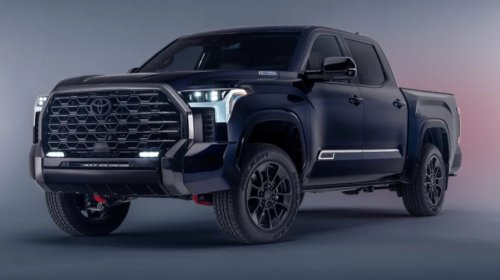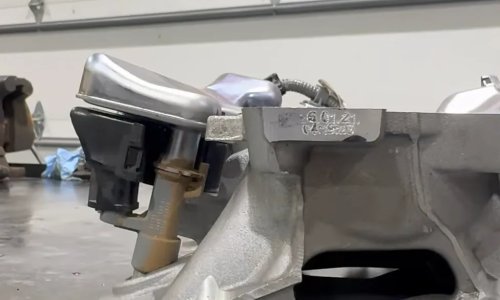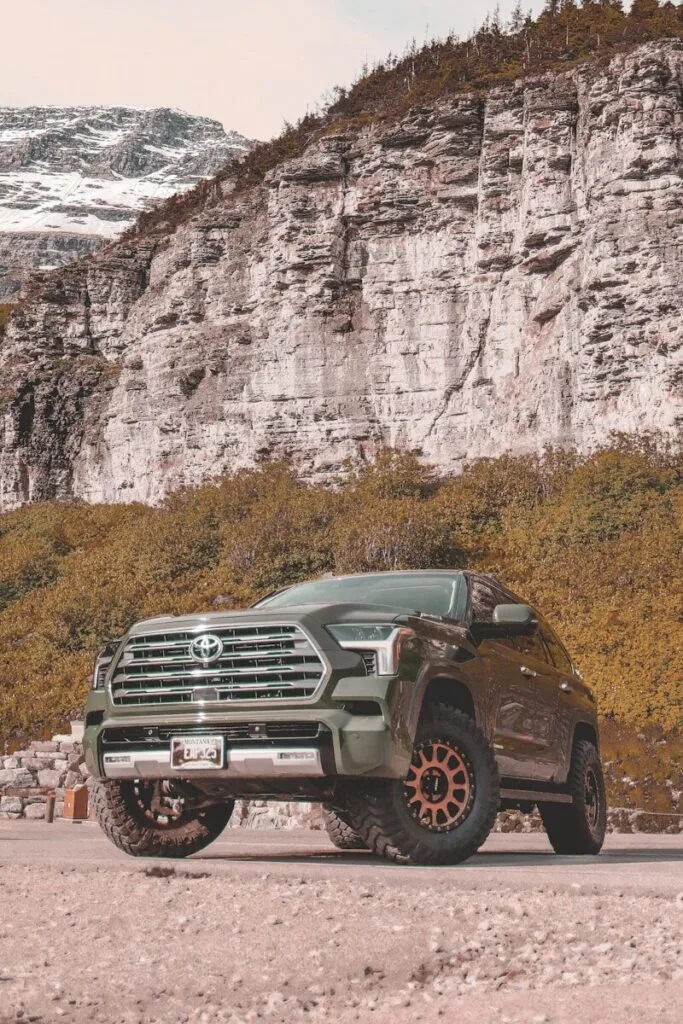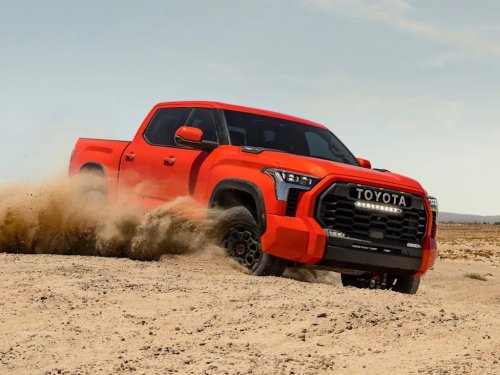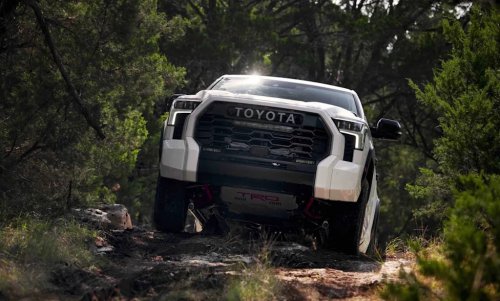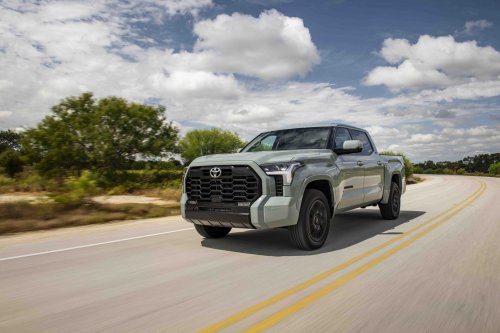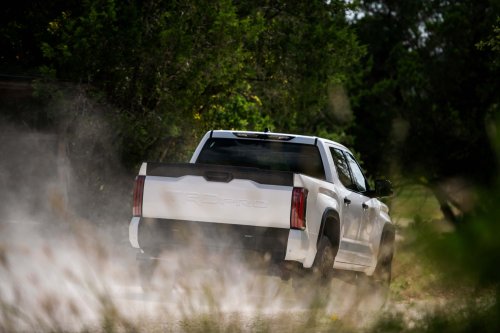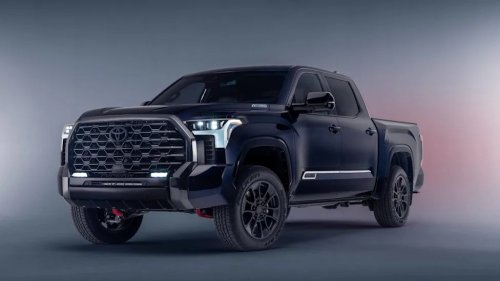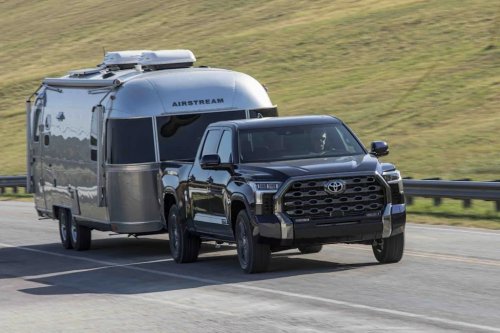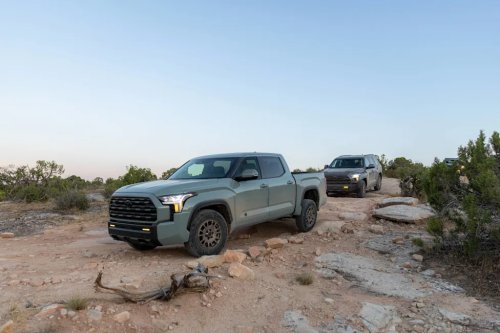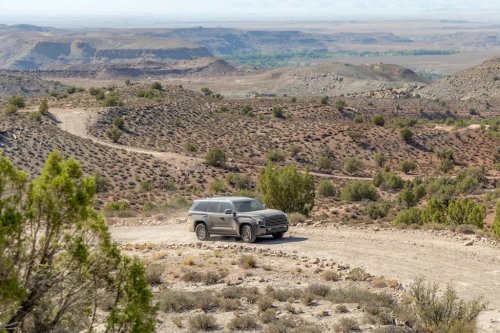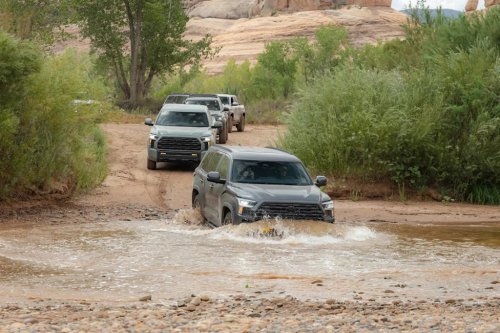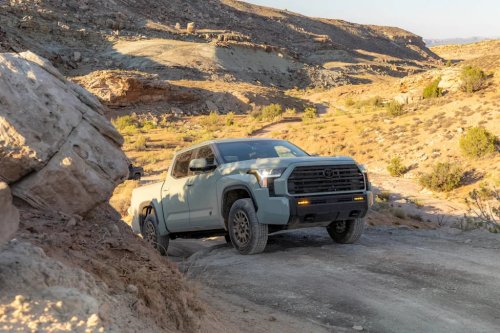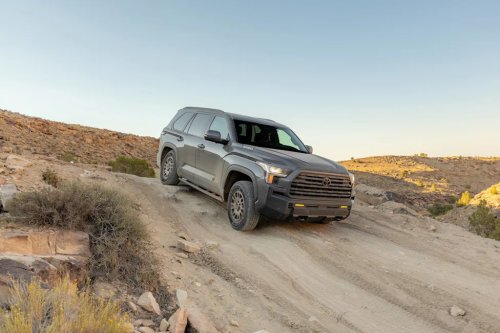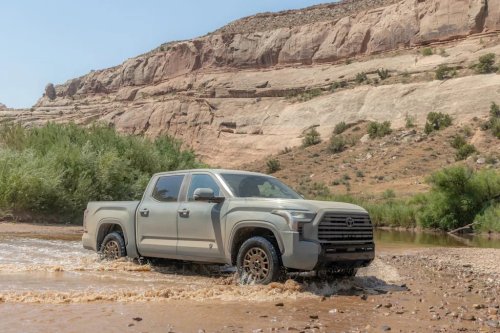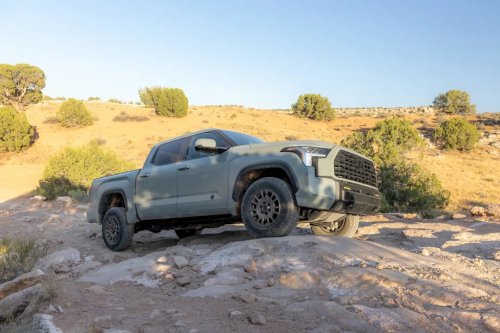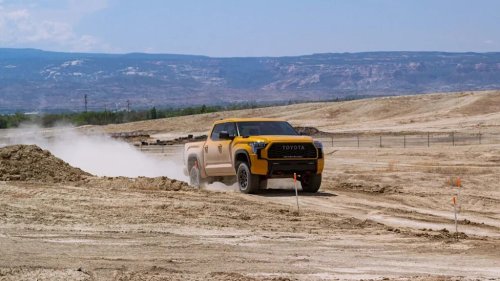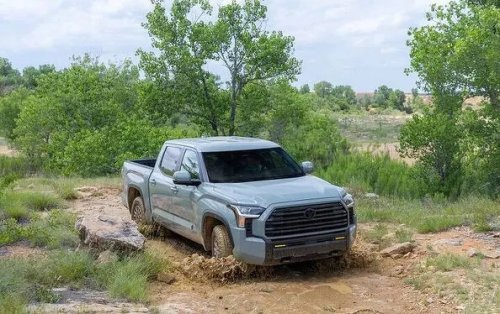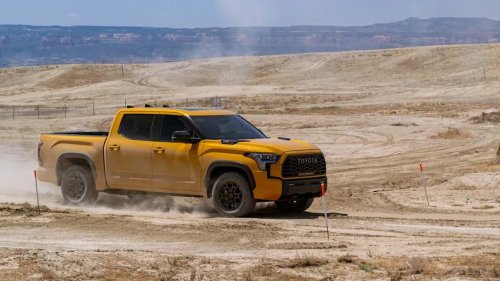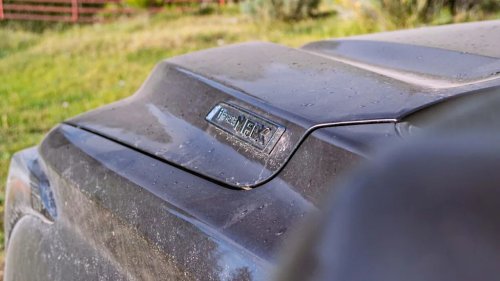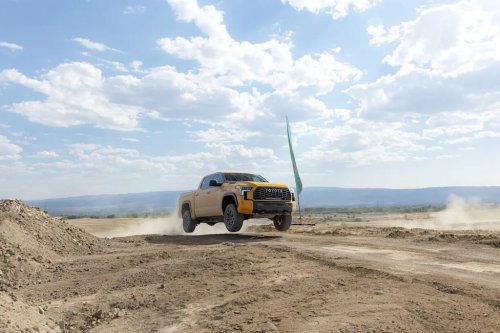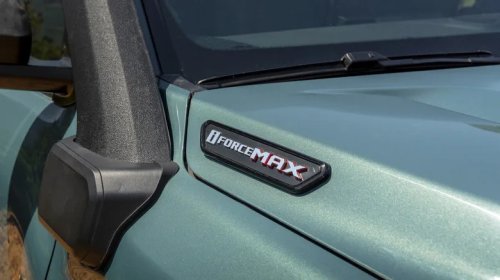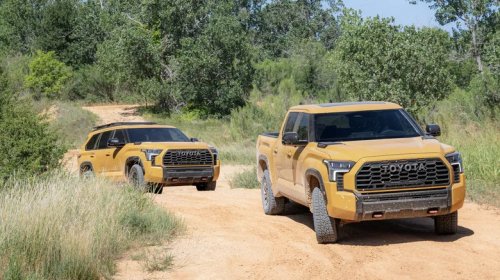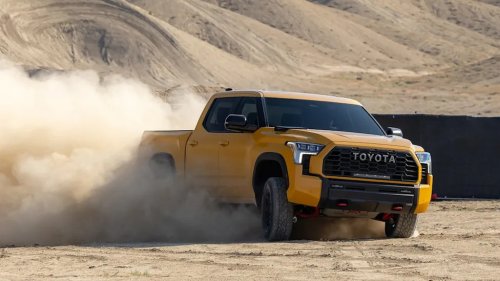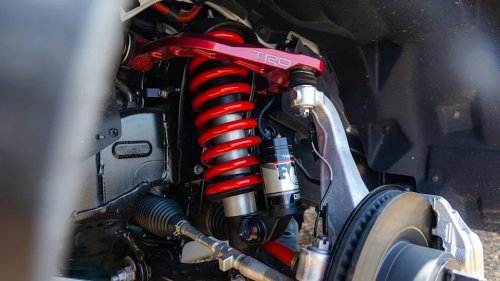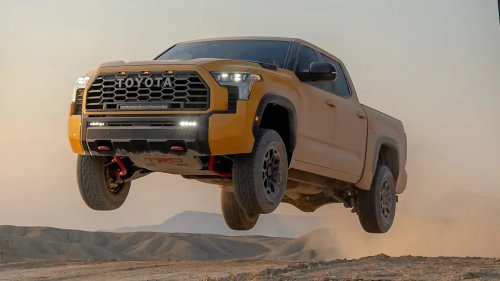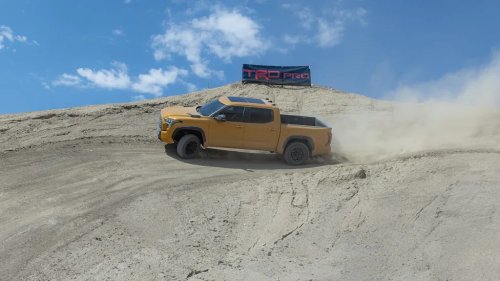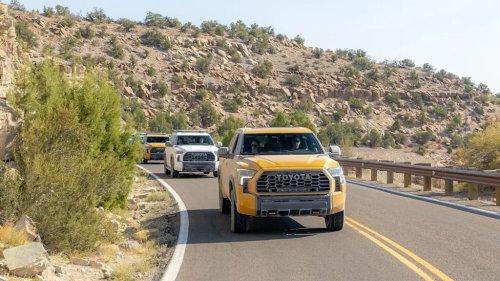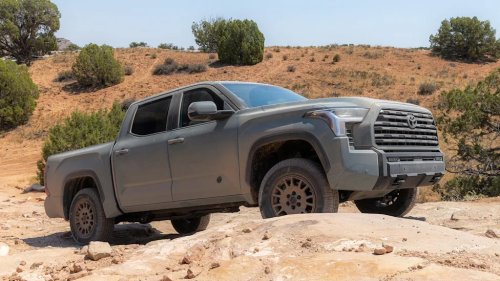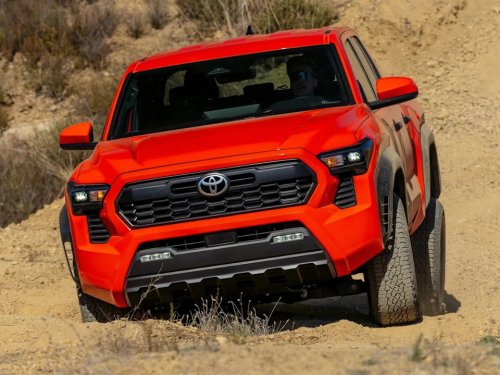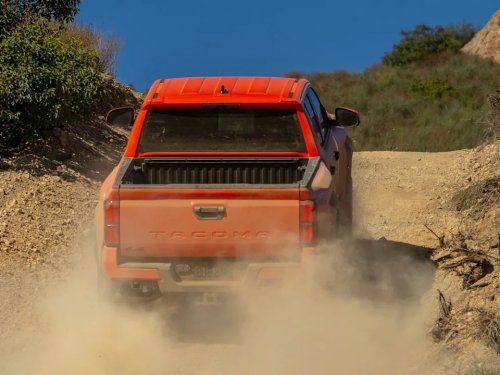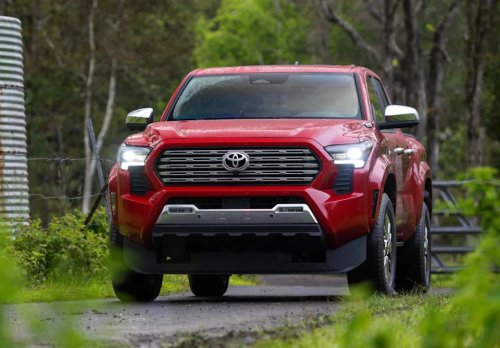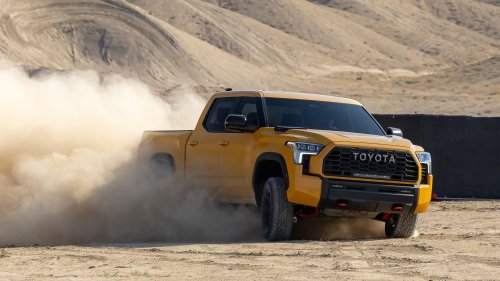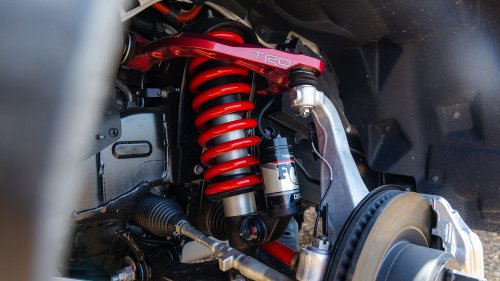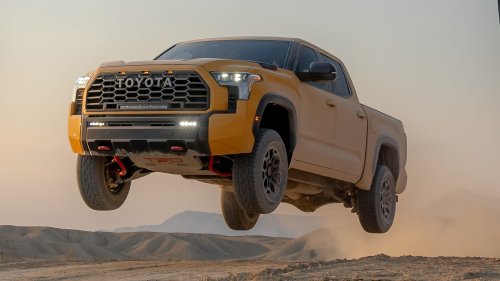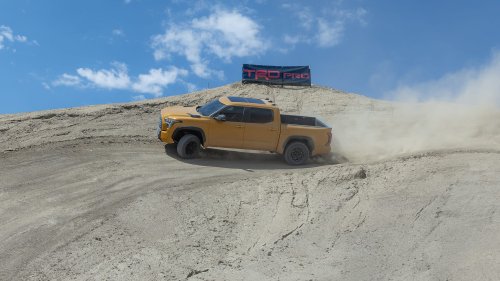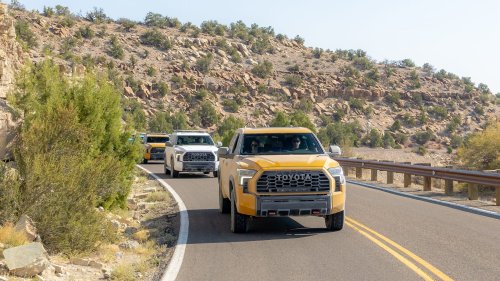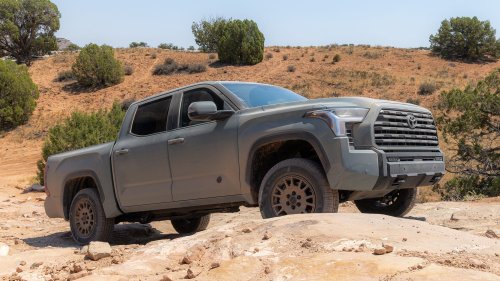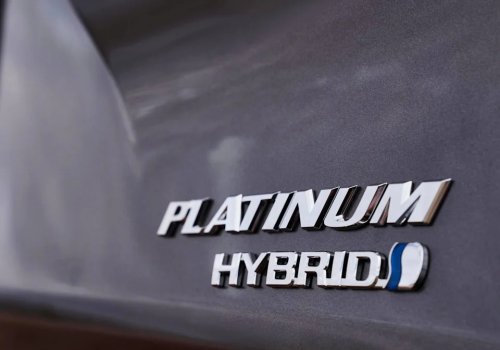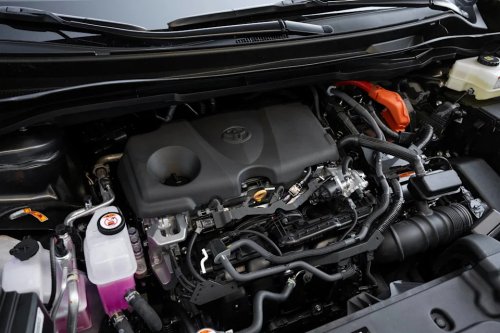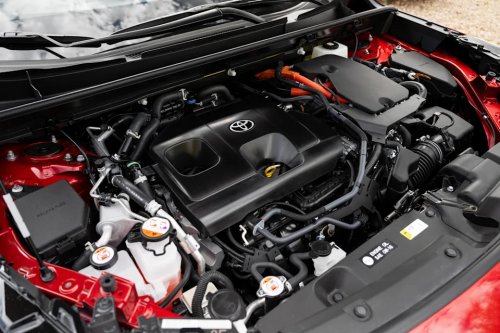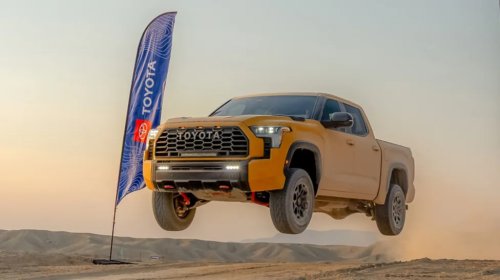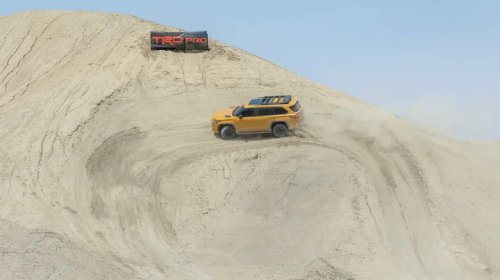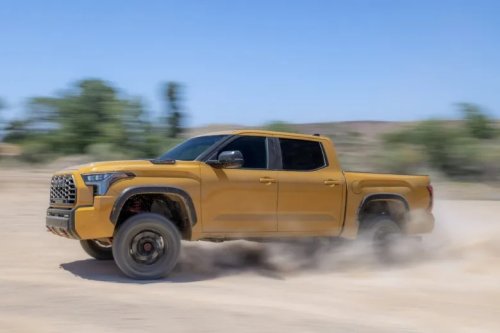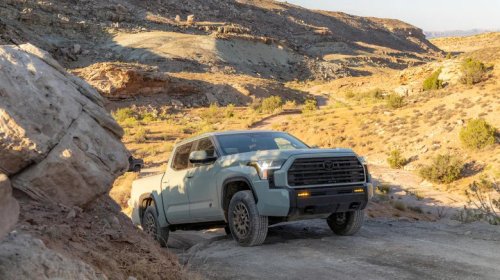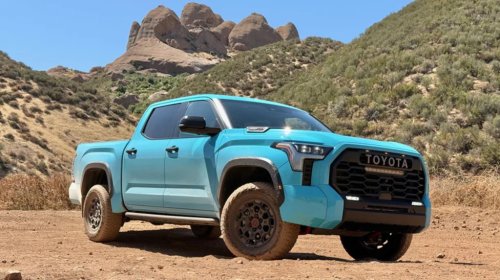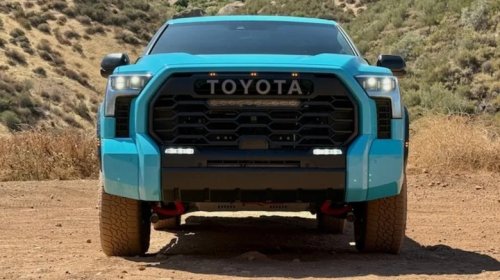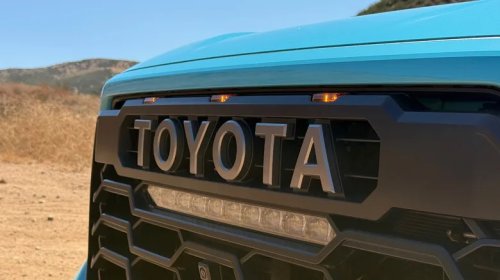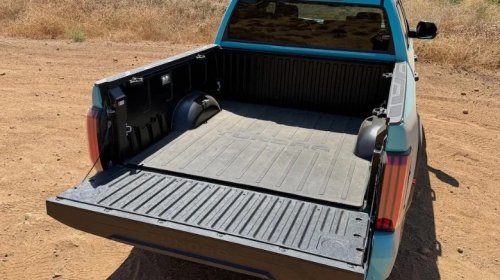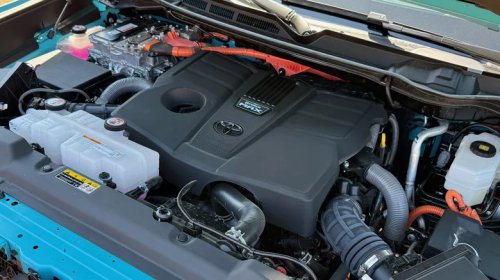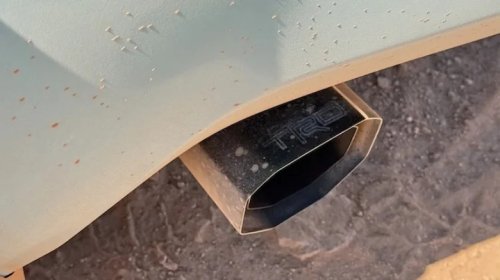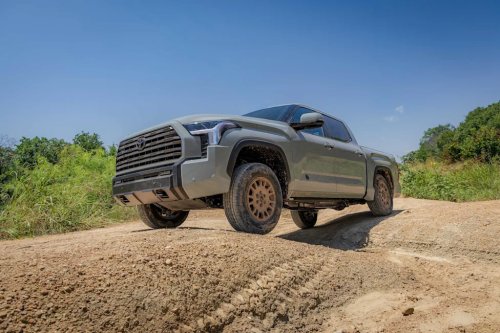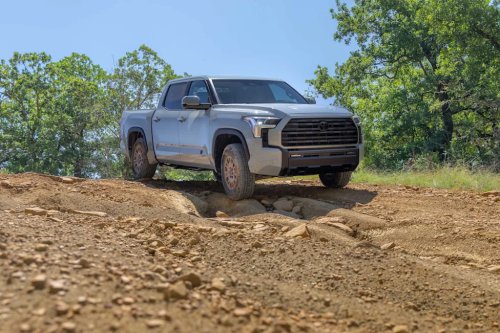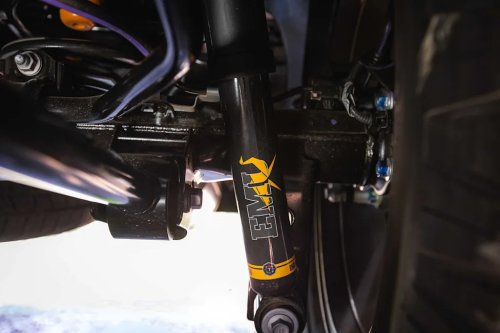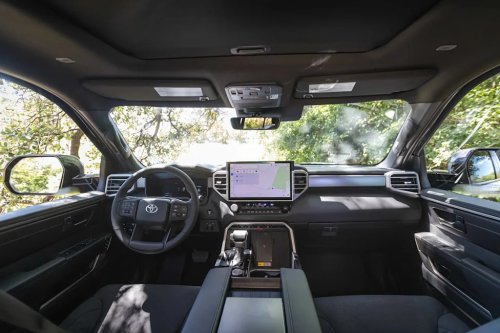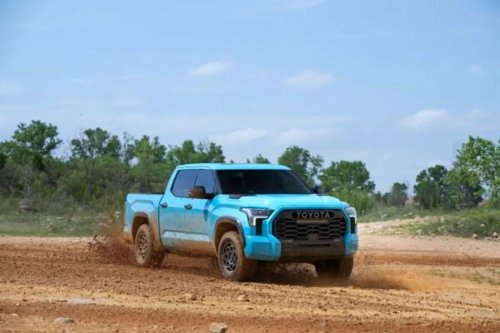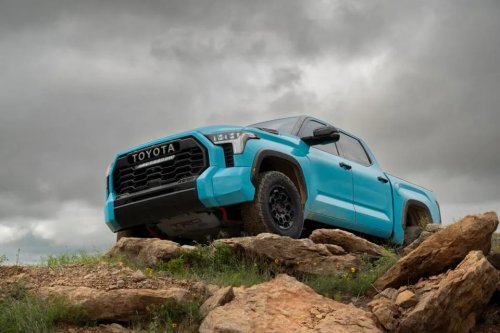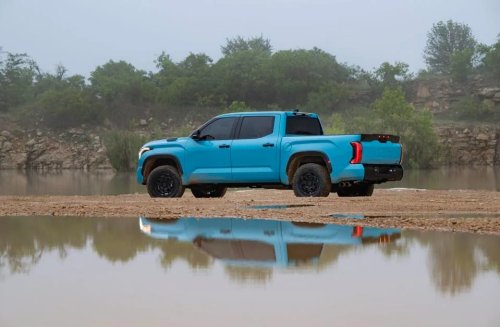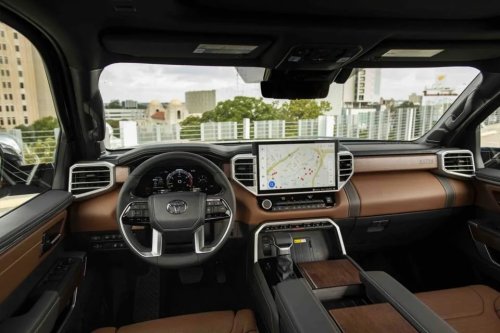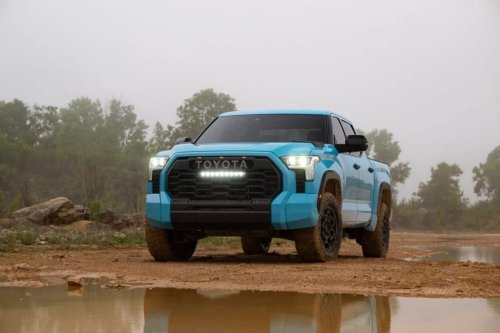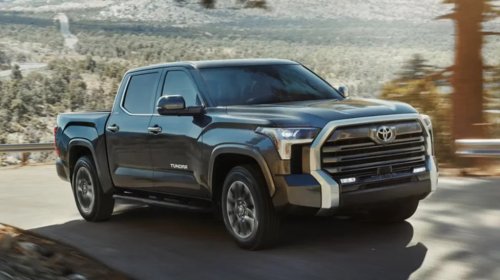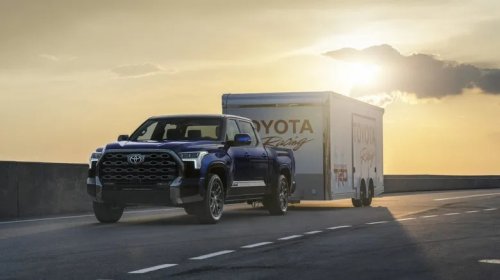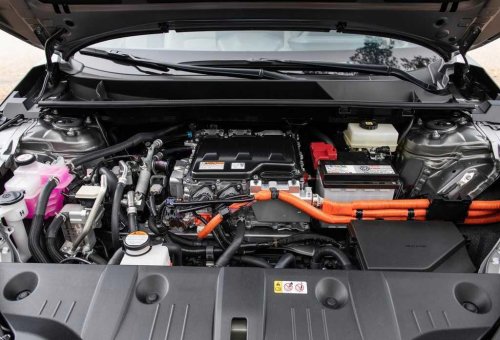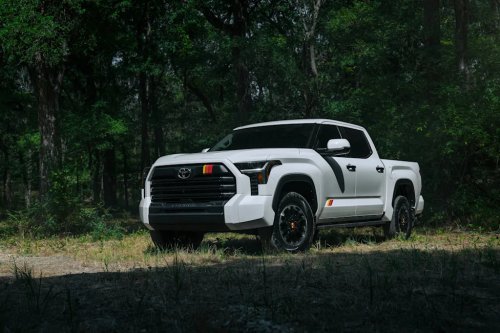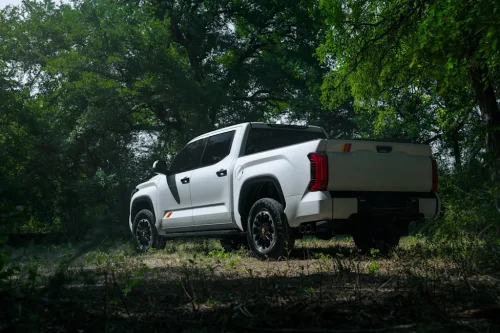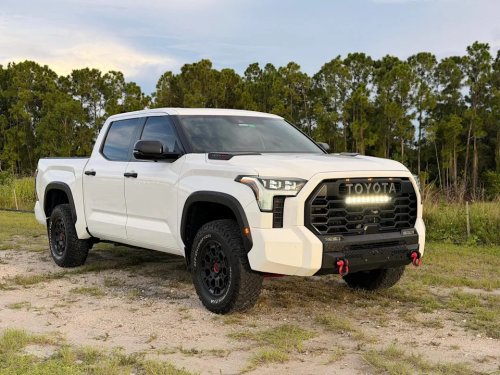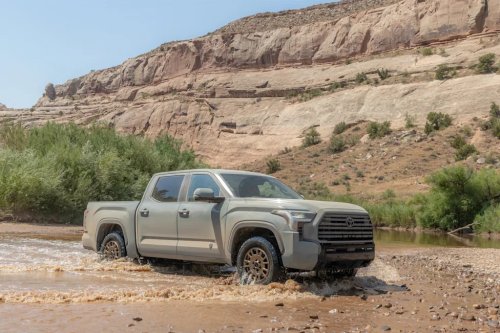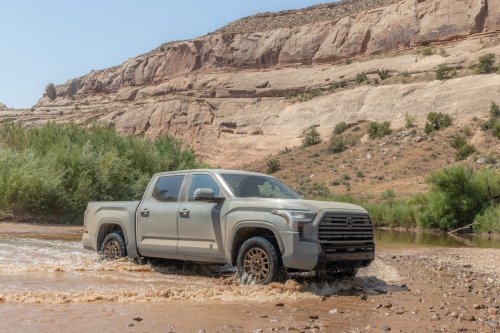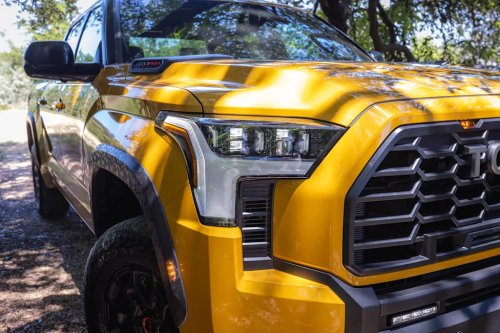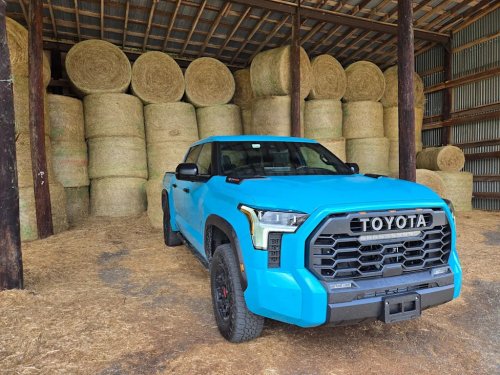
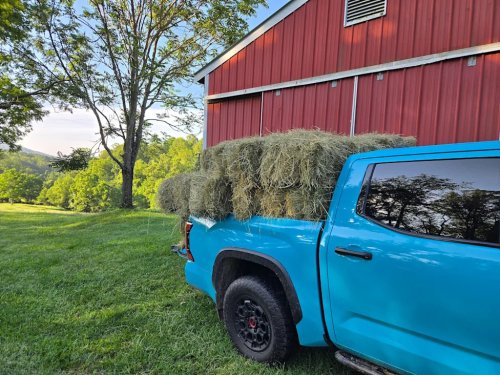
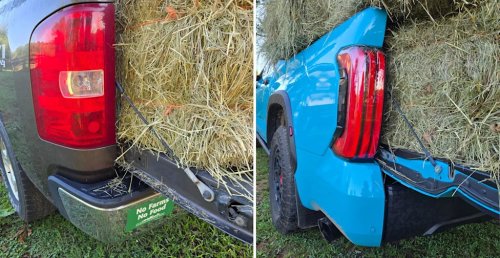
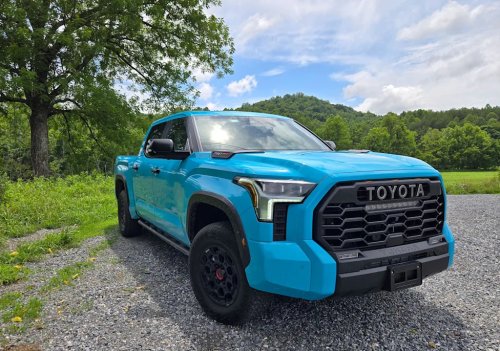
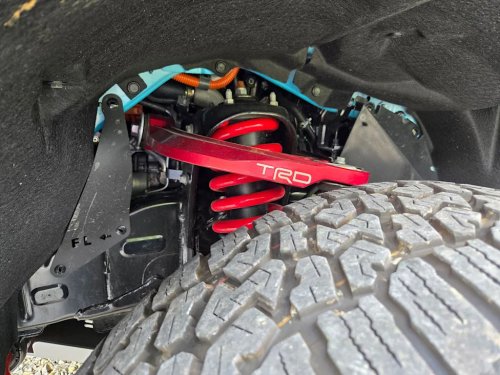
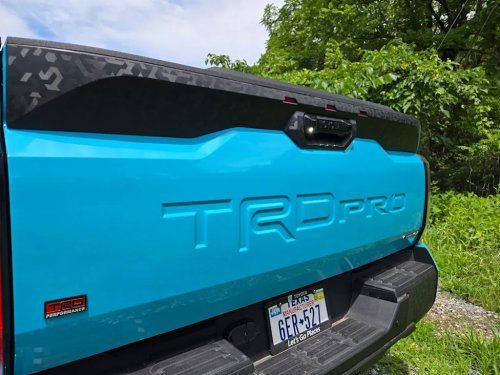



















The Toyota Tundra TRD Pro has a 1,600-pound payload capacity. (Image by Ryan Tipps, AGDAILY)If I had to pick a single task for which I rely on my farm pickup truck the most, it would be hauling hay. Whether I'm loading the bed, towing a loaded utility trailer, or both, hauling hay from neighboring farms is the farm chore my pickup handles most often.Usually we're talking dozens of the small, 50- to 60-pound square hay bales, though sometimes I'll opt to ratchet down a 900-pound round bale in the bed.Therefore, this task was an automatic must-do when Toyota sent me a 2026 Tundra TRD Pro Crewmax. I mean, if I can't stack the hay and feel like I'm safe and in control behind the wheel, then that's likely a deal-breaker for a truck in my rural community.AdvertisementAdvertisementThe big things I look for in a pickup when hauling hay are:Capacity: Generally, I'm focused on bed capacity, and 25 to 30 stacked bales tends to be a good haul number for my needs.Power: My roads are very hilly and windy with basically no shoulder. The pickup needs to be able to manage these climbs, as well as accelerating out of a turn. The stakes are elevated when I have a utility trailer behind me packed with more hay.Responsiveness: As I said, there's no shoulder on the main roads, and the access roads through the farms are often bumpy or rutted out. Keeping control of the vehicle, and maintaining stability when it has multiple rows of hay stacked in the truck, is vital.Hauling hay is one of the primary tasks of my farm pickup trucks. (Image by Ryan Tipps, AGDAILY)For this farm review of the Toyota Tundra TRD Pro Crewmax, I'm going to talk about each of these points and detail what worked well and what didn't.Tundra CapacityThe machine that Toyota sent me had a 5-foot, 5-inch short bed, so I'll admit right away that this probably isn't the truck size that most rural folks are going to zero in on. Fortunately, the Tundra also comes with a standard 6-foot, 5-inch bed and a long 8-foot, 1-inch bed. I walked the Toyota lot a bit and would feel good about having a Tundra with a standard bed for use around the farm.AdvertisementAdvertisementThe short-bed Tundra TRD Pro has a 1,600-pound payload capacity, which far exceeded what I was able to load up. I stacked 21 bales into the bed, which I would estimate totaled about 1,100 pounds.The Toyota's suspension is good for a lot of things, but its 2.5-inch FOX Internal Bypass coil-overs and rear remote-reservoir shocks isn't usually geared toward maxing out payloads. However, when the hay was ultimately loaded up, this truck didn't flinch. The bed was a generously sized 58.7 inches wide, which is more than 8 inches wider than the truck I've been using for years. That extra width made stacking the first couple of rows easy.However, aiming for row four is where I hit a limitation. Since the 2022 redesign, the Tundra's rear bumper integrates into the taillight assembly, so there's no lip on the sides for an operator to step onto. And unlike many modern pickups used in rural communities, the Tundra doesn't include corner steps (those little cutouts at the corner of the bumper that make it easier to climb into the bed).Notice the difference between the steppable space on the bumper of my old half-ton (at left) and the lack of space on the Tundra's bumper (at right). (Image by Ryan Tipps, AGDAILY)I'm 6-foot-2, and even at my height, I was only able to stack the bales three-rows high. Having a way to step up and arrange at least a few bales on a fourth row would really enhance the value in how I used this pickup.Tundra PowerNothing is flat where I live. Even the areas that we call "flat" really aren't that flat. Being able to traverse a steep incline down to the pond or to meet the animals higher up on the ridgeline is crucial.AdvertisementAdvertisementToggling between the Tundra's Multi-Terrain Select mode (which adjusts throttle and brake modulation for specific terrains) and its Downhill Assist Control (which caters to low speeds on steep descents), I was able to reach these off-road destinations under load with ease.Things were even more comfortable on paved roads, where the Tundra expertly ascended and descended like it had almost nothing in the bed. This is largely thanks to its i-FORCE MAX hybrid V6 engine, which is engineered toward horsepower, low-end torque, and towing strength. Per the advertised specs, the Tundra TRD Pro has 437 horsepower and 583 lb-ft of torque, which compares favorably against half-tons put out by the major Detroit-area manufacturers.The 2026 Tundra TRD Pro has an impressive 437 horsepower. (Image by Ryan Tipps, AGDAILY)As someone who has run with an older-model V8 for a very long time, it was impressive to see this much power and capability coming from a V6. With each climb, I could recognize when the hybrid engine shifted away from being electric-only into a mode that used gas to give it the power needed to safely overcome the hill.Tundra ResponsivenessThis is, admittedly, the least-quantifiable topic to address in this review. I look at it in terms of how well the pickup handled itself on the roads while under load, how stable it remained with a loaded trailer, and the general grip and feel of the ride.AdvertisementAdvertisementIn all of these instances, it was better than any other half-ton I have driven or ridden in.The Tundra TRD Pro benefits from being a massively weighty vehicle, clocking in at about 6,000 pounds. Its curb weight helps reduce the influence of a properly loaded utility or livestock trailer compared with a lighter pickup, though trailer balance and tongue weight remain critical for safe towing. (Please, be sure you learn the proper ways to load and balance a trailer.)A detailed look at the suspension on the Toyota Tundra TRD Pro. (Image by Ryan Tipps, AGDAILY)I was relieved to feel such confidence on the road and when hauling hay around my property — especially from a V6. Couple that with a suspension that nimbly managed every washed out section of gravel road with ease and kept me stable on the tightest twists and turns on the roadways, and this truck clocked in with a comfortable and reliable ride on all points.Is it worth the buy?From the standpoint of a versatile half-ton, the Toyota Tundra TRD Pro checks a lot of the most important boxes when it comes to hauling hay (and handling a lot of other farm tasks). Its power and stability go a long way in terms of giving the Tundra credibility in this space — even if the vehicle isn't yet as popular in rural communities as some other brands are.AdvertisementAdvertisementThe only shortfalls in my testing were the size of the bed (easily fixed by buying a standard or long bed) and the lack of a foothold to better stack hay or other materials in the truck bed. Farm and rural chores are often about cargo — we didn't even get into my obsession with timber harvesting, firewood splitting, and chopping and hauling deadfall — so maximizing payload volume and weight, cargo access, and horsepower are the mark of a functional work vehicle.But if hauling hay is a reliable test of whether a pickup belongs on my farm, the Tundra TRD Pro passed. I'd still opt for the standard or long bed, but the truck has earned my confidence where it mattered most.Like most modern pickup trucks, the Tundra's backup camera is positioned in handle of the tailgate. (Image by Ryan Tipps, AGDAILY)This article was funded by and published on behalf of Toyota Motor North America. Visit this page to find a Toyota dealership near you.Ryan Tipps is the founding editor of AGDAILY and continues to lead the site and its print component, Arcadian magazine, as vice president of ag and rural content. The Indiana native has a master's degree in Agriculture and Life Sciences from Virginia Tech and has covered the food and farming industries since 2011.The post Toyota Tundra TRD Pro: Can it haul hay and handle the hills? appeared first on AGDAILY.