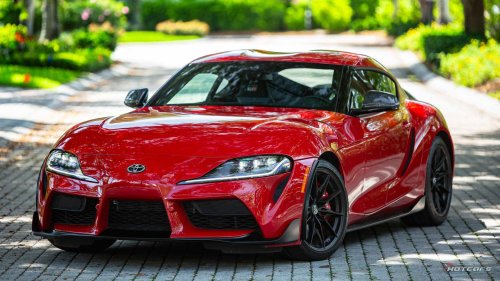
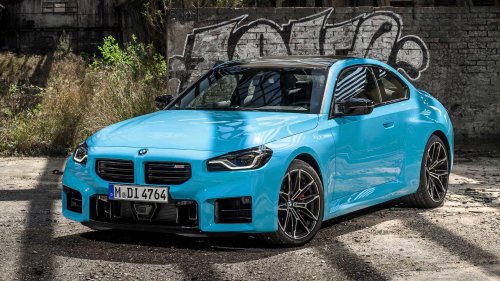
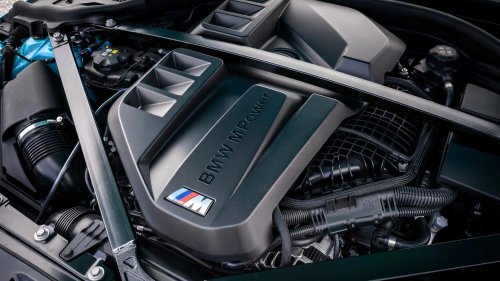
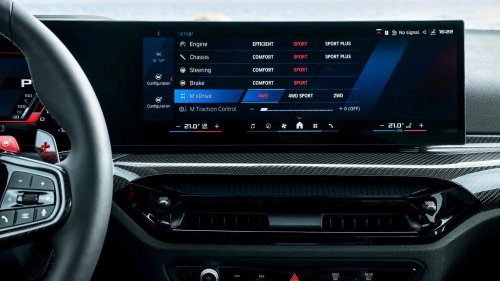
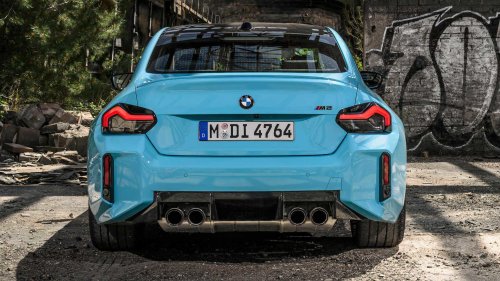
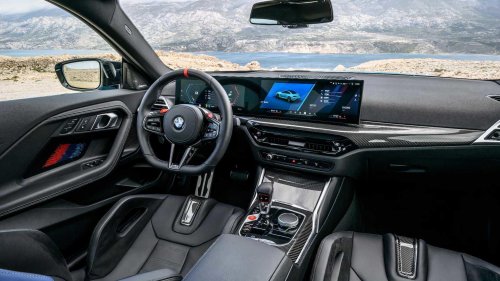
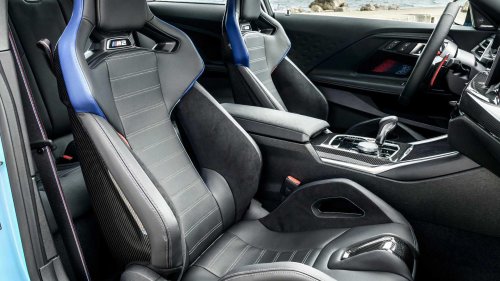
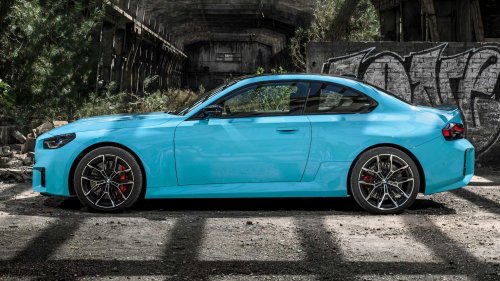
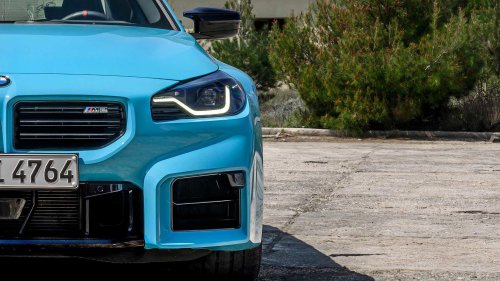
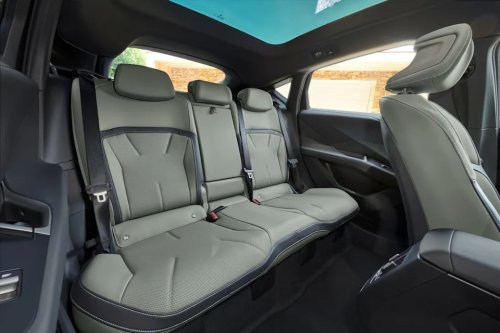
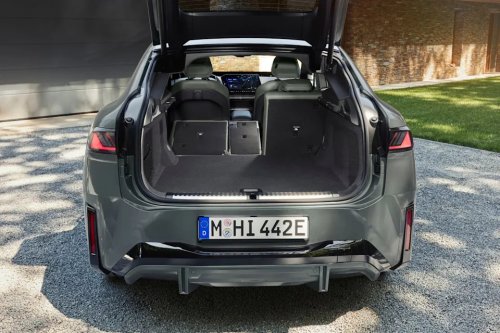
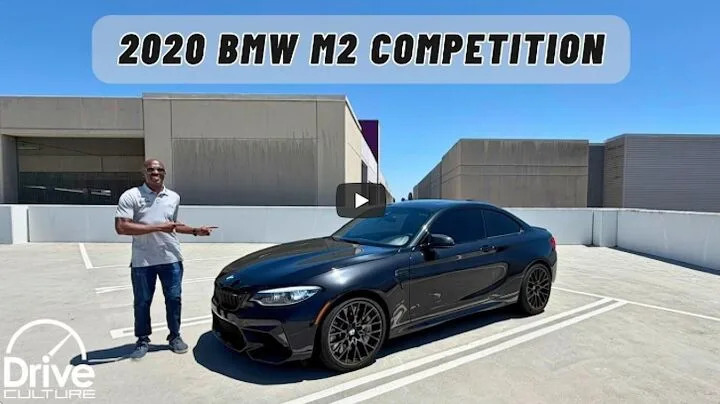
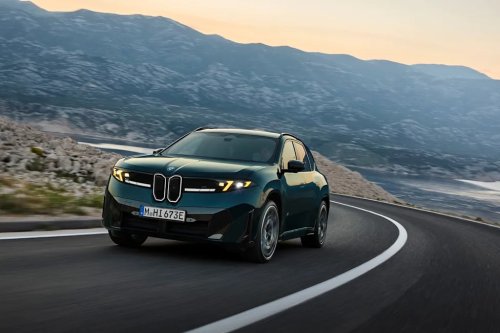
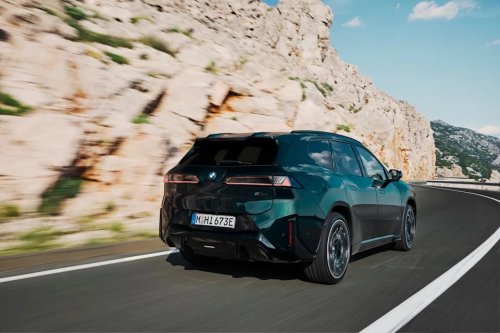
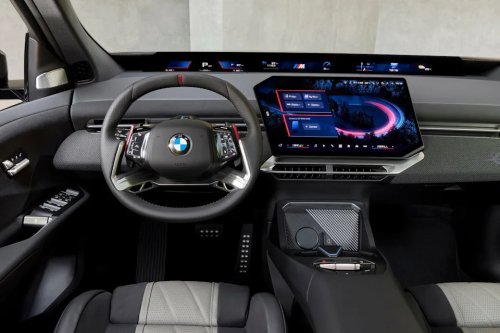
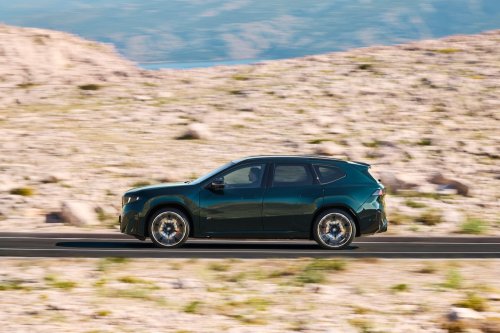
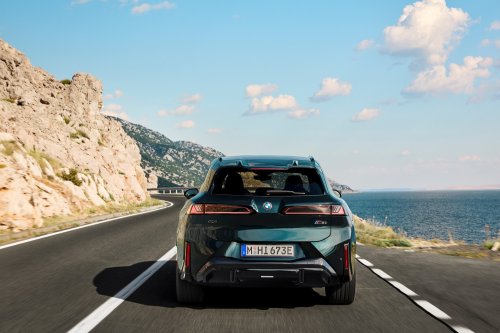
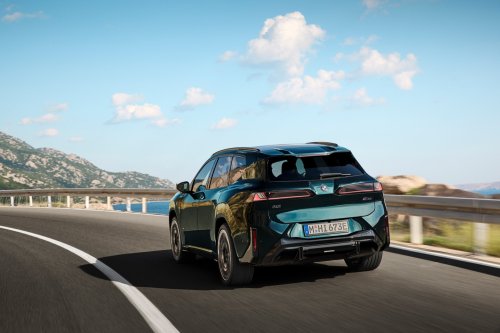
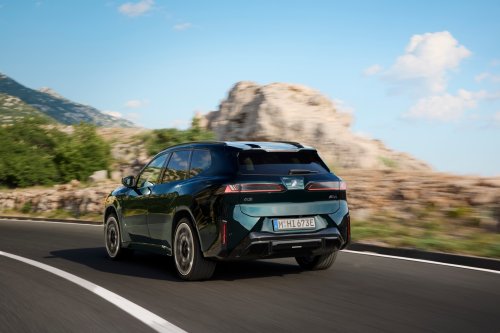
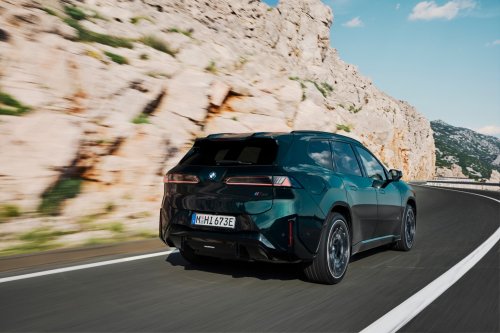
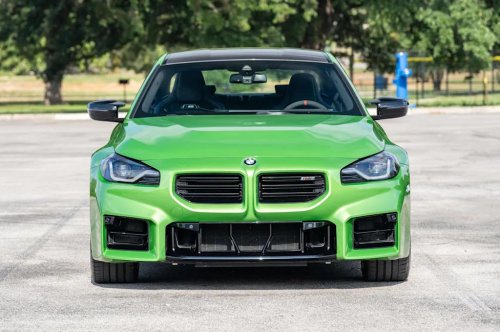
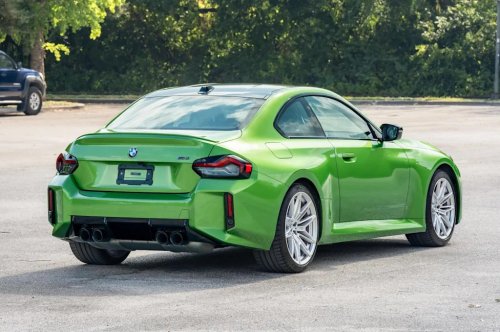
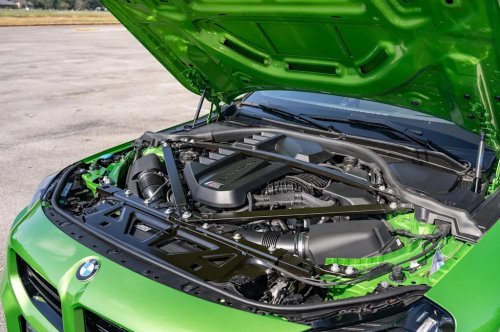
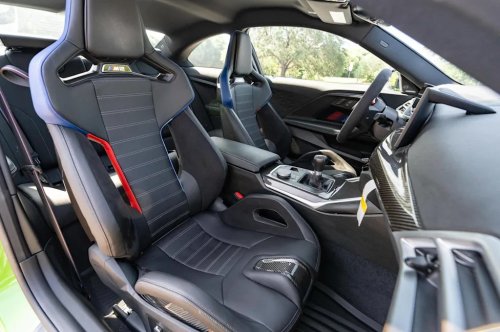
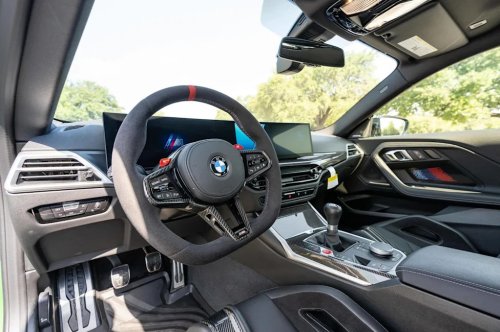
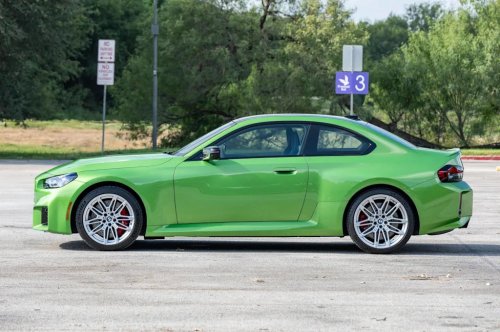
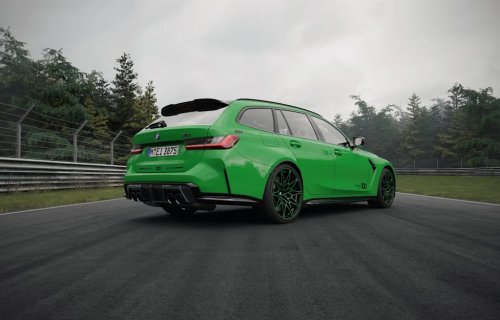
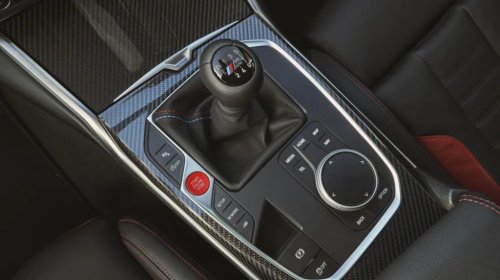
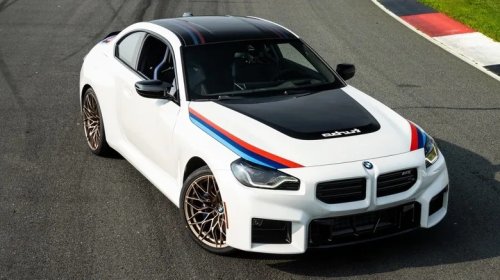
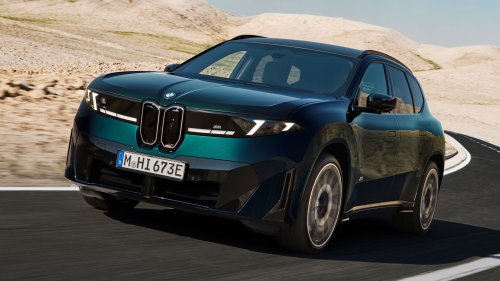
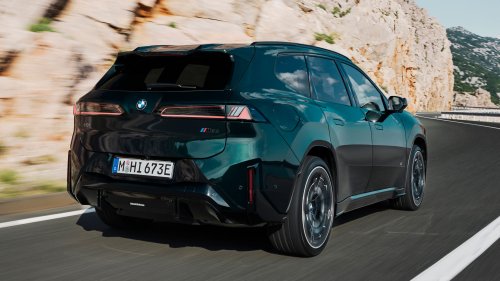
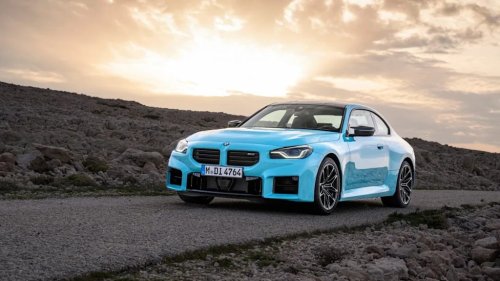
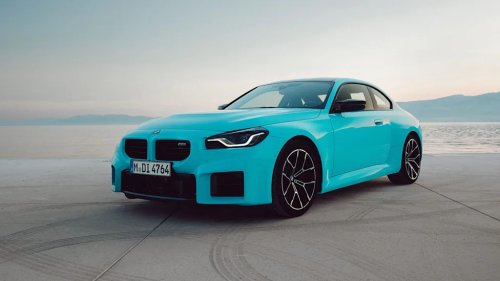
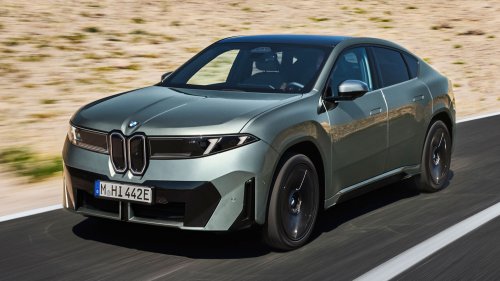
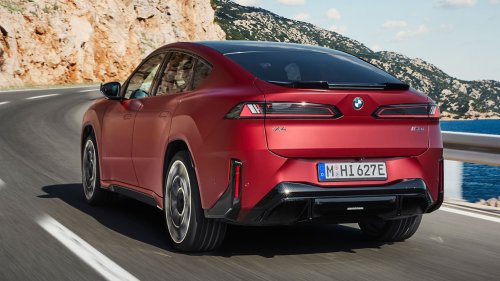
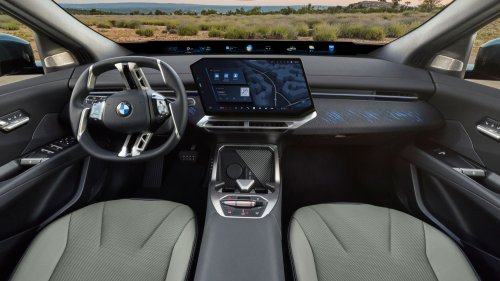
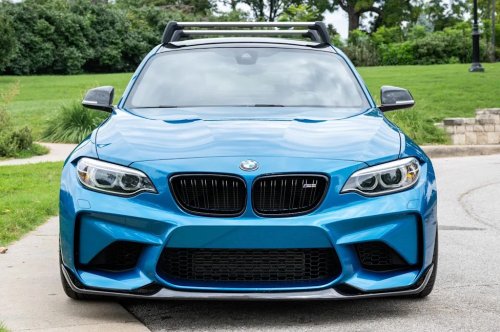
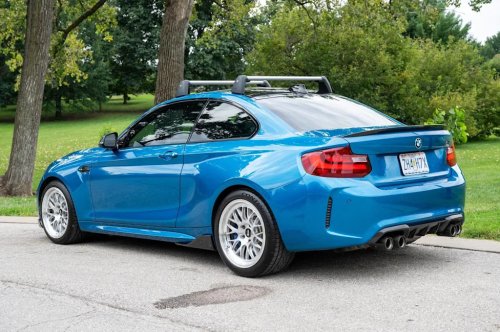
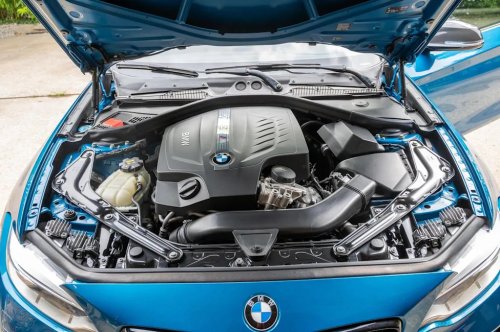
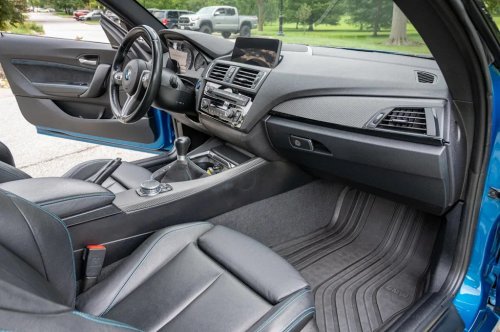
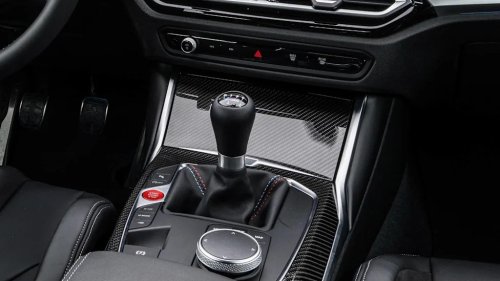
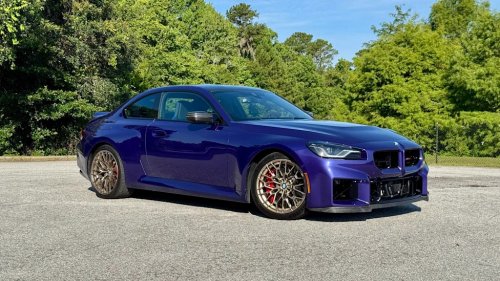
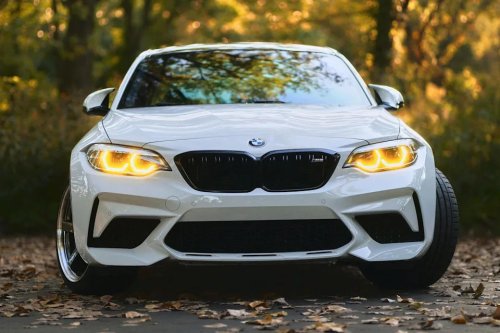
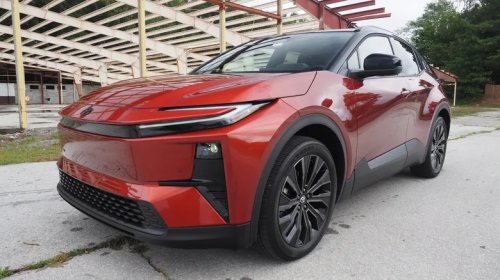
BMW has officially done something enthusiasts have been debating for years. The M2 is getting xDrive. For the first time since the compact M car arrived, buyers will be able to order it with all-wheel drive, bringing the smallest member of BMW's performance lineup in line with its larger M3 and M4 siblings. On paper, the formula looks simple. Keep the same 473-horsepower twin-turbocharged S58 inline-six, add BMW's rear-biased M xDrive system, and let physics do the rest.But the bigger question is whether BMW has finally built the most complete M2 yet, and in the process made life considerably more difficult for cars like the Toyota Supra. Does The New M2 xDrive Make The Supra Harder To Recommend? David Alpert / HotCarsThe arrival of xDrive may create a bigger problem for the Supra than it does for M2 purists. For years, Toyota's coupe occupied a unique space in the market, offering compact dimensions, BMW engineering, and an engaging rear-wheel-drive experience at a "relatively" attainable price. The new M2 xDrive suddenly delivers many of those same qualities while adding nearly 100 horsepower, significantly quicker acceleration, available all-wheel drive, and a usable rear seat. Whereas the Toyota Supra offers that raw handling we all love, but at a more affordable price of $58,300. The 2027 BMW M2 xDrive BMWBMW resisted all-wheel drive in the M2 for years. Part of the car's appeal has always been its simplicity. Compact dimensions, rear-wheel drive, a straight-six under the hood, and just enough attitude to remind you that this wasn't simply a smaller M4. While the larger M cars gradually embraced xDrive, the M2 remained the holdout for enthusiasts who wanted the purest version of BMW's modern performance formula.The new 2027 BMW M2 xDrive pairs BMW's familiar M all-wheel-drive system with the company's Active M Differential, allowing power to be distributed between all four wheels when needed while still maintaining the rear-drive character BMW buyers expect. Under normal conditions, the system remains heavily rear biased, only sending power forward when additional traction is required. Power still comes from the same 3.0-liter twin-turbocharged S58 inline-six producing 473 horsepower and 443 pound-feet of torque, paired exclusively with BMW's eight-speed M Steptronic automatic transmission. It's Significantly Faster Than The Current M2 And Supra BMWThe interesting thing about the new M2 xDrive is that BMW didn't add any horsepower. The current rear-wheel-drive 2026 M2 produces the exact same 473 horsepower and 443 pound-feet of torque. Yet the addition of all-wheel drive slices three tenths of a second from the 0-to-60 sprint.BMW says the new car can hit 60 mph in just 3.6 seconds, or 3.3 seconds using the company's one-foot rollout method. It also reaches 124 mph from a standstill in 12.8 seconds while maintaining the same 155 mph top speed, or 177 mph with the optional M Driver's Package. In other words, BMW simply found a better way to put all 473 horses to the pavement. BMW Didn't Forget About The Purists BMWThe biggest fear surrounding an all-wheel-drive M2 was always the same. Would it still feel like an M2? BMW appears to have anticipated that concern. Like the larger M3 and M4 xDrive models, the new M2 allows drivers to configure the drivetrain through the M Setup menu. One of those settings is a dedicated rear-wheel-drive mode that sends power exclusively to the rear axle when DSC is switched off. That's important because the M2 has never been about outright speed alone. Plenty of cars are faster. The appeal has always been the car's playful nature and willingness to move around underneath the driver. BMW knows that, and thankfully, it hasn't completely removed that personality in the pursuit of quicker acceleration numbers. The Price Of More Grip Is More Weight BMWPhysics always sends a bill eventually. The addition of transfer cases, front drive shafts, and all the hardware required to power four wheels pushes curb weight to 3,988 pounds. When comparing the automatic models, that's roughly 174 pounds heavier than the current rear-wheel-drive M2, but a massive 577 pounds heavier than the current Supra. But for some buyers, that won't matter at all.The extra weight is more than offset by the gains in traction, especially during launches and in less-than-perfect weather conditions. But for track-day enthusiasts, seeing the M2 approach the 4,000-pound mark will undoubtedly upset die-hard purists. The tradeoff ultimately comes down to priorities. If your goal is the quickest possible M2, the new xDrive model wins. If you're chasing the lightest and most traditional experience, the rear-wheel-drive version still has a strong case. BMW Says The New Chassis Is More Than A Launch-Control Special BMW BMW is quick to point out that the new M2 xDrive isn't simply about the fastest quarter-mile times. The company has developed model-specific chassis tuning to work alongside the all-wheel-drive system, Active M Differential, adaptive suspension, and traction-control software. The goal is to create confidence and stability when grip levels start changing.BMW That could prove especially valuable for buyers who actually drive their M2 year-round. Snow, rain, cold pavement, and unpredictable weather have always been compromises for rear-wheel-drive performance cars. The new M2 xDrive aims to remove much of that compromise while preserving the driving experience that made the car popular in the first place. BMW even says the car was specifically developed to perform confidently in low-grip conditions including snow and ice. Is This The M2 Most Buyers Should Actually Buy? BMW For years, the M2 occupied a unique place in BMW's lineup. It was the smaller, lighter, more playful alternative to the increasingly powerful and increasingly expensive M3 and M4. But the addition of xDrive definitely broadens the car's appeal considerably. The rear-wheel-drive Supra will likely remain the choice for purists who prioritize simplicity, lower weight, and maximum driver involvement. But for everyone else, the new xDrive model is arguably the best AWD performance car with a manual transmission. It's faster, more stable, more capable in poor weather, and still allows drivers to switch back to rear-wheel drive when the mood strikes.BMW spent years refusing to put all-wheel drive in the M2 because it didn't fit the car's identity. Now that it's finally here, the surprising thing isn't how much the formula changed, but how much of the original M2 still appears to be intact. Let's just hope the Supra doesn't decide to follow. HotCars Take bmw Having spent time behind the wheel of both the first-generation F87 M2 and A90 Supra, I completely understand why some enthusiasts will immediately push back against the idea of adding all-wheel drive. Part of what made the M2 so special was its rawness. The car always felt playful, eager to rotate, and willing to remind you that all the power was being sent to the rear tires while still being in control.That said, I think BMW made the right call here. The additional 174 pounds is far less significant than some purists will make it out to be, especially when there are countless ways to offset that weight through wheels, exhaust components, and other modifications. More importantly, BMW didn't force buyers into a permanently all-wheel-drive experience. The fact that the M2 xDrive can still be configured to send power exclusively to the rear wheels means enthusiasts aren't really giving anything up.In my view, this is the best of both worlds. You get the traction, acceleration, and all-weather capability of xDrive when you want it, and the rear-drive character that made the M2 great when you don't. That's a trade-off I'd happily make.